Loading video…


 15 Concepts
 62.5K views

Video Summary: Heat Flow and Specific Heat Explained
Ever wonder why your morning coffee cools down faster in winter than summer? Heat flow and specific heat govern this everyday phenomenon, determining how thermal energy transfers between objects at different temperatures. When you place a hot Starbucks coffee in a cold Chicago apartment, the temperature difference drives energy transfer from the coffee to the room until thermal equilibrium is reached. This concept explains everything from cooking times to building insulation efficiency across America. Watch the full video on JoVE Coach to master this concept with expert-led visuals and step-by-step explanations.
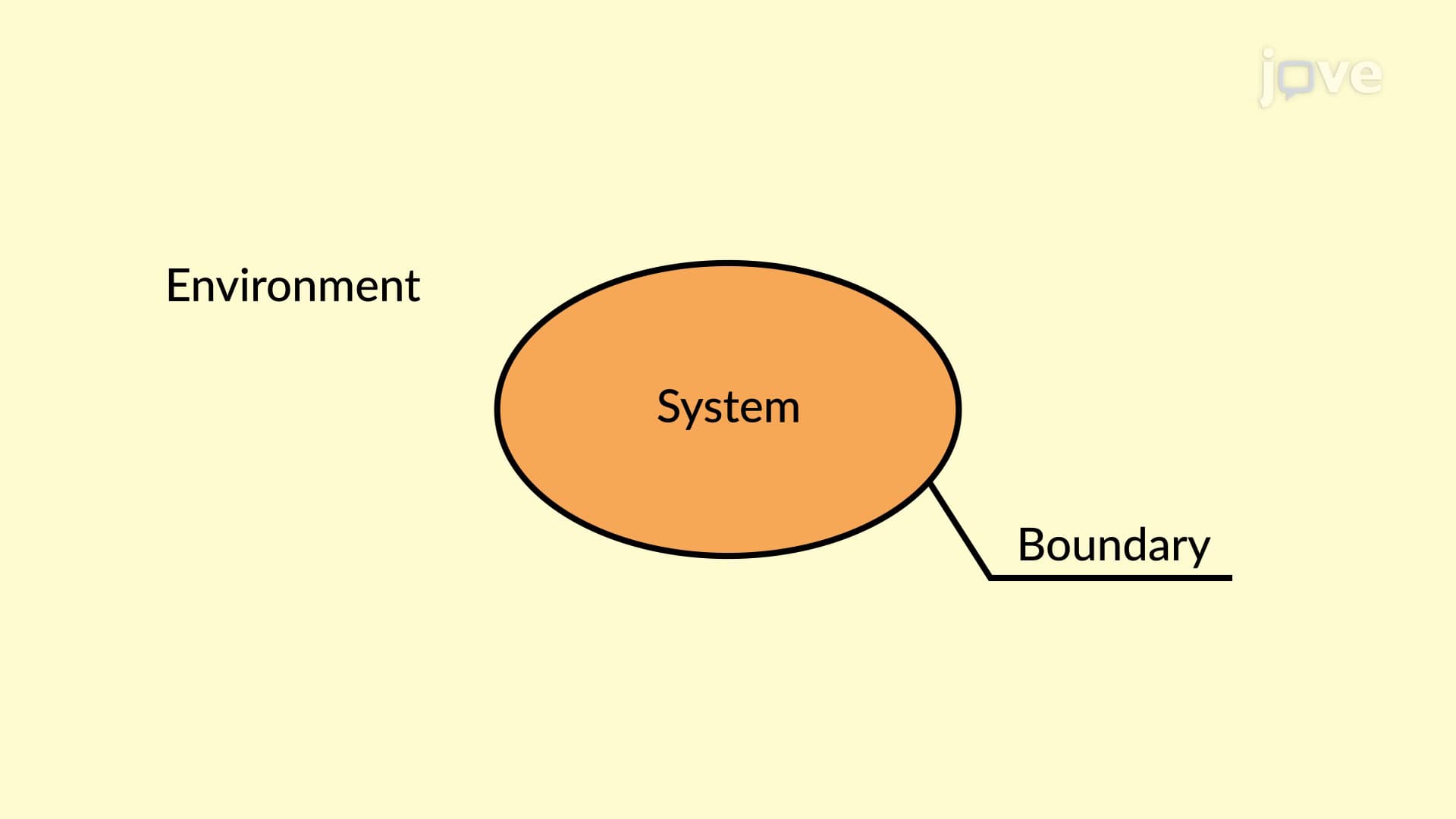
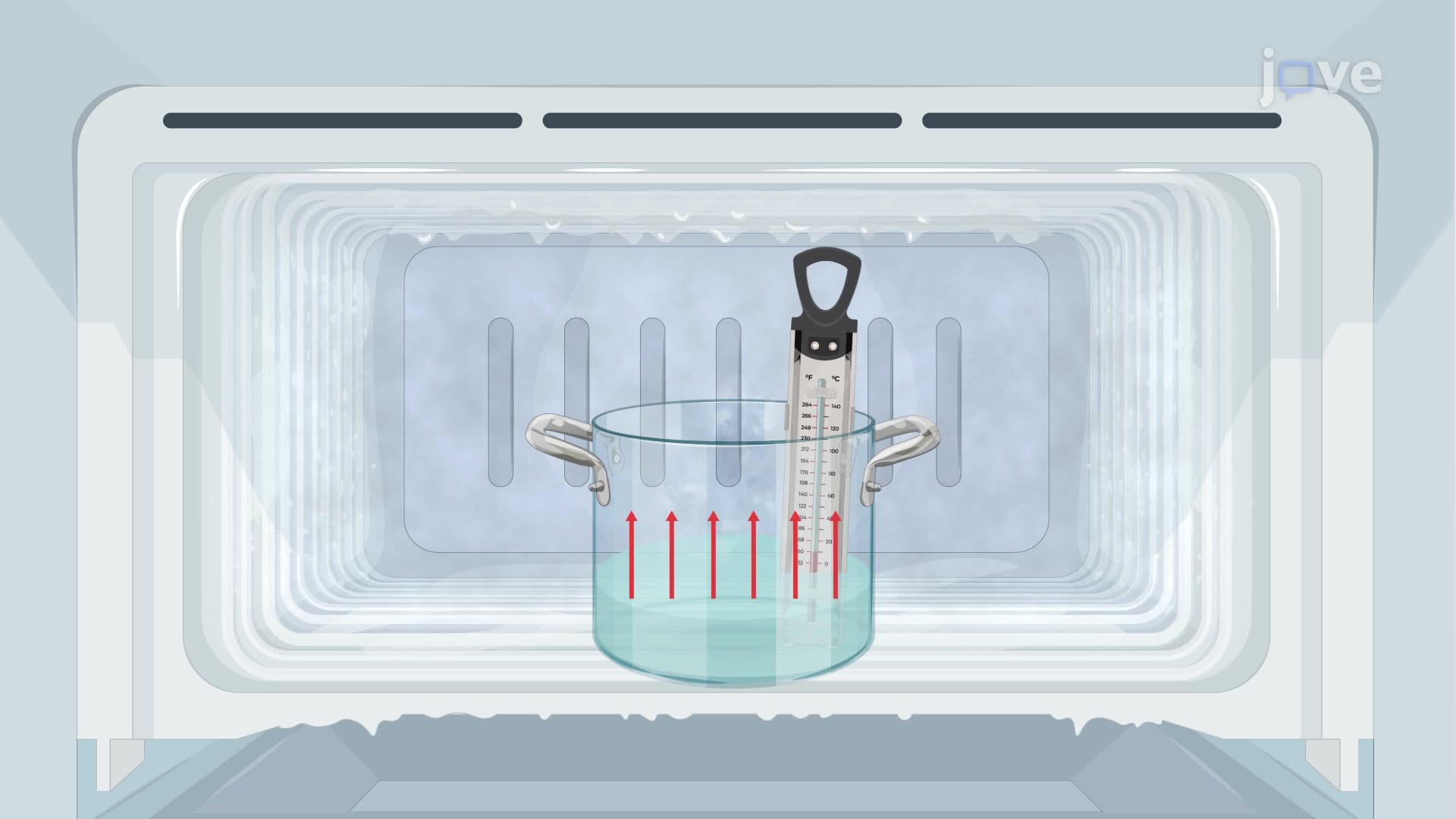
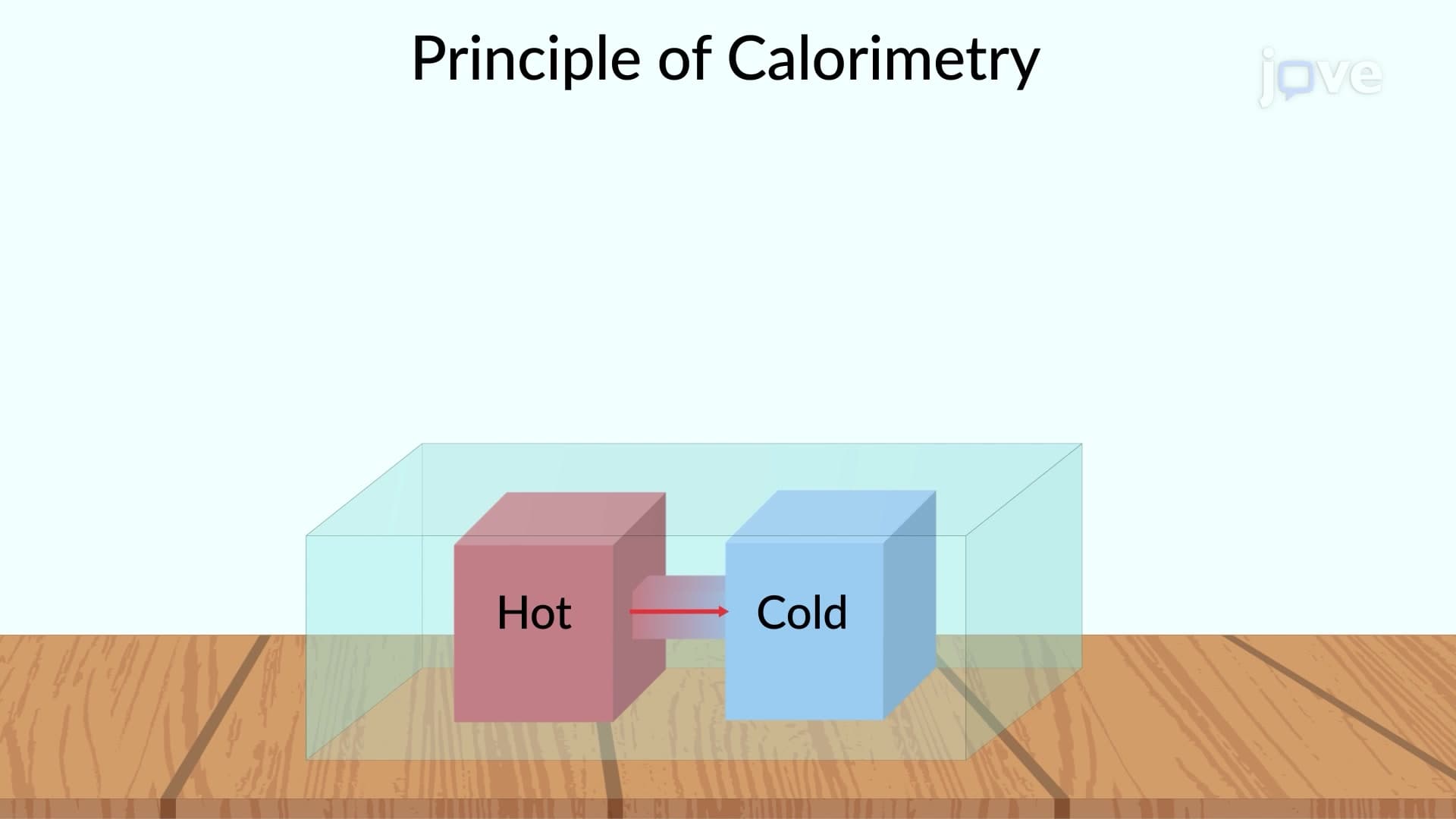
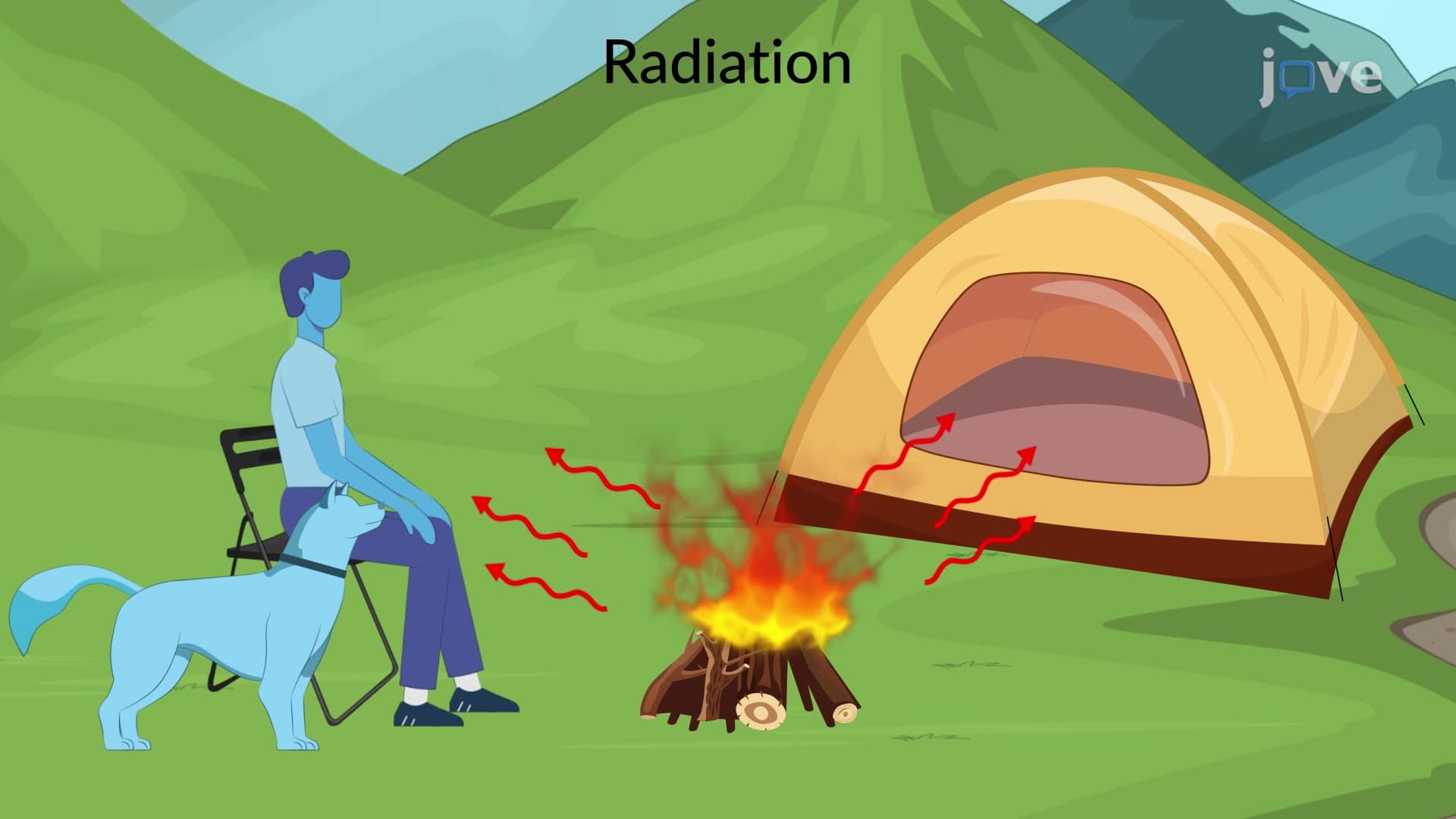
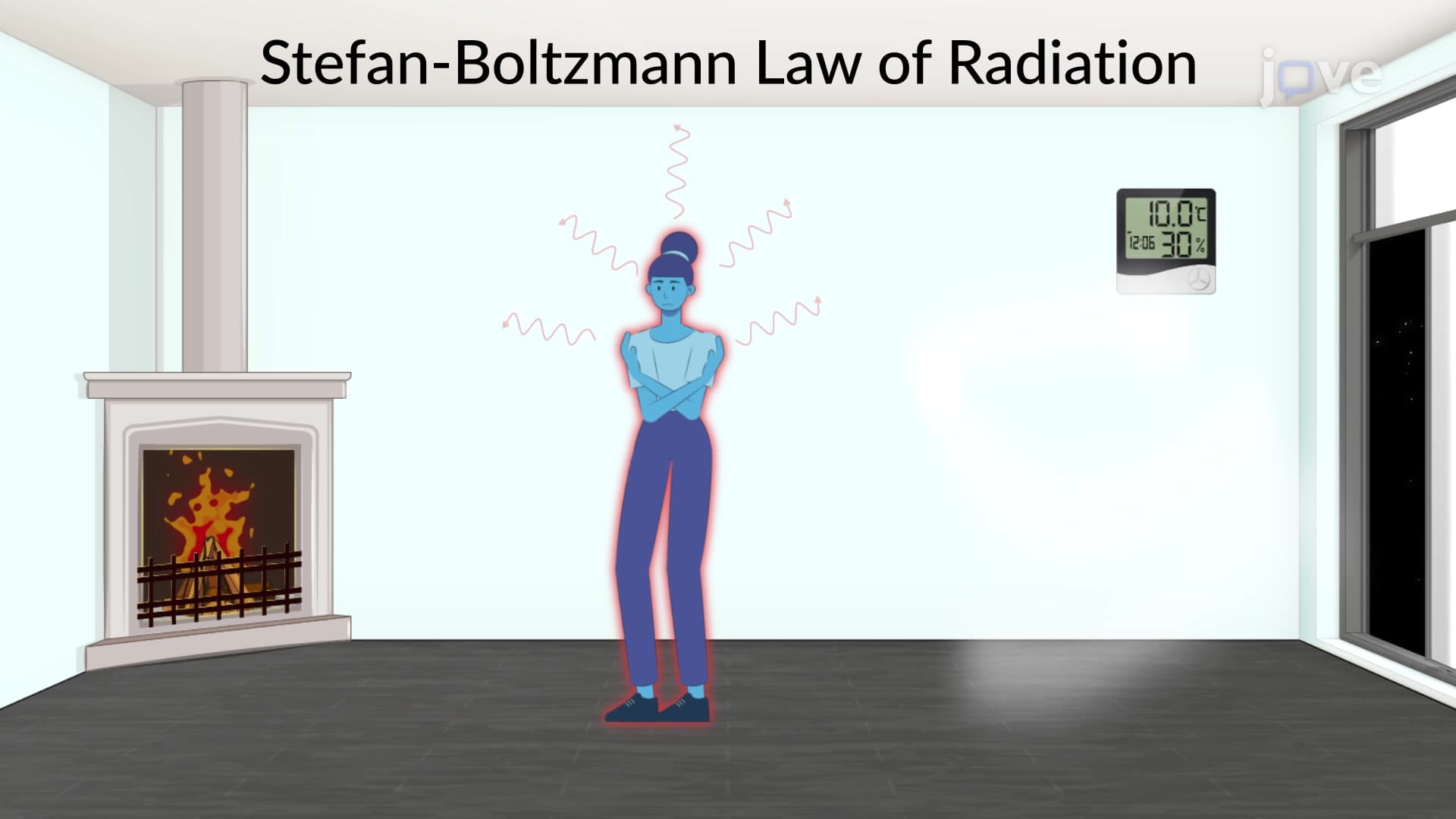
Heat flow and specific heat form the cornerstone of thermodynamics, governing how thermal energy moves through our world. When objects at different temperatures come into contact, heat flows spontaneously from the hotter object to the cooler one until both reach the same temperature-a state called thermal equilibrium. This process occurs everywhere: from the radiator warming your dorm room to the heat sink cooling your laptop's processor.
The driving force behind heat flow is the temperature gradient-the difference in temperature between two objects or regions. The greater this difference, the faster heat flows. Think of how quickly ice cubes melt in hot summer temperatures versus cool air conditioning.
The amount of heat transferred during temperature changes follows a predictable mathematical relationship: Q = mcΔT, where Q represents heat energy, m is mass, c is specific heat capacity, and ΔT is the temperature change. This equation appears frequently on AP Physics exams and college thermodynamics courses.
Specific heat capacity measures how much energy is required to raise one gram of a substance by one degree Celsius. Water has an exceptionally high specific heat (4.186 J/g°C), which explains why coastal cities like San Francisco maintain moderate temperatures year-round-the Pacific Ocean absorbs and releases enormous amounts of thermal energy with minimal temperature change.
Heat energy is measured in joules (SI unit) or calories, with one calorie equaling exactly 4.186 joules. This conversion factor appears on standardized tests like the MCAT and SAT Subject Tests. When dealing with larger quantities, we use kilocalories (kcal)-the "calories" listed on nutrition labels.
Molar heat capacity extends this concept by considering the amount of substance in moles rather than grams, denoted as capital C. This becomes crucial in advanced chemistry courses and professional applications in materials science.
Understanding heat flow and specific heat proves essential in countless American industries. Automotive engineers design engine cooling systems based on coolant specific heat values. Food scientists at companies like General Mills optimize cooking processes by analyzing how different ingredients absorb thermal energy. HVAC technicians size heating and cooling systems by calculating building thermal loads, while metallurgists at steel plants in Pittsburgh control alloy properties through precise temperature management.
These principles also explain why desert regions experience dramatic day-night temperature swings-sand and rock have low specific heat values-while Great Lakes regions maintain more stable temperatures due to water's high thermal capacity.
Related Micro-courses