Loading video…


 15 Concepts
 62.5K views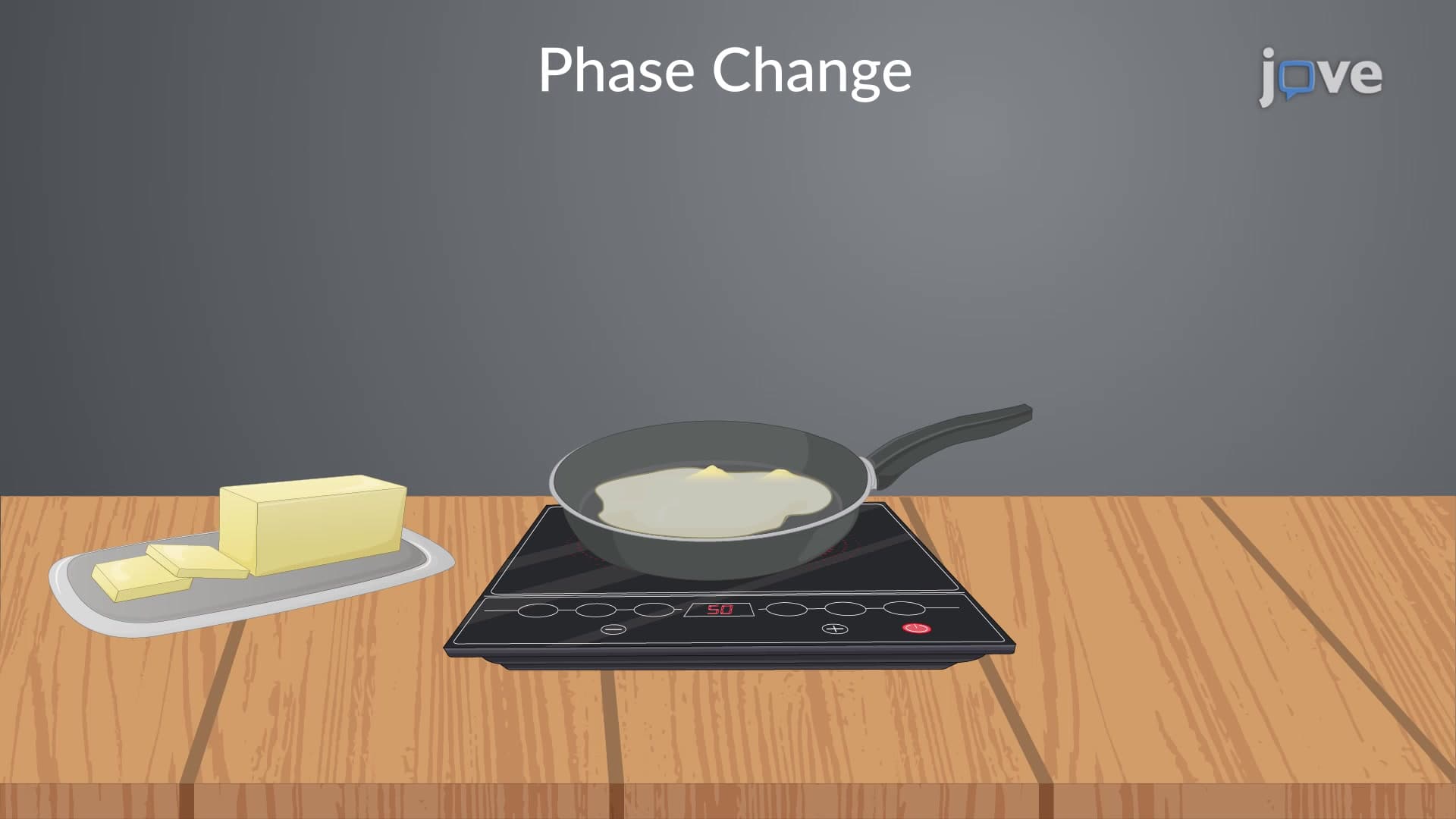

Video Summary: What Is Phase Changes
Ever wonder why ice cubes disappear in your drink or how snowfall in Colorado mountains transforms into spring runoff? Phase changes represent the fundamental transformations between solid, liquid, and gas states that occur when matter absorbs or releases energy. From the melting of glaciers in Alaska to the condensation forming morning dew, these transitions follow predictable patterns governed by heat transfer principles. Watch the full video on JoVE Coach to master this concept with expert-led visuals and step-by-step explanations.
Phase changes represent the physical transformations that occur when matter transitions between its fundamental states-solid, liquid, and gas. Unlike chemical reactions that alter molecular composition, phase changes only modify the arrangement and energy of molecules while preserving their chemical identity. This distinction proves crucial for students preparing for AP Chemistry or Physics exams, where understanding the difference between physical and chemical changes frequently appears in multiple-choice questions.
The phase changes concept encompasses six distinct transitions. Melting occurs when solids absorb sufficient energy to overcome intermolecular forces, transitioning to liquids-like ice melting at 32°F (0°C). Freezing reverses this process when liquids lose energy and solidify, as seen when water pipes freeze during harsh winters in Minnesota or North Dakota.
Vaporization includes both evaporation (surface molecules escaping) and boiling (bulk liquid transformation), such as water boiling at 212°F (100°C) at sea level. Condensation occurs when water vapor in humid Southern states forms droplets on cold surfaces. Sublimation allows direct solid-to-gas transitions-dry ice (solid carbon dioxide) subliming at -109°F (-78°C) creates dramatic effects in theatrical productions across Broadway theaters.
Understanding phase changes requires mastering energy calculations. The heat of fusion quantifies energy needed for solid-liquid transitions, while heat of vaporization measures liquid-gas transformation energy. For water, these values are 334 J/g and 2,260 J/g respectively. Students encounter these calculations in SAT Subject Tests and college general chemistry courses.
The formula Q = mL applies, where Q represents heat absorbed or released, m equals mass, and L represents the specific latent heat. These calculations frequently appear in MCAT Physical Sciences sections, particularly in passages describing biological processes like perspiration cooling mechanisms.
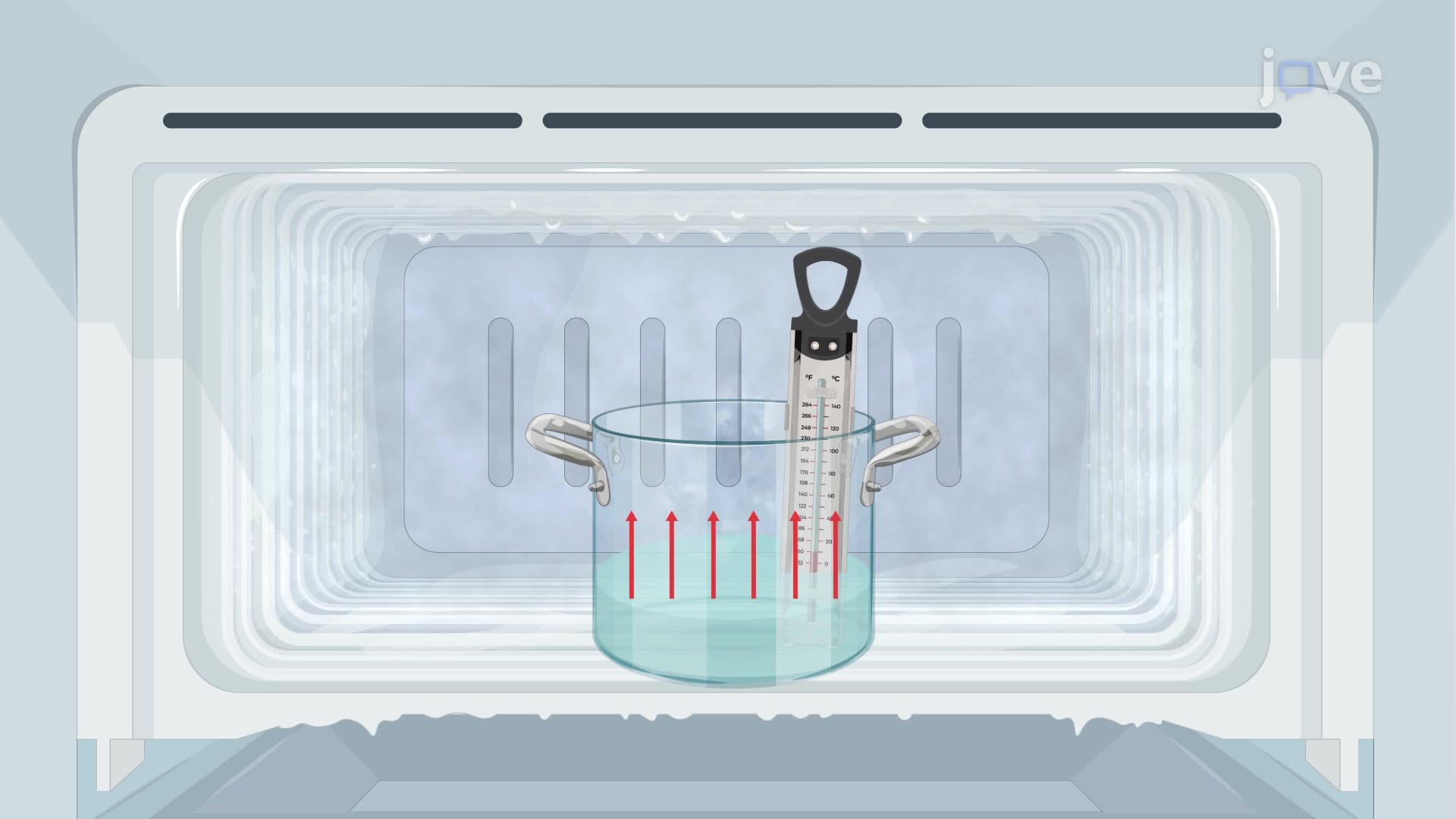
Phase changes basics extend beyond classroom theory into practical applications. Refrigeration systems in American homes rely on refrigerant phase changes-liquid refrigerants absorb heat while vaporizing in evaporator coils, then release heat while condensing in condenser units. This phase changes overview helps students understand energy efficiency ratings and environmental considerations.
Weather phenomena demonstrate phase changes dramatically-hurricanes derive energy from water vaporization over warm Atlantic waters, while blizzards result from atmospheric water vapor condensing and freezing. These examples enhance student comprehension for AP Environmental Science examinations and college meteorology courses.
Related Micro-courses