Loading subject page…

- Physics
- Temperature and Heat
- Thermometers and Temperature Scales
Micro-course: Temperature and Heat
62,510 views
Learn key concepts and earn your certificate.




Thermometers and Temperature Scales


00:00
01:22
Video Summary: What are Thermometers and Temperature Scales
Ever wonder why your fever reads 98.6°F on a digital thermometer but -273.15°C would instantly freeze you solid? Thermometers and temperature scales form the foundation of how we measure heat in everything from checking body temperature to monitoring chemical reactions in AP Chemistry labs. These essential scientific instruments come in various types-including liquid-in-glass, digital, and infrared models-and utilize three primary measurement scales: Celsius, Fahrenheit, and Kelvin, each designed around water's unique properties and absolute zero. Watch the full video on JoVE Coach to master this concept with expert-led visuals and step-by-step explanations.
- Understand what are thermometers and temperature scales and their fundamental role in scientific measurement and daily applications
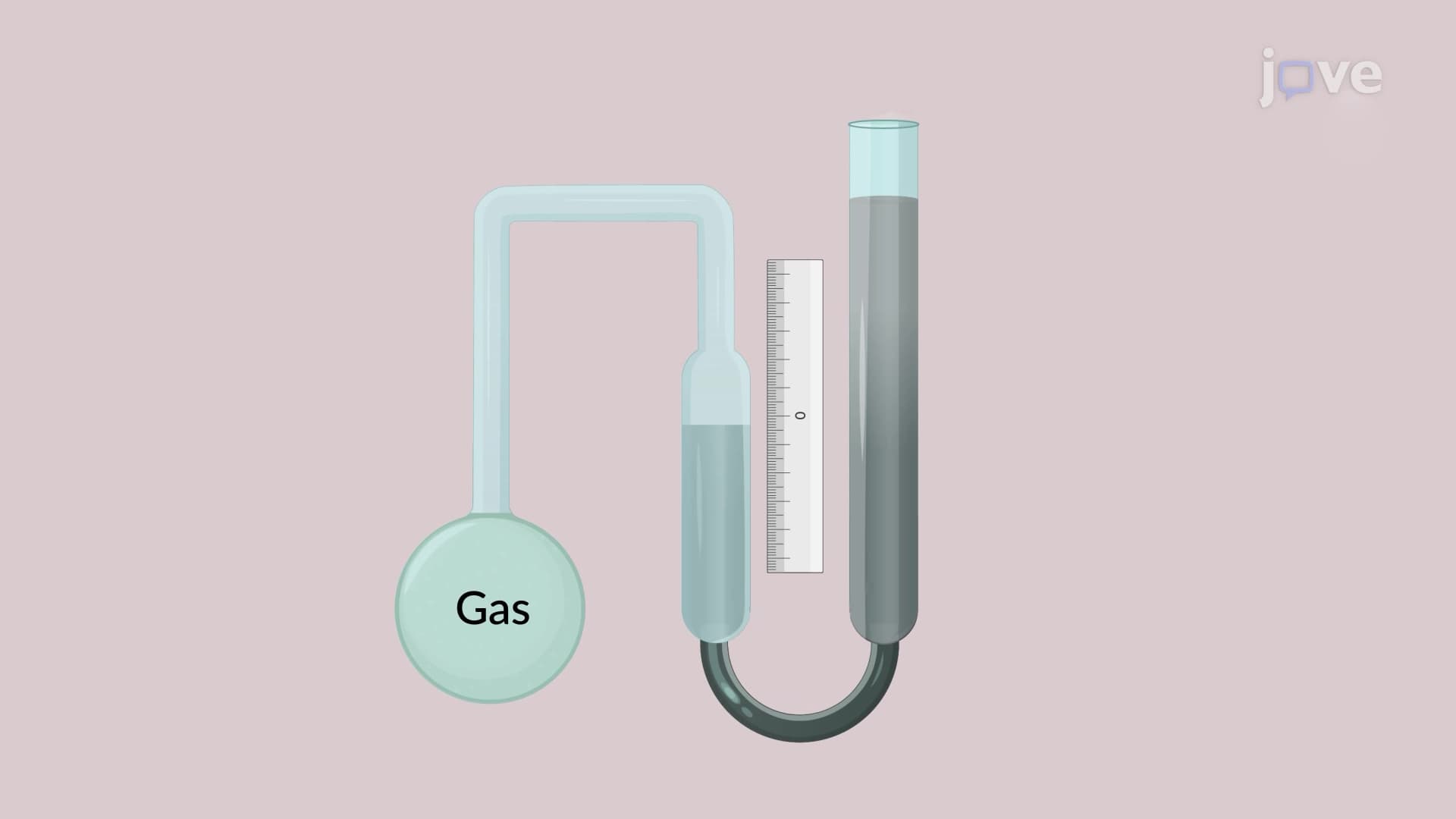
- Identify the five major types of thermometers: liquid-in-glass, bimetallic, digital, infrared, and gas thermometers
- Compare the three primary temperature scales (Celsius, Fahrenheit, and Kelvin) and their reference points
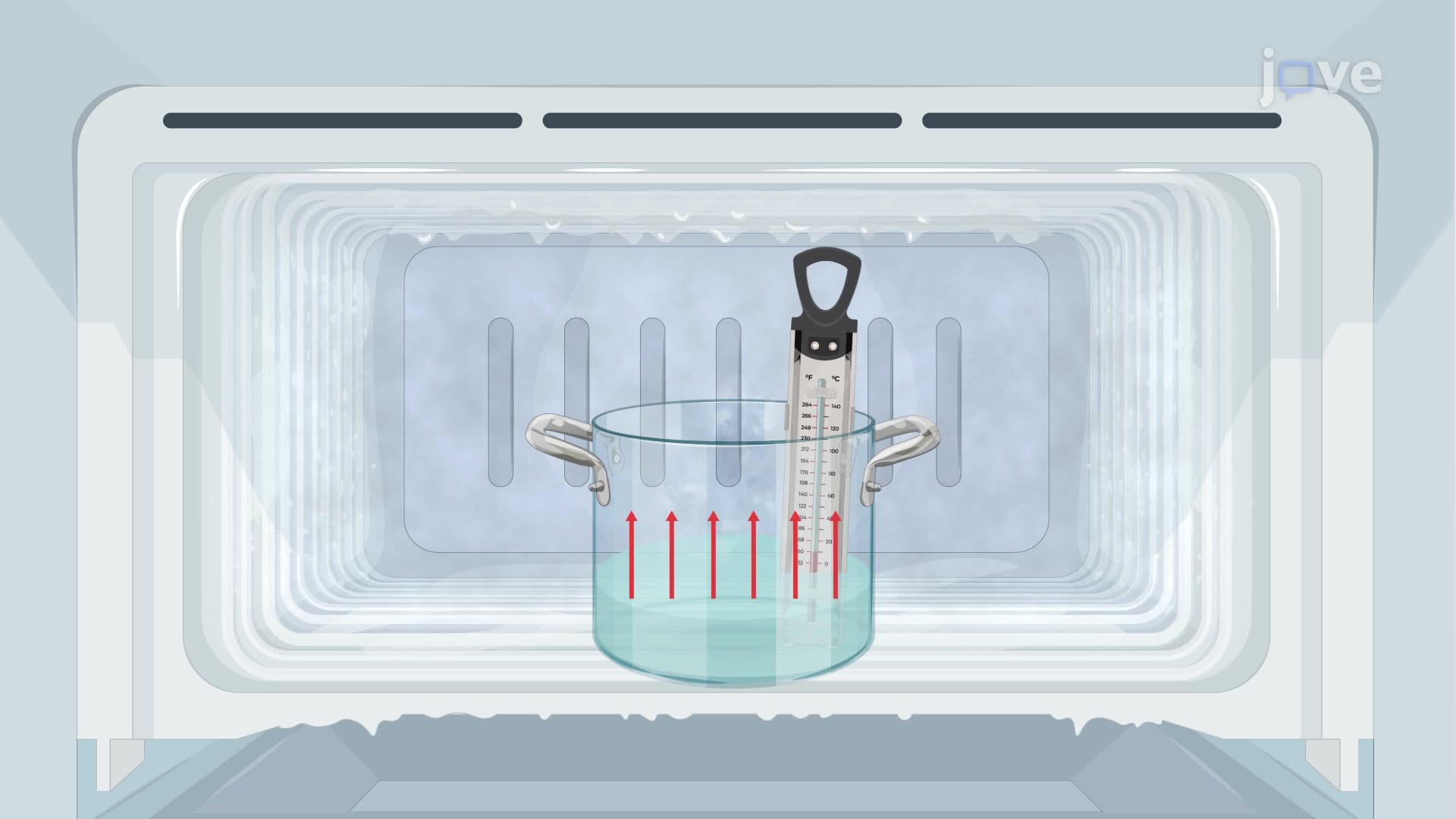
- Analyze why the Celsius scale uses 0°C and 100°C as freezing and boiling points of water respectively
- Apply temperature conversion formulas between Fahrenheit and Celsius scales in problem-solving scenarios
- Recognize the significance of absolute zero and the Kelvin scale in scientific measurements
- Evaluate which thermometer type is most appropriate for specific measurement situations
- Explore real-world applications of different temperature measurement systems in healthcare, industry, and research
Understanding What are Thermometers And Temperature Scales
Temperature measurement represents one of humanity's most crucial scientific achievements, enabling everything from medical diagnosis to space exploration. Thermometers and temperature scales work together as a comprehensive system: thermometers serve as the measuring instruments, while temperature scales provide the standardized framework for interpreting and communicating thermal measurements.
Types of Thermometers and Their Applications
Modern thermometry encompasses five primary instrument categories, each optimized for specific applications. Liquid-in-glass thermometers, the traditional mercury or alcohol-filled tubes, remain popular in educational settings and basic laboratory work due to their simplicity and accuracy. Bimetallic thermometers utilize two different metals that expand at different rates, making them ideal for industrial applications like HVAC systems in American manufacturing plants.
Digital thermometers dominate healthcare and consumer markets, offering rapid, precise readings essential for medical professionals following CDC temperature monitoring protocols. Infrared thermometers gained widespread recognition during the COVID-19 pandemic, enabling non-contact temperature screening in schools, airports, and healthcare facilities nationwide. Gas thermometers, though primarily used in research settings, provide the most accurate measurements by measuring gas pressure changes at constant volume.
Temperature Scales: Celsius, Fahrenheit, and Kelvin
The Celsius scale, developed by Swedish astronomer Anders Celsius, anchors itself to water's phase transitions at standard atmospheric pressure. With freezing at 0°C and boiling at 100°C, this centigrade system divides the range into 100 equal intervals, making calculations straightforward for students tackling AP Chemistry or college-level thermodynamics problems.
Fahrenheit, created by German physicist Daniel Fahrenheit, uses 32°F for water's freezing point and 212°F for boiling-a 180-degree span. While seemingly arbitrary, this scale provides finer resolution for everyday temperature ranges, explaining its continued use in American weather forecasting and cooking. The conversion formula F = (9/5)C + 32 frequently appears on standardized tests like the SAT Subject Tests and AP exams.
Kelvin, the absolute temperature scale, begins at absolute zero (-273.15°C), where molecular motion theoretically stops. Named after British physicist Lord Kelvin, this scale uses the same degree intervals as Celsius but eliminates negative temperatures, making it indispensable for gas law calculations in chemistry courses and thermodynamic studies in engineering programs.
Practical Applications in American Education and Industry
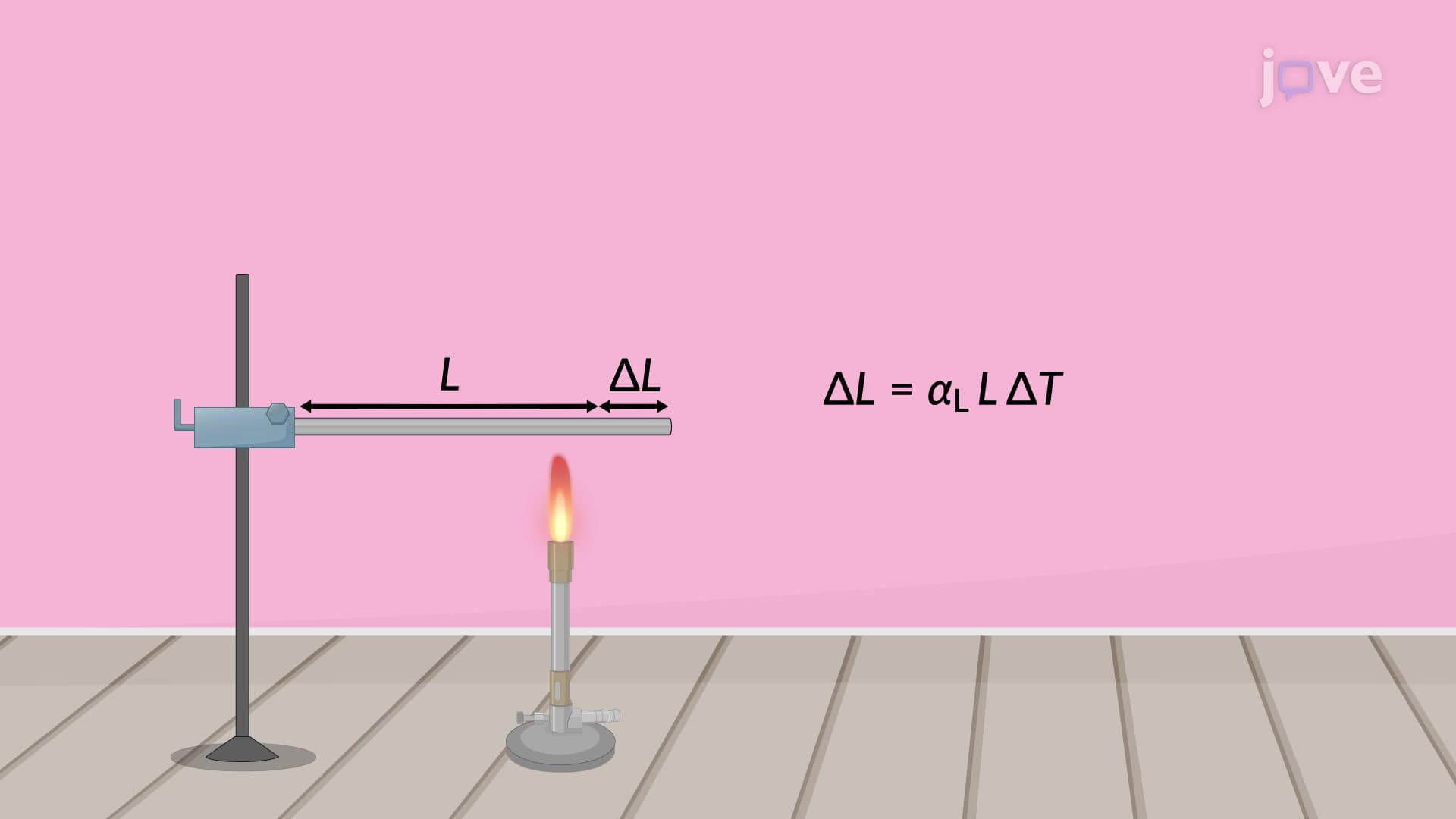
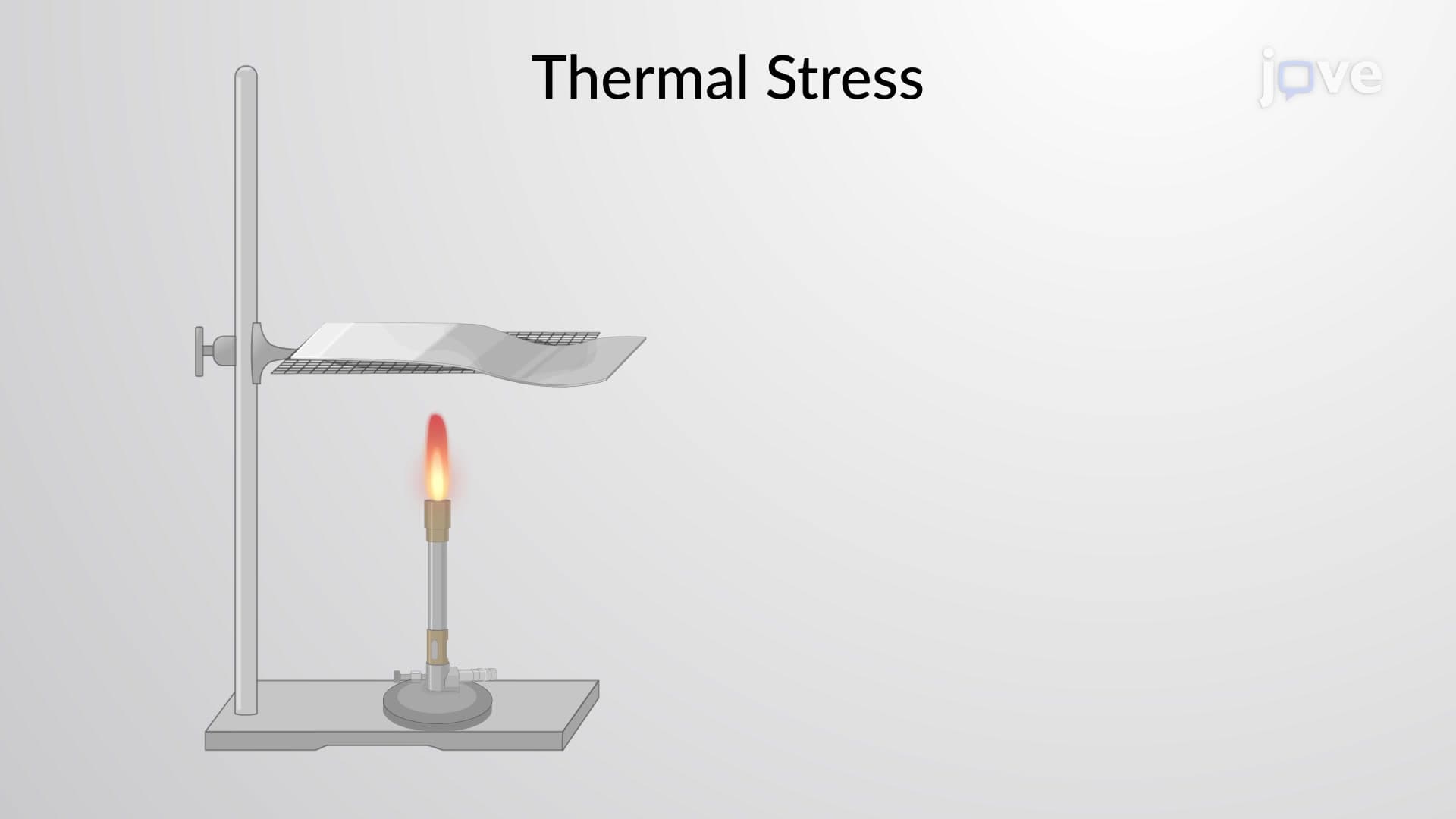
These concepts directly impact numerous fields across American industry and academia. Medical professionals rely on precise temperature measurements for patient care, while meteorologists use sophisticated thermometric networks to predict weather patterns affecting agriculture and transportation. Students encounter these principles throughout their academic journey, from middle school science fairs measuring plant growth temperatures to college physics labs exploring thermal expansion coefficients.
Frequently Asked Questions
Thermometers are instruments that measure how hot or cold something is, while temperature scales are the number systems (like Celsius, Fahrenheit, and Kelvin) we use to express those measurements. Think of thermometers as rulers for heat, and temperature scales as the different measurement units marked on those rulers. Together, they help us quantify thermal energy in everything from checking fever temperatures to conducting laboratory experiments.
These concepts frequently appear in MCAT Physical Sciences sections and AP Chemistry exams through gas law problems, thermodynamics questions, and laboratory data interpretation. You'll encounter temperature conversion calculations, thermal expansion problems, and experimental design questions involving proper thermometer selection. Practice converting between scales using the standard formulas, as these conversions often serve as stepping stones to more complex thermochemistry problems.
College chemistry exams typically focus on thermometer accuracy, precision concepts, and scale selection for specific experimental conditions. Professors often ask students to explain why Kelvin temperatures are required for gas law calculations or to analyze experimental error when using different thermometer types. Expect questions comparing measurement uncertainty between digital versus analog instruments and justifying thermometer choice based on temperature range requirements.
US healthcare facilities predominantly use digital thermometers for patient monitoring, with infrared models becoming standard for infection control protocols. Hospitals maintain strict temperature documentation requirements, typically recording in Fahrenheit for patient charts while research departments may use Celsius for clinical studies. Emergency departments rely on rapid-response thermometers to quickly assess patient conditions, while surgical suites require precise temperature monitoring for hypothermia prevention during operations.
Not at all-the mathematical requirements involve only basic algebra and arithmetic operations that high school students have already mastered. Temperature conversions use straightforward linear equations, and most thermometer readings require simple number interpretation. The key is understanding the conceptual relationships between different scales rather than complex calculations, making this topic accessible to students at all mathematical levels.
Focus on understanding the logic behind conversions rather than rote memorization-remember that Celsius and Fahrenheit have different zero points and different degree sizes. Practice with memorable reference points like body temperature (98.6°F = 37°C) and room temperature (68°F = 20°C). Create conversion problems using familiar temperatures from daily life, and always double-check your work by converting back to the original scale to verify accuracy.
This foundational knowledge leads directly into thermodynamics, chemical kinetics, and physical chemistry concepts that dominate upper-level coursework. Students progress to studying heat capacity, enthalpy changes, and reaction rate dependencies on temperature. Advanced topics include phase diagrams, thermal analysis techniques, and statistical thermodynamics, all requiring solid understanding of temperature measurement principles established in introductory courses.
The National Weather Service uses Fahrenheit for public forecasts to match American familiarity, but internal calculations and international data sharing utilize Celsius measurements. Weather balloon data, satellite readings, and atmospheric modeling rely on Kelvin temperatures for scientific accuracy. Meteorologists must seamlessly convert between scales when interpreting global weather models, communicating with international colleagues, and presenting information to the American public through various media channels.
Related Micro-courses

13 Concepts

19 Concepts

12 Concepts