Loading subject page…

- Physics
- Temperature and Heat
- Absorption of Radiation
Micro-course: Temperature and Heat
62,510 views
Learn key concepts and earn your certificate.




Absorption of Radiation

00:00
01:05
Video Summary: What Is Absorption of Radiation
Did you know that every object around you-from your smartphone to NASA's space telescopes-constantly absorbs and emits thermal radiation? Absorption of radiation occurs when objects simultaneously receive and emit heat energy, creating a dynamic balance described by the Stefan-Boltzmann law. Consider how solar panels in California absorb sunlight while also radiating heat back to the atmosphere. Understanding what is absorption of radiation reveals why engineers must account for both incoming and outgoing energy when designing everything from building HVAC systems to spacecraft thermal management. Watch the full video on JoVE Coach to master this concept with expert-led visuals and step-by-step explanations.
- Understand what is absorption of radiation and how objects simultaneously emit and absorb thermal energy from their surroundings
- Identify the mathematical relationship between radiated and absorbed heat using the modified Stefan-Boltzmann equation
- Analyze how temperature differences between objects determine the net direction of heat transfer through radiation
- Compare the rates of heat emission and absorption to calculate net radiation heat transfer
- Evaluate real-world scenarios where radiation absorption affects thermal equilibrium in engineering systems
- Apply the concept to solve physics problems involving multiple bodies at different temperatures
- Recognize how environmental temperature influences the effective radiation rate of heated objects
- Explore practical applications in thermal management, solar energy systems, and building design
Understanding What is Absorption of Radiation
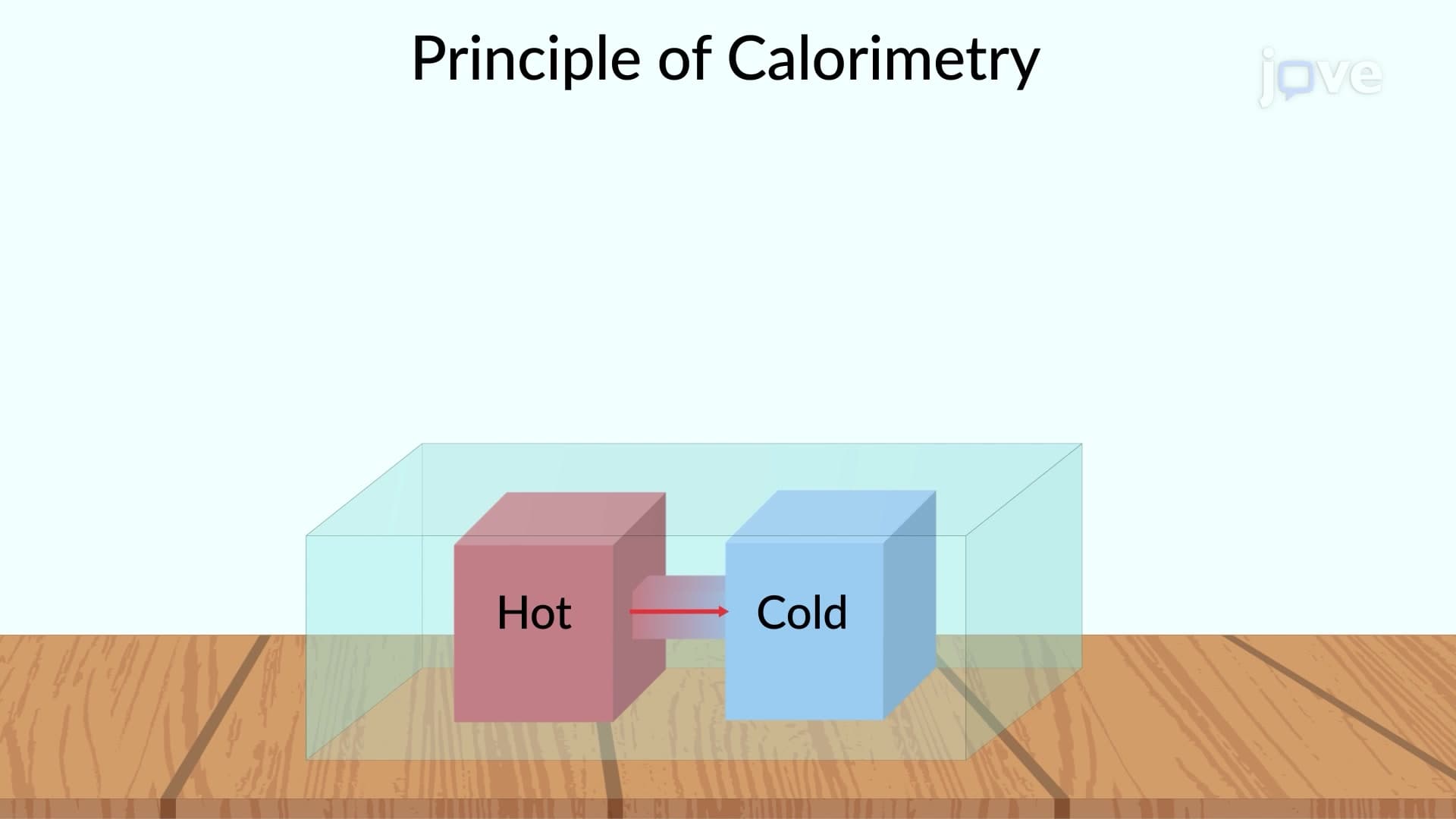
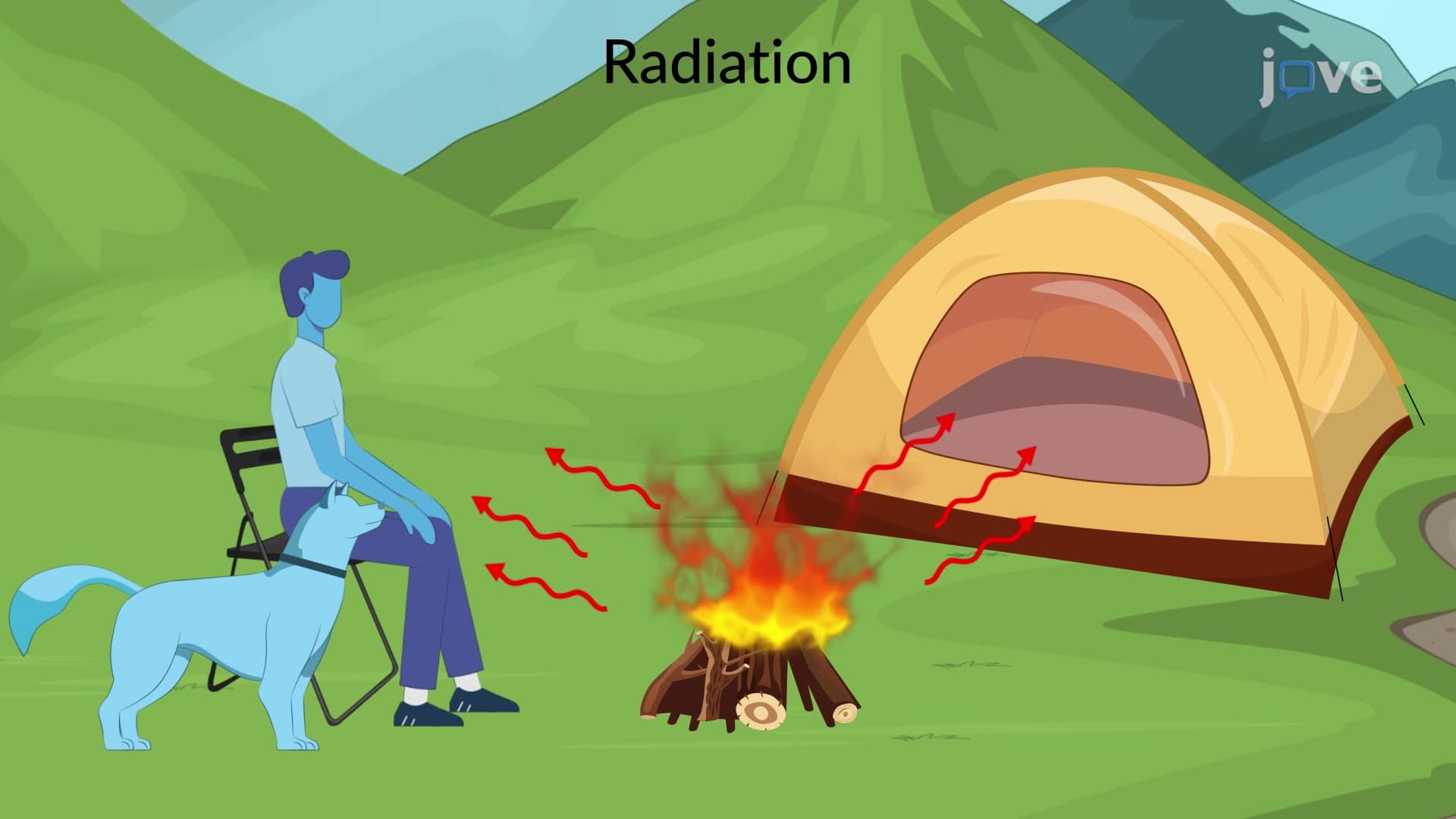
Absorption of radiation represents a fundamental concept in thermal physics where objects not only emit electromagnetic radiation but simultaneously absorb radiation from their environment. This dual process creates a more complete picture of heat transfer than simple emission alone. When studying absorption of radiation definition, students learn that every object above absolute zero temperature both radiates energy outward and receives energy from surrounding objects, creating a complex thermal interaction.
The Physics Behind Radiation Absorption
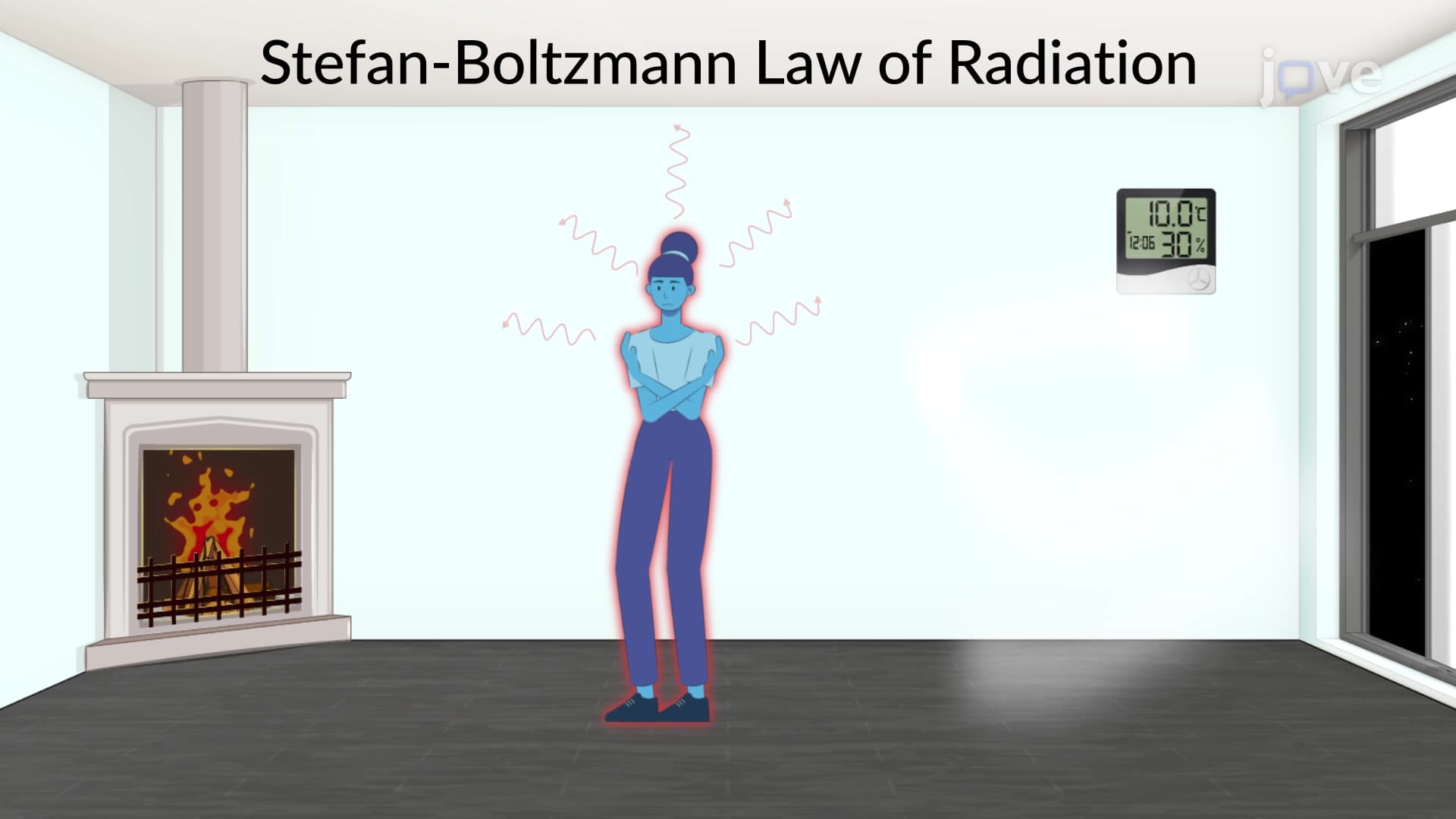
The absorption of radiation concept builds upon the Stefan-Boltzmann law, which originally described heat emission as proportional to T^4, where T represents absolute temperature. However, real-world applications require considering that objects also absorb radiation from their surroundings. The net radiation equation becomes: Net Heat Transfer = σA(T1^4 - T2^4), where σ is the Stefan-Boltzmann constant, A represents surface area, T1 is the object's temperature, and T2 represents the surrounding temperature.
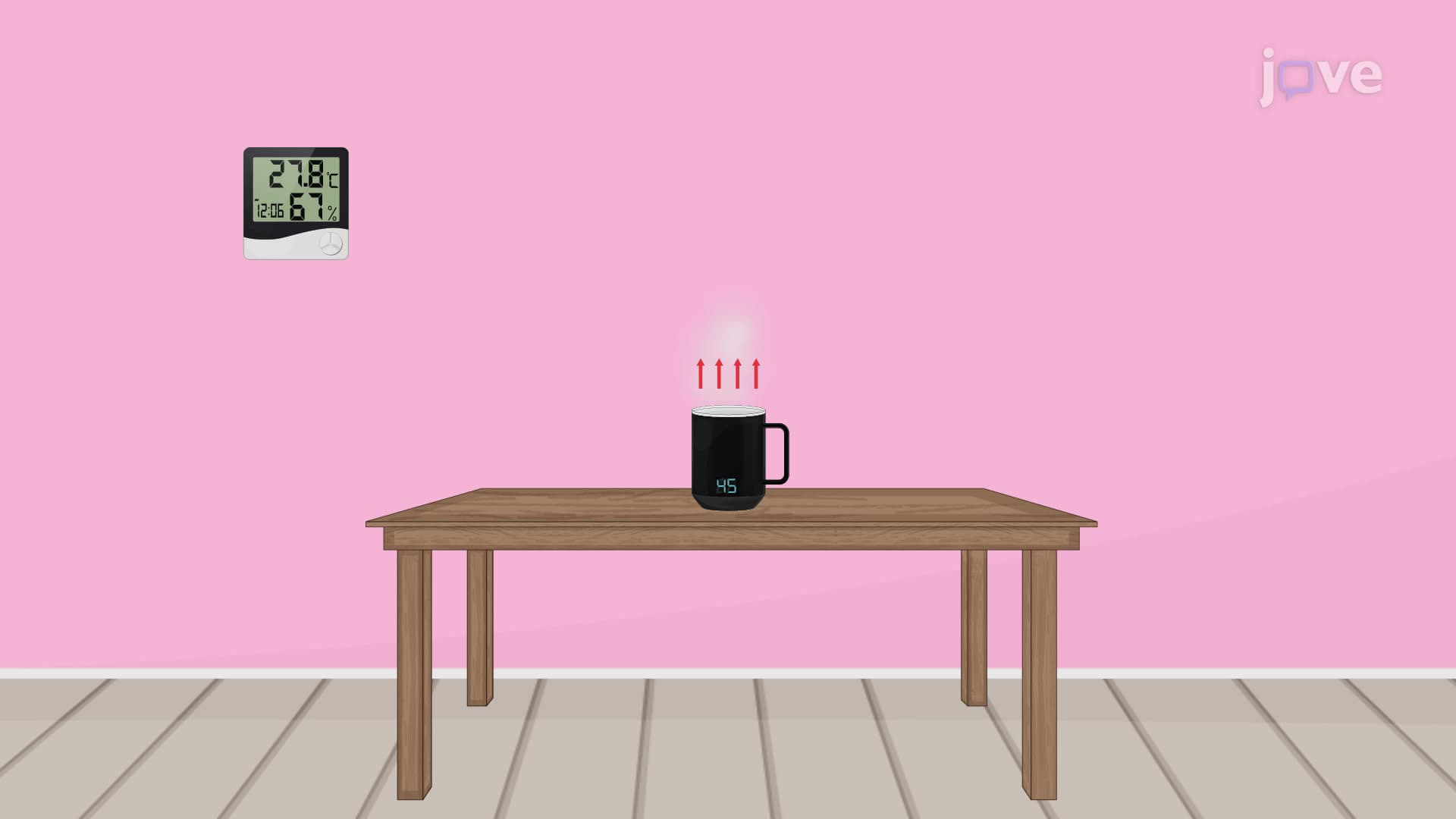
This absorption of radiation overview explains why a hot cup of coffee cools faster in a cold room than in a warm room. The coffee radiates heat based on its temperature, but it also absorbs thermal radiation from the room's walls, furniture, and air. The net cooling rate depends on this temperature difference.
Real-World Applications and Examples
Understanding absorption of radiation proves crucial in numerous US industries. NASA engineers designing spacecraft thermal protection systems must calculate both the radiation absorbed from solar heating and the heat radiated away to cold space. In Phoenix, Arizona, building architects consider how concrete structures absorb daytime solar radiation and re-emit it at night, affecting urban heat island effects.
The concept appears frequently on AP Physics exams, college thermodynamics courses, and MCAT physical sciences sections. Students encounter problems comparing radiation rates between objects at different temperatures, calculating thermal equilibrium points, and analyzing energy balance in closed systems.
Practical Problem-Solving Applications
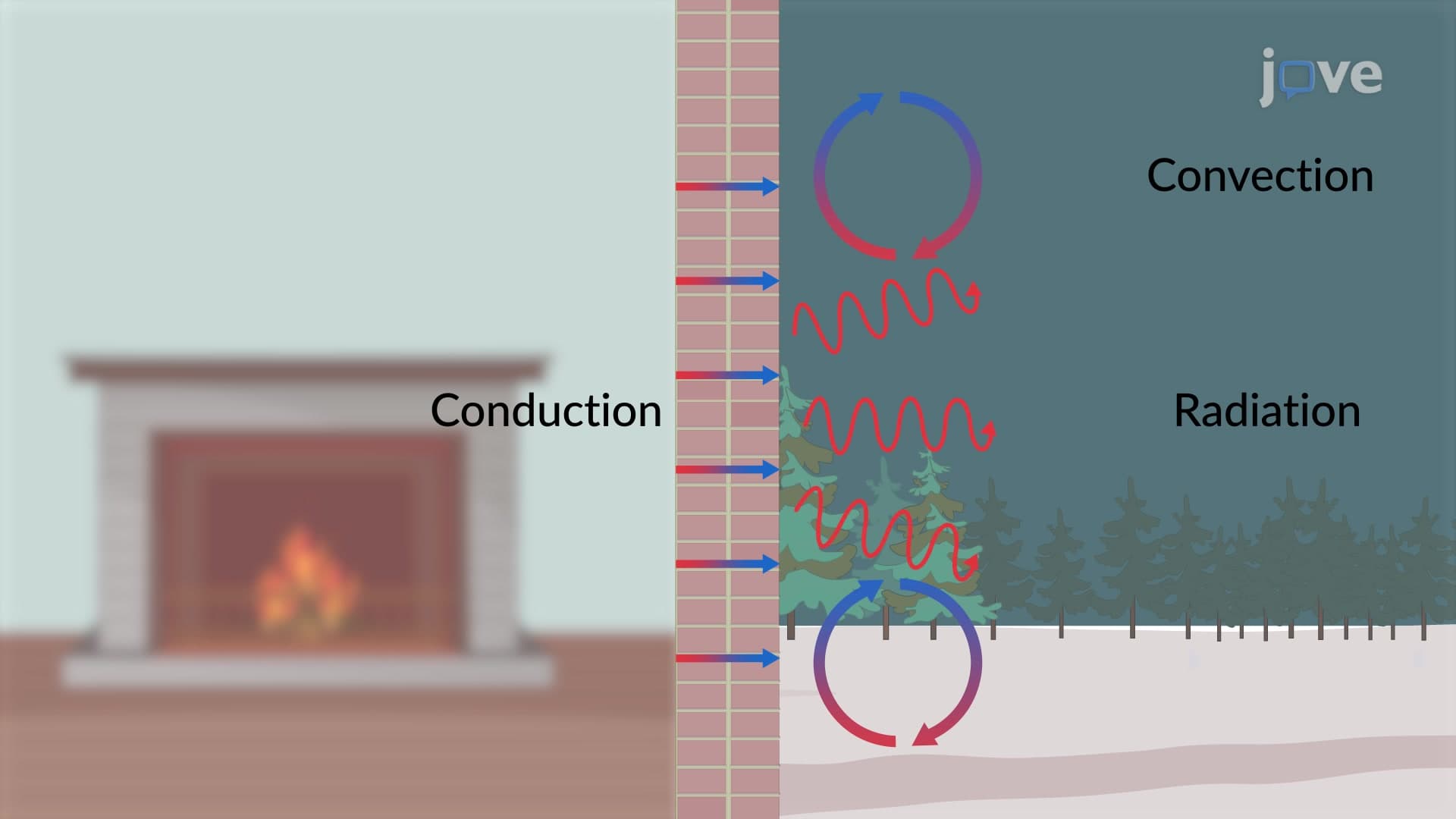
This absorption of radiation study guide approach helps students tackle complex scenarios. For instance, calculating the net heat loss from a house involves considering both the heat radiated by warm interior surfaces and the thermal radiation absorbed from cooler outdoor environments. Understanding this concept enables students to solve sophisticated engineering problems involving heat exchangers, solar collectors, and industrial furnaces used throughout US manufacturing.
Frequently Asked Questions
Absorption of radiation occurs when objects simultaneously emit thermal energy while receiving thermal radiation from their surroundings. Unlike simple emission, this process considers both outgoing and incoming energy flows. The net heat transfer depends on the temperature difference between the object and its environment, making thermal calculations more accurate for real-world applications.
AP Physics C and college thermodynamics exams frequently test this concept through problems involving net radiation calculations between multiple objects. Students must apply the modified Stefan-Boltzmann equation, calculate temperature-dependent heat transfer rates, and analyze thermal equilibrium scenarios. MCAT physical sciences sections also include radiation absorption in biological and medical contexts.
These problems require students to distinguish between gross heat emission and net heat transfer, properly apply the T^4 temperature relationship, and correctly identify which direction heat flows. Common mistakes include forgetting to account for absorbed radiation or incorrectly handling absolute temperature units in calculations.
You experience this constantly-your body radiates heat while absorbing thermal radiation from room walls, explaining why you feel colder near windows in winter. Solar panels across the Southwest US demonstrate this principle by absorbing solar radiation while simultaneously radiating heat to the atmosphere, affecting their efficiency and requiring cooling systems.
No advanced mathematics is required beyond basic algebra and understanding exponential relationships. The key is grasping that heat transfer involves both emission and absorption simultaneously. High school students can master this concept by focusing on the physical principles rather than complex mathematical derivations.
Practice identifying net versus gross radiation problems, memorize the modified Stefan-Boltzmann equation, and work through temperature unit conversions between Celsius and Kelvin. Focus on word problems involving thermal equilibrium and multi-object heat transfer scenarios commonly found on AP Physics, SAT Subject Tests, and college placement exams.
Build upon this foundation by exploring convection heat transfer, thermal conductivity in materials, and combined heat transfer mechanisms. These concepts connect to advanced topics in mechanical engineering, materials science, and environmental physics that appear in upper-level college coursework and professional engineering exams.
Related Micro-courses

13 Concepts

19 Concepts

12 Concepts