Loading…
Loading video…
65,900 views

Did you know that Netflix uses regression analysis to predict which shows you'll binge-watch next? Regression analysis is a powerful statistical method that creates mathematical models to estimate relationships between variables, allowing us to predict outcomes based on known data. For instance, the CDC uses regression models to predict flu outbreak patterns across US states based on temperature and humidity data. What is Regression Analysis becomes clear when you see how it transforms raw data into actionable predictions. Watch the full video on JoVE Coach to master this concept with expert-led visuals and step-by-step explanations.
What is Regression Analysis represents one of the most fundamental concepts in statistics, serving as a bridge between descriptive statistics and predictive modeling. At its core, regression analysis creates mathematical relationships that allow us to understand how one variable influences another. This statistical method has revolutionized fields from economics to medicine, enabling researchers and professionals to make data-driven predictions with measurable confidence levels.
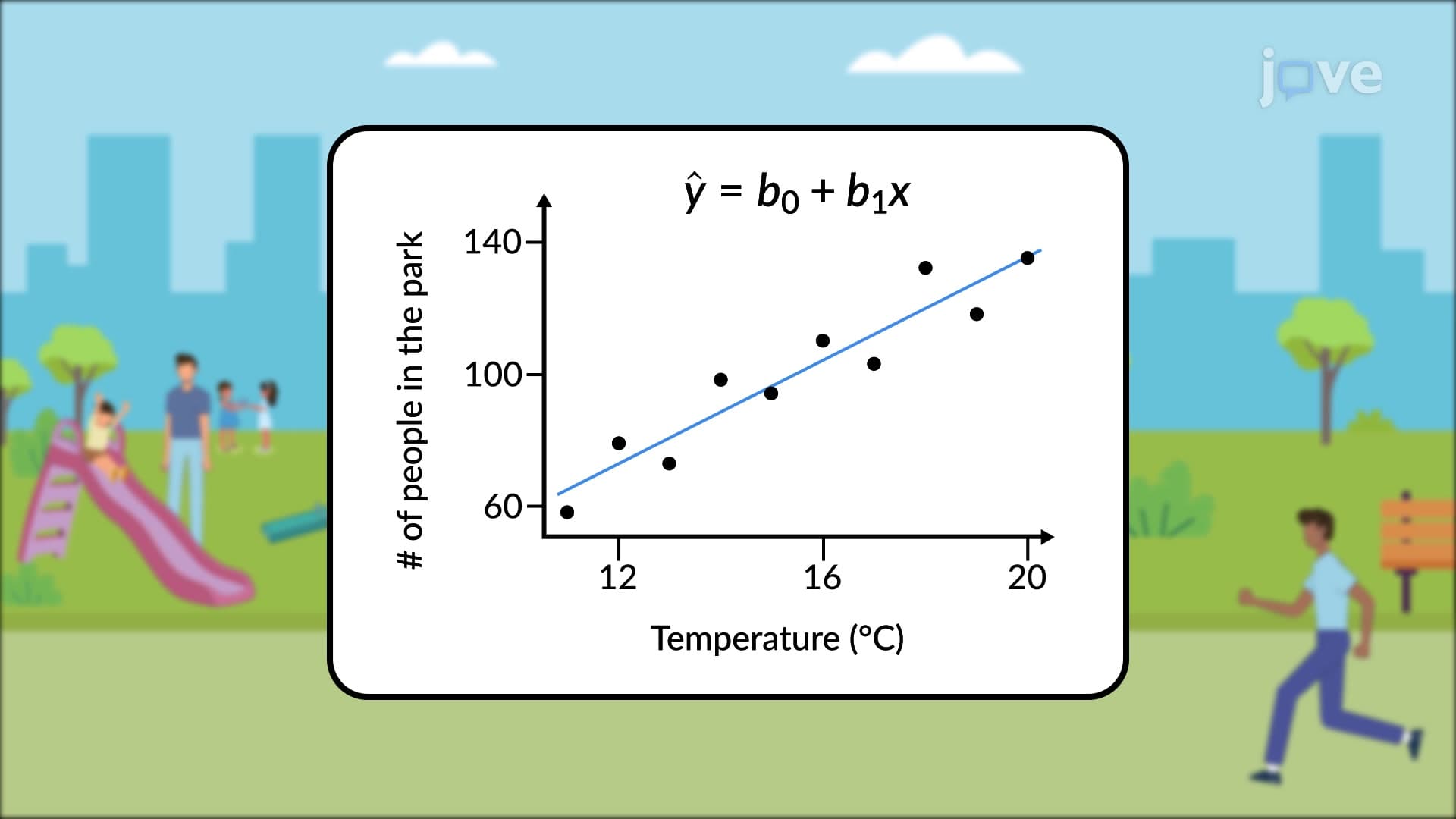
The regression analysis definition encompasses both simple and complex modeling approaches. In simple linear regression, we examine the relationship between two variables: one independent (predictor) and one dependent (outcome). The mathematical foundation relies on finding the "line of best fit" through data points, minimizing the distance between actual observations and predicted values.
Understanding regression analysis in detail requires grasping its key components. The regression equation takes the form y = b₀ + b₁x, where b₀ represents the y-intercept (the predicted value when x equals zero) and b₁ represents the slope (how much y changes for each unit increase in x). The correlation coefficient, ranging from -1 to +1, indicates the strength and direction of the linear relationship.
US healthcare provides compelling examples: hospitals use regression analysis to predict patient readmission rates based on factors like age, diagnosis severity, and length of stay. The Centers for Disease Control and Prevention employs regression models to forecast disease spread patterns, informing public health policy decisions across American communities.
Regression analysis overview extends far beyond theoretical mathematics into practical applications that shape daily American life. The Federal Reserve uses regression models to predict economic indicators, influencing interest rate decisions that affect millions of homeowners and businesses. Marketing companies employ regression analysis to optimize advertising spending across different demographics, while environmental scientists use it to model climate change impacts on US agricultural regions.
For students preparing for standardized tests, regression analysis frequently appears on AP Statistics exams, SAT Subject Tests, and college entrance assessments. Understanding this concept proves essential for success in undergraduate statistics courses, business analytics programs, and pre-medical coursework. The Mathematical Association of America emphasizes regression analysis as a cornerstone skill for quantitative literacy in higher education.
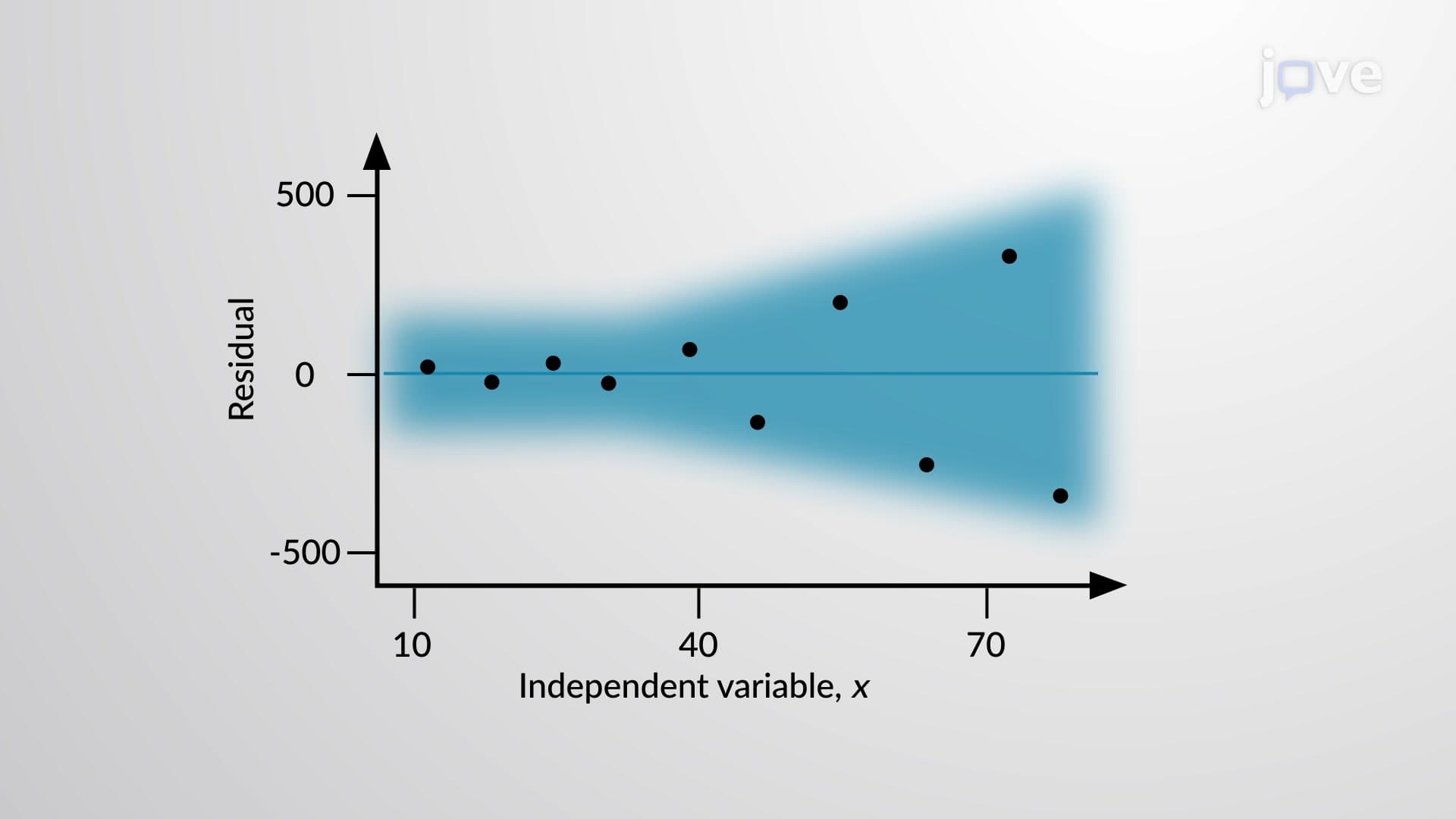
Mastering regression analysis basics requires combining conceptual understanding with practical application. Students should practice interpreting scatter plots, calculating correlation coefficients, and making predictions using regression equations. Focus on understanding the assumptions underlying regression models: linearity, independence, and normality of residuals. These concepts frequently appear in college-level statistics exams and standardized assessments.
Frequently Asked Questions
Regression analysis is a statistical method that creates mathematical equations to predict one variable based on another variable's values. It helps us understand relationships in data and make informed predictions about future outcomes. Think of it as finding the best straight line through scattered data points to predict new values.
AP Statistics exams frequently test regression analysis through scatter plot interpretation, correlation coefficient calculations, and prediction problems. College statistics courses emphasize hypothesis testing for regression coefficients and residual analysis. Students must demonstrate both computational skills and conceptual understanding of when regression models are appropriate.
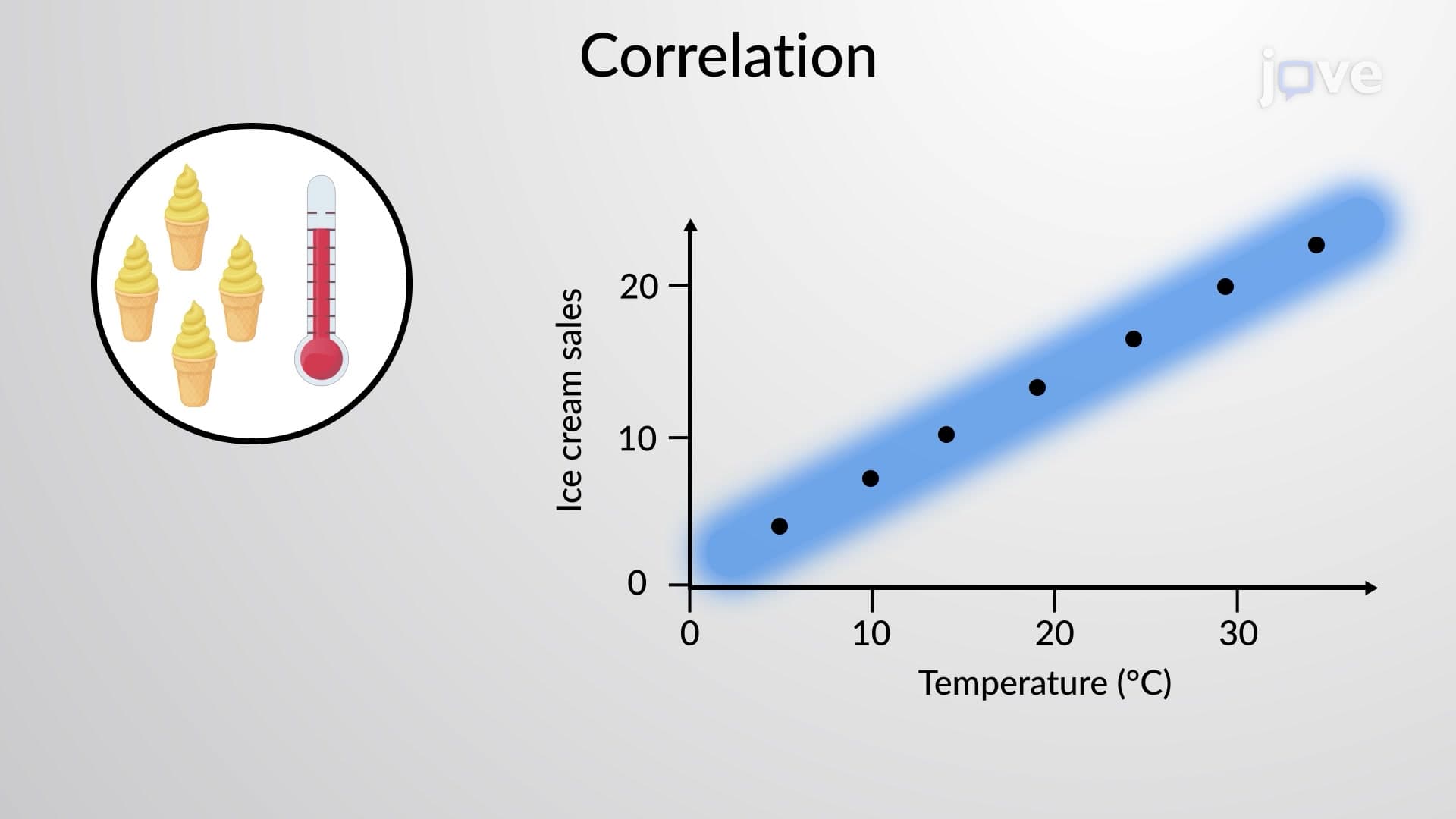
Correlation measures the strength and direction of a linear relationship between two variables using a coefficient from -1 to +1. Regression analysis goes further by creating a mathematical equation that allows predictions and quantifies how much one variable changes when another variable changes. Correlation describes relationships; regression predicts outcomes.
Absolutely! While regression analysis involves mathematical equations, the core concepts are accessible to high school students who understand basic algebra and graphing. Focus on interpreting graphs, understanding what correlation coefficients mean, and practicing with real-world examples. The mathematical complexity increases gradually as you advance to college-level courses.
Major US companies use regression analysis extensively: Amazon predicts customer purchase behavior, insurance companies like State Farm calculate risk premiums, and pharmaceutical companies analyze clinical trial data for FDA submissions. Sports analytics in MLB and NFL rely heavily on regression models to evaluate player performance and strategic decisions.
Prioritize understanding scatter plots, calculating and interpreting correlation coefficients, writing regression equations, and making predictions using those equations. Practice identifying appropriate contexts for regression analysis and recognizing when assumptions are violated. Create summary sheets with key formulas and work through plenty of practice problems with real data sets.
Build on regression analysis foundations by exploring multiple regression (using several independent variables), logistic regression for categorical outcomes, and analysis of variance (ANOVA). These advanced topics frequently appear in college statistics courses and standardized tests like the MCAT. Consider studying experimental design principles to better understand when regression analysis provides meaningful insights.
Related Micro-courses
Related Subjects
 Physics 33 micro-courses›
 Math Fundamentals 11 micro-courses›