- Statistics
- Biostatistics
Micro-courses:17

Biostatistics
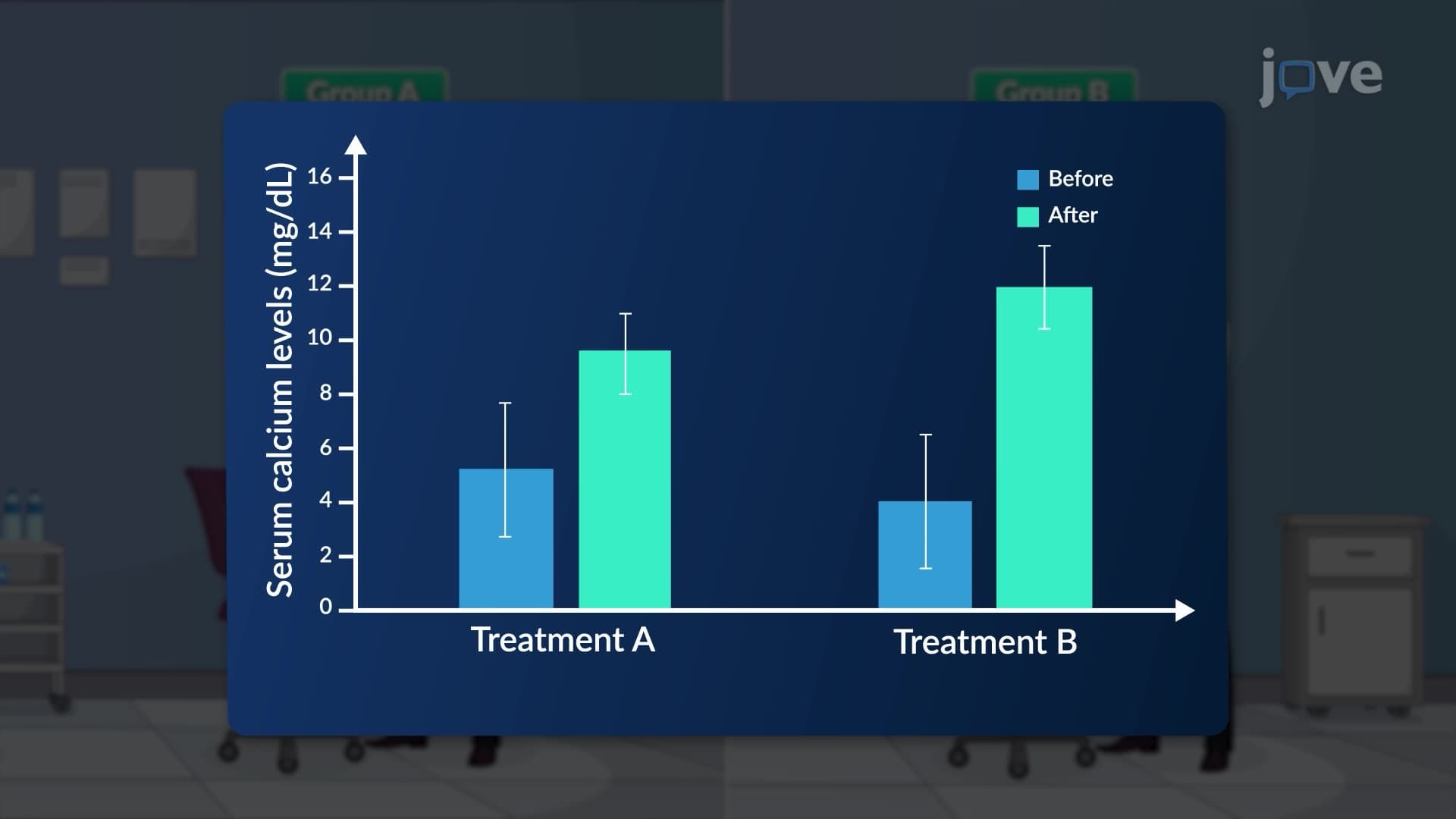
1. Overview of Biostatistics in Health Sciences

2. Introduction to Epidemiology
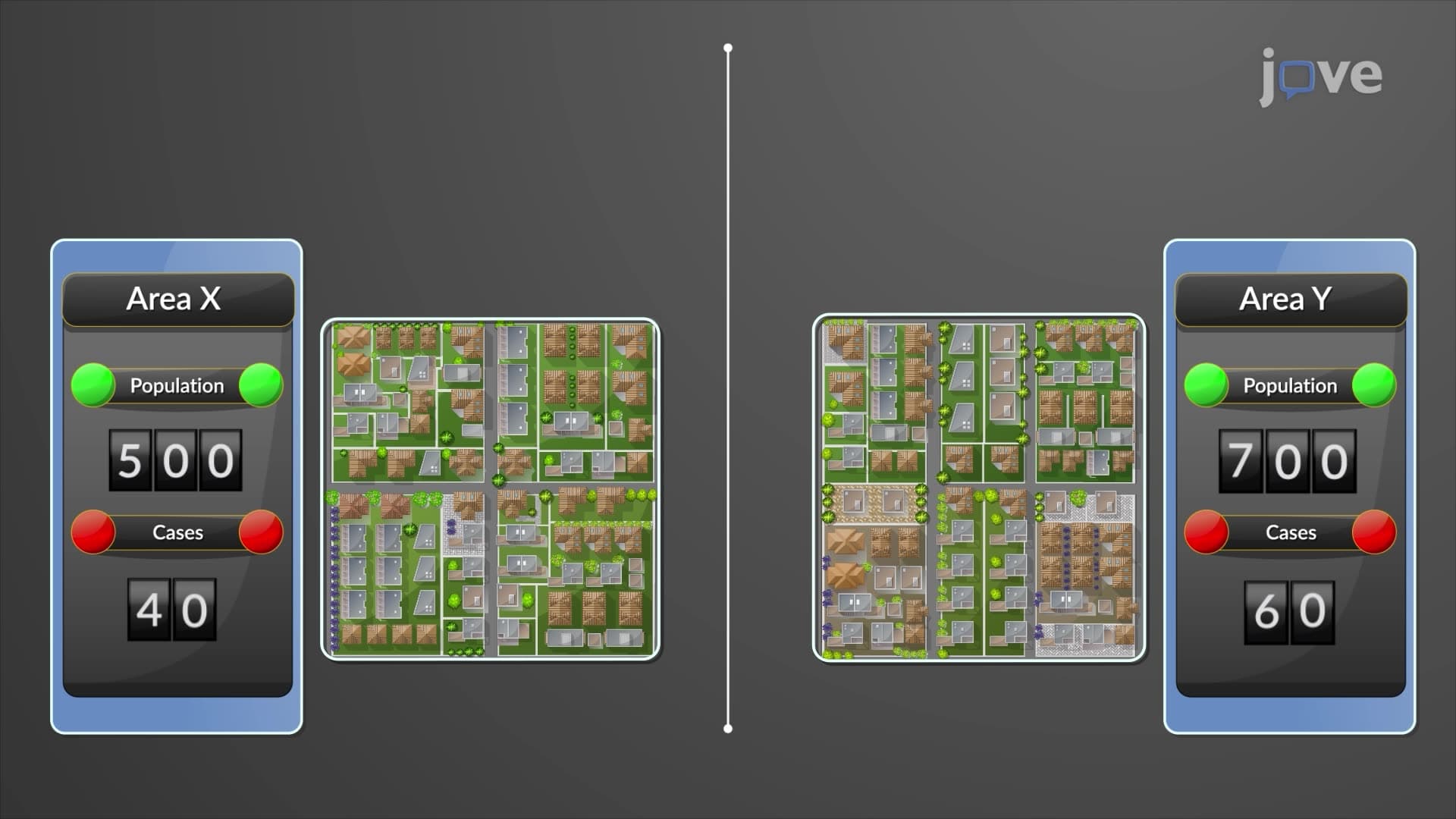
3. Prevalence and Incidence
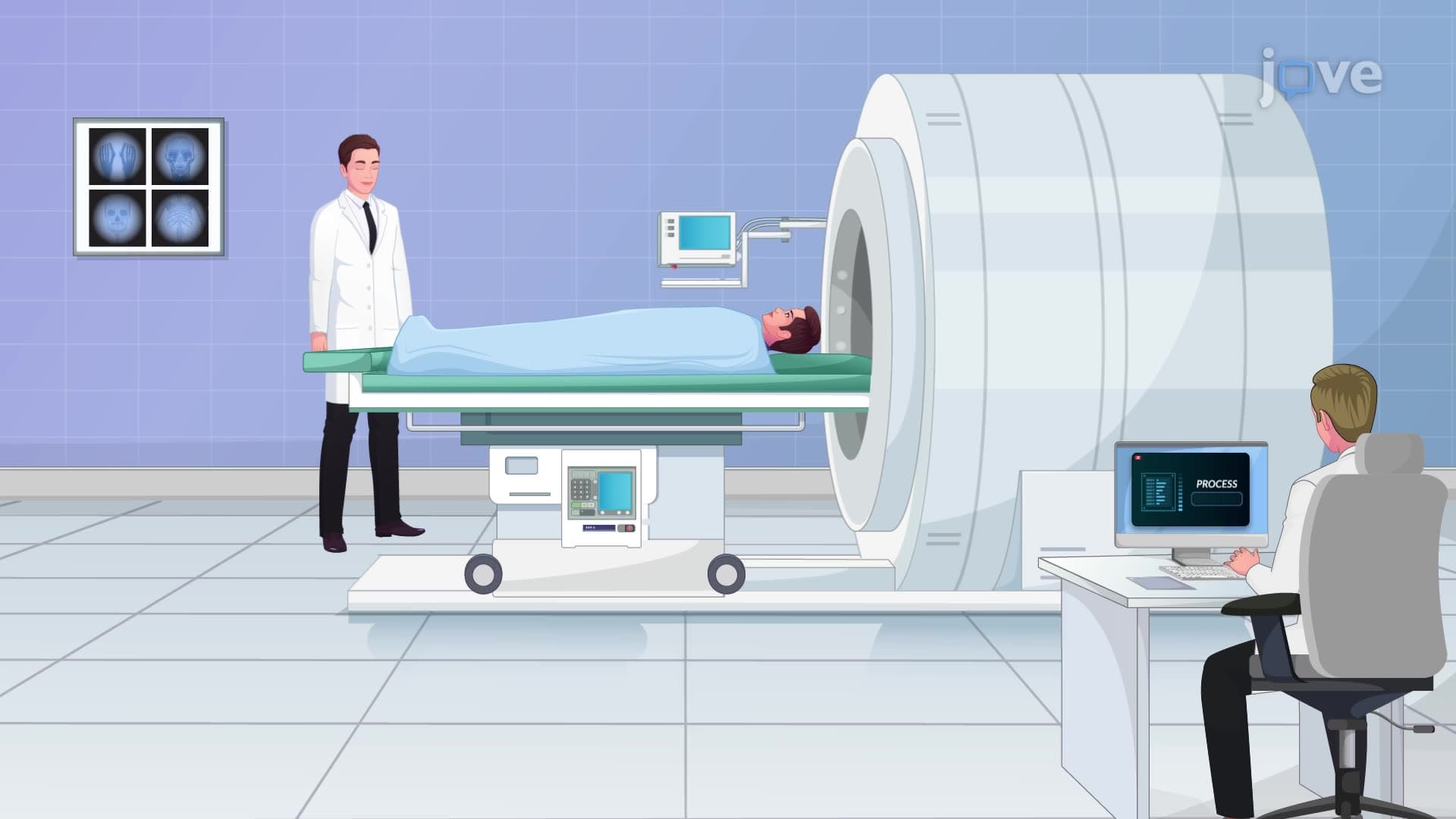
4. Sensitivity, Specificity, and Predicted Value
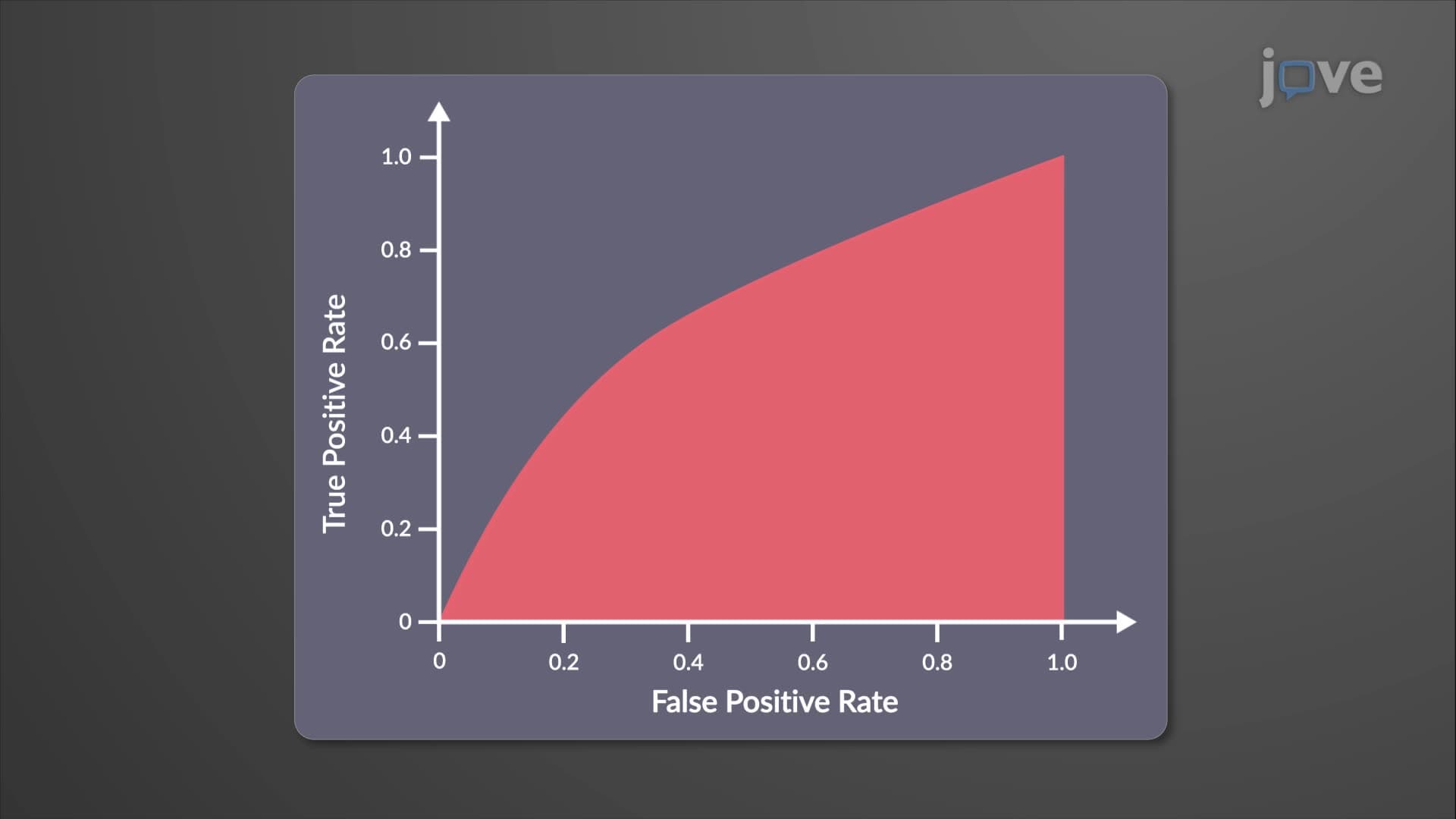
5. Receiver Operating Characteristic Plot
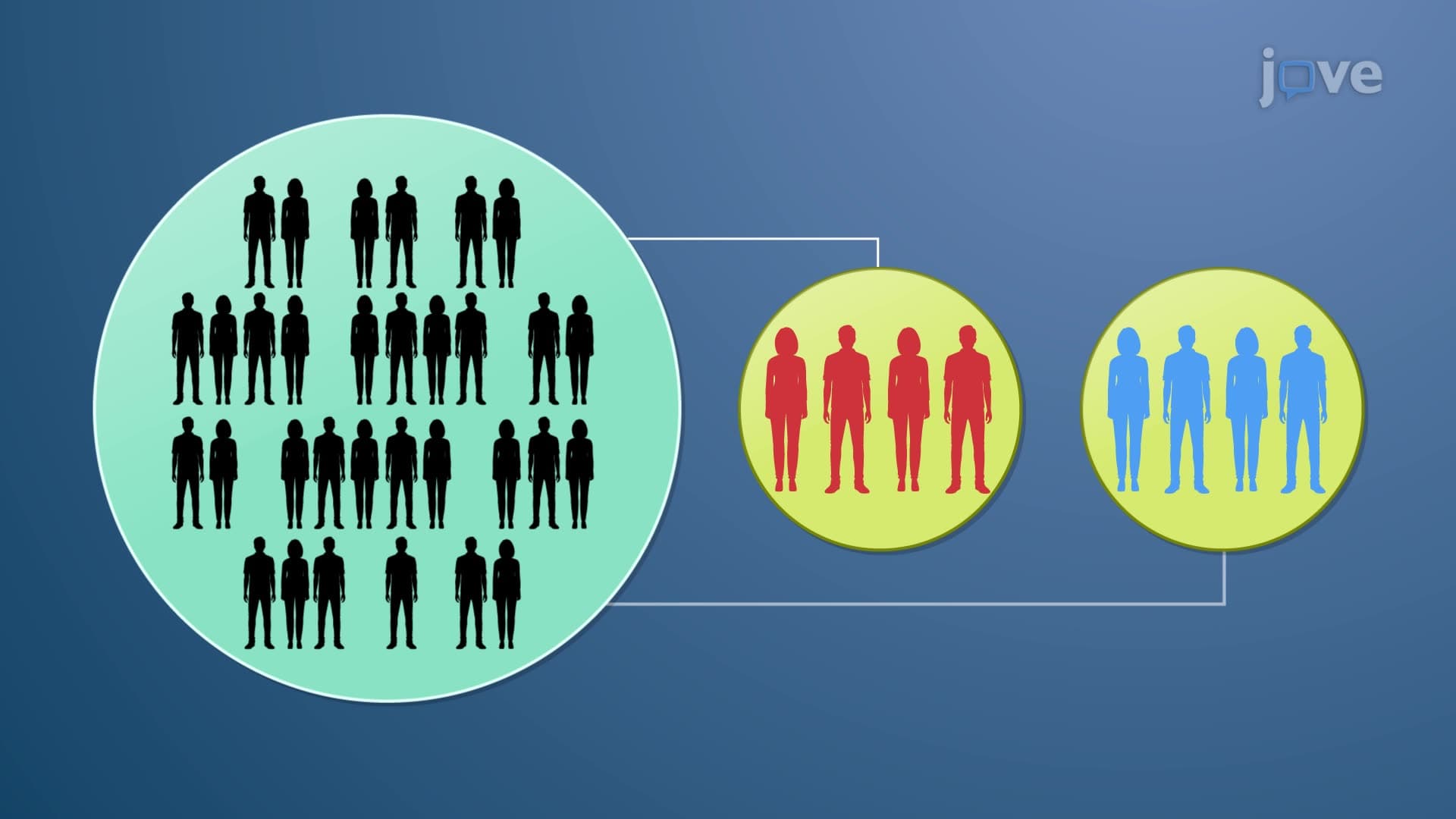
6. Study Designs in Epidemiology
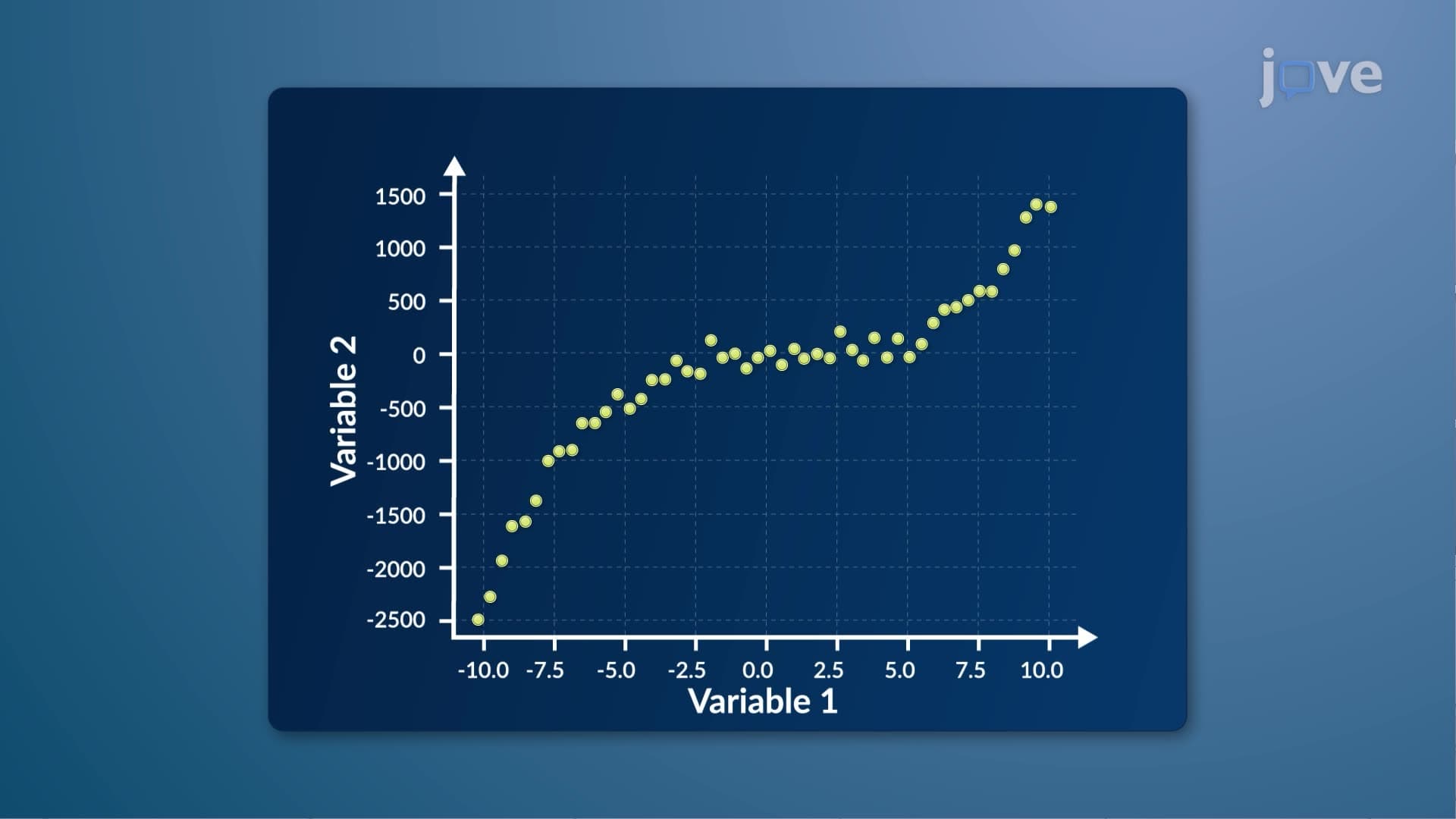
7. Response Surface Methodology

8. Relative Risk
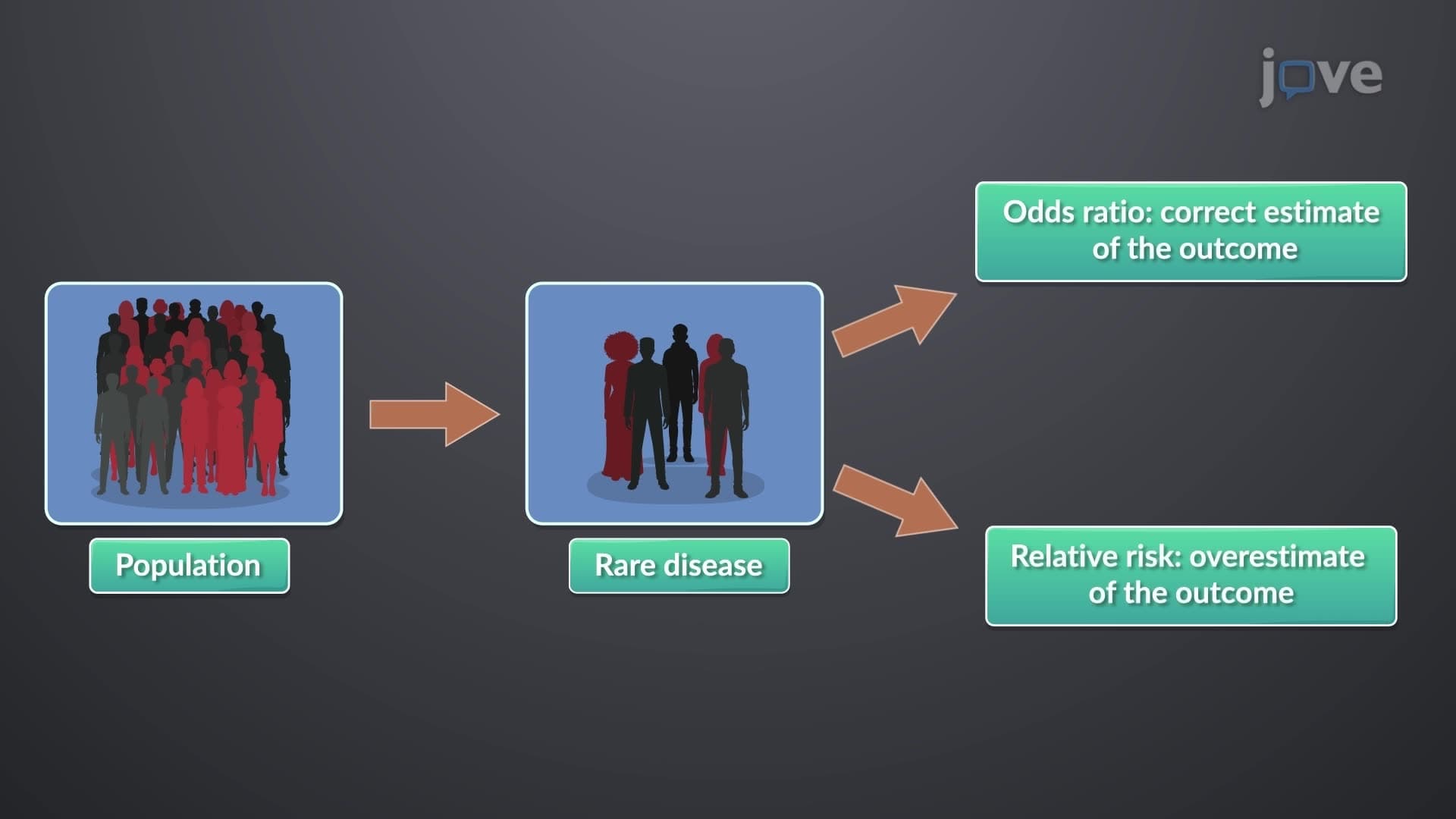
9. Odds Ratio
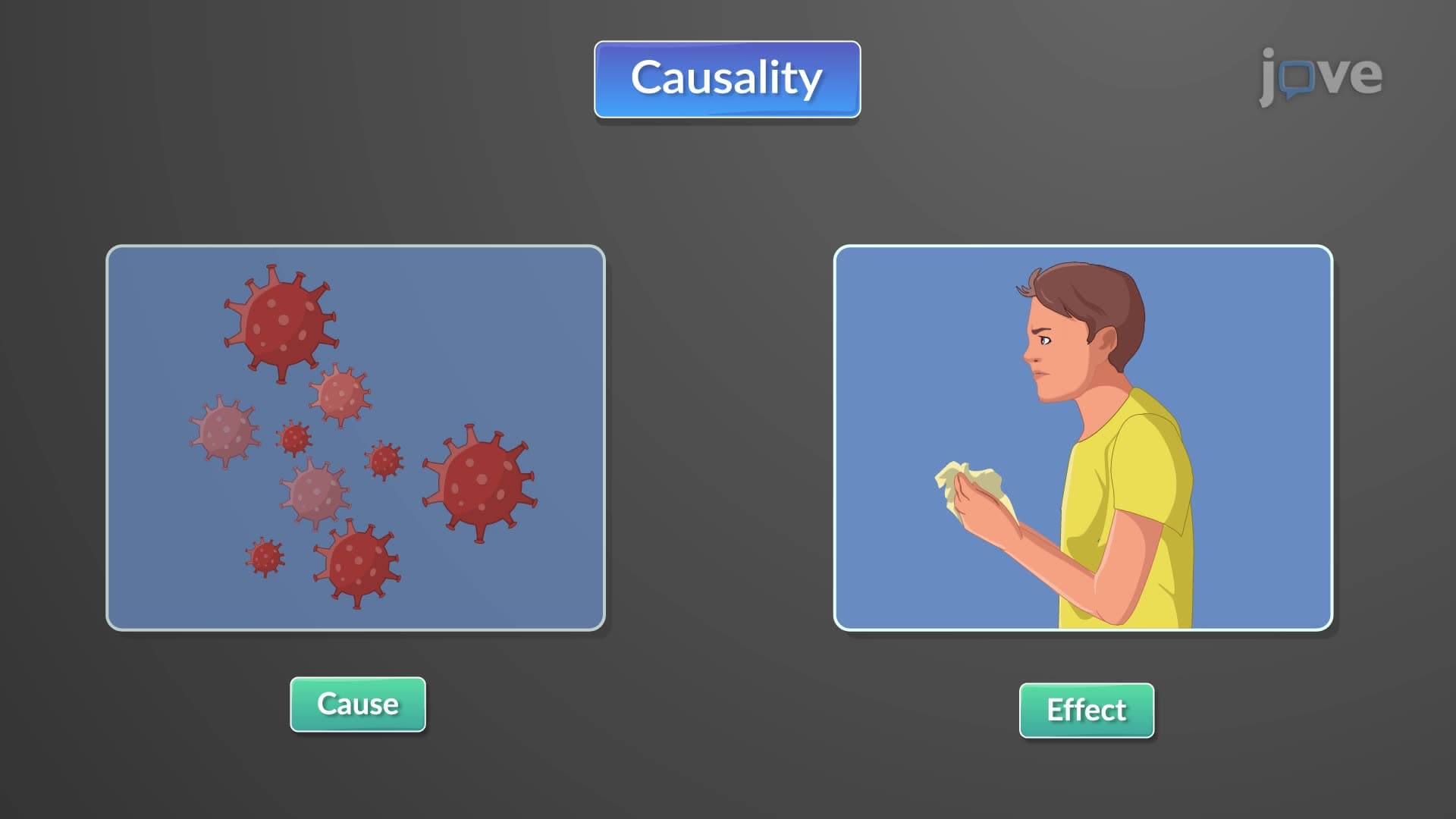
10. Causality in Epidemiology
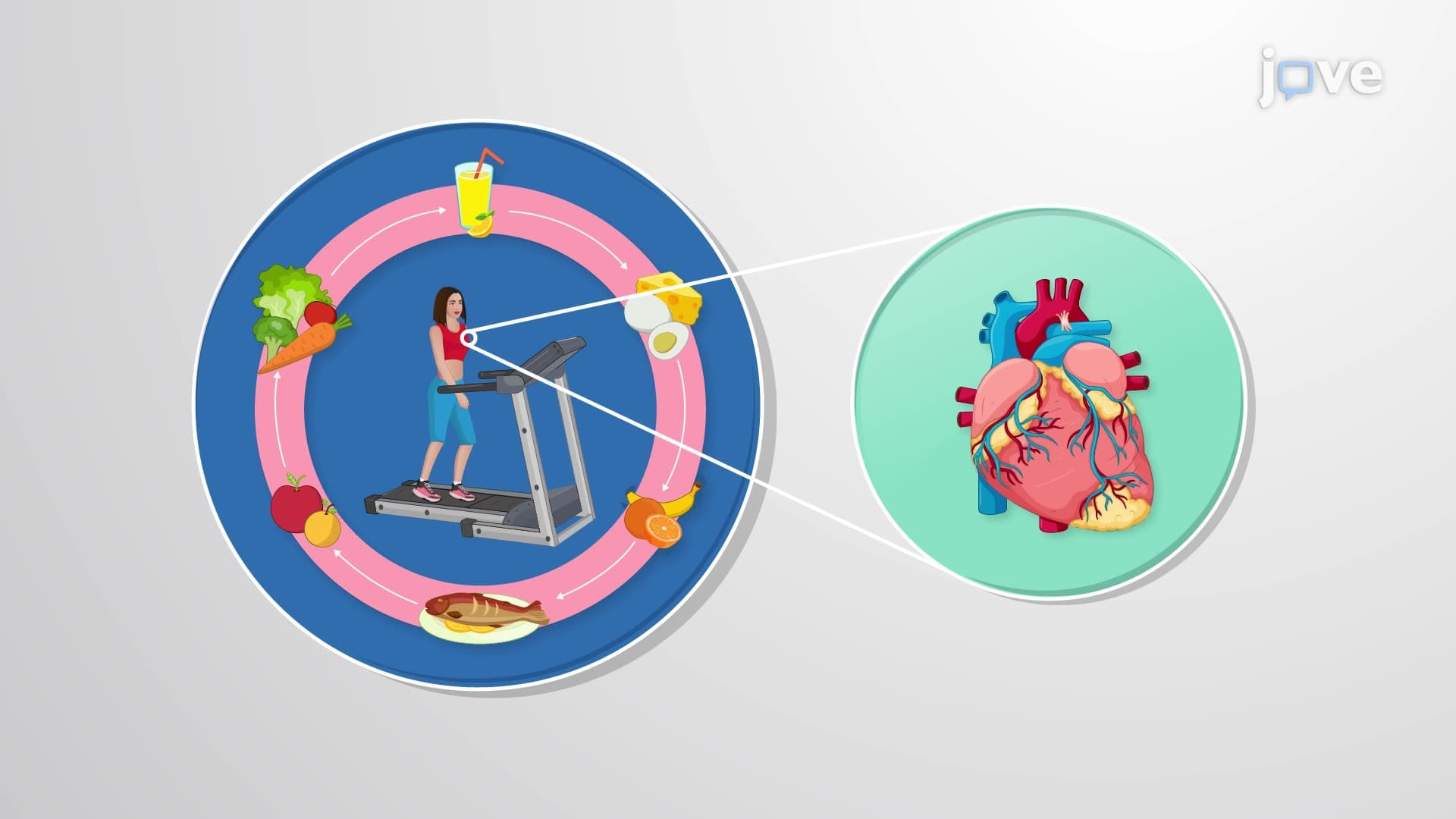
11. Confounding in Epidemiological Studies

12. Strategies for Assessing and Addressing Confounding
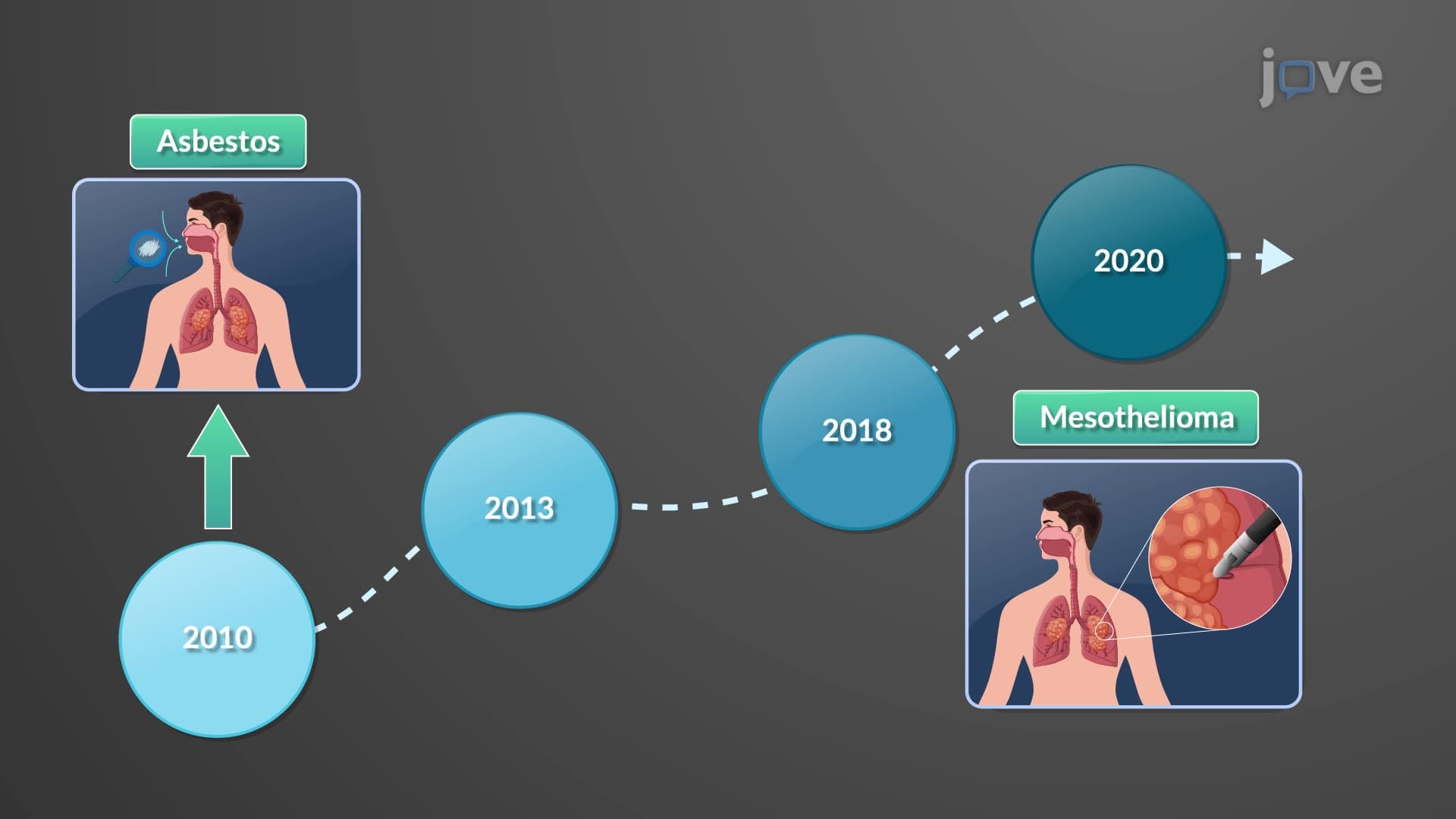


13. Criteria for Causality: Bradford Hill Criteria - I

14. Criteria for Causality: Bradford Hill Criteria - II
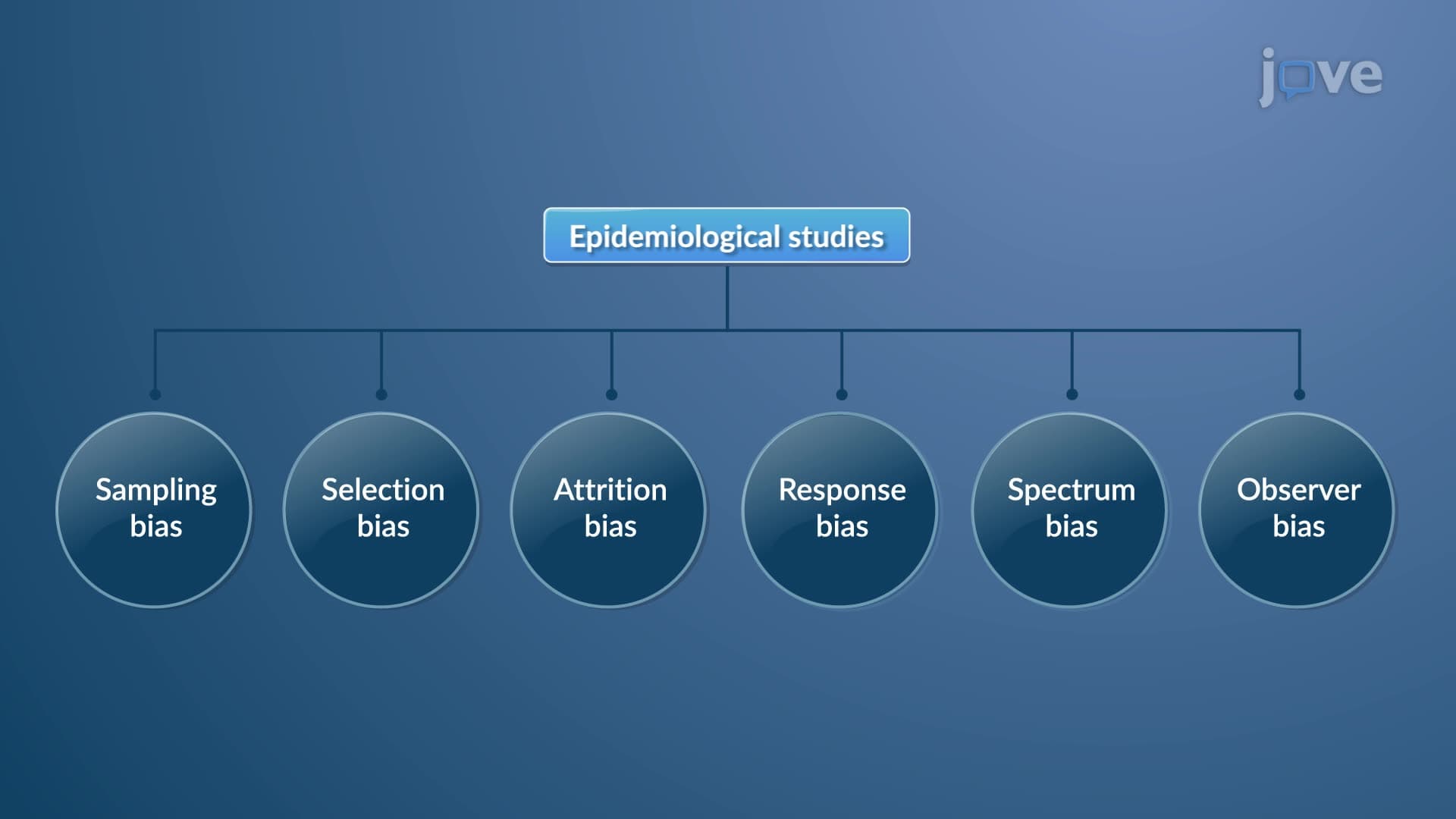
15. Bias in Epidemiological Studies
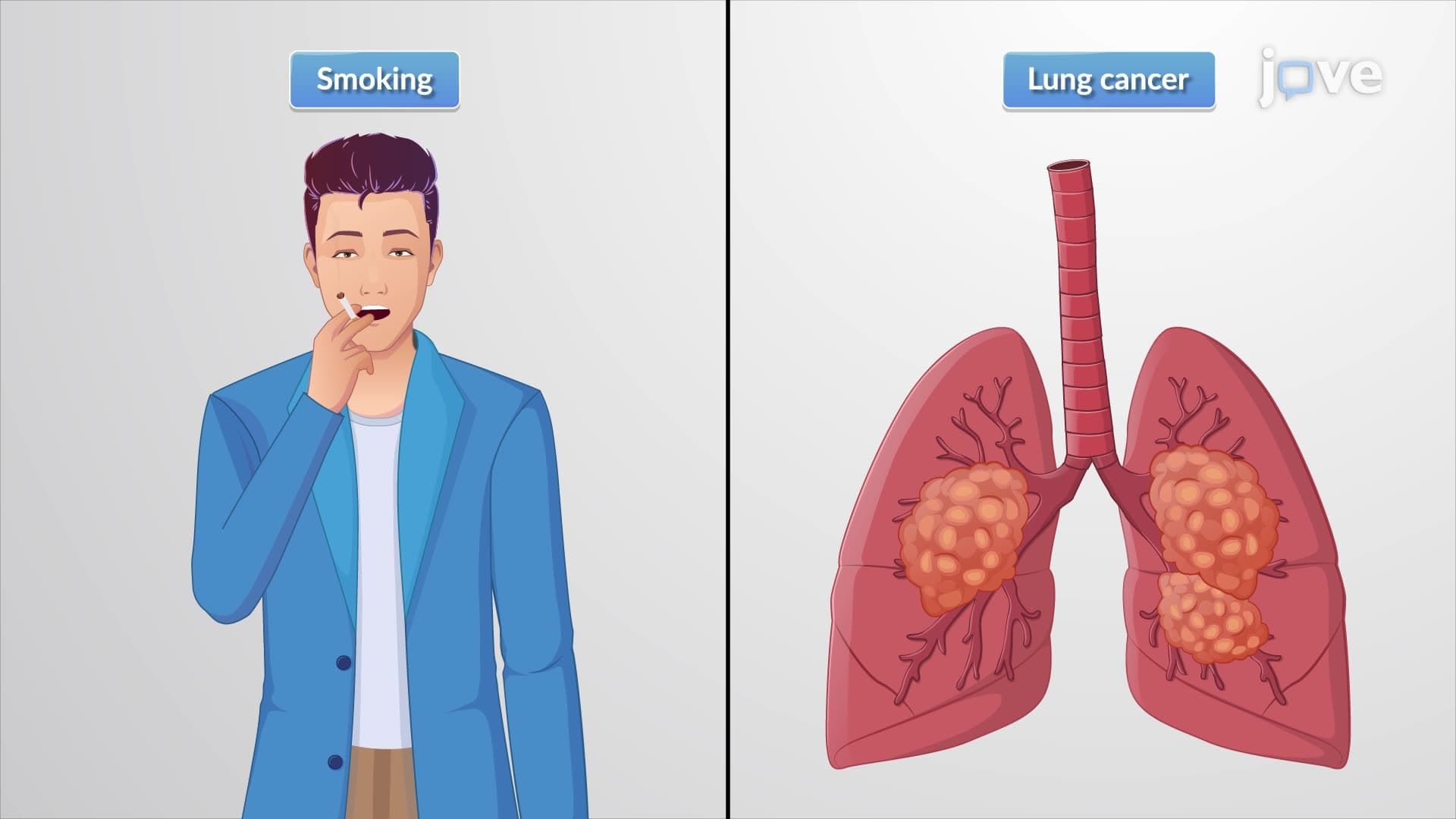
16. Statistical Methods for Analyzing Epidemiological Data
17. Steps in Outbreak Investigation

18. Principles of Disease Surveillance
19. Longitudinal Studies
Biostatistics applies statistical principles to health sciences, analyzing data from clinical trials, epidemiological studies, and public health research. This comprehensive course covers essential statistical methods used in biomedical research, from basic concepts like prevalence and incidence to advanced techniques including survival analysis and outbreak investigation. Students will master key biostatistical tools used by researchers at institutions like the CDC, NIH, and major U.S. medical centers, preparing them for careers in healthcare, research, or further study with JoVE Coach guidance.
- Understand fundamental biostatistical concepts including prevalence, incidence, sensitivity, and specificity in medical testing
- Learn to calculate and interpret odds ratios and relative risk in epidemiological studies
- Identify different study designs used in clinical research and their appropriate applications
- Explore statistical methods for analyzing biomedical data, including regression analysis and survival statistics
- Analyze the Bradford Hill criteria for establishing causality between risk factors and disease outcomes
- Apply confounding assessment strategies to ensure valid study conclusions
- Understand receiver operating characteristic (ROC) curves for evaluating diagnostic test performance
- Learn outbreak investigation procedures and disease surveillance principles used by public health agencies
1. Epidemiological Measures and Study Designs Understanding the foundation of biostatistics begins with mastering key epidemiological concepts. Students learn to calculate prevalence (the proportion of a population affected by disease at a specific time) and incidence (new disease cases over a time period). For example, if 50 out of 1,000 college students have influenza during flu season, the prevalence is 5%. The course covers various study designs including case-control studies, cohort studies, and clinical trials. Case-control studies, like comparing lung cancer patients to healthy controls to study smoking effects, are particularly useful for rare diseases. Cohort studies, such as the famous Framingham Heart Study, follow groups over time to identify risk factors.
2. Diagnostic Test Evaluation and ROC Analysis Medical professionals rely on diagnostic tests, making it crucial to understand their accuracy. Sensitivity measures how well a test identifies disease when present (true positive rate), while specificity measures how well it identifies absence of disease (true negative rate). For instance, a COVID-19 test with 95% sensitivity correctly identifies 95% of infected individuals. Positive predictive value indicates the probability of having disease given a positive test result. ROC curves plot sensitivity against (1-specificity) to evaluate overall test performance. The area under the ROC curve ranges from 0.5 (no better than chance) to 1.0 (perfect test). Clinical laboratories use these metrics to validate new diagnostic procedures.
3. Risk Assessment: Relative Risk and Odds Ratios Quantifying associations between exposures and outcomes forms the core of epidemiological research. Relative risk compares disease probability between exposed and unexposed groups. If smokers have a lung cancer rate of 8 per 1,000 and non-smokers have 2 per 1,000, the relative risk is 4.0, meaning smokers are four times more likely to develop lung cancer. Odds ratios, commonly used in case-control studies, compare odds of exposure between cases and controls. These measures help researchers and clinicians understand the strength of associations. For example, studies showing strong associations between HPV infection and cervical cancer led to preventive vaccination programs across U.S. colleges and high schools.
4. Confounding and Causality Assessment Establishing true causal relationships requires careful consideration of confounding variables that can distort associations. Age often confounds studies of disease and exposure relationships. For instance, when studying heart disease and diet, researchers must account for age since both dietary habits and heart disease risk change with age. The Bradford Hill criteria provide a framework for assessing causality, including temporal sequence (cause must precede effect), dose-response relationship (higher exposure leads to increased risk), and biological plausibility. These principles guided recognition of tobacco's role in lung cancer and helped establish regulatory policies. Students learn strategies like randomization, stratification, and multivariate analysis to address confounding in research design and data analysis.
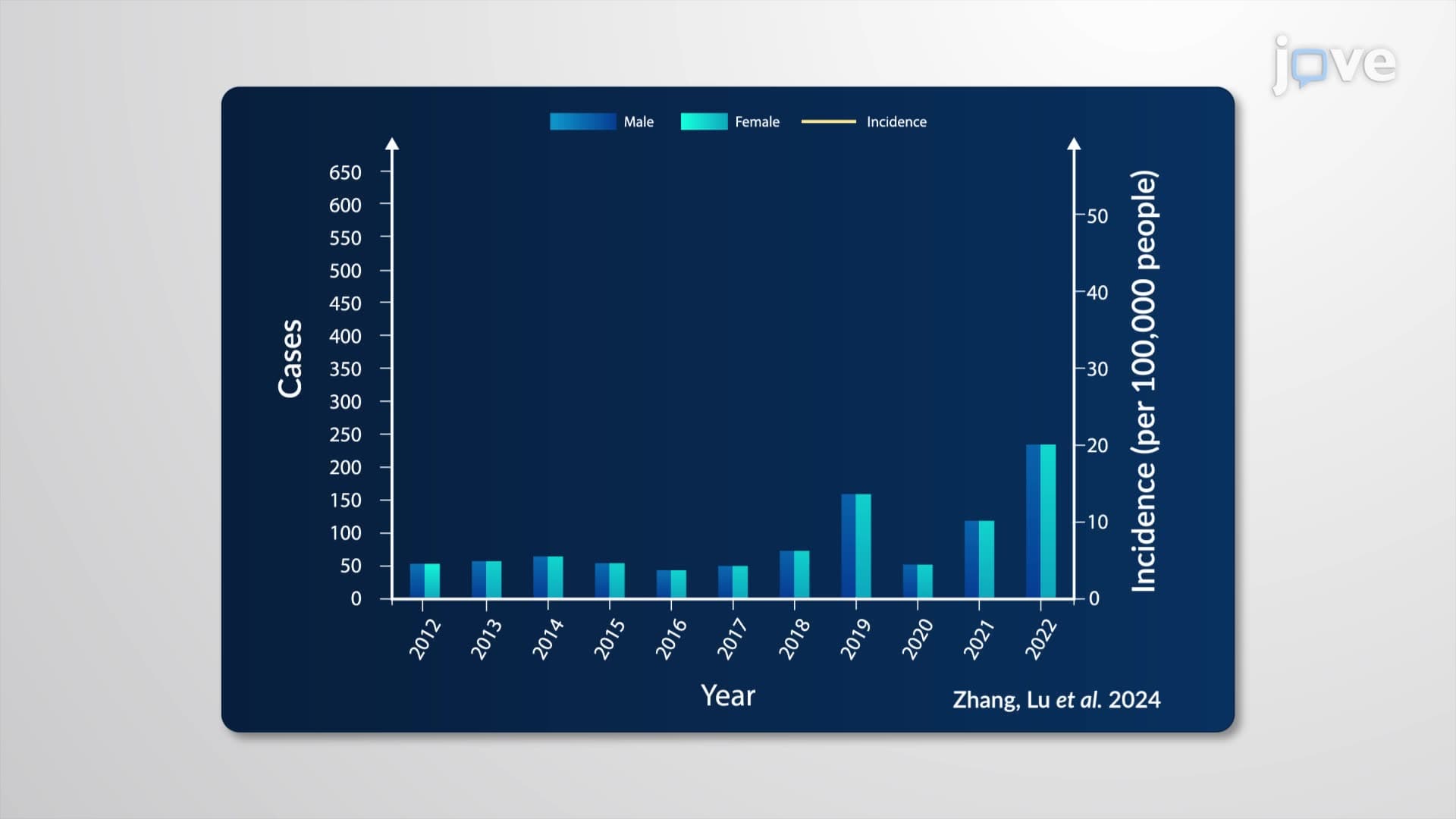
5. Advanced Statistical Applications and Outbreak Investigation Public health emergencies require rapid statistical analysis and response. Outbreak investigation follows systematic steps: confirming the outbreak exists, defining cases, conducting epidemiological studies, implementing control measures, and monitoring effectiveness. During the 2014-2016 Ebola outbreak, statisticians used contact tracing data and transmission models to guide containment efforts. Response Surface Methodology helps optimize treatment protocols by analyzing multiple factors simultaneously. Survival analysis techniques, commonly used in cancer research, account for time-to-event data and censoring. Disease surveillance systems, like those operated by state health departments, use statistical methods to detect unusual disease patterns and trigger investigations. These advanced methods prepare students for careers in epidemiology, clinical research, and public health practice.
Frequently Asked Questions
Prevalence measures the proportion of a population that has a disease at a specific point in time (like a snapshot), while incidence measures the rate of new cases developing over a time period. Think of prevalence as existing cases and incidence as new cases. For example, diabetes prevalence in the U.S. includes all current diabetics, while diabetes incidence counts only newly diagnosed cases each year.
Relative risk compares probabilities directly and is easier to interpret - an RR of 3.0 means three times the risk. Odds ratios compare odds and are used in case-control studies. When disease is rare (less than 10%), odds ratios approximate relative risk. Both values greater than 1 indicate increased risk, less than 1 indicate decreased risk, and exactly 1 indicates no association.
Focus on sensitivity, specificity, positive and negative predictive values for diagnostic testing questions. Understand study designs (case-control vs. cohort vs. clinical trial), bias types, and confounding. Know how to calculate and interpret relative risk and odds ratios. Practice ROC curve interpretation and understand the Bradford Hill criteria for causality, as these frequently appear in epidemiology questions.
Hospitals use biostatistics daily - infection control teams track nosocomial infection rates, quality improvement departments analyze patient outcomes, and clinical researchers design treatment studies. For example, when evaluating a new cardiac procedure, statisticians calculate survival rates, compare outcomes between treatment groups, and adjust for patient risk factors to determine true treatment effectiveness.
Confounding and causality assessment often challenge students because they require critical thinking beyond mathematical calculation. Understanding when associations represent true causal relationships versus coincidental correlations takes practice. ROC curve interpretation and the relationship between sensitivity, specificity, and predictive values in different population settings also require careful study.
Start with understanding the concepts before memorizing formulas. Practice with real medical examples - calculate infection rates from hospital data, interpret diagnostic test results, or analyze published clinical trial results. Use visual aids like 2x2 tables for diagnostic testing and study design diagrams. Work through practice problems systematically, checking both your calculations and interpretation of results.
Biostatistics bridges multiple disciplines essential for healthcare careers. It applies mathematical concepts from calculus and statistics to biological systems studied in anatomy and physiology. Chemistry knowledge helps understand dose-response relationships, while psychology concepts relate to study design and bias. Understanding biostatistics enhances interpretation of research literature across all medical specialties, making you a more informed future healthcare provider.
This microcourse includes 19 concept videos that walk you through the building blocks of Statistics. Each video is short, about 1 minute, so you can cover a full topic during a coffee break or between classes. The full sequence starts with Overview of Biostatistics in Health Sciences and ends with Longitudinal Studies.
The playlist moves from big-picture ideas to the precise vocabulary used in Statistics. Early videos introduce Overview of Biostatistics in Health Sciences, Introduction to Epidemiology, and Prevalence and Incidence. The middle of the series focuses on Receiver Operating Characteristic Plot, Study Designs in Epidemiology, and Response Surface Methodology. The final stretch covers Relative Risk, Odds Ratio, Causality in Epidemiology, Confounding in Epidemiological Studies, Strategies for Assessing and Addressing Confounding, Criteria for Causality: Bradford Hill Criteria - I, and Longitudinal Studies.
The natural next step is Survival Analysis. From there, you can move to Statistical Softwares and Control Charts. Once you finish those, the full Statistics curriculum of 17 microcourses on JoVE Coach opens up, taking you from foundational concepts to advanced systems.
Related Subjects
 Physics 33 micro-courses›
 Math Fundamentals 11 micro-courses›