- Statistics
- Statistics in Practice
Micro-courses:17

Statistics in Practice

1. What is an Experiment?
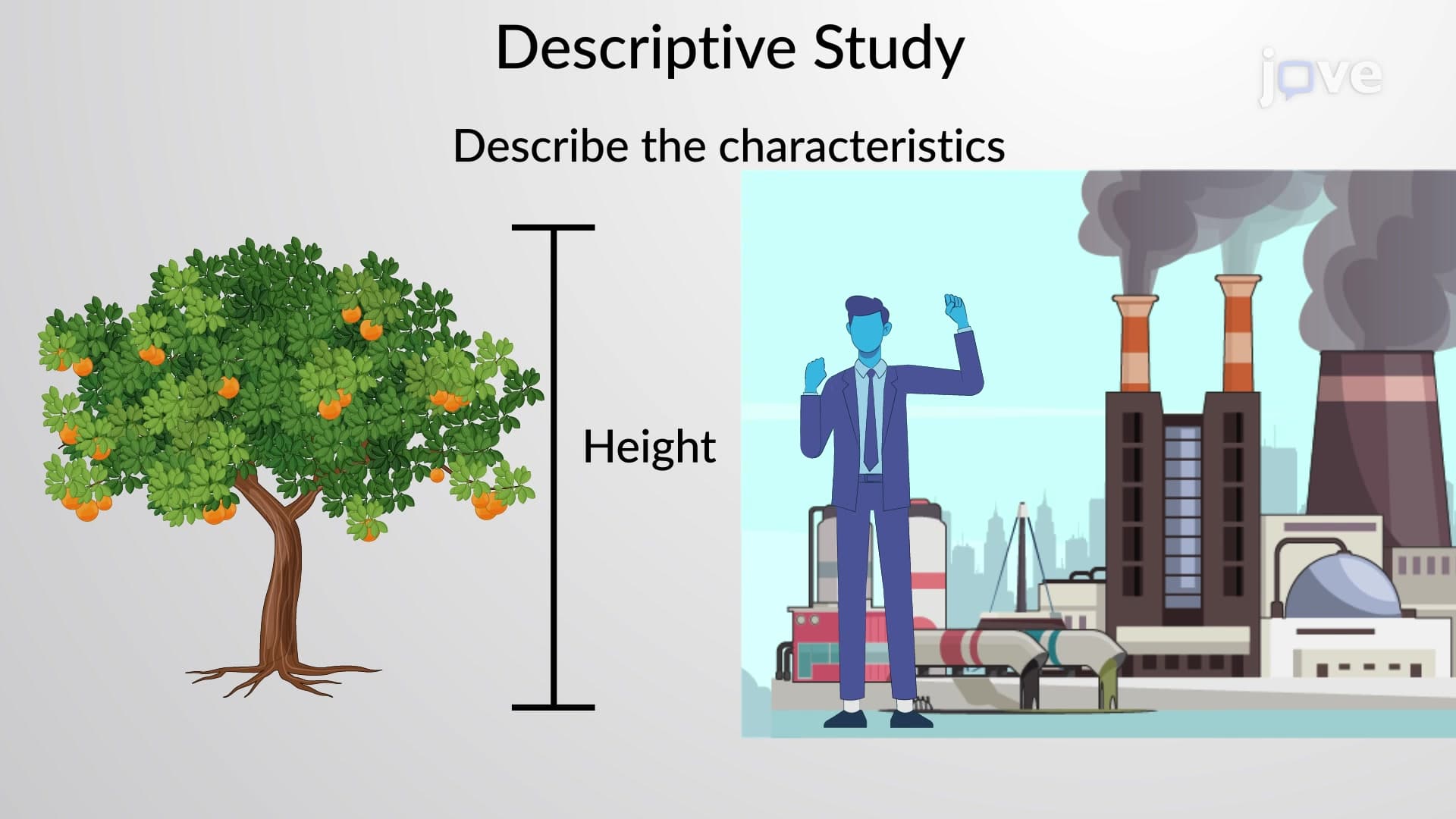
2. Study Design in Statistics

3. Observational Studies
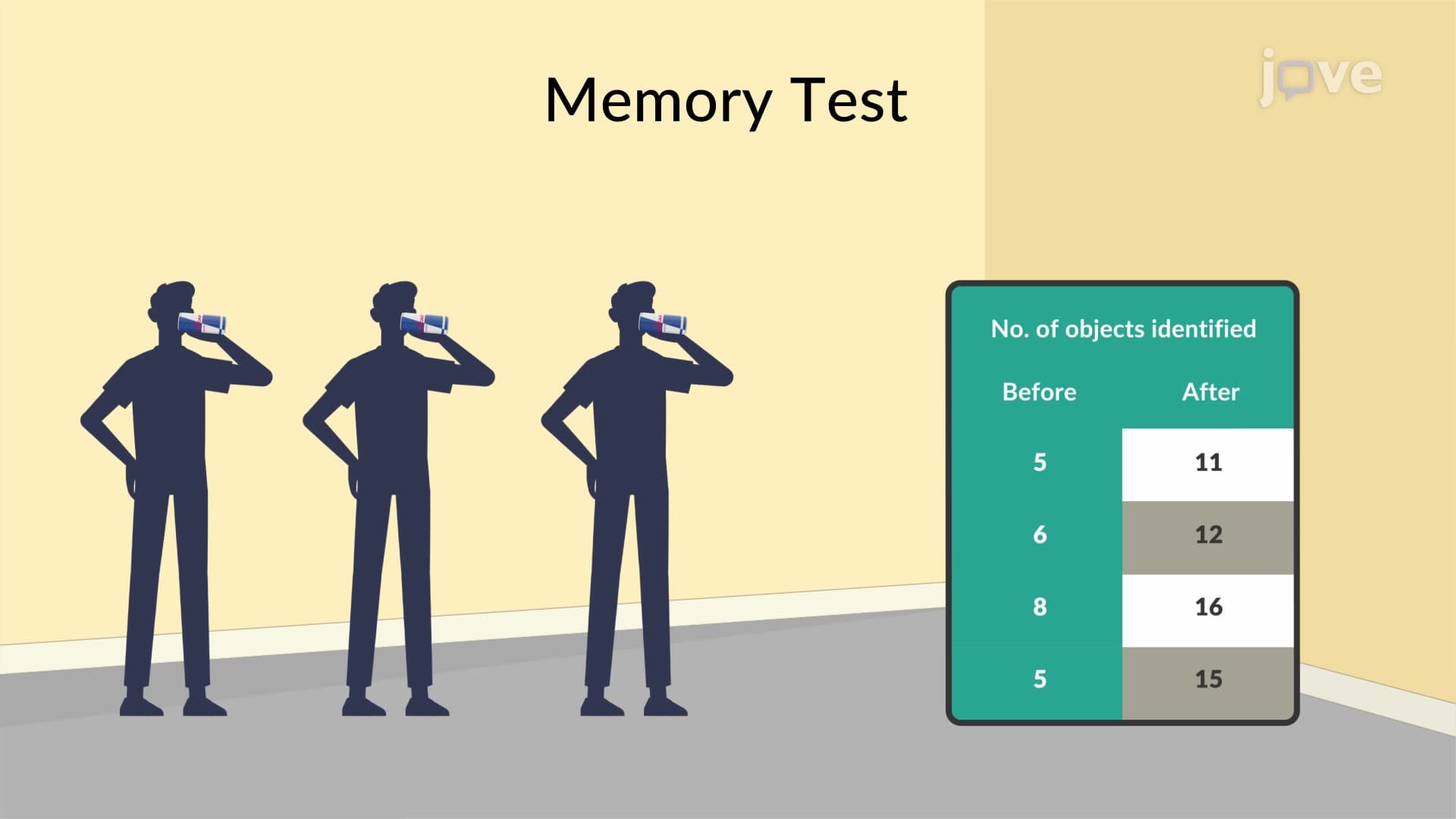
4. Experimental Designs

5. Randomized Experiments
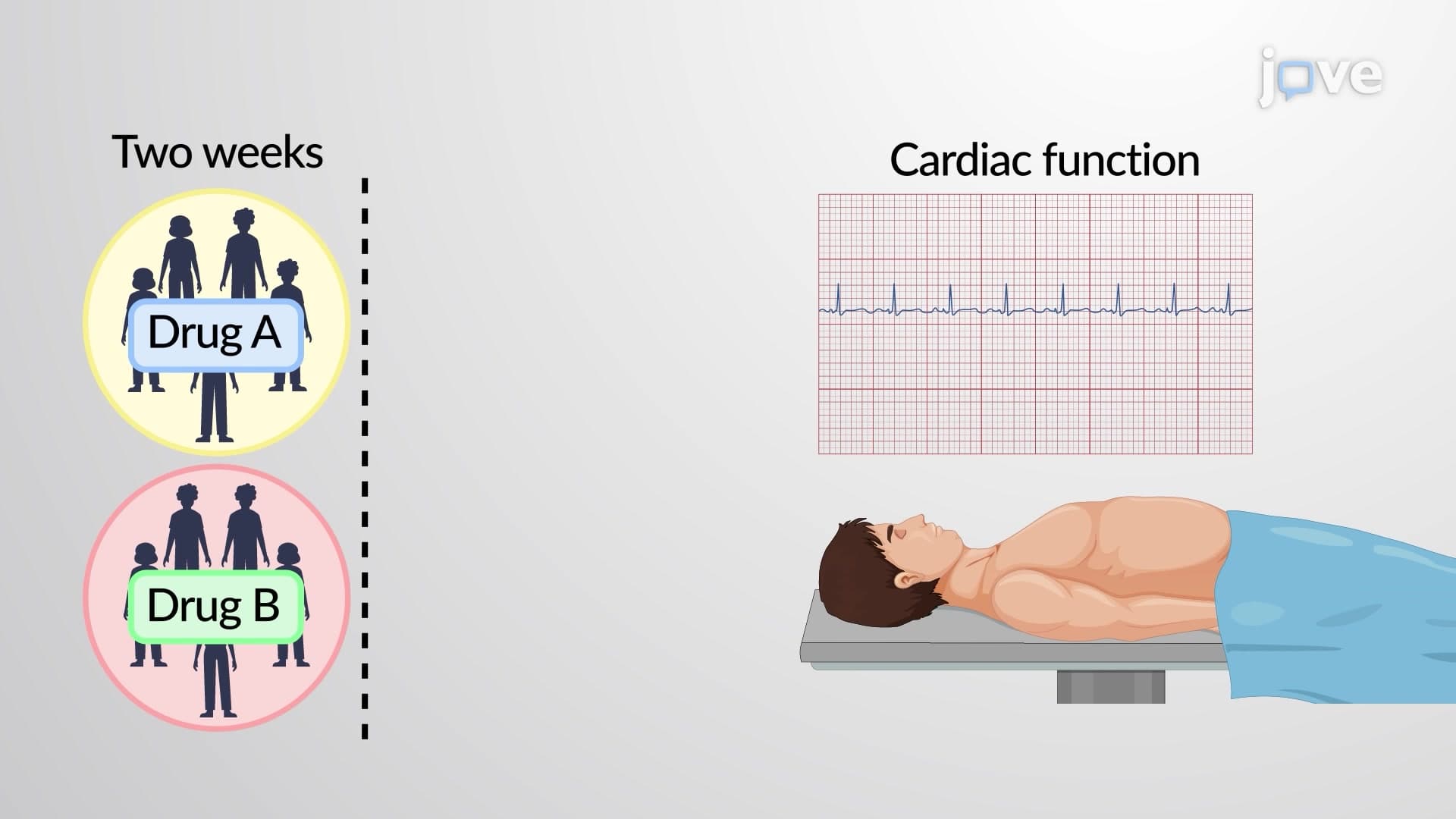
6. Crossover Experiments
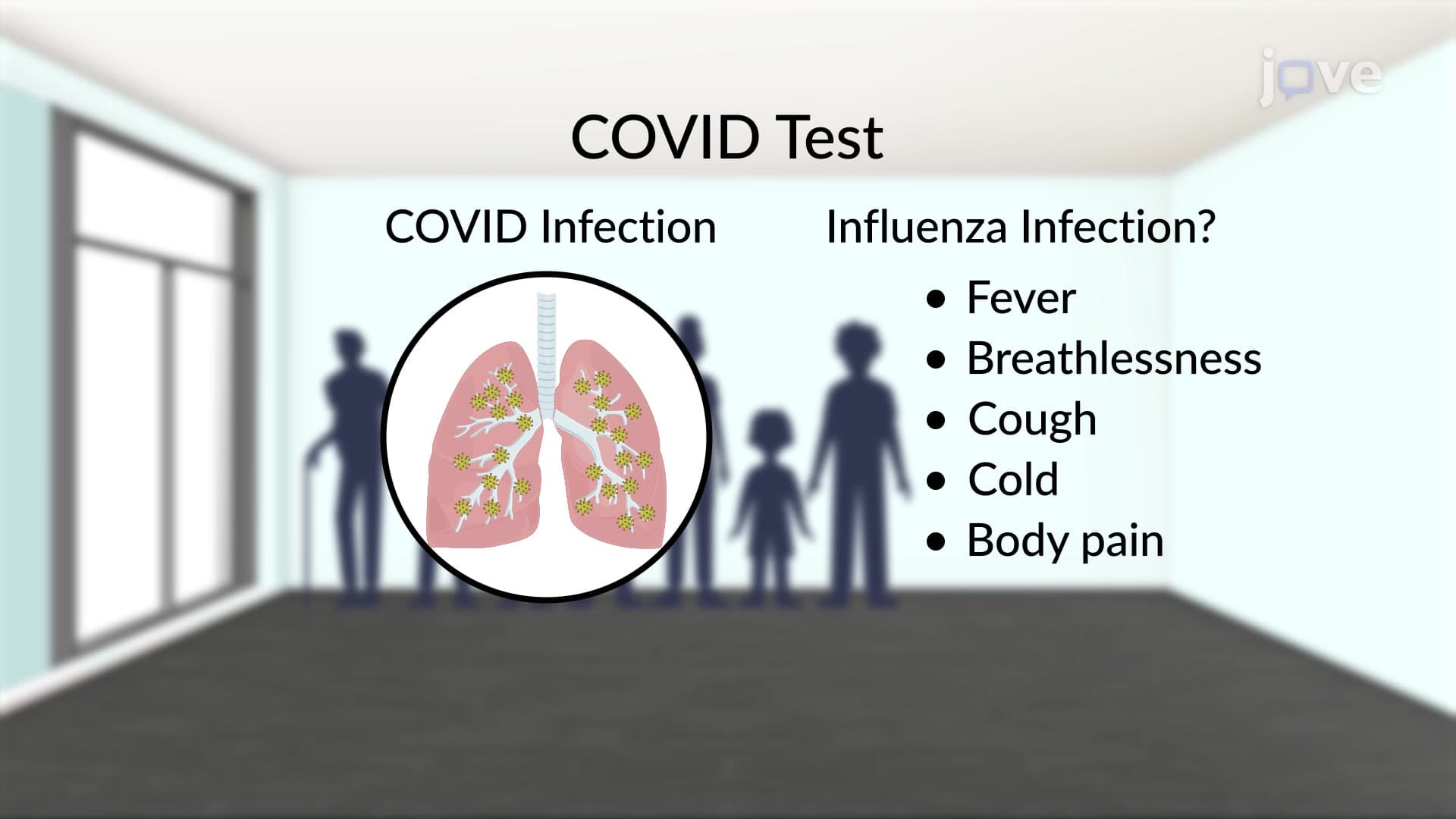
7. Controls in Experiments

8. Bias
9. Blinding
10. Clinical Trials
Statistics in practice forms the foundation of evidence-based decision making across healthcare, business, and scientific research. This comprehensive course covers essential applied statistics real world methodologies including experimental design, observational studies, randomized trials, bias control, and clinical research phases. Master the practical applications of statistics through real-world scenarios from medical trials to business analytics with JoVE Coach.
- Understand the fundamental differences between experimental and observational study designs
- Learn to identify and control various types of bias in research studies
- Explore randomization techniques including simple, block, and stratified methods
- Analyze crossover study designs and their applications in clinical research
- Apply blinding techniques to enhance study validity and reduce observer bias
- Identify appropriate controls for different experimental scenarios
- Understand the four phases of clinical trials and regulatory approval processes
- Evaluate statistical significance and interpret experimental outcomes
1. Experimental vs. Observational Studies The distinction between experimental and observational research forms the cornerstone of statistical modeling in practice. Experimental studies like pharmaceutical trials actively manipulate variables—researchers at Johns Hopkins might test a new diabetes medication by randomly assigning patients to treatment groups. Observational studies, such as the famous Framingham Heart Study, monitor subjects naturally without intervention, tracking cardiovascular risk factors over decades to identify patterns and correlations in real populations.
2. Types of Observational Studies Applied data analysis employs three main observational approaches depending on timing and research questions. Prospective studies like the Nurses' Health Study follow participants forward in time, tracking diet and disease development. Retrospective studies examine past exposures—CDC investigators might study historical smoking data when investigating lung cancer clusters. Cross-sectional studies capture snapshots, such as the U.S. Census measuring population demographics at specific time points.
3. Experimental Design Categories Practical statistics recognizes three experimental design levels based on control and randomization. Pre-experimental designs test before-and-after changes, like measuring blood pressure before and after implementing a workplace wellness program. True experimental designs randomly assign subjects to control and treatment groups, exemplified by randomized controlled trials at major medical centers like Mayo Clinic. Quasi-experimental designs lack random assignment but maintain comparison groups, common in educational research comparing different teaching methods.
4. Randomization and Bias Control Effective statistical inference requires proper randomization to eliminate selection bias and confounding variables. Simple randomization uses coin flips or random number generators for basic group assignment. Block randomization ensures balanced representation—medical trials might separate participants by age groups before random assignment. Stratified randomization accounts for multiple factors simultaneously, such as balancing clinical trials by both gender and disease severity to ensure representative treatment groups.
5. Crossover Studies and Controls Advanced data analysis workflow includes crossover designs where subjects serve as their own controls, particularly valuable in chronic disease management studies. The FDA often requires crossover trials for medications treating ongoing conditions like hypertension or arthritis. Negative controls (samples without the target substance) and positive controls (samples with known target presence) validate experimental procedures, essential in diagnostic testing from COVID-19 detection to food safety analysis.
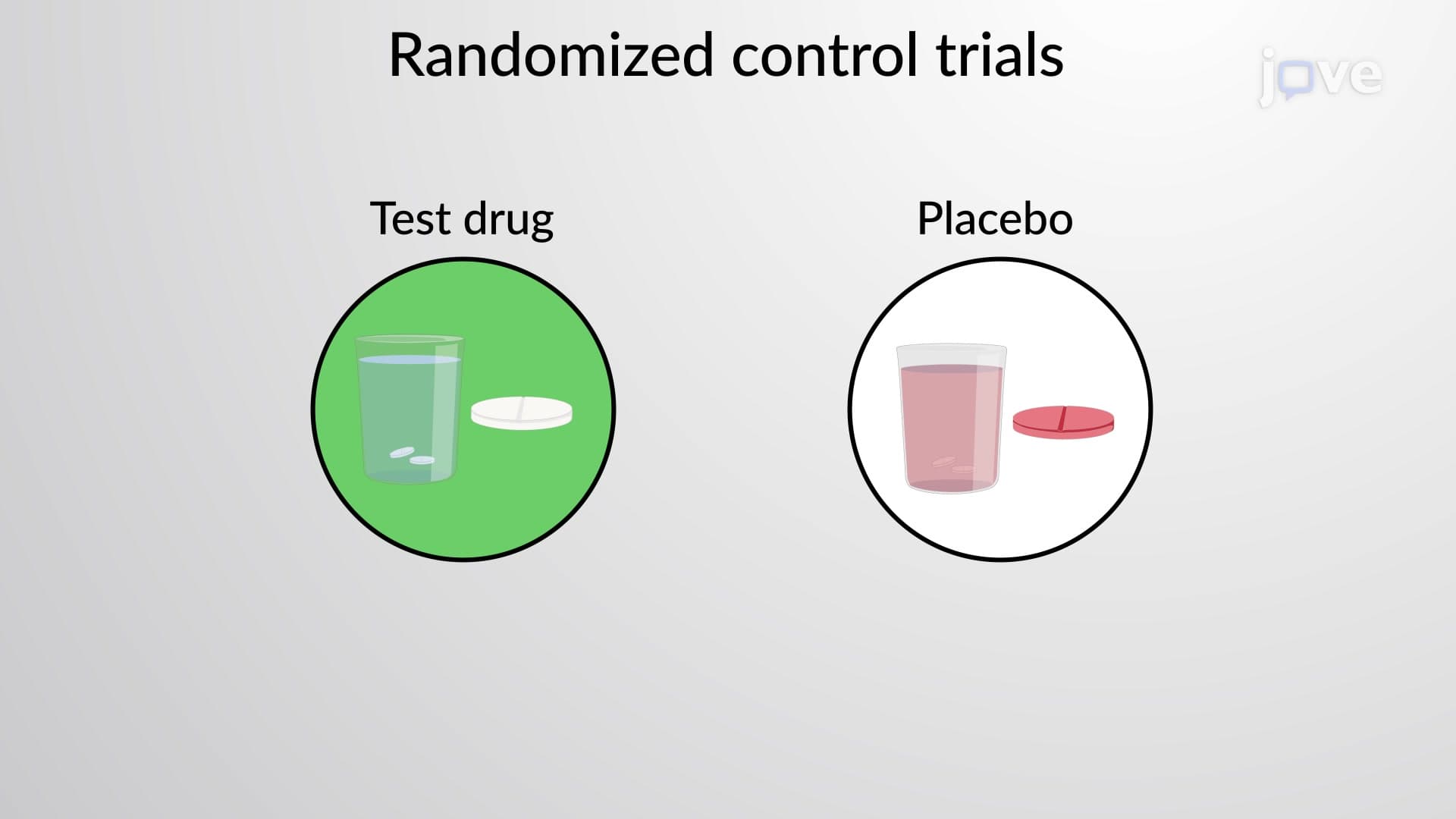
6. Blinding Techniques Applied statistics real world applications demand blinding to prevent bias in data collection and interpretation. Single-blind studies hide treatment assignment from participants, reducing placebo effects in pain management research. Double-blind designs conceal information from both subjects and researchers, standard in pharmaceutical trials conducted by companies like Pfizer or Johnson & Johnson. Triple-blind studies additionally hide treatment assignment from data analysts, ensuring completely objective statistical analysis.
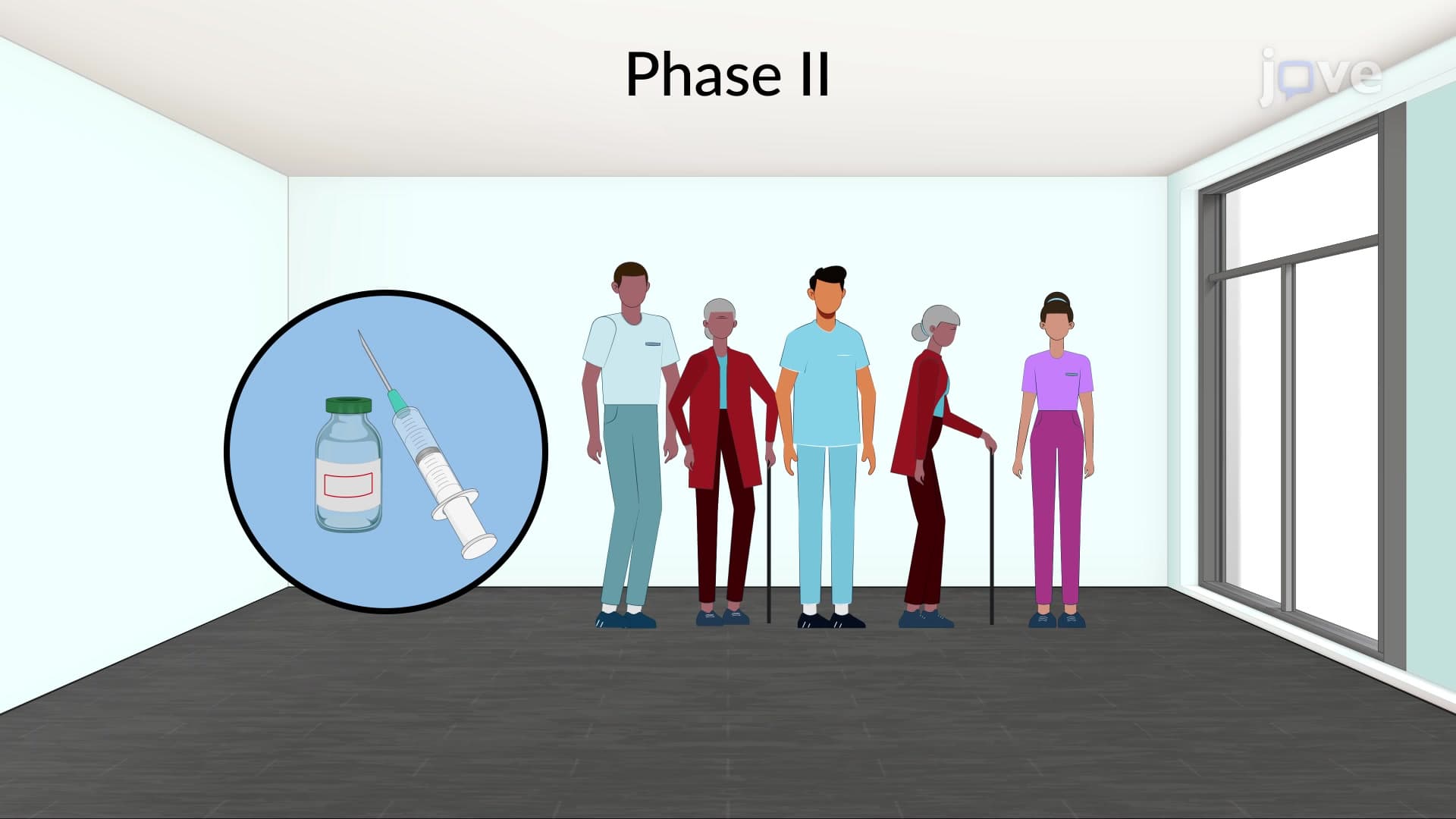
7. Clinical Trial Phases The FDA's four-phase clinical trial system exemplifies practical applications of statistics in drug development and safety monitoring. Phase I trials test safety and dosage in small healthy volunteer groups. Phase II trials evaluate effectiveness in patients with target conditions, typically involving hundreds of participants. Phase III trials compare new treatments to existing standards across thousands of patients at multiple medical centers. Phase IV post-market surveillance monitors long-term effects after FDA approval and public availability.
Frequently Asked Questions
Experimental studies actively manipulate variables (like testing a new medication), while observational studies monitor subjects naturally without intervention (like tracking dietary habits and health outcomes over time).
Randomization ensures each participant has an equal chance of being assigned to any group, eliminating researcher bias in selection and balancing unknown confounding factors across treatment and control groups.
The MCAT frequently tests experimental design concepts including randomized controlled trials, case-control studies, cohort studies, and the ability to identify potential sources of bias in research methodology.
Single-blind studies hide treatment information only from participants, while double-blind studies hide this information from both participants and researchers to prevent both placebo effects and observer bias.
Clinical trials provide the evidence base for FDA drug approvals, medical treatment guidelines, and evidence-based practice protocols used in hospitals and clinics across the United States.
Recognizing bias types (sampling, observer, measurement, publication) helps students critically evaluate research quality and design better studies, essential skills for careers in healthcare, research, and data analysis.
Practice identifying study types using real research examples, create flowcharts distinguishing experimental approaches, and work through sample problems involving randomization and bias control scenarios.
Crossover studies have participants receive all treatments in different time periods with washout periods between, making each person their own control and reducing individual variation effects on results.
This microcourse includes 10 concept videos that walk you through the building blocks of Statistics. Each video is short, about 1 minute, so you can cover a full topic during a coffee break or between classes. The full sequence starts with What is an Experiment? and ends with Clinical Trials.
The playlist moves from big-picture ideas to the precise vocabulary used in Statistics. Early videos introduce What is an Experiment?, Study Design in Statistics, and Observational Studies. The middle of the series focuses on Randomized Experiments, Crossover Experiments, and Controls in Experiments. The final stretch covers Bias, Blinding, and Clinical Trials.
The natural next step is Nonparametric Statistics. From there, you can move to Biostatistics, Survival Analysis, and Statistical Softwares. Once you finish those, the full Statistics curriculum of 17 microcourses on JoVE Coach opens up, taking you from foundational concepts to advanced systems.
Related Subjects
 Physics 33 micro-courses›
 Math Fundamentals 11 micro-courses›