- Statistics
- Estimates
Micro-courses:17

Estimates
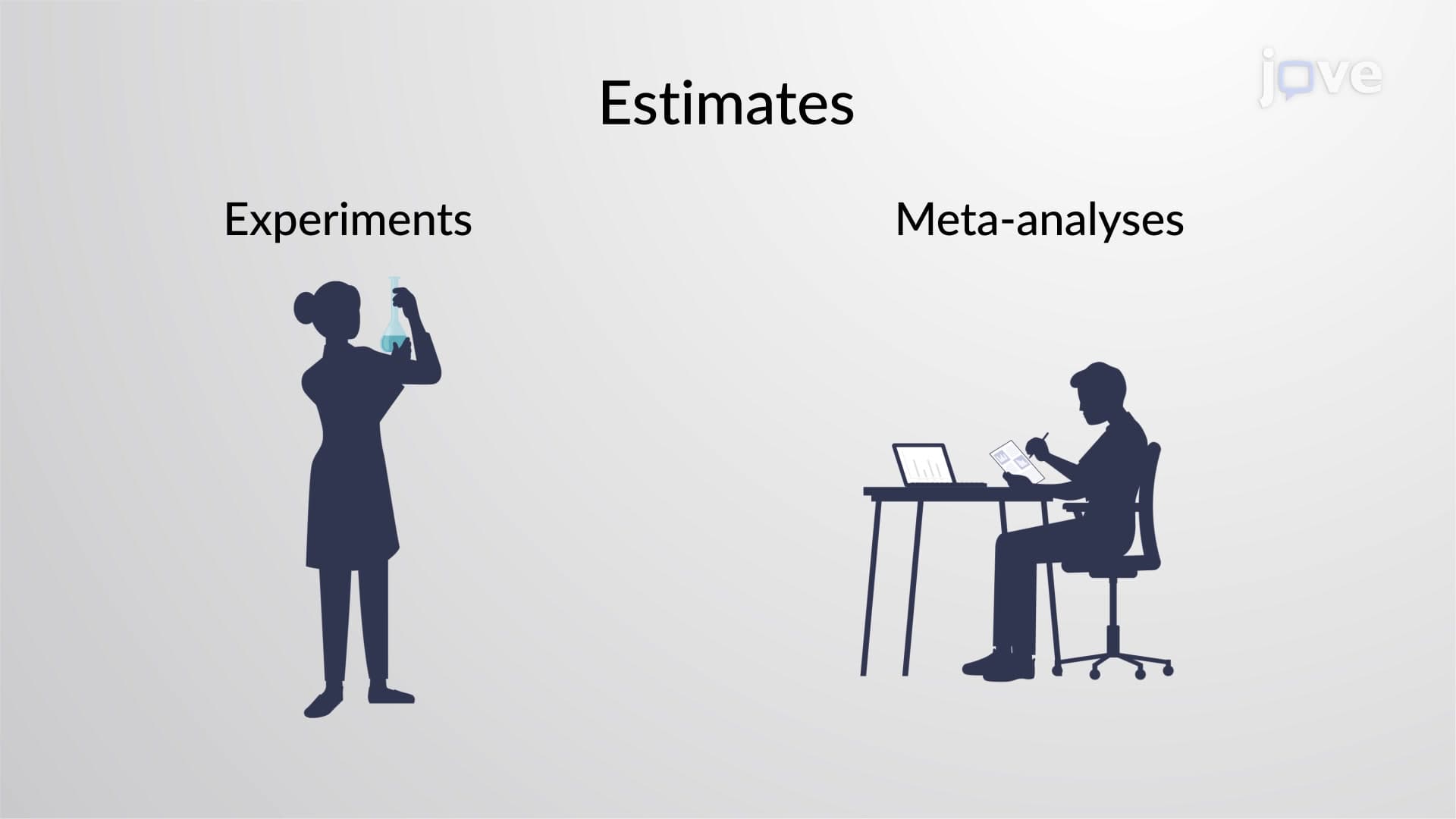
1. What are Estimates?

2. Sample Proportion and Population Proportion
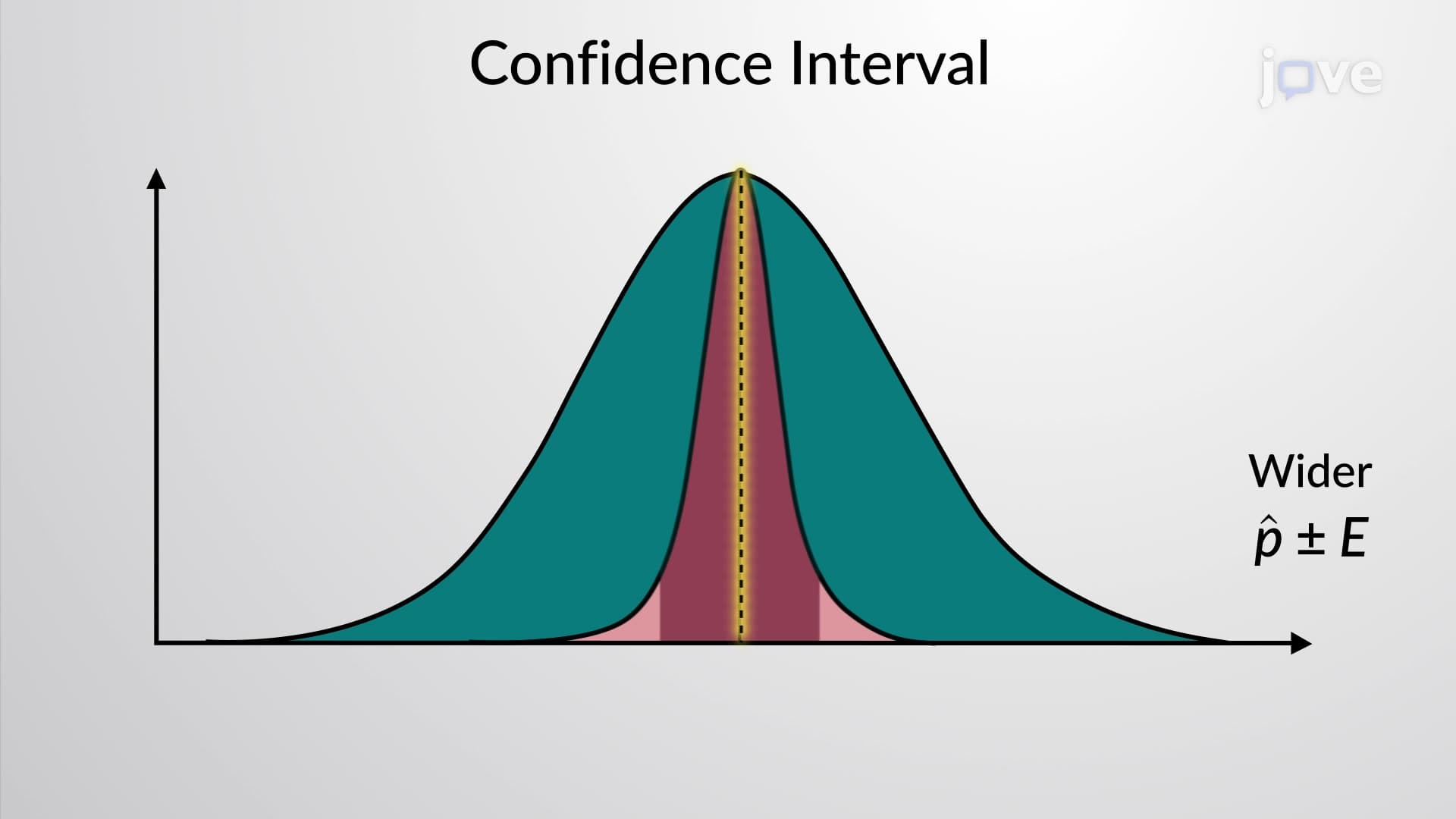
3. Confidence Intervals
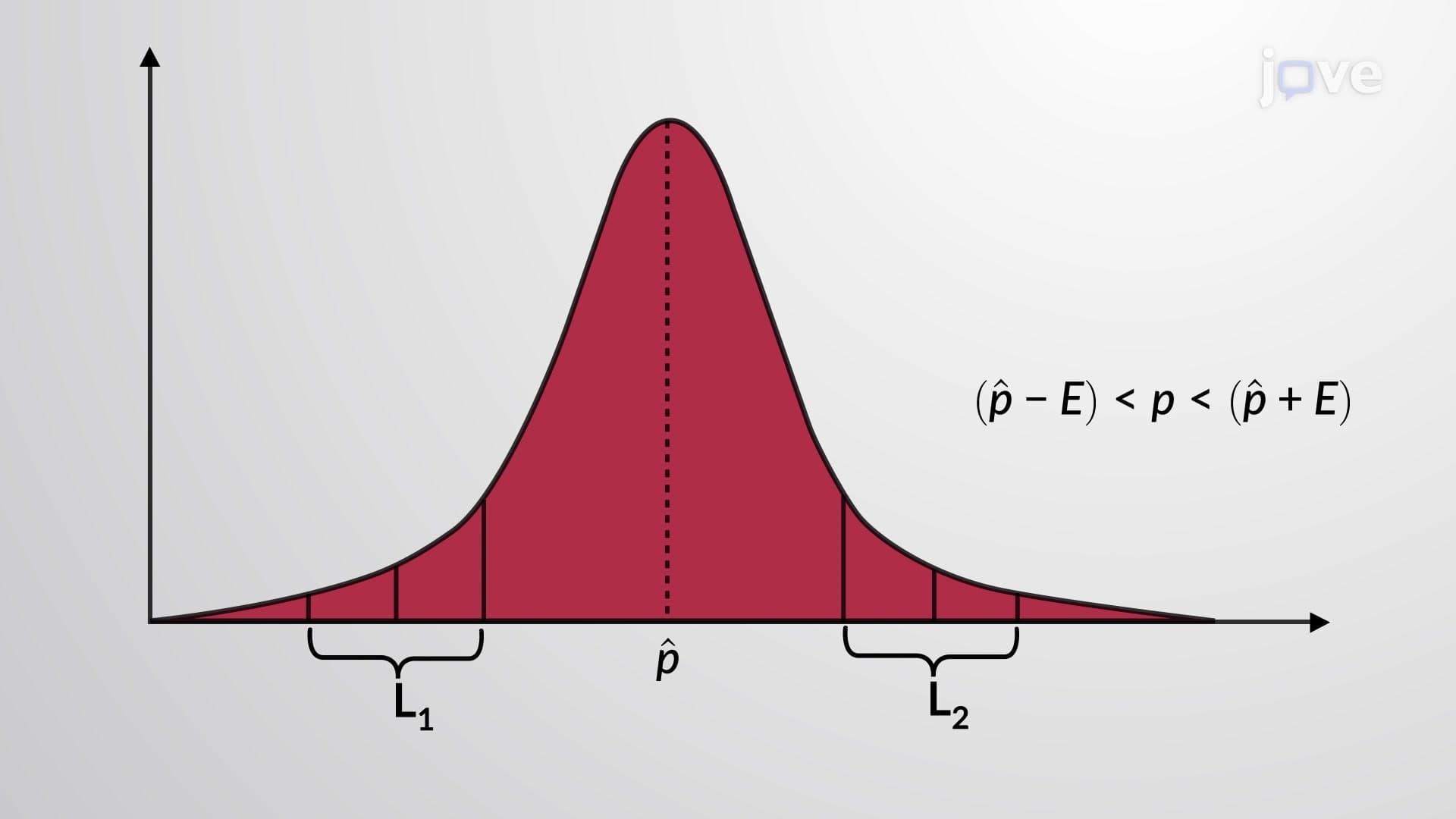
4. Confidence Coefficient
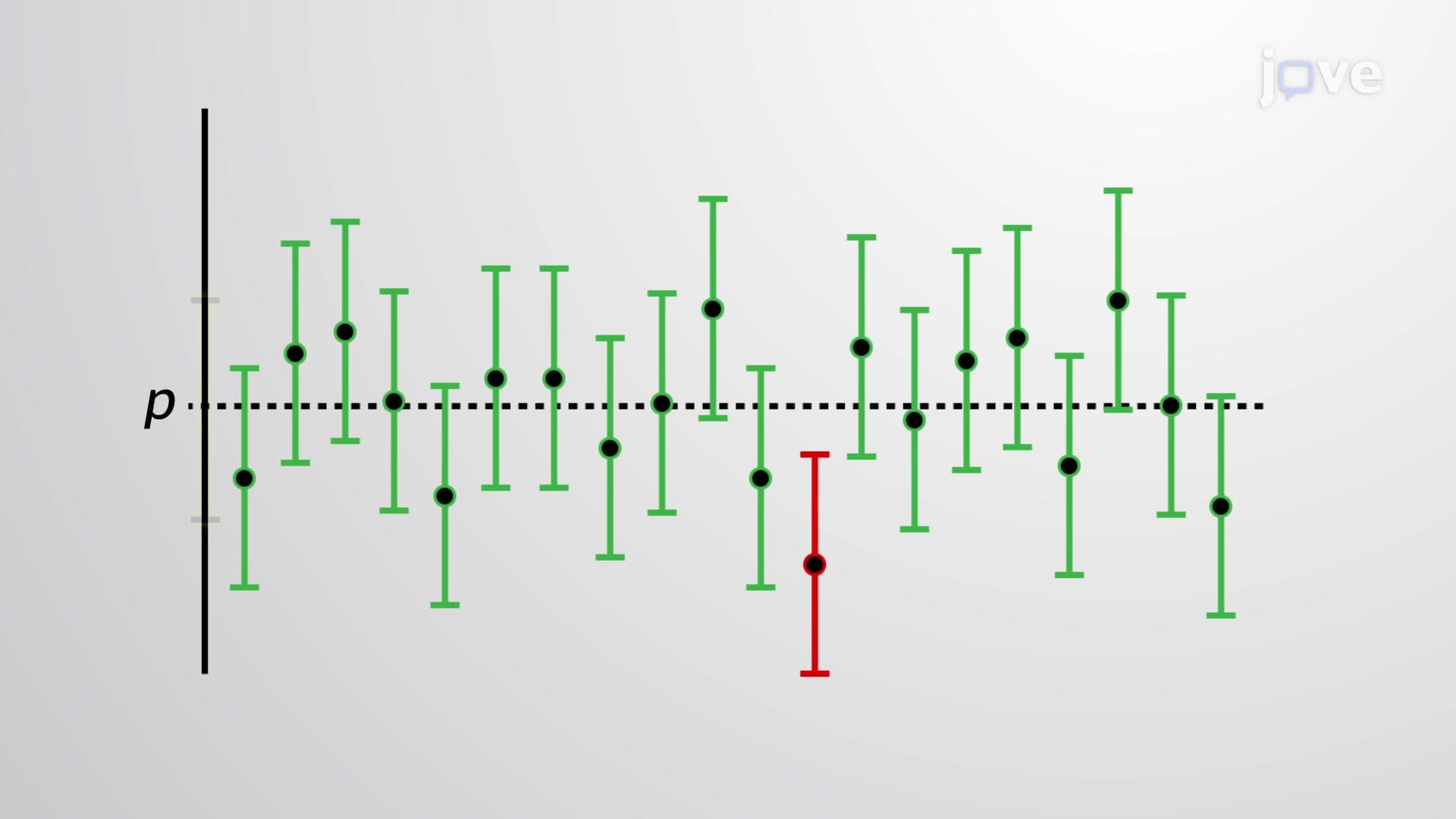
5. Interpretation of Confidence Intervals
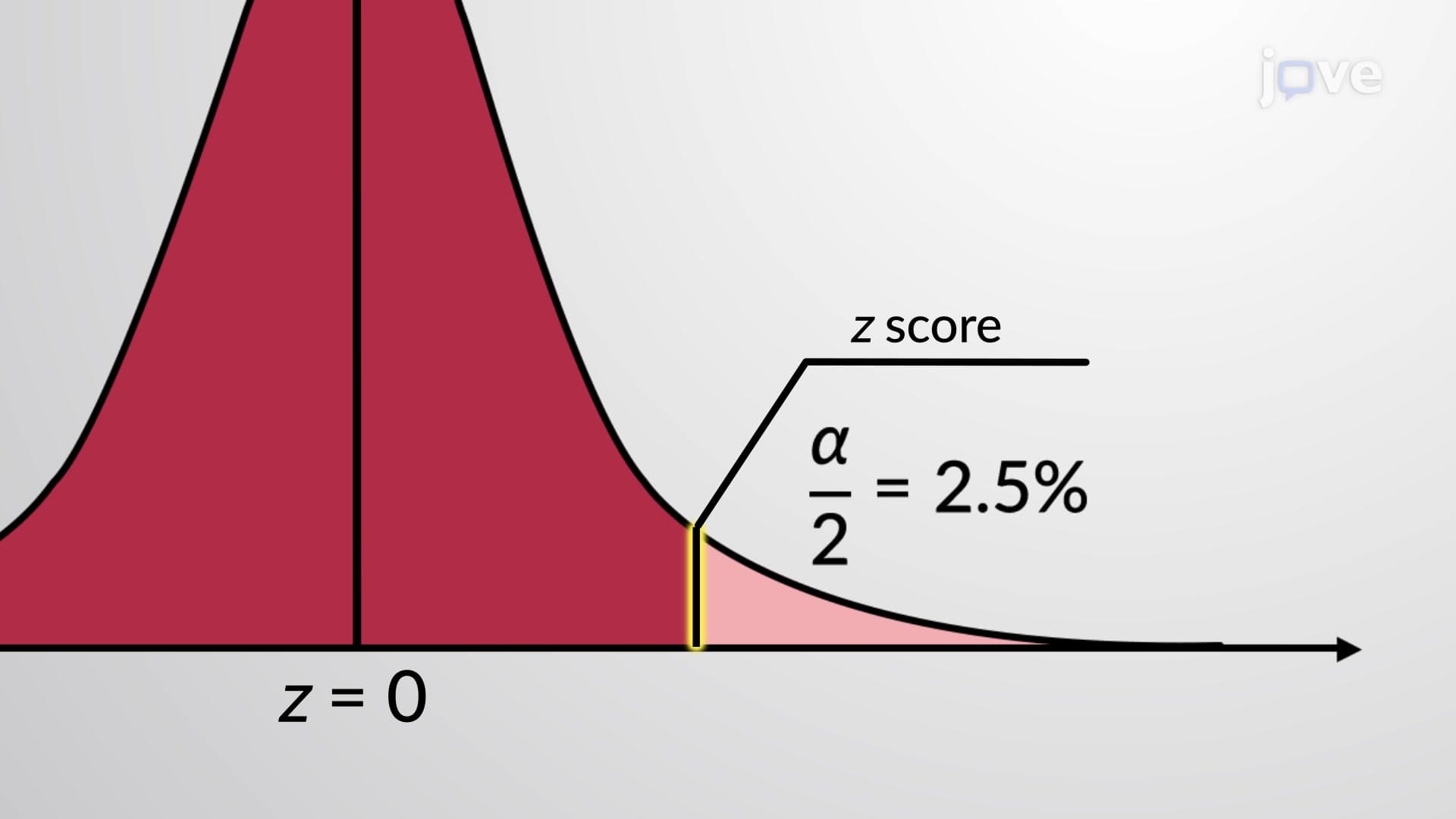
6. Critical Values
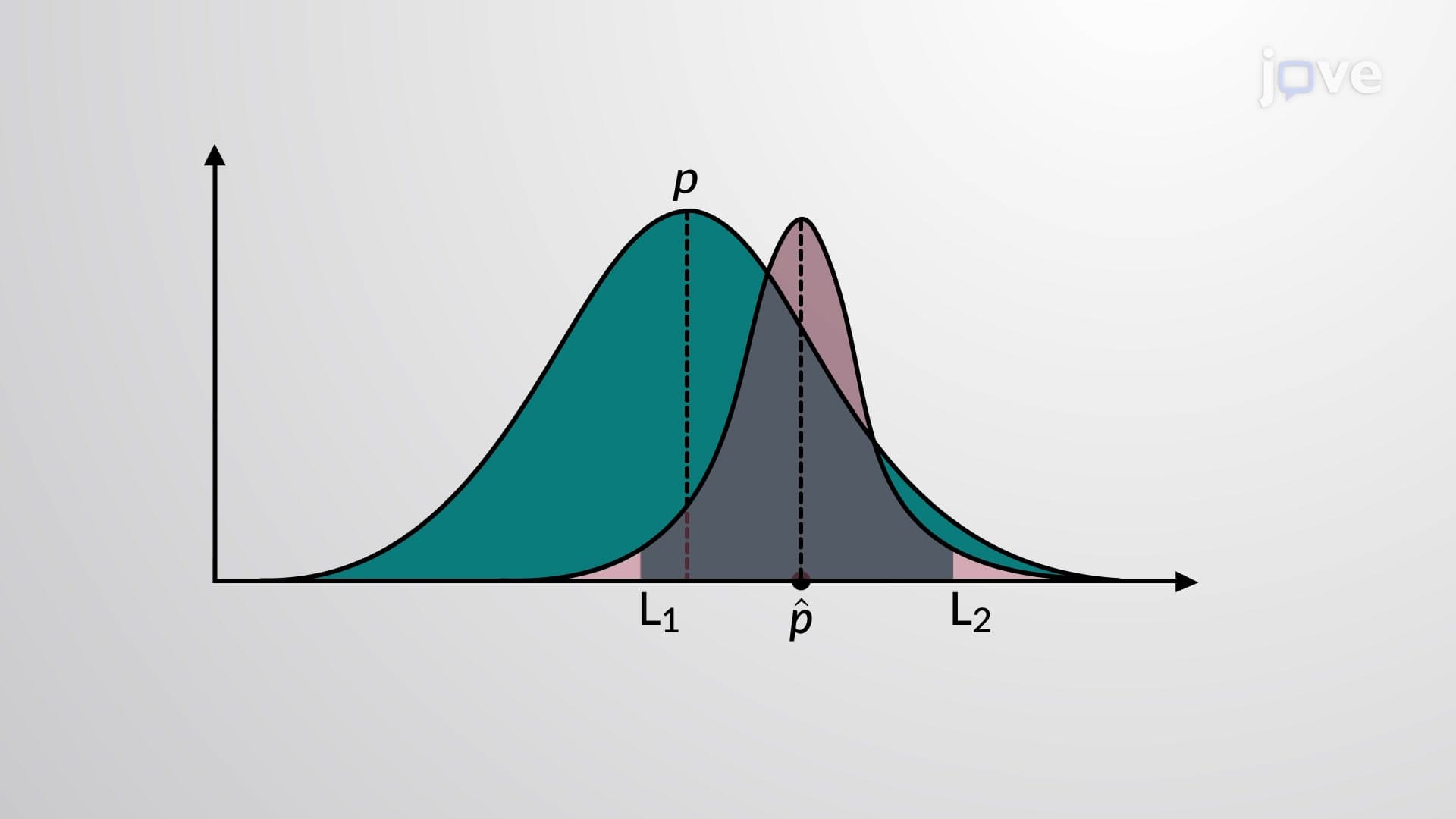
7. Margin of Error
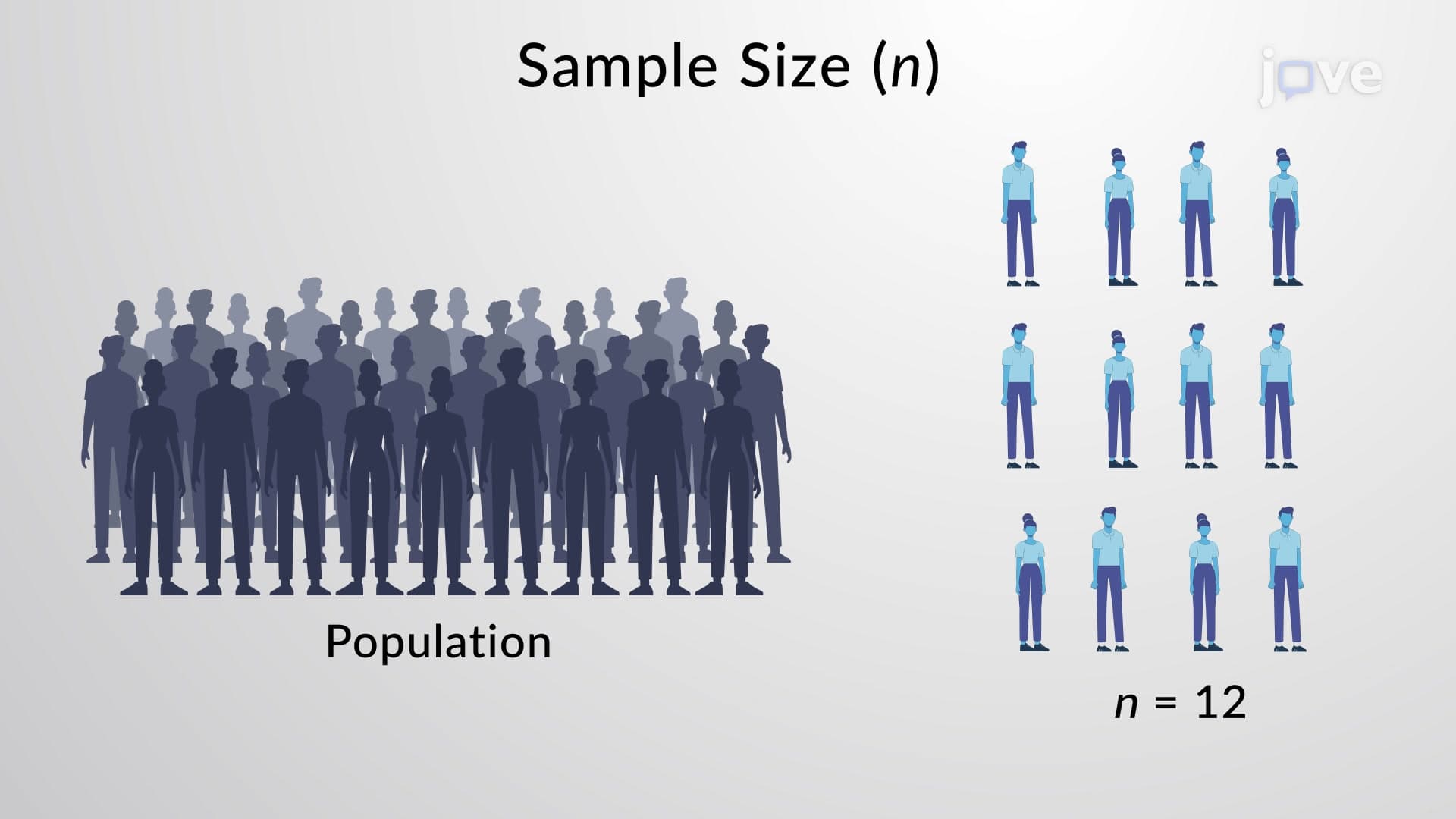
8. Sample Size Calculation

9. Estimating Population Mean with Known Standard Deviation
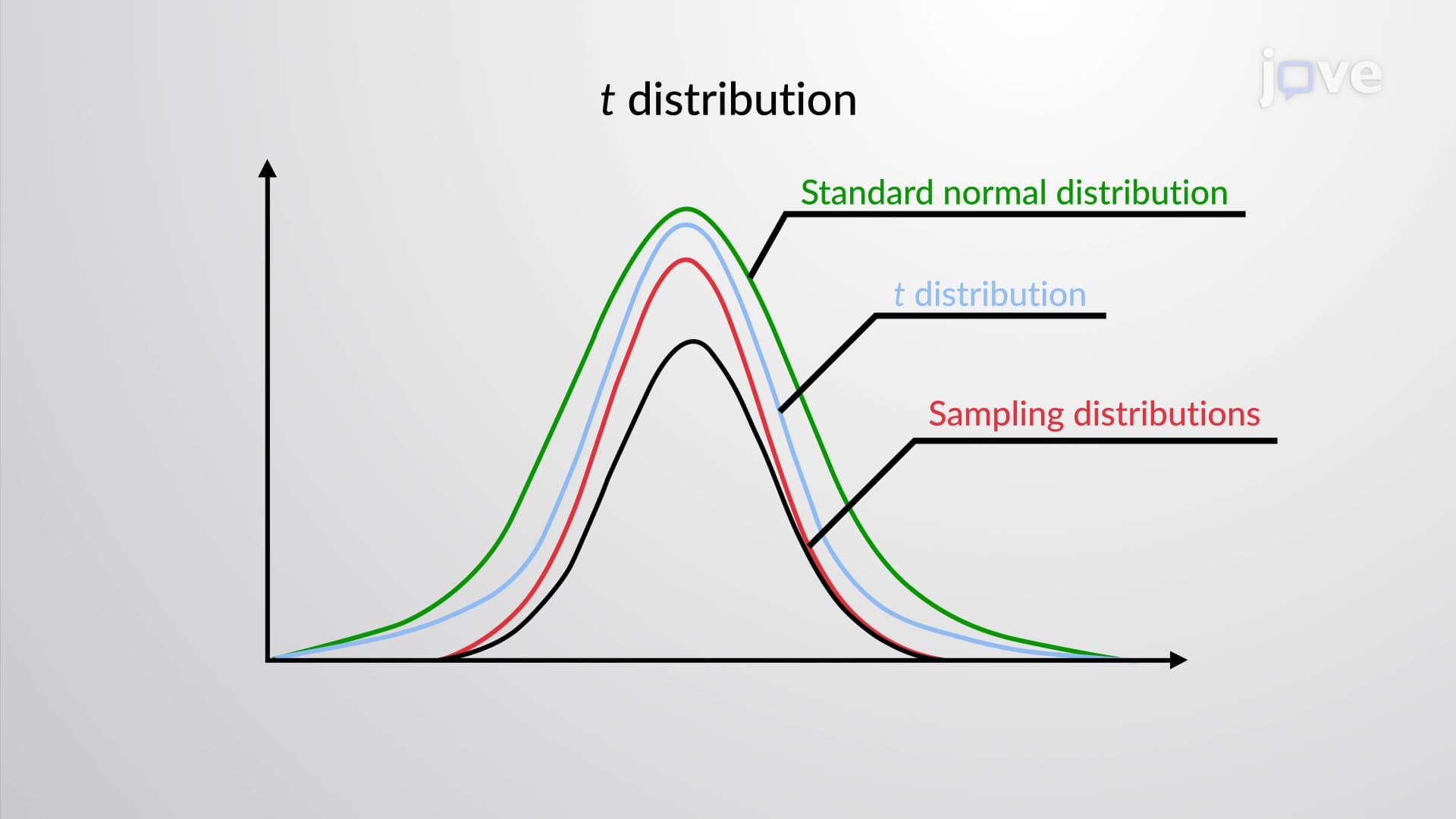
10. Estimating Population Mean with Unknown Standard Deviation
11. Confidence Interval for Estimating Population Mean
Statistics estimates form the foundation of inferential statistics, enabling researchers to make predictions about entire populations using sample data. From polling US presidential elections to determining FDA drug efficacy rates, confidence interval estimation and point estimation techniques help scientists and policymakers make data-driven decisions. This JoVE Coach micro-course explores the mathematical principles and real-world applications of statistical estimation methods used across American universities and standardized testing.
- Understand the fundamental difference between point and interval estimation in statistics
- Learn to calculate and interpret confidence intervals for population proportions and means
- Identify appropriate confidence levels and critical values for different statistical scenarios
- Explore margin of error calculations and their impact on estimation accuracy
- Analyze the relationship between sample size and estimation precision
- Apply z-distribution and t-distribution methods for population parameter estimation
- Understand when to use known versus unknown standard deviation estimation techniques
- Learn proper interpretation of confidence intervals in real-world contexts
1. Point Estimates and Sample Statistics: Point estimates provide single-value approximations of population parameters using sample data. When the US Census Bureau surveys American households to estimate median income, the calculated sample mean serves as a point estimate for the entire population. The reliability of point estimates depends on sample representativeness and size, with larger, randomly selected samples generally producing more accurate estimates of true population values.
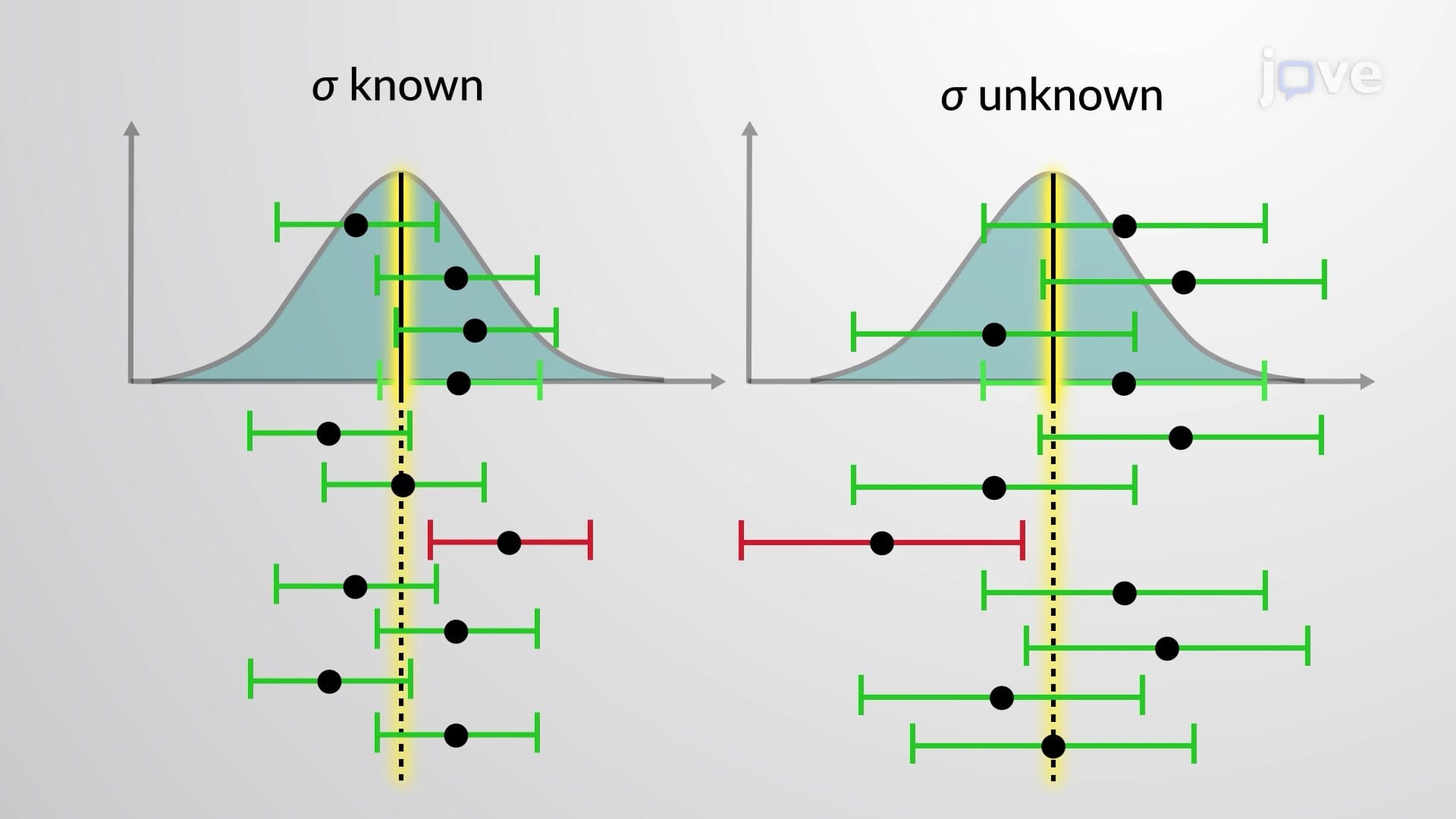
2. Confidence Interval Construction and Interpretation: Confidence intervals create ranges of plausible values for population parameters, accounting for sampling variability. A 95% confidence interval for average SAT scores in California might range from 1,180 to 1,220, meaning if we repeated the sampling process many times, 95% of calculated intervals would contain the true population mean. This interpretation focuses on the long-run behavior of the estimation process, not the probability of any single interval.
3. Critical Values and Confidence Levels: Critical values from z-distribution or t-distribution determine confidence interval width at specified confidence levels. Common confidence levels in American research include 90% (z = 1.645), 95% (z = 1.96), and 99% (z = 2.576). Higher confidence levels produce wider intervals, reflecting increased certainty that the interval captures the true population parameter. The choice of confidence level depends on the consequences of estimation errors in specific applications.
4. Margin of Error Calculations: Margin of error quantifies the maximum expected difference between sample estimates and true population values. Political polls reporting "±3% margin of error" indicate the sample proportion could vary by 3 percentage points from the actual population proportion. Margin of error depends on sample size, confidence level, and population variability, with larger samples and lower confidence levels producing smaller margins of error.
5. Sample Size Determination: Optimal sample size balances statistical precision with practical constraints like cost and time. To estimate the proportion of American adults supporting renewable energy within ±2% margin of error at 95% confidence, researchers need approximately 2,401 respondents. Sample size calculations consider desired precision, confidence level, and estimated population variance, helping researchers design efficient studies that meet statistical requirements.
6. Population Mean Estimation with Known Standard Deviation: When population standard deviation is known (often from historical data), z-distribution provides critical values for confidence intervals. Pharmaceutical companies might use previous clinical trial data showing known variability in blood pressure responses to estimate mean effectiveness of new medications. This scenario, while less common in practice, provides the theoretical foundation for understanding interval estimation principles.
7. Population Mean Estimation with Unknown Standard Deviation: Real-world applications typically involve unknown population standard deviations, requiring t-distribution for confidence intervals. Educational researchers studying average study time among American college students would use sample standard deviation and t-critical values. T-distributions account for additional uncertainty from estimating population variability, producing wider confidence intervals that maintain stated confidence levels despite unknown parameters.
Frequently Asked Questions
A point estimate gives a single best guess for a population parameter (like saying the average height of US adults is 5'7"), while a confidence interval provides a range of plausible values (like saying the average height is between 5'6" and 5'8"). Point estimates are precise but don't indicate uncertainty, whereas confidence intervals show both the estimate and its reliability.
Use z-distribution when you know the population standard deviation and have a normal distribution or large sample (n > 30). Use t-distribution when the population standard deviation is unknown, which is the more common real-world scenario. For AP Statistics and college courses, you'll typically use t-distribution unless the problem specifically states the population standard deviation.
Choose 95% confidence for most academic projects and research applications, as it's the standard in American scientific literature. Use 90% confidence when you need narrower intervals and can accept slightly less certainty, or 99% confidence for critical decisions where you need maximum confidence. Your choice affects interval width: higher confidence levels create wider intervals.
Surveying entire populations (called a census) is usually impossible due to cost, time, and logistics. The US Census occurs only every 10 years and costs billions of dollars. Well-designed samples with proper statistical techniques can provide accurate estimates much more efficiently. Even the Census Bureau uses sampling methods for detailed demographic studies between census years.
Larger sample sizes produce narrower confidence intervals, meaning more precise estimates. If you survey 100 people about voting preferences, your margin of error might be ±10%, but surveying 1,000 people could reduce it to ±3%. However, quadrupling sample size only halves the margin of error, so there are diminishing returns to collecting more data.
No, this is a common misinterpretation. The correct interpretation is that if you repeated your sampling process many times, 95% of the resulting confidence intervals would contain the true population mean. The true population value is fixed (though unknown), so it either is or isn't in your specific interval - there's no probability involved.
Focus on three key areas: proper interpretation (long-run behavior, not probability), calculation mechanics (identifying when to use z vs. t), and conditions for validity (normality, sample size, random sampling). Practice with real AP exam questions and pay attention to the specific wording used in correct interpretations. Many students lose points on interpretation, so memorize the standard phrases used in scoring rubrics.
They have an inverse relationship with sample size: for a fixed sample size, higher confidence levels produce larger margins of error, while larger margins of error allow for higher confidence levels. If you want both high confidence and small margin of error, you need a larger sample size. This trade-off appears frequently in statistics problems and real research design decisions.
This microcourse includes 11 concept videos that walk you through the building blocks of Statistics. Each video is short, about 1 minute, so you can cover a full topic during a coffee break or between classes. The full sequence starts with What are Estimates? and ends with Confidence Interval for Estimating Population Mean.
The playlist moves from big-picture ideas to the precise vocabulary used in Statistics. Early videos introduce What are Estimates?, Sample Proportion and Population Proportion, and Confidence Intervals. The middle of the series focuses on Interpretation of Confidence Intervals, Critical Values, and Margin of Error. The final stretch covers Sample Size Calculation, Estimating Population Mean with Known Standard Deviation, Estimating Population Mean with Unknown Standard Deviation, and Confidence Interval for Estimating Population Mean.
The natural next step is Distributions. From there, you can move to Hypothesis Testing, Analysis of Variance, and Correlation and Regression. Once you finish those, the full Statistics curriculum of 17 microcourses on JoVE Coach opens up, taking you from foundational concepts to advanced systems.
Related Subjects
 Physics 33 micro-courses›
 Math Fundamentals 11 micro-courses›