- Statistics
- Measures of Relative Standing
Micro-courses:17

Measures of Relative Standing

1. Review and Preview

2. Introduction to z Scores
3. z Scores and Unusual Values
4. Percentile

5. Quartile
6. 5-Number Summary
7. Boxplot

8. What Are Outliers?
9. Modified Boxplots
Measures of relative standing are statistical tools that help interpret individual data values by comparing them to the entire dataset. These methods include z-scores for standardization, percentiles for ranking positions, and quartiles for data grouping. Understanding relative position in data is essential for analyzing test scores, comparing student performance across different US standardized exams, and identifying unusual values in datasets. JoVE Coach provides comprehensive coverage of these fundamental statistical concepts.
- Understand how z-scores standardize data points and identify unusual values
- Learn to calculate and interpret percentiles for ranking and comparison purposes
- Explore quartiles and the interquartile range for data distribution analysis
- Analyze five-number summaries to comprehensively describe datasets
- Apply boxplot construction and interpretation techniques for visual data analysis
- Identify outliers using multiple statistical methods and criteria
- Understand modified boxplots for enhanced outlier visualization
- Apply relative standing measures to real-world scenarios and exam problems
1. Z-Scores and Standardization: Z-scores transform raw data into standardized units, expressing how many standard deviations a value lies from the mean. The formula z = (X - μ) / σ enables comparison across different datasets. For example, comparing SAT and ACT scores requires standardization since they use different scales. Z-scores help identify unusual values, with scores beyond ±2 considered uncommon and beyond ±3 considered rare. This concept is fundamental for understanding normal distributions and statistical inference in US educational assessments.
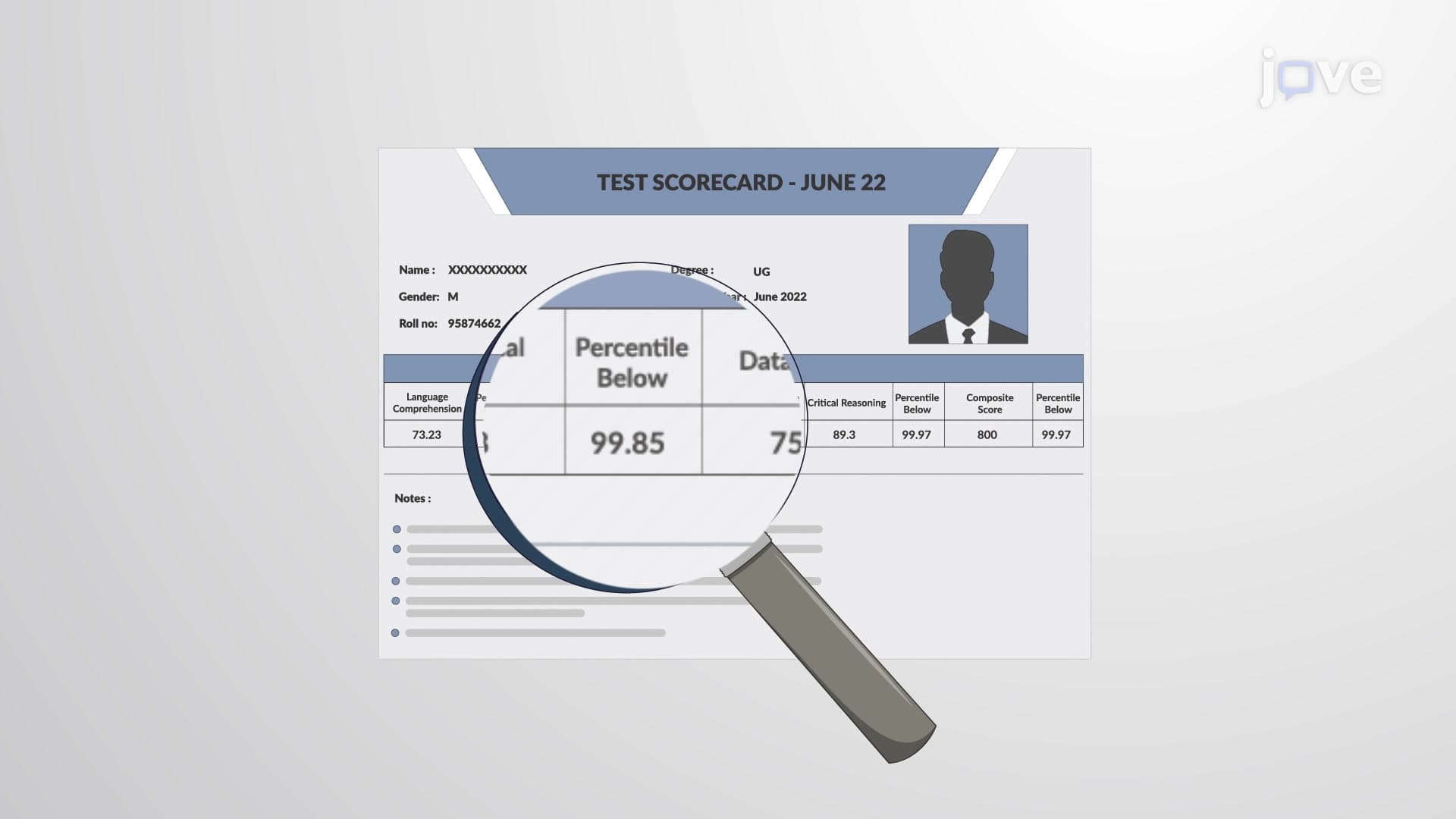
2. Percentiles and Ranking Systems: Percentiles divide data into 100 equal parts, indicating the percentage of values falling at or below a specific point. US universities extensively use percentile rankings for admissions decisions and standardized test interpretations. The 90th percentile means 90% of scores fall below that value, not that the student scored 90%. This distinction is crucial for interpreting GRE, GMAT, or state assessment results where percentile ranks determine competitive standing among test-takers.
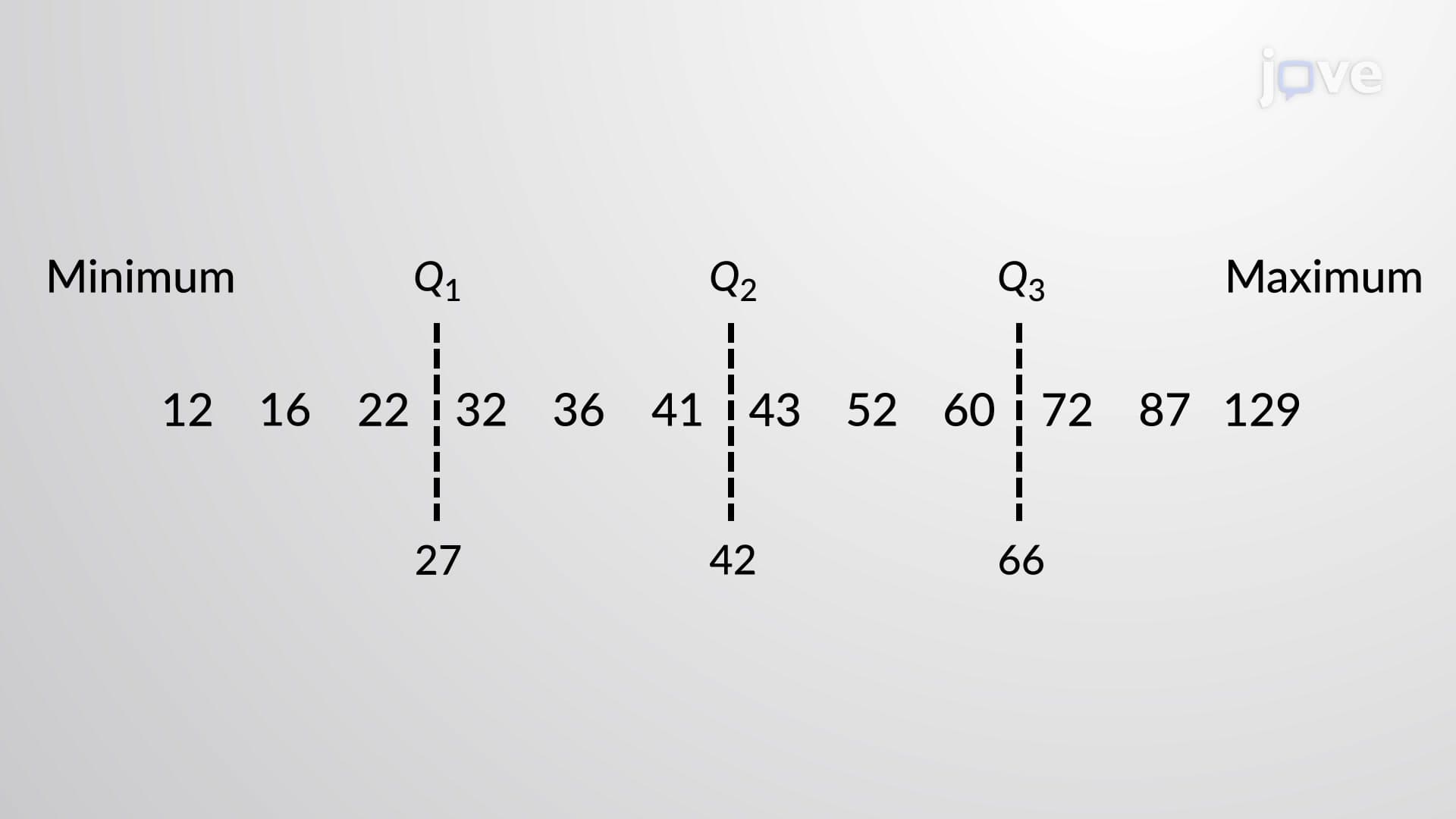
3. Quartiles and Data Distribution: Quartiles split datasets into four equal groups of 25% each, providing insights into data spread and central tendency. The first quartile (Q1) marks the 25th percentile, the second quartile (Q2) represents the median, and the third quartile (Q3) indicates the 75th percentile. The interquartile range (IQR = Q3 - Q1) measures the spread of the middle 50% of data, commonly used in analyzing student performance distributions across US school districts and standardized test score analysis.
4. Five-Number Summary and Data Visualization: The five-number summary includes minimum, Q1, median, Q3, and maximum values, providing a comprehensive dataset overview. This summary forms the foundation for boxplot construction, enabling visual comparison of multiple datasets. US educators use five-number summaries to analyze classroom performance, compare test results across different schools, and identify students needing additional support. The summary efficiently communicates data distribution characteristics without complex calculations.
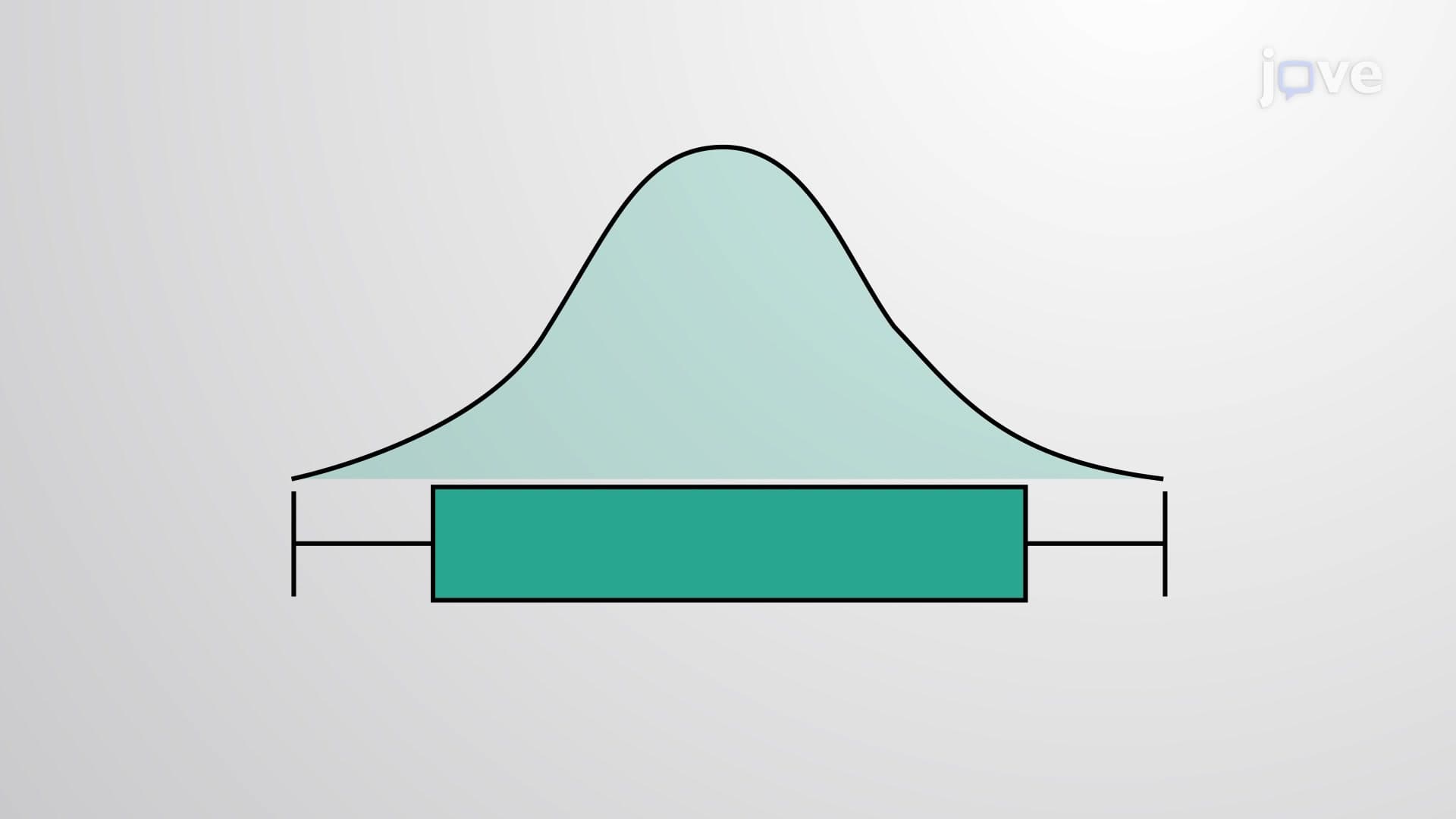
5. Boxplots and Visual Analysis: Boxplots graphically represent five-number summaries through rectangular boxes and extending whiskers. The box spans from Q1 to Q3 with a line at the median, while whiskers extend to minimum and maximum values. These plots reveal data symmetry, skewness, and spread patterns. US statistical software packages commonly generate boxplots for comparing state test scores, analyzing demographic data, and presenting research findings in educational and scientific publications.
6. Outlier Detection Methods: Outliers are extreme values that deviate significantly from typical data patterns. Three primary detection methods include: IQR method (values beyond 1.5 × IQR from quartiles), z-score method (values beyond ±2 or ±3 standard deviations), and boxplot visualization (points outside whiskers). Understanding outlier identification is essential for data quality assessment in US research studies, standardized testing validity, and academic performance analysis where extreme scores may indicate measurement errors or exceptional cases.
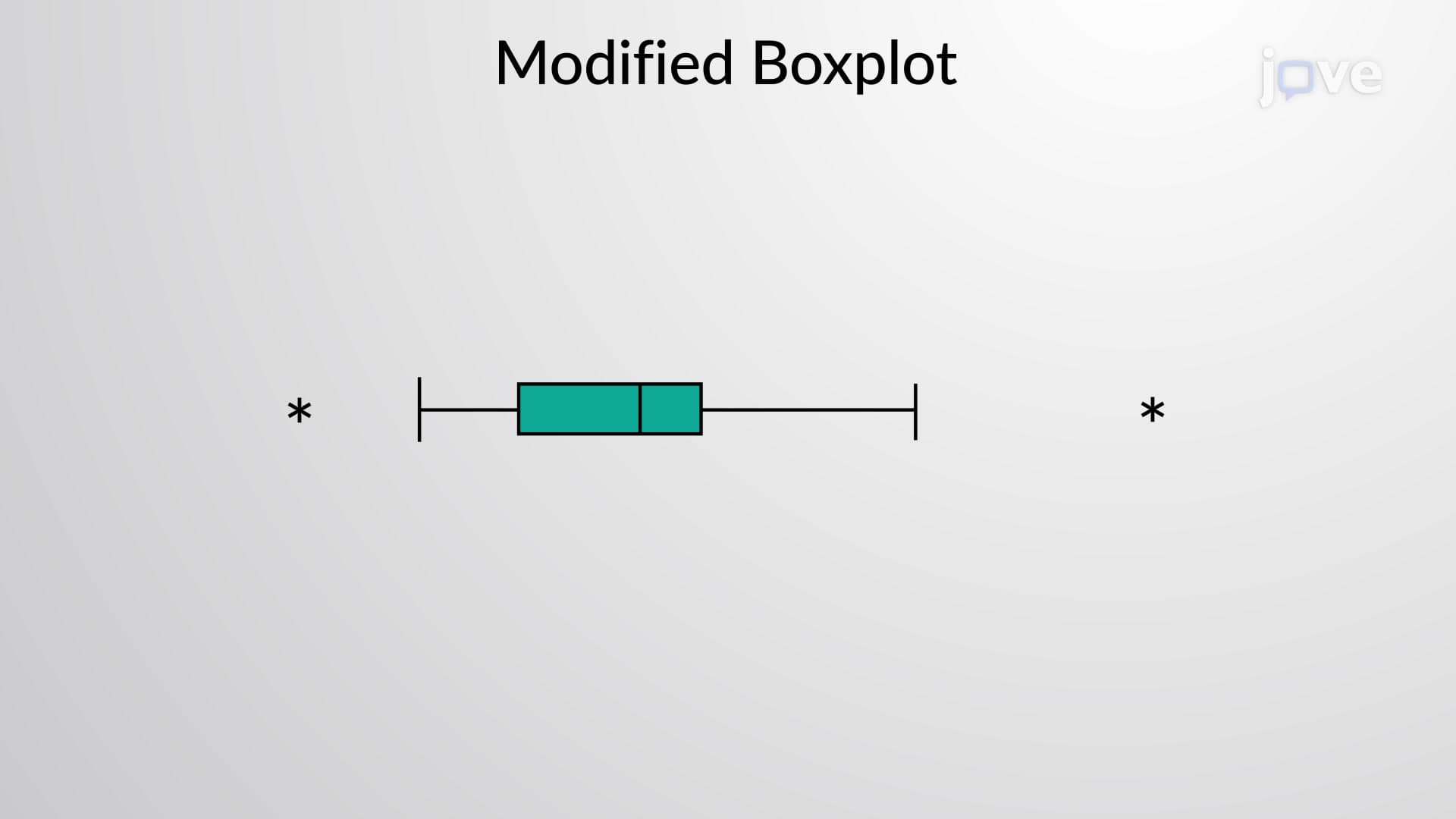
7. Modified Boxplots for Enhanced Analysis: Modified boxplots improve upon standard boxplots by clearly distinguishing outliers from the main data distribution. Whiskers extend only to values within 1.5 × IQR from quartiles, while outliers beyond this range appear as individual points or asterisks. This modification provides clearer visualization of data spread and unusual values, making it easier to identify students with exceptional performance or potential data collection errors in US educational assessments and research studies.
Frequently Asked Questions
Percentiles indicate your rank compared to other test-takers, while percentages show the portion of questions answered correctly. A 75th percentile means you scored better than 75% of test-takers, regardless of your actual percentage score. This distinction is crucial for interpreting SAT, ACT, and AP exam results.
Values with z-scores beyond ±2 are generally considered unusual (occurring in about 5% of cases), while z-scores beyond ±3 are rare (less than 1% of cases). For example, if a student's test score has a z-score of -2.5, their performance is unusually low compared to the class average.
Most major US exams report percentiles, including SAT, ACT, GRE, GMAT, MCAT, LSAT, and state assessment tests. The PSAT also provides percentiles for college planning. These percentile ranks help colleges and programs compare applicants from different backgrounds and testing dates.
Colleges often report admitted student statistics using quartiles, showing the 25th and 75th percentiles of SAT/ACT scores and GPAs. If your scores fall within or above these quartiles, you're competitive for admission. Many state universities use quartile rankings from high school class rank for automatic admission decisions.
Boxplots allow side-by-side comparison of different groups' performance, revealing differences in medians, spreads, and outliers at a glance. US educators use them to compare test scores across different schools, grade levels, or demographic groups, making patterns immediately visible that might be hidden in raw data tables.
These concepts build logically from basic statistics, making them manageable for most high school students. Start with understanding percentiles (most intuitive), then progress to quartiles and z-scores. Regular practice with real data from US contexts, like sports statistics or test scores, helps solidify understanding.
Focus on understanding concepts before memorizing formulas. Create a reference sheet linking each measure to its purpose: z-scores for standardization, percentiles for ranking, quartiles for grouping. Practice with US standardized test prep materials since these exams frequently test relative standing concepts, reinforcing both formula usage and conceptual understanding.
This microcourse includes 9 concept videos that walk you through the building blocks of Statistics. Each video is short, about 1 minute, so you can cover a full topic during a coffee break or between classes. The full sequence starts with Review and Preview and ends with Modified Boxplots.
The playlist moves from big-picture ideas to the precise vocabulary used in Statistics. Early videos introduce Review and Preview, Introduction to z Scores, and z Scores and Unusual Values. The middle of the series focuses on Quartile, 5-Number Summary, and Boxplot. The final stretch covers What Are Outliers? and Modified Boxplots.
The natural next step is Probability Distributions. From there, you can move to Estimates, Distributions, and Hypothesis Testing. Once you finish those, the full Statistics curriculum of 17 microcourses on JoVE Coach opens up, taking you from foundational concepts to advanced systems.
Related Subjects
 Physics 33 micro-courses›
 Math Fundamentals 11 micro-courses›