Loading…
Loading video…

77,400 views
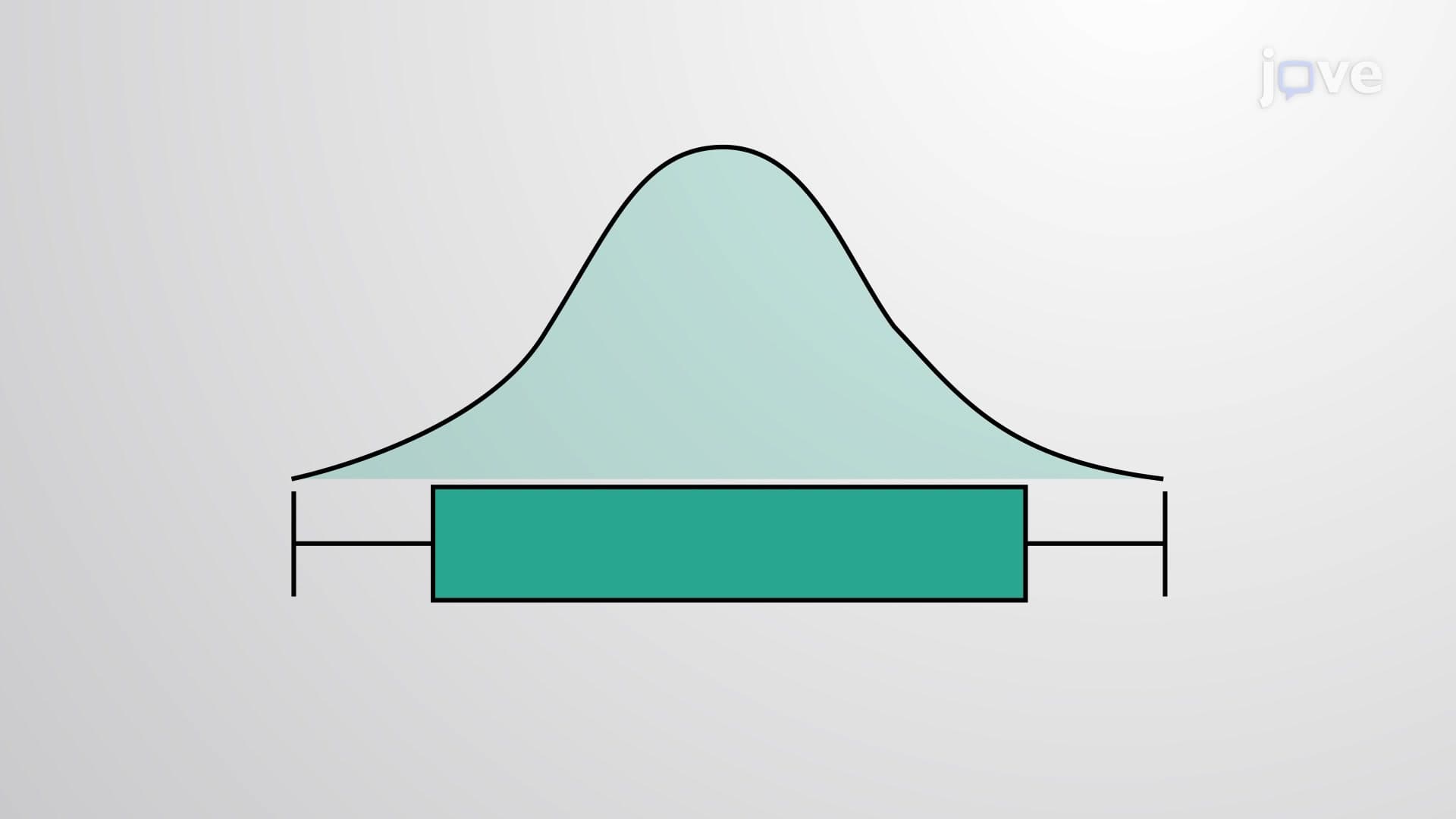
Did you know that Major League Baseball scouts use the same statistical tool to evaluate player performance that helped NASA analyze Mars rover data? A boxplot transforms complex datasets into clear visual stories by displaying five key numbers that reveal data patterns instantly. For example, analyzing SAT scores across different US high schools becomes manageable when boxplot diagrams show median performance, score ranges, and unusual outliers at a glance. Watch the full video on JoVE Coach to master this concept with expert-led visuals and step-by-step explanations.
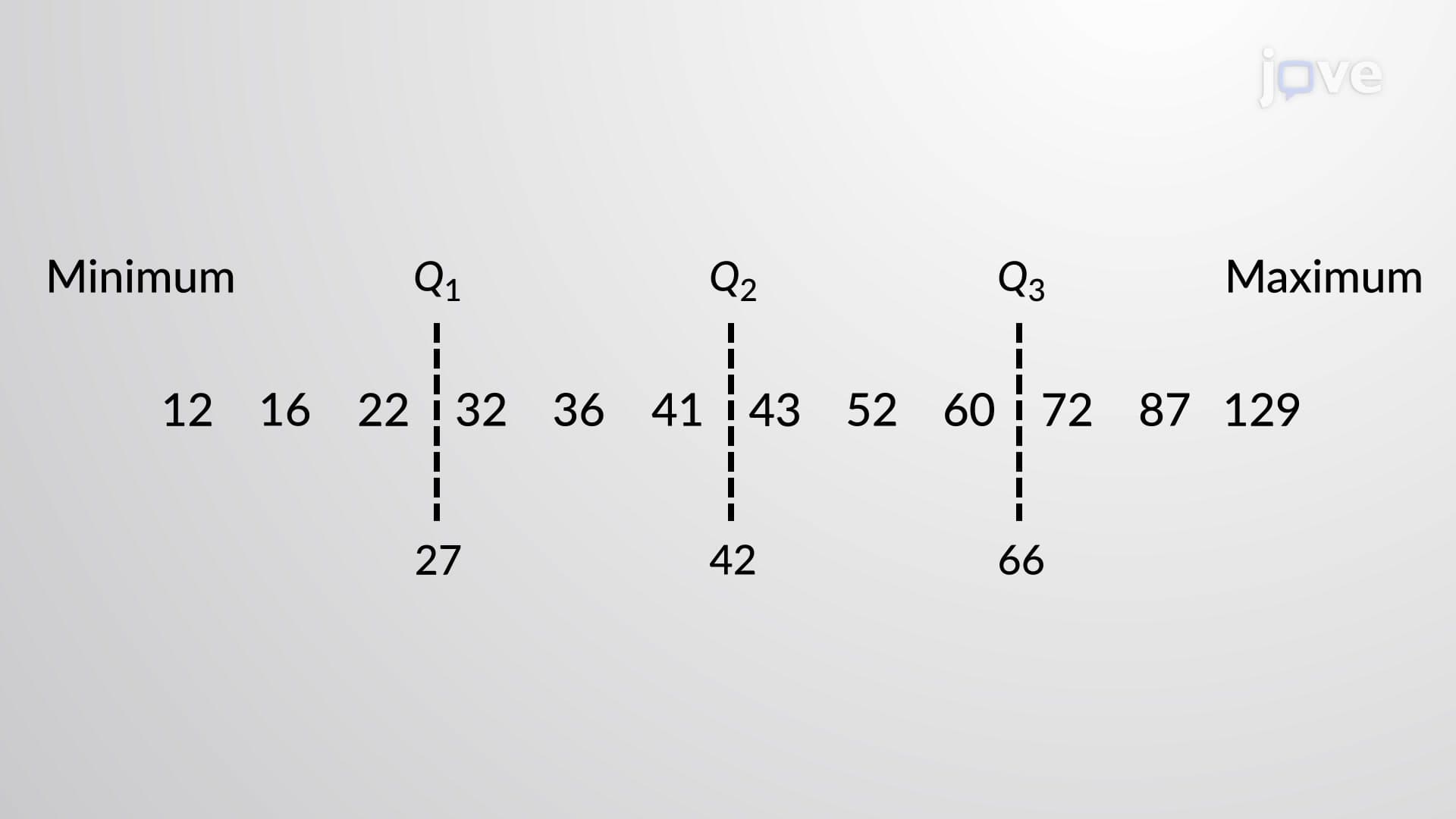
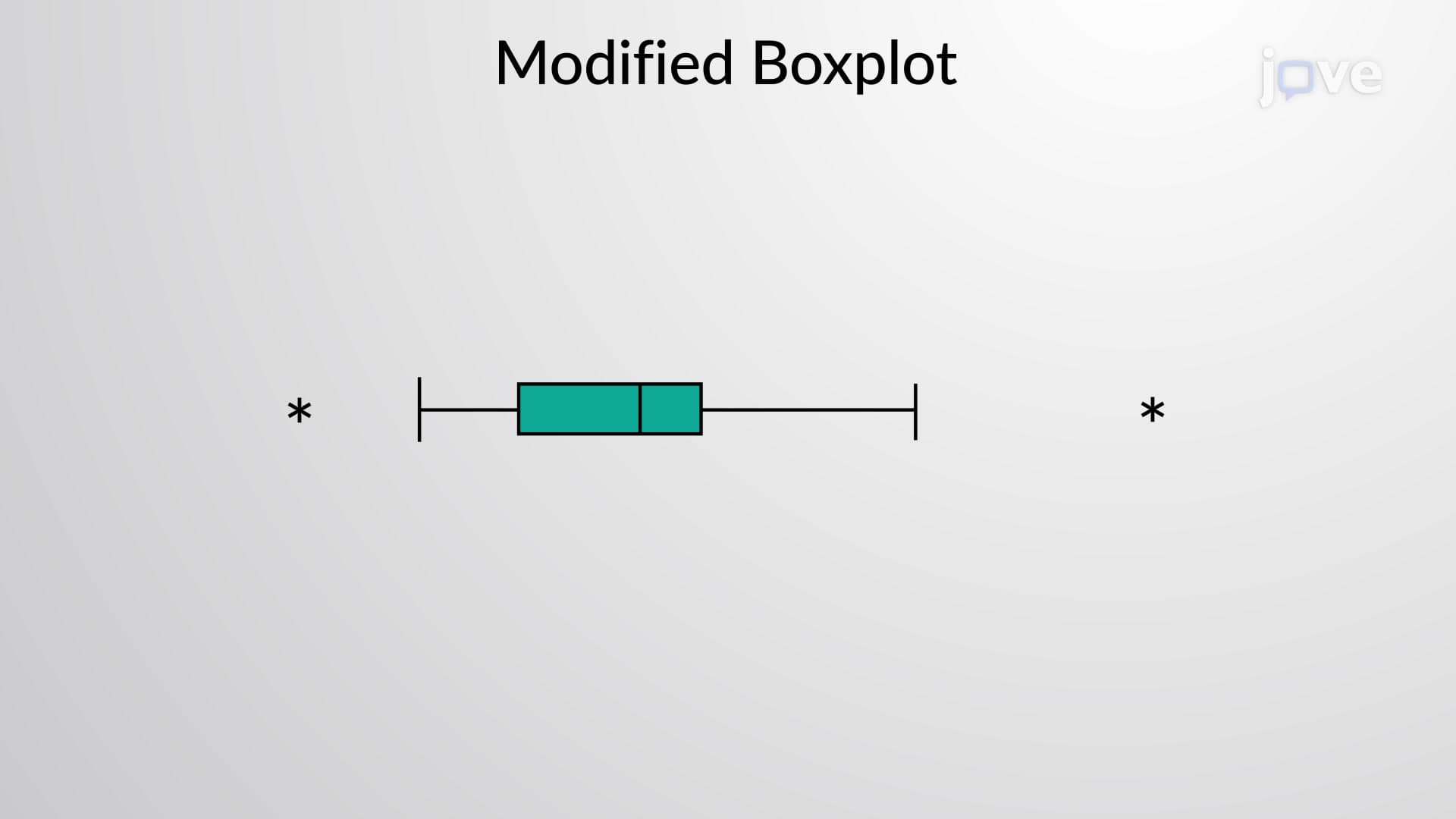
A boxplot serves as one of statistics' most powerful visualization tools, transforming numerical chaos into organized insight. This graphical representation, also known as a box-and-whisker plot, provides an immediate snapshot of data distribution through five critical values: minimum, first quartile (Q1), median (Q2), third quartile (Q3), and maximum. Unlike histograms or scatter plots that can overwhelm viewers with excessive detail, boxplots distill information into digestible visual components that reveal data stories at first glance.
The boxplot definition centers on its systematic approach to data representation. The rectangular box spans from Q1 to Q3, containing the middle 50% of data points, while the median line divides this box to show central tendency. Whiskers extend from the box edges to the minimum and maximum values, creating the characteristic "box-and-whisker" appearance. This design makes boxplots invaluable for AP Statistics students who need to quickly assess data spread, identify outliers, and compare group performances.
What is boxplot in detail becomes clearer through construction practice. Start by arranging data in ascending order, then calculate the five-number summary. For instance, when analyzing ACT scores from a typical US high school class of 200 students, you'd identify Q1 (25th percentile), median (50th percentile), and Q3 (75th percentile). The resulting boxplot immediately reveals whether scores cluster around the median or spread widely, helping counselors identify students needing additional support.
Boxplot concepts extend far beyond classroom exercises into professional applications. Medical researchers use boxplots to compare treatment effectiveness across patient groups, while business analysts employ them to evaluate sales performance across different regions. College admissions offices frequently use boxplot visualizations to compare GPA distributions among applicant pools. The shape of boxplot diagrams tells critical stories: symmetric boxes suggest normal distributions, while asymmetric boxes indicate skewed data requiring different analytical approaches. This versatility makes boxplots essential tools for students preparing for standardized tests like the SAT, where data interpretation questions regularly appear in the mathematics sections.
Frequently Asked Questions
A boxplot is a standardized way to display data distribution using five key numbers: minimum, first quartile, median, third quartile, and maximum. Unlike histograms that show frequency distributions or bar charts that compare categories, boxplots focus specifically on data spread and central tendencies. They excel at revealing outliers and comparing multiple datasets side-by-side, making them particularly valuable for statistical analysis in research and academics.
A boxplot consists of a rectangular box with a line inside and "whiskers" extending outward. The box spans from Q1 (25th percentile) to Q3 (75th percentile), containing the middle 50% of data. The line inside marks the median (Q2). Whiskers extend to the minimum and maximum values, while dots beyond whiskers indicate outliers. This structure provides immediate insight into data symmetry, spread, and unusual values.
AP Statistics frequently includes boxplot interpretation questions asking students to compare distributions, identify skewness, or calculate percentiles. SAT math sections may present boxplots requiring median identification or outlier recognition. College statistics courses commonly use boxplot construction and interpretation in homework assignments and midterm exams. Understanding boxplot basics helps students quickly analyze data without complex calculations.
The SAT Math section regularly features boxplot interpretation problems, while college placement exams often test statistical visualization skills. Some MCAT practice materials include boxplot analysis in data interpretation passages. Many college statistics courses use boxplots extensively in midterm and final examinations, making this concept crucial for STEM majors.
Healthcare professionals use boxplots to compare patient outcome data across different treatment protocols, while marketing analysts employ them to evaluate campaign performance metrics across demographic groups. Quality control engineers in manufacturing use boxplots to monitor production consistency, and educational administrators analyze standardized test scores to assess school district performance. Financial analysts frequently create boxplots to compare investment returns across different portfolio strategies.
Boxplots are surprisingly accessible for students with basic algebra skills, requiring only understanding of medians, percentiles, and data ordering. Most high school students can master boxplot construction and interpretation within a few class periods. The visual nature of boxplots makes them easier to understand than many other statistical concepts, and they provide excellent preparation for more advanced data analysis techniques.
Practice constructing boxplots from raw datasets rather than just interpreting pre-made graphs. Create comparison exercises using real data like sports statistics or academic performance metrics. Use online graphing tools to verify your manual calculations and develop pattern recognition skills. Focus on identifying the five-number summary quickly, as this skill transfers directly to exam situations where time management is crucial.
Boxplot mastery provides foundation for violin plots, which combine boxplots with density curves, and statistical process control charts used in quality management. Understanding boxplots also supports learning about hypothesis testing, where visual data comparison becomes crucial. Advanced data science techniques like exploratory data analysis heavily rely on boxplot interpretation skills for initial dataset evaluation.
Related Micro-courses
Related Subjects
 Physics 33 micro-courses›
 Math Fundamentals 11 micro-courses›