- Statistics
- Probability Distributions
Micro-courses:17

Probability Distributions
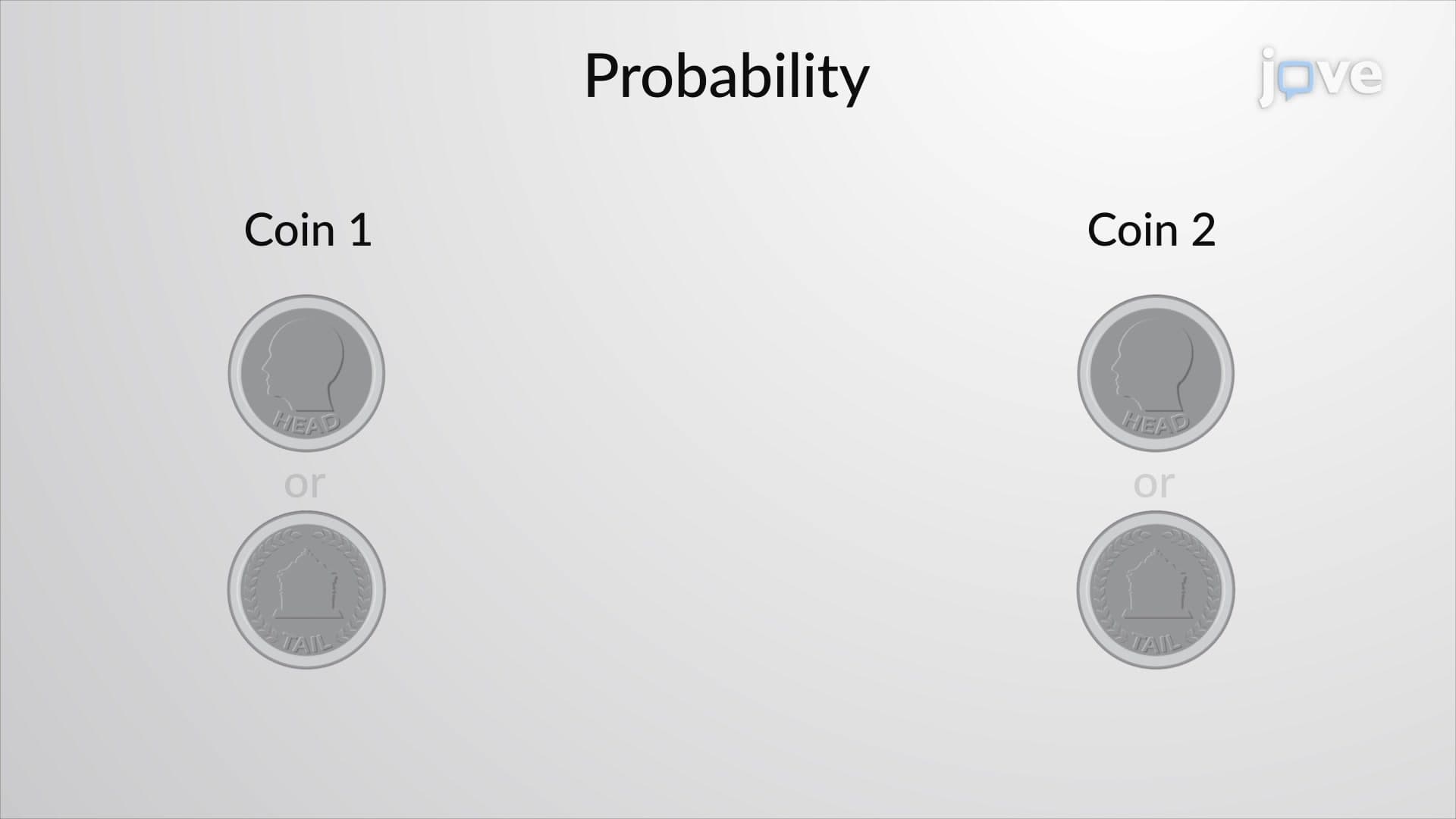
1. Probability in Statistics
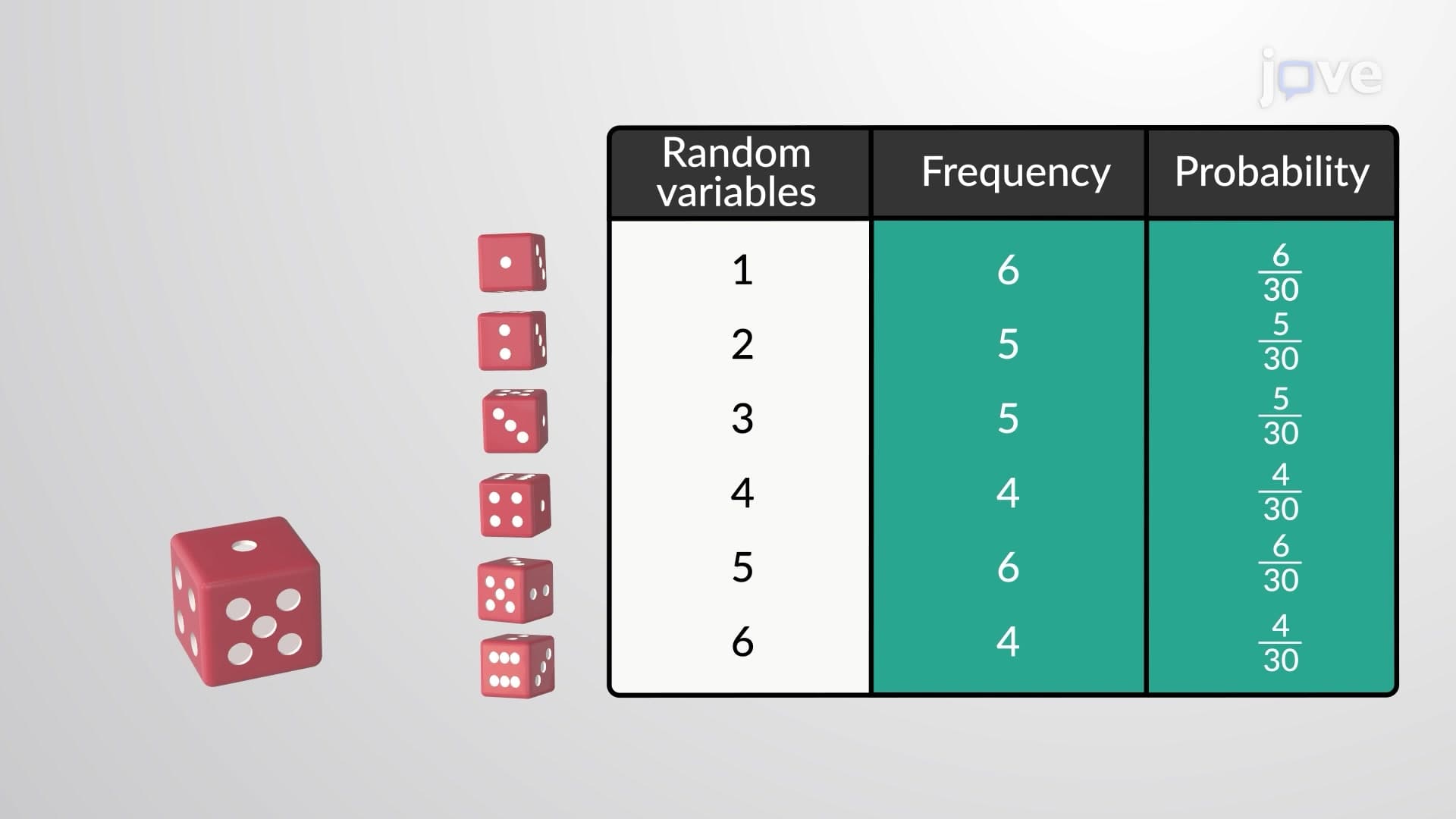
2. Random Variables

3. Probability Distributions
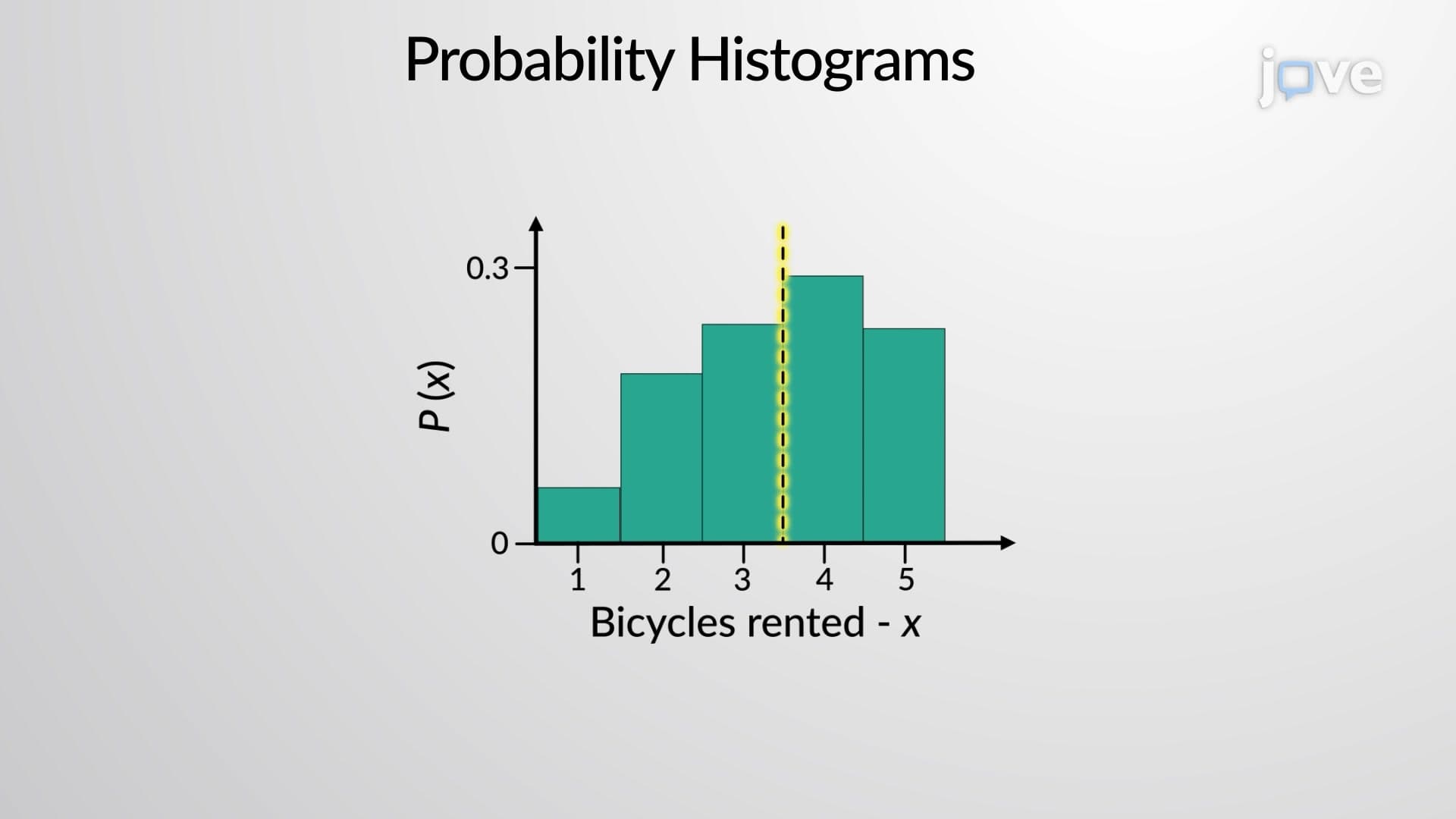
4. Probability Histograms

5. Unusual Results

6. Expected Value
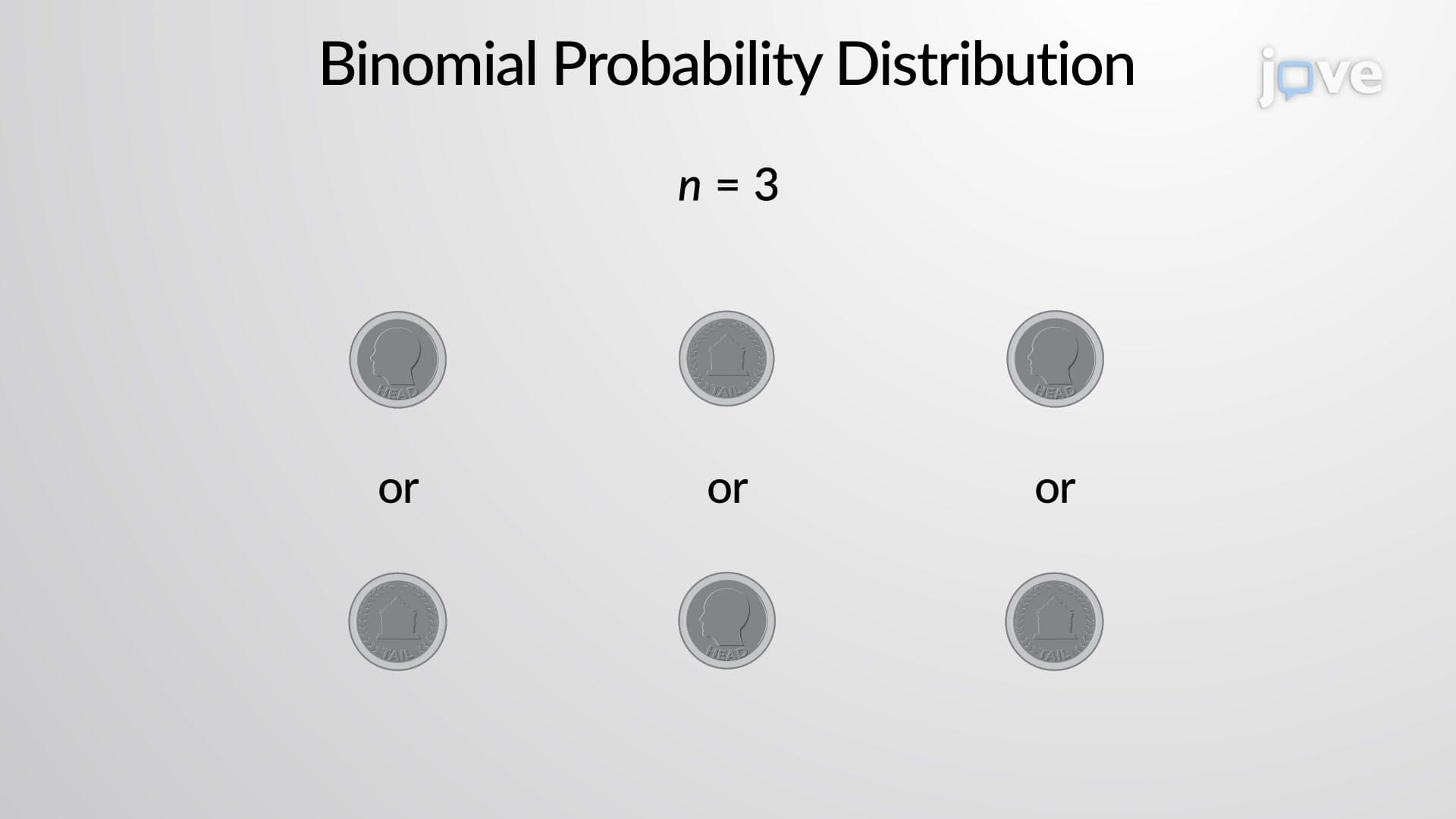
7. Binomial Probability Distribution
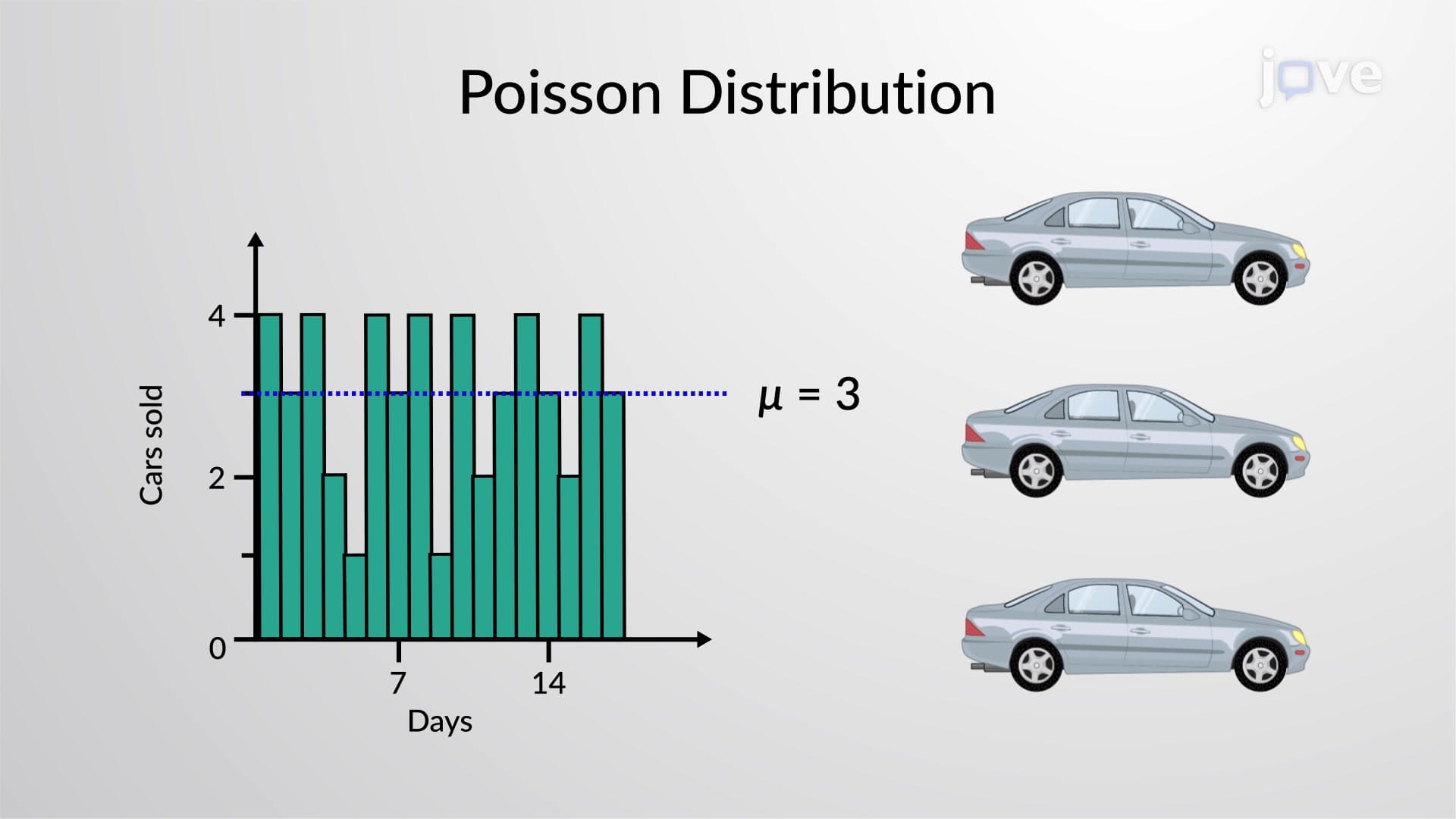
8. Poisson Probability Distribution

9. Uniform Distribution

10. Normal Distribution
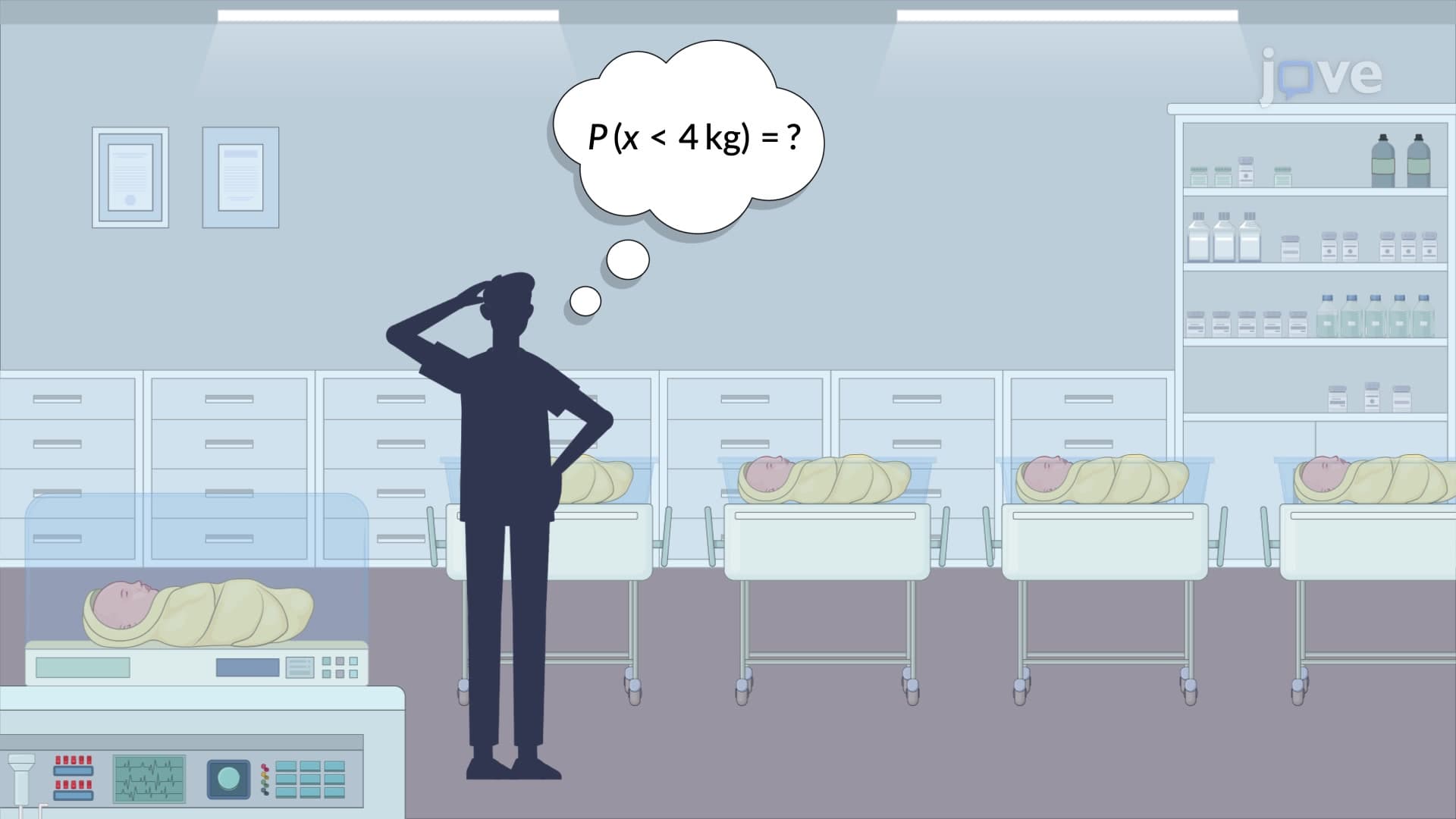
11. z Scores and Area Under the Curve
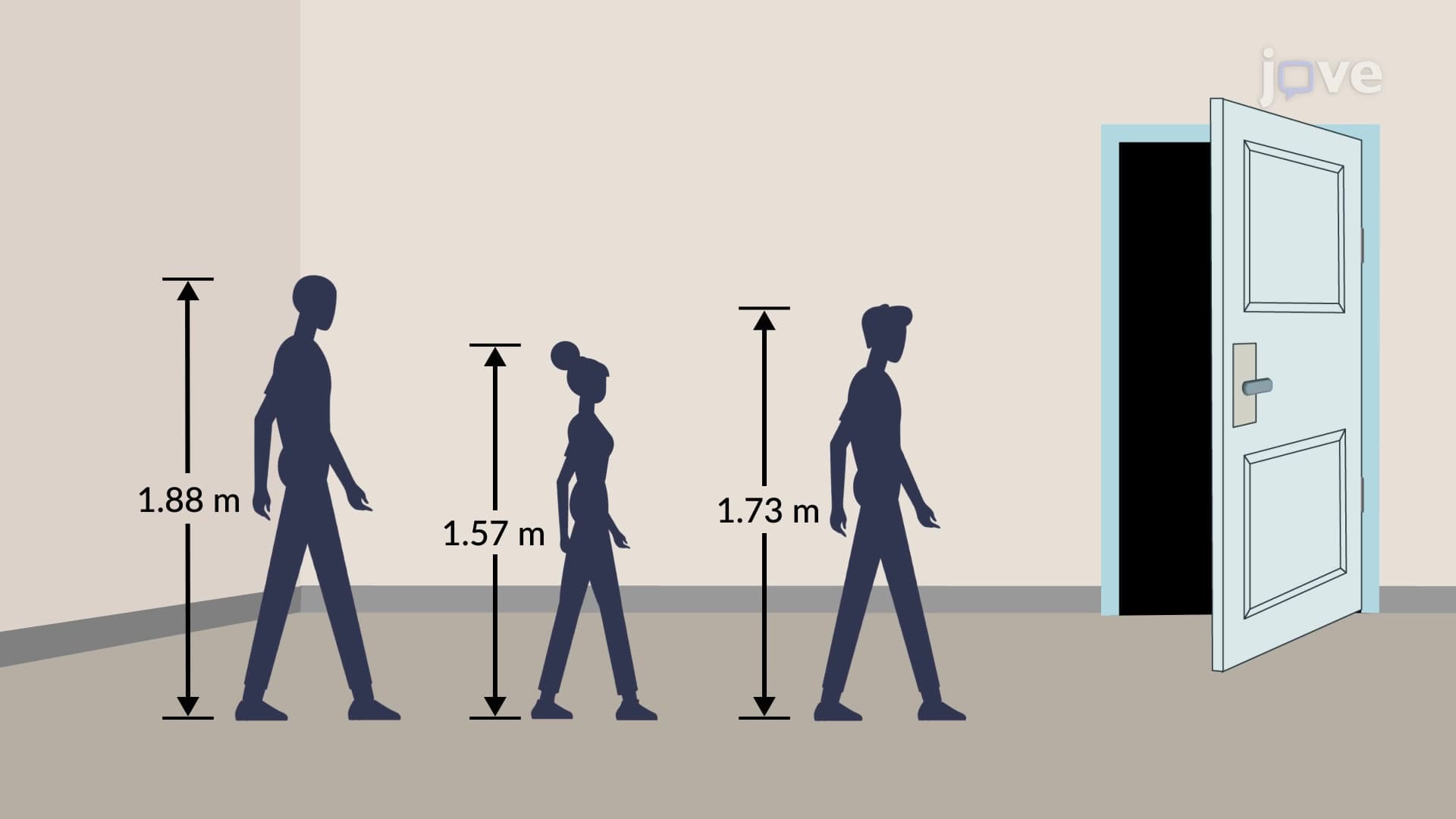
12. Applications of Normal Distribution

13. Sampling Distribution
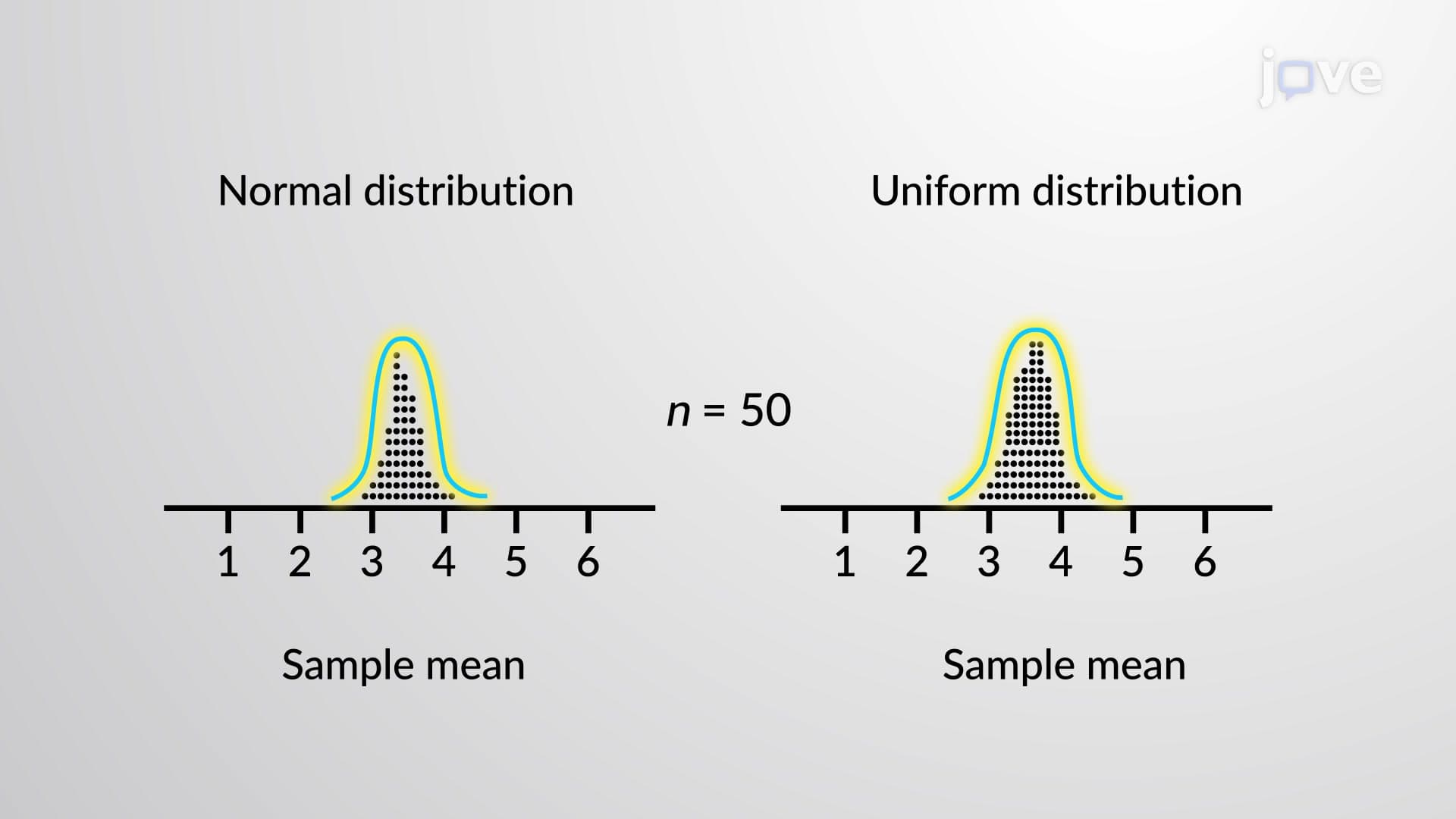
14. Central Limit Theorem
Probability distributions form the mathematical foundation for understanding how likely different outcomes are in statistical experiments. From analyzing coin tosses and dice rolls to predicting SAT scores and quality control in manufacturing, these distributions help students model real-world uncertainty. This comprehensive course through JoVE Coach covers discrete distributions like binomial normal distribution and continuous distributions, exploring their types and properties of probability distributions essential for AP Statistics and standardized test success.
- Understand the fundamental principles of probability and random variables in statistical contexts
- Learn to distinguish between discrete and continuous probability distributions and their applications
- Identify key characteristics of binomial, Poisson, uniform, and normal distributions
- Explore probability histograms and their role in visualizing statistical data
- Analyze unusual results using probability values and the range rule of thumb
- Apply expected value calculations to real-world decision-making scenarios
- Understand z-scores and area calculations under the normal curve
- Analyze sampling distributions and apply the Central Limit Theorem to statistical inference
1. Fundamentals of Probability and Random Variables Understanding probability as the mathematical study of uncertainty, where events range from impossible (probability = 0) to certain (probability = 1). Random variables represent numerical outcomes determined by chance, classified as either discrete (like the number of students in a classroom) or continuous (like heights or test scores). Students explore how probability calculations form the foundation for statistical inference, using examples like analyzing free-throw shooting percentages in basketball or predicting election outcomes based on polling data.
2. Binomial and Poisson Distributions The binomial normal distribution applies to scenarios with fixed trials and two possible outcomes, such as multiple-choice test questions or medical treatment success rates. Key requirements include independent trials with constant success probability, making it perfect for analyzing scenarios like SAT guessing strategies or quality control in manufacturing. Poisson distributions model rare events occurring over time intervals, such as emergency room arrivals per hour or website crashes per day, where events are independent and the average rate remains constant.
3. Continuous Distributions: Uniform and Normal Uniform distributions represent equally likely outcomes across a range, like random number generators or delivery time windows. The normal distribution, with its characteristic bell-shaped curve, appears throughout nature and human measurements—from standardized test scores to blood pressure readings. Students learn how the probability density function describes these continuous distributions, where areas under curves represent probabilities rather than individual point values, essential for understanding real-world phenomena like grade distributions or manufacturing tolerances.
4. Expected Value and Statistical Decision Making Expected value represents the long-term average outcome of repeated trials, crucial for financial planning, insurance calculations, and business decisions. Students calculate expected values using distribution parameters to evaluate scenarios like lottery tickets, investment returns, or sports betting odds. This concept bridges theoretical probability with practical applications, showing how mathematical models inform real-world choices from college major selection based on salary expectations to medical treatment decisions based on success rates.
5. Standard Normal Distribution and Z-Scores Converting any normal distribution to the standard normal distribution (mean = 0, standard deviation = 1) using z-scores enables standardized comparisons across different datasets. Students master z-score calculations to find percentiles, compare test performances across different exams, or determine manufacturing quality control limits. Understanding CDF PDF relationships allows students to calculate probabilities for ranges of values, essential for interpreting standardized test scores, medical reference ranges, or determining scholarship eligibility thresholds.
6. Sampling Distributions and Central Limit Theorem The Central Limit Theorem demonstrates how sample means approach normal distribution regardless of the original population shape, provided sufficient sample size (typically n ≥ 30). This fundamental principle underlies confidence interval construction and hypothesis testing, showing why polling organizations can make accurate predictions about entire populations based on relatively small samples. Students explore applications in quality control, medical research, and political polling, understanding how sample size affects the reliability of statistical conclusions drawn from surveys or experiments.
Frequently Asked Questions
Discrete distributions involve countable outcomes like the number of correct answers on a multiple-choice test, while continuous distributions involve measurable quantities like height or time that can take any value within a range.
Look for key indicators: binomial for fixed trials with success/failure outcomes, Poisson for rare events over time intervals, normal for naturally occurring measurements, and uniform for equally likely outcomes across a range.
Many natural phenomena follow normal distributions, and the Central Limit Theorem shows that sample means become normally distributed regardless of the original population shape, making it fundamental to statistical inference.
Test scores are typically normally distributed, allowing colleges to understand percentiles and compare students. The distributions help determine score ranges, identify exceptional performances, and set admission standards.
Results are typically considered unusual if they have less than 5% probability of occurring (p < 0.05) or fall more than two standard deviations from the mean, indicating rare or unexpected outcomes.
Focus on understanding the underlying concepts first—binomial for repeated trials, Poisson for rate-based events, normal for bell-shaped data. Practice with real examples and use the relationship between parameters and distribution shape.
Quality control engineers, financial analysts, medical researchers, pollsters, insurance actuaries, and data scientists all rely heavily on probability distributions to make informed decisions and predictions in their daily work.
With consistent practice and focus on conceptual understanding before memorizing formulas, most students can master these concepts. Start with simple examples and gradually work toward more complex applications.
This microcourse includes 14 concept videos that walk you through the building blocks of Statistics. Each video is short, about 1 minute, so you can cover a full topic during a coffee break or between classes. The full sequence starts with Probability in Statistics and ends with Central Limit Theorem.
The playlist moves from big-picture ideas to the precise vocabulary used in Statistics. Early videos introduce Probability in Statistics, Random Variables, and Probability Distributions. The middle of the series focuses on Unusual Results, Expected Value, and Binomial Probability Distribution. The final stretch covers Poisson Probability Distribution, Uniform Distribution, Normal Distribution, z Scores and Area Under the Curve, Applications of Normal Distribution, Sampling Distribution, and Central Limit Theorem.
The natural next step is Estimates. From there, you can move to Distributions, Hypothesis Testing, and Analysis of Variance. Once you finish those, the full Statistics curriculum of 17 microcourses on JoVE Coach opens up, taking you from foundational concepts to advanced systems.
Related Subjects
 Physics 33 micro-courses›
 Math Fundamentals 11 micro-courses›