Loading…
Loading video…

173,200 views

Did you know that the electricity powering your home follows a predictable mathematical pattern? Uniform distribution represents one of the most fundamental concepts in probability, describing situations where all outcomes within a specific range are equally likely to occur. From voltage fluctuations in US power grids (typically ranging between 110-120 volts) to manufacturing tolerances in American factories, uniform distribution helps us understand and predict consistent patterns in everyday phenomena. Watch the full video on JoVE Coach to master this concept with expert-led visuals and step-by-step explanations.
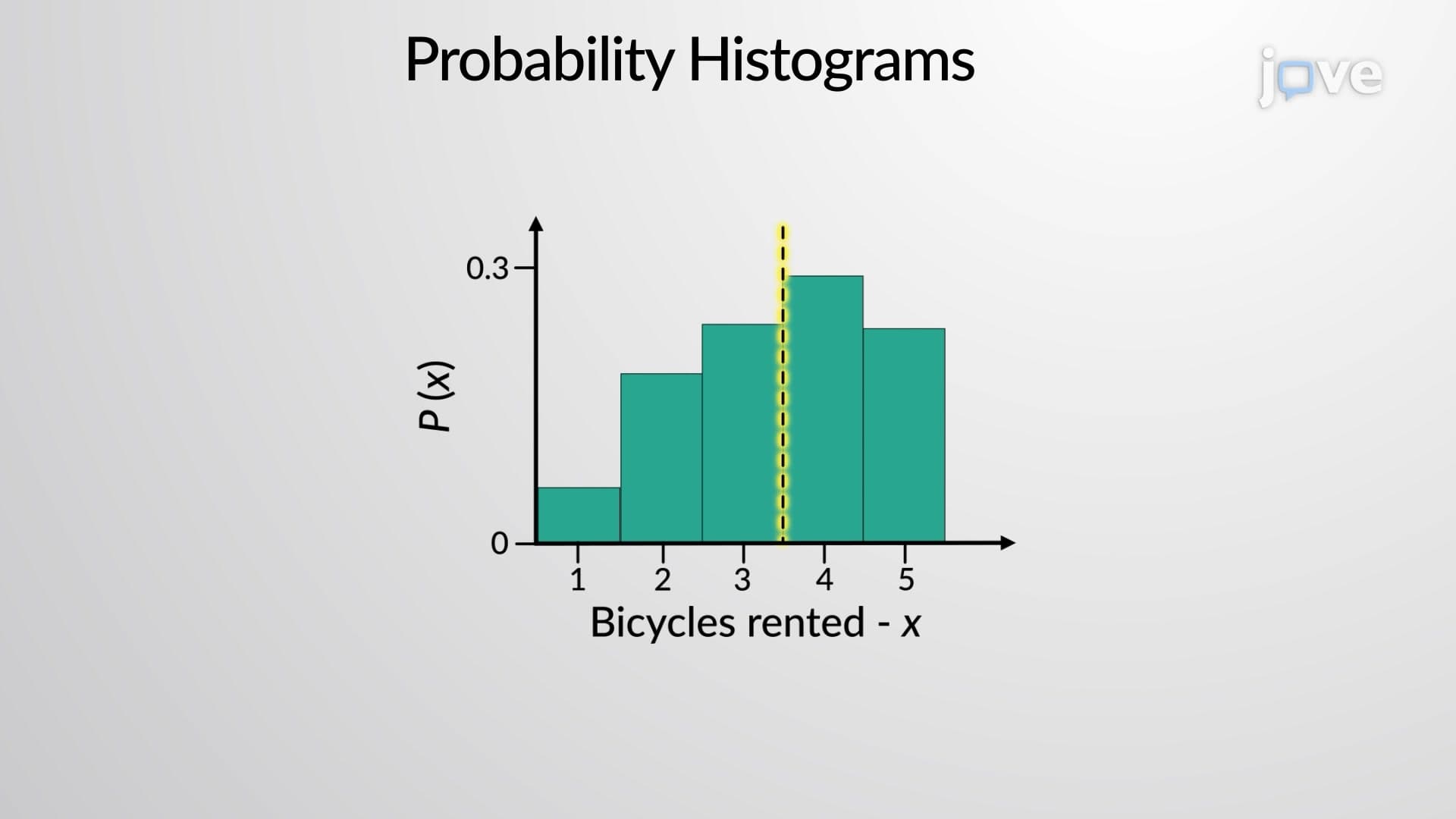
Uniform distribution stands as one of the most intuitive yet powerful concepts in probability theory. Unlike bell-shaped normal distributions, uniform distribution creates a perfectly flat, rectangular probability density function where every value within a defined range has exactly the same likelihood of occurring. This mathematical elegance makes it particularly valuable for modeling scenarios where randomness operates within strict boundaries.
The uniform distribution is defined by two parameters: the lower bound (a) and upper bound (b). The probability density function maintains a constant height of 1/(b-a) across the entire interval, ensuring the total area under the curve equals exactly one—a fundamental requirement for all probability distributions.
For students preparing for AP Statistics or college probability courses, remember that calculating probabilities becomes remarkably straightforward with uniform distribution. The probability of any event occurring within a specific range equals the width of that range divided by the total range width. This geometric approach eliminates complex integration typically required for other continuous distributions.
Consider the precision manufacturing standards at Boeing's aircraft facilities, where component tolerances often follow uniform distribution patterns. When producing aluminum panels, specifications might require thickness measurements between 0.098 and 0.102 inches, with equal probability across this range. Similarly, the Federal Communications Commission regulates radio frequencies using uniform distribution principles to ensure equal allocation across designated bandwidths.
The pharmaceutical industry provides another compelling example. During FDA-approved drug manufacturing, tablet weights might be uniformly distributed between 495 and 505 milligrams, helping quality control specialists predict defect rates and maintain regulatory compliance.
Two essential formulas distinguish uniform distribution calculations:
These simplified formulas eliminate the complex calculus required for other distributions, making uniform distribution an excellent starting point for students beginning their probability journey. On standardized tests like the MCAT or AP Statistics exam, these formulas frequently appear in multiple-choice scenarios involving manufacturing tolerances or measurement uncertainties.
For college-bound students, uniform distribution concepts appear regularly in introductory statistics courses at institutions like MIT, Stanford, and state university systems. Understanding this distribution provides essential groundwork for advanced topics including sampling distributions, confidence intervals, and hypothesis testing—all crucial for pre-medical, engineering, and business programs.
Frequently Asked Questions
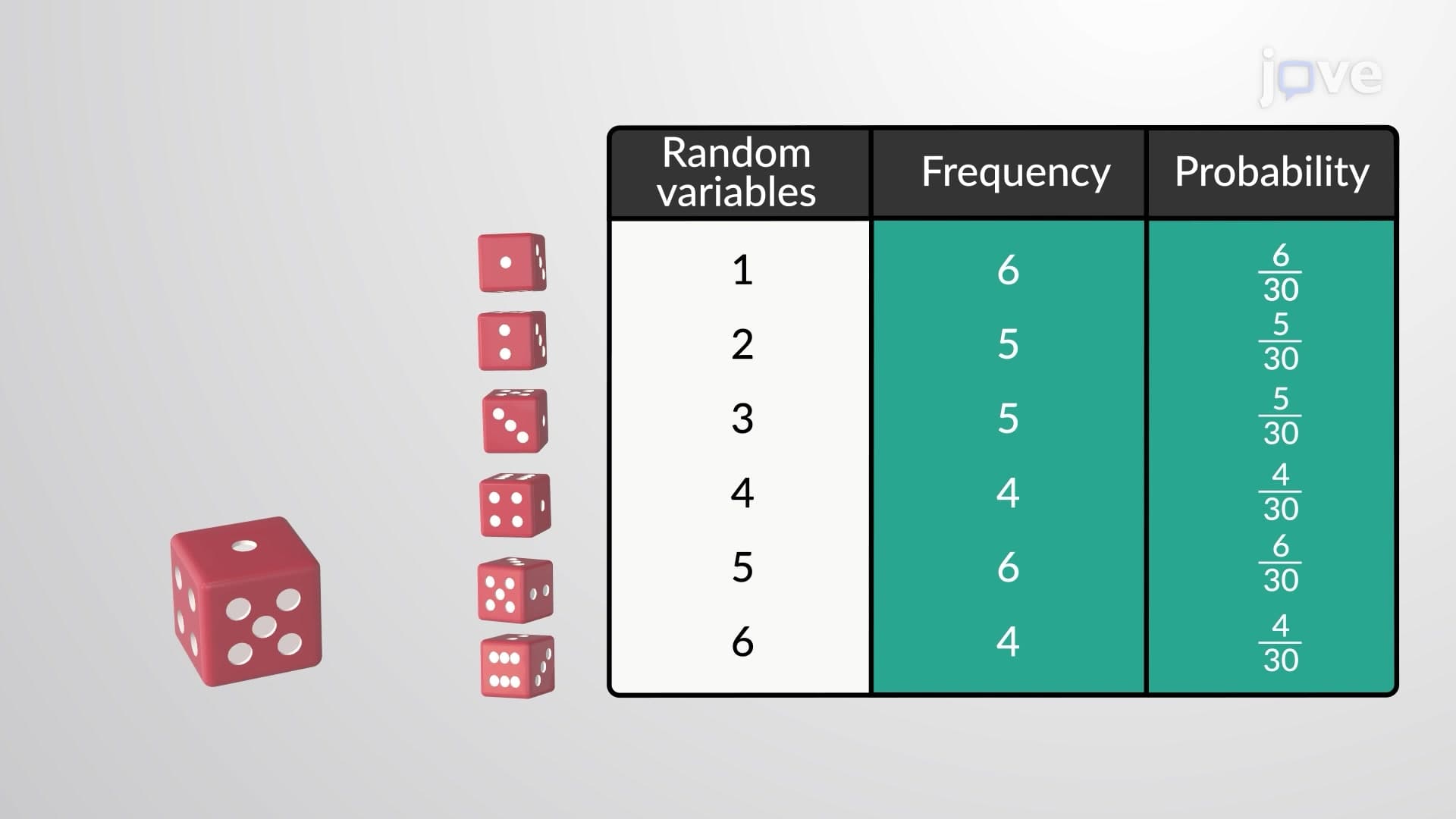
Uniform distribution describes situations where all outcomes within a specific range have equal probability of occurring, creating a flat, rectangular probability graph. It's like rolling a perfectly balanced die—each face has exactly the same chance of appearing. This concept frequently appears in AP Statistics courses and college probability classes as a foundation for understanding more complex distributions.
AP Statistics commonly tests uniform distribution through real-world scenarios involving manufacturing tolerances, measurement errors, or random number generation. Students typically encounter questions requiring probability calculations using geometric area methods or mean/standard deviation formulas. The College Board often presents these problems within quality control or scientific measurement contexts.
US manufacturing companies frequently use uniform distribution in quality control processes. For instance, Coca-Cola bottling plants might fill 12-ounce cans with volumes uniformly distributed between 11.95 and 12.05 ounces to ensure consistency while maintaining efficiency. This approach helps companies predict defect rates and maintain FDA compliance standards.
Uniform distribution is actually one of the most accessible probability concepts for beginners. Unlike complex distributions requiring calculus knowledge, uniform distribution uses simple geometry and basic arithmetic for probability calculations. Most students successfully master this concept in Algebra II or Pre-Calculus courses before advancing to AP Statistics.
Focus on memorizing the two key formulas: mean = (a + b)/2 and standard deviation = (b - a)/√12. Practice identifying uniform distribution scenarios in word problems, particularly those involving manufacturing tolerances, measurement ranges, or time intervals. Create visual sketches of rectangular probability density functions to reinforce geometric probability concepts.
The MCAT frequently includes uniform distribution concepts within its Chemical and Physical Foundations section, particularly in experimental design and data analysis contexts. Questions often involve measurement uncertainties in laboratory settings or drug concentration distributions. Understanding uniform distribution helps students tackle statistics-heavy passages in biological research scenarios.
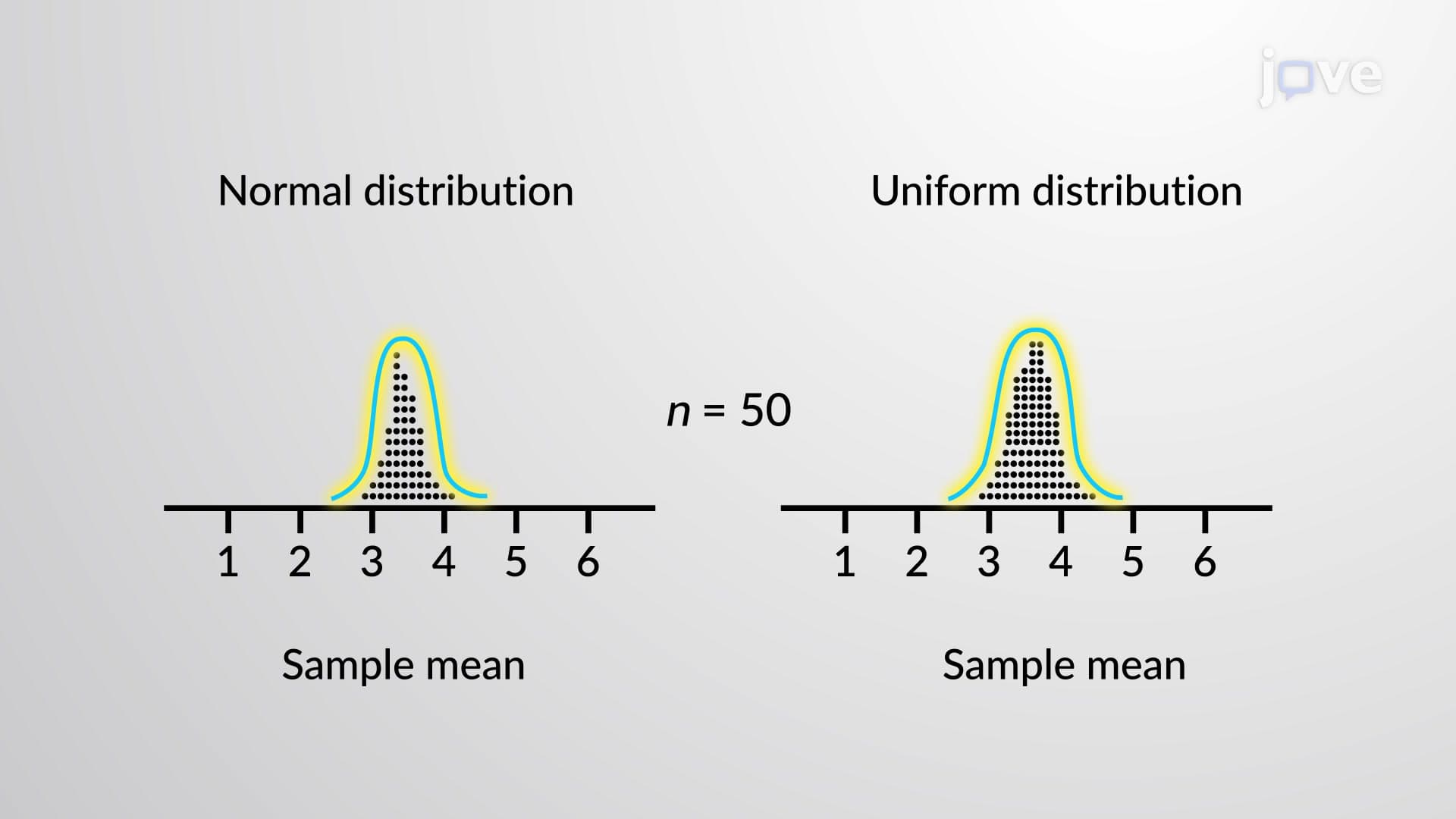
Build upon uniform distribution knowledge by exploring normal distribution, which appears extensively in AP Statistics and college courses. Next, investigate sampling distributions and the Central Limit Theorem, which rely heavily on uniform distribution foundations. These concepts prepare students for advanced topics in inferential statistics and hypothesis testing.
Aerospace engineers at companies like SpaceX use uniform distribution to model component tolerances in rocket manufacturing, ensuring parts fit together properly despite minor variations. Civil engineers apply these concepts when analyzing material properties for bridge construction, while electrical engineers use uniform distribution to model voltage fluctuations in power grid systems across American cities.
Related Micro-courses
Related Subjects
 Physics 33 micro-courses›
 Math Fundamentals 11 micro-courses›