Loading…
Loading video…

173,200 views

Did you know that every $10 roulette bet in Las Vegas mathematically costs you 53 cents? Expected value reveals the hidden mathematics behind games of chance, investment decisions, and risk assessment. This fundamental probability concept calculates the long-run average outcome when an experiment is repeated infinitely, like determining your average winnings from repeated casino bets or stock market investments. Understanding What is Expected Value helps students master probability theory and make informed decisions in uncertain situations. Watch the full video on JoVE Coach to master this concept with expert-led visuals and step-by-step explanations.
Expected value serves as one of the most crucial concepts in probability theory and statistics, representing the theoretical mean of a random variable when an experiment is repeated indefinitely. Unlike a simple average calculated from existing data, expected value predicts what we anticipate happening over countless repetitions of the same probabilistic event.
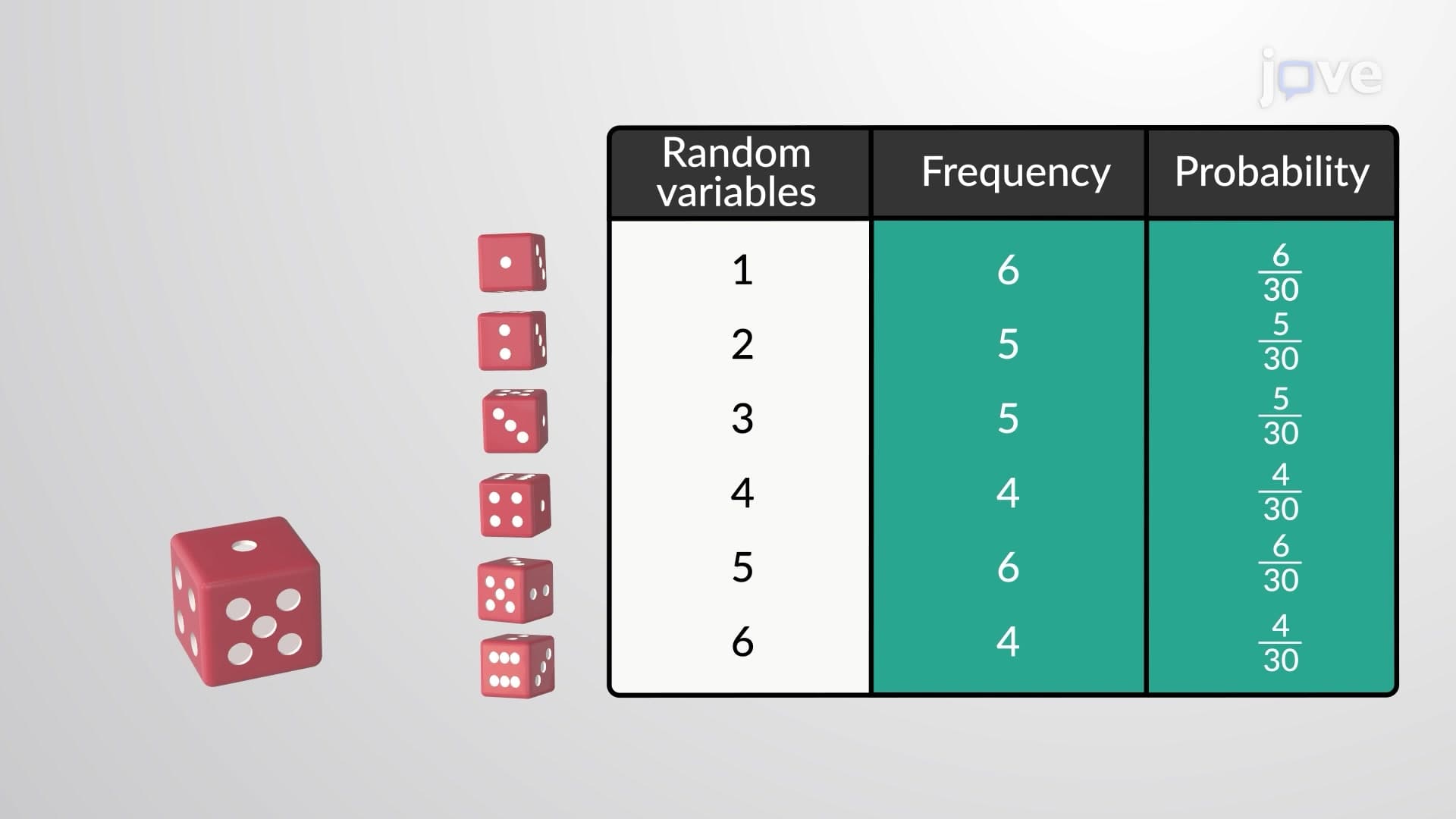
The mathematical foundation rests on the principle that as sample size increases toward infinity, the observed sample mean converges to a fixed theoretical value. This convergence property, demonstrated through the law of large numbers, explains why casinos consistently profit despite individual wins and losses varying dramatically.
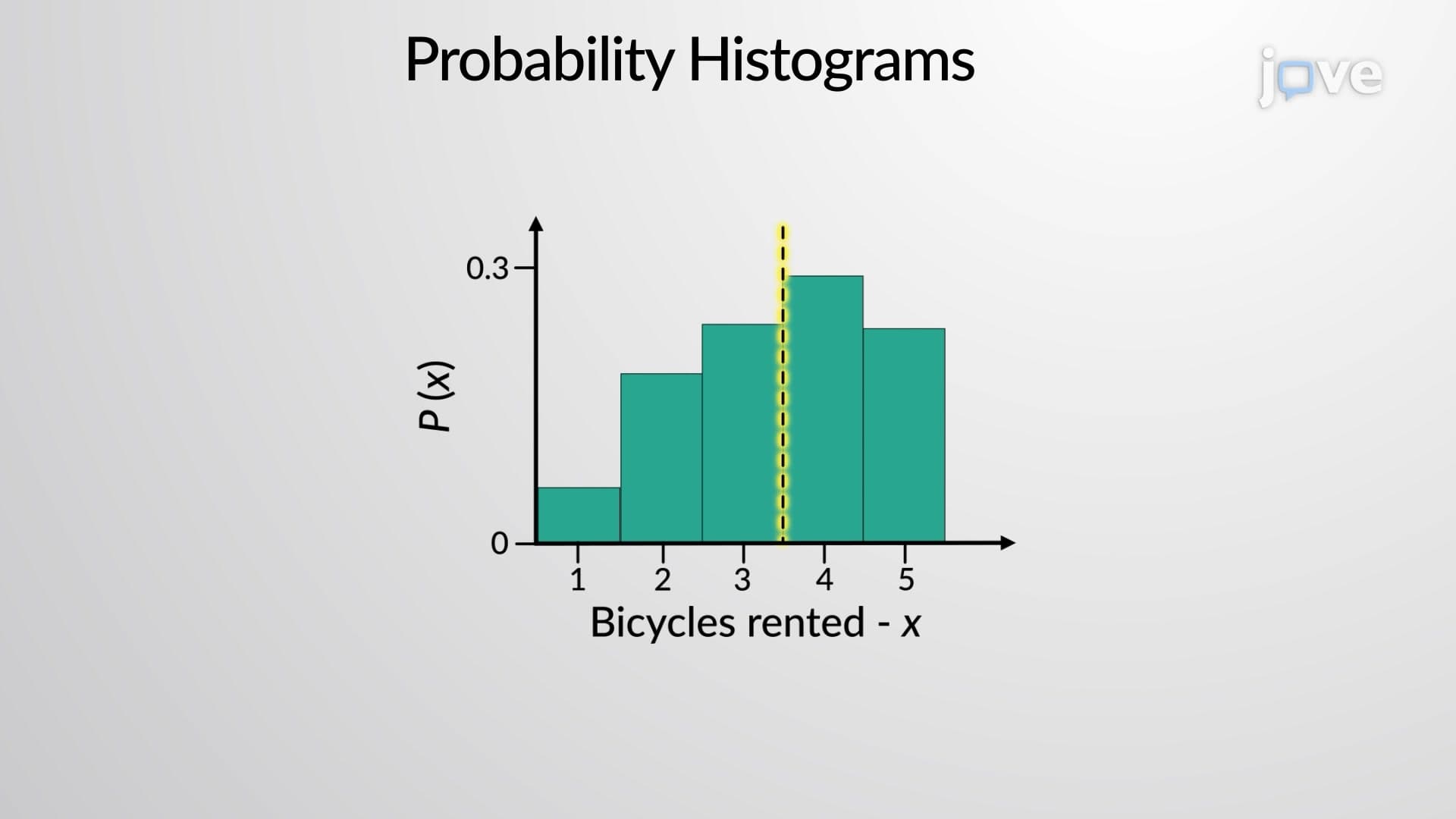
The expected value formula mirrors the weighted average calculation: E(X) = Σ[x × P(x)], where each possible outcome is multiplied by its probability of occurrence. For discrete random variables, this involves summing products of values and their corresponding probabilities. For continuous distributions, integration replaces summation.
Consider practical applications in standardized testing. If an AP Statistics multiple-choice question has four options with random guessing, the expected score per question equals (1 × 0.25) + (0 × 0.75) = 0.25 points. Over 40 questions, a student randomly guessing expects to score 10 points, though actual scores will vary around this central tendency.
Expected value analysis proves invaluable for informed decision-making across numerous fields. Insurance companies calculate expected payouts to set premium rates, ensuring long-term profitability while providing coverage. A health insurance company might determine that covering a specific procedure costs an expected $2,400 per policyholder annually, factoring in both procedure costs and occurrence probabilities.
Investment portfolio management heavily relies on expected return calculations. If Stock A has a 60% chance of 8% return and 40% chance of -3% return, its expected return equals (0.6 × 0.08) + (0.4 × -0.03) = 0.036 or 3.6% annually. Investors compare expected returns across different securities to optimize portfolio allocation.
Expected value connects directly to variance, standard deviation, and other distributional parameters studied in college-level statistics courses. The concept appears frequently on SAT Math Level 2 tests, AP Statistics exams, and introductory college statistics midterms, often requiring students to calculate expected values for games of chance, investment scenarios, or experimental outcomes.
Understanding expected value provides essential groundwork for advanced topics including hypothesis testing, confidence intervals, and regression analysis. Students planning to pursue fields like actuarial science, economics, or data science will encounter expected value applications throughout their academic and professional careers, making early mastery particularly valuable.
Frequently Asked Questions
Expected value represents the theoretical average outcome when a random experiment is repeated infinitely many times. It's calculated by multiplying each possible outcome by its probability and summing these products. This concept helps predict long-term results in uncertain situations, from casino games to investment returns, providing a single number that summarizes an entire probability distribution.
These standardized tests frequently include expected value problems involving dice games, card draws, lottery scenarios, and business decision-making. Students typically calculate expected winnings, losses, or profits using probability distributions. AP Statistics exam free-response questions often require interpreting expected value in context and explaining its practical significance for decision-making.
Expected value is the theoretical long-run average, while observed mean comes from actual data collected in experiments. As sample size increases, observed means approach the expected value due to the law of large numbers. For example, flipping a fair coin has an expected value of 0.5 heads per flip, but small samples might show means like 0.3 or 0.7 before converging to 0.5.
Universities calculate expected graduation rates, retention probabilities, and academic success metrics for different applicant profiles. Merit scholarship programs use expected value to determine optimal award amounts that maximize enrollment while staying within budget constraints. Admissions offices might calculate expected yield rates for different demographic groups to guide acceptance decisions.
Absolutely! Expected value for discrete distributions only requires basic arithmetic and probability concepts typically covered in Algebra 2 or Precalculus. Students can master the core concepts using simple examples like coin flips, dice rolls, and basic games of chance. Continuous distributions requiring integration are typically reserved for AP Calculus or college-level courses.
Practice with diverse real-world scenarios rather than just textbook examples. Create probability trees for complex problems, always verify that probabilities sum to 1.0, and interpret results in context rather than just calculating numbers. Focus on understanding why expected value matters for decision-making, and practice explaining concepts in plain English to reinforce mathematical understanding.
Actuaries use expected value calculations to set insurance premiums, determine claim reserves, and assess company risk exposure. Property insurance companies calculate expected hurricane damage costs, health insurers project expected medical expenses, and life insurance providers estimate expected payouts based on mortality tables. These calculations directly influence premium pricing and company profitability strategies.
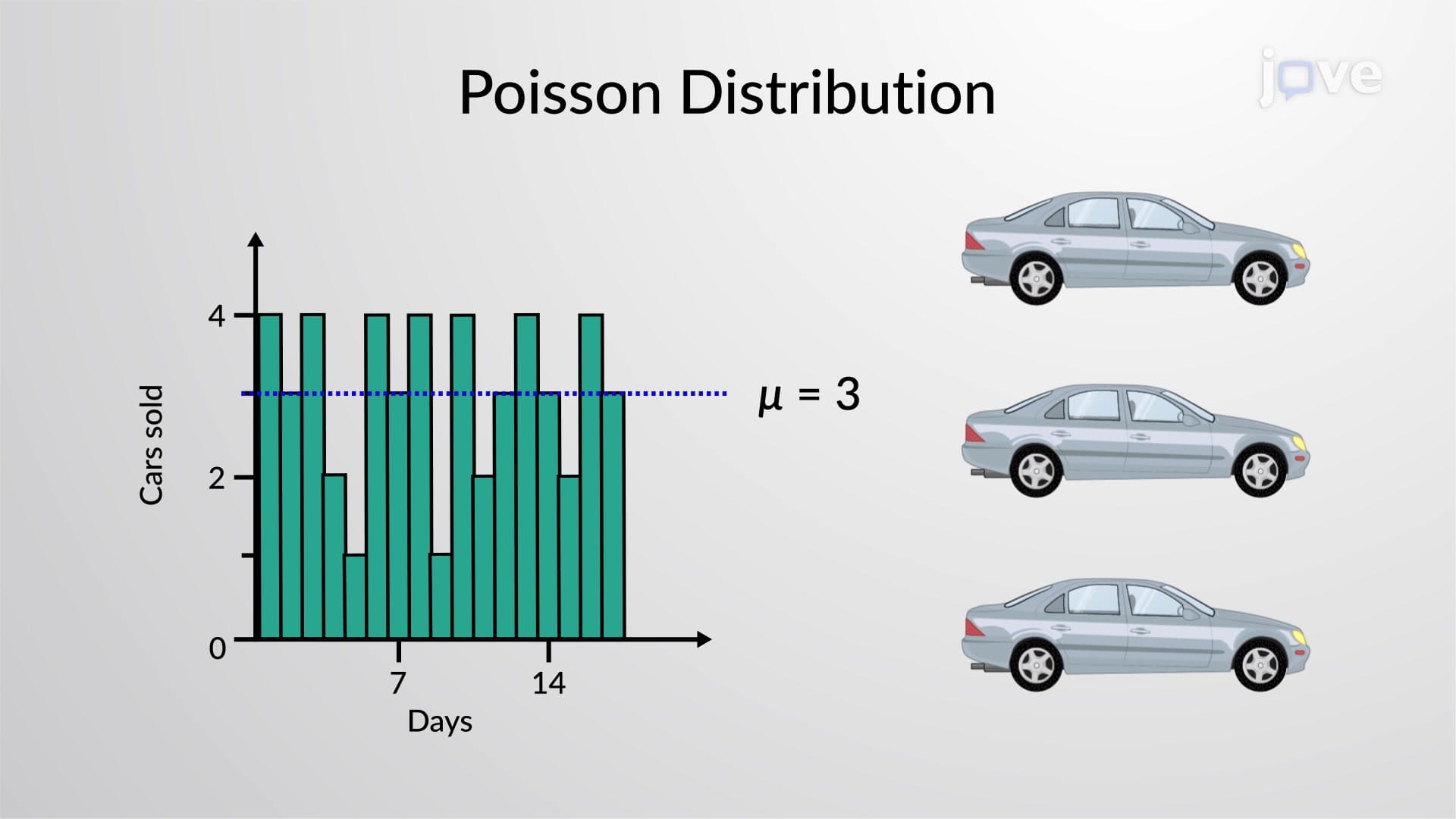
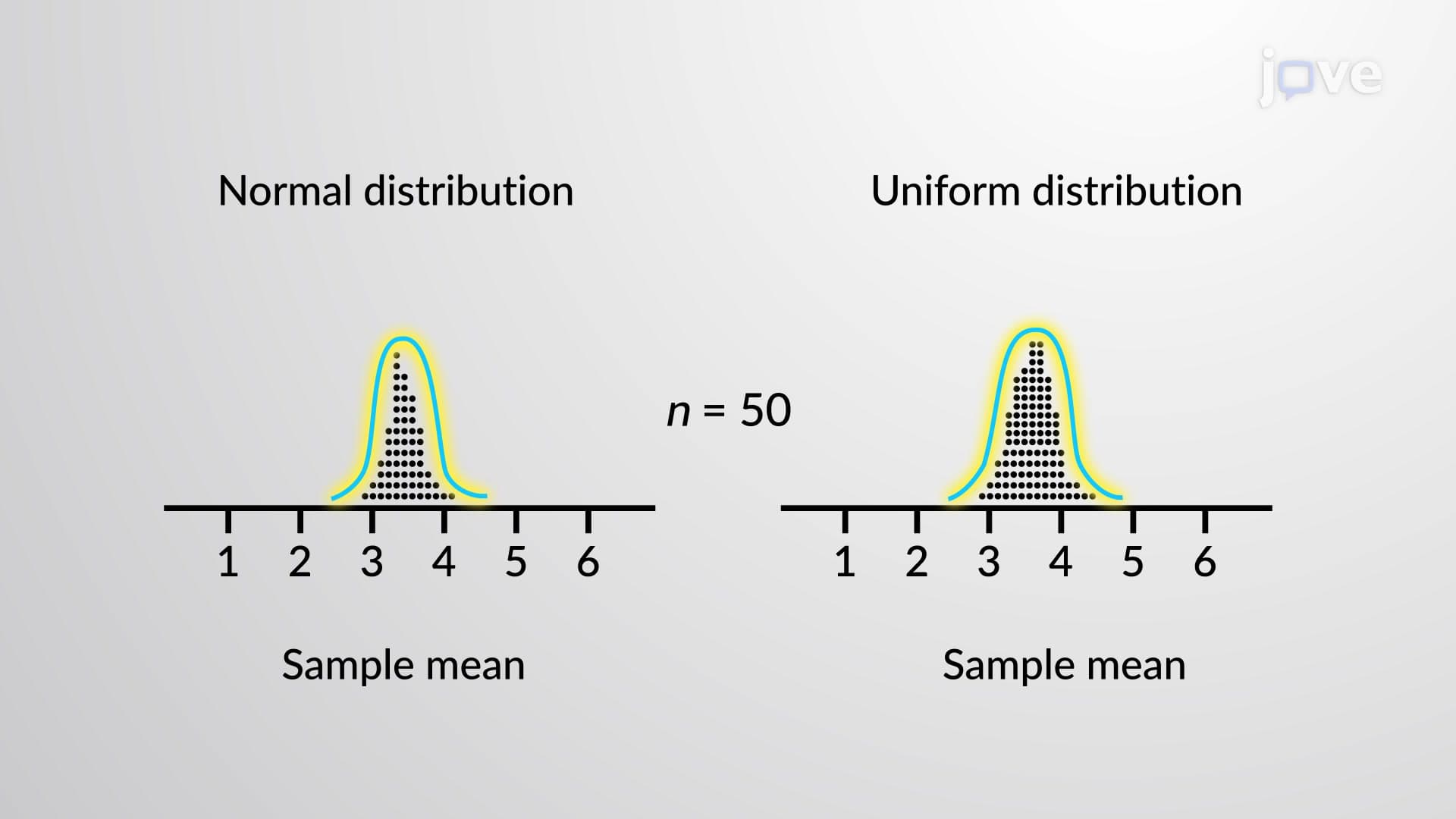
Expected value serves as groundwork for variance calculations, moment-generating functions, and probability density function analysis. Students typically progress to joint distributions, conditional expectation, and covariance concepts in advanced statistics courses. Understanding expected value also facilitates learning about sampling distributions, central limit theorem applications, and statistical inference procedures used in research methodology.
Related Micro-courses
Related Subjects
 Physics 33 micro-courses›
 Math Fundamentals 11 micro-courses›