Loading…
Loading video…

173,200 views

Ever wonder how Netflix predicts which movies you'll love, or how insurance companies calculate premiums? Probability distributions form the mathematical backbone of these predictions by mapping out all possible outcomes and their likelihood of occurring. From predicting SAT score ranges to modeling the number of emergency room visits at Houston Methodist Hospital per night, what are probability distributions becomes essential knowledge for understanding randomness in our data-driven world. Watch the full video on JoVE Coach to master this concept with expert-led visuals and step-by-step explanations.
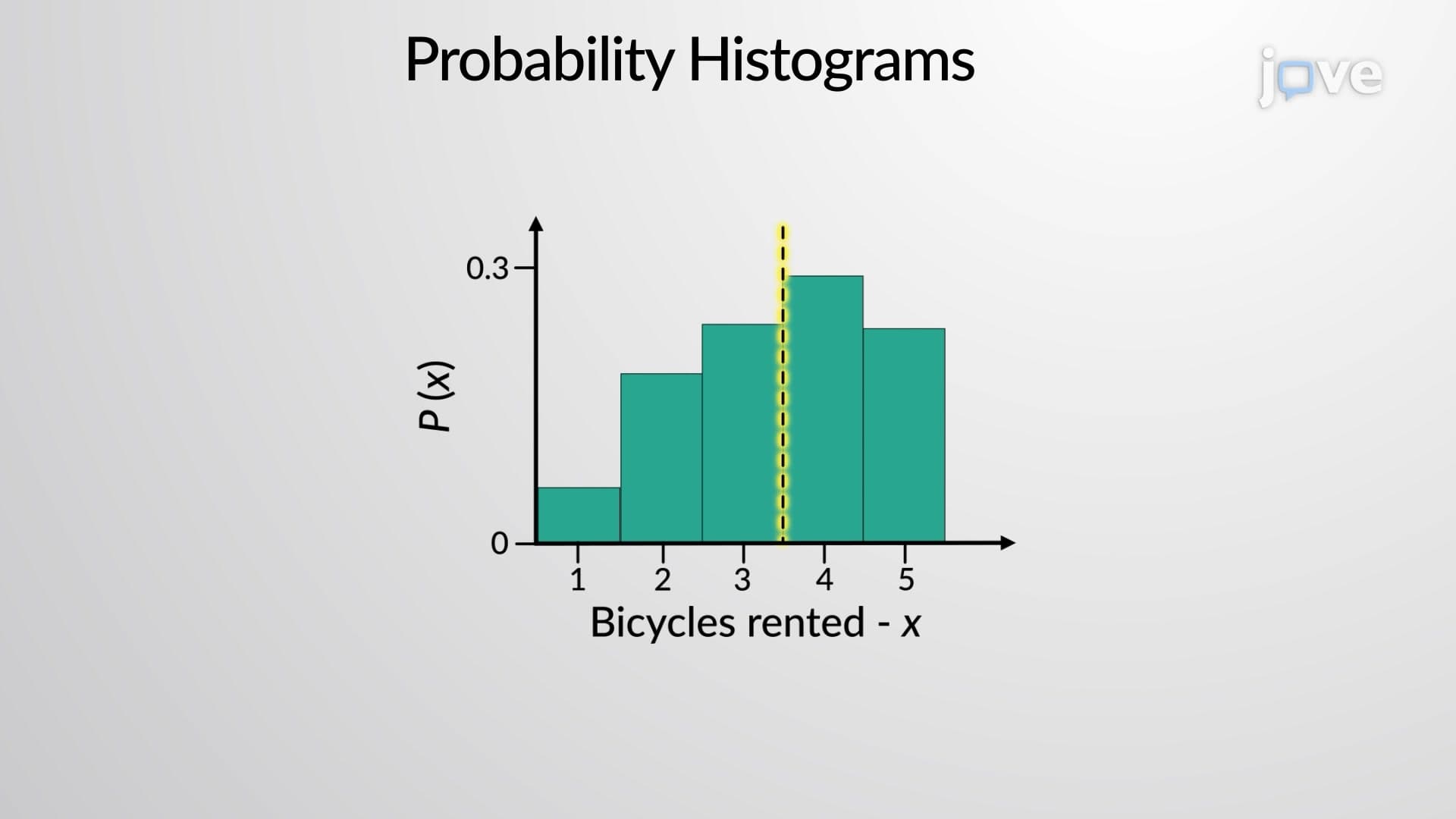
Probability distributions serve as the foundation for statistical analysis, providing a complete description of how likely different outcomes are in any random process. Think of them as blueprints that show not just what *can* happen, but how *probable* each possibility is. Whether you're analyzing standardized test scores across California high schools or predicting rainfall patterns in Florida, probability distributions give structure to uncertainty.
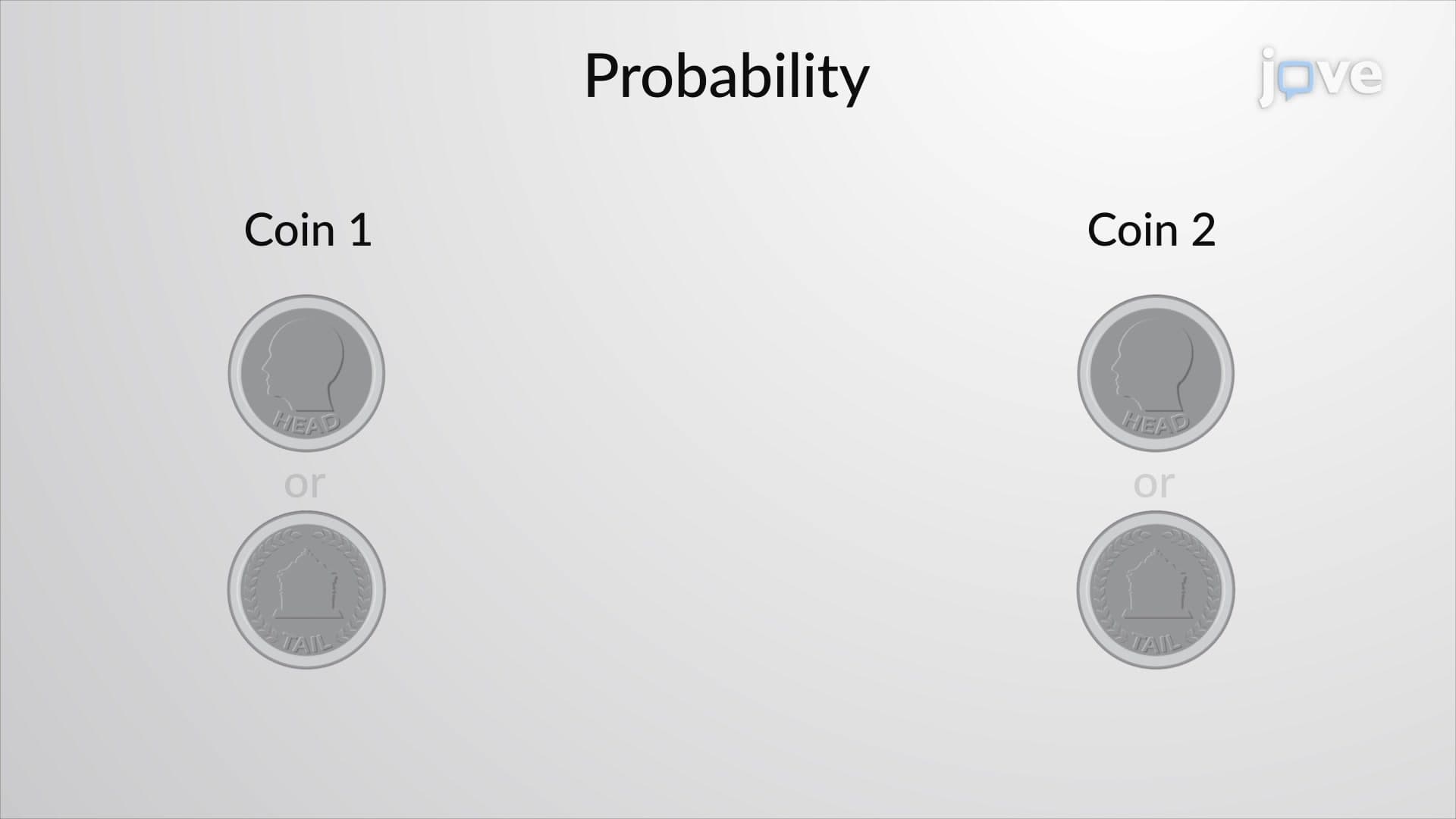
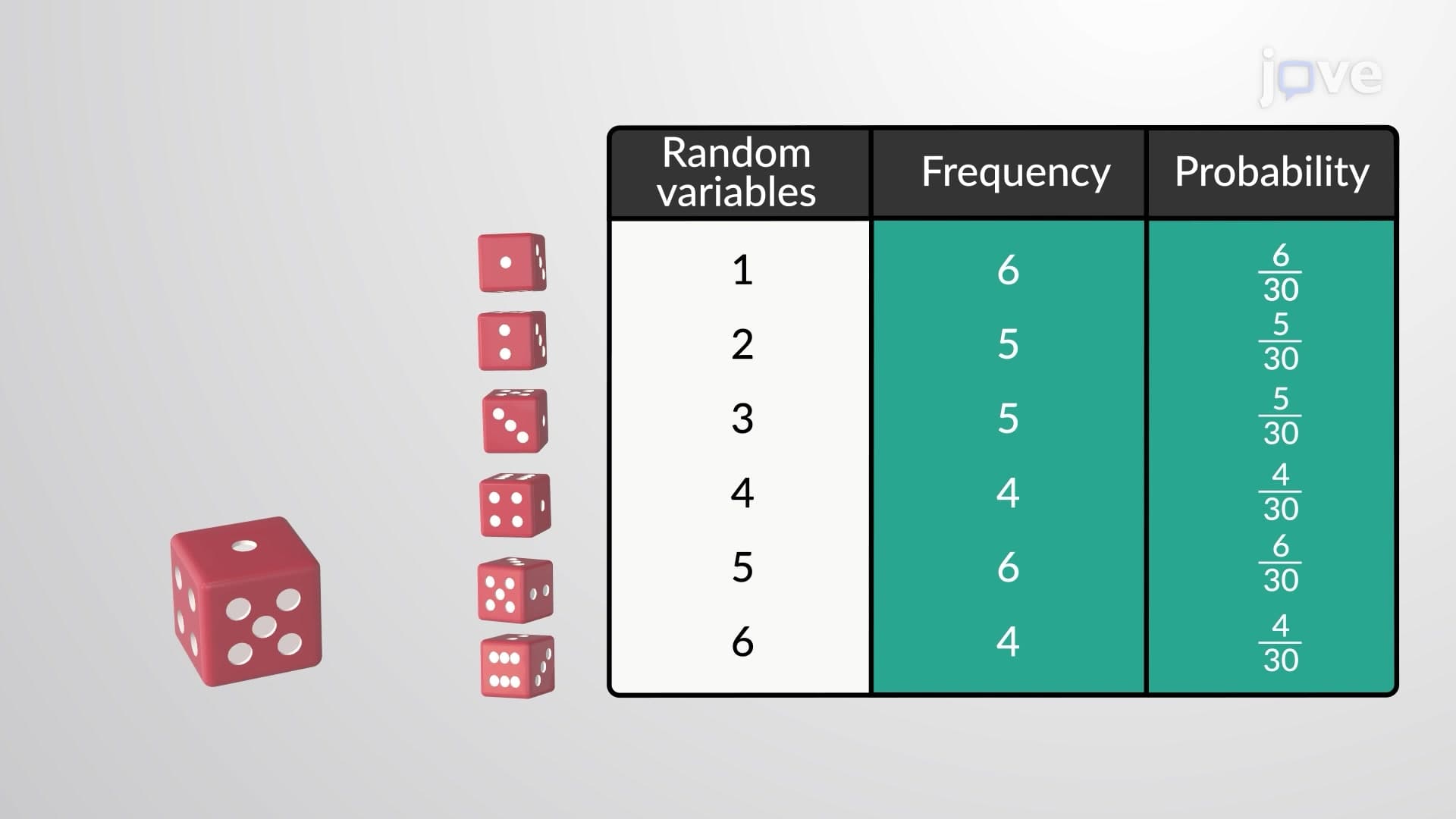
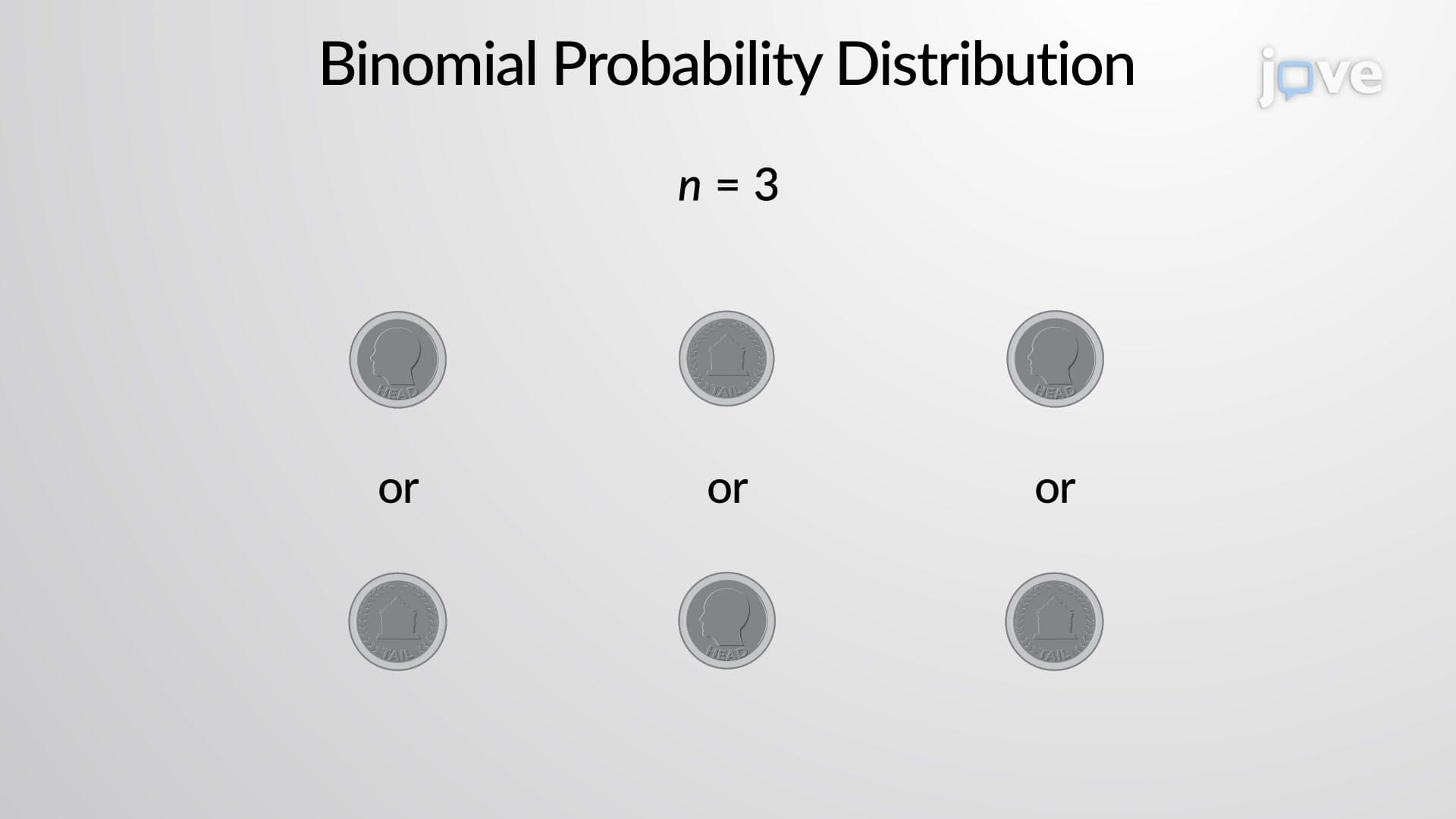
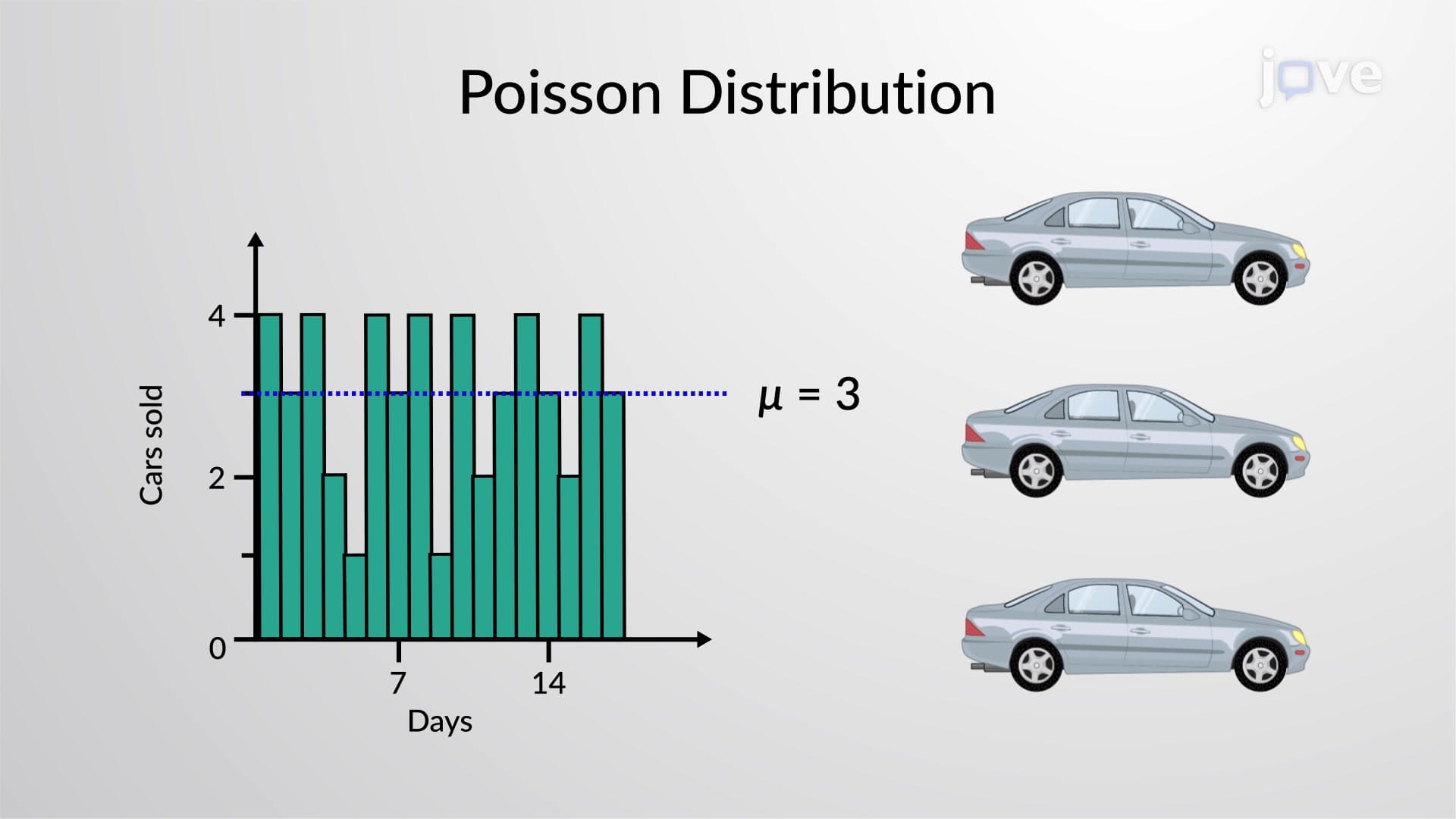
The world of types of probability distributions divides into two fundamental categories. Discrete distributions deal with countable outcomes—like the number of students who pass the AP Statistics exam in your school district. These include binomial distributions (perfect for yes/no scenarios like college admission decisions) and Poisson distributions (ideal for counting rare events, such as the number of power outages in Texas during summer months).
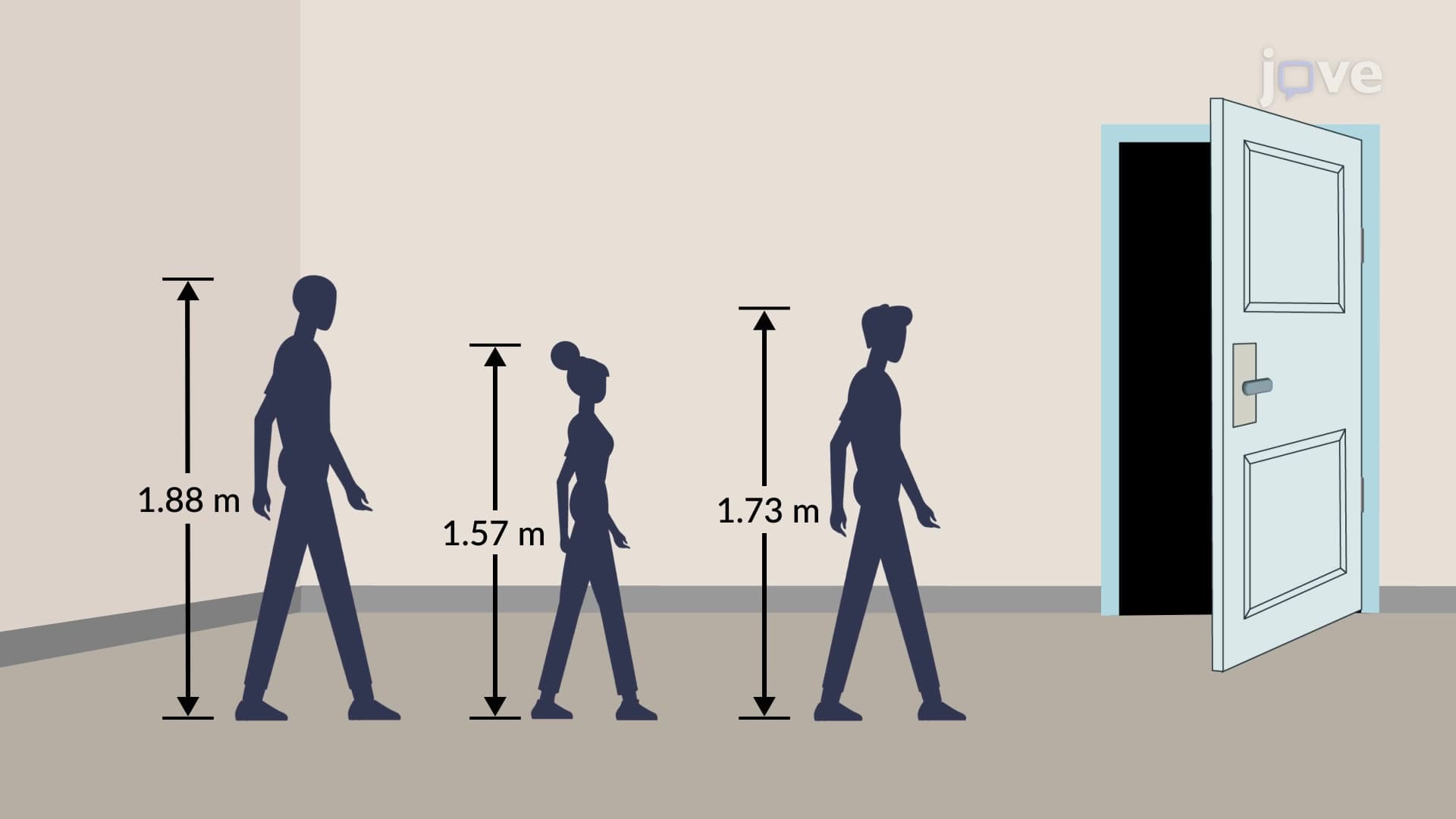
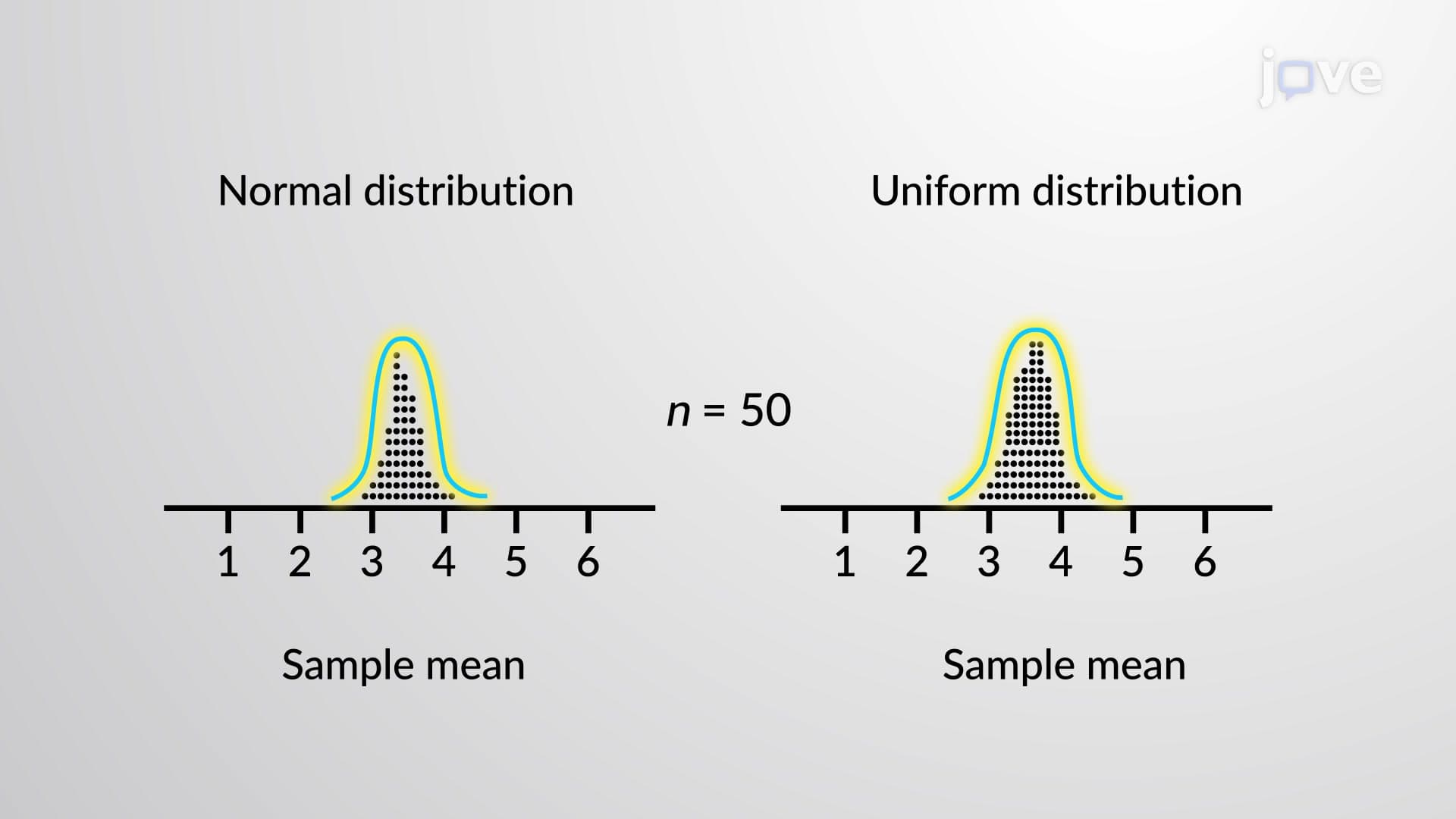
Continuous distributions handle measurable quantities that can take any value within a range. The uniform distribution spreads probability evenly—imagine the arrival time of a city bus that's equally likely to come at any point during a 10-minute window. The normal distribution, however, creates the famous bell curve that describes everything from SAT scores to the heights of NBA players, with most values clustering around the average.
Understanding probability distributions basics becomes crucial for success in advanced coursework and standardized testing. AP Statistics students regularly encounter these concepts when analyzing data sets, while pre-med students applying the MCAT find probability distributions essential for interpreting research studies. Business students use these tools to forecast sales, optimize inventory, and assess investment risks.
Consider how Amazon uses probability distributions to predict package delivery times, or how the CDC models disease spread patterns. These applications demonstrate why mastering probability distributions concepts extends far beyond classroom exercises—they're fundamental tools for data-driven decision making in virtually every professional field.
A solid probability distributions study guide approach starts with recognizing patterns in everyday situations. Practice identifying whether scenarios involve discrete or continuous variables, then determine which specific distribution type fits best. This conceptual framework prepares you for both immediate academic success and future applications in fields ranging from engineering to economics, where understanding probability distributions becomes essential for professional competency.
Frequently Asked Questions
Probability distributions are mathematical tools that show all possible outcomes of a random event and how likely each outcome is to occur. They're like detailed maps of uncertainty, helping us understand patterns in everything from test scores to stock market fluctuations. Every probability distribution follows two key rules: each individual probability falls between 0 and 1, and all probabilities must add up to exactly 1.
The AP Statistics exam frequently tests probability distributions through multiple-choice questions and free-response problems involving binomial, normal, and geometric distributions. You'll need to calculate probabilities, interpret distribution parameters, and determine which distribution type fits given scenarios. Practice identifying key phrases like "fixed number of trials" (binomial) or "continuous measurement" (normal) to succeed on exam day.
Discrete distributions involve countable outcomes you can list (like the number of correct answers on a 50-question MCAT practice test), while continuous distributions involve measurable quantities that can take any value within a range (like GPA scores or reaction times in psychology experiments). This distinction helps determine which statistical methods and formulas to apply in your coursework and research projects.
Medical schools use normal distributions to analyze MCAT score ranges, GPA distributions, and acceptance rates across different applicant pools. MCAT test-takers encounter probability concepts in the Chemical and Physical Foundations section, particularly when interpreting research data and experimental results. Understanding these distributions helps you both perform better on the exam and interpret medical research literature.
Absolutely! While calculus enhances your understanding of continuous distributions, you can master the core concepts using algebra and basic statistical reasoning. Focus on recognizing patterns, understanding the logic behind different distribution types, and practicing with real-world examples. Many successful students learn probability distributions through conceptual understanding rather than complex mathematical derivations.
Instead of memorizing formulas, focus on understanding when to use each distribution type by creating mental associations with real scenarios. Link binomial distributions to coin flips or survey responses, Poisson to rare events like hospital emergencies, uniform to random selection processes, and normal to naturally occurring measurements like height or test scores. This contextual approach makes recall easier during high-pressure exam situations.
Data scientists and business analysts use probability distributions daily to model customer behavior, predict sales patterns, assess risk, and make evidence-based decisions. Companies like Google use these concepts for search algorithms, while financial firms apply them for investment modeling. Understanding probability distributions opens doors to lucrative careers in tech, finance, healthcare analytics, and market research.
Build on your probability distributions foundation by exploring hypothesis testing, confidence intervals, and regression analysis. These advanced topics rely heavily on distribution concepts and appear frequently in upper-level statistics courses, research methods classes, and graduate school entrance exams. Consider studying sampling distributions and the Central Limit Theorem as natural next steps in your statistical education journey.
Related Micro-courses
Related Subjects
 Physics 33 micro-courses›
 Math Fundamentals 11 micro-courses›