- Statistics
- Distributions
Micro-courses:17

Distributions

1. Distributions to Estimate Population Parameter
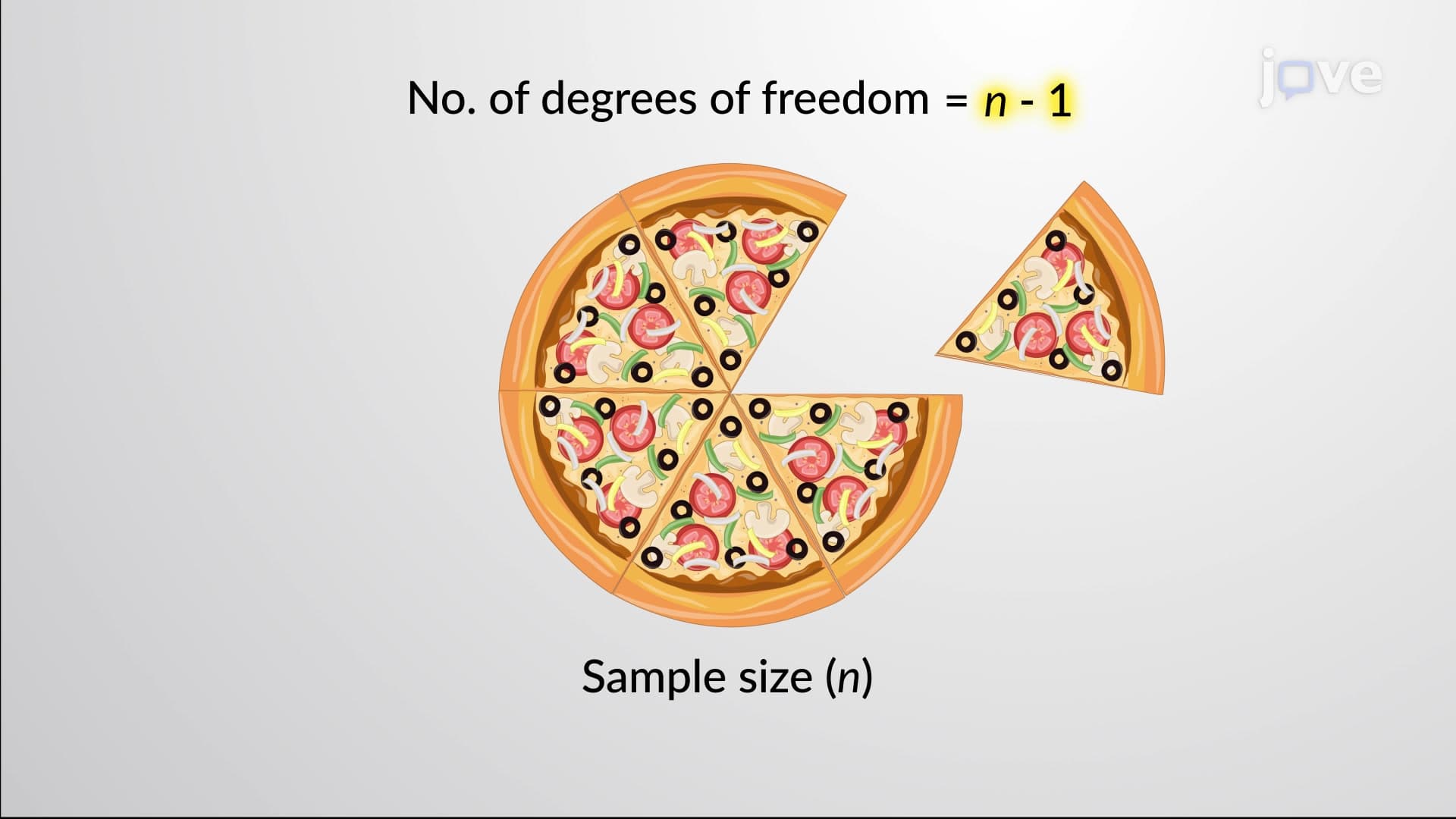
2. Degrees of Freedom
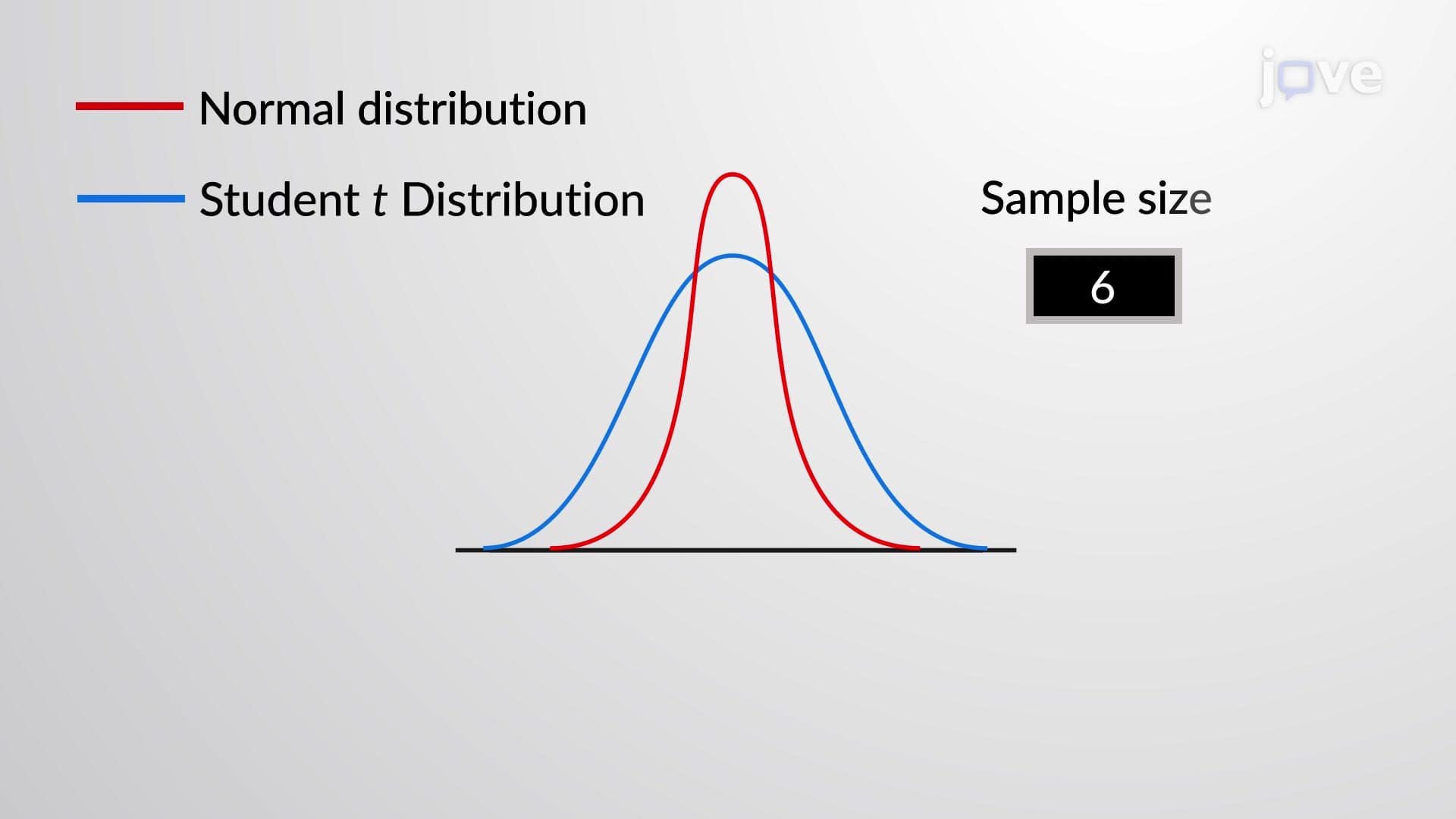
3. Student t Distribution
4. Choosing Between z and t Distribution
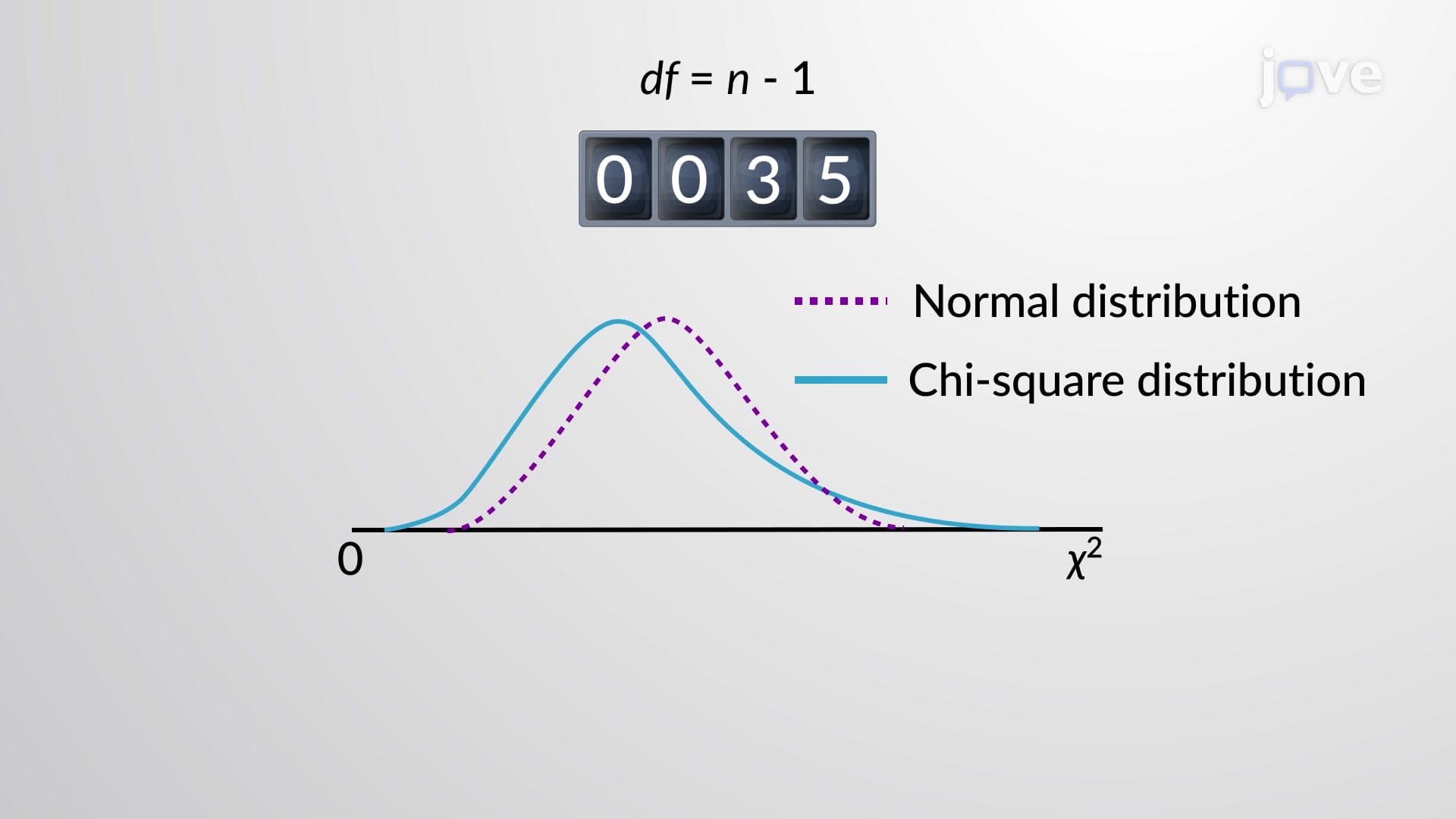
5. Chi-square Distribution
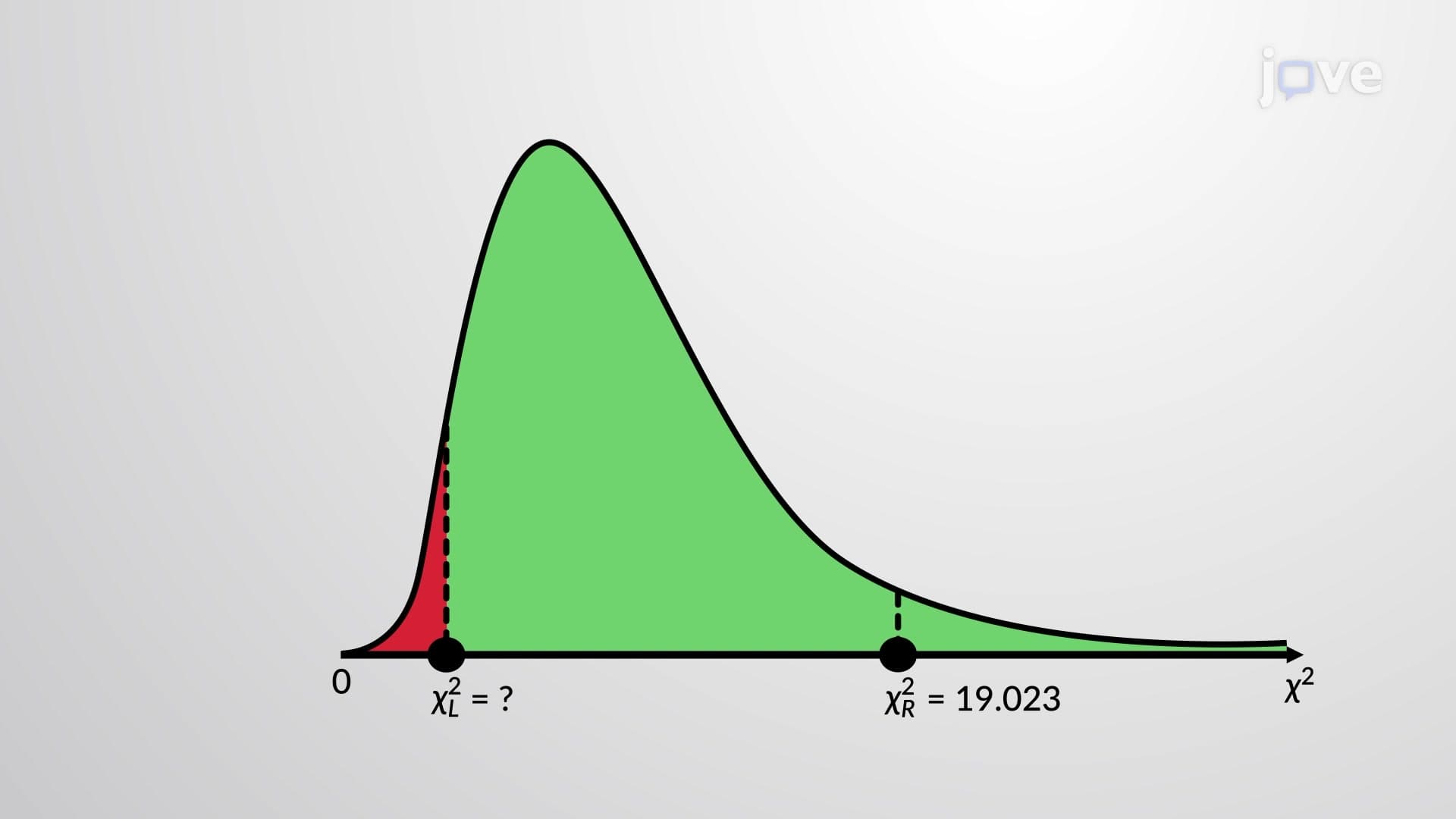
6. Finding Critical Values for Chi-Square

7. Estimating Population Standard Deviation

8. Goodness-of-Fit Test

9. Expected Frequencies in Goodness-of-Fit Tests

10. Contingency Table
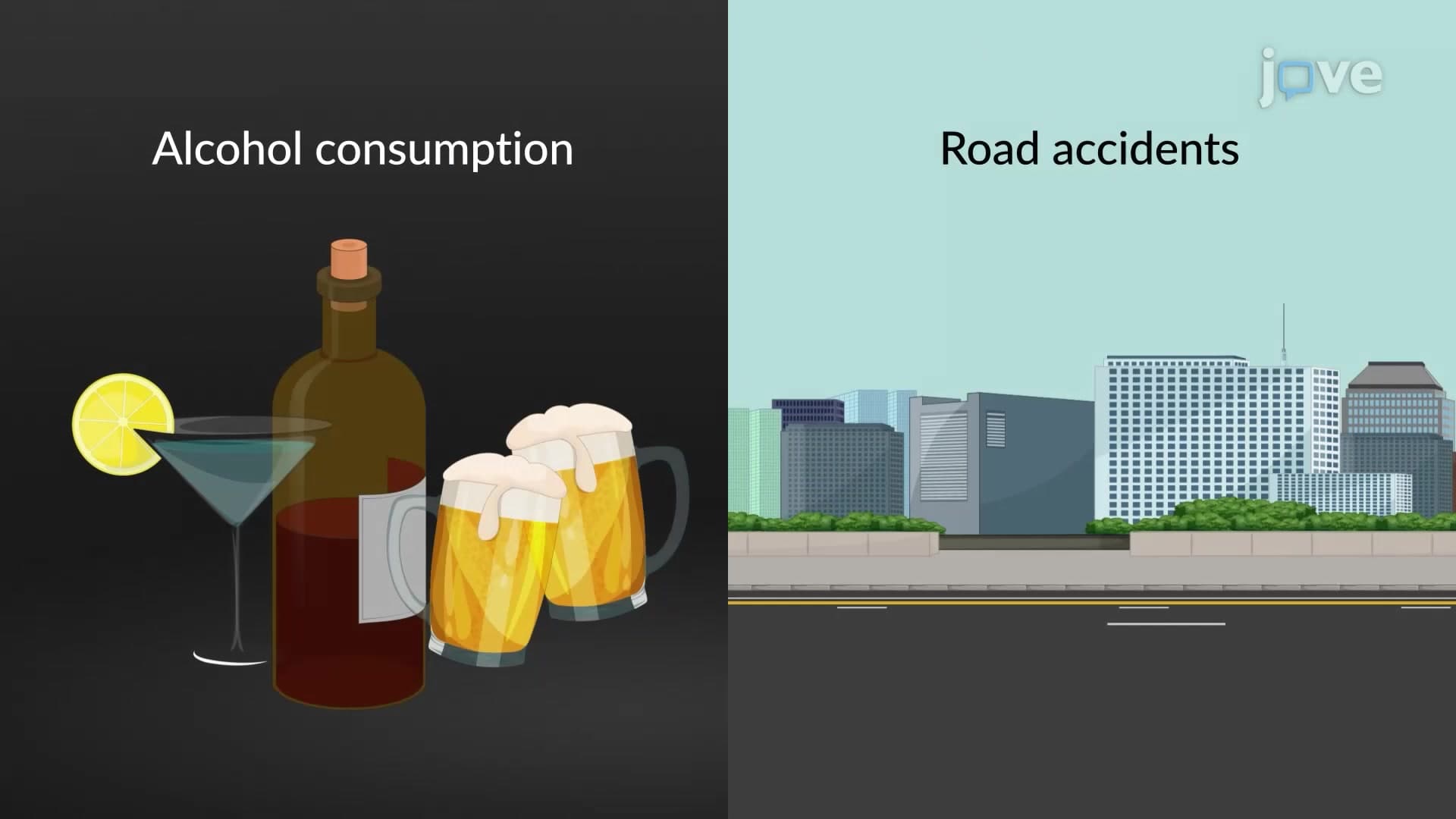
11. Introduction to Test of Independence
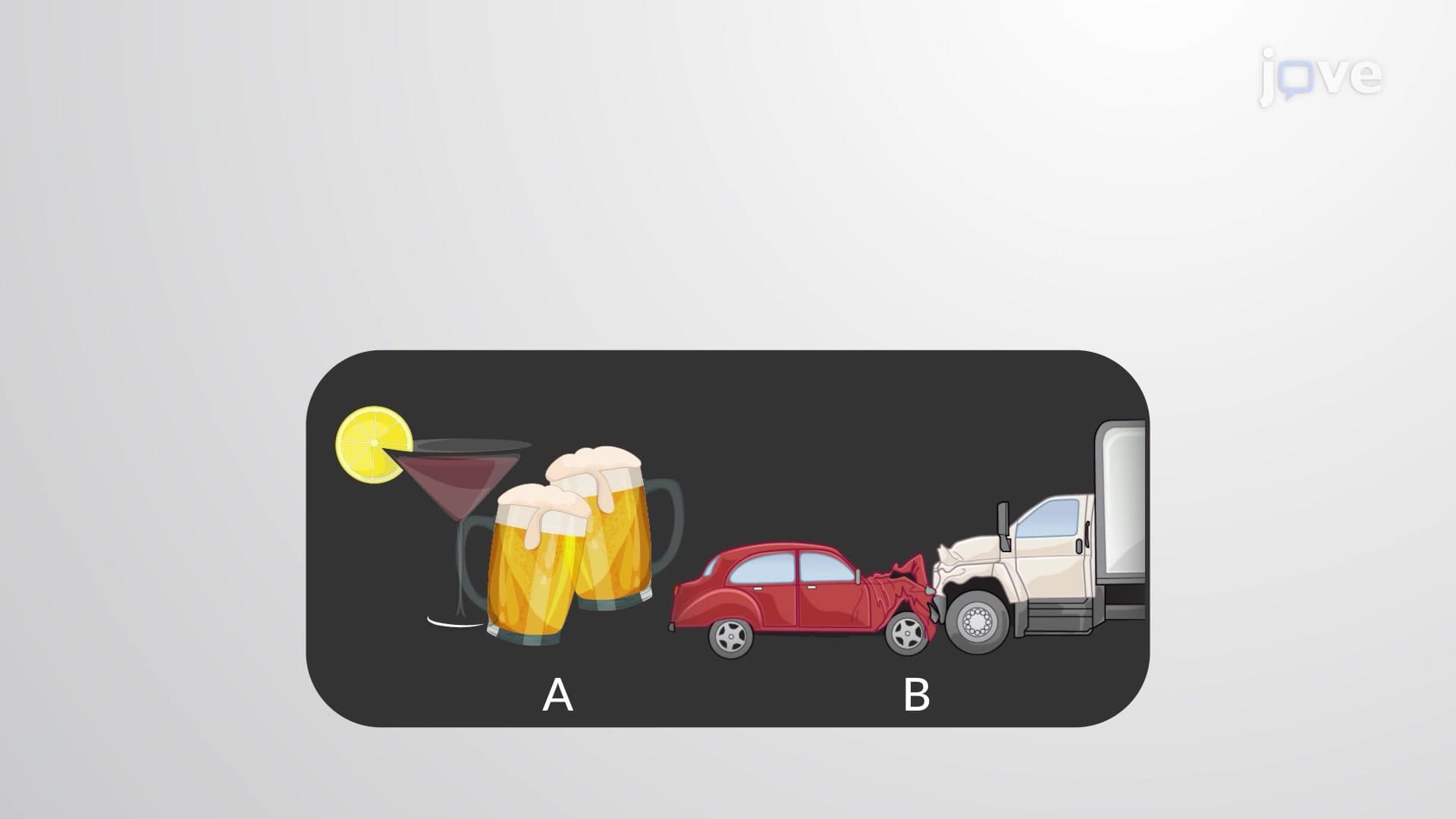
12. Hypothesis Test for Test of Independence
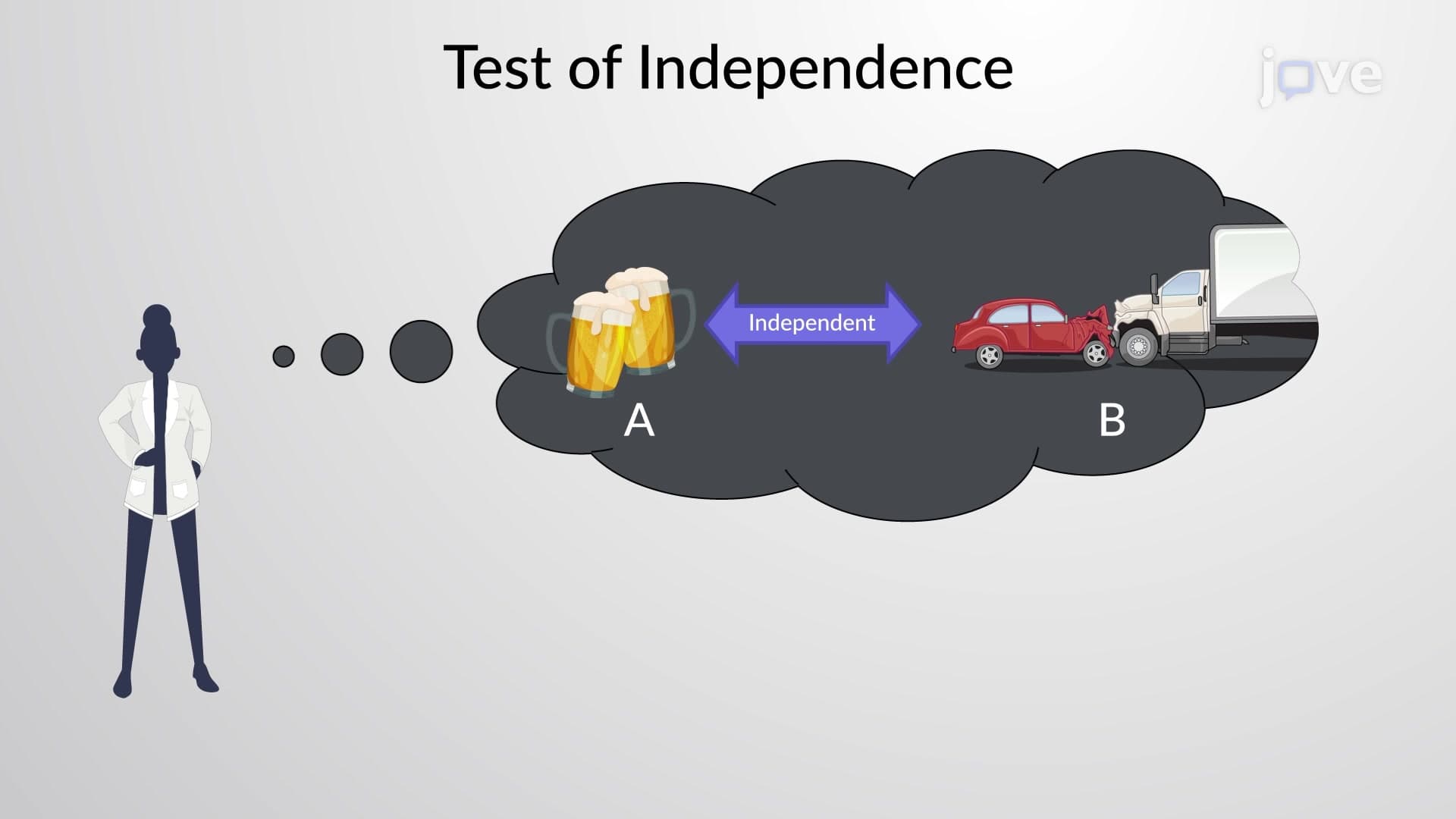
13. Determination of Expected Frequency

14. Test for Homogeneity

15. F Distribution
Statistics distributions form the backbone of inferential statistics, enabling researchers to make reliable conclusions about populations from sample data. The t-distribution chi-square, F distribution, and sampling distribution provide essential tools for hypothesis testing and parameter estimation when normal distribution assumptions cannot be met. JoVE Coach guides students through practical applications in medical research, quality control, and social sciences across US academic curricula.
- Understand when to apply z, t, chi-square, and F distributions in statistical analysis
- Learn to calculate degrees of freedom for different statistical scenarios
- Identify appropriate distributions based on sample size and population variance knowledge
- Explore confidence interval construction using various probability distributions
- Analyze goodness-of-fit tests and contingency table relationships
- Apply chi-square tests for independence and homogeneity in real datasets
- Understand the F distribution's role in comparing population variances
- Master critical value determination across different distribution types
1. Sampling Distribution and Central Limit Theorem Applications Understanding how sample statistics behave when drawn from populations is crucial for statistical inference. The sampling distribution of sample means approaches normality as sample size increases, regardless of the original population shape. This concept underlies confidence interval construction and hypothesis testing procedures. For example, when studying SAT scores across US high schools, administrators use sampling distributions to estimate population parameters from representative samples, ensuring their conclusions accurately reflect the broader student population.
2. T-Distribution Chi-Square Fundamentals and Degrees of Freedom The t-distribution provides accurate statistical inference when population standard deviation is unknown and sample sizes are small. Degrees of freedom, calculated as n-1 for single samples, determine the distribution's exact shape. In clinical trials testing new medications with limited participants, researchers rely on t-distribution properties to construct confidence intervals that properly account for increased uncertainty. The heavier tails compared to normal distribution prevent underestimating variability in small-sample scenarios.
3. Chi-Square Distribution for Variance Testing and Categorical Analysis Chi-square distributions enable testing hypotheses about population variance and analyzing relationships between categorical variables. Unlike symmetric distributions, chi-square is right-skewed with values always non-negative. US quality control managers use chi-square tests to verify manufacturing process consistency, while social researchers apply goodness-of-fit tests to determine if survey responses match expected demographic patterns. The distribution's shape depends heavily on degrees of freedom, approaching normality as df increases beyond 90.
4. F Distribution in Analysis of Variance (ANOVA) The F distribution compares variances between multiple groups, forming the foundation of ANOVA procedures. Defined as the ratio of two chi-square variables divided by their respective degrees of freedom, it helps determine if group means differ significantly. Educational researchers comparing standardized test performance across different teaching methods use F-tests to identify statistically significant differences. The distribution requires two degrees of freedom parameters, making critical value determination more complex than single-parameter distributions.
5. Probability Distributions in Statistical Inference Decision-Making Choosing appropriate distributions depends on sample characteristics and research questions. Z-distribution applies when population variance is known and samples are large, while t-distribution handles unknown variance scenarios. Chi-square tests examine categorical relationships and variance hypotheses, whereas F-distribution compares multiple group variances. Hospital administrators might use z-tests for large patient satisfaction surveys, t-tests for small clinical trials, chi-square for treatment outcome categories, and F-tests when comparing variance across multiple departments.
Frequently Asked Questions
Use z-distribution when you know the population standard deviation and have a large sample (n > 30). Choose t-distribution when the population standard deviation is unknown, especially with smaller samples. For example, if you're analyzing average GPA from a large university database with known variance, use z. If you're studying a small class of 15 students without knowing population variance, use t.
For t-distribution, degrees of freedom equal n-1 (sample size minus one). In chi-square goodness-of-fit tests, df = k-1 (categories minus one). For chi-square independence tests, df = (rows-1) × (columns-1). These calculations reflect the number of independent pieces of information available for each statistical procedure.
Yes, distribution selection and application are heavily tested on AP Statistics exams. You'll encounter problems requiring t-distribution for confidence intervals, chi-square for categorical analysis, and determining appropriate distributions based on given scenarios. Practice identifying when each distribution applies and calculating associated test statistics.
The MCAT's Chemical and Physical Foundations section includes statistical analysis of experimental data. Understanding when to apply different distributions helps interpret research results correctly. You'll see passages describing clinical trials where choosing appropriate statistical tests demonstrates scientific reasoning skills valued in medical education.
Consider testing if student major choice is independent of gender at a US university. Create a contingency table with majors as columns and gender as rows. Calculate expected frequencies assuming independence, then use chi-square test statistic to determine if observed differences are statistically significant. This helps admissions offices understand enrollment patterns.
Each distribution has specific conditions and formulas, making selection seem overwhelming. Focus on the underlying logic: normal/z for known variance, t for unknown variance, chi-square for categorical data and variance testing, F for comparing multiple variances. Practice with concrete examples rather than memorizing abstract formulas.
Create decision trees showing when to use each distribution based on sample size, variance knowledge, and data type. Practice with real datasets from US sources like Census data or CDC health statistics. Work through complete problems rather than isolated calculations, focusing on interpreting results in practical contexts.
These fundamental distributions underpin regression analysis, experimental design, and multivariate statistics. Understanding t-distribution prepares you for multiple regression t-tests, while chi-square knowledge supports logistic regression and model fitting procedures. F-distribution mastery is essential for ANOVA extensions and variance component analysis in advanced research methods.
This microcourse includes 15 concept videos that walk you through the building blocks of Statistics. Each video is short, about 1 minute, so you can cover a full topic during a coffee break or between classes. The full sequence starts with Distributions to Estimate Population Parameter and ends with F Distribution.
The playlist moves from big-picture ideas to the precise vocabulary used in Statistics. Early videos introduce Distributions to Estimate Population Parameter, Degrees of Freedom, and Student t Distribution. The middle of the series focuses on Chi-square Distribution, Finding Critical Values for Chi-Square, and Estimating Population Standard Deviation. The final stretch covers Goodness-of-Fit Test, Expected Frequencies in Goodness-of-Fit Tests, Contingency Table, Introduction to Test of Independence, Hypothesis Test for Test of Independence, Determination of Expected Frequency, and F Distribution.
The natural next step is Hypothesis Testing. From there, you can move to Analysis of Variance, Correlation and Regression, and Statistics in Practice. Once you finish those, the full Statistics curriculum of 17 microcourses on JoVE Coach opens up, taking you from foundational concepts to advanced systems.
Related Subjects
 Physics 33 micro-courses›
 Math Fundamentals 11 micro-courses›