Loading…
Loading video…
70,000 views
Did you know that analyzing patient data at Johns Hopkins Hospital relies on a statistical distribution that's never negative? The chi square distribution emerges when sample variances from normally distributed populations create their own unique pattern—one that's right-skewed but becomes more symmetric as sample sizes grow. This fundamental concept helps researchers determine if observed differences in clinical trials or quality control processes are statistically significant. Watch the full video on JoVE Coach to master this concept with expert-led visuals and step-by-step explanations.
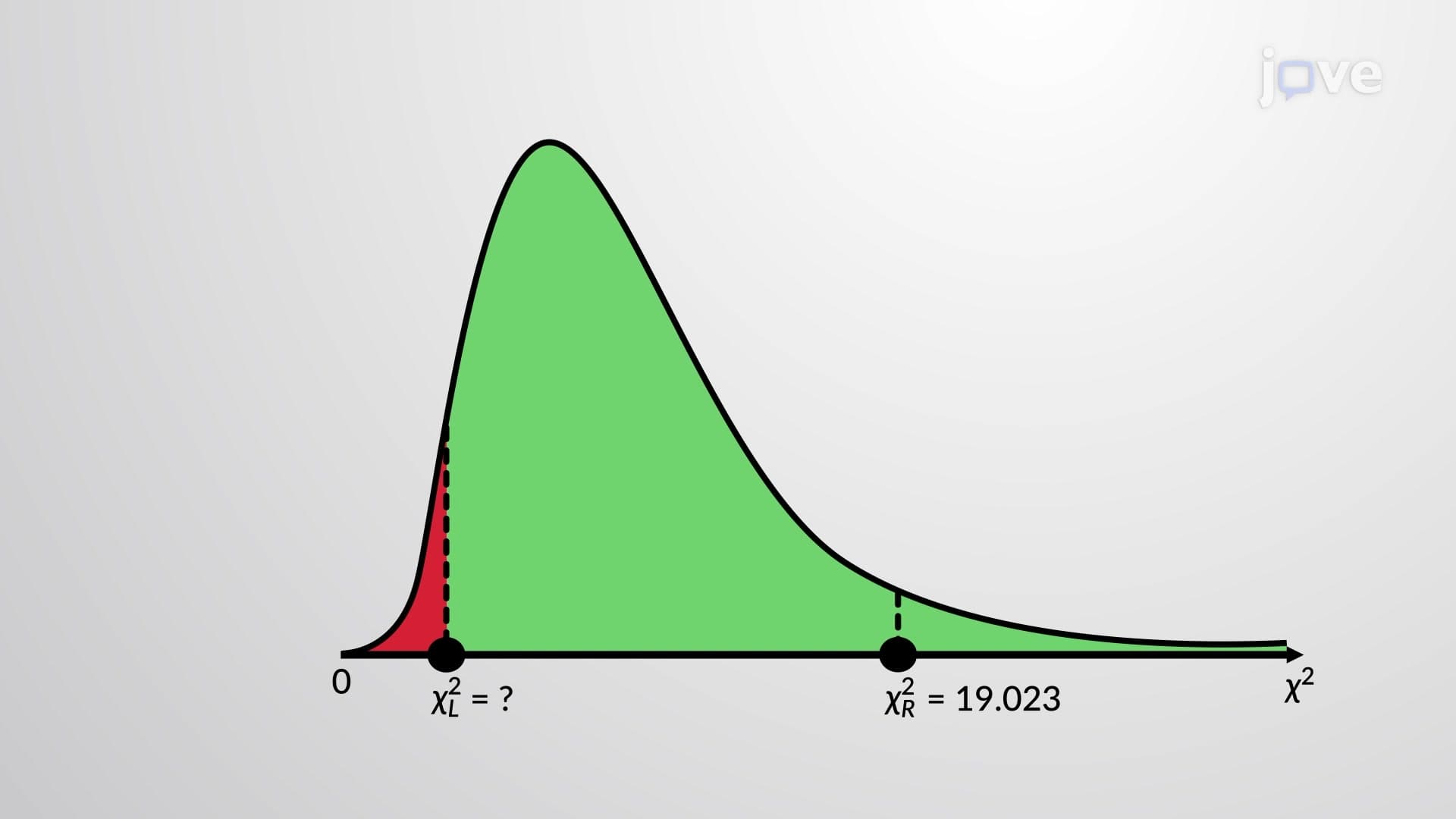
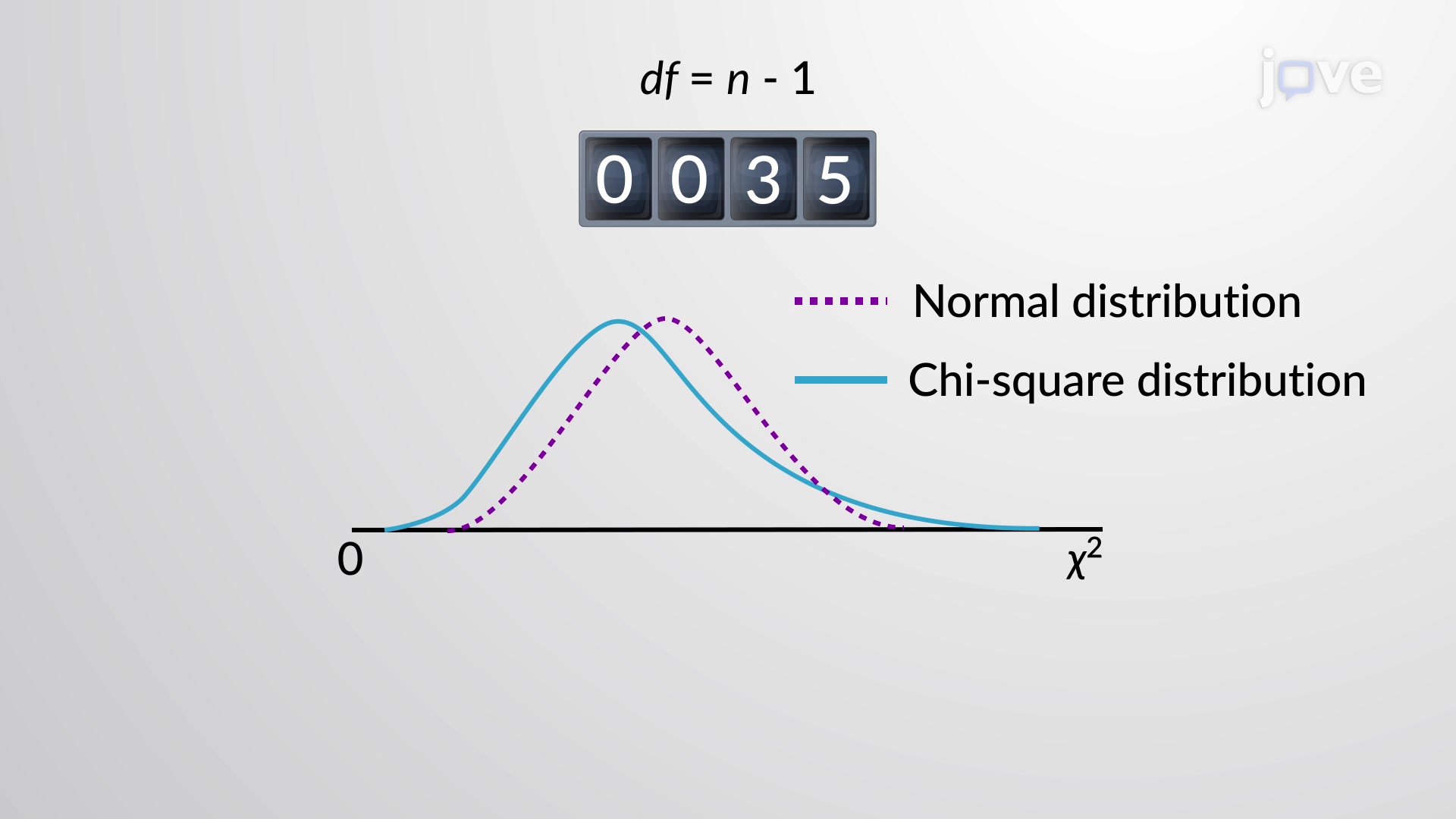
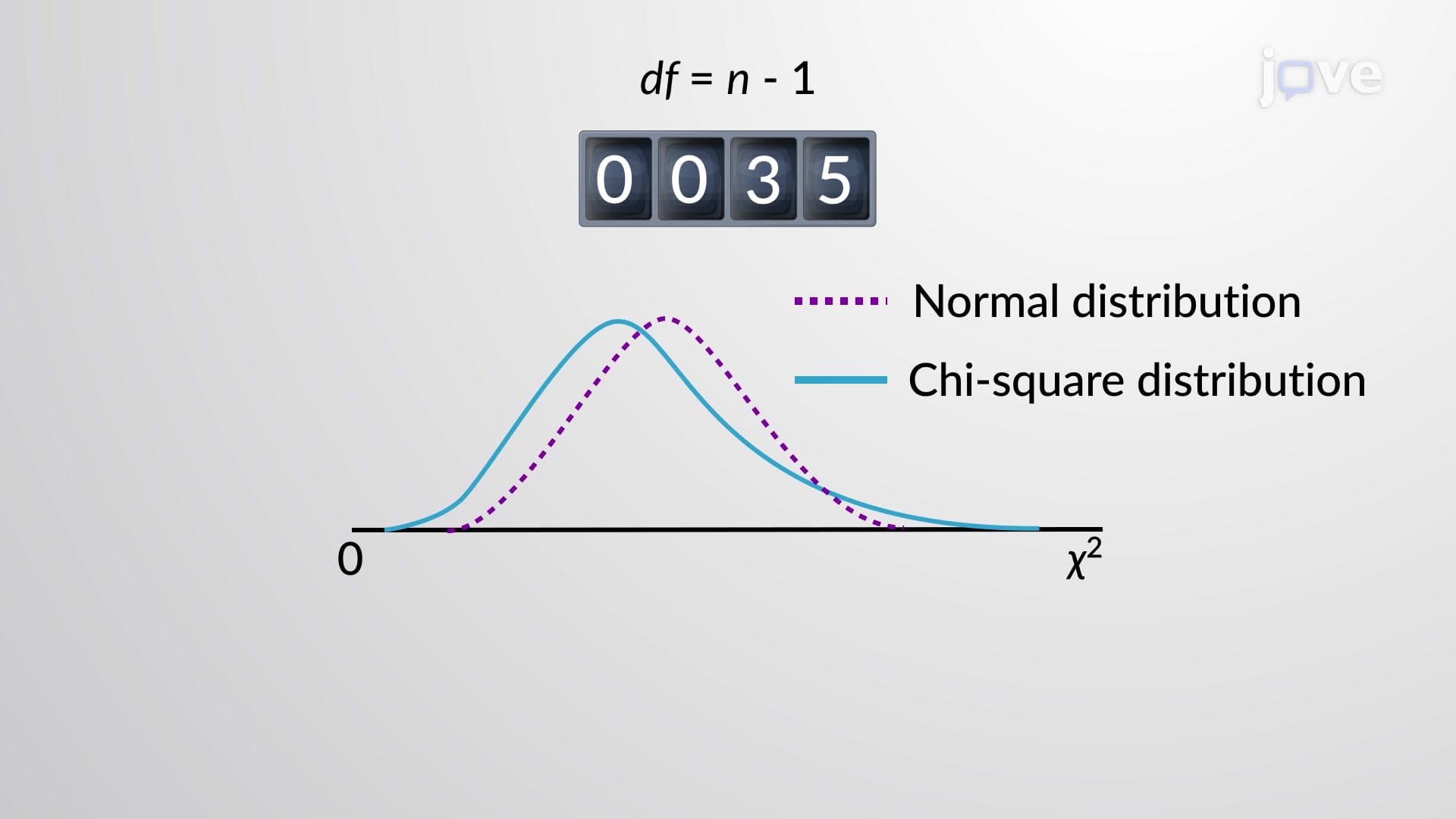
What is chi square distribution in its most essential form? This probability distribution arises from a specific mathematical relationship: when you take multiple independent samples from a normally distributed population and calculate their variances, the resulting pattern follows the chi square distribution. Unlike the familiar bell curve of normal distribution, this distribution exhibits a distinctive right-skewed shape that varies dramatically based on degrees of freedom.
The chi square distribution definition centers on several key mathematical properties. First, all chi square values must be non-negative—they can equal zero or any positive number, but never dip below zero. This constraint exists because the distribution deals with squared deviations, and squares of real numbers cannot be negative.
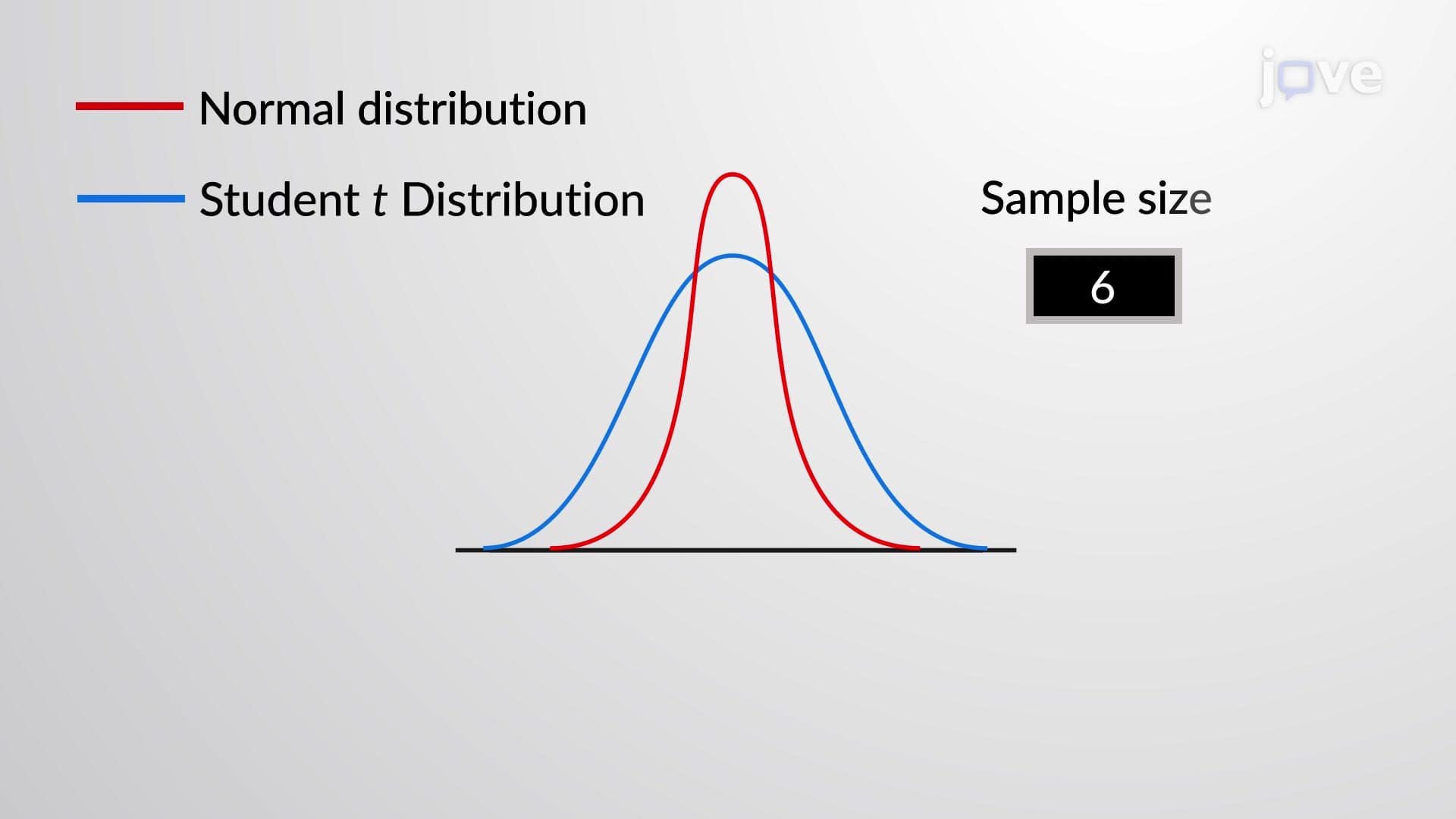
The distribution's shape transforms predictably as degrees of freedom increase. With few degrees of freedom (like 1 or 2), the curve appears heavily right-skewed with a steep initial decline. However, as degrees of freedom approach 30 or higher, the distribution gradually assumes a more symmetric, bell-like appearance. When degrees of freedom exceed 90, the chi square distribution so closely resembles a normal distribution that statisticians often use normal approximations for computational convenience.
Students preparing for the AP Statistics exam frequently encounter chi square distribution problems involving goodness-of-fit tests. For example, testing whether observed frequencies of genetic traits match expected Mendelian ratios requires chi square analysis. Similarly, college-level biostatistics courses use this distribution to analyze whether treatment groups in clinical trials show independent responses.
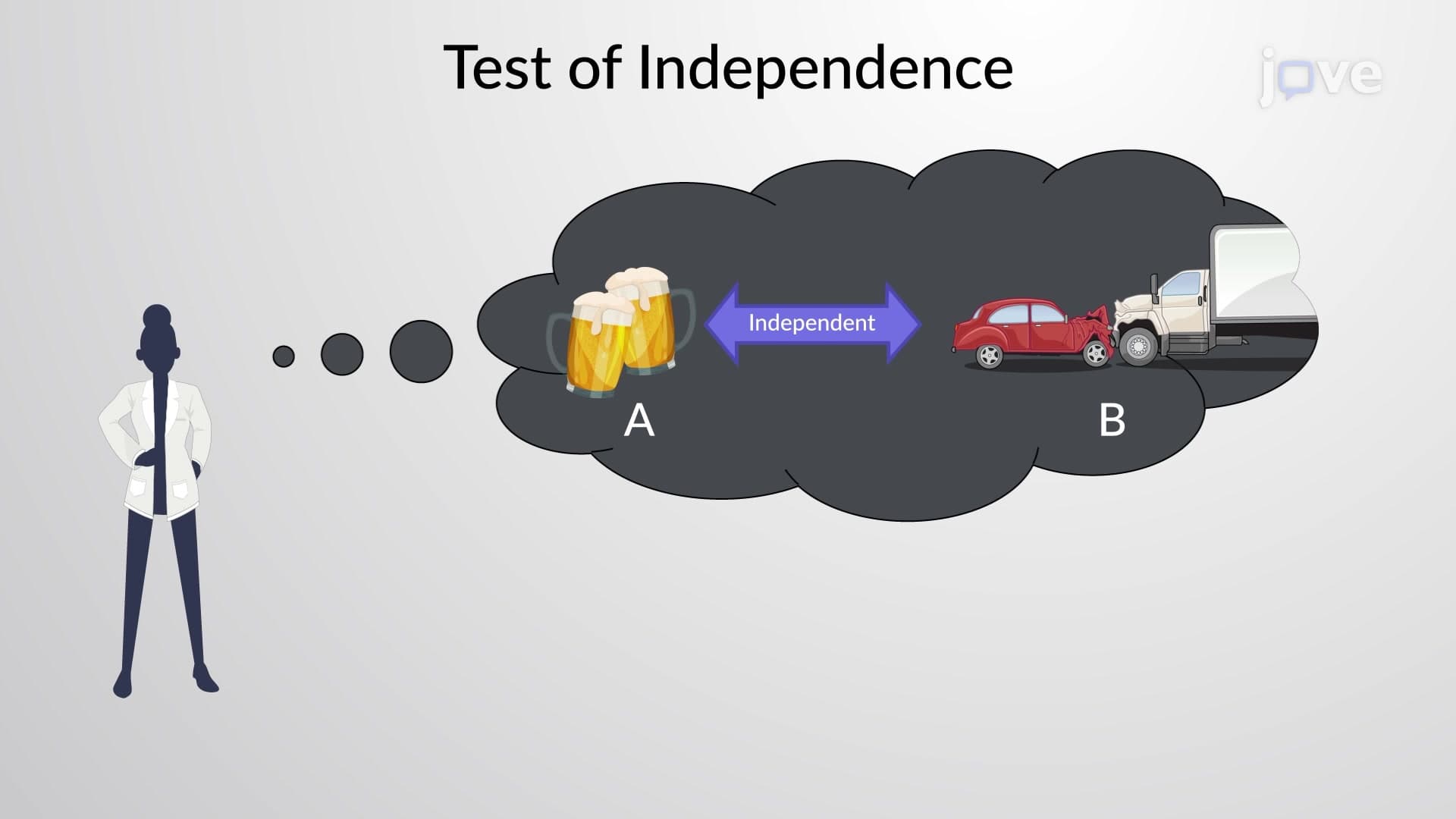
In professional settings, pharmaceutical companies conducting FDA drug trials rely heavily on chi square tests for independence. When researchers at the CDC analyze whether vaccination rates vary significantly across different demographic groups, they apply chi square methodology to determine statistical significance.
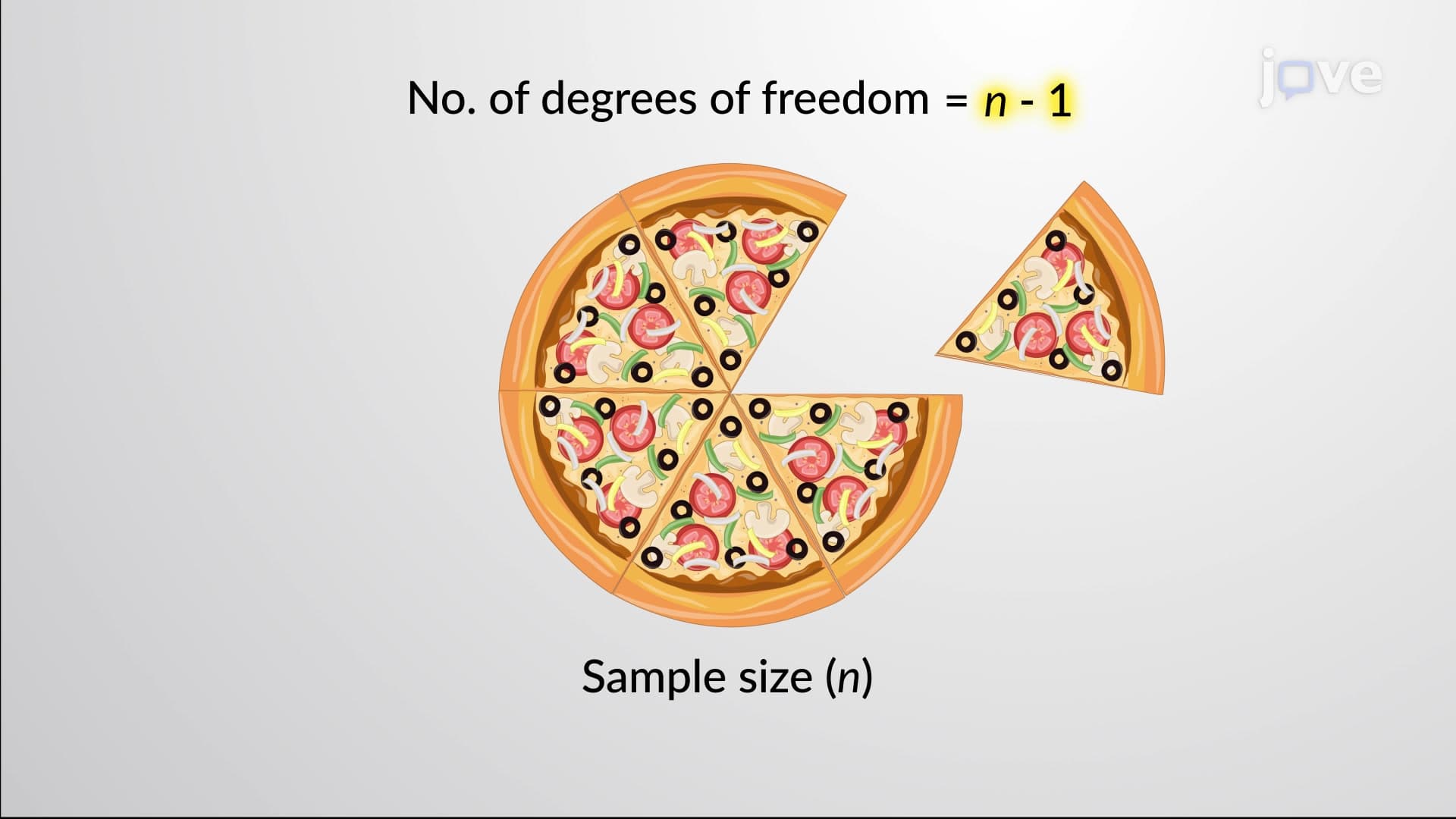
Understanding chi square distribution requires mastering degrees of freedom calculation. For single-variable analyses, degrees of freedom typically equal n-1 (sample size minus one). This parameter directly controls the distribution's shape and critical values used in hypothesis testing. Students taking college statistics courses learn to identify degrees of freedom from contingency table dimensions, sample sizes, and research design specifications—skills essential for MCAT preparation and graduate-level research methodology courses.
Frequently Asked Questions
Chi square distribution is a right-skewed probability distribution formed from squared deviations of normally distributed variables. Unlike normal distribution's symmetric bell curve, chi square is always non-negative and right-skewed, though it approaches normal shape with high degrees of freedom. It's primarily used for variance testing and categorical data analysis rather than continuous variable analysis.
AP Statistics commonly tests chi square through goodness-of-fit and independence problems using contingency tables. Students must calculate test statistics, determine degrees of freedom, and interpret p-values for hypothesis testing. Practice with real data scenarios like genetic crosses, survey responses, and quality control applications prepares students for typical AP question formats.
The MCAT tests chi square in psychology and biology contexts, particularly for analyzing experimental data independence and categorical relationships. Students need to recognize when chi square tests apply, interpret results, and understand the relationship between sample size and statistical power. Focus on biological research applications and behavioral study analyses.
Hospitals and research institutions use chi square tests to analyze treatment effectiveness across patient groups, medication side effect frequencies, and demographic health patterns. For example, Johns Hopkins researchers might test whether recovery rates differ significantly between age groups, or whether symptom frequencies match expected distributions in clinical trials.
Chi square distribution builds naturally on basic probability and normal distribution concepts already covered in Algebra 2 and Pre-Calculus. Students with solid understanding of mean, variance, and hypothesis testing find chi square accessible. The key is practicing with real-world examples and understanding when to apply different chi square tests.
Create a systematic approach: identify the test type (goodness-of-fit vs. independence), calculate degrees of freedom correctly, compute the test statistic, and interpret results in context. Practice with varied scenarios from genetics, psychology, and business applications. Focus on understanding assumptions and when chi square tests are appropriate versus other statistical methods.
Chi square distribution provides the foundation for ANOVA F-tests, regression analysis, and advanced categorical data methods taught in upper-level statistics and research methods courses. Students who master chi square concepts find advanced topics like logistic regression, structural equation modeling, and experimental design more accessible.
Advance to F-distribution for ANOVA applications, then explore regression analysis and multivariate statistics. Consider specialized applications in your field: epidemiological methods for health sciences, econometrics for business, or psychometrics for psychology majors. These build directly on chi square foundations while expanding analytical capabilities.
Related Micro-courses
Related Subjects
 Physics 33 micro-courses›
 Math Fundamentals 11 micro-courses›