Loading…
Loading video…

70,000 views

Did you know that understanding vaccination effectiveness during the COVID-19 pandemic relied heavily on contingency tables? A contingency table is a statistical tool that organizes data to reveal relationships between two categorical variables, like infection status and vaccination level in a population study. For instance, health departments across the United States used contingency tables to analyze whether vaccinated individuals had lower infection rates than unvaccinated ones. Watch the full video on JoVE Coach to master this concept with expert-led visuals and step-by-step explanations.
A contingency table, also known as a cross-tabulation or two-way frequency table, serves as a fundamental statistical tool for examining relationships between two categorical variables. Unlike numerical data that deals with measurements, categorical variables represent distinct groups or categories—such as gender (male/female), education level (high school/college/graduate), or treatment response (improved/no change/worse).
The table's structure follows a systematic grid format where one variable defines the rows and another defines the columns. Each cell within this grid contains the frequency count of observations that fall into both categories simultaneously. This organization makes patterns and relationships immediately visible to researchers and students alike.
Consider how the Centers for Disease Control and Prevention (CDC) uses contingency tables to analyze vaccine effectiveness. In a study examining COVID-19 outcomes, researchers might create a table with vaccination status (unvaccinated, partially vaccinated, fully vaccinated) as columns and infection outcome (infected, not infected) as rows. This arrangement reveals whether vaccination correlates with reduced infection rates across different population groups.
Similarly, clinical trials for new medications rely heavily on contingency tables. The Food and Drug Administration (FDA) requires pharmaceutical companies to present safety and efficacy data in clear tabular formats. A drug trial might compare treatment groups (placebo vs. active drug) against outcomes (side effects vs. no side effects), helping regulators make approval decisions based on statistical evidence.
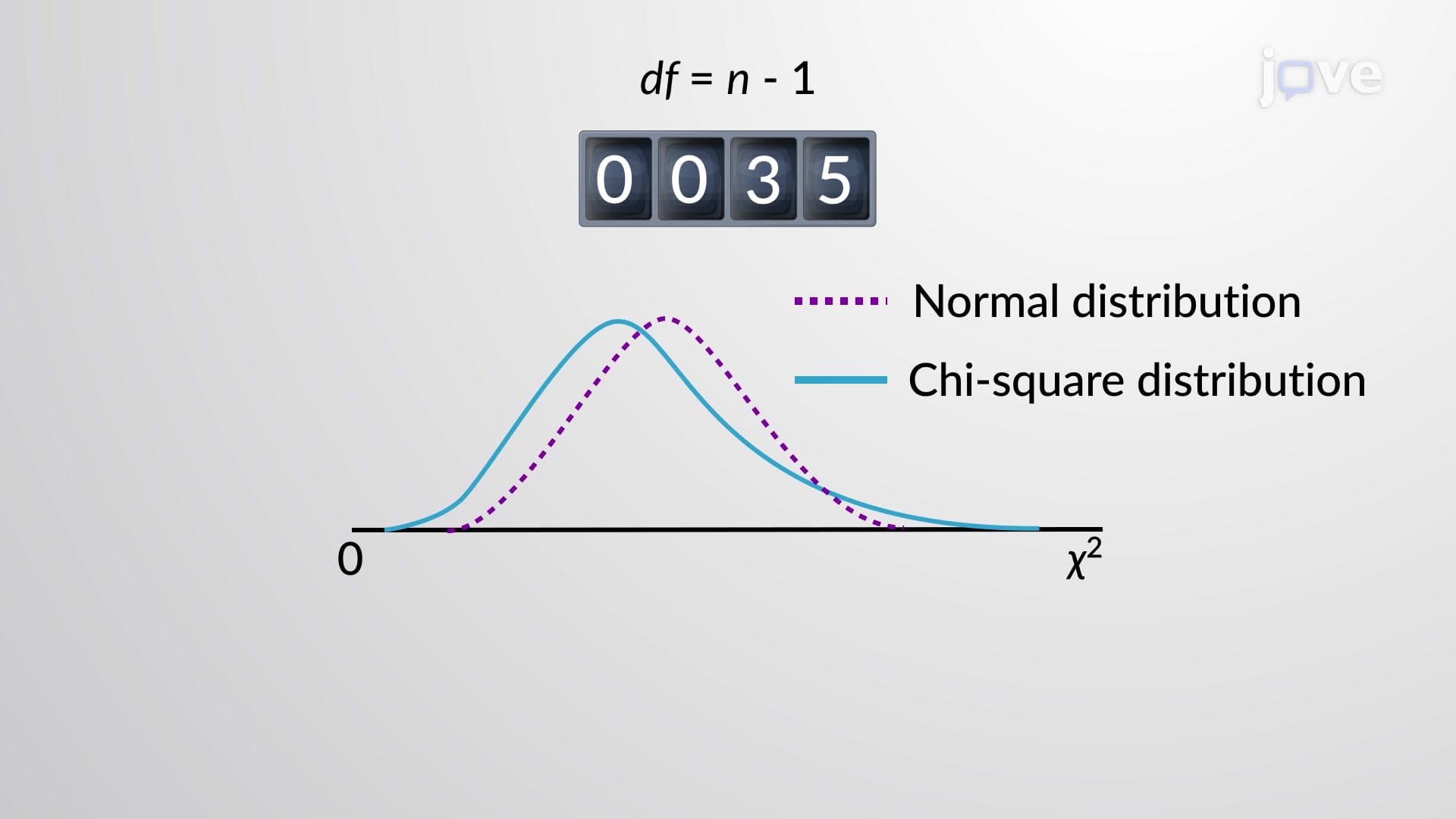
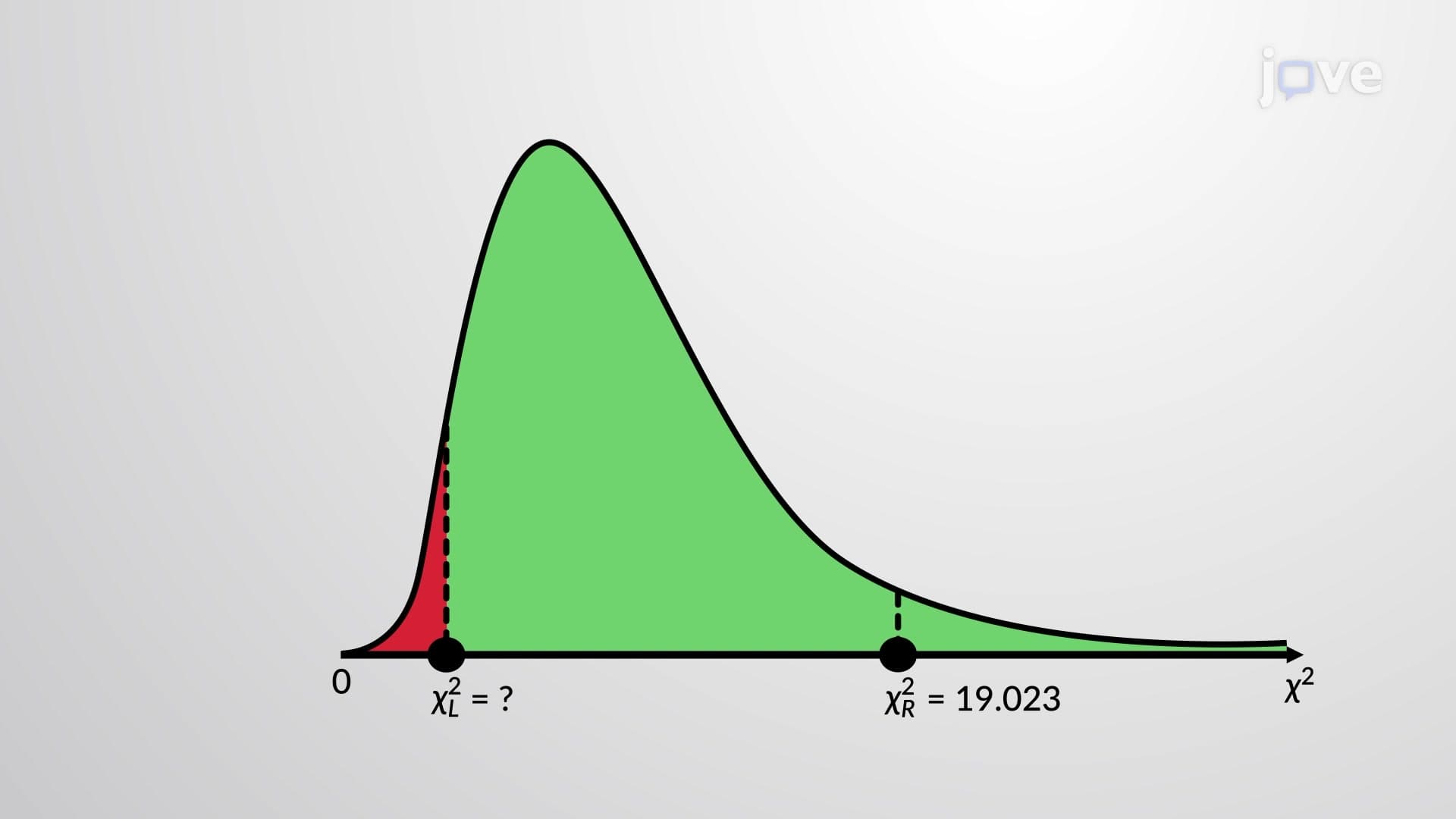
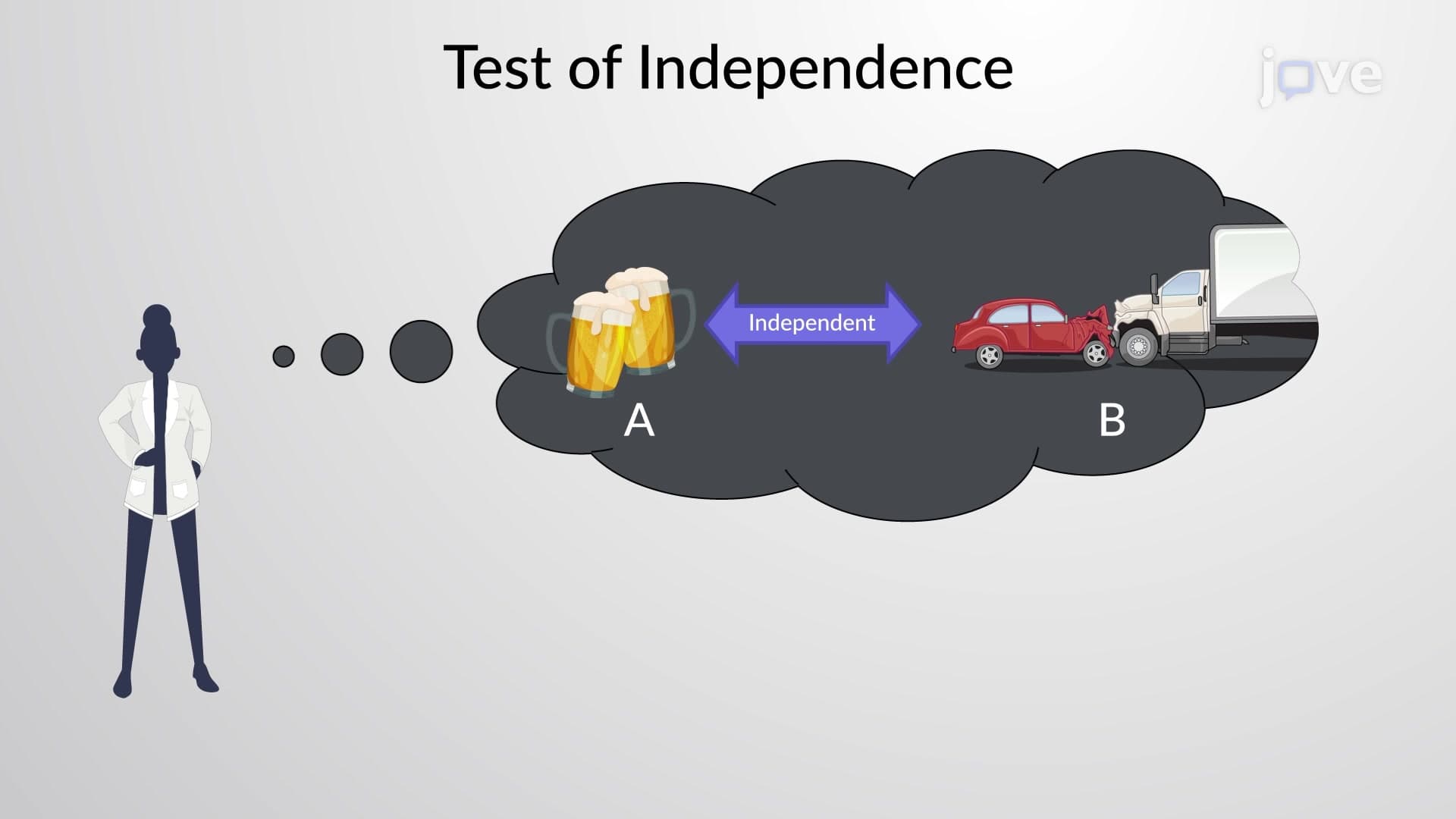
Beyond simple data organization, contingency tables enable sophisticated statistical testing through chi-square tests of independence. This process compares observed frequencies (what actually happened) with expected frequencies (what would happen if variables were truly independent). When the chi-square statistic exceeds critical values, researchers can conclude that a significant relationship exists between the variables.
For AP Statistics students, mastering contingency tables proves essential for exam success. The College Board frequently includes questions requiring students to interpret two-way tables, calculate conditional probabilities, and perform chi-square tests. Understanding these concepts also prepares students for college-level statistics courses and research methods classes.
Students encounter contingency tables across multiple disciplines. In psychology courses, they might analyze survey data comparing stress levels across different student populations. Business students use them to examine consumer preferences across demographic groups. Even in biology classes, genetic crosses and inheritance patterns often appear in contingency table format, helping students understand independent assortment and gene linkage concepts.
Frequently Asked Questions
A contingency table specifically organizes categorical data to show relationships between two variables, with one variable forming rows and another forming columns. Unlike simple lists or single-variable frequency tables, contingency tables reveal patterns and associations between different categories, making them essential for statistical analysis and hypothesis testing.
AP Statistics frequently tests contingency table concepts through chi-square tests of independence, conditional probability calculations, and data interpretation questions. Students must read two-way tables, identify marginal and joint frequencies, calculate expected values, and draw conclusions about variable relationships. Practice with real data scenarios improves exam performance significantly.
Yes, contingency tables appear regularly on the MCAT, particularly in psychology and sociology sections where research methodology knowledge is tested. Medical schools expect students to interpret clinical trial data, epidemiological studies, and research findings presented in tabular format. Understanding these concepts demonstrates scientific literacy essential for medical practice.
Pharmaceutical companies rely on contingency tables to analyze clinical trial data, comparing treatment groups against control groups across various outcomes like side effects, efficacy rates, and patient demographics. The FDA requires this data format for drug approval submissions, making contingency table analysis crucial for bringing new medications to market safely.
Not at all—contingency tables require only basic arithmetic and logical thinking skills typically mastered by high school students. The concepts build on simple counting, percentages, and ratio calculations. While chi-square testing involves some formula work, modern calculators and software handle complex computations, allowing students to focus on interpretation and application.
Practice with real-world datasets from sources like the US Census Bureau or CDC, focusing on identifying variables, calculating marginal totals, and interpreting results. Create your own examples using familiar scenarios like student survey data or sports statistics. Master the vocabulary (joint frequency, marginal frequency, conditional probability) and practice chi-square calculations using both formulas and technology.
Contingency tables serve as stepping stones to advanced topics like regression analysis, ANOVA, and multivariate statistics. They introduce fundamental concepts like independence testing, probability theory, and hypothesis testing that appear throughout statistics and research methods. Understanding contingency tables builds confidence for tackling more complex statistical analyses in college and professional settings.
Related Micro-courses
Related Subjects
 Physics 33 micro-courses›
 Math Fundamentals 11 micro-courses›