Loading…
Loading video…

70,000 views

Ever wondered how climate scientists predict temperature variations across the entire United States using data from just a few weather stations? Estimating population standard deviation allows researchers to make these crucial predictions by using sample data to infer characteristics of entire populations. When meteorologists analyze temperature data from select US cities with a sample standard deviation of 1.5°C, they can estimate the true population variability using confidence intervals and chi-square distributions. Watch the full video on JoVE Coach to master this concept with expert-led visuals and step-by-step explanations.
Estimating population standard deviation represents a fundamental inferential statistics technique that allows researchers to make educated guesses about an entire population's variability using only sample data. This concept bridges the gap between what we can observe (sample statistics) and what we want to know (population parameters).
Sample standard deviation rarely equals the true population standard deviation exactly. This estimation bias occurs because samples, even when randomly selected, capture only a portion of the population's full variability. Consider how the College Board analyzes SAT score variations: they cannot test every high school student in America, so they use sample data to estimate national score distribution patterns.
The systematic tendency for sample standard deviation to underestimate population standard deviation stems from the mathematical properties of variance calculation. When dividing by (n-1) instead of n in sample variance formulas, statisticians partially correct for this bias, but uncertainty remains.
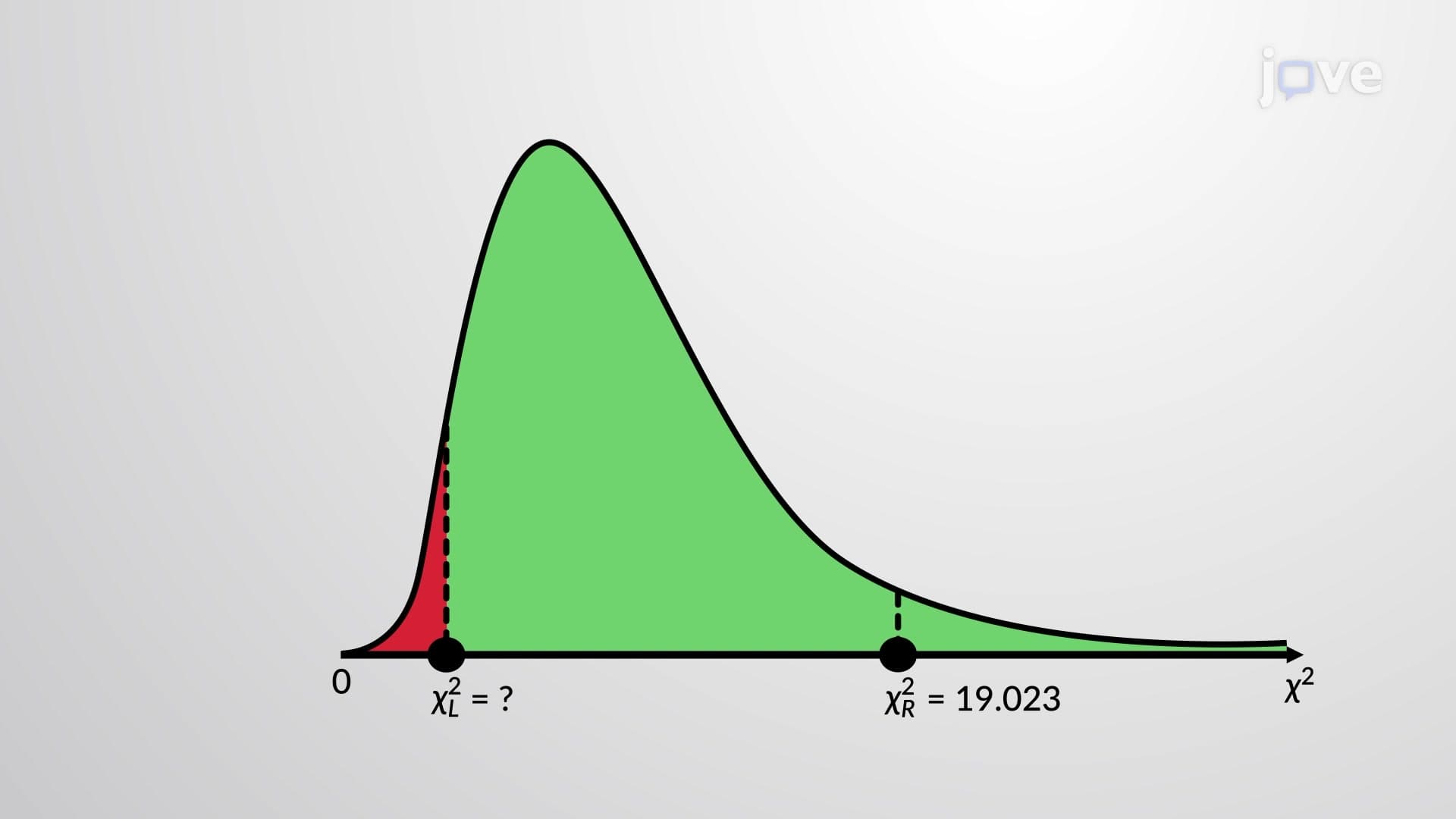
To address estimation uncertainty, statisticians construct confidence intervals using the chi-square distribution. This process involves several critical steps that AP Statistics students encounter regularly:
First, determine appropriate confidence levels (commonly 90%, 95%, or 99%) based on research requirements. Higher confidence levels produce wider intervals but greater certainty that the true parameter falls within the range.
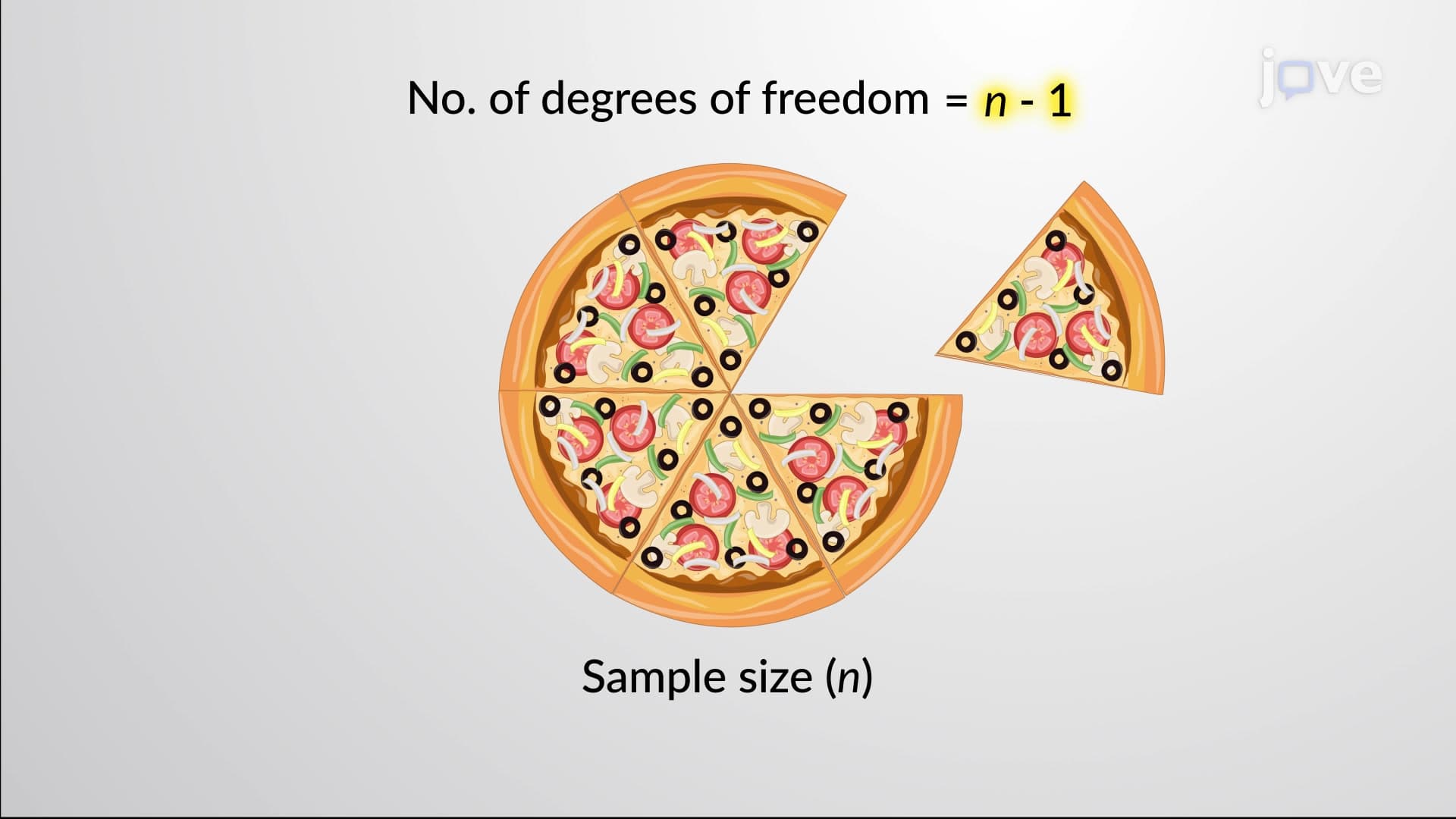
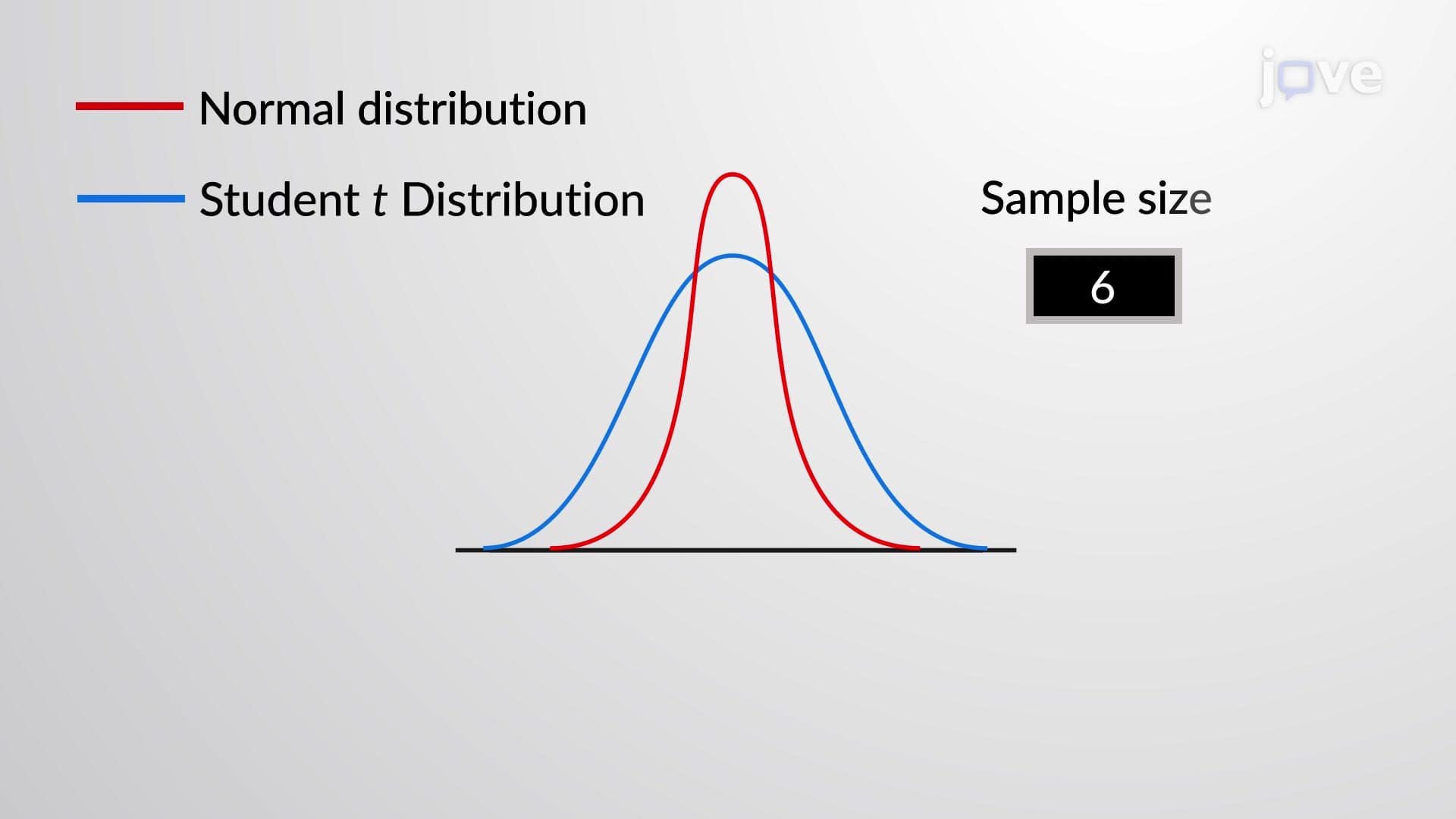
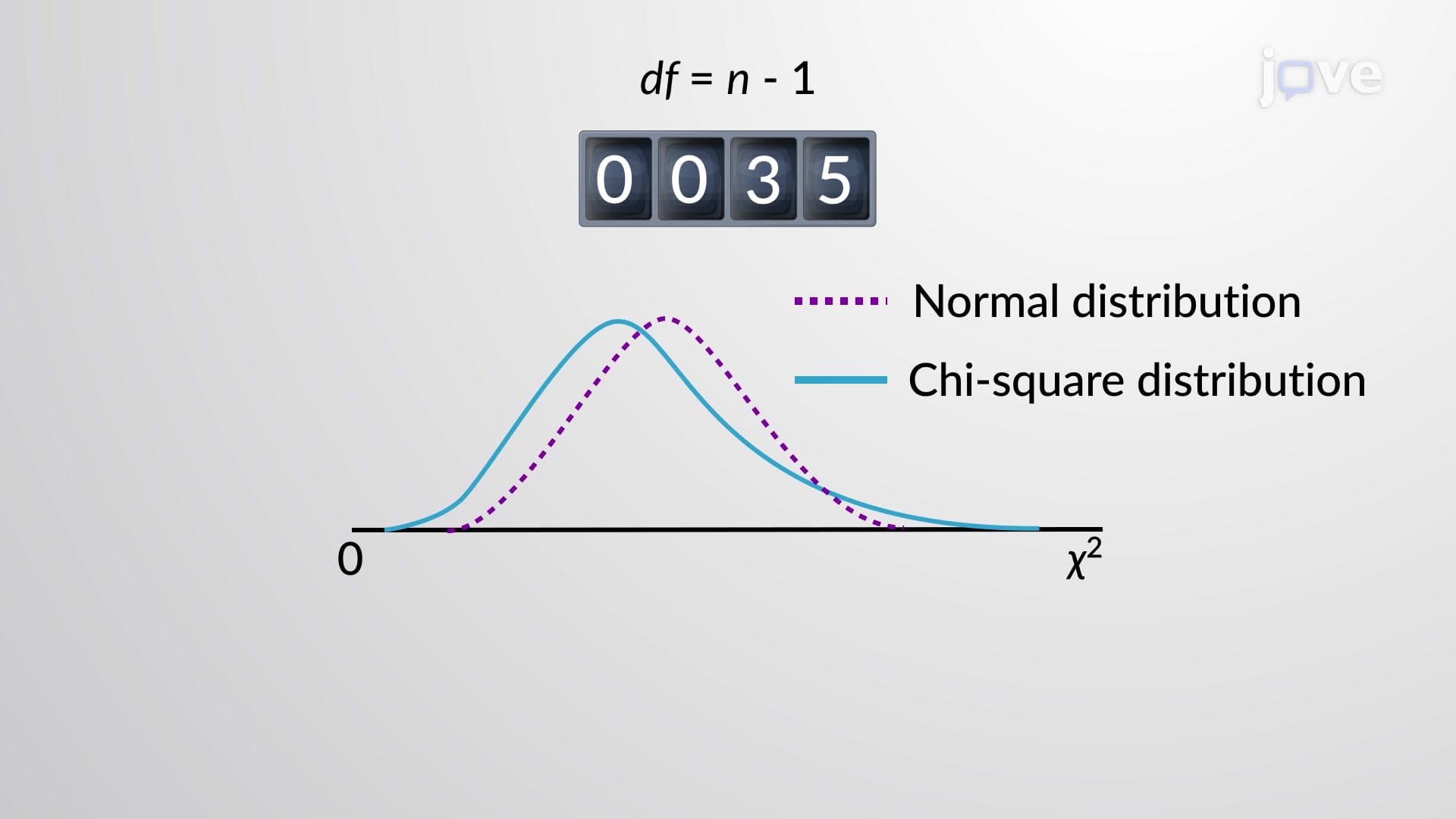
Next, locate critical values from chi-square tables using degrees of freedom (n-1). The chi-square distribution's right-skewed shape creates asymmetric confidence intervals, unlike the symmetric intervals seen with normal distributions.
Quality control engineers at manufacturing companies like Ford or General Electric routinely use population standard deviation estimation to maintain product consistency. When testing engine part tolerances, they cannot measure every component, so they estimate population variability from sample measurements.
Medical researchers studying blood pressure medications for the FDA use similar techniques. By analyzing patient samples in clinical trials, they estimate how much blood pressure reduction might vary across the entire US population taking the medication.
Students preparing for the MCAT or nursing entrance exams like HESI A2 and TEAS frequently encounter these concepts in biostatistics questions, where understanding estimation principles helps interpret research study results and clinical data analysis.
Frequently Asked Questions
Estimating population standard deviation is the process of using sample data to predict the variability of an entire population when measuring everyone is impossible or impractical. This technique allows researchers, businesses, and government agencies to make data-driven decisions about millions of people using relatively small, representative samples.
The definition requires random sampling from a normally distributed population, calculation of sample standard deviation, and construction of confidence intervals using chi-square distribution. The process accounts for estimation bias that occurs when sample statistics don't perfectly match population parameters due to sampling variation.
AP Statistics exams typically include confidence interval construction problems using chi-square tables, interpretation of interval meanings, and identification of appropriate conditions. College statistics courses emphasize connecting sample size to interval width and explaining why chi-square distribution creates asymmetric intervals unlike normal-based confidence intervals.
MCAT passages often present research studies where students must interpret confidence intervals for biological measurements, evaluate whether sample sizes support population inferences, and critique study methodology based on sampling techniques. Understanding estimation helps analyze validity of medical research conclusions.
Drug manufacturers like Pfizer and Johnson & Johnson use population standard deviation estimation during clinical trials to predict how medication effectiveness varies across diverse patient populations. FDA approval processes require demonstrating that estimated population variability falls within acceptable safety and efficacy ranges.
Not at all - this concept requires only basic algebra and the ability to read statistical tables. High school students successfully master these techniques in AP Statistics, and the mathematical operations involve primarily square roots and table lookups rather than complex calculus manipulations.
Practice interpreting chi-square tables under time pressure, memorize the relationship between confidence level and interval width, and work through numerous real-world application problems. Focus on understanding when estimation is appropriate rather than just memorizing formulas, since exam questions emphasize conceptual understanding.
Students should investigate hypothesis testing for population variance, comparison of multiple population standard deviations using F-distributions, and bootstrap methods for non-normal populations. Advanced topics include Bayesian estimation approaches and robust estimation techniques for handling outliers.
Related Micro-courses
Related Subjects
 Physics 33 micro-courses›
 Math Fundamentals 11 micro-courses›