Loading…
Loading video…
70,000 views

Ever wonder how pollsters predict election outcomes or how quality control teams at companies like Ford detect manufacturing defects? The answer lies in understanding expected frequencies – the theoretical values we anticipate in statistical tests when comparing what should happen versus what actually occurs. From predicting the distribution of M&M colors in a factory batch to analyzing SAT score patterns across US high schools, expected frequencies form the foundation of goodness-of-fit testing in statistics. Watch the full video on JoVE Coach to master this concept with expert-led visuals and step-by-step explanations.
Expected frequencies represent the theoretical values we predict would occur in each category of a distribution if our null hypothesis is true. Think of them as the "benchmark" against which we compare our actual observations. When a pharmaceutical company like Pfizer tests a new medication, they establish expected frequencies for side effects based on previous research, then compare these to what they actually observe in clinical trials.
When categories have equal probability, calculating expected frequencies becomes straightforward. The formula is: Expected Frequency = Total Sample Size ÷ Number of Categories. For instance, if you're testing whether a six-sided die is fair by rolling it 120 times, each face should appear 120 ÷ 6 = 20 times. This equal distribution applies to scenarios like predicting coin flips, testing dice fairness, or analyzing customer preferences when no prior bias exists.
Most real-world applications involve unequal expected frequencies because categories don't have equal probabilities. In these cases, Expected Frequency = Total Sample Size × Probability for Each Category. Consider analyzing hair color distribution in the US population: if national data shows 45% brunette, 27% blonde, 18% black, and 10% other colors, and you survey 1,000 people, you'd expect 450 brunettes, 270 blondes, 180 with black hair, and 100 with other colors. This approach is crucial for market research, demographic studies, and medical research applications.
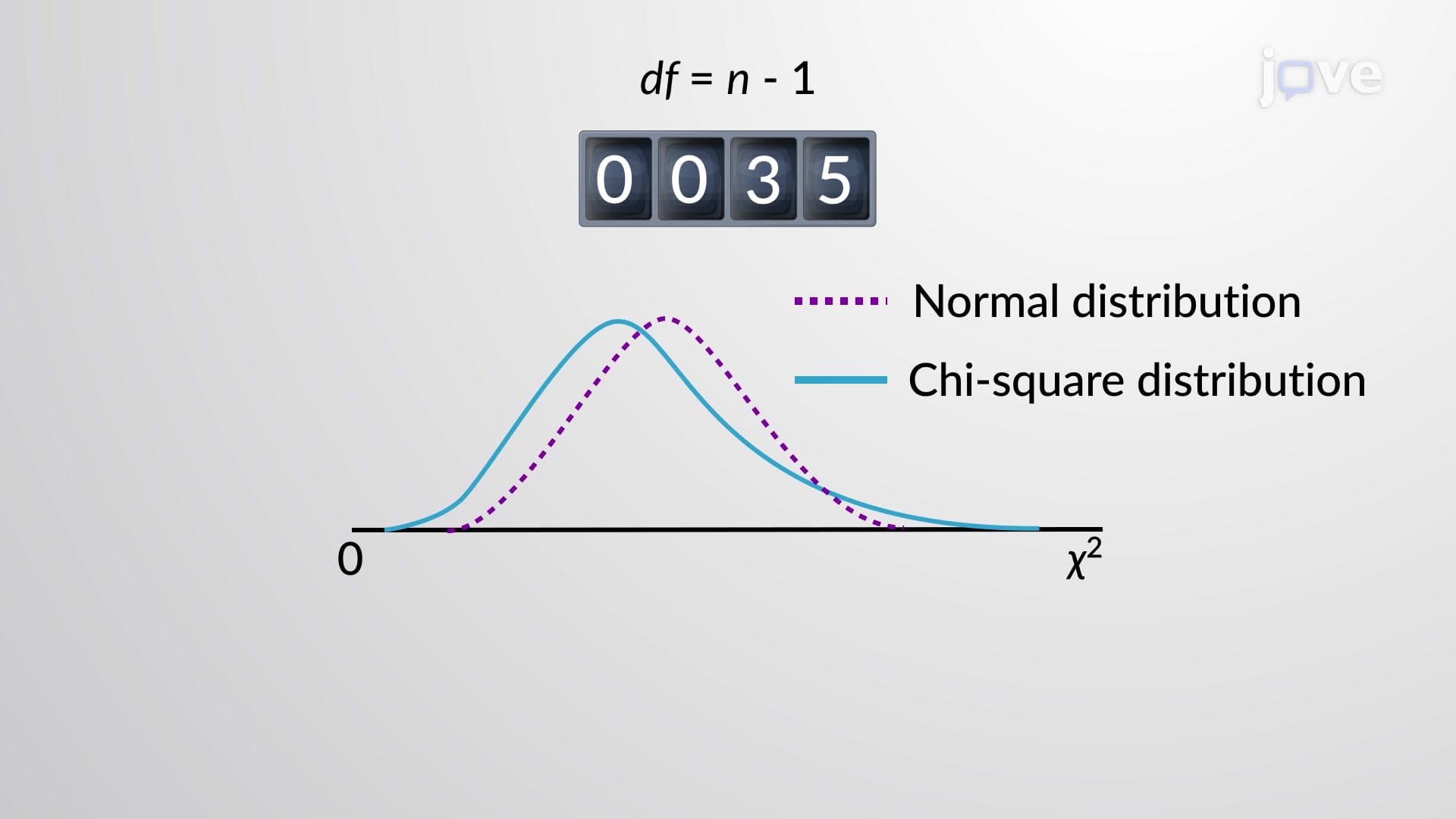
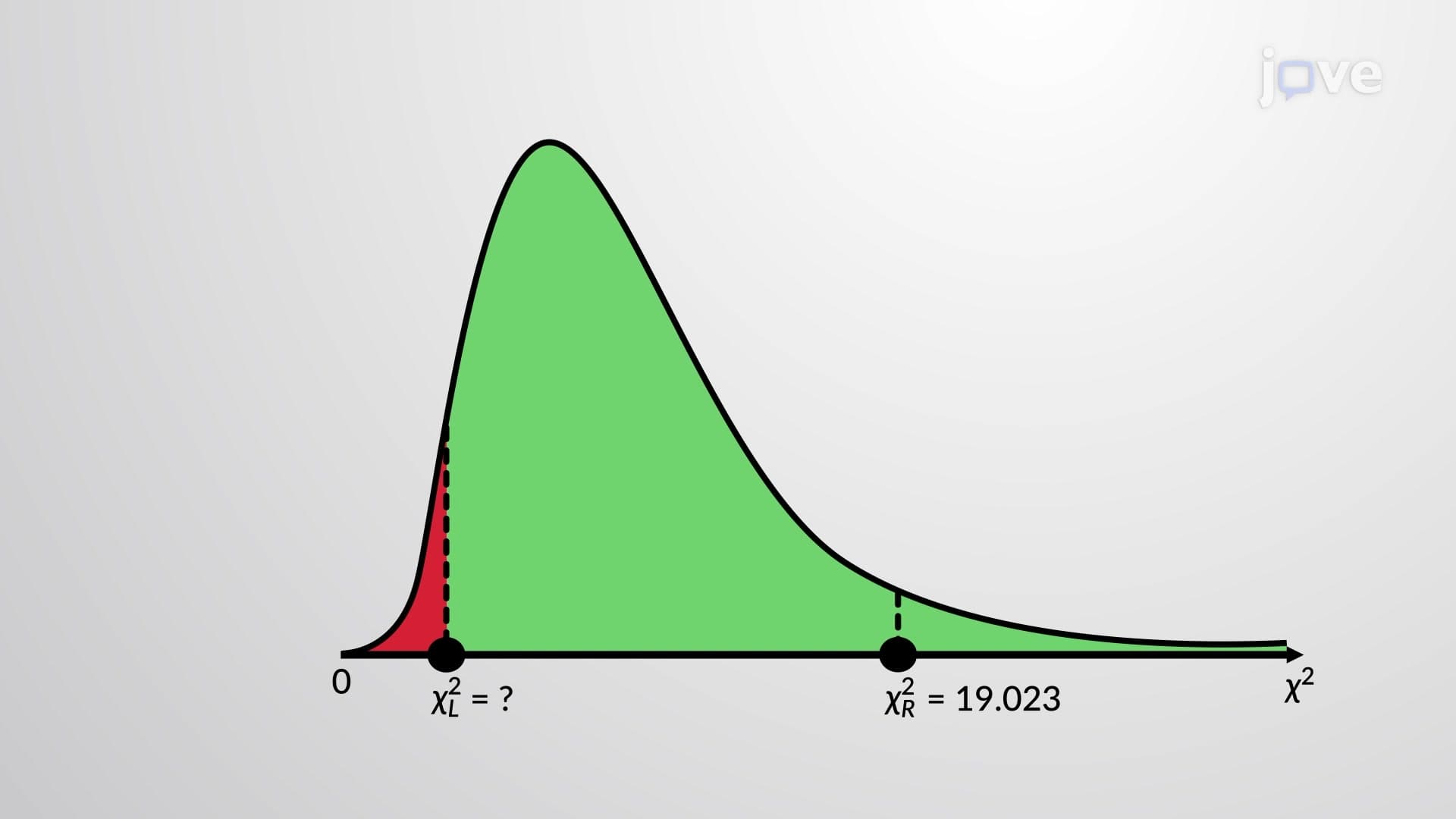
Expected frequencies serve as the foundation for chi-square goodness-of-fit tests, commonly featured in AP Statistics exams and college statistics courses. By comparing expected versus observed frequencies using the chi-square formula, researchers determine whether observed differences are statistically significant or simply due to random variation. Large discrepancies result in high chi-square values and low P-values, leading to rejection of the null hypothesis. This process helps quality control managers at companies like General Mills ensure consistent product distribution, enables pollsters to validate survey methodologies, and allows researchers to test theoretical models against real-world data.
Frequently Asked Questions
Expected frequencies are the theoretical values you predict for each category in a distribution, assuming your null hypothesis is true. They serve as benchmarks for comparison with observed data in goodness-of-fit tests. For example, if testing whether a coin is fair through 100 flips, you'd expect 50 heads and 50 tails.
Expected frequencies are calculated theoretical values based on probabilities or assumptions, while observed frequencies are actual counts from your data collection. The comparison between these two types reveals whether your observations match theoretical expectations or suggest significant differences.
Yes, expected frequencies are fundamental to chi-square tests, which are heavily tested on AP Statistics exams. You'll likely encounter problems requiring you to calculate expected frequencies for goodness-of-fit tests and interpret the results. Practice with real-world scenarios like quality control and survey analysis.
Use equal expected frequencies when all categories have the same probability (like fair dice or coins). Use unequal expected frequencies when categories have different probabilities based on prior knowledge, such as demographic distributions or genetic inheritance patterns.
Netflix uses expected frequencies to analyze viewing patterns. If they expect 30% action, 25% comedy, 20% drama, 15% documentary, and 10% other genres based on subscriber preferences, they can compare these expectations to actual viewing data to optimize content recommendations and acquisition strategies.
No, expected frequencies only require basic arithmetic and percentage calculations. If you can multiply, divide, and work with proportions, you can master this concept. The key is understanding the logic behind comparing theoretical expectations with real observations.
Practice with diverse scenarios: fair games (equal frequencies) and real-world applications (unequal frequencies). Focus on identifying when to use each type, calculating values correctly, and interpreting chi-square test results. Create your own examples using familiar situations like sports statistics or social media engagement.
Progress to chi-square test of independence, which compares expected and observed frequencies across multiple variables simultaneously. This builds naturally from goodness-of-fit tests and appears frequently in advanced statistics courses and standardized exams.
Related Micro-courses
Related Subjects
 Physics 33 micro-courses›
 Math Fundamentals 11 micro-courses›