- Statistics
- Control Charts
Micro-courses:17

Control Charts
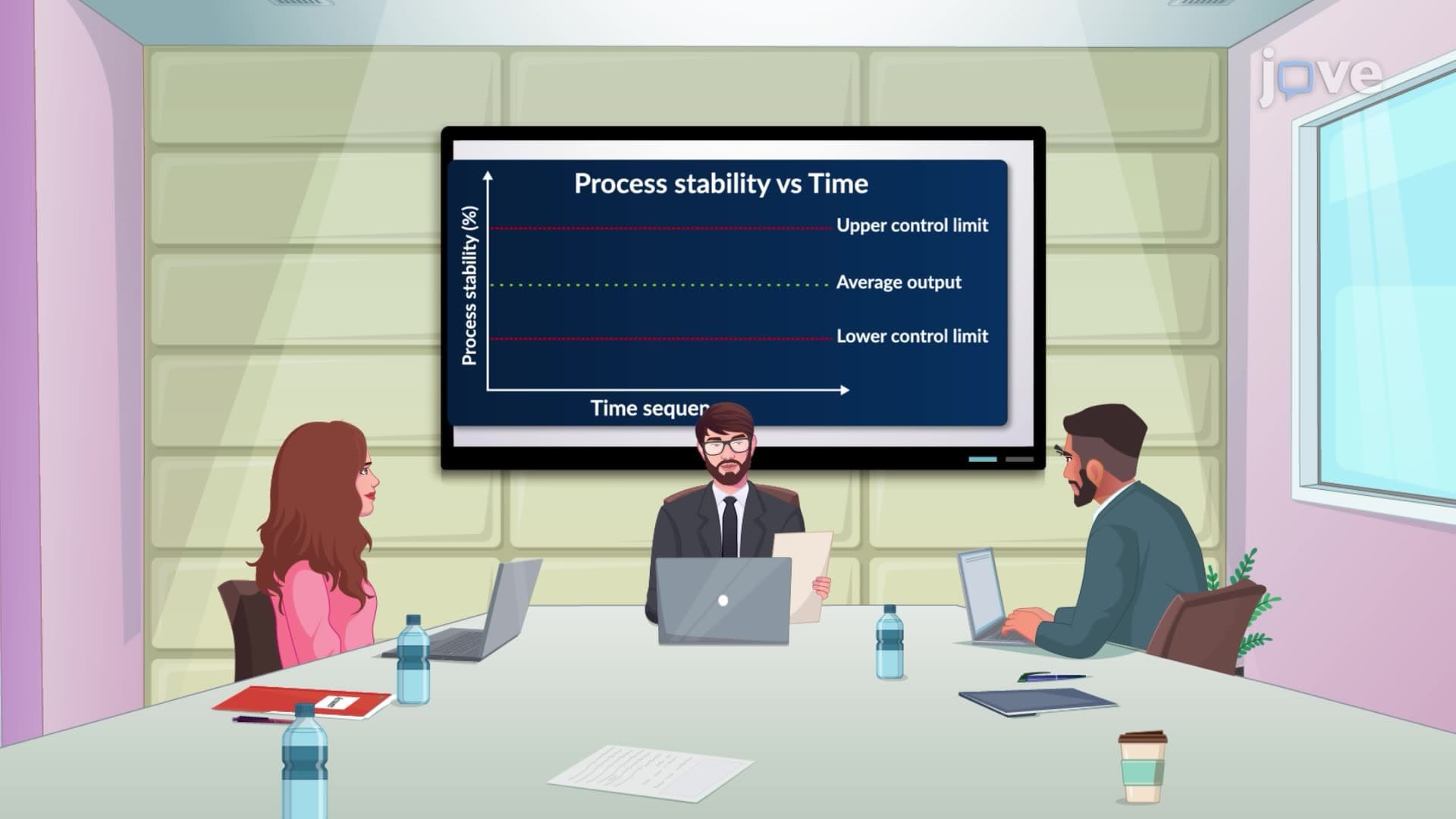
1. Introduction to Statistical Process Control
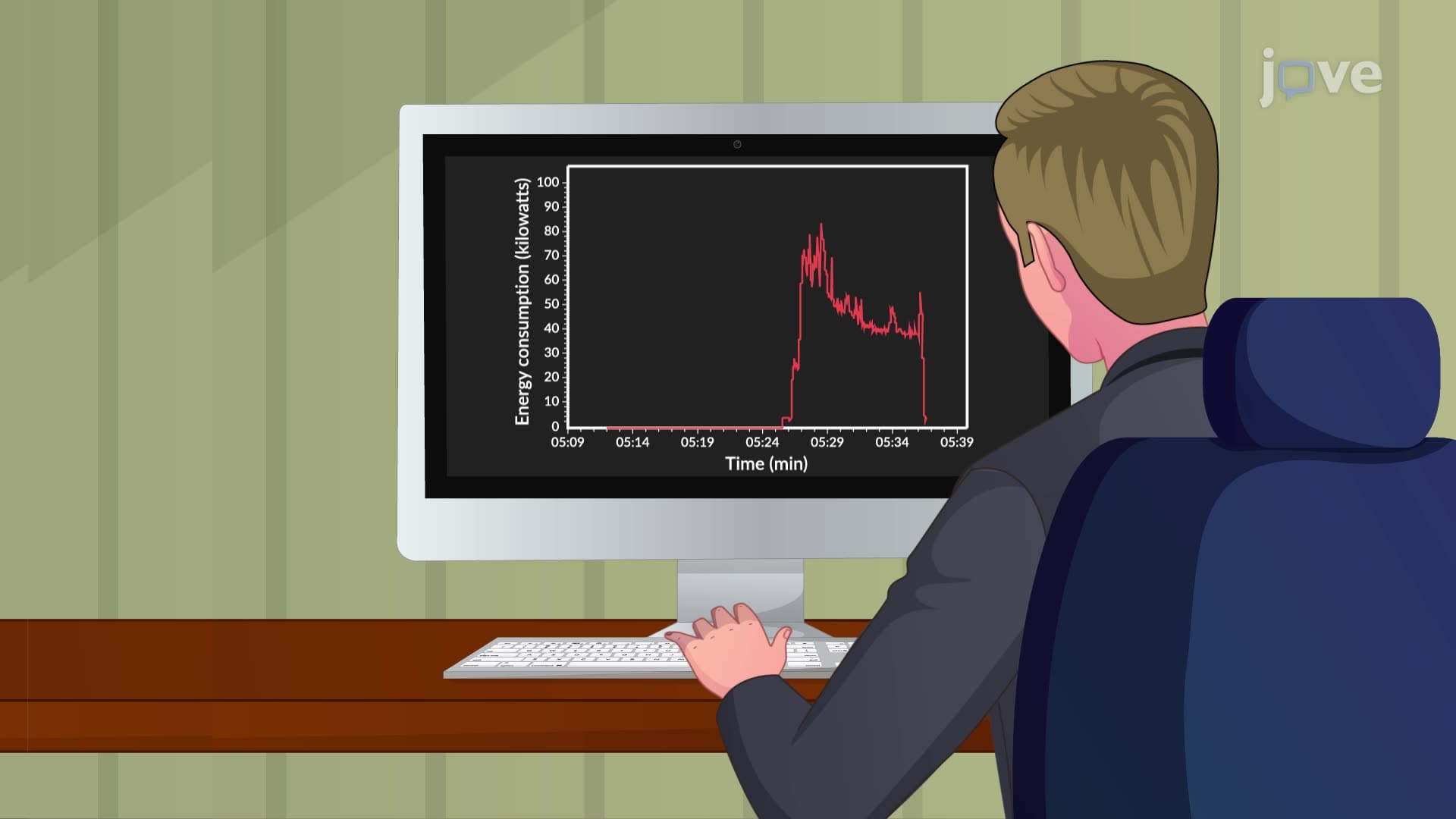
2. Run Charts
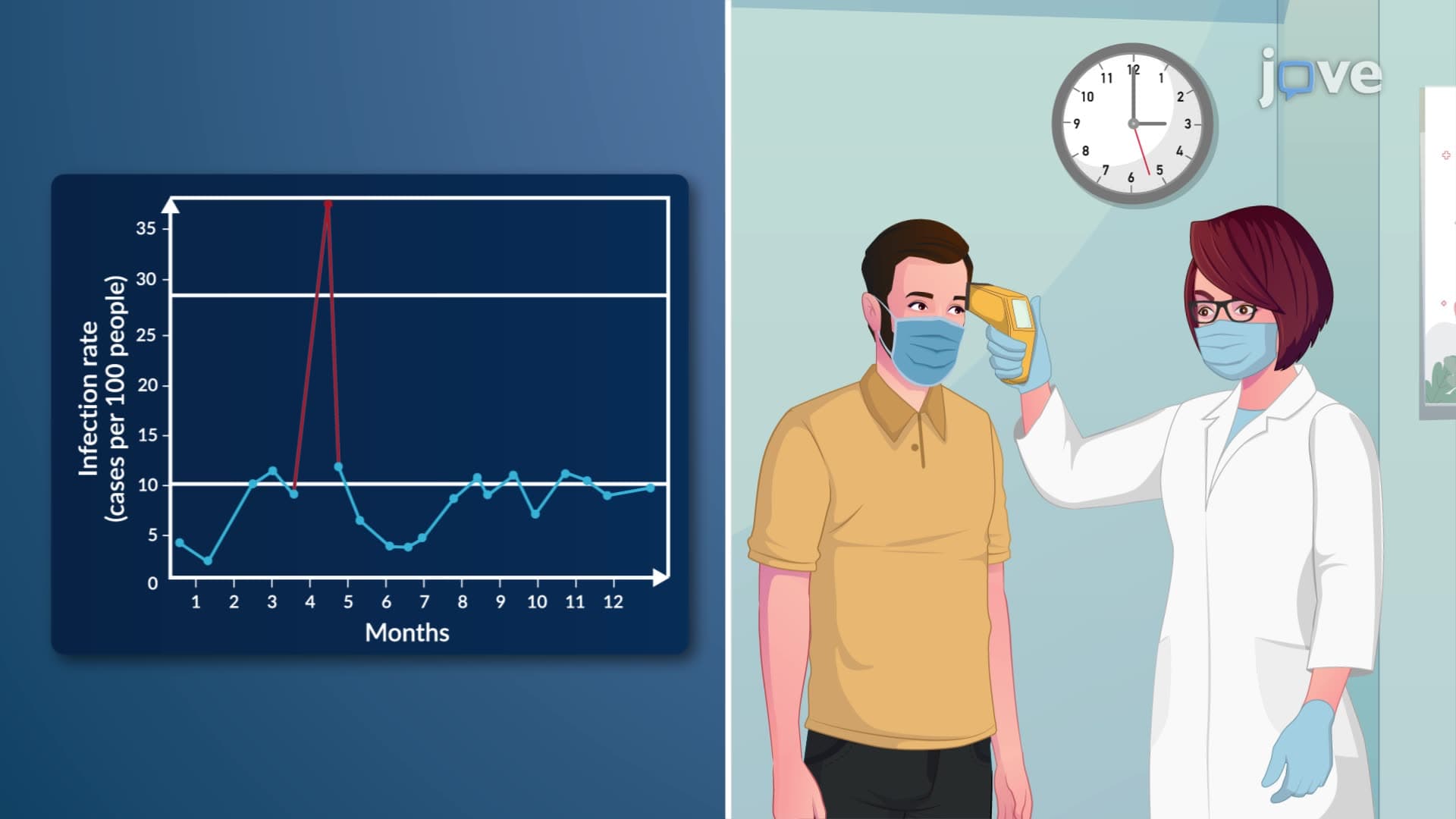
3. Interpreting Run Charts
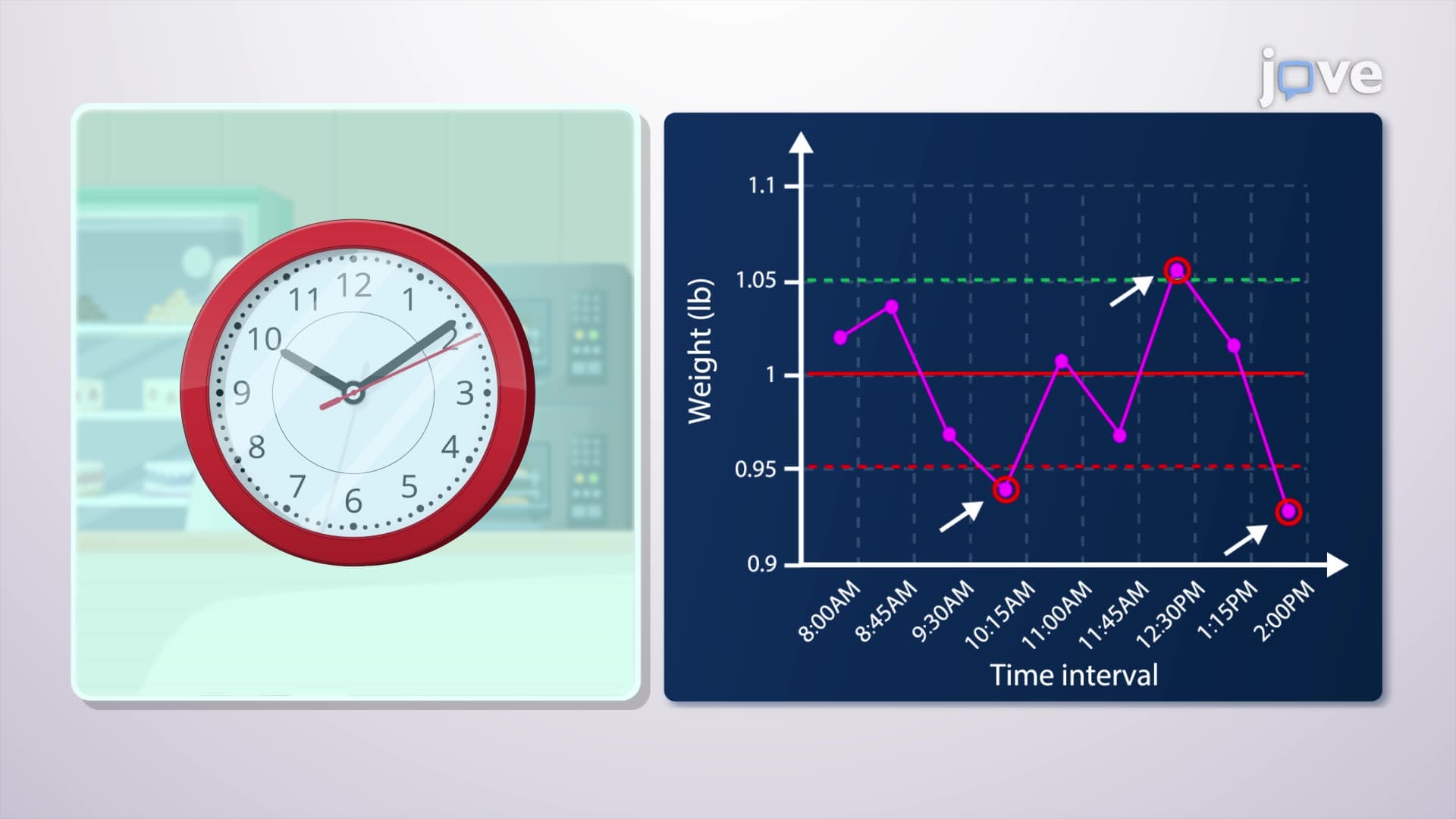
4. The R Chart
5. Interpreting R Charts
6. The X̄ Chart
7. Interpreting X̄ Charts
Control charts are fundamental tools in statistical process control that help organizations monitor and improve quality by tracking process variations over time. These powerful visualization tools, including X-bar and R charts, enable businesses across manufacturing, healthcare, and service industries to distinguish between normal process fluctuations and significant deviations that require intervention. JoVE Coach provides comprehensive coverage of control chart methodology and interpretation for quality management applications.
- Understand the principles of statistical process control and its applications across various industries
- Identify different types of control charts and their specific uses in quality monitoring
- Learn to create and interpret run charts for tracking data trends over time
- Explore R chart construction and analysis for monitoring process variability
- Analyze X-bar charts to assess process mean consistency and stability
- Apply control limit calculations using standard control chart constants
- Understand when processes are in statistical control versus when intervention is needed
- Evaluate real-world scenarios using control chart interpretation techniques
1. Statistical Process Control Fundamentals Statistical process control applies statistical methods to monitor and control processes across industries like healthcare, manufacturing, and laboratories. In U.S. hospitals, SPC helps track infection rates and surgical outcomes, while manufacturing facilities use it to reduce defects and waste. The methodology distinguishes between common cause variation (natural process fluctuation) and special cause variation (significant deviations requiring action). This data-driven approach enables organizations to make informed decisions about process improvements rather than reacting to every minor fluctuation.
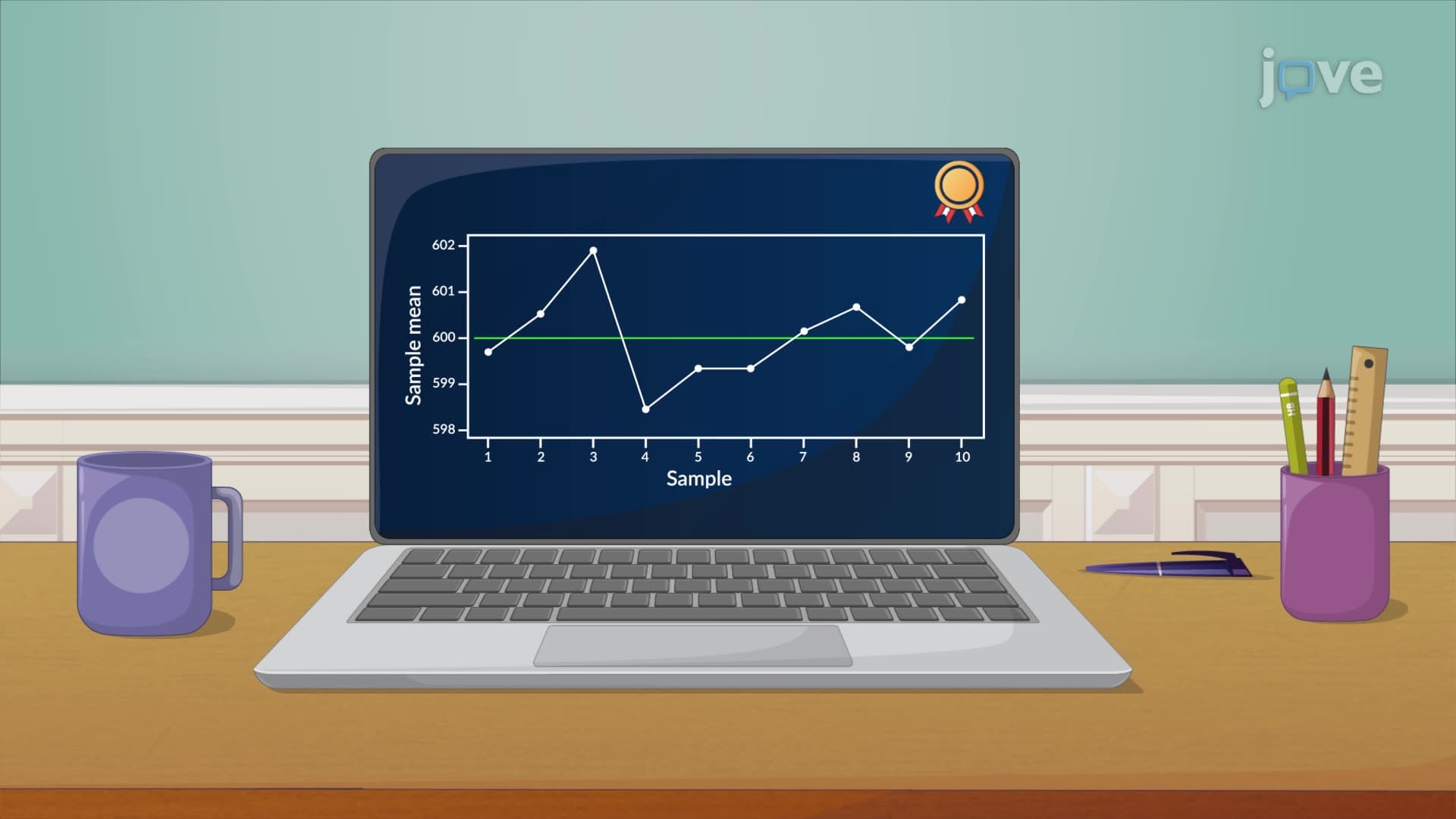
2. Run Charts and Process Stability Assessment Run charts display sequential data points over time as line graphs, revealing trends and patterns in process performance. For example, a medical laboratory might track daily turnaround times for blood tests, or an energy company might monitor power consumption patterns. Stable processes show random scatter around a median line without identifiable patterns. Concerning patterns include consistent upward or downward trends, cyclical variations, or sudden shifts that indicate process instability requiring investigation and potential corrective action.
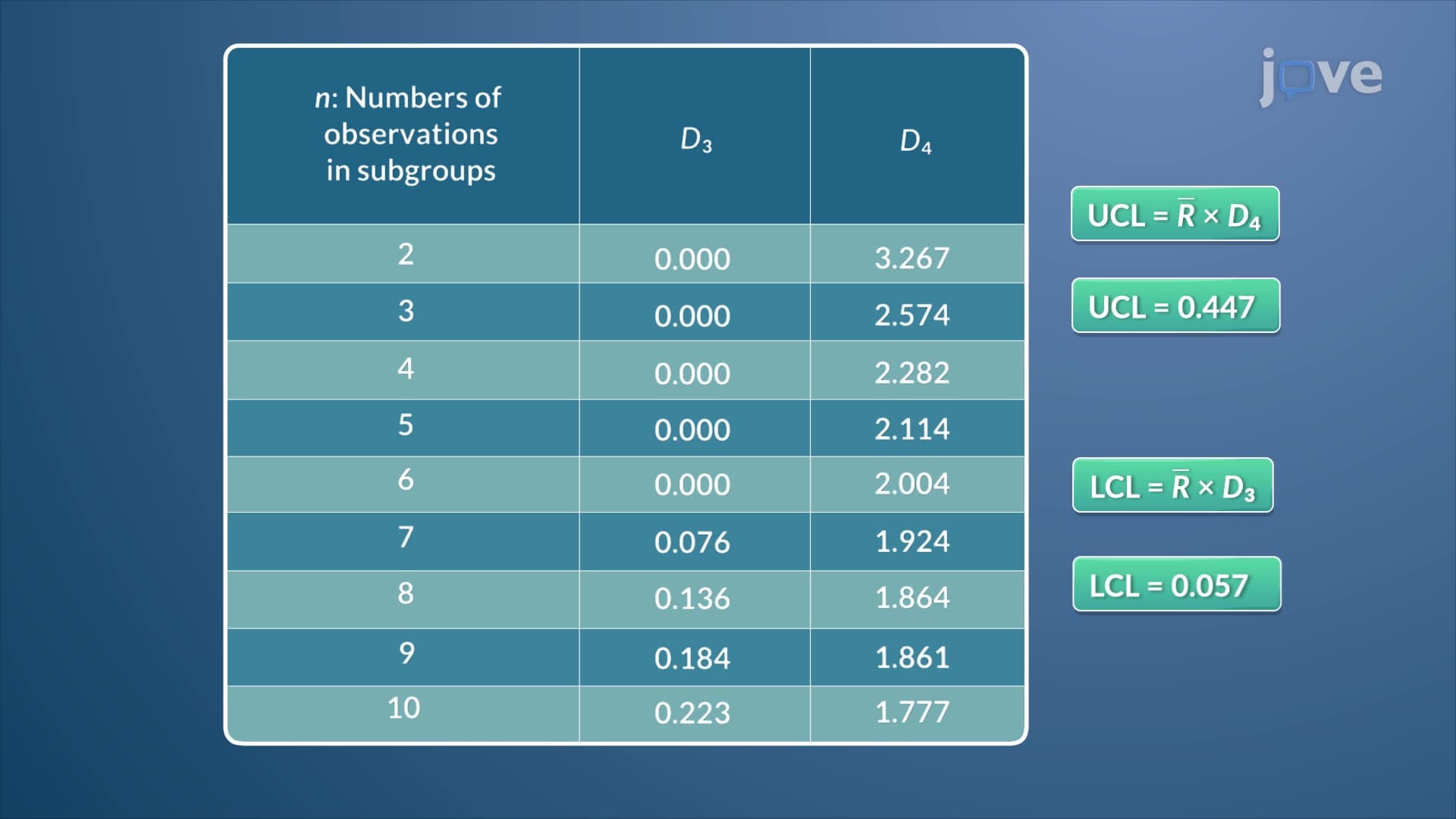
3. R Charts for Variability Monitoring R charts (Range charts) monitor the variability within process subgroups by tracking the range of measurements in each sample. In a bakery producing sandwich bread, an R chart would track the weight variation within each batch of loaves. The chart includes a centerline representing the average range and upper/lower control limits calculated using control chart constants (D3 and D4 values). Points outside these limits indicate excessive variability in the process, signaling potential equipment problems or inconsistent raw materials that need immediate attention.
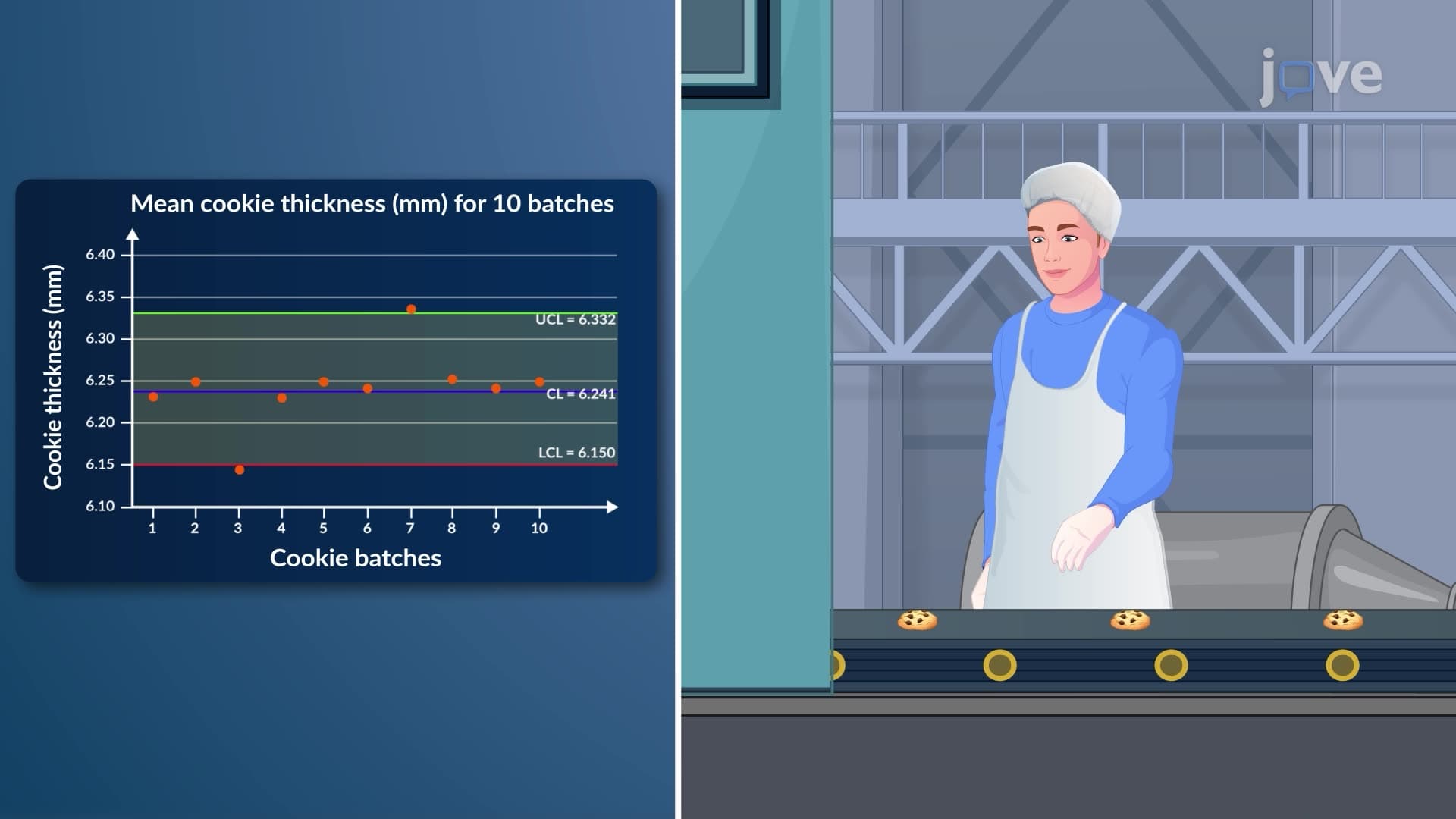
4. X-bar Charts for Mean Process Control X-bar charts monitor the consistency of process averages rather than individual measurements, making them ideal for tracking process centering. A pharmaceutical company might use X-bar charts to monitor average pill weights across production batches. The centerline represents the grand average of all sample means, while control limits are calculated using the A2 constant from standard tables. This chart type helps identify when a process mean shifts away from target, even if individual measurements remain within specification limits.
5. Control Limit Calculations and Chart Interpretation Control limits establish statistical boundaries for normal process variation, typically set at three standard deviations from the centerline. For R charts, limits are calculated by multiplying the average range by D3 and D4 constants, while X-bar charts use the A2 constant. Points outside control limits indicate statistical instability requiring investigation. Patterns within limits, such as seven consecutive points on one side of the centerline or systematic trends, also signal potential process issues that warrant attention before they result in quality problems.
Frequently Asked Questions
Control charts include statistically calculated control limits that distinguish between normal process variation and unusual occurrences requiring action. Regular graphs simply display data without these statistical boundaries, making it harder to determine when intervention is needed versus when variation is just natural process fluctuation.
AP Statistics exams typically include control chart interpretation questions focusing on identifying out-of-control conditions, calculating control limits, and distinguishing between common and special cause variation. Students must understand when processes require intervention based on control chart patterns and statistical rules.
Use X-bar and R charts together for continuous data measured in subgroups (like manufacturing dimensions). Run charts work well for individual measurements over time (like daily sales figures). The choice depends on your data type, sample size, and what aspect of the process you want to monitor - central tendency, variability, or both.
Control limits reflect what the process is actually doing statistically, while specification limits represent what customers require. A process can be statistically in control but still produce items outside specifications, or vice versa. Control charts help achieve process stability first, then capability can be improved to meet customer requirements.
Focus on understanding their purpose rather than memorizing values - A2 is for X-bar chart limits, D3 and D4 are for R chart limits. These constants are always provided in tables during exams. Practice identifying which constant applies to which chart type and sample size rather than memorizing numerical values.
Quality engineers in manufacturing, healthcare quality coordinators, laboratory technicians, process improvement specialists in service industries, and operations managers across various sectors use control charts daily. Six Sigma professionals and lean manufacturing specialists rely heavily on SPC methods for continuous improvement initiatives.
Students often struggle with interpreting patterns and knowing when to take action versus accepting normal variation. The key is understanding that control charts detect statistical signals, not just visual differences. Practice with various scenarios and focus on the statistical rules rather than just eyeballing the charts.
This microcourse includes 7 concept videos that walk you through the building blocks of Statistics. Each video is short, about 1 minute, so you can cover a full topic during a coffee break or between classes. The full sequence starts with Introduction to Statistical Process Control and ends with Interpreting X̄ Charts.
The playlist moves from big-picture ideas to the precise vocabulary used in Statistics. Early videos introduce Introduction to Statistical Process Control, Run Charts, and Interpreting Run Charts. The middle of the series focuses on Interpreting R Charts, The X̄ Chart, and Interpreting X̄ Charts. The final stretch covers Interpreting X̄ Charts.
Related Subjects
 Physics 33 micro-courses›
 Math Fundamentals 11 micro-courses›