Loading…
Loading video…

4,292 views
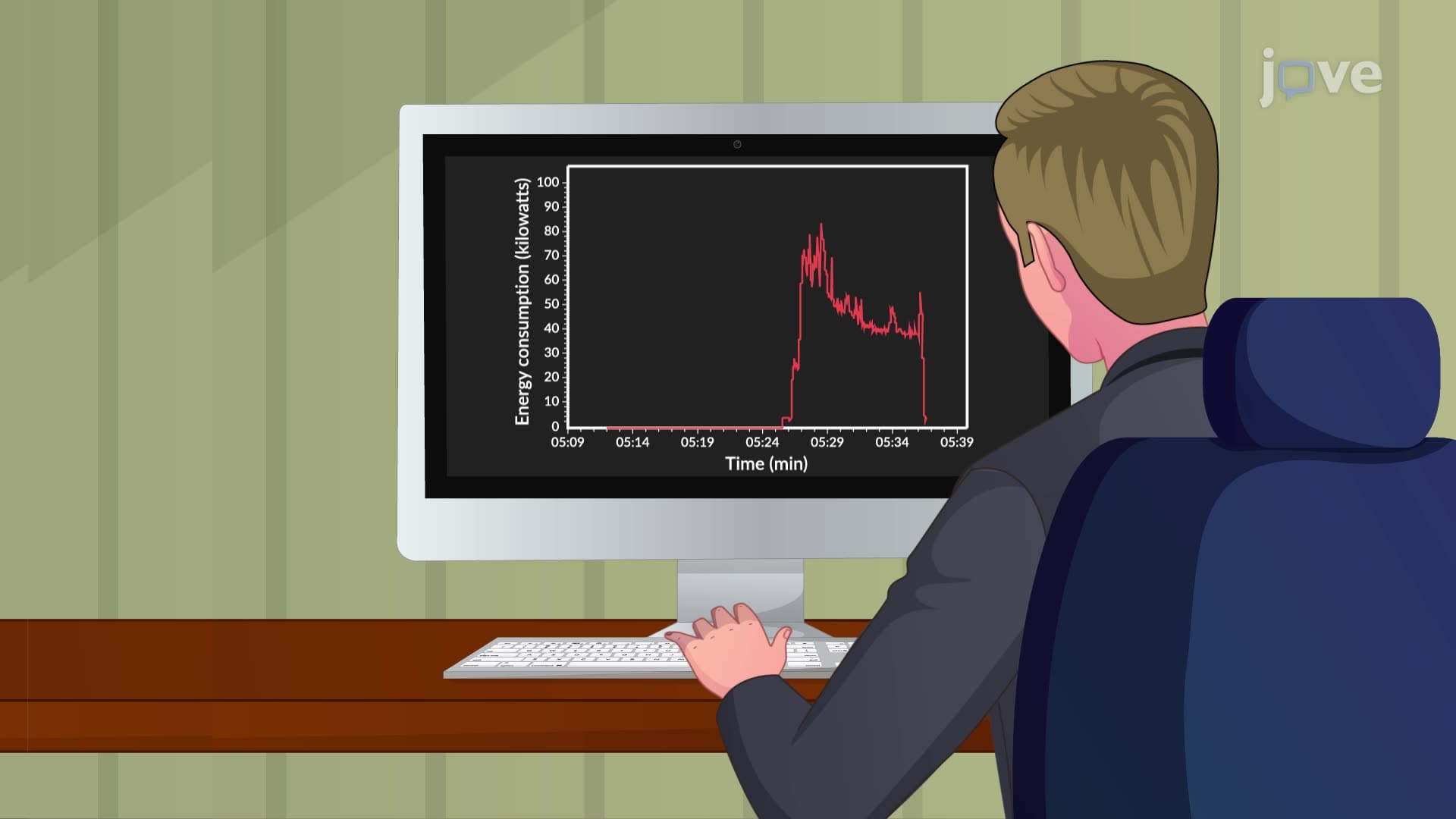
Did you know that Netflix uses run charts to track server performance and prevent those frustrating buffering moments during your favorite shows? Run charts are powerful line graphs that plot sequential data points over time, revealing crucial trends and patterns. For example, the U.S. Energy Information Administration uses run charts to monitor electricity consumption patterns across American households, helping identify peak usage hours and seasonal variations. Watch the full video on JoVE Coach to master this concept with expert-led visuals and step-by-step explanations.
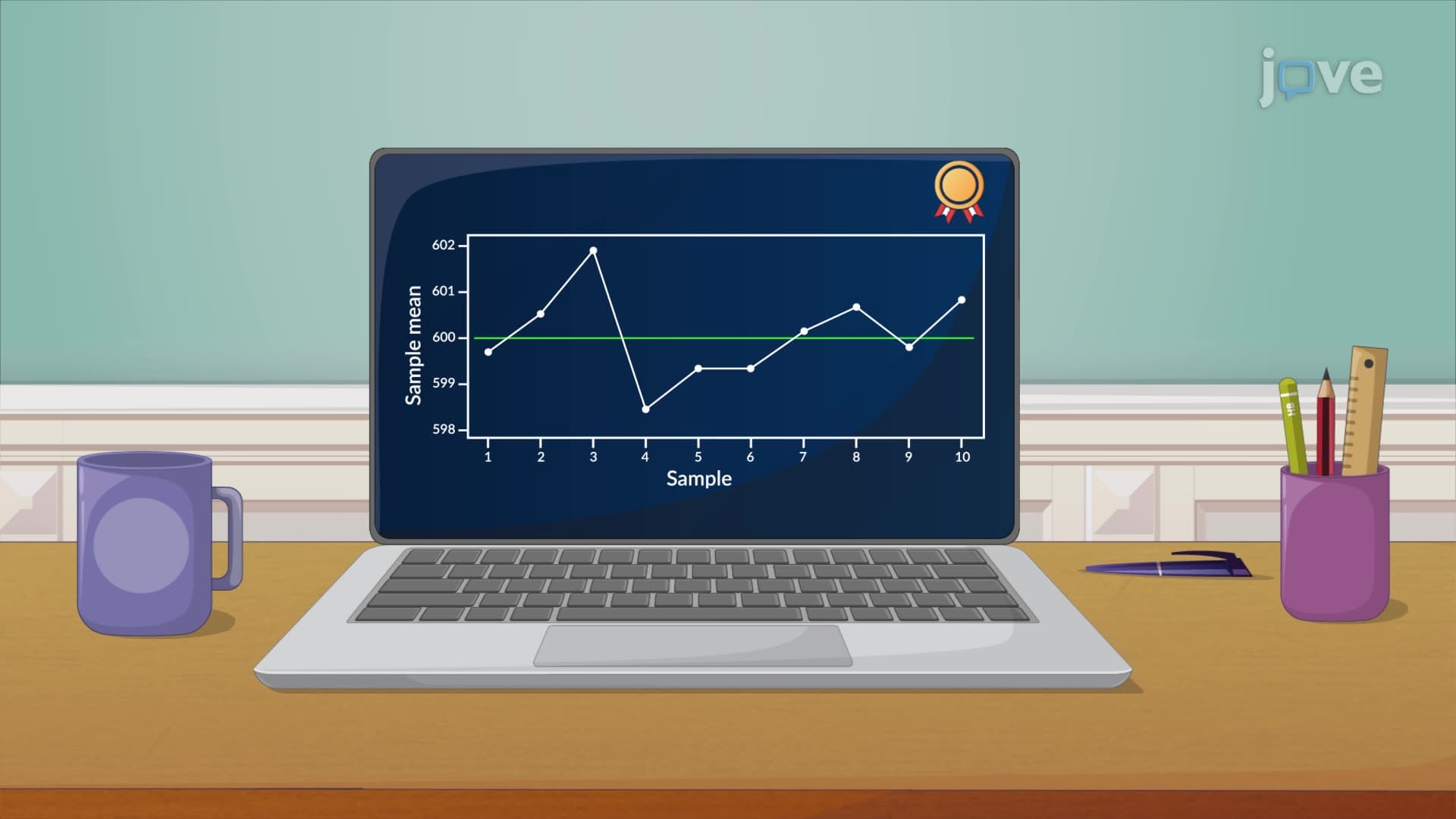
What is run charts in their most essential form? Run charts represent one of the most accessible yet powerful tools in statistical process control, designed specifically to track changes in data over time. Unlike static bar charts or pie charts, run charts capture the dynamic nature of processes by plotting individual data points in chronological sequence, connected by lines that reveal patterns invisible in other visualization methods.
The fundamental structure consists of two axes: the horizontal axis represents time intervals (minutes, hours, days, or any sequential measurement period), while the vertical axis displays the measured variable of interest. This simple yet effective design makes run charts invaluable for students preparing for AP Statistics exams, where understanding time-series analysis forms a crucial component of the curriculum.
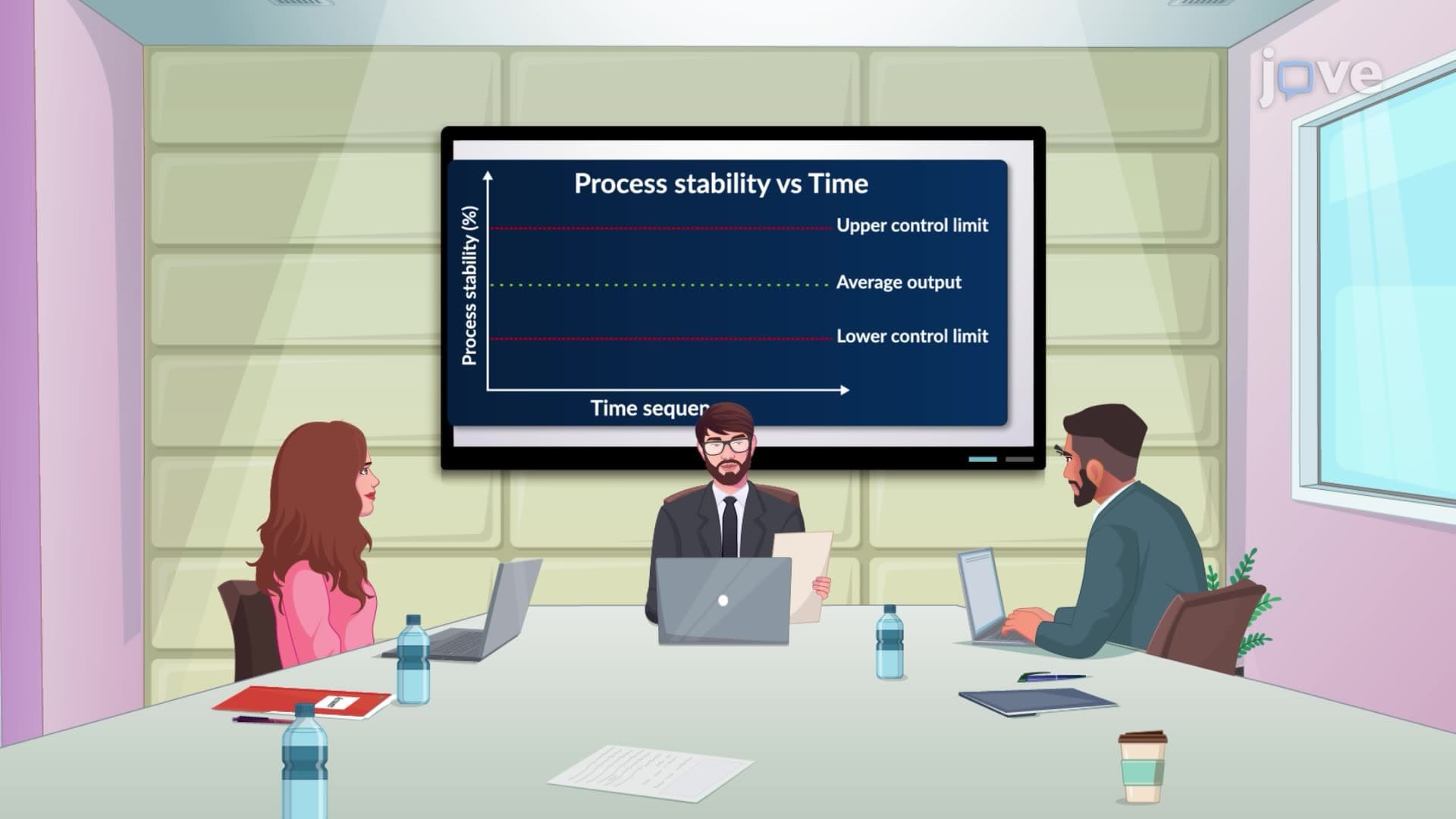
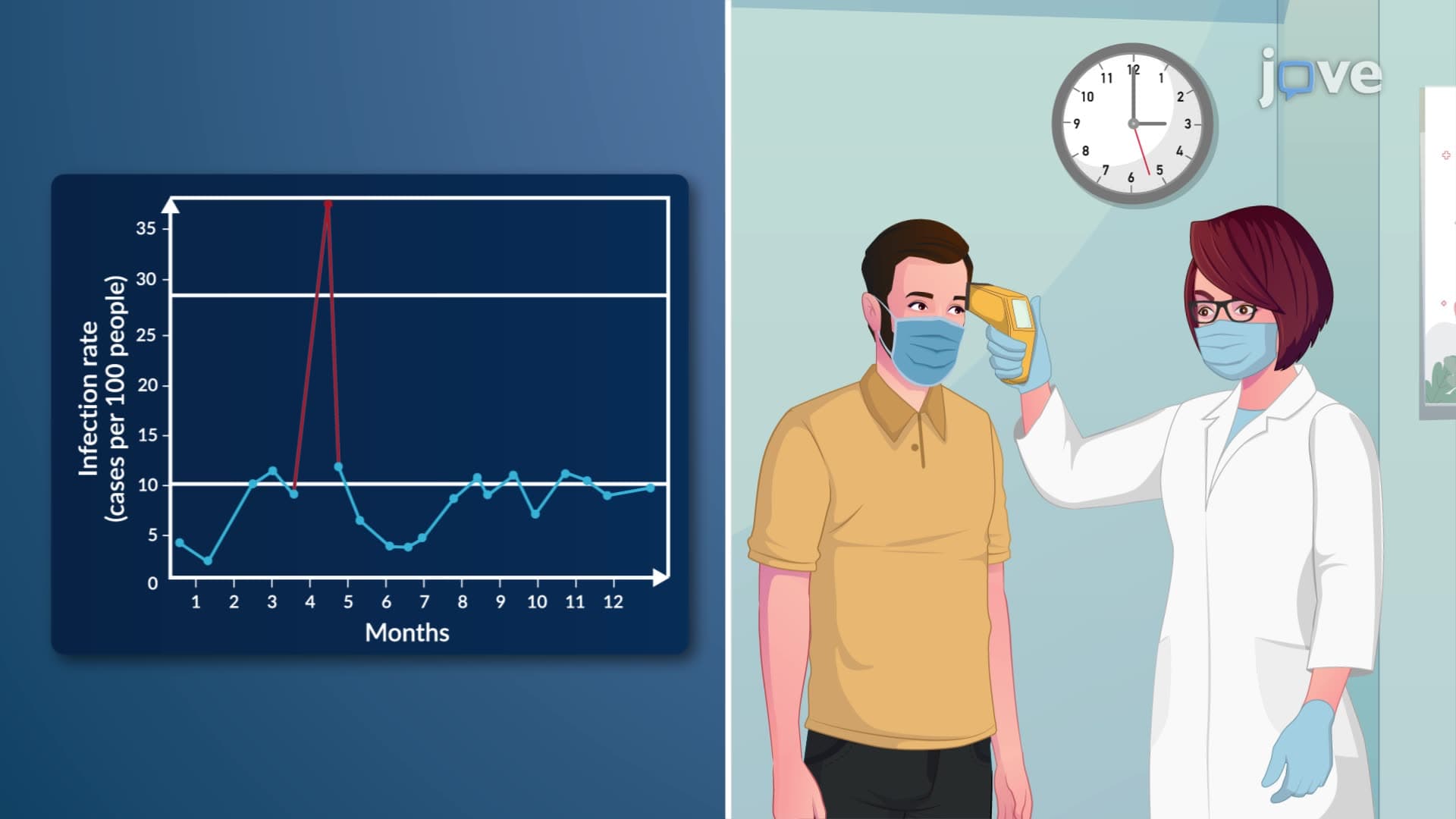
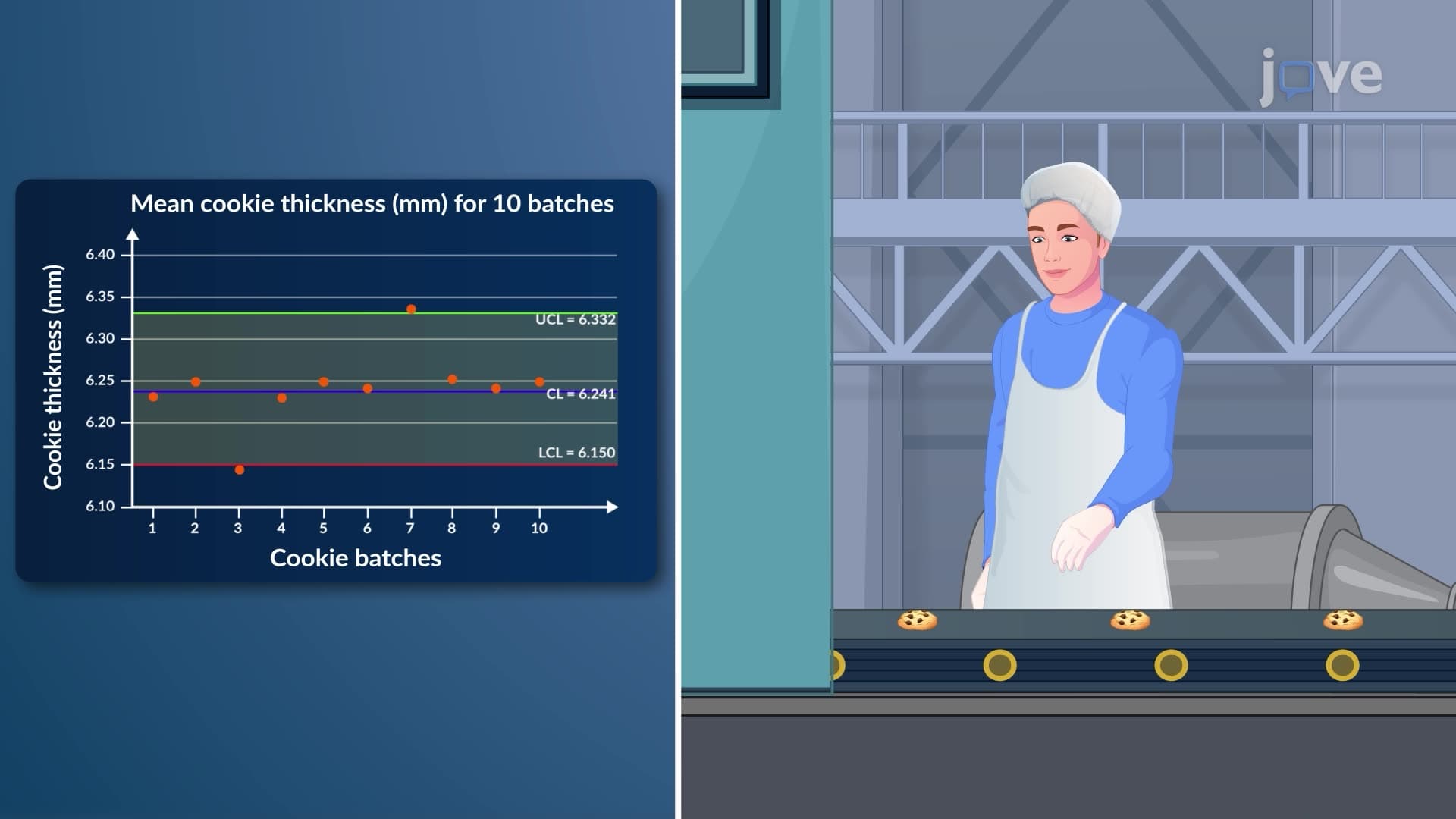
In statistical terms, a process demonstrates stability when data points scatter around a central line without discernible patterns, indicating natural variation inherent to the system. The Centers for Disease Control and Prevention (CDC) extensively uses run charts to monitor disease outbreak patterns across American communities, helping epidemiologists distinguish between normal seasonal fluctuations and concerning epidemic trends.
For college students studying operations management or quality control, understanding process stability becomes critical. When run charts reveal steady ascending or descending trends, they signal process instability requiring immediate investigation. Manufacturing companies like General Motors employ run charts on their assembly lines to monitor defect rates, ensuring consistent vehicle quality standards.
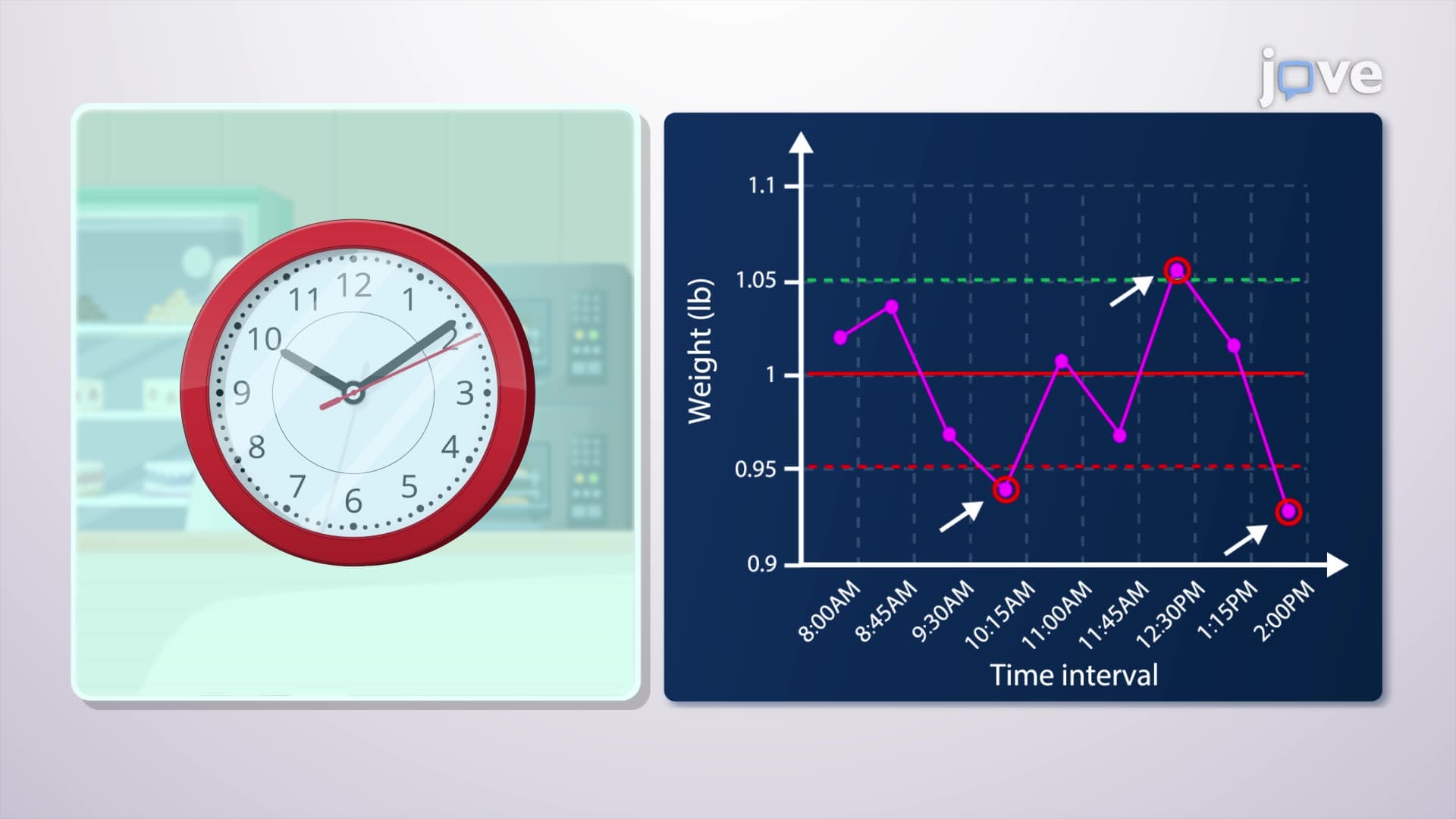
Run chart interpretation requires recognizing specific patterns that indicate different types of process behavior. Cyclical patterns might suggest equipment maintenance schedules or seasonal influences, while sudden shifts could indicate equipment malfunctions or procedural changes. The Federal Aviation Administration (FAA) uses run charts to track flight delays at major airports like Chicago O'Hare and Los Angeles International, identifying patterns that help improve air traffic management.
Students preparing for MCAT examinations encounter run charts in research methodology sections, where understanding how to interpret clinical trial data over time becomes essential. Medical researchers use run charts to track patient recovery rates, medication effectiveness, and adverse event frequencies during drug trials conducted at institutions like Johns Hopkins University and Mayo Clinic.
Run charts appear frequently in college-level statistics courses, particularly in chapters covering quality improvement and process monitoring. Students studying business administration learn to create run charts for sales performance tracking, customer satisfaction scores, and operational efficiency metrics. These skills prove invaluable during internships at companies like Amazon, where continuous process improvement drives competitive advantage.
For high school students taking Advanced Placement courses, run charts provide excellent preparation for understanding more complex statistical concepts like control charts and regression analysis, building foundational knowledge that supports success in college-level STEM programs.
Frequently Asked Questions
Run charts are line graphs that display data points in chronological order, specifically designed to show trends and patterns over time. Unlike bar charts or histograms that show data distribution at a single point in time, run charts reveal how processes change sequentially, making them ideal for monitoring performance, quality, or any measurable variable across time periods.
AP Statistics exams typically include run chart interpretation questions in the exploratory data analysis section, worth approximately 10-15% of the total exam score. Students must identify trends, outliers, and patterns while explaining their statistical significance. College midterms often feature run chart construction problems where students plot given data and draw conclusions about process stability.
MCAT psychology and sociology sections include run charts in research methodology contexts, testing interpretation of experimental results over time. Questions focus on distinguishing correlation from causation, identifying confounding variables, and evaluating the validity of conclusions drawn from temporal data patterns in clinical or behavioral research studies.
Absolutely! Run charts require only basic arithmetic and graphing skills typically mastered by 9th grade. The concept builds on familiar line graph construction learned in middle school, making it accessible to students across all math ability levels. Success depends more on pattern recognition and logical thinking than complex calculations.
Practice interpreting real-world examples from different industries like healthcare, manufacturing, or finance. Create your own run charts using personal data (daily screen time, exercise minutes, or study hours) to understand pattern recognition. Focus on distinguishing between natural variation and significant changes that require investigation.
Hospitals track patient satisfaction scores, infection rates, emergency room wait times, and medication error frequencies using run charts. For example, Cleveland Clinic monitors surgical complication rates monthly, while Kaiser Permanente tracks patient readmission rates to identify quality improvement opportunities and meet federal healthcare standards.
Run charts provide foundation knowledge for control charts, regression analysis, and time series forecasting. Students should explore statistical process control, correlation analysis, and ANOVA techniques. These connections appear in advanced placement courses and college statistics programs, building toward business analytics and research methodology applications.
Microsoft Excel remains the most accessible tool for basic run chart creation, while statistics courses often introduce students to R, Minitab, or SPSS for advanced analysis. Google Sheets provides free cloud-based alternatives, and specialized quality control software like JMP is common in engineering and business programs at universities nationwide.
Related Micro-courses


Related Subjects
 Physics 33 micro-courses›
 Math Fundamentals 11 micro-courses›