Loading…
Loading video…

4,292 views
Did you know that a single run chart helped the Mayo Clinic identify a critical infection control issue that saved hundreds of patients? Interpreting run charts is essential for detecting patterns, trends, and unusual variations in data over time. Healthcare facilities across the United States rely on these visual tools to monitor everything from patient satisfaction scores to surgical complication rates. Understanding what is interpreting run charts enables students and professionals to make data-driven decisions in medicine, business, and research. Watch the full video on JoVE Coach to master this concept with expert-led visuals and step-by-step explanations.
Interpreting run charts is a fundamental quality improvement skill that involves analyzing data points plotted over time to identify patterns, trends, and variations. Unlike static charts that show snapshots of data, run charts reveal how processes behave over time, making them invaluable tools for continuous monitoring and improvement. This concept appears frequently in AP Statistics courses, healthcare administration programs, and business analytics curricula across American universities.
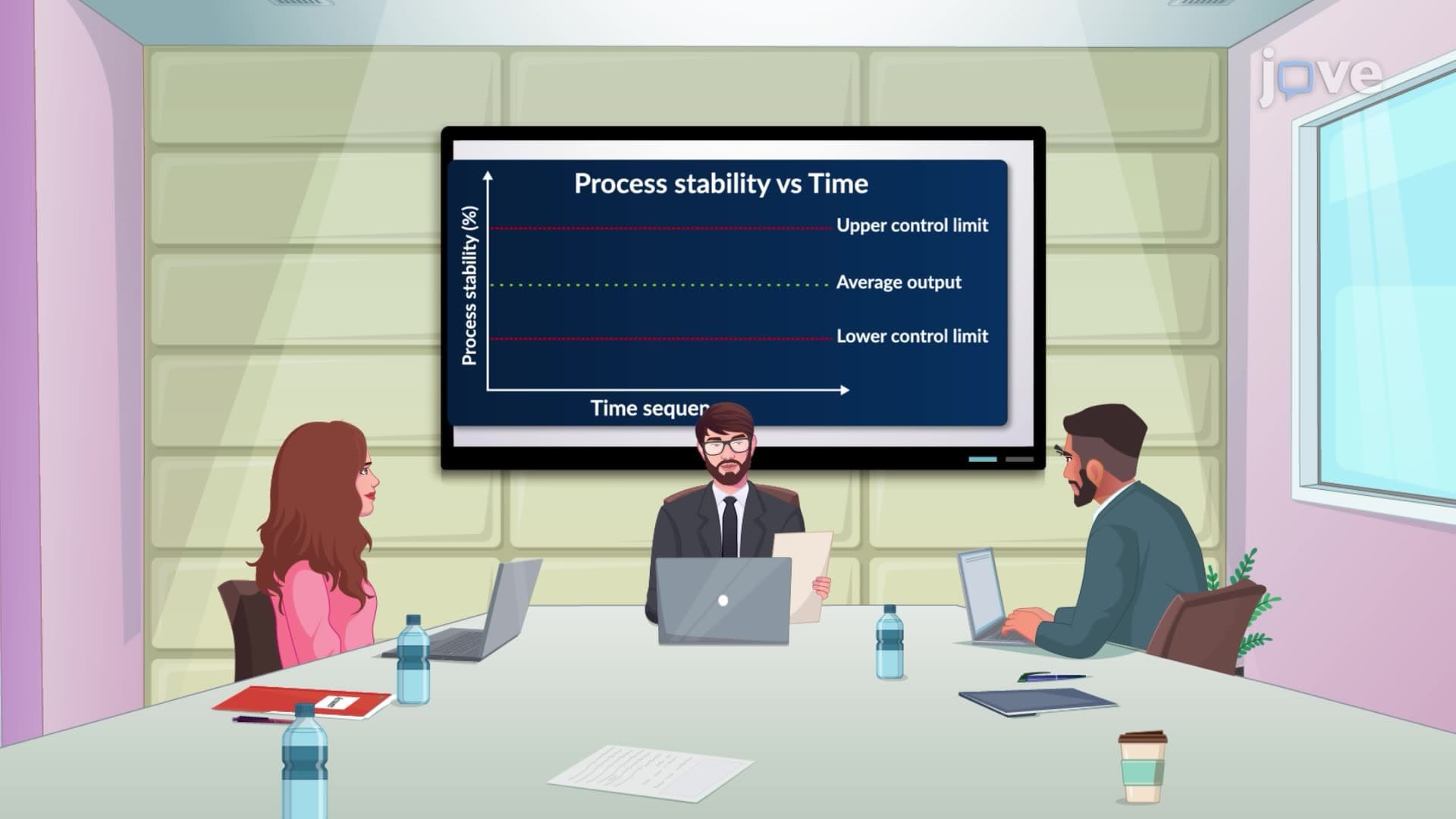
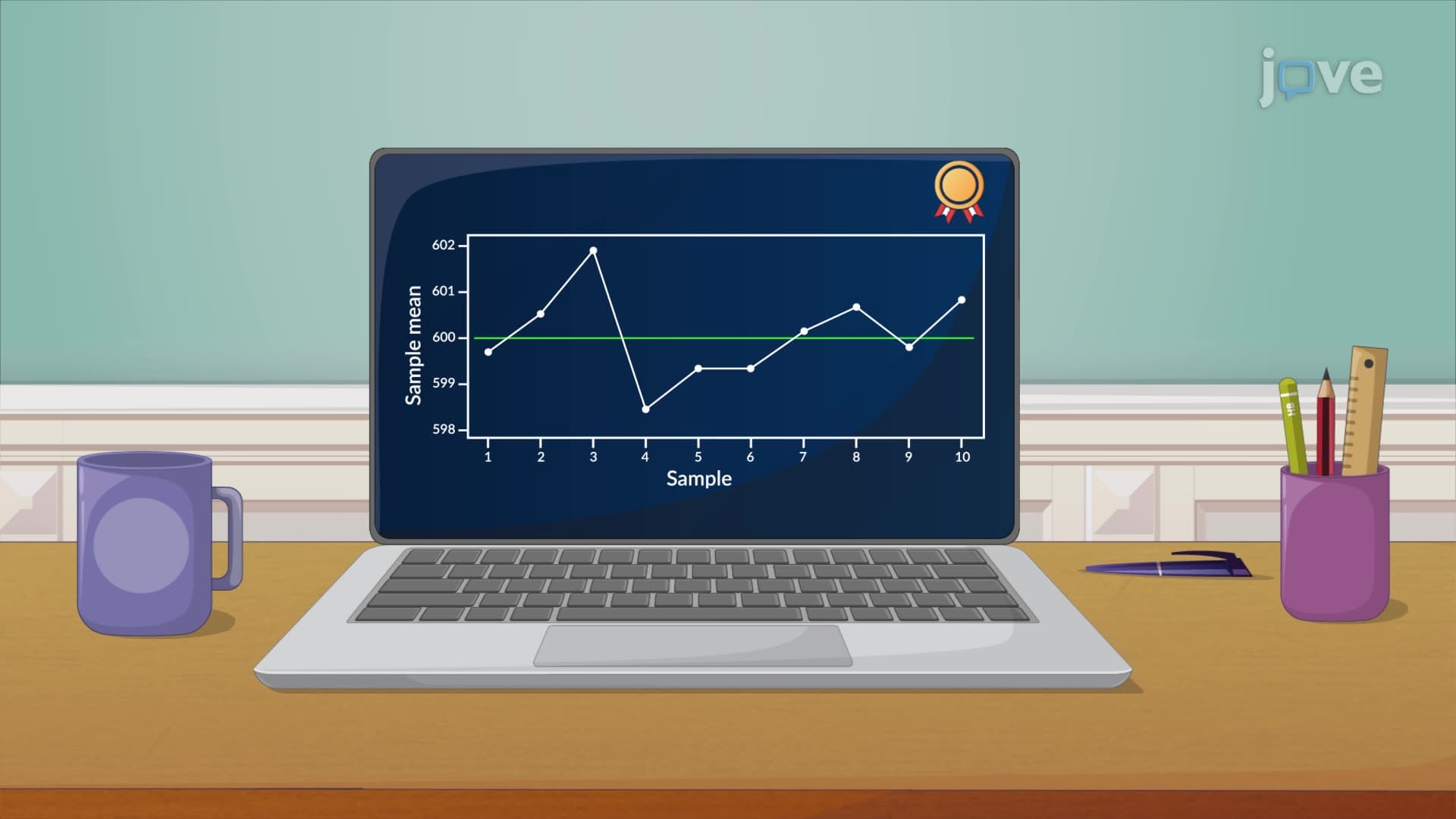
The foundation of run chart interpretation lies in understanding what constitutes normal versus abnormal variation. Random scatter around a median line indicates a stable process under control. For example, when Johns Hopkins Hospital monitors daily patient satisfaction scores, random fluctuations between 85-95% suggest normal variation. However, systematic patterns signal special causes requiring investigation.
Trends represent one of the most critical patterns to identify. An upward trend in hospital readmission rates might indicate declining discharge planning quality, while a downward trend could reflect successful process improvements. The Cleveland Clinic successfully used run charts to identify and address a concerning upward trend in surgical site infections, ultimately reducing rates by 40% through targeted interventions.
Shifts occur when multiple consecutive data points fall consistently above or below the median line. This pattern suggests a fundamental change in the process. For instance, if seven consecutive months show emergency department wait times below the historical median, it likely indicates successful workflow improvements rather than random chance.
Cyclical patterns reveal predictable variations tied to external factors. Emergency departments across the United States consistently see increased patient volumes during flu season (October through March), creating recognizable cyclical patterns in run charts. Understanding these cycles helps administrators prepare staffing and resource allocation accordingly.
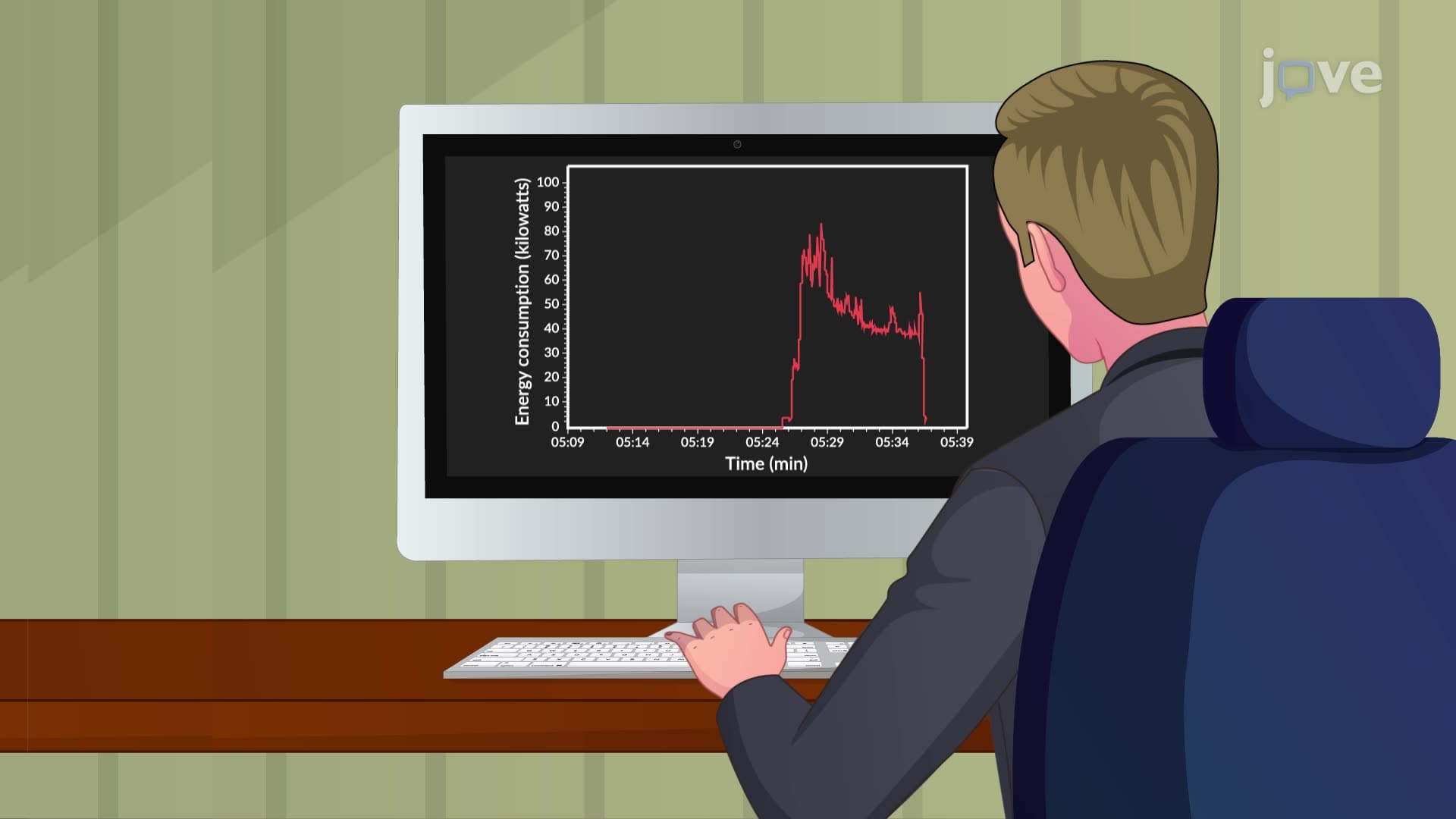
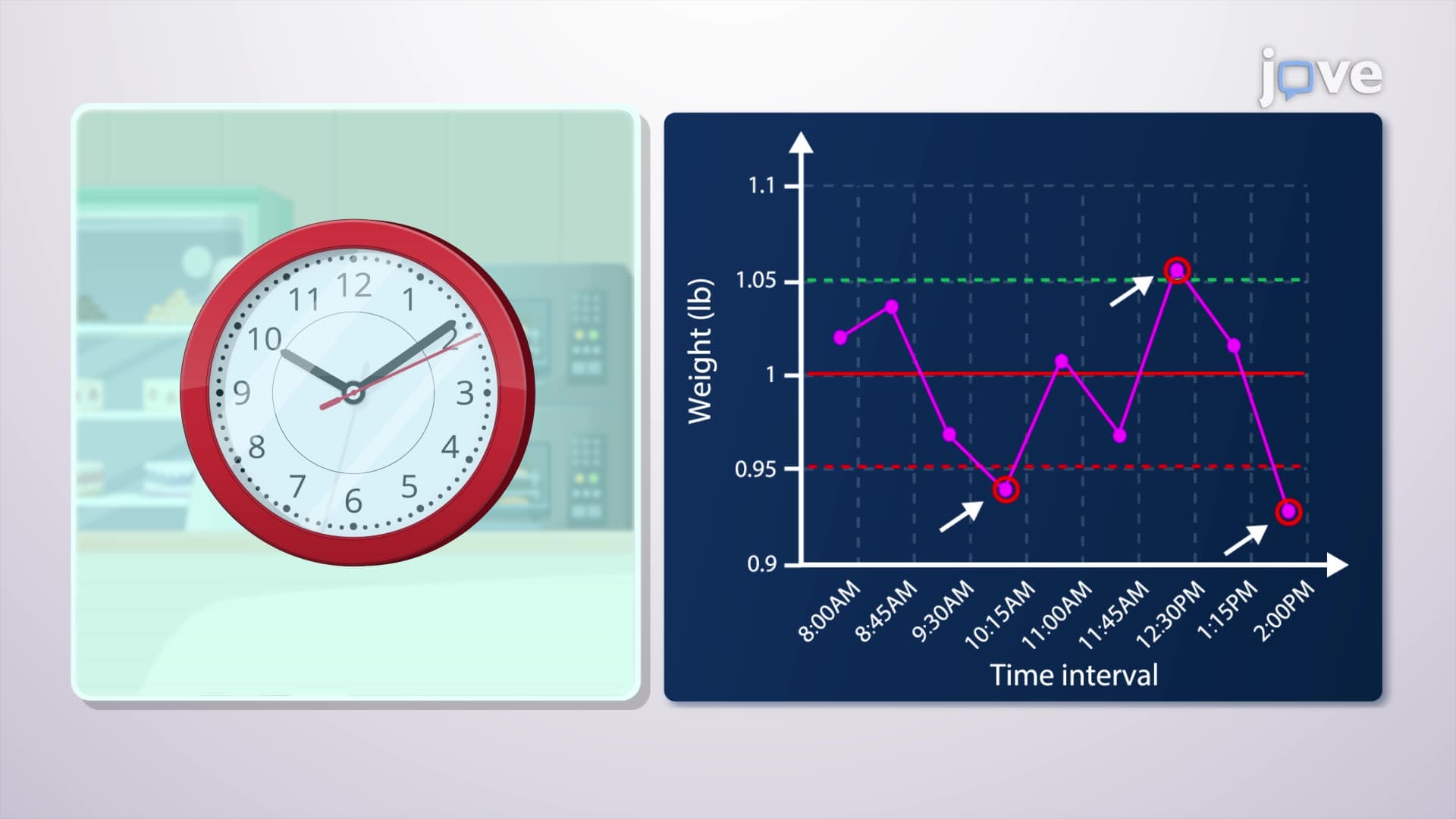
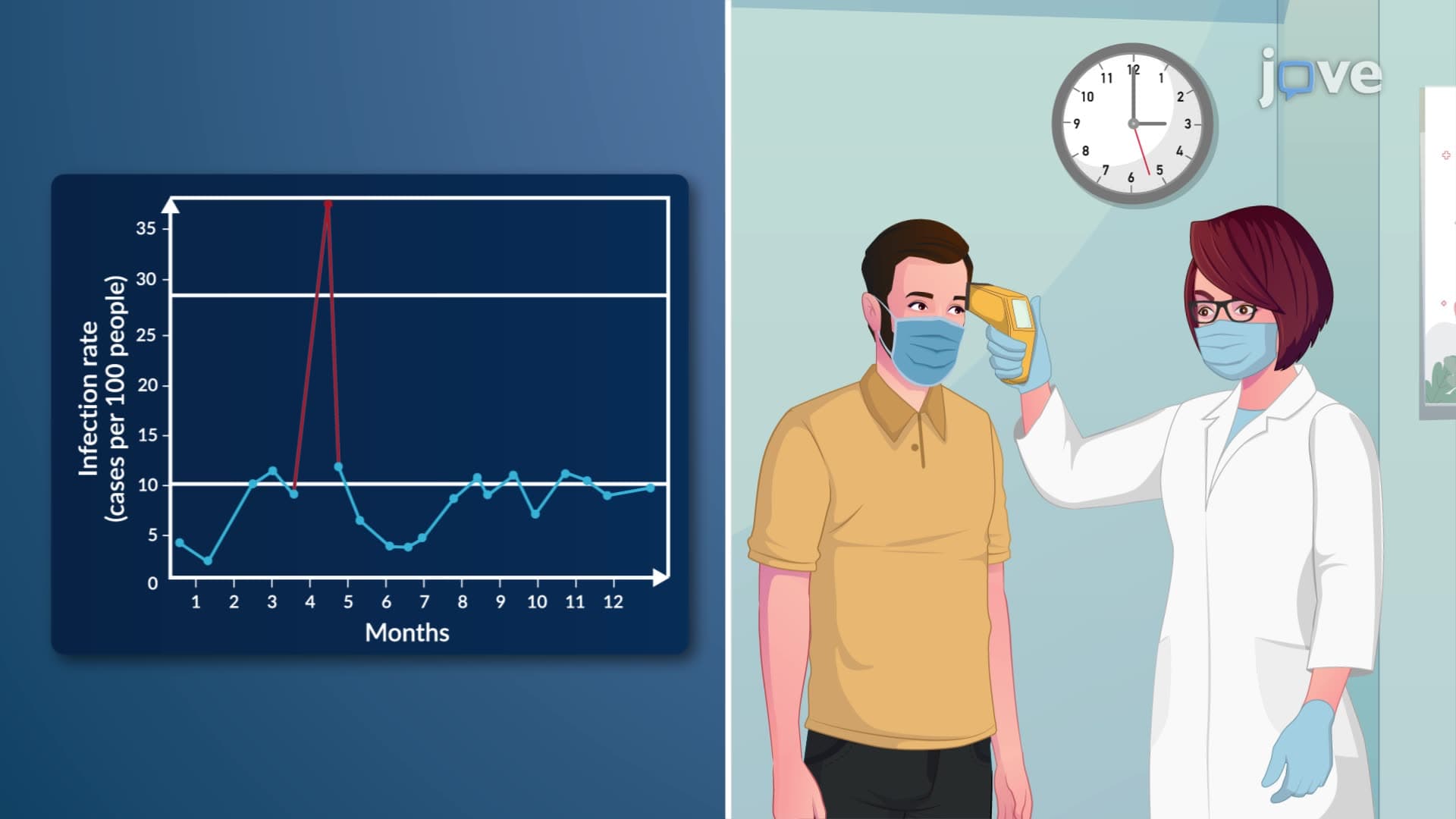
Outliers—data points significantly distant from other values—often represent either measurement errors or significant events requiring immediate attention. When a single data point shows infection rates triple the normal range, it could indicate a disease outbreak, data collection error, or equipment malfunction. The key is investigating promptly to determine the cause and take appropriate action.
Students preparing for the MCAT, nursing entrance exams like the HESI A2, or business school admissions tests frequently encounter run chart interpretation questions. These assessments test your ability to distinguish between common cause variation (inherent to the process) and special cause variation (requiring investigation and action).
Frequently Asked Questions
Interpreting run charts involves analyzing data plotted over time to identify patterns, trends, and unusual variations that indicate process changes. It's crucial in healthcare for monitoring patient outcomes, infection rates, and quality metrics. Run charts help medical professionals detect problems early and measure improvement efforts. This skill is essential for healthcare administration and appears on nursing entrance exams like NCLEX and HESI A2.
AP Statistics frequently tests run chart interpretation through scenarios involving trend identification, pattern recognition, and distinguishing random variation from systematic changes. Students must analyze whether observed patterns represent normal fluctuation or significant process changes. Practice with healthcare, manufacturing, and business examples helps prepare for these questions. Focus on identifying trends, shifts, cycles, and outliers in time-series data.
The MCAT tests your ability to identify trends (consistent increases or decreases), shifts (multiple points above/below median), cycles (predictable patterns), and outliers (extreme values). Look for at least 7-8 consecutive points indicating trends or shifts. Understanding these patterns helps answer questions about experimental data, clinical trial results, and epidemiological studies. Practice distinguishing common cause from special cause variation.
Major US hospitals like Mayo Clinic and Cleveland Clinic use run charts to monitor infection rates, patient satisfaction, readmission rates, and medication errors. For example, hospitals track daily hand hygiene compliance rates to prevent healthcare-associated infections. Emergency departments monitor wait times to improve patient flow. These real-world applications demonstrate how run chart interpretation directly impacts patient care and hospital operations.
No advanced statistics knowledge is required to master run chart interpretation. Basic understanding of median, trends, and pattern recognition is sufficient. High school algebra and introductory statistics provide adequate foundation. The concept focuses more on visual pattern recognition than complex calculations. Students in AP Statistics, introductory college courses, and pre-health programs can successfully learn this skill with practice.
Practice with healthcare-specific examples focusing on patient safety metrics, infection rates, and quality indicators. Create your own run charts from sample data sets. Focus on identifying the four main patterns: trends, shifts, cycles, and outliers. Use mnemonics like "Trend, Shift, Cycle, Outlier" (TSCO) to remember key patterns. Review practice questions from HESI A2 and TEAS prep materials emphasizing data interpretation.
Run charts form the foundation of Six Sigma, Lean, and other quality improvement methodologies used by Fortune 500 companies. They help identify process variations, measure improvement initiatives, and monitor key performance indicators. Understanding run chart interpretation prepares students for business analytics roles and MBA coursework. This skill applies to manufacturing, service industries, and healthcare quality improvement initiatives.
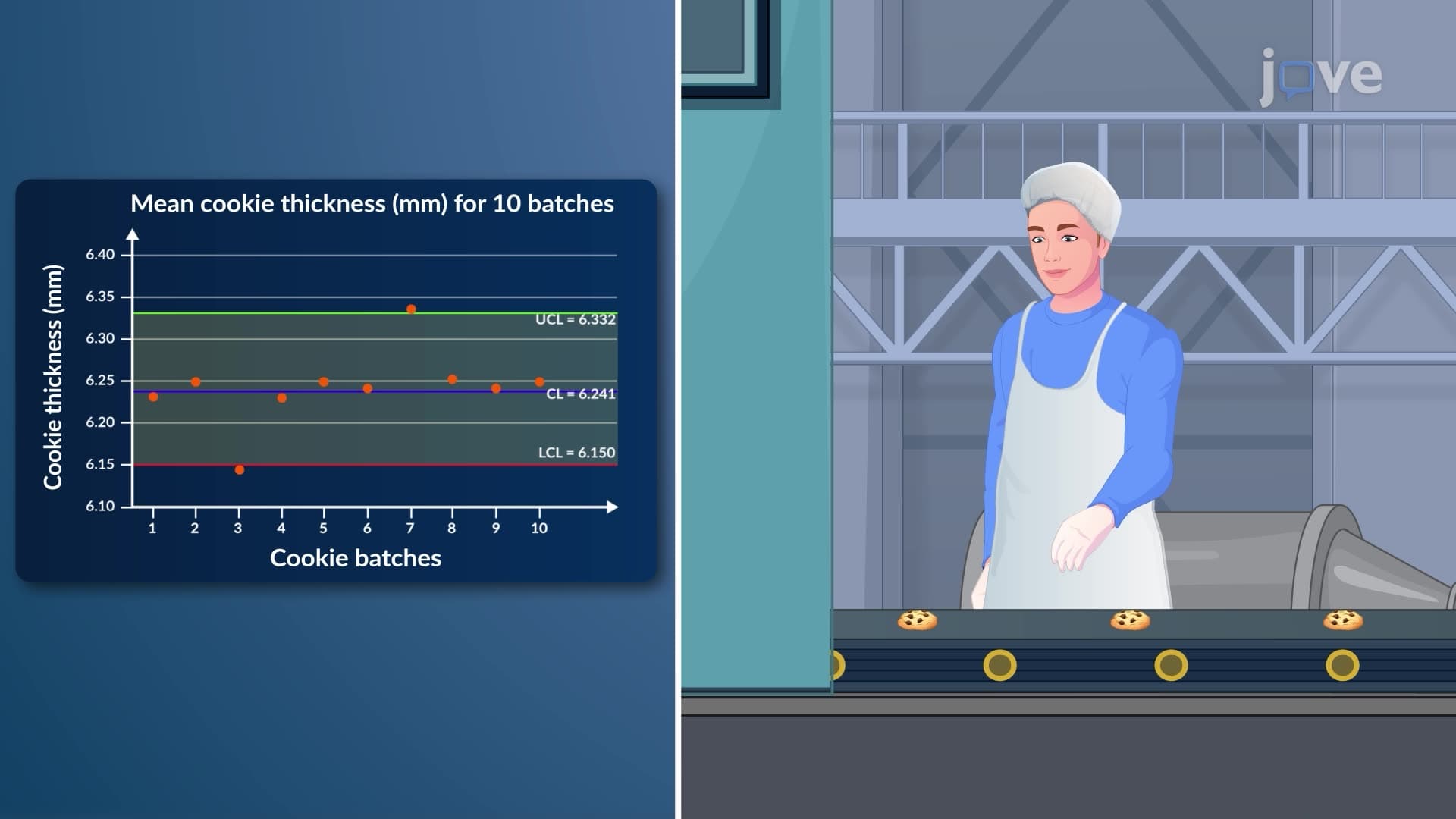
After mastering run charts, explore control charts (which add statistical control limits), statistical process control, and design of experiments. Study correlation analysis, regression, and time series analysis for deeper data interpretation skills. These advanced topics appear in upper-level statistics courses and professional quality improvement certifications. Consider exploring how run charts integrate with electronic health records and business intelligence systems.
Related Micro-courses


Related Subjects
 Physics 33 micro-courses›
 Math Fundamentals 11 micro-courses›