- Statistics
- Measure of Central Tendency
Micro-courses:17

Measure of Central Tendency

1. What is Central Tendency?

2. Arithmetic Mean
3. Geometric Mean

4. Harmonic Mean
5. Trimmed Mean
6. Weighted Mean
7. Root Mean Square
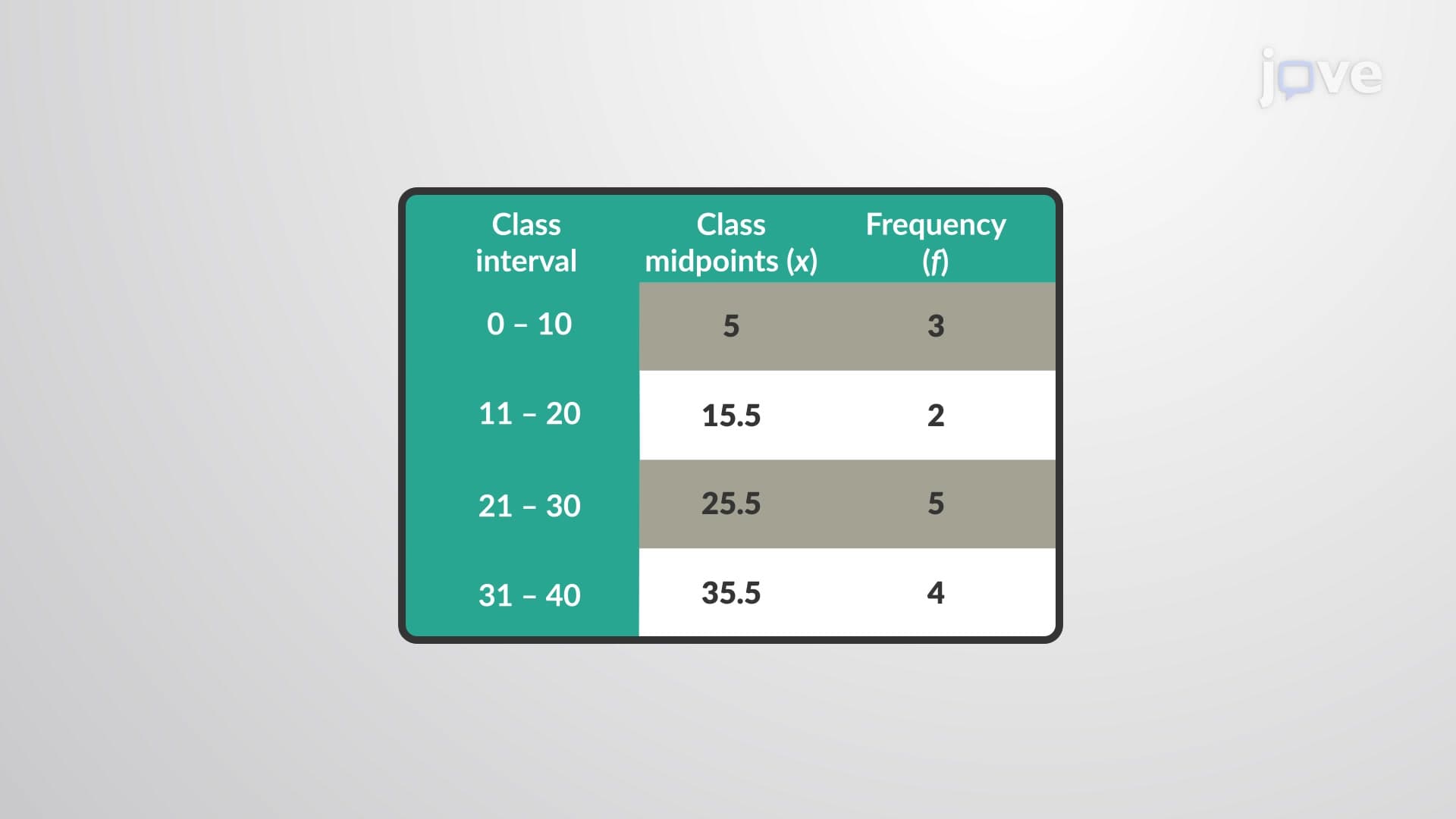
8. Mean From a Frequency Distribution
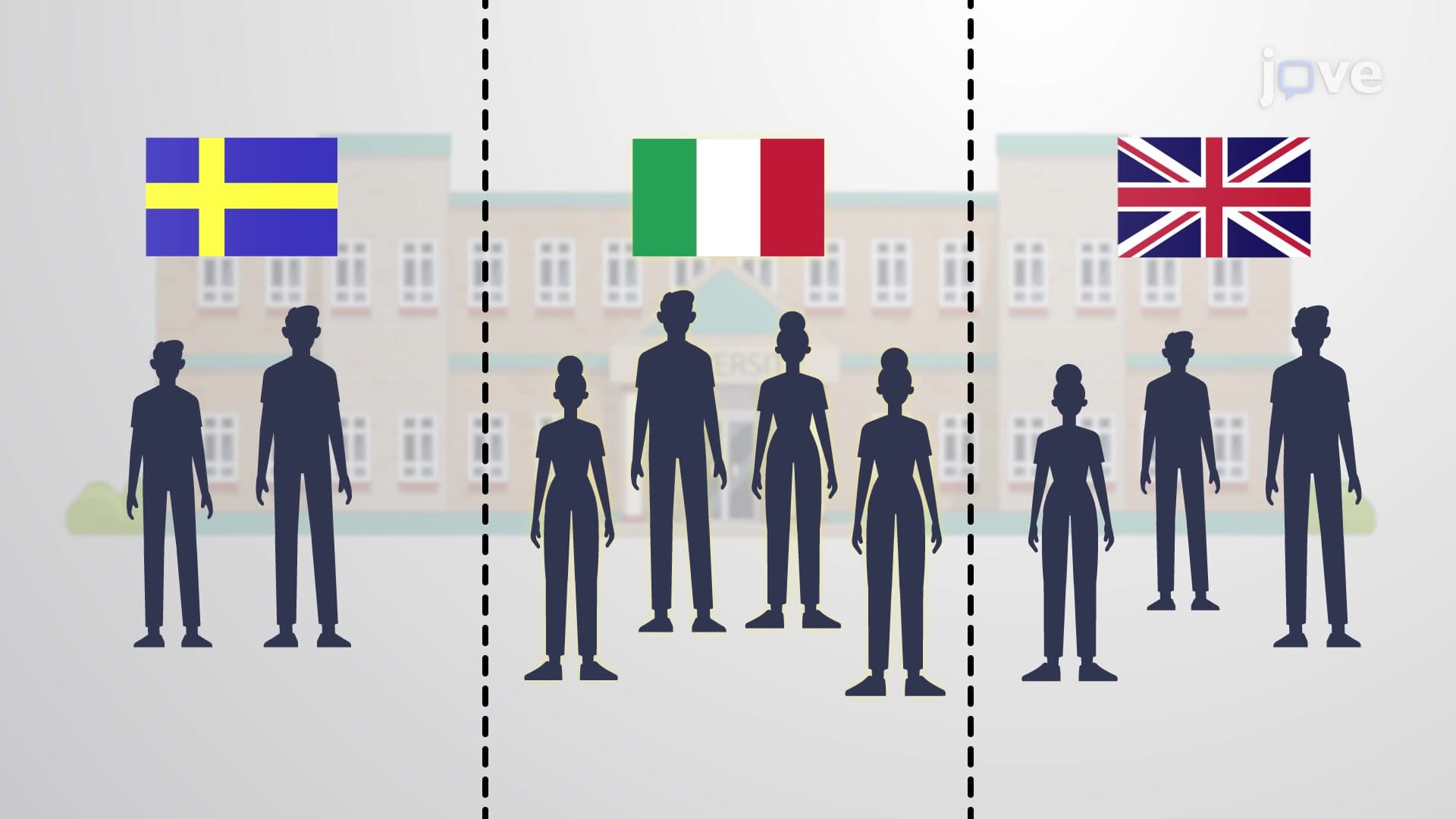
9. What is a Mode?

10. Median

11. Midrange
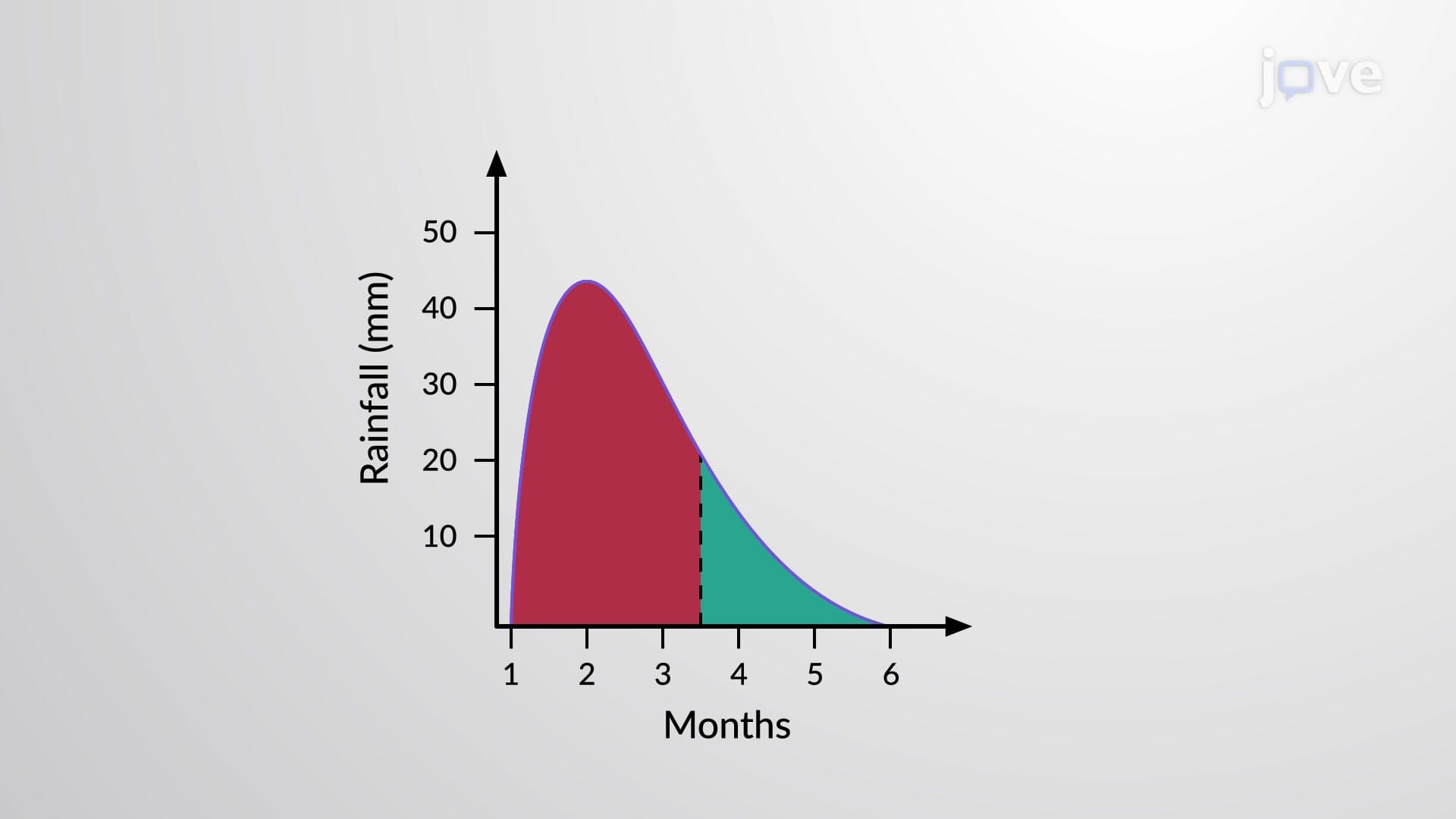
12. Skewness
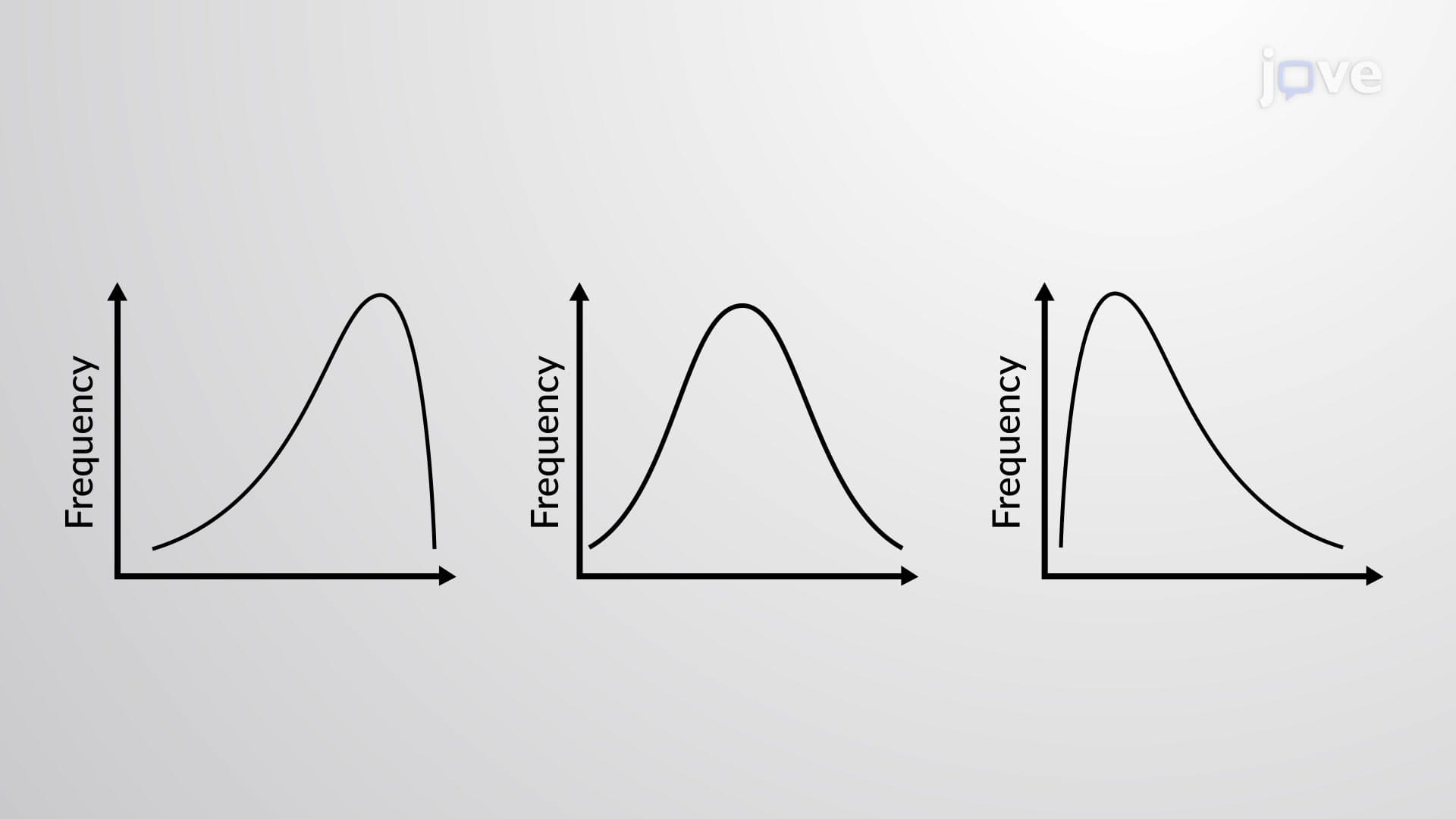
13. Types of Skewness
A measure of central tendency identifies a single representative value from a dataset, essential for statistical analysis across STEM fields and standardized testing. This JoVE Coach micro-course covers mean, median, mode, and midrange calculations, exploring arithmetic, geometric, harmonic, weighted, and trimmed means. Students learn to interpret skewed distributions and apply central tendency measures to real-world scenarios like GPA calculations, income analysis, and scientific data interpretation used in US academic and professional contexts.
- Understand the four essential measures of central tendency: mean, median, mode, and midrange
- Calculate arithmetic mean, geometric mean, harmonic mean, and weighted mean for various datasets
- Learn specialized mean calculations including trimmed mean and root mean square
- Identify mode patterns in categorical and numerical data, including bimodal and multimodal distributions
- Analyze frequency distributions and calculate means from grouped data tables
- Apply median calculations for both odd and even-numbered datasets
- Explore skewness types and their impact on central tendency measure relationships
- Interpret central tendency comparisons to understand data distribution characteristics
1. Arithmetic Mean and Sample vs Population Distinctions: The most common central tendency measure calculated by summing all values and dividing by the count. Sample mean (x̄) represents data from a subset, while population mean (μ) encompasses entire groups. For example, calculating average SAT scores from 100 students versus all test-takers nationwide. This measure considers every data point but remains sensitive to extreme values, making it less reliable when outliers like unusually high or low test scores skew results significantly.
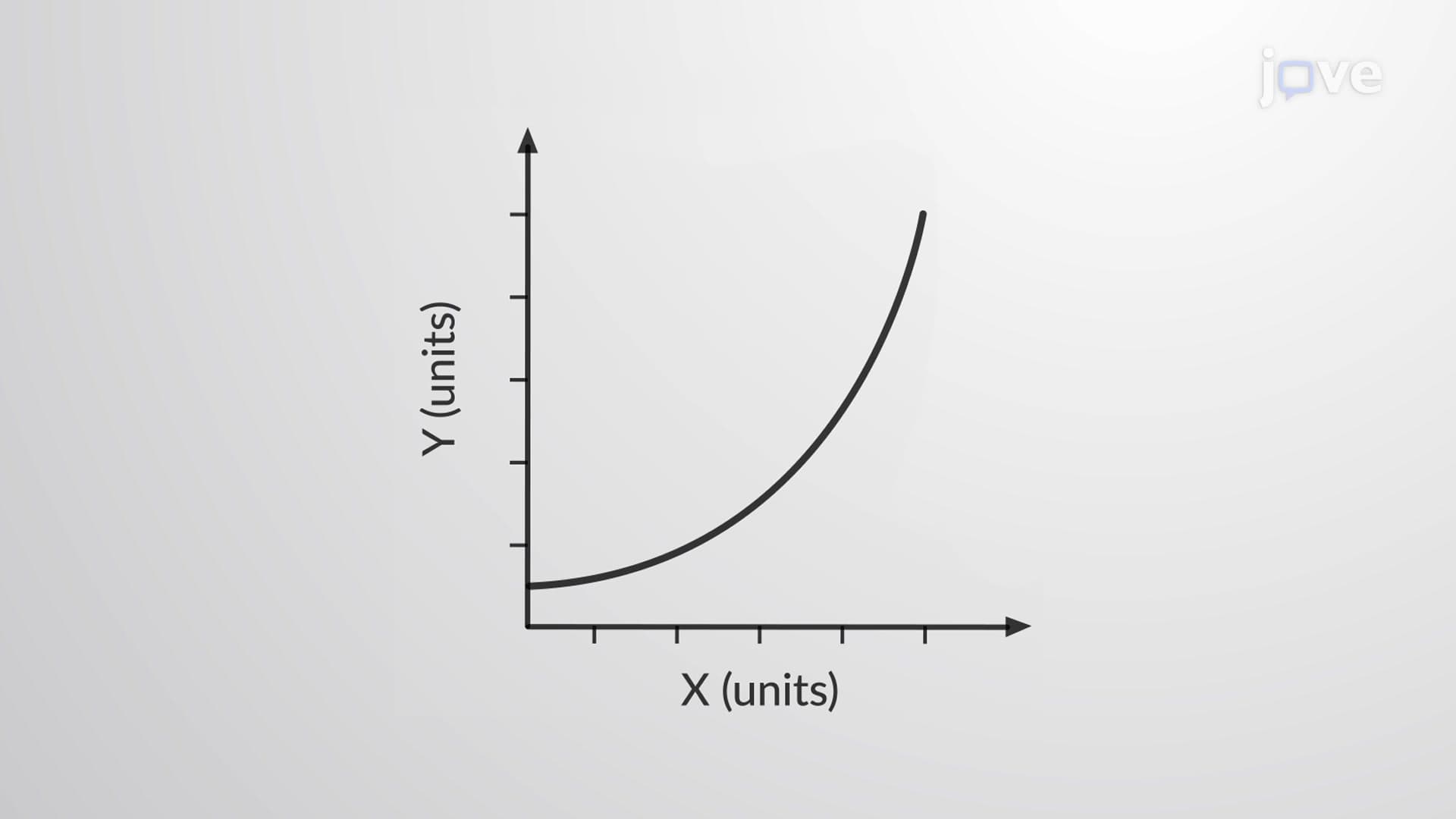
2. Geometric and Harmonic Mean Applications: Geometric mean calculates the nth root of multiplied values, ideal for exponential growth data like population increases or investment returns. Cannot include zero or negative values. Harmonic mean uses reciprocals' arithmetic mean, perfect for rate calculations like average speed during road trips with varying velocities. For instance, driving 30 mph to school, 50 mph home gives a harmonic mean more accurate than simple arithmetic averaging for total trip efficiency.
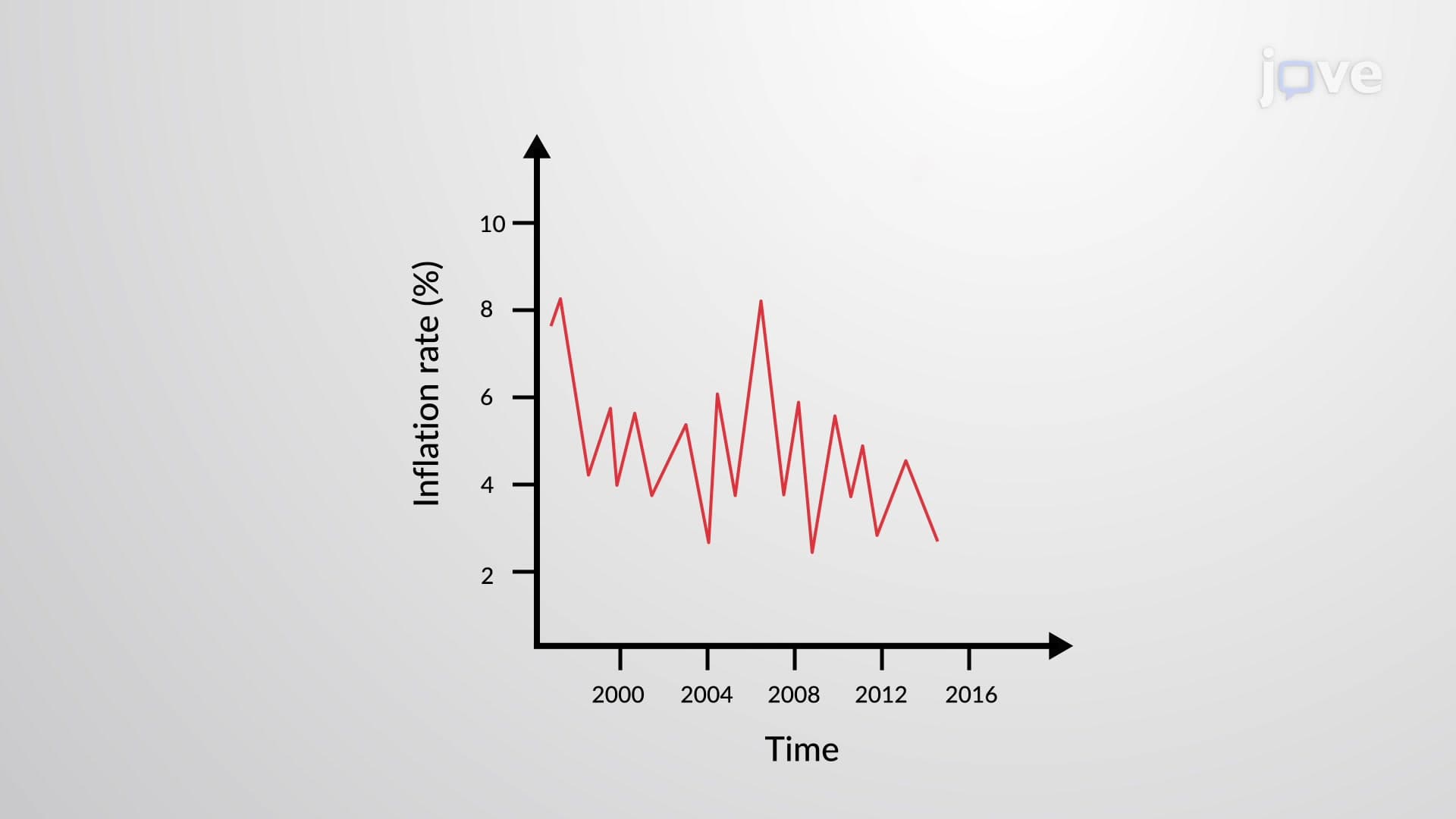
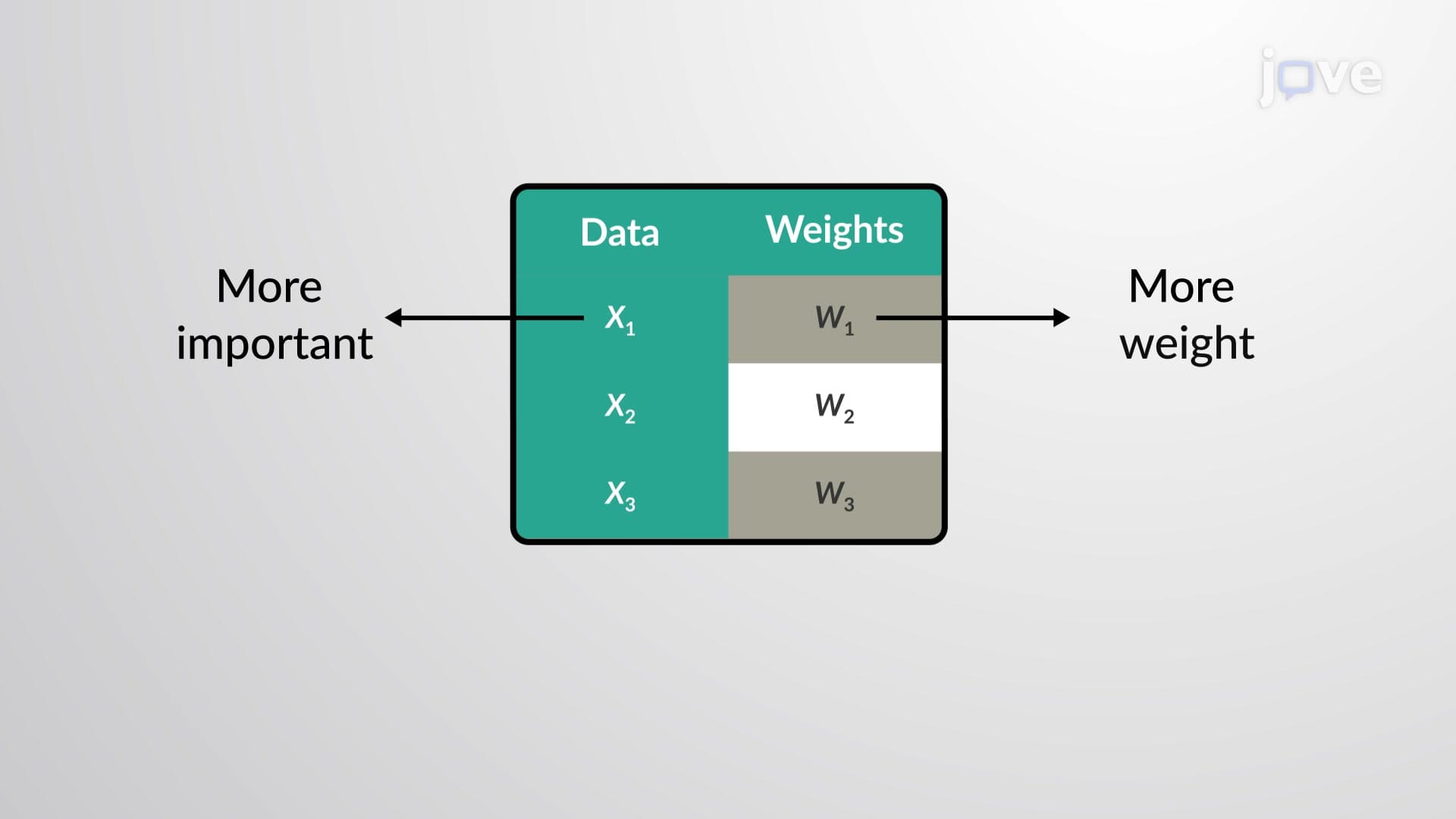
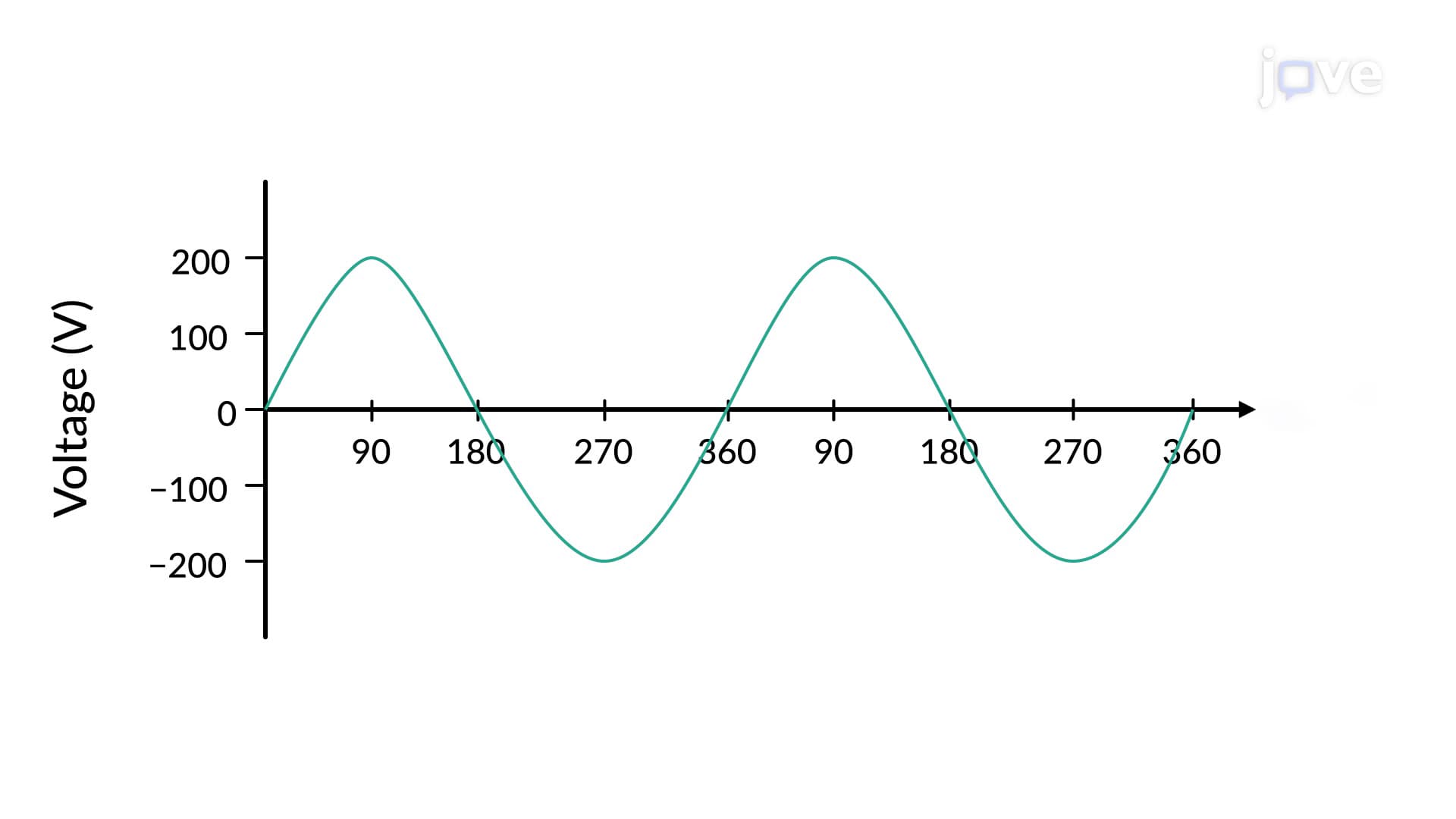
3. Specialized Mean Calculations: Weighted mean multiplies values by importance factors, crucial for GPA calculations where AP courses carry extra weight. Trimmed mean removes extreme values before calculation, like excluding highest/lowest scores to reduce outlier impact. Root mean square handles positive/negative values, essential in physics for AC voltage calculations. These methods provide more accurate central measures when standard arithmetic mean proves inadequate for specific data characteristics.
4. Mode Identification and Distribution Patterns: Mode represents most frequently occurring values, applicable to categorical data like favorite pizza toppings or student majors. Data can be unimodal (one mode), bimodal (two modes), multimodal (multiple modes), or have no mode. Unlike mean and median, mode works with nominal data categories. For example, analyzing most common college entrance exam scores or identifying peak hours for library usage demonstrates mode's practical statistical applications in educational settings.
5. Median Calculation and Resistance to Outliers: Median identifies the middle value in ordered datasets, calculated by arranging data sequentially and finding the center point. With even-numbered datasets, median equals the mean of two middle values. Unlike arithmetic mean, median resists extreme value influence, making it preferable for income analysis where billionaires skew averages. For instance, median household income better represents typical American families than mean income affected by ultra-wealthy outliers.
6. Skewness Analysis and Distribution Interpretation: Skewness indicates data asymmetry through tail direction and central tendency relationships. Normal distribution shows mean, median, and mode at identical positions. Positive skewness (right tail) occurs with income data where few earn extremely high amounts. Negative skewness (left tail) appears in easy exam scores where most students perform well. Understanding skewness helps interpret investment returns, standardized test score distributions, and demographic data patterns in social sciences.
Frequently Asked Questions
Use median when your dataset contains extreme outliers or is skewed. For example, when analyzing household incomes in a neighborhood with both middle-class families and millionaires, median provides a better representation of typical income than mean, which would be inflated by the wealthy outliers. Median is also preferred for ordinal data like survey ratings.
Weighted means frequently appear in SAT Math and AP Statistics problems involving GPA calculations, where honors courses might count as 4.5 points instead of 4.0, or in business scenarios where different product sales have varying profit margins. You'll need to multiply each value by its weight, sum these products, then divide by the total weights.
Sample mean (x̄) represents data from a subset of the population you're studying, like surveying 50 students from your school. Population mean (μ) includes every member of the group you're analyzing, like all students in your school. AP Statistics emphasizes this distinction because most real-world studies use samples to make inferences about populations due to practical limitations.
Geometric mean involves taking roots of products, and you cannot take even roots of negative numbers in real number systems. Zero makes the entire product zero, resulting in a geometric mean of zero regardless of other values. This limitation explains why geometric mean works best for growth rates, percentages, and ratios that are naturally positive.
In positively skewed data (like income distributions), median is typically lower than mean and provides better representation. In negatively skewed data (like easy test scores), median exceeds mean. For symmetric distributions, mean and median are nearly equal. Recognizing skewness helps you choose the most appropriate and informative measure for your analysis.
Market researchers analyze consumer spending patterns, healthcare professionals interpret patient outcome statistics, financial analysts evaluate investment returns, educators assess student performance trends, and quality control managers monitor manufacturing specifications. These measures help professionals make data-driven decisions across business, healthcare, education, and manufacturing sectors.
Create associations: arithmetic mean for typical averaging (test scores, heights), geometric mean for growth rates and percentages (population growth, investment returns), harmonic mean for rates and ratios (speed calculations, price-to-earnings ratios), and weighted mean when importance varies (GPA calculations, survey responses). Practice with real examples from your intended field of study to reinforce these connections.
This microcourse includes 13 concept videos that walk you through the building blocks of Statistics. Each video is short, about 1 minute, so you can cover a full topic during a coffee break or between classes. The full sequence starts with What is Central Tendency? and ends with Types of Skewness.
The playlist moves from big-picture ideas to the precise vocabulary used in Statistics. Early videos introduce What is Central Tendency?, Arithmetic Mean, and Geometric Mean. The middle of the series focuses on Trimmed Mean, Weighted Mean, and Root Mean Square. The final stretch covers Mean From a Frequency Distribution, What is a Mode?, Median, Midrange, Skewness, and Types of Skewness.
The natural next step is Measures of Variation. From there, you can move to Measures of Relative Standing, Probability Distributions, and Estimates. Once you finish those, the full Statistics curriculum of 17 microcourses on JoVE Coach opens up, taking you from foundational concepts to advanced systems.
Related Subjects
 Physics 33 micro-courses›
 Math Fundamentals 11 micro-courses›