Loading…
Loading video…
154,401 views
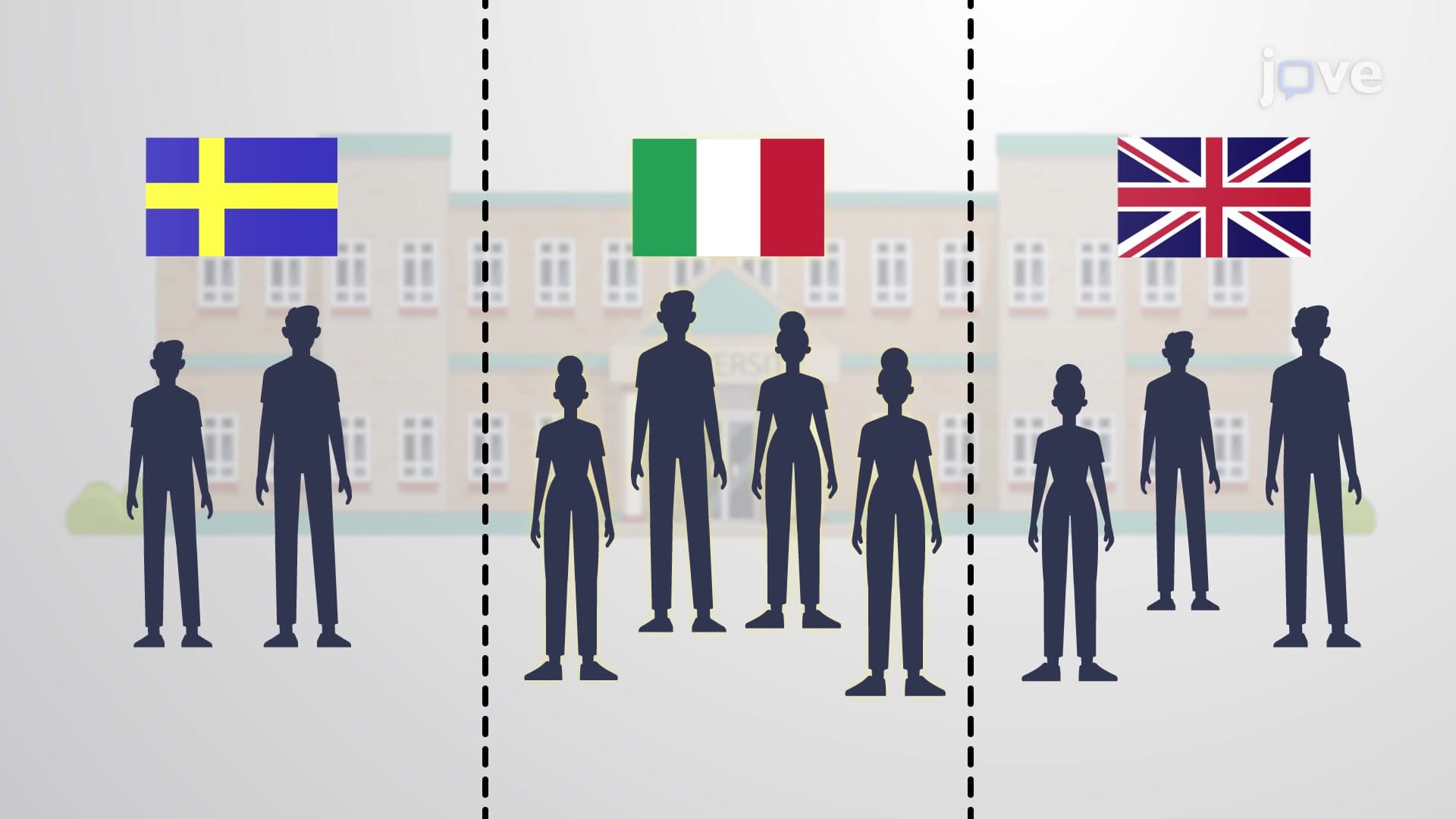
Did you know that when Major League Baseball analyzes batting averages, the mode reveals which performance level occurs most frequently among players? A mode definition centers on identifying the most frequently occurring value in any dataset. For example, if a high school basketball team's free throw percentages cluster around 75%, then 75% represents the mode of their shooting data. This fundamental statistical measure helps students understand data patterns in everything from standardized test scores to consumer preferences. Watch the full video on JoVE Coach to master this concept with expert-led visuals and step-by-step explanations.
A mode definition encompasses the fundamental concept of identifying the most frequently occurring value within a dataset. Unlike the mean (average) or median (middle value), the mode focuses exclusively on frequency of occurrence, making it particularly valuable for analyzing categorical data and identifying common patterns in numerical datasets.
Statistical datasets can exhibit different modal characteristics. Unimodal distributions contain exactly one mode—the single most frequent value. For instance, if SAT math scores at a particular high school show that 650 appears more often than any other score, then 650 is the mode. Bimodal distributions feature two values with equal highest frequency, such as when both 3.2 and 3.8 GPA values appear most frequently in a college admissions dataset. Multimodal distributions contain three or more modes, while some datasets have no mode when all values appear with equal frequency or each value appears only once.
The mode proves essential in numerous real-world scenarios across American institutions. College admissions officers use modal analysis to identify the most common SAT score ranges among accepted students. Retail companies like Target analyze modal purchasing patterns to determine which product sizes or colors to stock most heavily. In healthcare, medical researchers examine modal symptoms to identify the most frequently reported side effects in clinical trials conducted by organizations like the Mayo Clinic or Johns Hopkins.
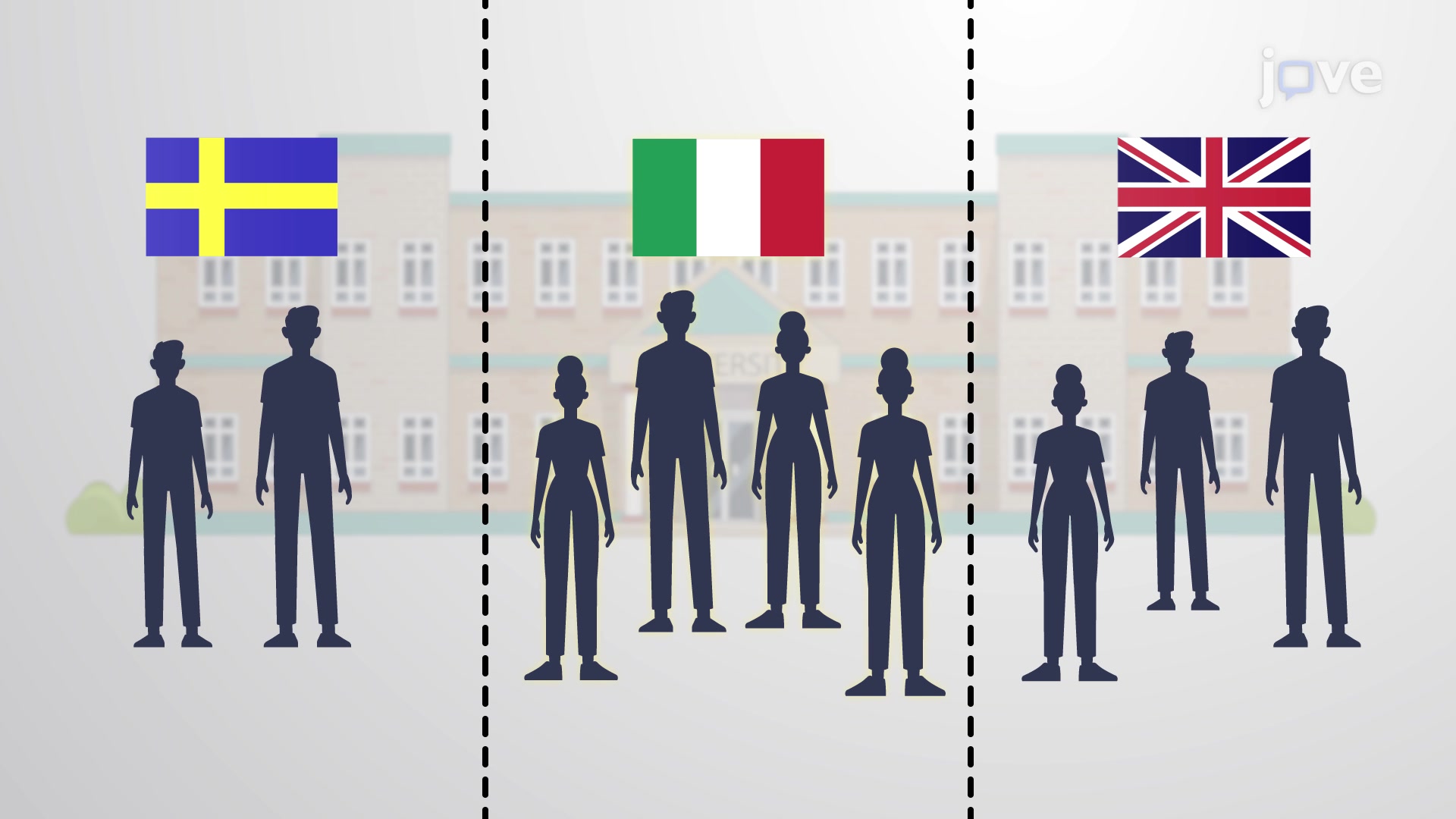
Unlike mean and median, which require numerical data, the mode works effectively with categorical information. University demographics provide excellent examples: if international students at UCLA represent the following nationalities—China (45 students), India (38 students), South Korea (45 students), and Japan (22 students)—then both China and South Korea represent bimodal categories. This capability makes the mode indispensable for analyzing survey data, consumer preferences, and demographic studies where numerical averages would be meaningless. Students preparing for AP Statistics or college-level statistics courses should master modal analysis as it frequently appears in data interpretation questions and real-world problem-solving scenarios.
Frequently Asked Questions
A mode definition describes the value that appears most frequently in any set of data. It's the statistical measure that identifies which number, category, or response occurs more often than any other in your dataset. Unlike averages, the mode can be used with both numerical data (like test scores) and categorical data (like favorite colors).
Mastering a mode definition is crucial for AP Statistics success because modal questions appear frequently in both multiple-choice and free-response sections. You'll need to identify modes in various data types, distinguish between unimodal and multimodal distributions, and explain when mode is the most appropriate measure of central tendency. Practice with College Board's released exams to see typical modal analysis questions.
The SAT tests your ability to distinguish these measures of central tendency in data interpretation problems. While mean represents the average and median shows the middle value, mode identifies the most frequent value. SAT questions often present datasets where these three measures differ significantly, testing whether you can select and calculate the appropriate measure based on the problem's context.
Yes, the MCAT's Chemical and Physical Foundations section includes statistics and data analysis questions that may involve modal concepts. You might encounter experimental data where identifying the most frequent measurement helps interpret research results. Understanding modal analysis also supports critical reasoning in biological systems and research methodology questions.
Companies like Amazon use modal analysis to identify the most popular product ratings, helping prioritize inventory and marketing strategies. Netflix analyzes modal viewing patterns to determine which show genres appear most frequently in user preferences. Market research firms examine modal demographic responses to guide advertising campaigns and product development decisions across various industries.
Not at all—mode concepts are among the most intuitive statistical measures to grasp. Since mode simply identifies "what happens most often," students can understand it through everyday examples like favorite pizza toppings or most common shoe sizes. The mathematical calculations are straightforward, involving counting rather than complex formulas, making it accessible to students at various skill levels.
Practice identifying modes in diverse datasets, from simple number lists to complex categorical data tables. Create your own examples using familiar scenarios like sports statistics or class survey results. Focus on distinguishing between datasets with one mode, multiple modes, or no mode, as this distinction frequently appears on exams from high school quizzes to college midterms.
Once you've mastered modal concepts, explore measures of variability like standard deviation and variance to understand data spread. Study correlation and regression analysis to examine relationships between variables. These concepts build naturally from central tendency measures and prepare you for advanced courses in data science, research methods, and quantitative analysis.
Related Micro-courses


Related Subjects
 Physics 33 micro-courses›
 Math Fundamentals 11 micro-courses›