- Statistics
- Measures of Variation
Micro-courses:17

Measures of Variation
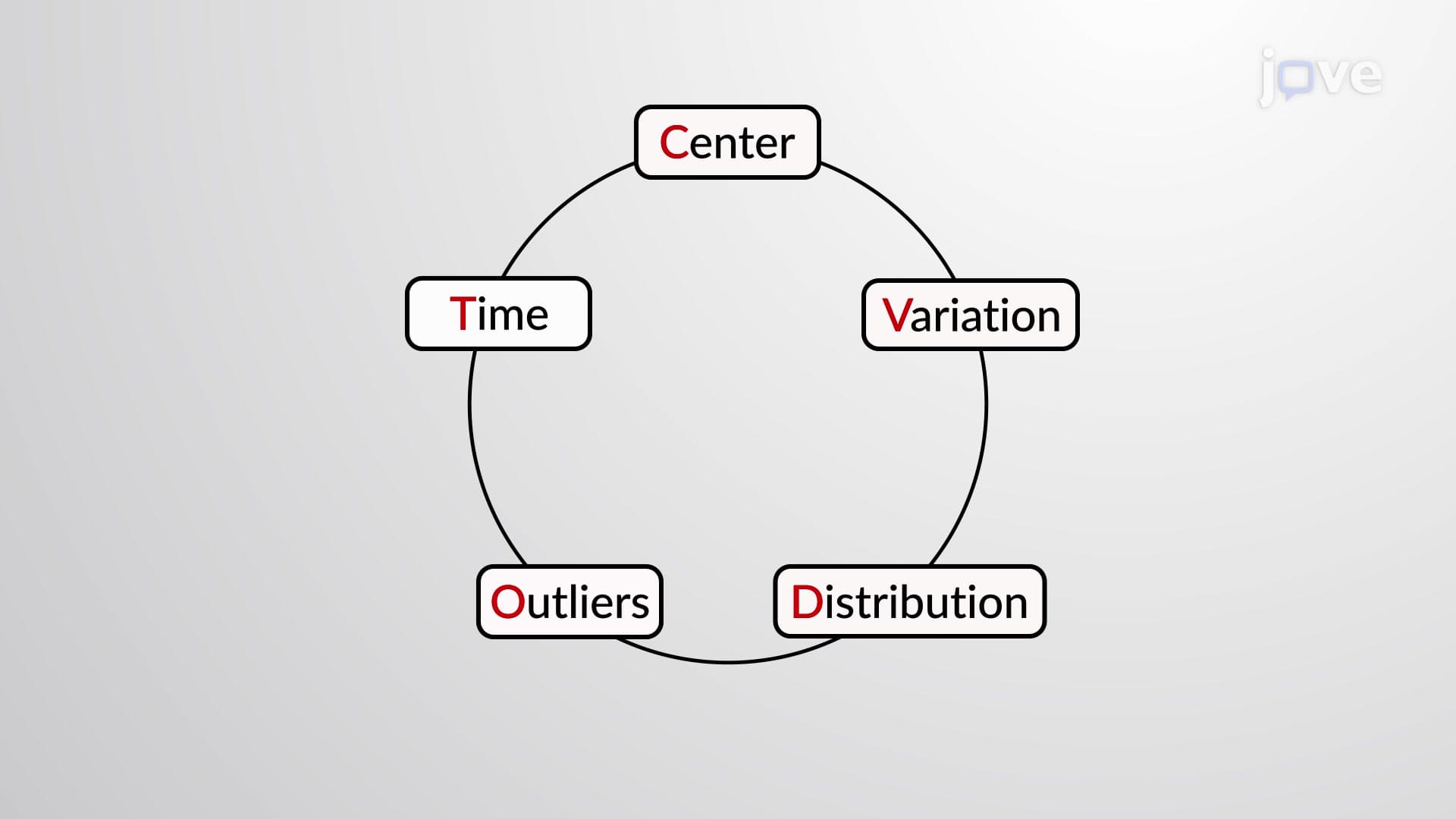
1. What is Variation?
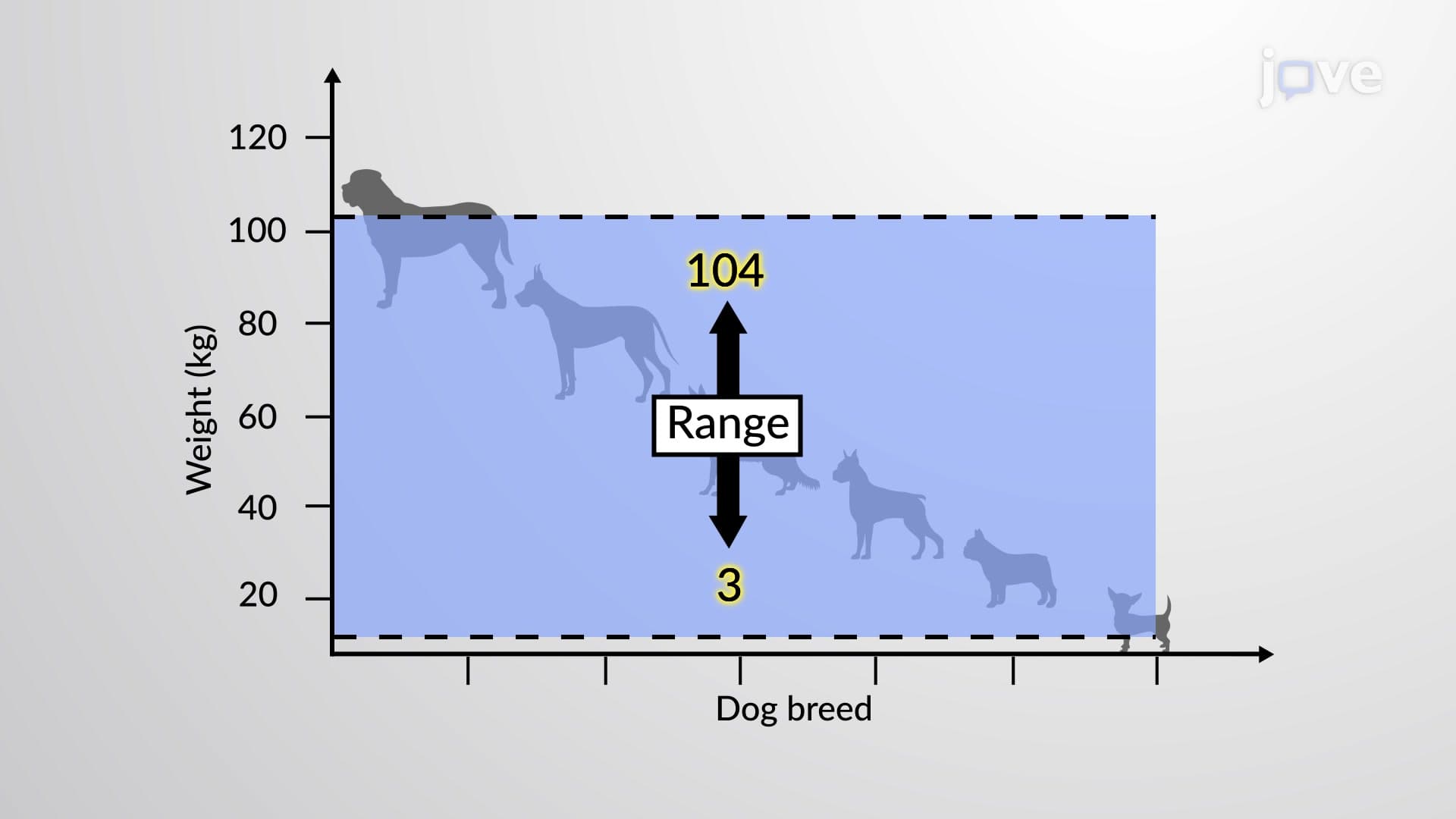
2. Range
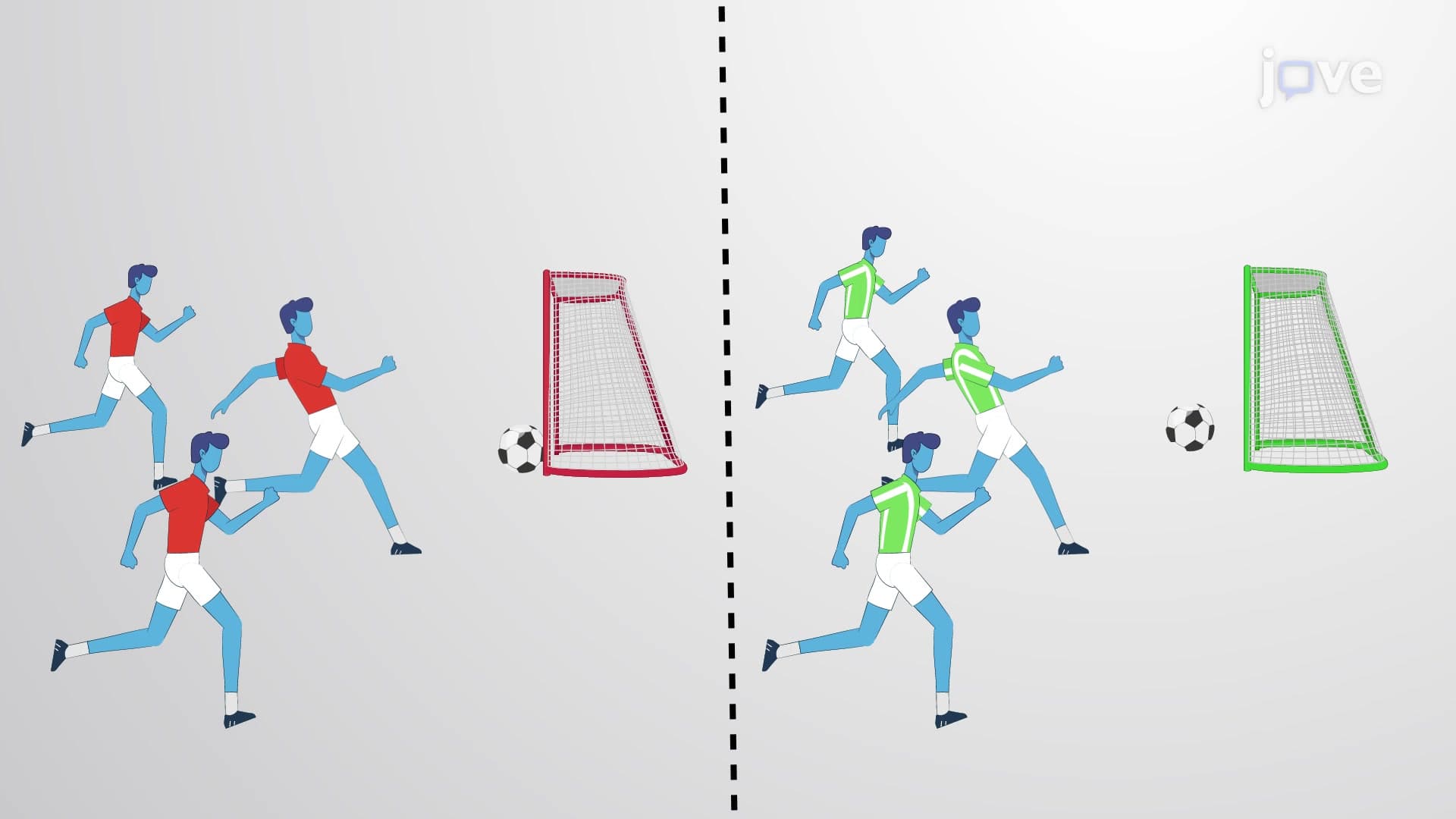
3. Standard Deviation
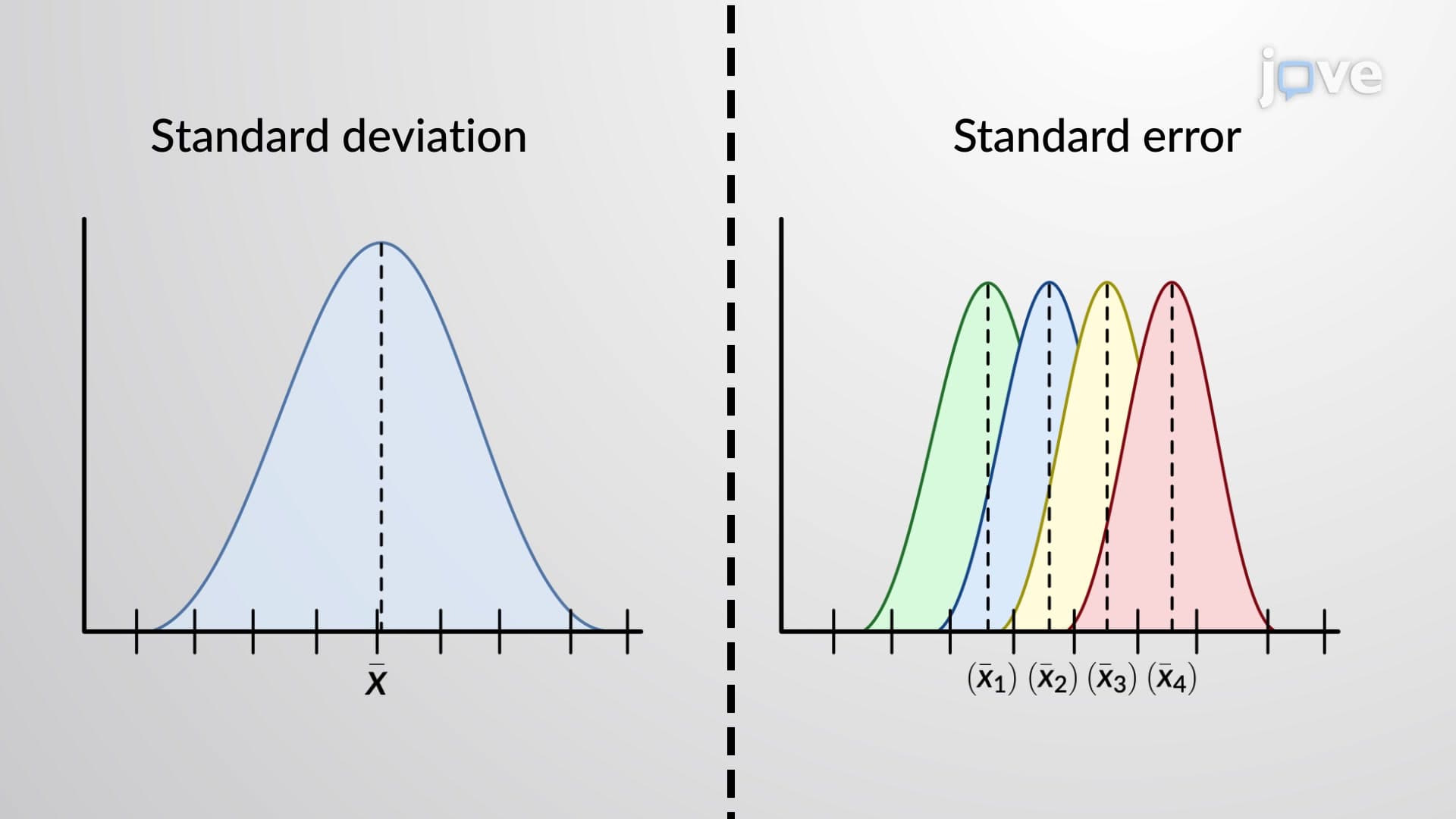
4. Standard Error of the Mean
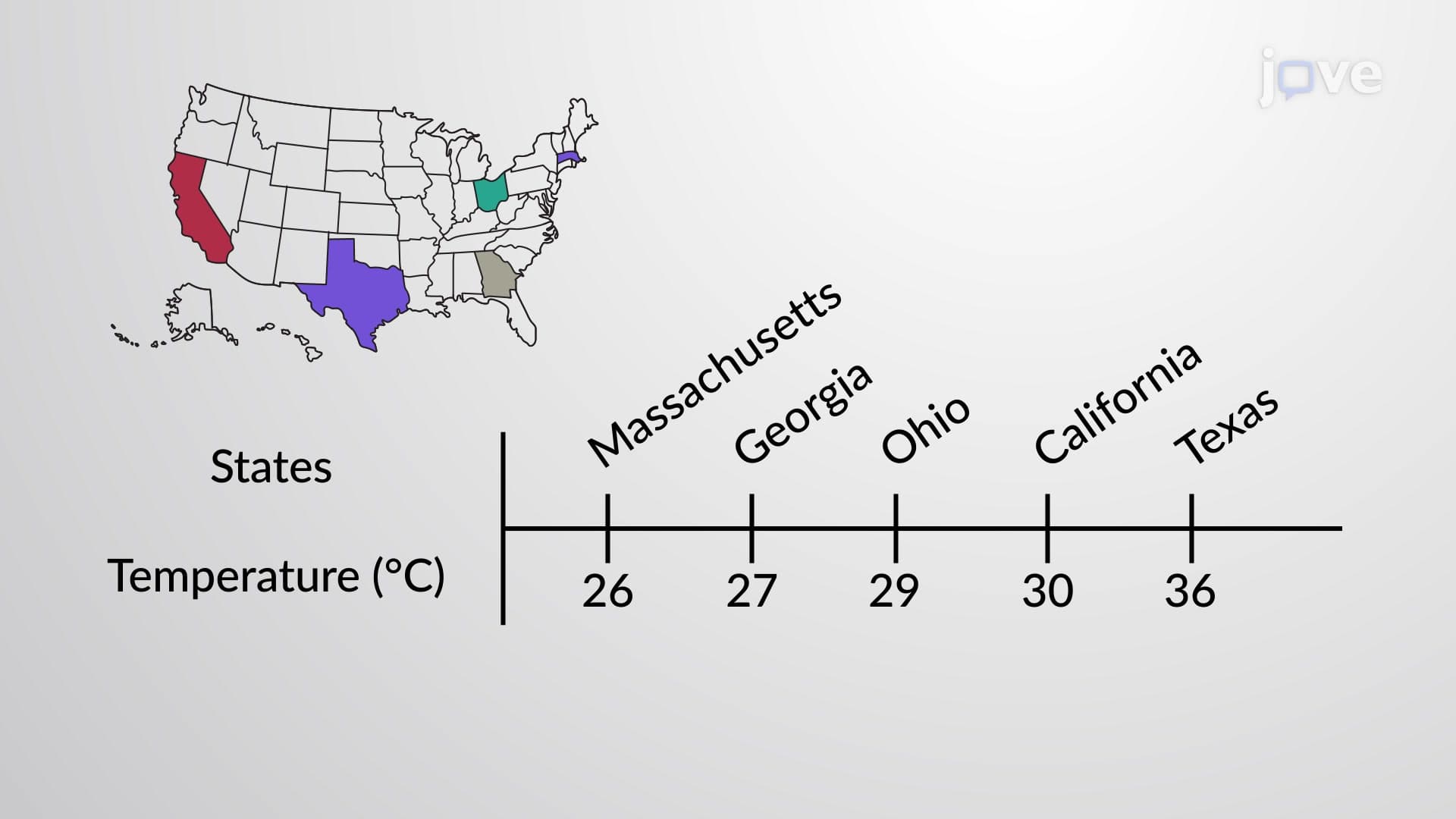
5. Calculating Standard Deviation

6. Variance
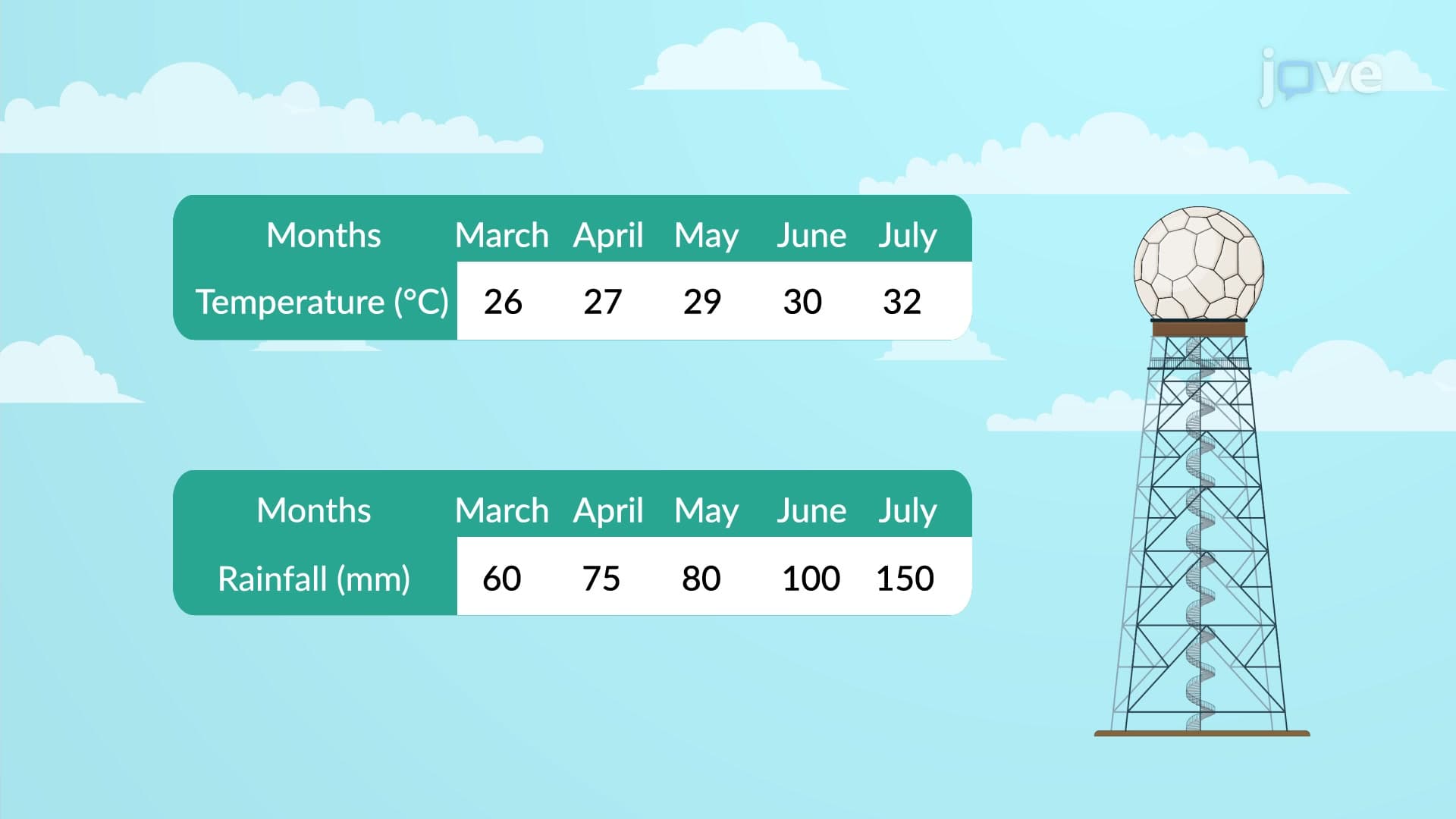
7. Coefficient of Variation
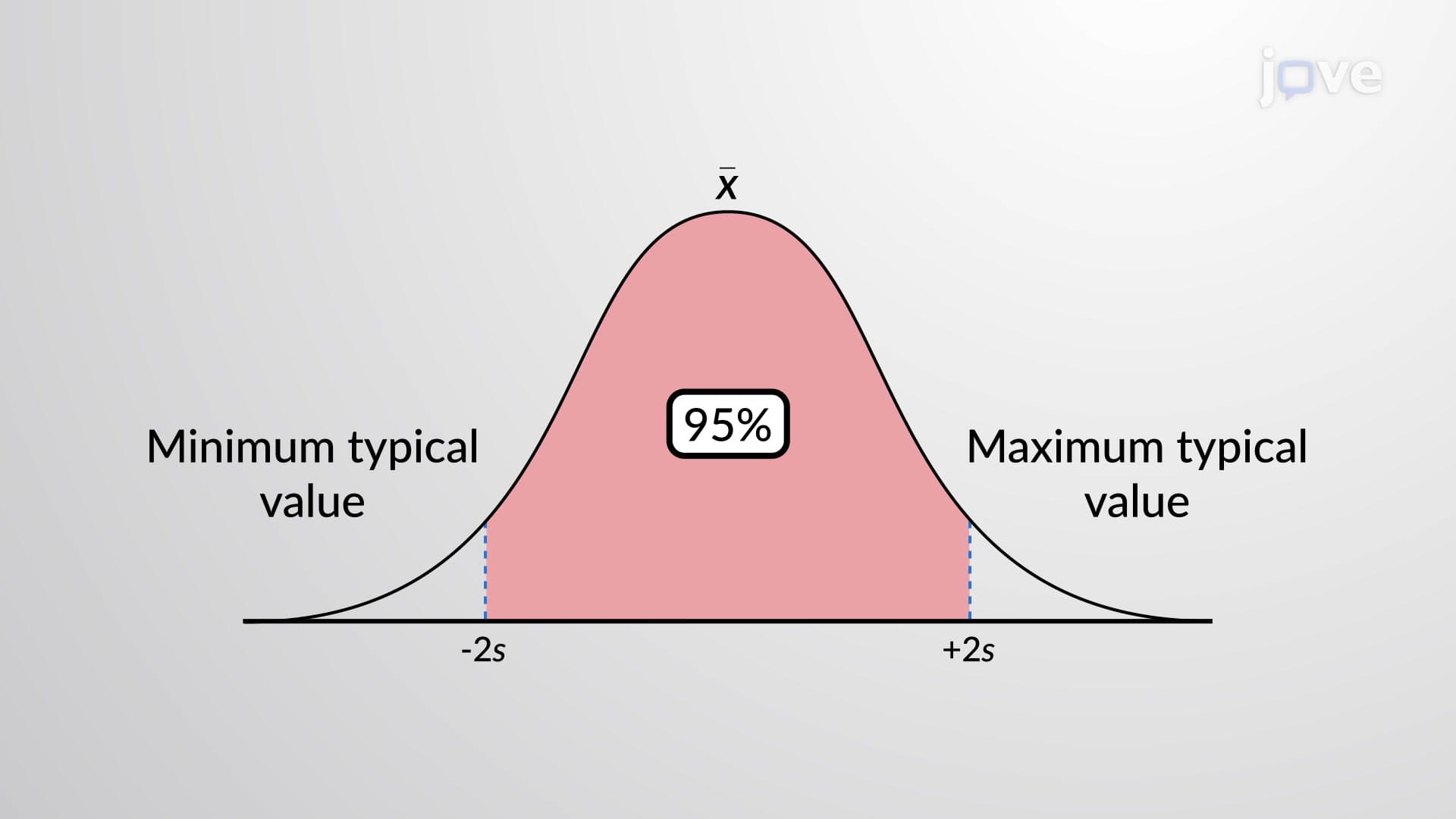
8. Range Rule of Thumb to Interpret Standard Deviation
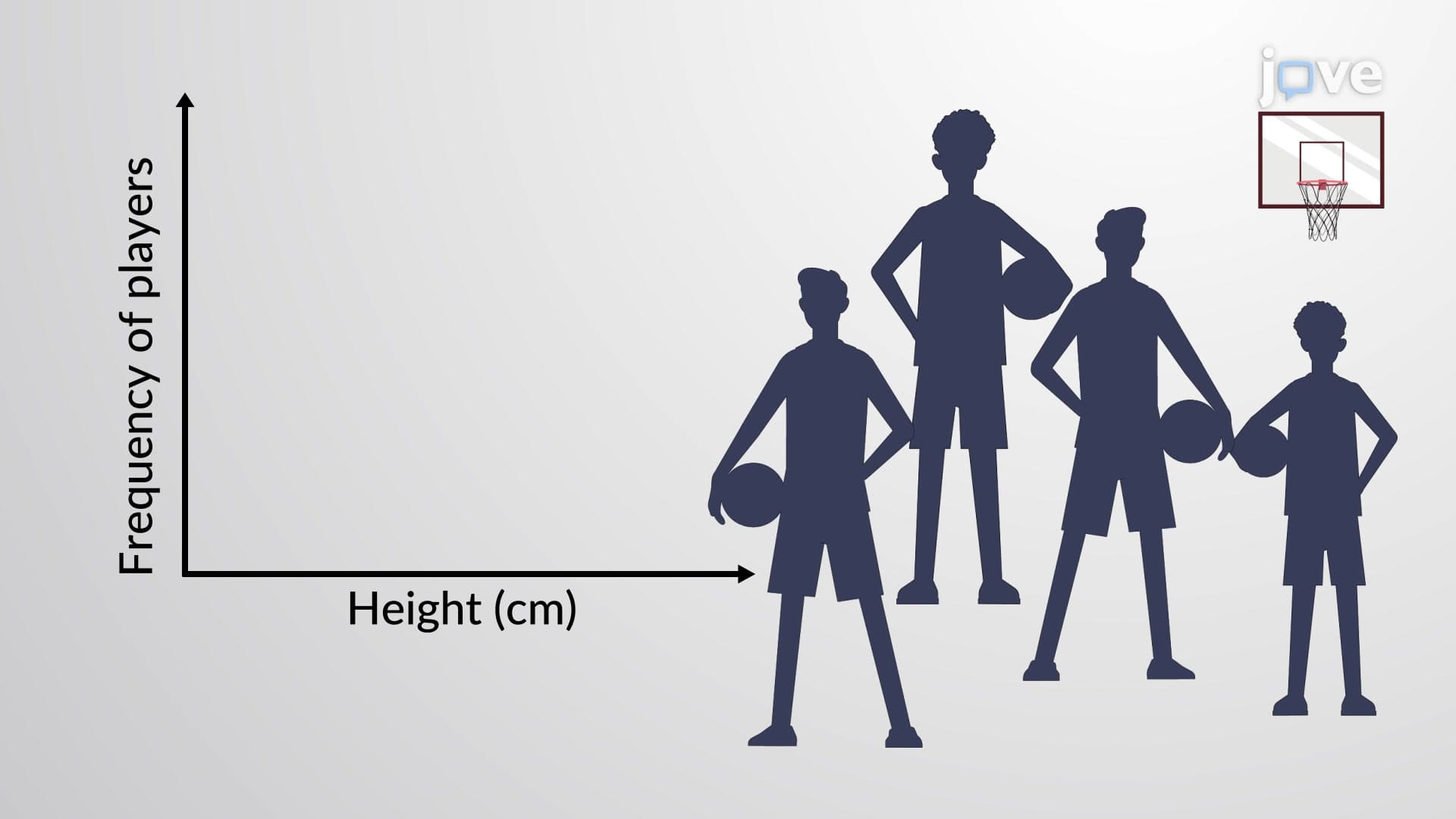
9. Empirical Method to Interpret Standard Deviation

10. Chebyshev's Theorem to Interpret Standard Deviation

11. Mean Absolute Deviation
Measures of variation quantify how data points spread around the central value, providing crucial insights beyond simple averages. From analyzing SAT score distributions across US high schools to evaluating stock market volatility on Wall Street, these statistical tools help identify patterns in data dispersion. JoVE Coach's comprehensive course covers essential variation measures including range, standard deviation, and variance.
- Understand the fundamental concept of variation and its importance in statistical analysis
- Learn to calculate and interpret range as the simplest measure of data spread
- Explore standard deviation as a measure of average distance from the mean
- Analyze variance and its relationship to standard deviation in data interpretation
- Apply the coefficient of variation to compare datasets with different units or scales
- Identify outliers using the range rule of thumb and empirical methods
- Understand Chebyshev's theorem for interpreting variation in any data distribution
- Calculate mean absolute deviation as an alternative measure of variability
1. Range and Basic Variation Concepts Range represents the simplest measure of variation, calculated as the difference between maximum and minimum values. While easy to compute and useful for quick assessments like manufacturing quality control or weather forecasting, range has significant limitations due to its sensitivity to outliers. For example, when analyzing ACT scores across different high schools, a single extremely high or low score can dramatically skew the range, making it less representative of typical student performance variation.
2. Standard Deviation: The Gold Standard Standard deviation measures the average distance of data points from the mean, providing a more robust measure than range. Sample standard deviation uses n-1 in the denominator (Bessel's correction), while population standard deviation uses N. This measure maintains the same units as the original data, making interpretation straightforward. For instance, if standardized test scores have a mean of 500 and standard deviation of 100, most students score within 100 points of the average.
3. Variance and Its Applications Variance equals the square of standard deviation, measuring the average squared deviations from the mean. While its squared units make direct interpretation challenging (rainfall variance would be in mm²), variance proves essential in advanced statistical techniques like ANOVA and financial risk assessment. Investment portfolios use variance to quantify risk, with higher variance indicating more volatile returns that could benefit or harm investors' financial goals.
4. Coefficient of Variation for Comparative Analysis The coefficient of variation (CV) enables comparison between datasets with different units or vastly different means by expressing standard deviation as a percentage of the mean. This proves invaluable when comparing phenomena like temperature variations in Celsius versus rainfall in millimeters. In finance, investors use CV to compare risk-adjusted returns between different asset classes, helping determine which investments offer better risk-reward ratios.
5. Interpretation Methods: Rules and Theorems Three key methods help interpret standard deviation values. The range rule of thumb estimates that typical values fall within two standard deviations of the mean, useful for quick outlier identification. The empirical rule applies specifically to normal distributions, predicting that 68% of values fall within one standard deviation, 95% within two, and 99.7% within three. Chebyshev's theorem works for any distribution, guaranteeing that at least 75% of values fall within two standard deviations and 89% within three.
Frequently Asked Questions
Sample standard deviation uses n-1 in the denominator (called Bessel's correction) to account for the fact that sample data tends to underestimate population variability. Population standard deviation uses N (the total population size) since you have complete information. Most real-world scenarios involve sample data, so the n-1 formula is more commonly used.
Use coefficient of variation when comparing datasets with different units or vastly different means. For example, comparing temperature variation (in degrees) versus stock price variation (in dollars) requires CV since the units differ. Also use CV when means differ significantly, as a standard deviation of 10 means more variation when the mean is 20 than when it's 200.
AP Statistics frequently tests calculation and interpretation of standard deviation, variance, and range. Expect questions about choosing appropriate measures for different data types, interpreting standard deviation in context, and using the empirical rule for normal distributions. Free-response questions often require explaining what variation measures reveal about real-world scenarios.
For standardized test scores, use the empirical rule since these typically follow normal distributions. With mean scores around 500 and standard deviation near 100, you can predict that about 68% of students score between 400-600, and 95% score between 300-700. This helps contextualize individual performance relative to the broader population.
Variation measures help evaluate consistency and risk in daily decisions. When choosing between job offers, consider salary variation over time. In healthcare, understanding variation in treatment outcomes helps assess effectiveness. Even in sports, coaches use variation statistics to evaluate player consistency and make strategic decisions about game planning.
Students often struggle with knowing when to use each measure and interpreting results in context. The key is practicing with real datasets and focusing on what each measure tells you about data behavior. Start with simple examples, master the calculations, then progress to interpretation and application in complex scenarios.
Create comparison charts showing when to use each measure, their strengths and limitations, and example calculations. Practice with datasets from your interests—sports statistics, music streaming data, or social media metrics. Use online calculators to verify your manual calculations, but ensure you understand the underlying concepts rather than just memorizing formulas.
This microcourse includes 11 concept videos that walk you through the building blocks of Statistics. Each video is short, about 1 minute, so you can cover a full topic during a coffee break or between classes. The full sequence starts with What is Variation? and ends with Mean Absolute Deviation.
The playlist moves from big-picture ideas to the precise vocabulary used in Statistics. Early videos introduce What is Variation?, Range, and Standard Deviation. The middle of the series focuses on Calculating Standard Deviation, Variance, and Coefficient of Variation. The final stretch covers Range Rule of Thumb to Interpret Standard Deviation, Empirical Method to Interpret Standard Deviation, Chebyshev's Theorem to Interpret Standard Deviation, and Mean Absolute Deviation.
The natural next step is Measures of Relative Standing. From there, you can move to Probability Distributions, Estimates, and Distributions. Once you finish those, the full Statistics curriculum of 17 microcourses on JoVE Coach opens up, taking you from foundational concepts to advanced systems.
Related Subjects
 Physics 33 micro-courses›
 Math Fundamentals 11 micro-courses›