Loading…
Loading video…
118,400 views
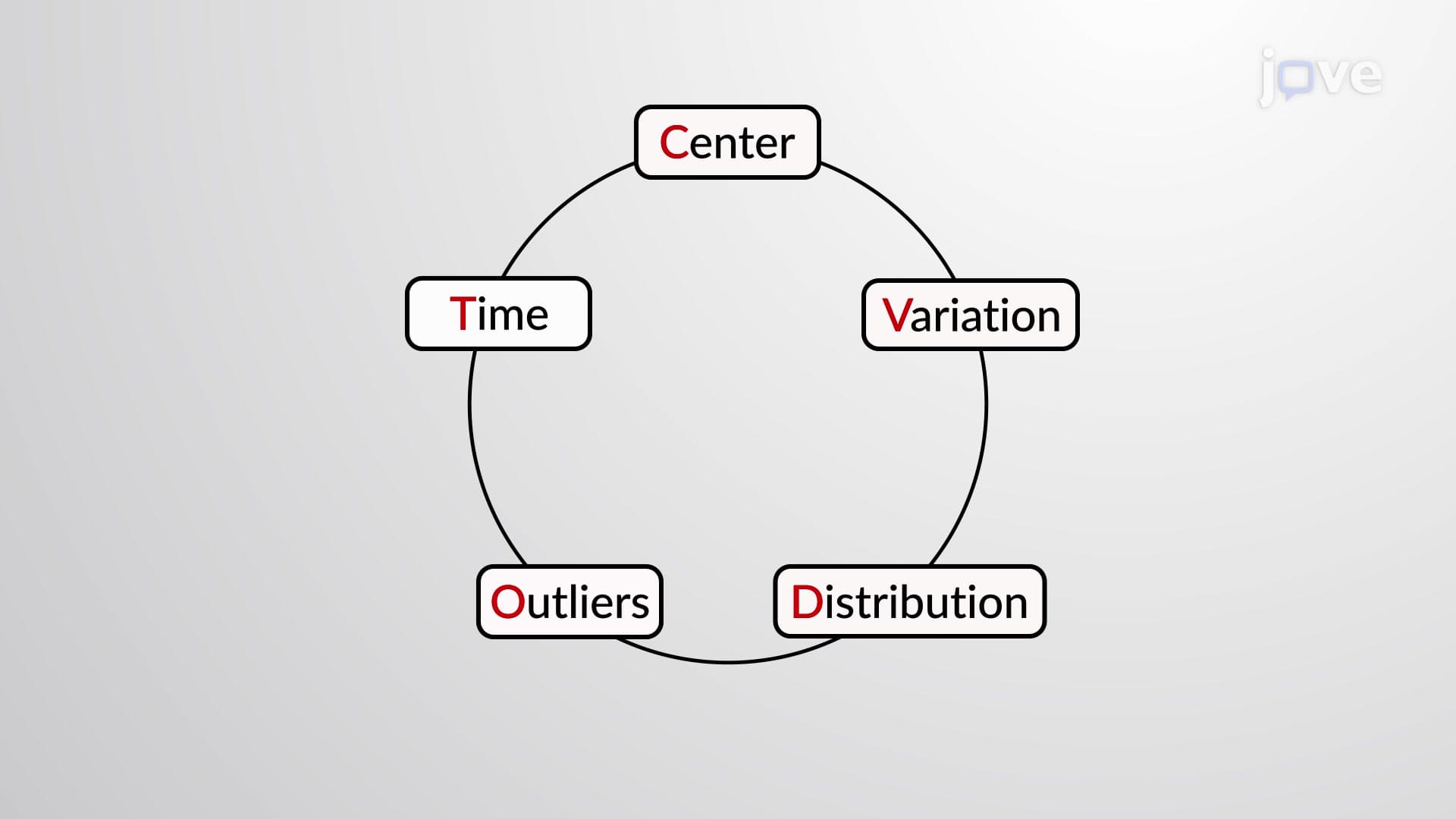
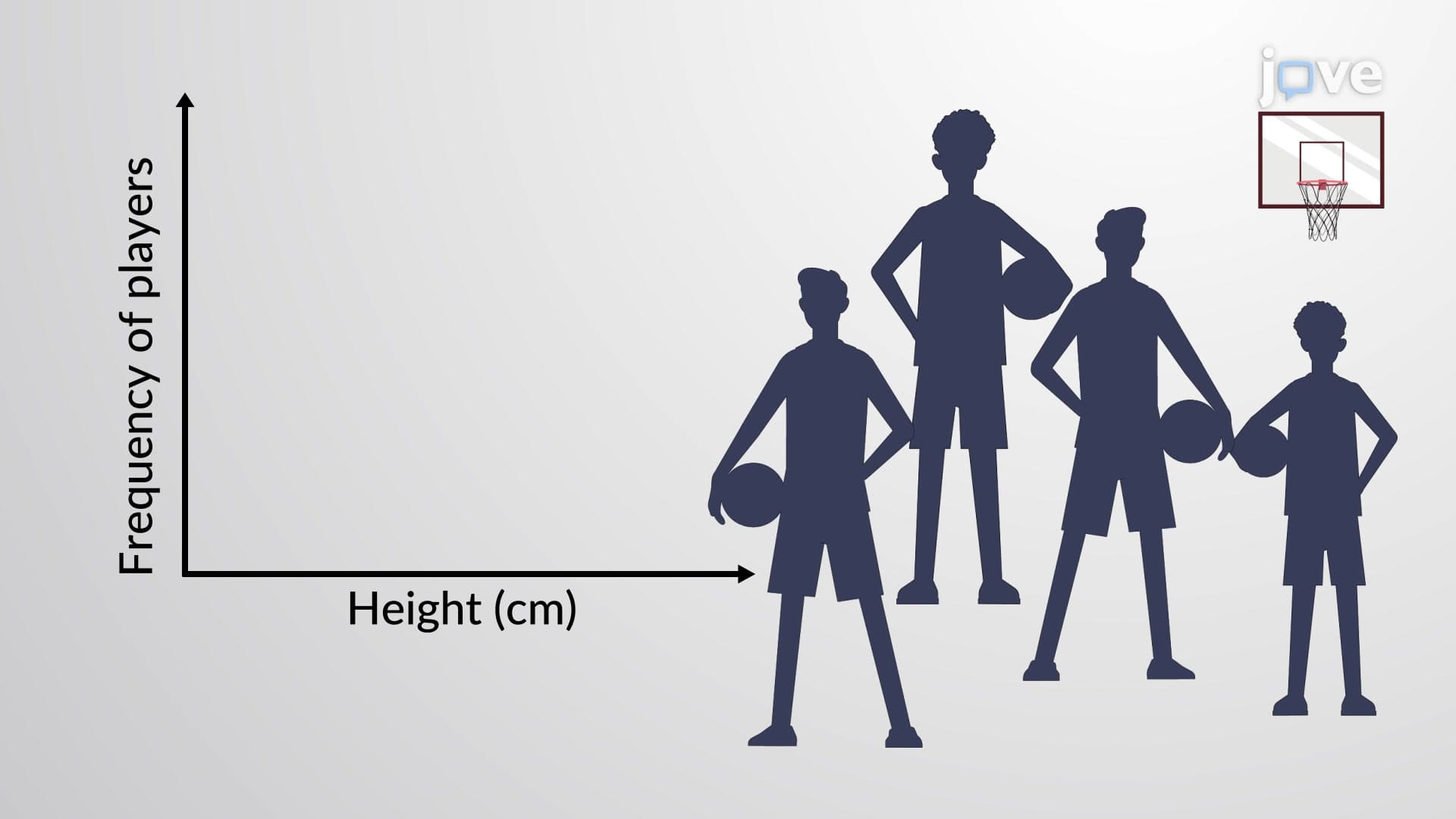
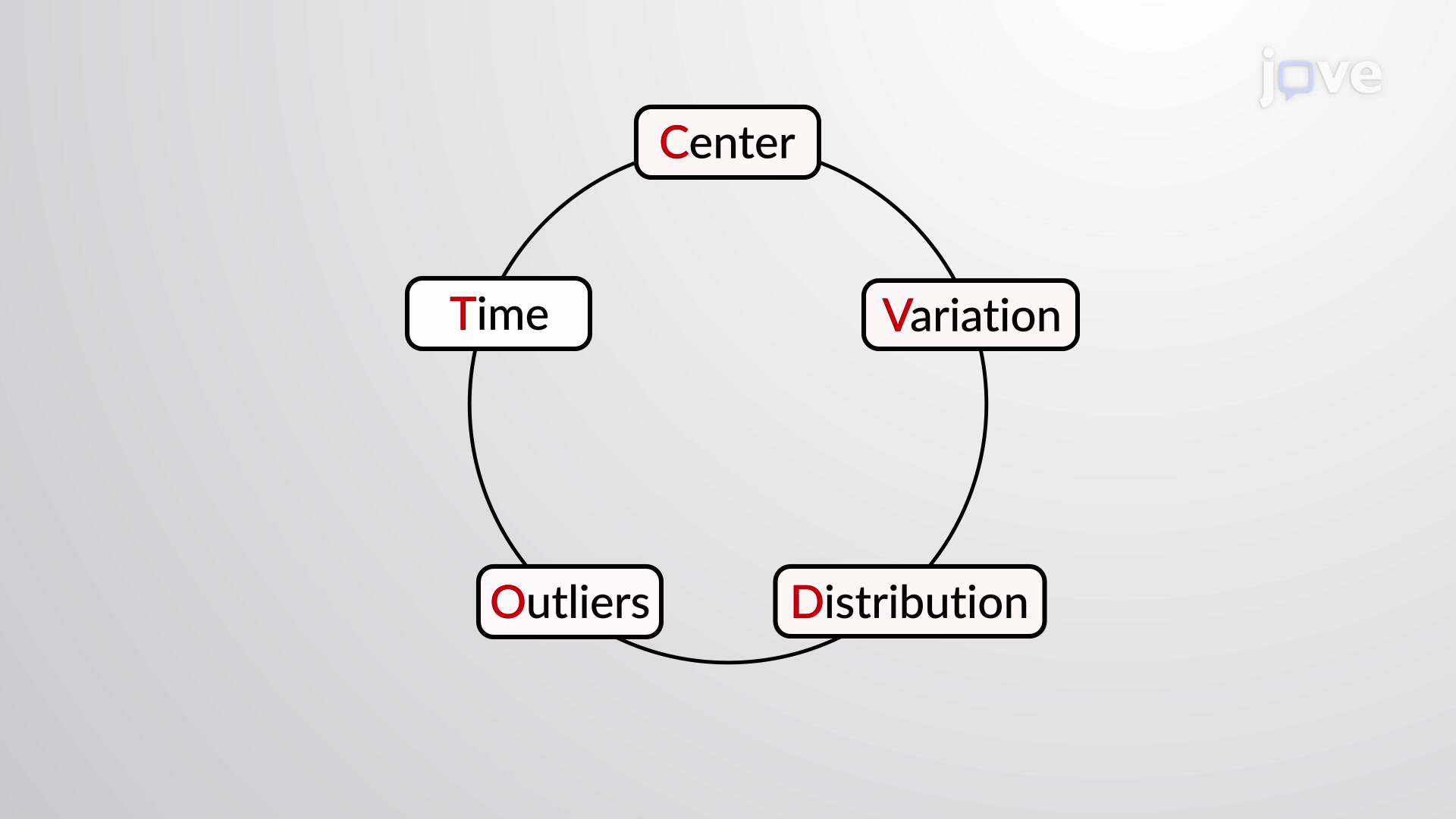
Ever wonder why two NBA teams can have identical average player heights but look completely different on the court? The variation definition reveals how data points spread around their center, making it crucial for understanding datasets beyond simple averages. Consider SAT scores from two high schools: both might average 1200, but one school's scores cluster tightly (1180-1220) while another spans widely (1000-1400). Variation measures like range, standard deviation, and variance quantify this spread, helping analysts interpret data accurately in fields from sports analytics to college admissions. Watch the full video on JoVE Coach to master this concept with expert-led visuals and step-by-step explanations.
The variation definition forms a cornerstone of statistical analysis, describing how individual data points deviate from the dataset's central value. Unlike measures of central tendency (mean, median, mode) that identify where data clusters, variation quantifies the scatter or dispersion of values. This distinction proves critical when analyzing everything from standardized test performance to manufacturing quality control.
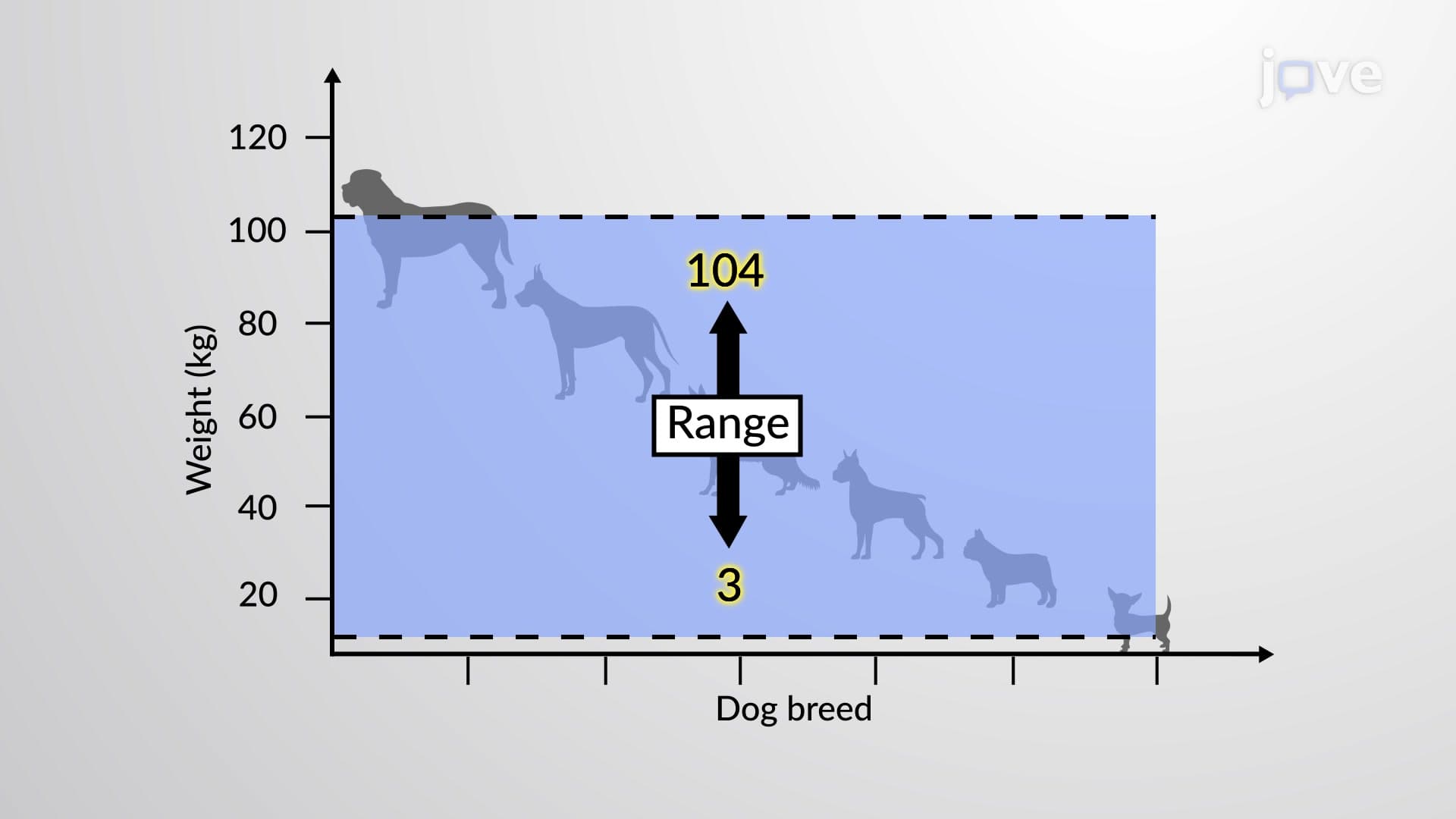
Range represents the simplest variation measure, calculated as the difference between maximum and minimum values. For instance, if AP Calculus scores in a class range from 3 to 5, the range equals 2 points. While easy to compute, range only considers extreme values and ignores the distribution of intermediate data points.
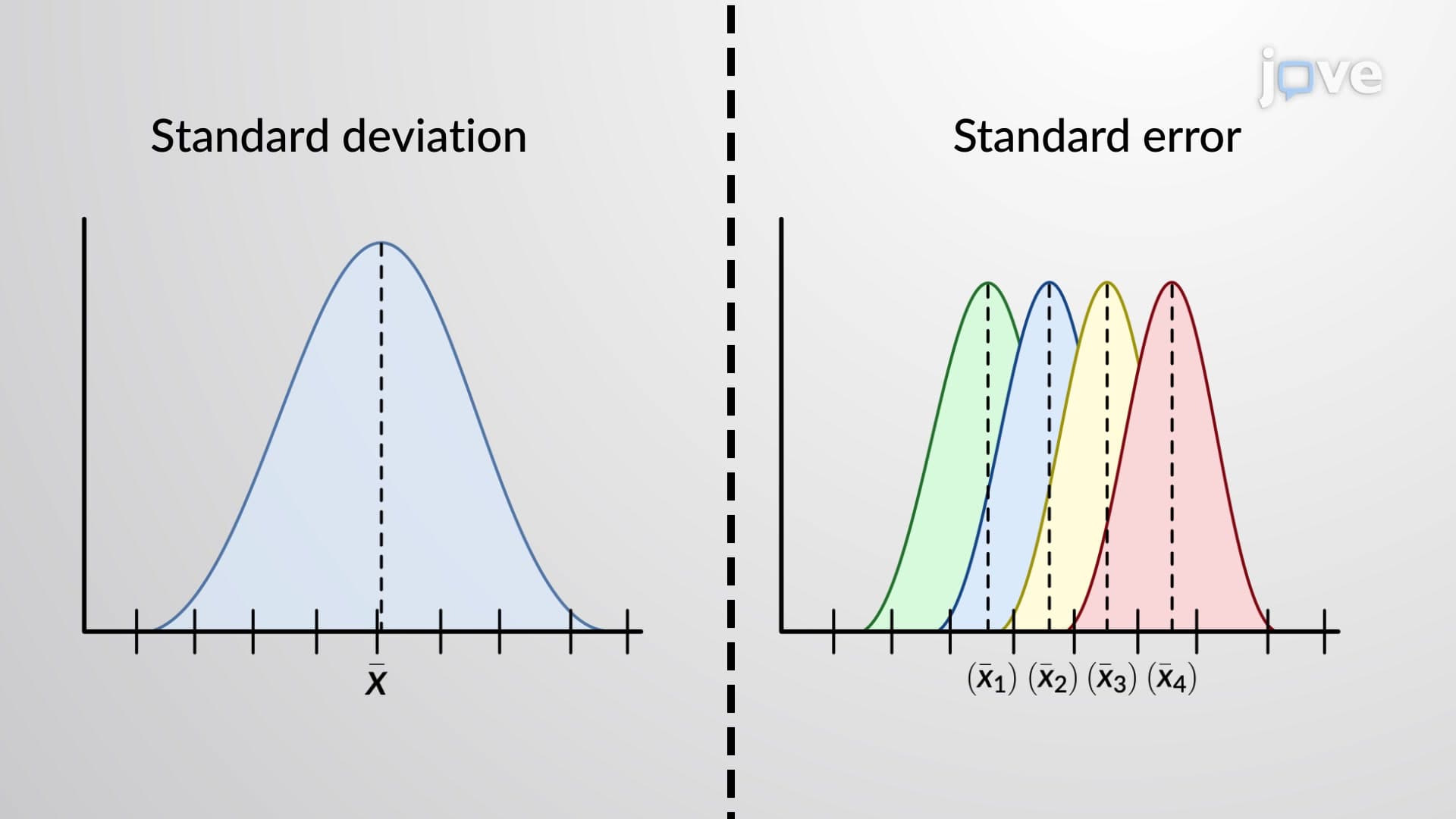
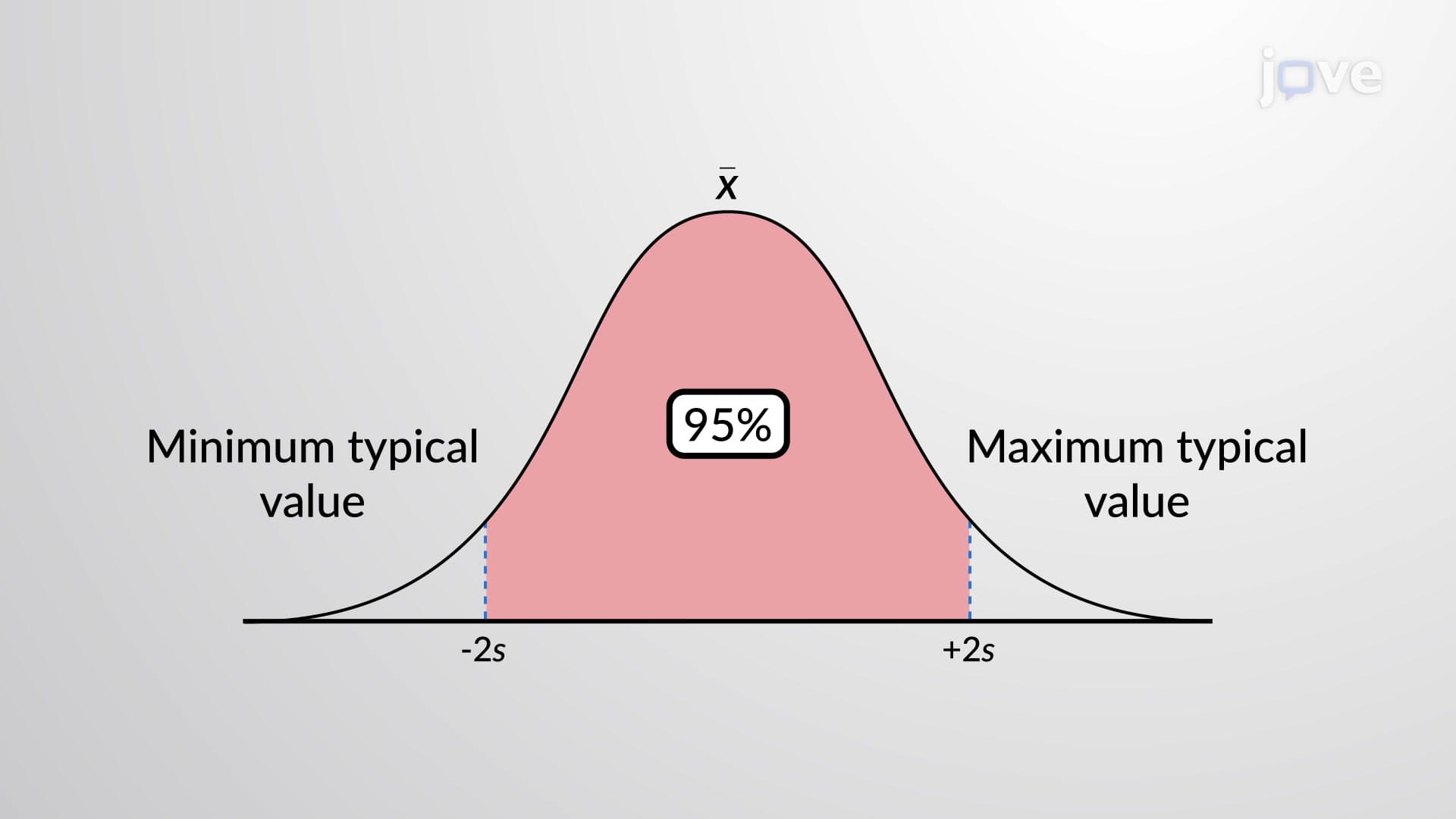
Standard deviation provides a more comprehensive view by measuring average distance from the mean. In college admissions, universities often report average SAT scores with standard deviations—a school might list 1300 ± 120, indicating most students score between 1180-1420. This measure helps admissions counselors understand score consistency within applicant pools.
Variance equals the squared standard deviation, amplifying larger deviations while maintaining mathematical properties useful in advanced statistics. Though less intuitive than standard deviation, variance plays crucial roles in hypothesis testing and regression analysis covered in AP Statistics and introductory college courses.
Stock market analysis exemplifies variation's practical importance. Two mutual funds might generate identical 8% annual returns, but Fund A's consistent 7-9% range appeals to conservative investors while Fund B's volatile 0-16% range attracts risk-takers. Understanding variation helps investors align choices with risk tolerance.
In healthcare, variation analysis guides treatment decisions. Blood pressure readings averaging 130/85 mmHg with low variation suggest stable hypertension, while high variation might indicate medication compliance issues or underlying conditions requiring different interventions.
Academic assessments frequently test variation concepts. AP Statistics exams regularly include problems comparing dataset spreads, while college statistics courses emphasize variation's role in inferential statistics. SAT Math sections may present box plots or histograms requiring variation interpretation for college-bound students.
Frequently Asked Questions
Variation definition describes how spread out or scattered data points are in a dataset. It measures whether values cluster tightly around the average or spread widely across a range. Think of it as the statistical equivalent of asking "how similar or different are these numbers from each other?"
Mastering variation definition is essential for AP Statistics success since 20-25% of exam questions involve measures of spread. You'll encounter problems comparing datasets, interpreting standard deviations, and analyzing distribution shapes. Strong variation concepts also support confidence intervals and hypothesis testing topics worth significant exam points.
College midterms typically test variation definition through calculation problems (finding range, standard deviation, variance), interpretation scenarios (explaining what standard deviation means in context), and comparison exercises (determining which dataset shows greater variability). Many professors include real-world applications requiring you to select appropriate variation measures for specific situations.
Medical researchers use variation to assess treatment consistency and patient response patterns. Low variation in blood glucose levels indicates stable diabetes management, while high variation suggests poor control. Clinical trials compare treatment group variations to determine drug effectiveness and identify optimal dosing strategies for diverse patient populations.
Variation definition concepts are highly accessible since they build on familiar ideas like comparing differences and calculating averages. Most high school algebra skills suffice for basic calculations, while conceptual understanding requires only logical thinking about data patterns. Practice with real-world examples makes variation intuitive for students at all mathematical levels.
Focus on understanding rather than memorization—visualize what each formula measures and practice with varied datasets. Create formula sheets linking mathematical expressions to plain-English explanations. Use mnemonic devices: "Range is the gap between high and low" or "Standard deviation shows average distance from mean."
Students ready for deeper exploration should investigate coefficient of variation for comparing datasets with different units, interquartile range for robust variation measures, and variance properties in probability distributions. These concepts appear in advanced placement courses, college statistics sequences, and standardized tests like the MCAT.
Related Micro-courses
Related Subjects
 Physics 33 micro-courses›
 Math Fundamentals 11 micro-courses›