Loading subject page…
- Statistics
- Measure of Central Tendency
- Geometric Mean
Micro-course: Measure of Central Tendency
154,401 views
Learn key concepts and earn your certificate.







Geometric Mean

00:00
01:15
Video Summary: What Is Geometric Mean
Ever wondered why stock market returns aren't calculated using regular averages? Geometric mean provides the most accurate way to analyze data that grows or shrinks exponentially, making it essential for understanding investment performance and population growth rates. Unlike arithmetic mean, which can be misleading with exponential data, the geometric mean calculates the nth root of multiplied values—crucial for analyzing compound annual growth rates in the S&P 500 or bacterial growth in laboratory studies. Watch the full video on JoVE Coach to master this concept with expert-led visuals and step-by-step explanations.
- Understand what is geometric mean and why it differs fundamentally from arithmetic mean for exponential data analysis
- Identify situations where geometric mean provides more accurate results than traditional averaging methods
- Apply the geometric mean formula using both direct calculation and logarithmic methods
- Analyze exponential datasets common in economics, biology, and finance using appropriate statistical measures
- Compare geometric mean results with arithmetic mean to recognize when each method is most suitable
- Evaluate the limitations of geometric mean, particularly with zero or negative values in datasets
- Recognize real-world applications in investment returns, population growth, and scientific research
- Explore connections between geometric mean and other advanced statistical concepts like harmonic mean
Understanding What is Geometric Mean
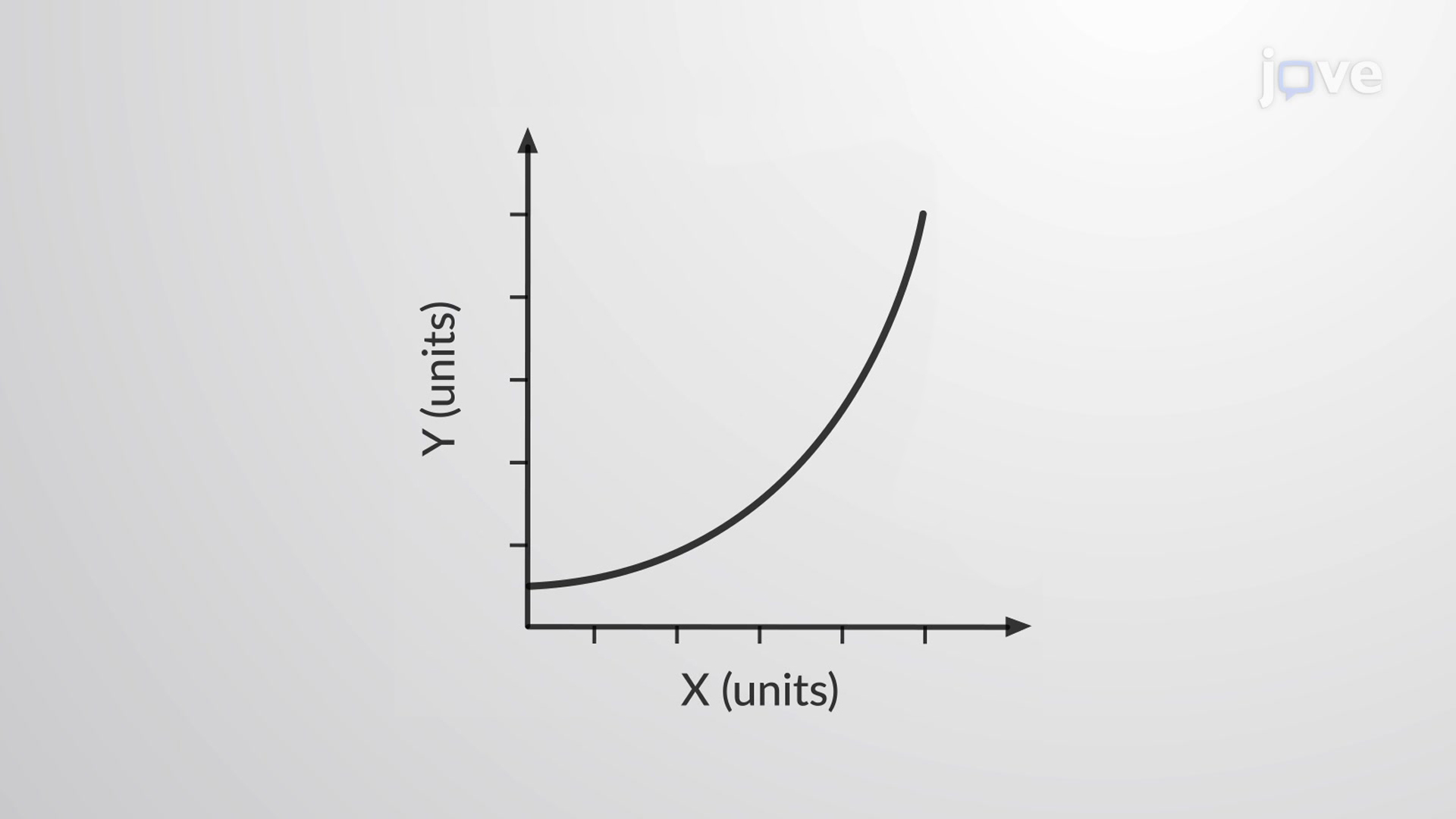
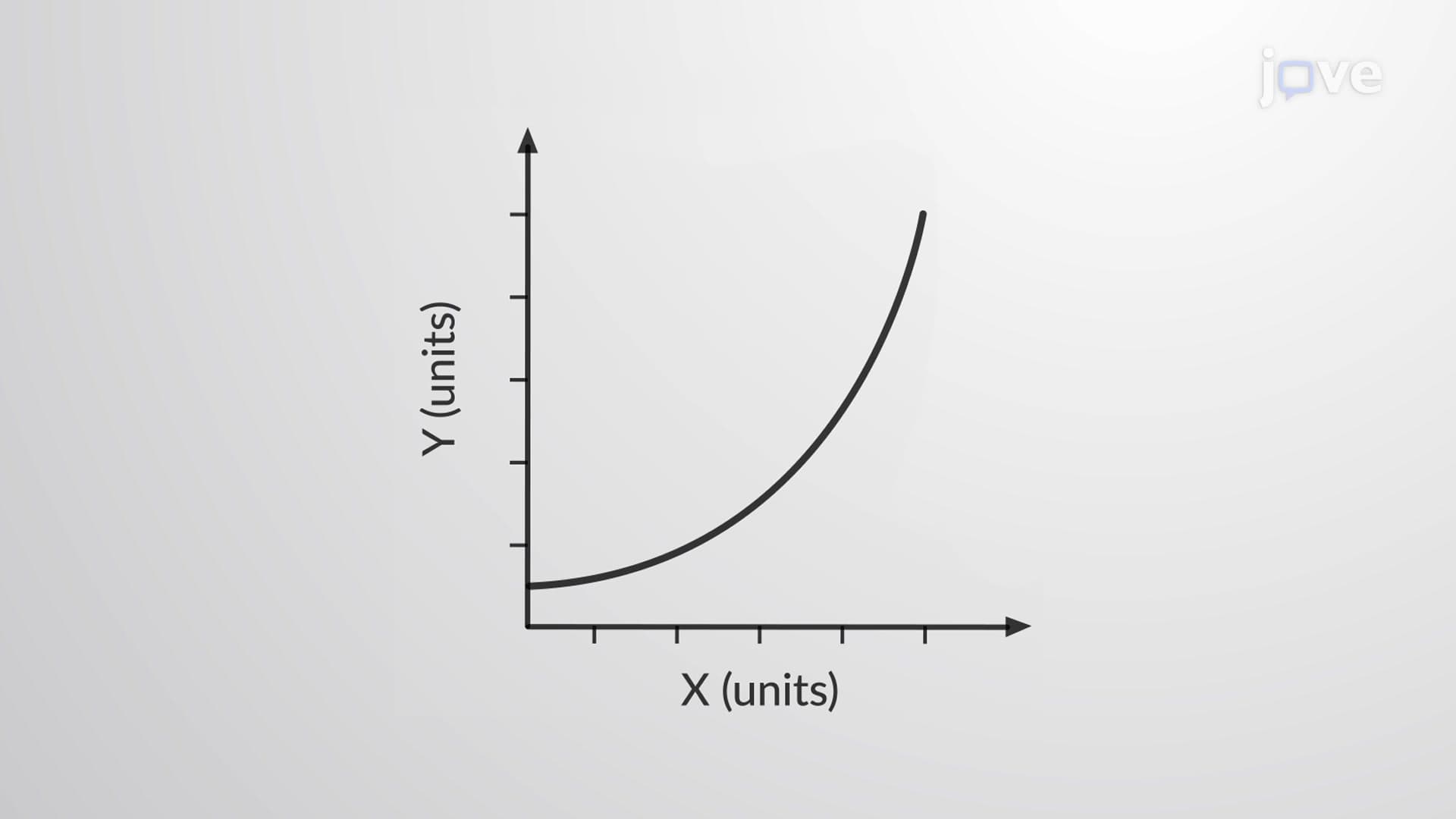
The geometric mean represents a specialized type of average designed specifically for datasets exhibiting exponential growth or decay patterns. Unlike the familiar arithmetic mean that simply adds values and divides by count, geometric mean multiplies all values together and takes the nth root of the product, where n equals the number of data points.
This mathematical approach proves invaluable when analyzing rates of change, growth factors, or any situation where values compound over time. The geometric mean provides the central tendency that best represents the multiplicative nature of exponential data, making it indispensable for students preparing for AP Statistics, college-level mathematics courses, and standardized tests like the SAT Math sections.
Geometric Mean Formula and Calculation Methods
The primary geometric mean formula appears deceptively simple: GM = (x₁ × x₂ × x₃ × ... × xₙ)^(1/n). However, practical calculation often requires the logarithmic method to handle large numbers or extensive datasets. This alternative approach converts each value to its logarithm, calculates the arithmetic mean of these log values, then applies the antilog function to obtain the geometric mean.
For example, when analyzing quarterly growth rates of a tech startup—say 1.15, 1.22, 1.08, and 1.31—the geometric mean of approximately 1.188 reveals the average multiplicative growth factor per quarter. This calculation proves essential for business students analyzing compound annual growth rates or biology students studying bacterial reproduction cycles.
Real-World Applications in Economics and Biology
Financial analysts rely heavily on geometric mean when calculating investment returns over multiple periods. Consider analyzing Apple stock's annual returns over five years: +12%, -8%, +25%, +15%, and +3%. The geometric mean provides the true average annual return, accounting for the compounding effect that makes this measure more accurate than arithmetic mean for investment analysis.
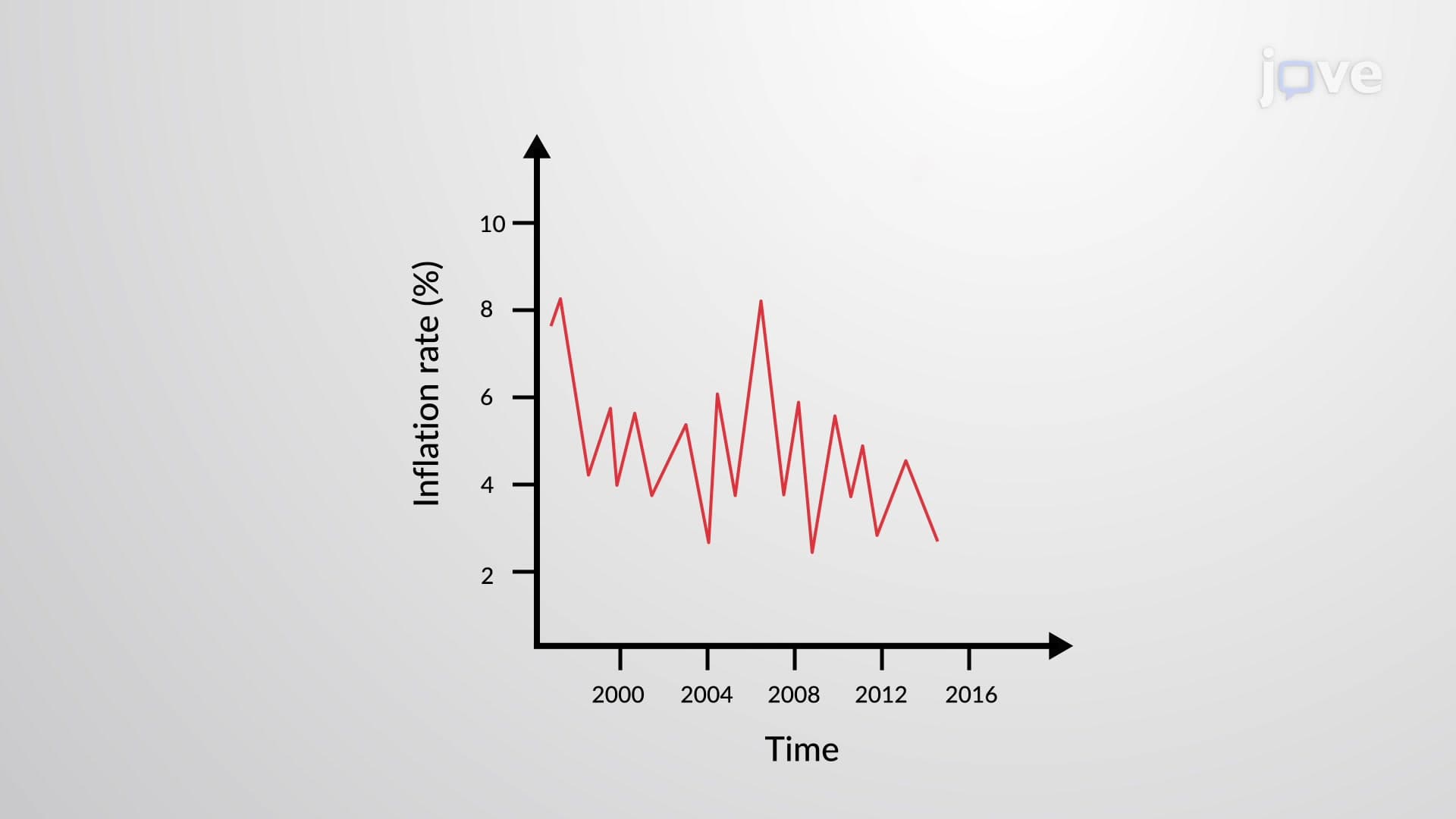
In biological research, geometric mean helps scientists analyze population dynamics, enzyme reaction rates, and dose-response relationships in pharmaceutical studies. CDC epidemiologists use geometric mean to analyze infection rates across different time periods, while environmental scientists apply it to measure pollutant concentrations that vary exponentially across seasons.
Limitations and Special Considerations
The geometric mean carries important restrictions that students must understand for successful application. The presence of zero or negative values makes geometric mean calculation impossible, since you cannot take the nth root of a negative product or multiply by zero. Additionally, geometric mean always produces results less than or equal to the arithmetic mean, with equality occurring only when all values are identical.
These limitations become particularly relevant in AP Statistics problems and college examinations, where students must first assess data characteristics before selecting appropriate statistical measures. Understanding when to apply geometric mean versus arithmetic mean distinguishes advanced statistical thinking from basic computational skills.
Frequently Asked Questions
Geometric mean calculates the nth root of multiplied values, designed specifically for exponential data like growth rates or investment returns. Unlike arithmetic mean which adds values, geometric mean multiplies them, providing more accurate results for data that compounds over time, such as annual stock returns or population growth rates.
Use geometric mean when analyzing rates, ratios, percentages, or any data involving multiplicative processes like investment returns or biological growth. Choose arithmetic mean for additive processes like test scores, heights, or temperatures. AP Statistics exams often test this distinction through real-world scenario questions.
SAT Math typically presents geometric mean through word problems involving investment growth, population changes, or rate calculations. Students must recognize exponential patterns, apply the correct formula, and interpret results in context. Practice identifying when geometric mean provides more meaningful analysis than arithmetic mean.
No, geometric mean cannot handle negative values or zeros since you cannot take real roots of negative products. If your dataset contains negative numbers, consider using arithmetic mean or other statistical measures. This limitation frequently appears in college statistics coursework and standardized test questions.
Financial analysts calculate investment returns and risk assessments using geometric mean. Epidemiologists at the CDC analyze disease spread rates, while pharmaceutical researchers determine drug dosage effectiveness. Environmental scientists measure pollutant concentration changes, and market researchers analyze growth trends across different time periods.
Geometric mean requires only basic algebra and understanding of exponents and roots. Most high school students can master the concept with practice. The logarithmic method might seem challenging initially, but it's simply an alternative calculation approach that becomes valuable for complex datasets or when using calculators.
Practice identifying exponential data patterns in word problems, memorize both calculation methods, and work through real-world examples like investment returns or population growth. Focus on understanding when geometric mean provides better analysis than arithmetic mean. Create summary cards with formula steps and common application scenarios.
Explore harmonic mean for rate problems, then advance to standard deviation and variance for exponential data. Study logarithmic transformations and their applications in regression analysis. These concepts build naturally on geometric mean understanding and frequently appear together in advanced statistics courses and professional applications.
Related Micro-courses
11 Concepts

9 Concepts

14 Concepts