Loading video…

 13 Concepts
 154.4K views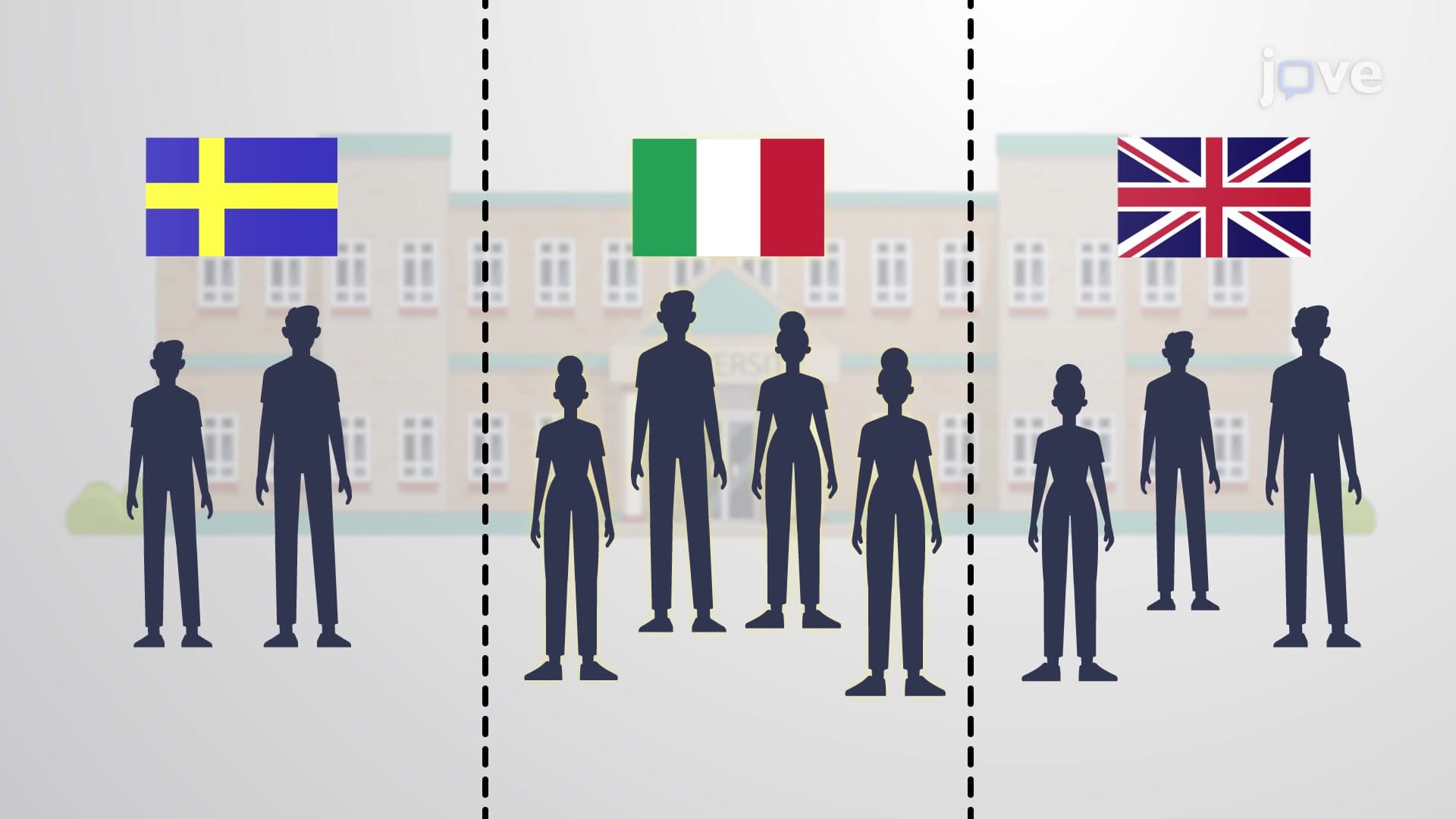

Video Summary: A Mode Definition
Did you know that when Major League Baseball analyzes batting averages, the mode reveals which performance level occurs most frequently among players? A mode definition centers on identifying the most frequently occurring value in any dataset. For example, if a high school basketball team's free throw percentages cluster around 75%, then 75% represents the mode of their shooting data. This fundamental statistical measure helps students understand data patterns in everything from standardized test scores to consumer preferences. Watch the full video on JoVE Coach to master this concept with expert-led visuals and step-by-step explanations.
A mode definition encompasses the fundamental concept of identifying the most frequently occurring value within a dataset. Unlike the mean (average) or median (middle value), the mode focuses exclusively on frequency of occurrence, making it particularly valuable for analyzing categorical data and identifying common patterns in numerical datasets.
Statistical datasets can exhibit different modal characteristics. Unimodal distributions contain exactly one mode-the single most frequent value. For instance, if SAT math scores at a particular high school show that 650 appears more often than any other score, then 650 is the mode. Bimodal distributions feature two values with equal highest frequency, such as when both 3.2 and 3.8 GPA values appear most frequently in a college admissions dataset. Multimodal distributions contain three or more modes, while some datasets have no mode when all values appear with equal frequency or each value appears only once.
The mode proves essential in numerous real-world scenarios across American institutions. College admissions officers use modal analysis to identify the most common SAT score ranges among accepted students. Retail companies like Target analyze modal purchasing patterns to determine which product sizes or colors to stock most heavily. In healthcare, medical researchers examine modal symptoms to identify the most frequently reported side effects in clinical trials conducted by organizations like the Mayo Clinic or Johns Hopkins.
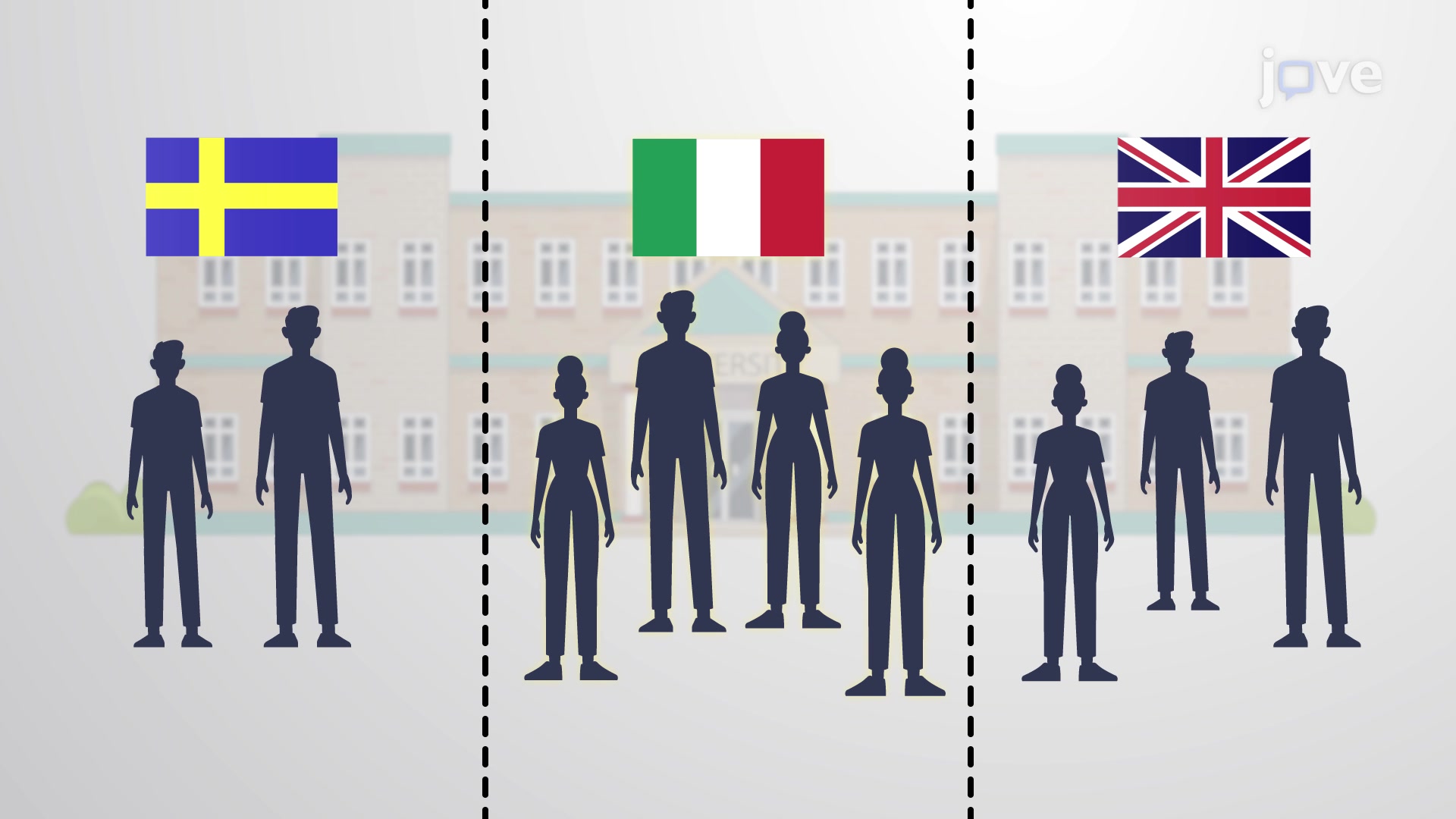
Unlike mean and median, which require numerical data, the mode works effectively with categorical information. University demographics provide excellent examples: if international students at UCLA represent the following nationalities-China (45 students), India (38 students), South Korea (45 students), and Japan (22 students)-then both China and South Korea represent bimodal categories. This capability makes the mode indispensable for analyzing survey data, consumer preferences, and demographic studies where numerical averages would be meaningless. Students preparing for AP Statistics or college-level statistics courses should master modal analysis as it frequently appears in data interpretation questions and real-world problem-solving scenarios.
Related Micro-courses