Loading video…

 13 Concepts
 154.4K views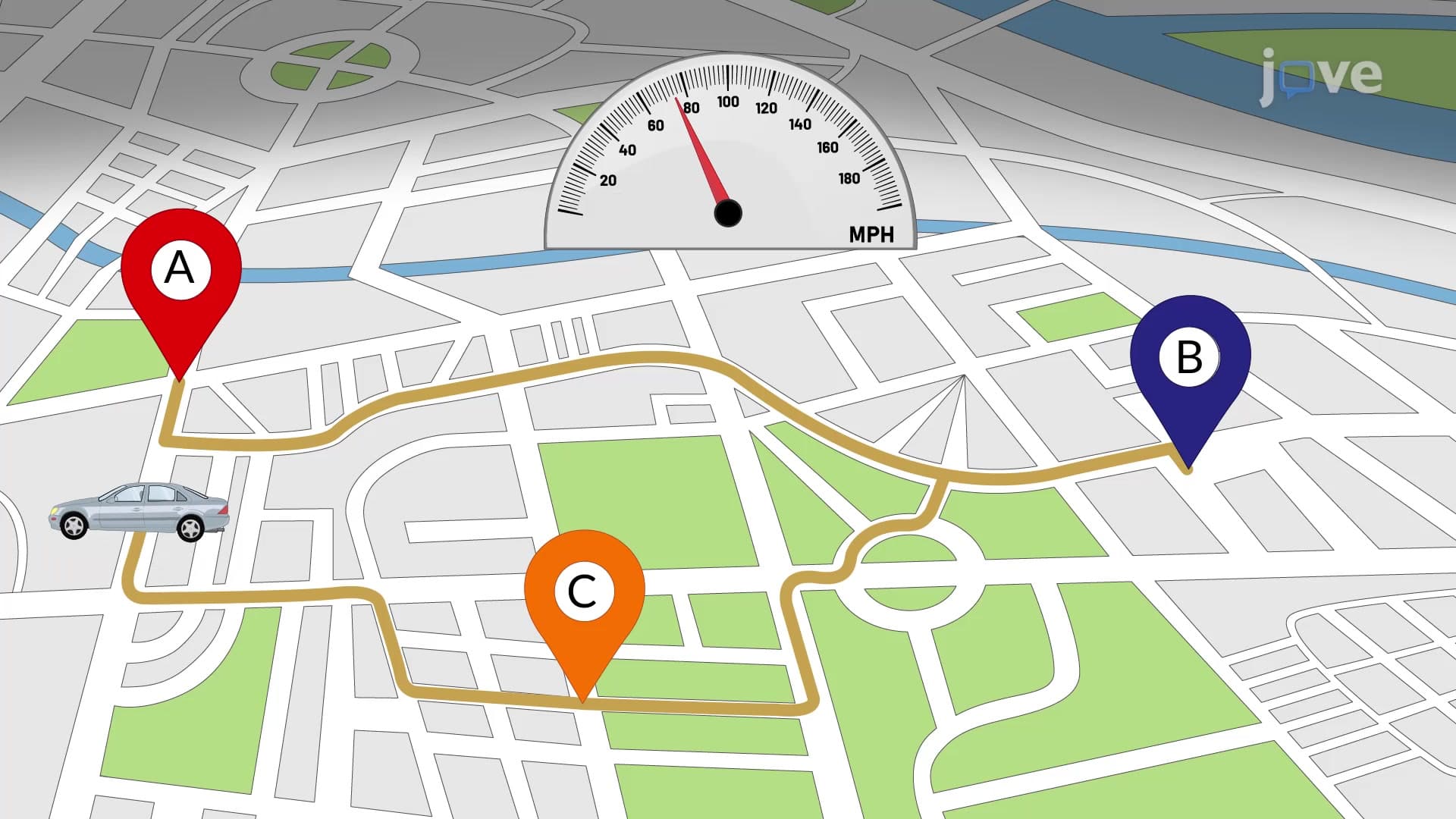

Video Summary: What Is Harmonic Mean
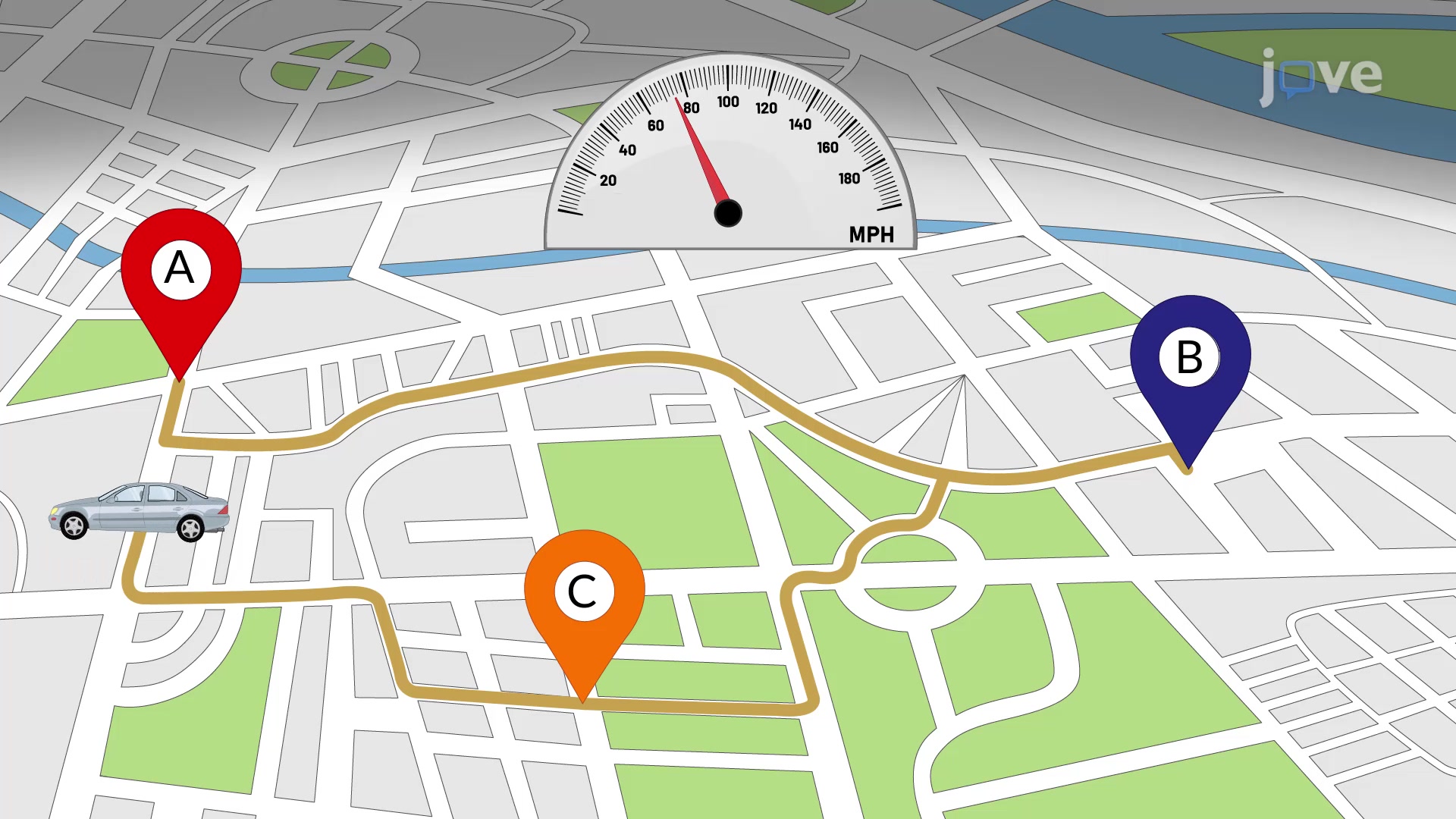
Ever wonder why your GPS calculates travel time differently than you might expect? The harmonic mean provides a more accurate way to average rates and ratios, unlike the arithmetic mean which can be misleading when dealing with speeds or financial ratios. For instance, when calculating the average speed of a cross-country road trip through different states with varying speed limits, the harmonic mean gives appropriate weight to slower segments. Watch the full video on JoVE Coach to master this concept with expert-led visuals and step-by-step explanations.
The harmonic mean represents one of three classical Pythagorean means, alongside arithmetic and geometric means. Unlike its counterparts, the harmonic mean excels at averaging rates, ratios, and reciprocal relationships where traditional arithmetic averaging fails to capture true performance. This mathematical tool proves essential across disciplines from physics to finance, providing more accurate representations when dealing with inversely related quantities.
The harmonic mean definition centers on a three-step reciprocal transformation. First, convert each data point to its reciprocal (1/x). Second, calculate the arithmetic mean of these reciprocals. Finally, take the reciprocal of this arithmetic mean to obtain the harmonic mean. For example, finding the harmonic mean of 30, 70, and 80 mph yields: reciprocals (1/30, 1/70, 1/80), arithmetic mean of reciprocals (0.0482), and final harmonic mean (1/0.0482 = 20.74 mph). This process inherently weights smaller values more heavily, providing realistic averages for rate-based calculations.
Understanding what is harmonic mean in detail becomes crucial when examining practical applications. In transportation, consider calculating average fuel efficiency across different driving conditions-city driving at 25 mpg and highway driving at 35 mpg doesn't average to 30 mpg in real-world scenarios. The harmonic mean accounts for time spent at each efficiency level. Similarly, financial analysts use harmonic mean for price-to-earnings ratios when evaluating portfolio performance, as it prevents high-ratio outliers from skewing investment decisions.
The harmonic mean concept appears frequently in standardized testing, including AP Statistics, SAT Math Level 2, and college-level statistics courses. Students encounter it in physics when studying parallel resistances, in economics when analyzing productivity rates, and in business mathematics when evaluating average costs. Mastering this concept proves essential for STEM majors, business students, and anyone pursuing quantitative analysis careers. The harmonic mean's unique properties make it indispensable for accurate statistical interpretation in professional settings where rate-based measurements dominate decision-making processes.
Related Micro-courses