Loading…
Loading video…

154,401 views

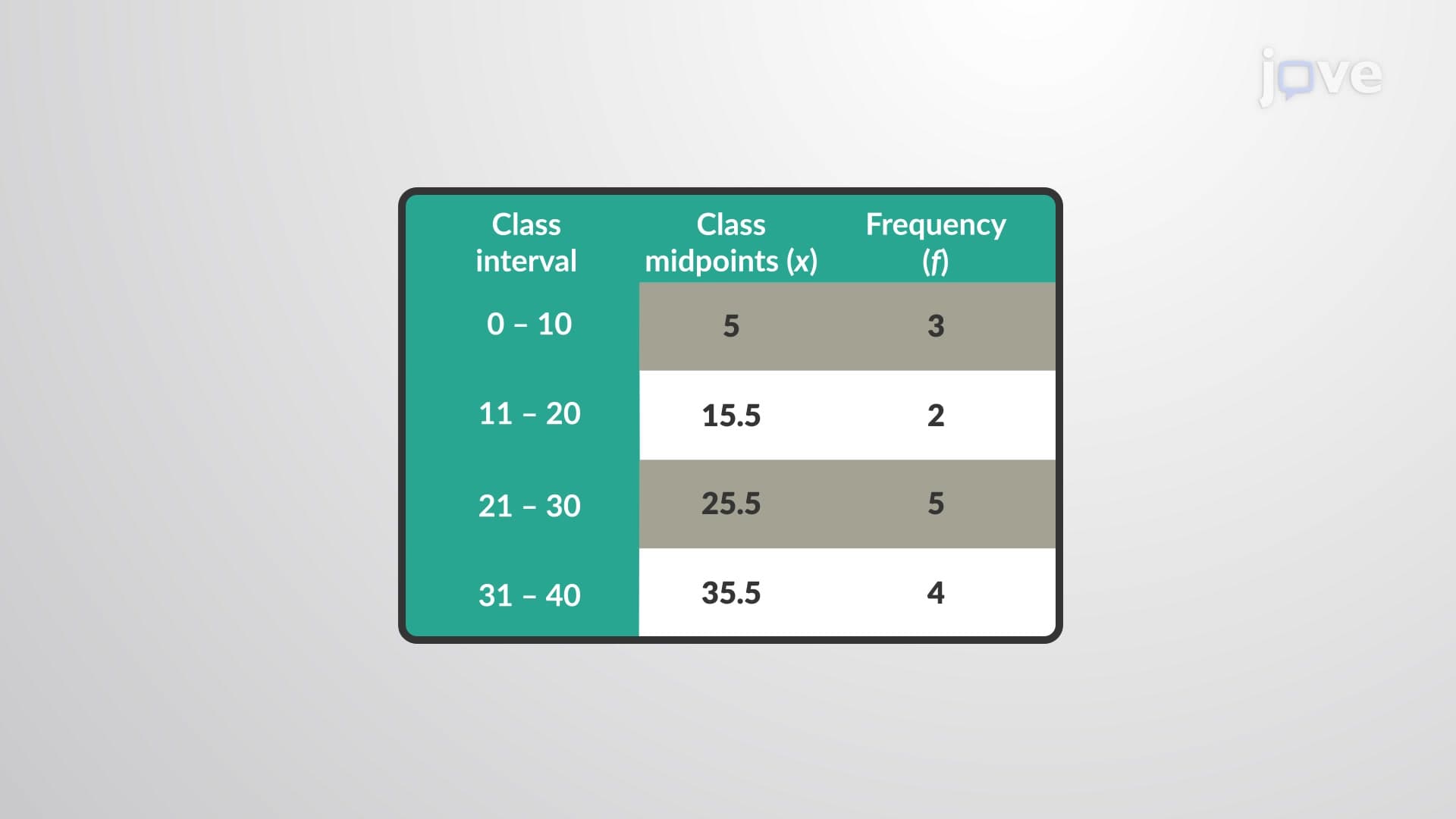
Did you know that Major League Baseball batting averages, Netflix recommendation algorithms, and college admissions all rely on the same fundamental statistical concept? The central tendency definition describes statistical measures that identify a single representative value from a dataset. For instance, when the College Board reports that the average SAT score is 1050, they're using central tendency to summarize thousands of individual test scores into one meaningful number. Watch the full video on JoVE Coach to master this concept with expert-led visuals and step-by-step explanations.
The central tendency definition encompasses statistical measures designed to capture the "center" of a dataset with a single representative value. Think of it as finding the most typical or characteristic value that best summarizes an entire collection of data points. This concept forms the foundation of descriptive statistics and appears frequently in AP Statistics, college statistics courses, and standardized test questions.
Mean (Arithmetic Average) represents the sum of all values divided by the number of observations. When college admissions officers say the average GPA of admitted students is 3.7, they're reporting the mean. This measure works best with normally distributed data but can be misleading when extreme values (outliers) are present.
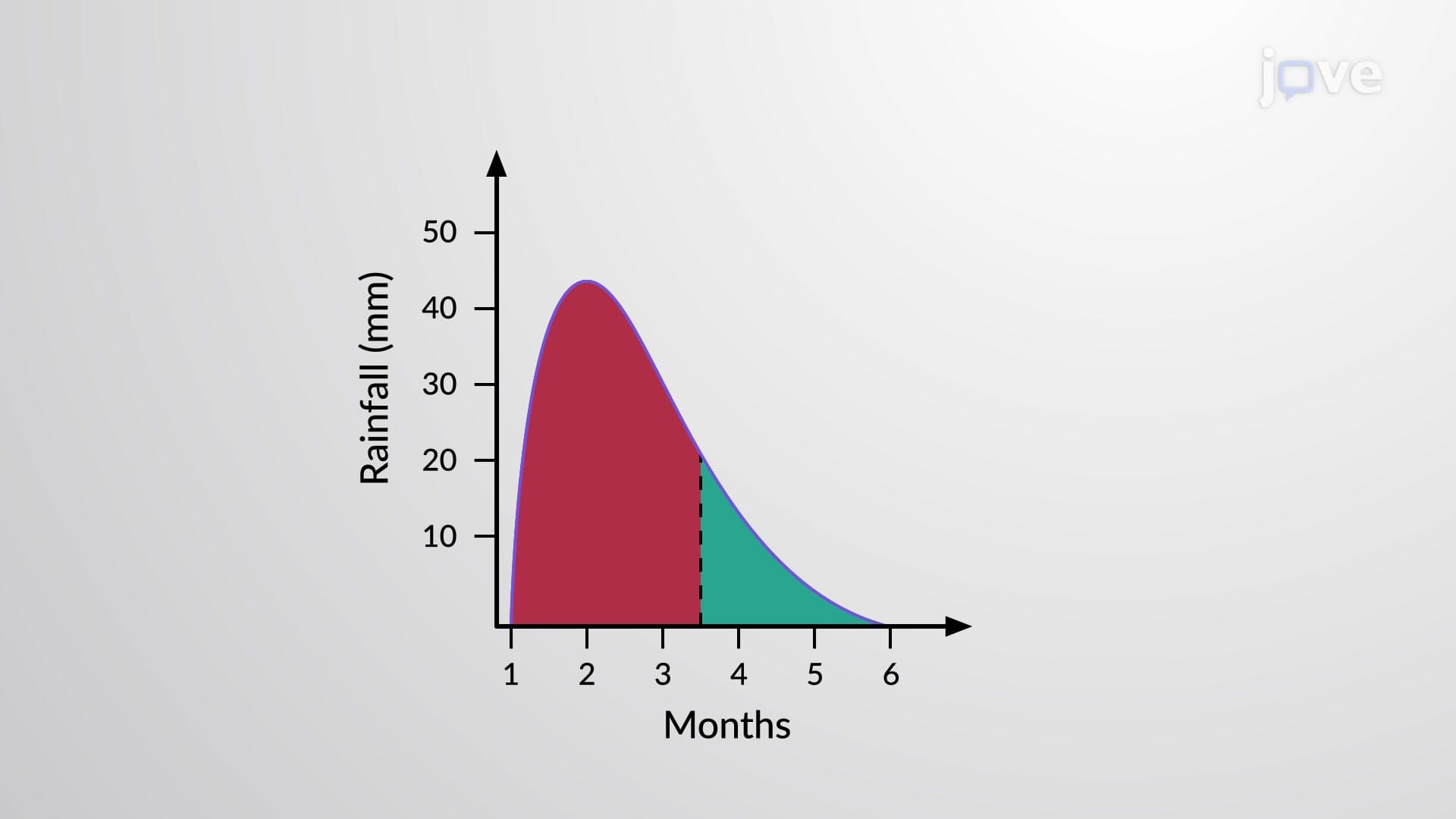
Median identifies the middle value when data is arranged in ascending order. If you ranked all SAT Math scores from lowest to highest, the median would be the score exactly in the middle position. The median remains stable even with extreme outliers, making it ideal for skewed distributions like household income data.
Mode pinpoints the most frequently occurring value in a dataset. In a survey of favorite pizza toppings among high school students, pepperoni might be the mode if chosen most often. Some datasets have multiple modes (bimodal or multimodal), while others have no mode at all.
Midrange calculates the average of the maximum and minimum values. For temperature data ranging from 32°F to 98°F, the midrange would be 65°F. While less commonly used than other measures, midrange provides insight into the data's spread and appears in some standardized test problems.
These measures appear throughout academic and professional contexts. The College Board uses mean scores to set national benchmarks, while the CDC relies on median values to report health statistics because medical data often contains outliers. In AP Statistics, students frequently encounter problems requiring them to choose the most appropriate measure based on data characteristics.
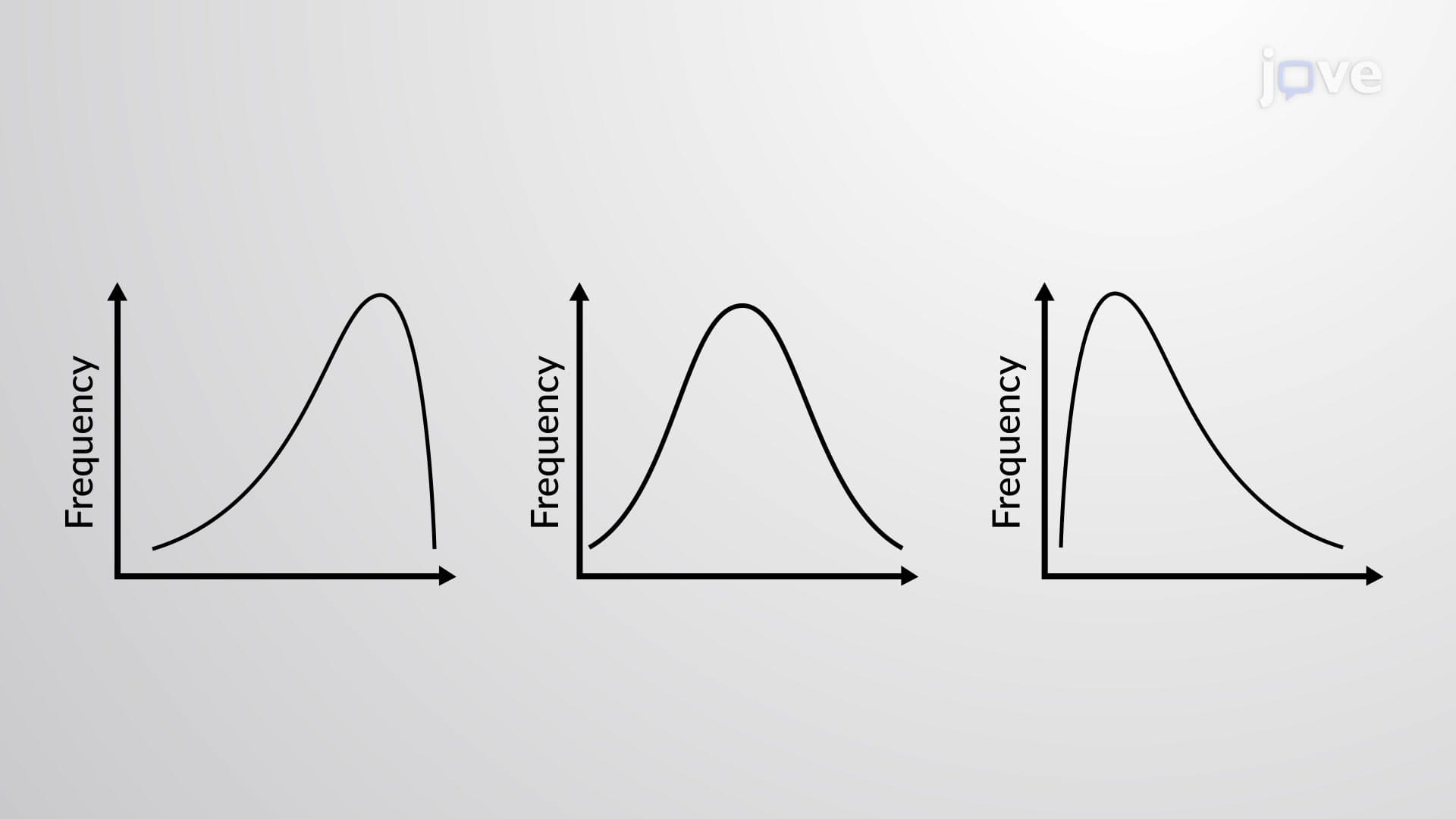
Understanding when each measure is most effective proves crucial for exam success. Symmetric distributions often use mean, skewed distributions favor median, and categorical data requires mode. This decision-making process appears in multiple-choice questions on the AP Statistics exam and college statistics courses nationwide.
Frequently Asked Questions
Central tendency definition refers to statistical measures that identify a single value representing the center or typical value of a dataset. The four main measures are mean (average), median (middle value), mode (most frequent), and midrange (average of extremes). These measures help summarize large amounts of data into one meaningful number that captures the dataset's central characteristics.
AP Statistics frequently tests central tendency through multiple-choice and free-response questions requiring students to calculate measures and determine which is most appropriate for given scenarios. Common question types include identifying the best measure for skewed data, calculating missing values when given partial information, and interpreting real-world contexts. Students must demonstrate understanding of when outliers affect different measures differently.
College math placement exams often include problems calculating mean, median, and mode from given datasets, along with word problems requiring interpretation of these measures. The ACCUPLACER and similar tests may present scenarios involving grade point averages, test scores, or survey data where students must identify appropriate measures or solve for unknown values using central tendency principles.
Nurses preparing for NCLEX exams encounter central tendency in analyzing patient vital signs, medication dosages, and treatment outcomes. For example, ICU nurses might calculate the median blood pressure readings to assess patient stability, while public health officials use mean vaccination rates to identify community health trends. These applications demonstrate why understanding central tendency proves essential for evidence-based healthcare practice.
Central tendency definition concepts are highly accessible to students at all math levels, requiring only basic arithmetic operations like addition, division, and ordering numbers. The conceptual understanding often proves more important than complex calculations, making this topic manageable for students in Algebra I or higher. Most high school students successfully master these concepts with consistent practice and real-world applications.
Focus on understanding when to use each measure rather than memorizing formulas, since most exams provide formula sheets. Practice with real datasets from sports, academics, or current events to build intuition about which measure best represents different situations. Create comparison charts showing how outliers affect each measure differently, and work through past AP or college exam problems to recognize common question patterns.
After central tendency, explore measures of variability (range, variance, standard deviation) to understand data spread around central values. This naturally leads to studying data distribution shapes, z-scores, and probability concepts. These topics build upon central tendency foundations and appear together in advanced statistics courses and standardized tests like AP Statistics.
Central tendency knowledge helps students interpret college admission statistics more effectively, understanding what "average" SAT scores and GPAs really mean for their chances. Students can analyze whether their scores fall above or below institutional medians and means, making more informed decisions about where to apply. This statistical literacy also demonstrates quantitative reasoning skills valued by admissions committees.
Related Micro-courses


Related Subjects
 Physics 33 micro-courses›
 Math Fundamentals 11 micro-courses›