Loading…
Loading video…
85,600 views
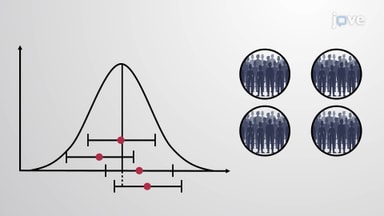
Ever wonder how pollsters predict election outcomes with just 1,000 voters representing 240 million Americans? The confidence interval for estimating population mean makes this statistical magic possible by creating a reliable range around sample estimates. When Gallup surveys Americans about economic confidence, they use this method to transform limited sample data into trustworthy population predictions. Watch the full video on JoVE Coach to master this concept with expert-led visuals and step-by-step explanations.
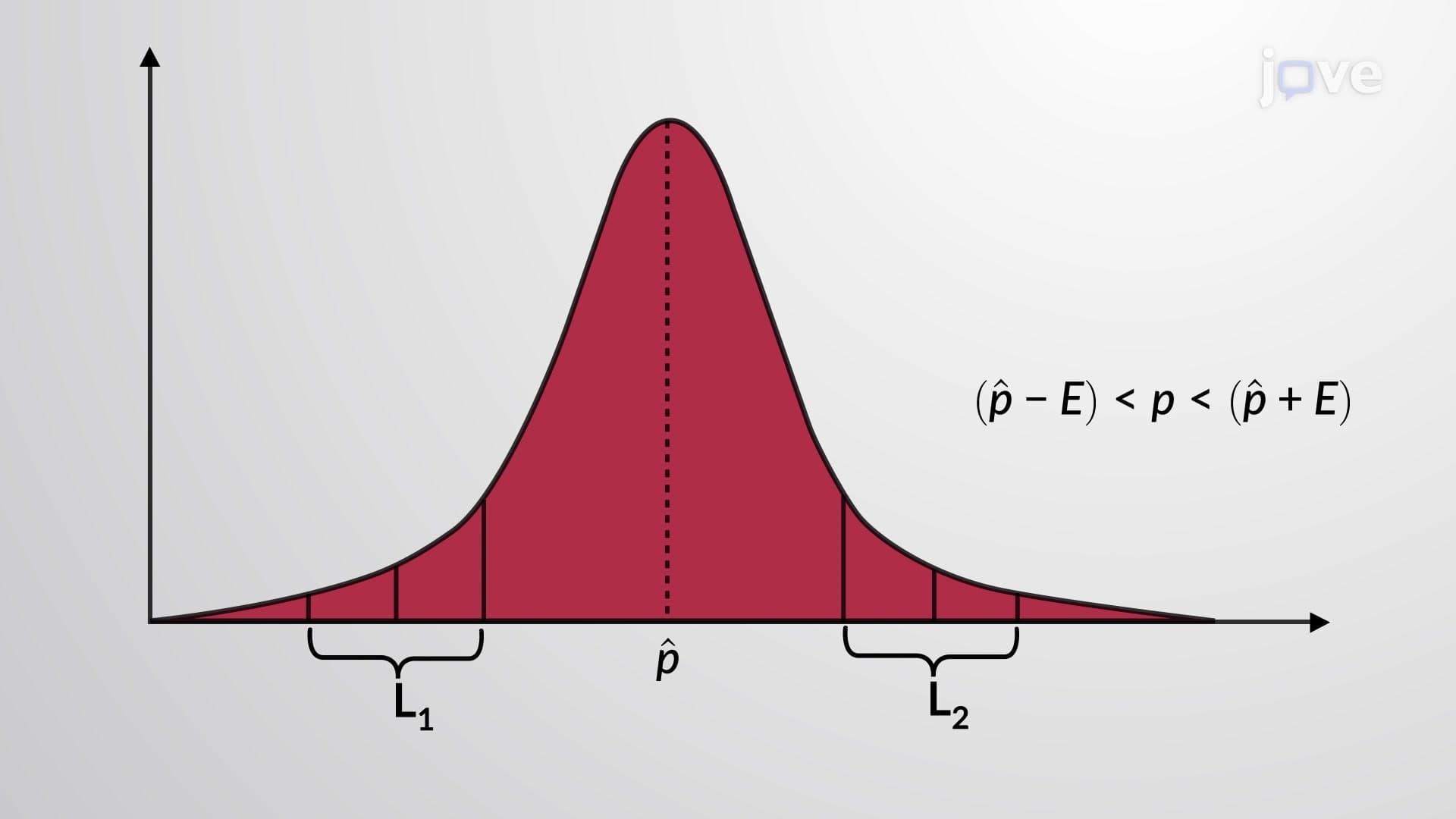
The confidence interval for estimating population mean addresses a fundamental statistical challenge: how can we make reliable inferences about an entire population based on limited sample data? This powerful concept transforms potentially misleading single-number estimates into informative ranges that quantify our uncertainty.
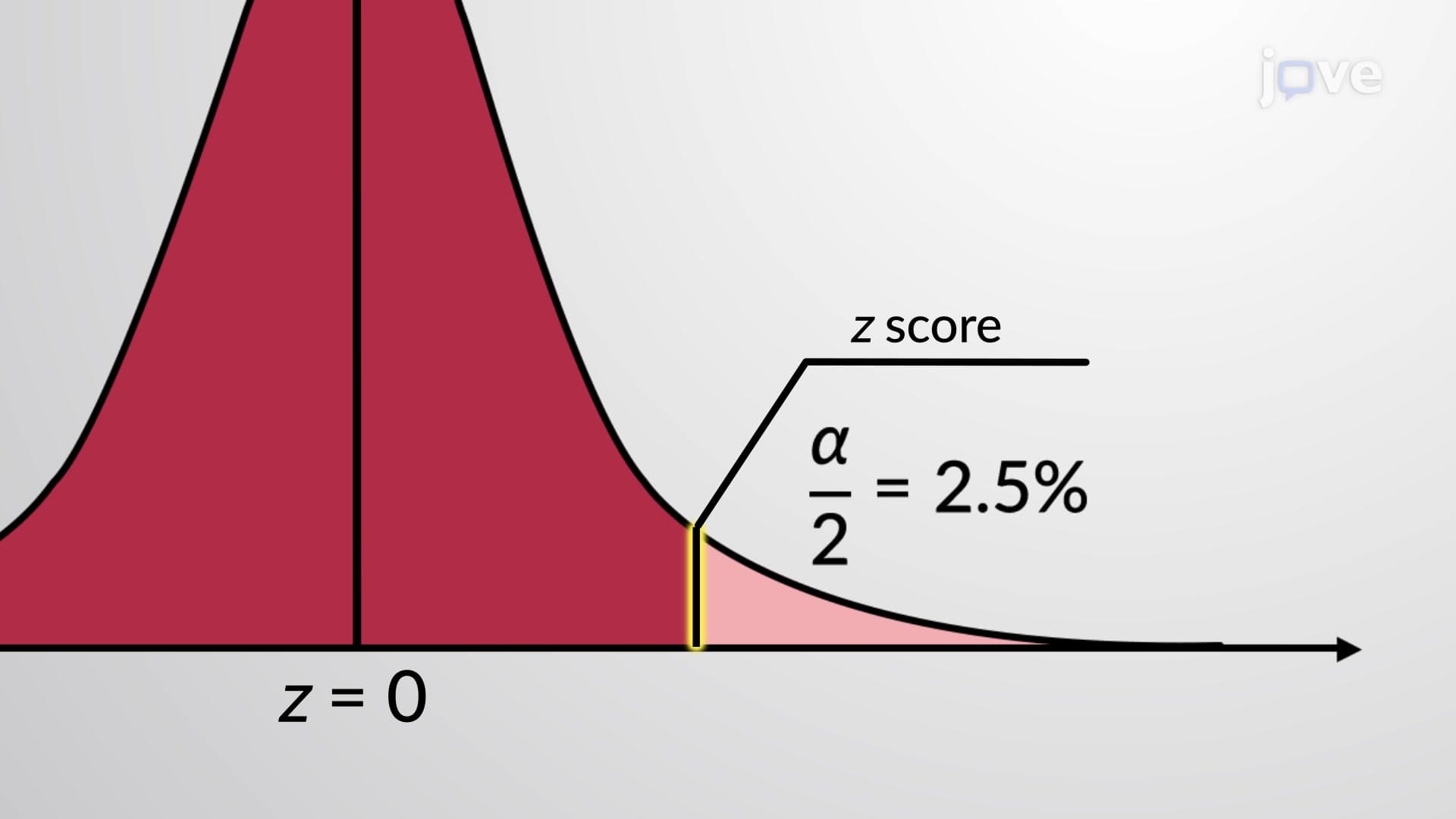
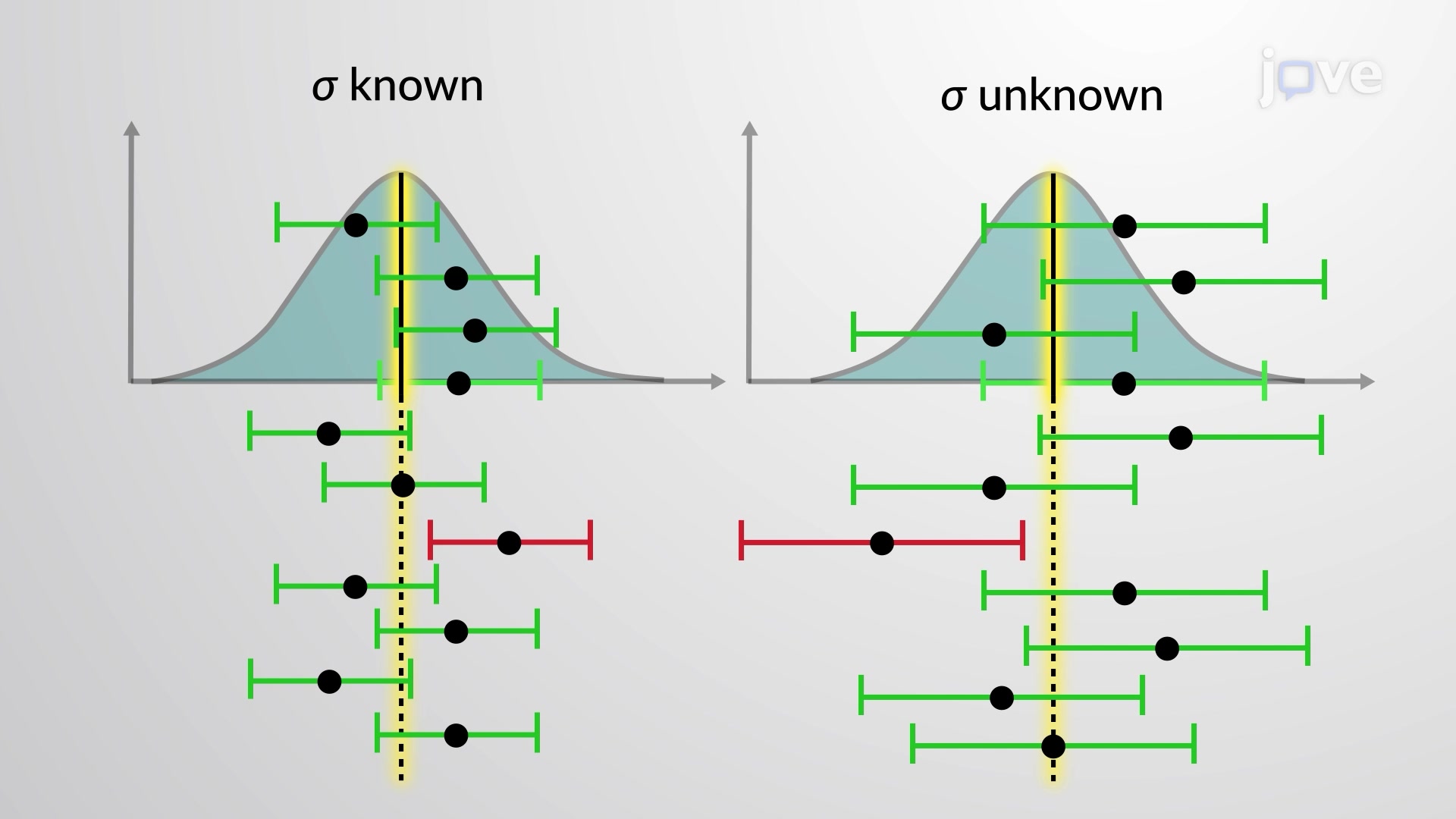
When population standard deviation is known—a rare but important scenario—we use the z-distribution to construct confidence intervals. The formula becomes: sample mean ± (z-critical value × standard error). For a 95% confidence level, the z-critical value is 1.96. This means that if the FDA tests drug effectiveness with known population variance, they can create precise confidence intervals for mean treatment effects.
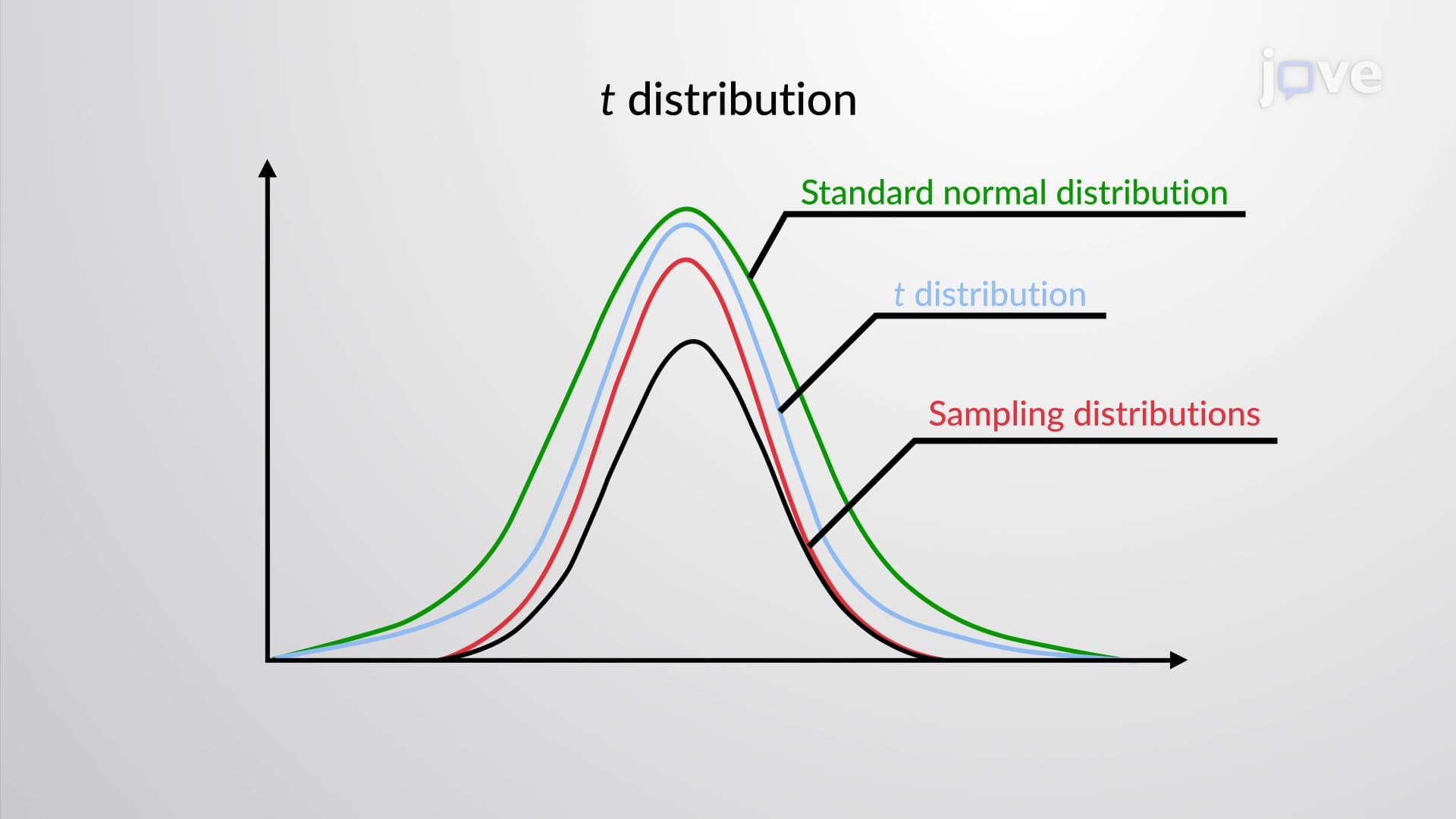
In practice, population standard deviation is almost always unknown, making the t-distribution essential for confidence interval for estimating population mean calculations. Unlike the z-distribution, t-distribution accounts for additional uncertainty from estimating population variance. A medical researcher studying blood pressure medication effectiveness typically uses t-intervals because population variance is unknown. While these intervals are wider than z-intervals, they provide equally reliable population mean estimates.
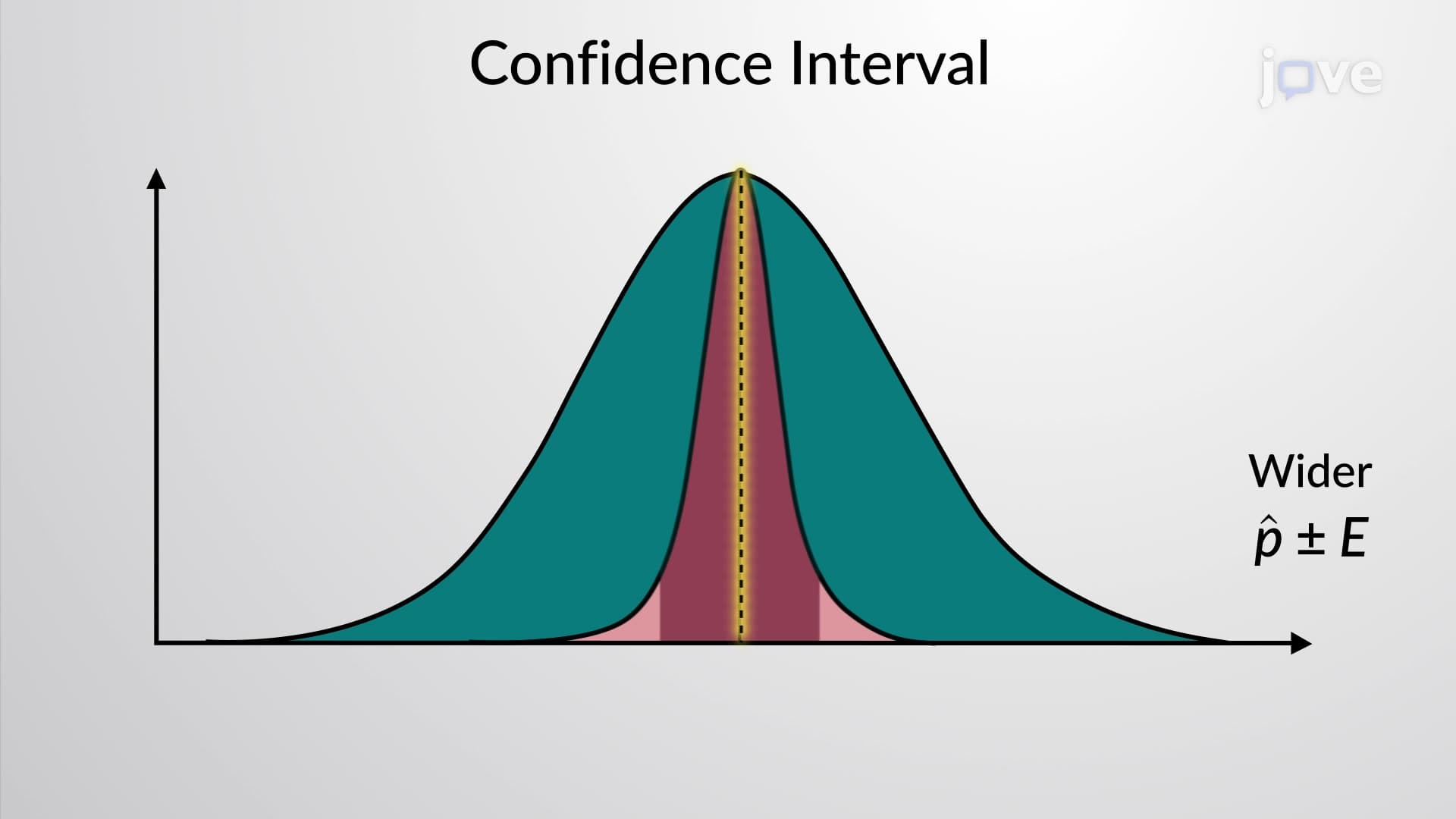
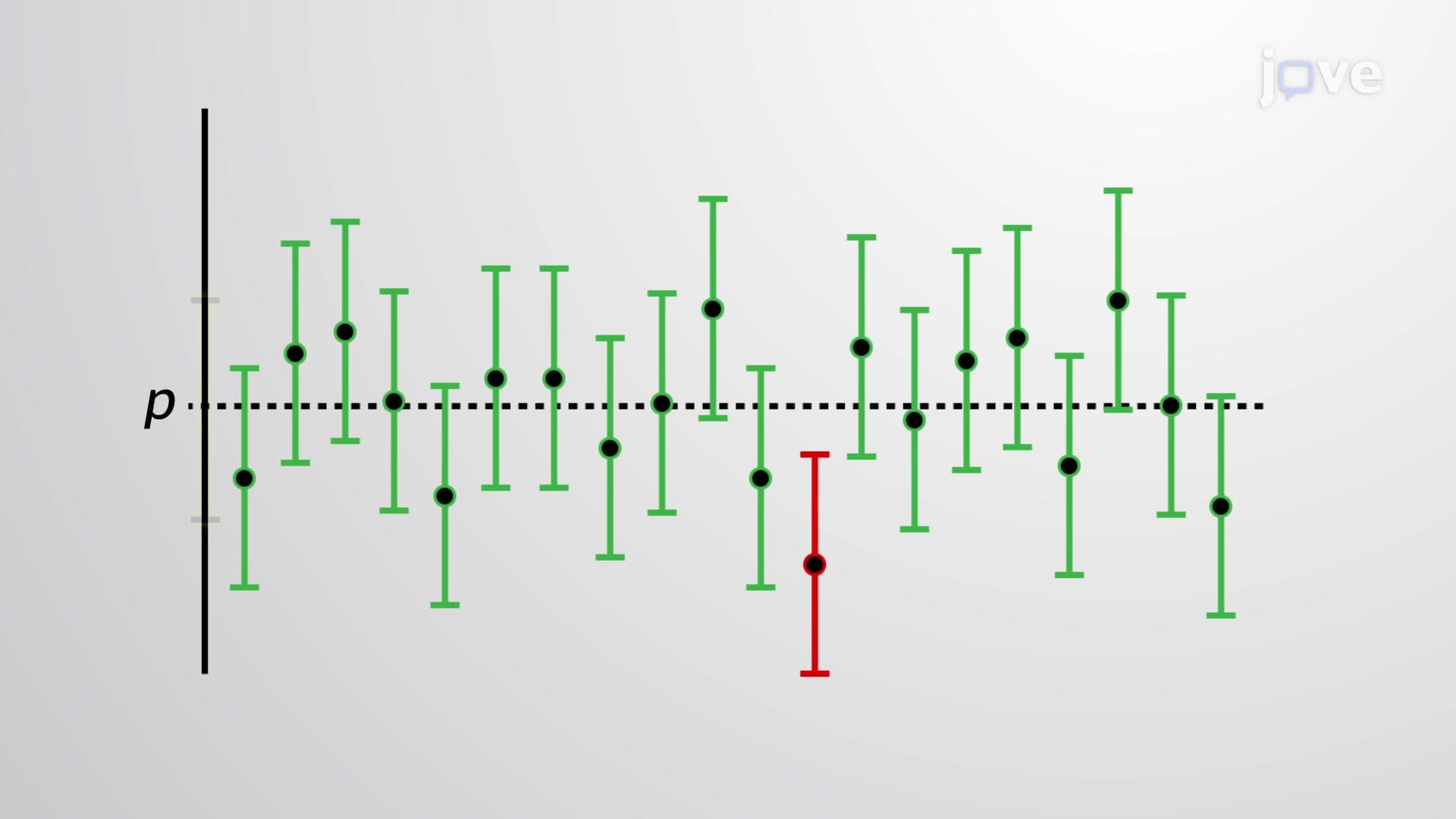
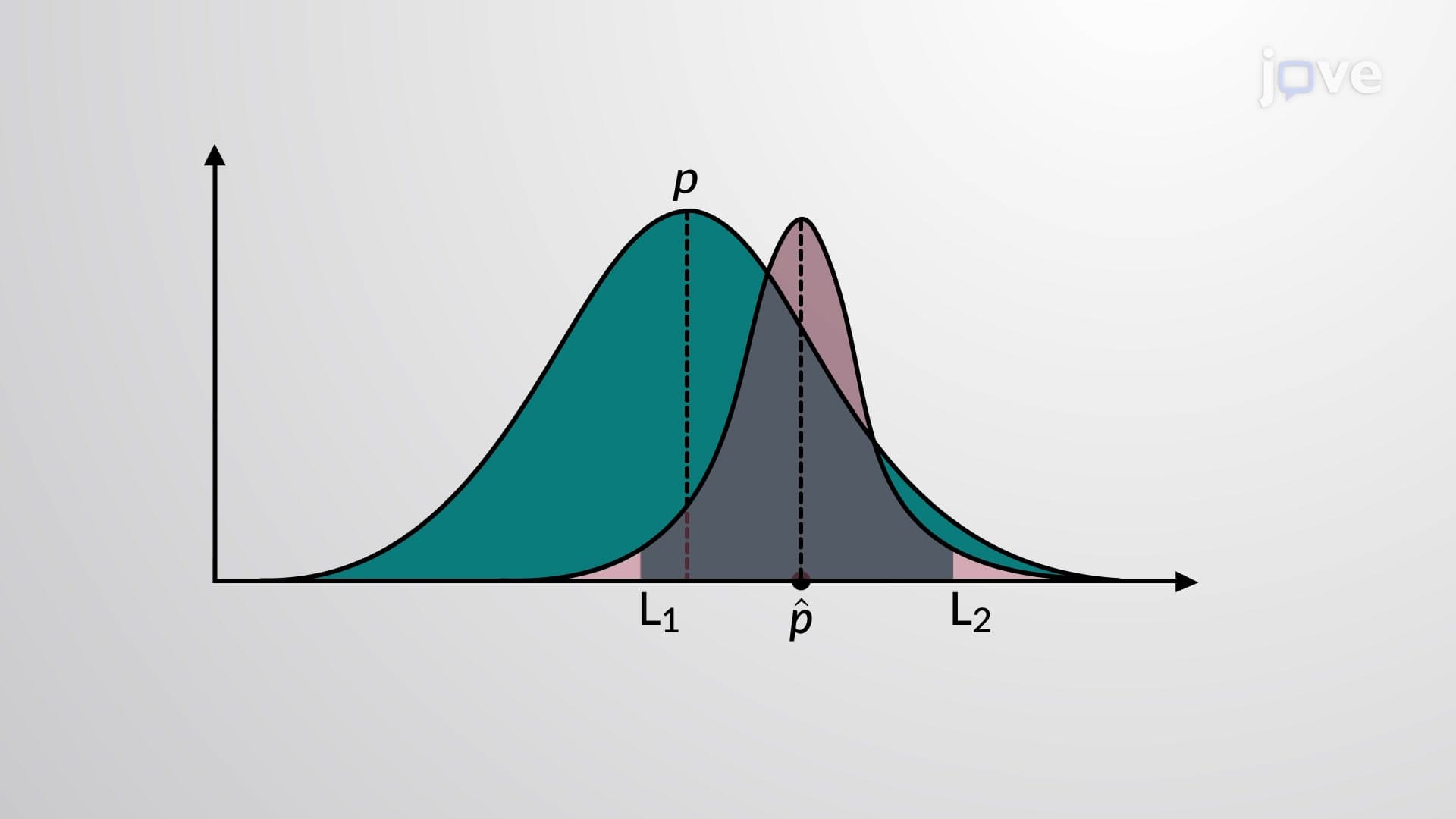
A 95% confidence level means that if researchers repeated their sampling process 100 times, approximately 95 of those intervals would contain the true population mean. This interpretation proves crucial for AP Statistics students and college statistics courses. Higher confidence levels (99% vs. 95%) create wider intervals, reflecting the trade-off between certainty and precision. The Consumer Confidence Index, published monthly by the Conference Board, exemplifies this principle in economic forecasting.
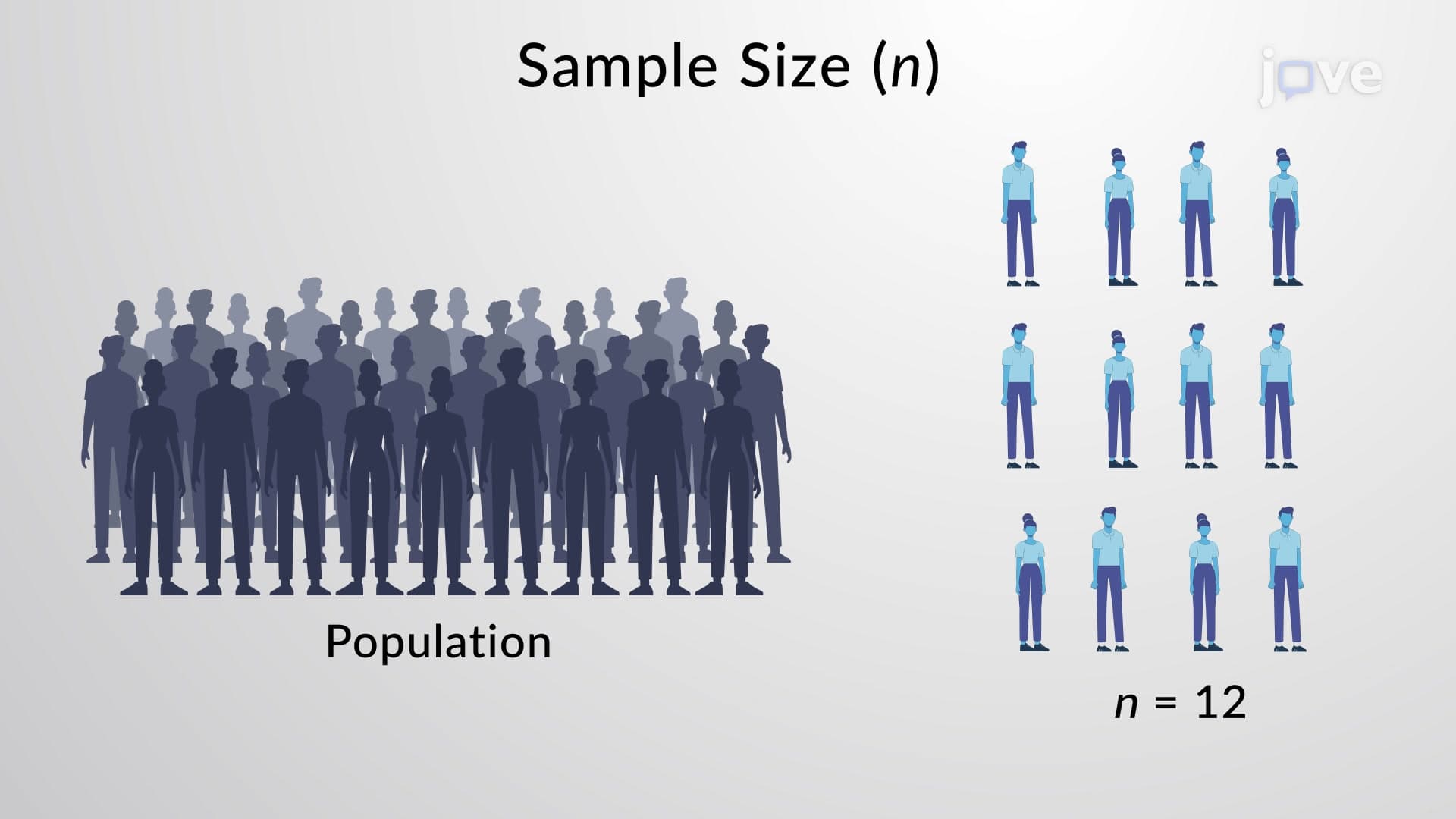
Quality control managers use confidence intervals to estimate mean product specifications, while healthcare administrators apply them to patient satisfaction scores. The SAT and MCAT frequently test these concepts through word problems involving pharmaceutical trials, manufacturing processes, and survey research. Understanding when sample sizes affect interval width helps students tackle complex exam scenarios confidently.
Frequently Asked Questions
A confidence interval for estimating population mean provides a range of plausible values rather than a single estimate, accounting for sampling variability. Unlike point estimates that can be misleading, confidence intervals quantify uncertainty and provide statistical reliability. This makes them essential for making informed decisions in research, business, and healthcare settings.
These concepts frequently appear as multi-step word problems involving real scenarios like drug trials or quality control. Students must identify whether to use z or t distributions, calculate intervals, and interpret results. The MCAT also tests these principles in biological research contexts, requiring both computational skills and conceptual understanding.
Use t-distribution when population standard deviation is unknown (most real-world situations), and z-distribution only when population standard deviation is known. T-distribution accounts for additional uncertainty from estimating population variance, making it more appropriate for typical research scenarios. College statistics courses emphasize this distinction heavily.
Drug companies use confidence intervals to estimate mean treatment effects across patient populations. For example, when testing a new diabetes medication, researchers create confidence intervals for mean blood sugar reduction, helping FDA regulators assess both effectiveness and reliability of results before approving treatments.
Basic algebra and understanding of normal distributions suffice for most applications. High school students successfully learn these concepts in AP Statistics, while college introductory statistics courses build systematically from fundamental probability concepts. The key is understanding interpretation rather than complex calculations.
Practice identifying key information (sample size, confidence level, known vs. unknown population variance) and work through complete solution processes. Focus on interpretation skills since exams emphasize understanding what intervals mean rather than just calculation mechanics. Create formula sheets connecting concepts to real-world applications.
T-distribution intervals are wider because they account for additional uncertainty from estimating population standard deviation using sample data. This extra width reflects our reduced certainty when population parameters are unknown. However, this conservative approach maintains accuracy while acknowledging real-world limitations in our knowledge.
Build toward hypothesis testing, which uses similar distributions but asks different questions about population parameters. Also explore confidence intervals for proportions and differences between means, which extend these foundational concepts to more complex research scenarios commonly tested on advanced exams.
Related Micro-courses
Related Subjects
 Physics 33 micro-courses›
 Math Fundamentals 11 micro-courses›