Loading…
Loading video…
85,600 views
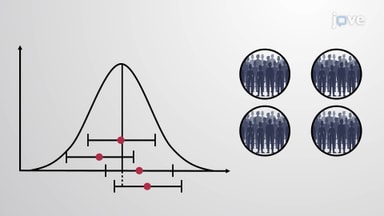
Did you know that 90% of real-world statistical analysis involves estimating population parameters without knowing the true standard deviation? Estimating the population mean with unknown standard deviation is a fundamental skill that statisticians use daily, from analyzing SAT score distributions across US high schools to determining average housing prices in specific metropolitan areas. Unlike simpler cases where population parameters are known, this approach requires the t-distribution and sample standard deviation to create reliable confidence intervals. Watch the full video on JoVE Coach to master this concept with expert-led visuals and step-by-step explanations.
In most real-world statistical scenarios, we face a fundamental challenge: we want to estimate a population mean, but we don't know the population's true standard deviation. This situation is far more common than textbook examples suggest. Consider analyzing average ACT scores across all US high schools or determining mean household income in a specific state—the population standard deviation is rarely available.
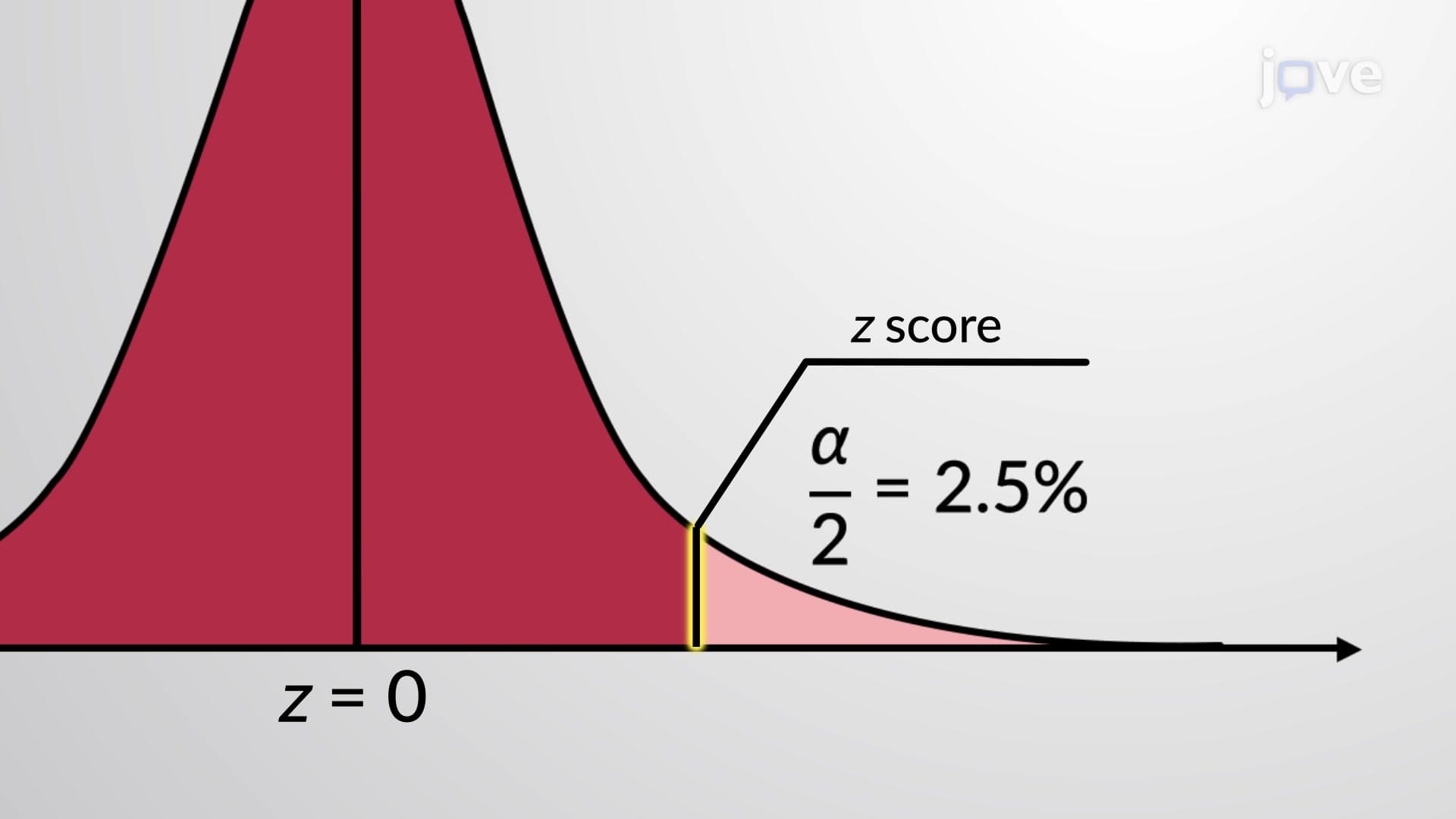
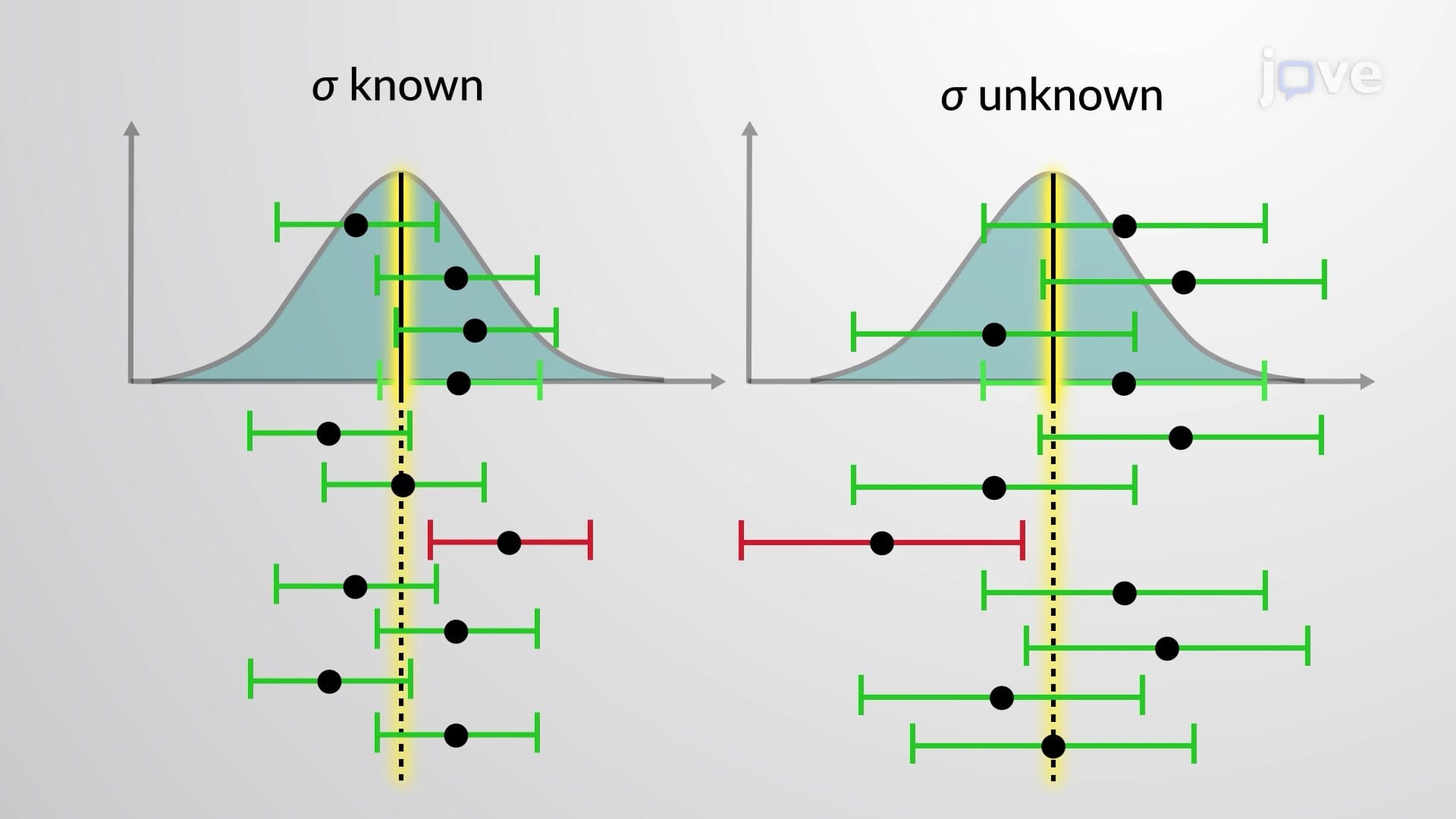
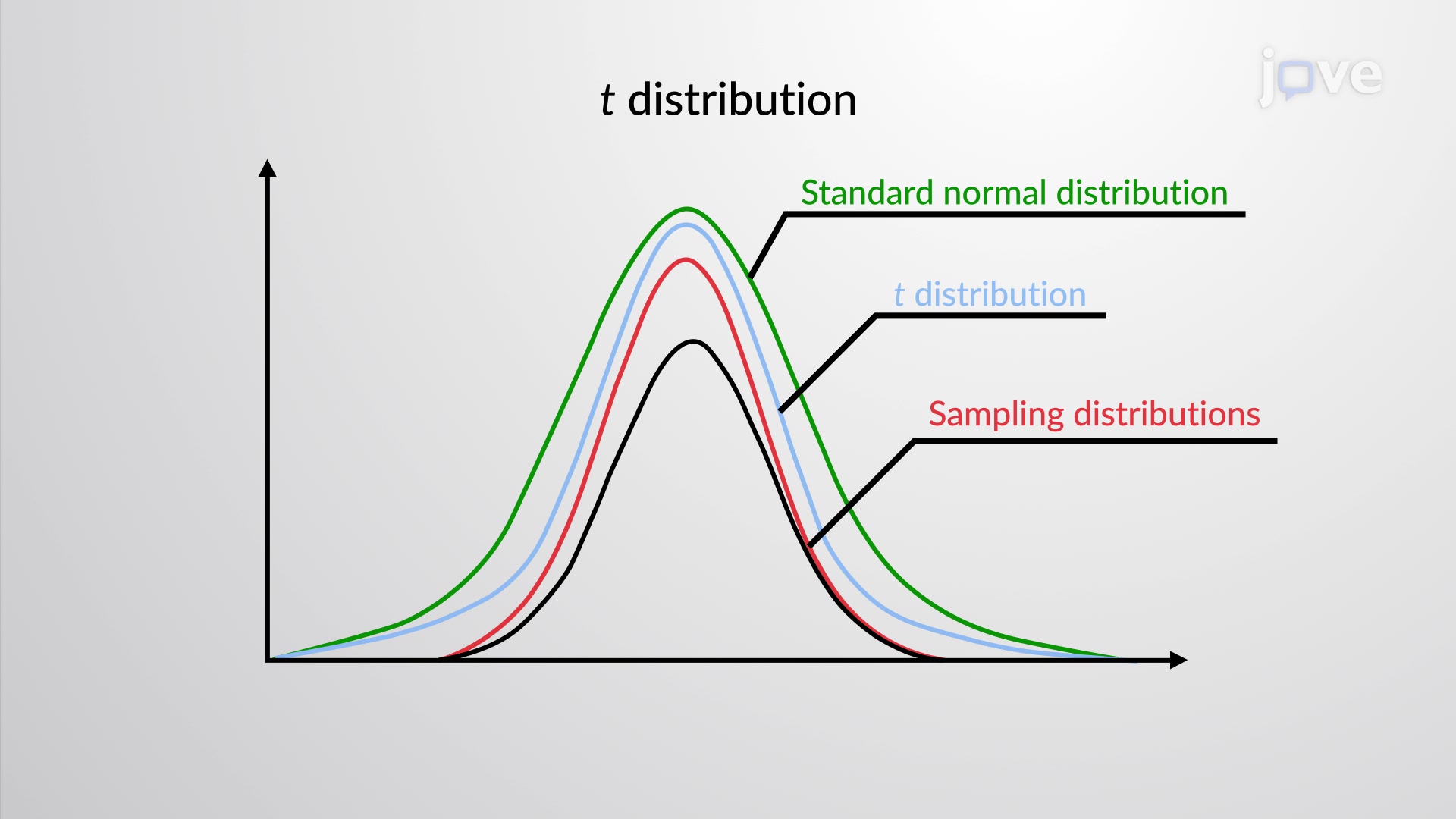
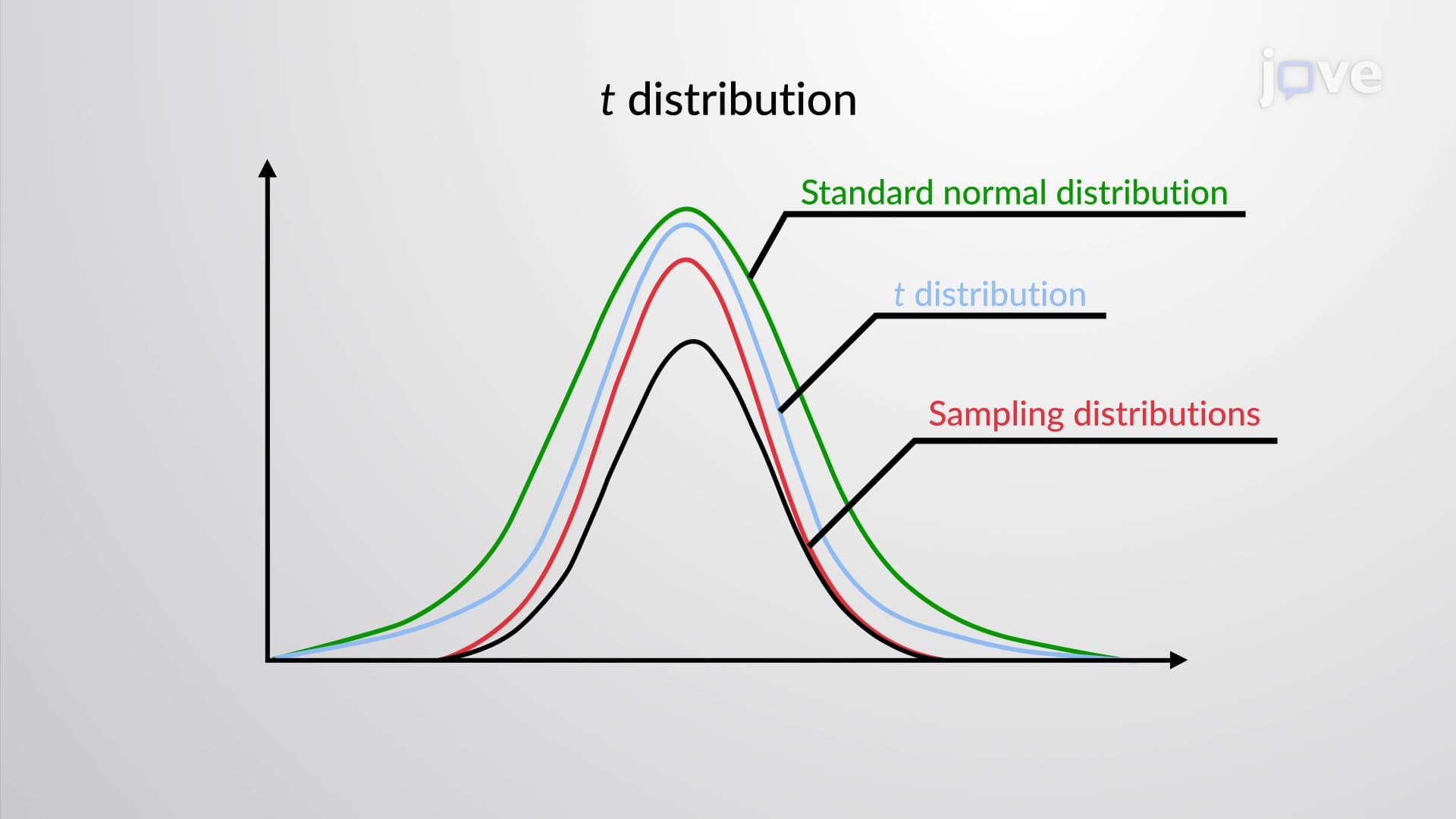
When estimating the population mean with unknown standard deviation, statisticians rely on the t-distribution instead of the standard normal (z) distribution. The t-distribution accounts for the additional uncertainty introduced when we estimate the population standard deviation using sample data. This distribution was developed by William Sealy Gosset in 1908 while working for Guinness Brewery, addressing practical quality control challenges.
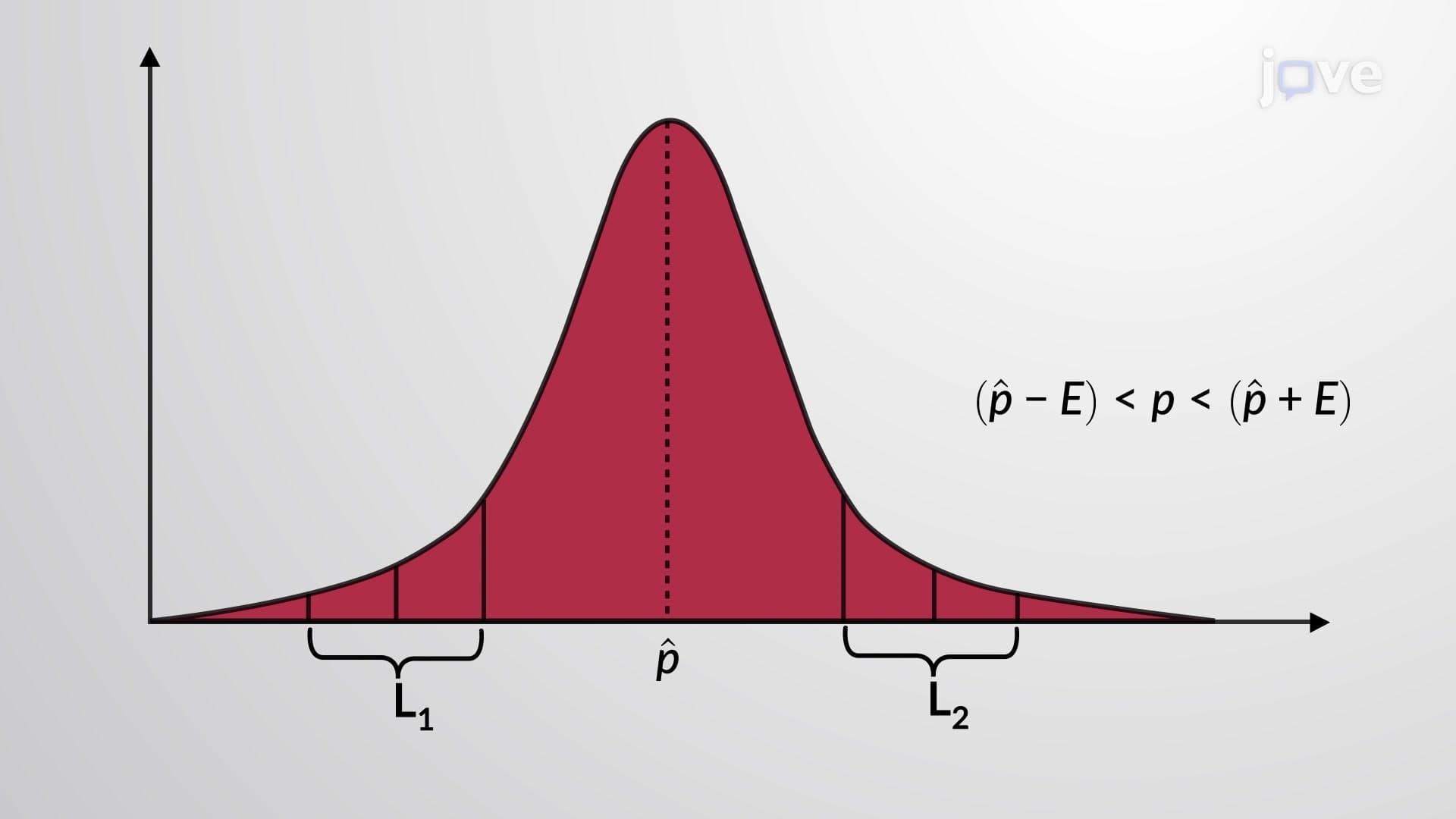
The critical difference lies in the margin of error calculation. Instead of using a z-value with the known population standard deviation, we use a t-value with the sample standard deviation. The formula becomes: Margin of Error = t(α/2) × (s/√n), where s represents the sample standard deviation and t(α/2) is the critical t-value.
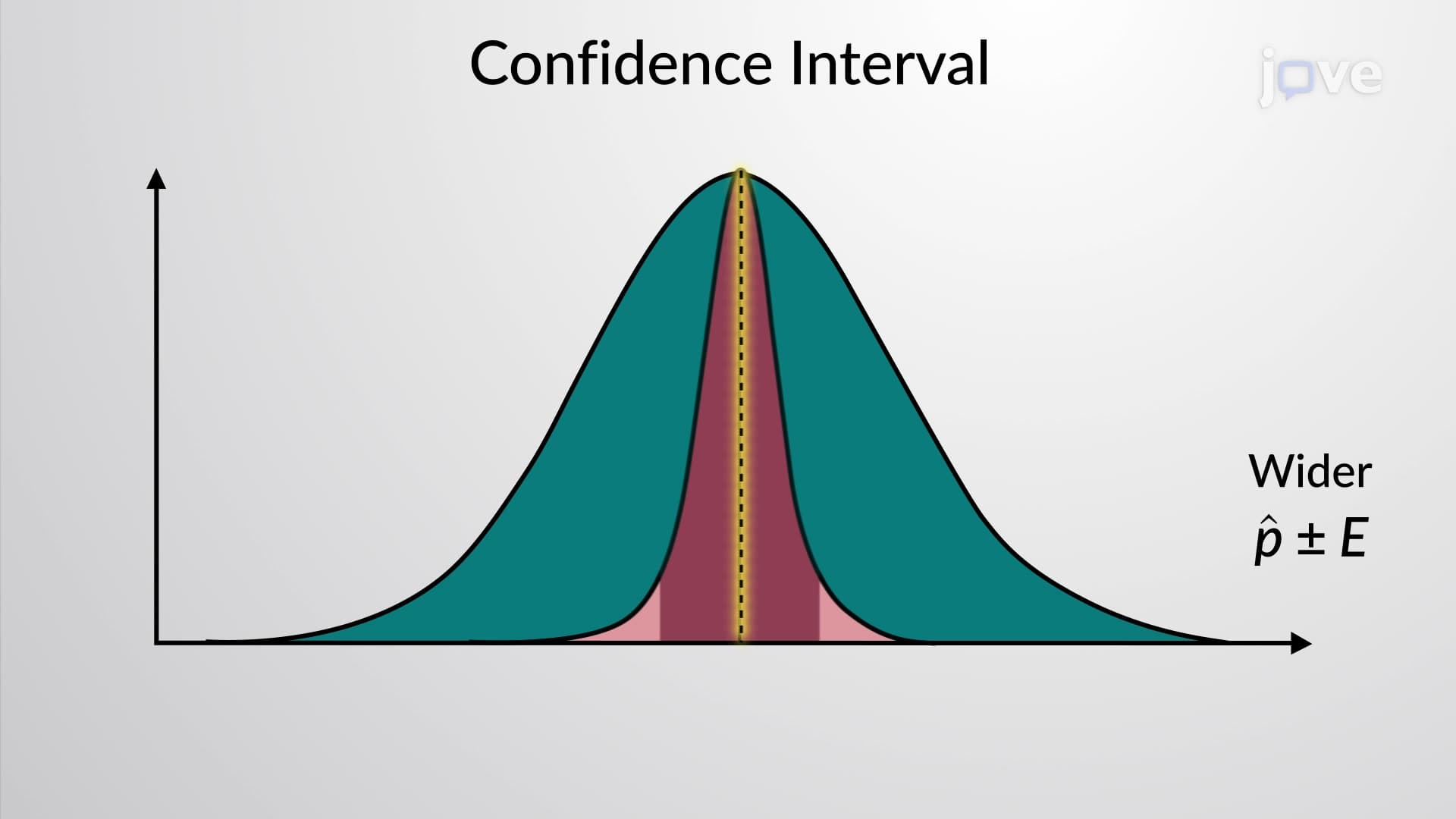
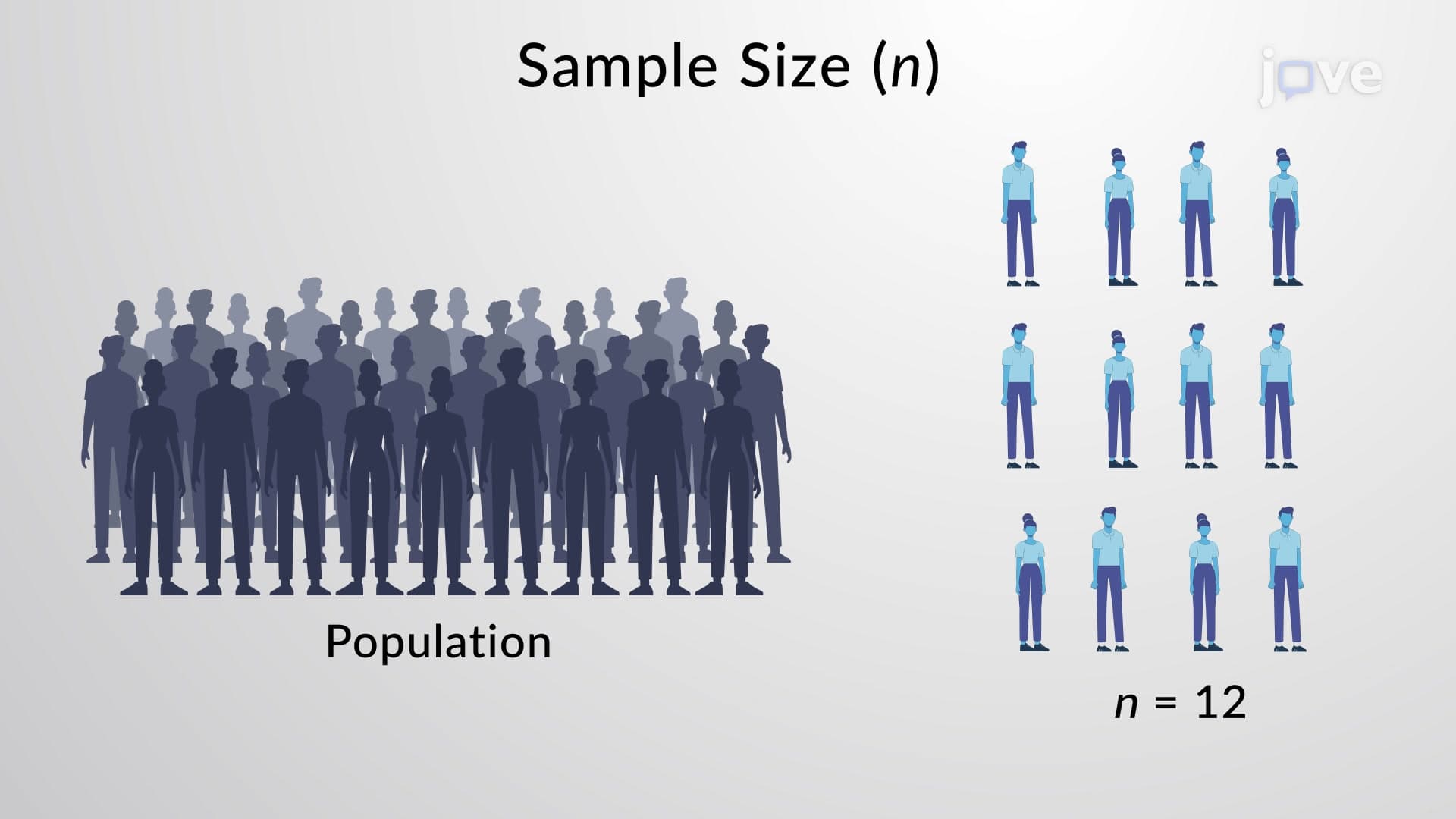
Unlike z-values, critical t-values vary with sample size through degrees of freedom (df = n-1). Smaller samples produce larger t-values, creating wider confidence intervals that reflect greater uncertainty. For instance, with a 95% confidence level and 10 degrees of freedom, the critical t-value is approximately 2.228, compared to the corresponding z-value of 1.96. This difference acknowledges that smaller samples provide less reliable estimates of population parameters.
This concept frequently appears on AP Statistics exams, college statistics courses, and standardized tests like the MCAT. Students often encounter problems involving quality control in manufacturing, medical research with limited sample sizes, or market research scenarios. For example, a pharmaceutical company testing a new drug's effectiveness on blood pressure might collect data from 25 patients, requiring t-distribution methods since the population standard deviation for blood pressure response is unknown.
The key assumptions for valid application include: sample data should be approximately normally distributed (especially important for smaller samples), observations must be independent, and while there's no strict minimum sample size, samples over 30 provide more reliable results due to the Central Limit Theorem.
Frequently Asked Questions
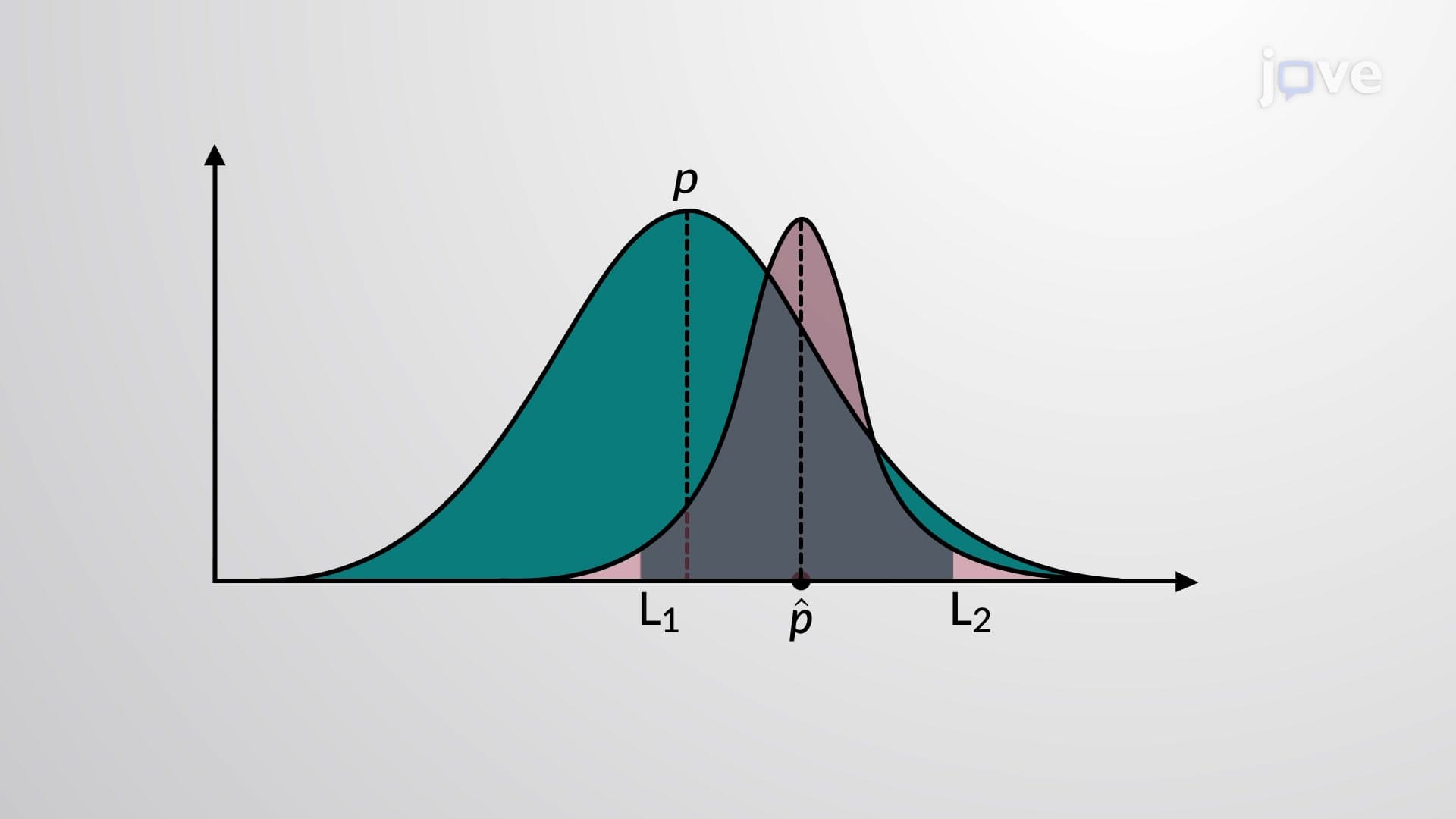
It's a statistical method for determining the likely range of a population's average value when you only have sample data and don't know the true population variability. This technique uses the t-distribution and sample standard deviation to create confidence intervals that account for the extra uncertainty of not knowing population parameters. It's essential for real-world data analysis where complete population information is unavailable.
AP Statistics frequently tests this through confidence interval construction problems, often involving real scenarios like estimating average test scores or manufacturing quality metrics. College statistics courses emphasize hypothesis testing applications and interpretation of t-distribution results. Students must demonstrate understanding of when to use t versus z distributions and how to calculate appropriate confidence intervals.
MCAT passages often present medical research scenarios where researchers estimate population health parameters from limited sample data. Questions might involve interpreting confidence intervals for drug effectiveness, analyzing clinical trial results, or evaluating the reliability of medical measurements. Understanding t-distribution applications helps answer questions about study validity and statistical significance in biological research contexts.
Market research companies use this method when surveying consumer preferences across American demographics, quality control departments in US manufacturing estimate defect rates from sample inspections, and polling organizations determine voter preferences with confidence intervals. Federal agencies like the Census Bureau apply these techniques when estimating population characteristics from sample surveys, ensuring accurate representation of American statistics.
While initially challenging, this concept builds logically on basic statistics knowledge that most students already possess from earlier coursework. The key is understanding why we need different approaches for unknown versus known population parameters. With practice using real examples and step-by-step problem solving, students typically master the mechanical calculations and conceptual understanding required for success.
Focus on practicing problem identification—when to use t versus z distributions—and memorizing the margin of error formula variations. Create a decision tree for choosing appropriate methods based on given information. Practice with varied sample sizes to understand how degrees of freedom affect critical values, and work through complete confidence interval problems from setup to interpretation.
Progress to hypothesis testing with t-distributions, including one-sample and two-sample t-tests for comparing population means. Explore paired t-tests for analyzing before-and-after scenarios, and advance to ANOVA techniques for comparing multiple group means. These extensions build directly on confidence interval foundations while expanding your statistical analysis capabilities.
Related Micro-courses
Related Subjects
 Physics 33 micro-courses›
 Math Fundamentals 11 micro-courses›