Loading…
Loading video…
85,600 views
Ever wonder how pollsters predict election outcomes with such precision? The confidence coefficient is the statistical foundation that makes these predictions possible, representing the probability that calculated confidence intervals contain the true population parameter. For instance, when CNN reports a candidate leads by 5% with a 95% confidence level, that 95% is the confidence coefficient in action. This fundamental concept bridges theoretical statistics and real-world decision-making across fields from market research to medical trials. Watch the full video on JoVE Coach to master this concept with expert-led visuals and step-by-step explanations.
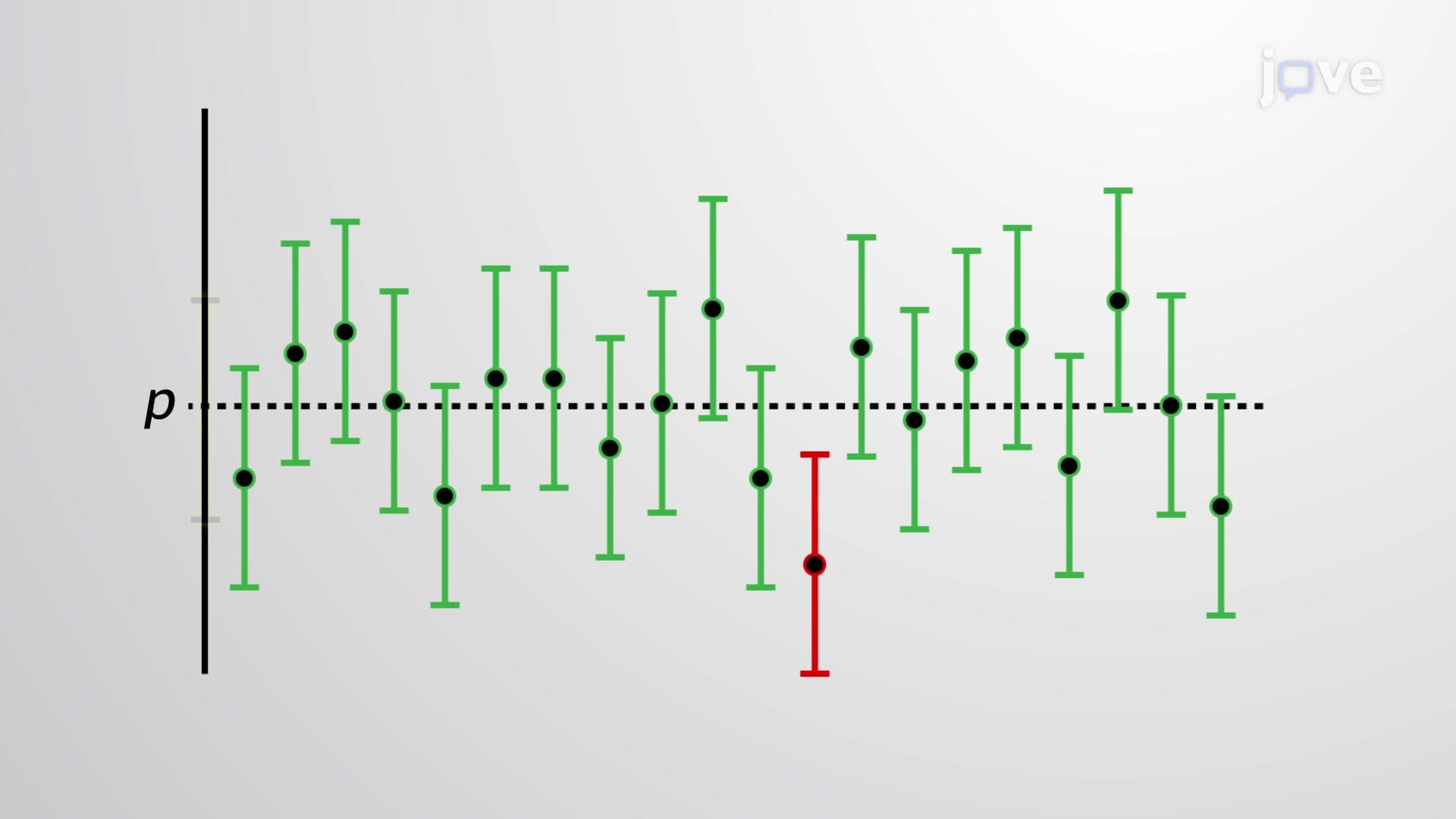
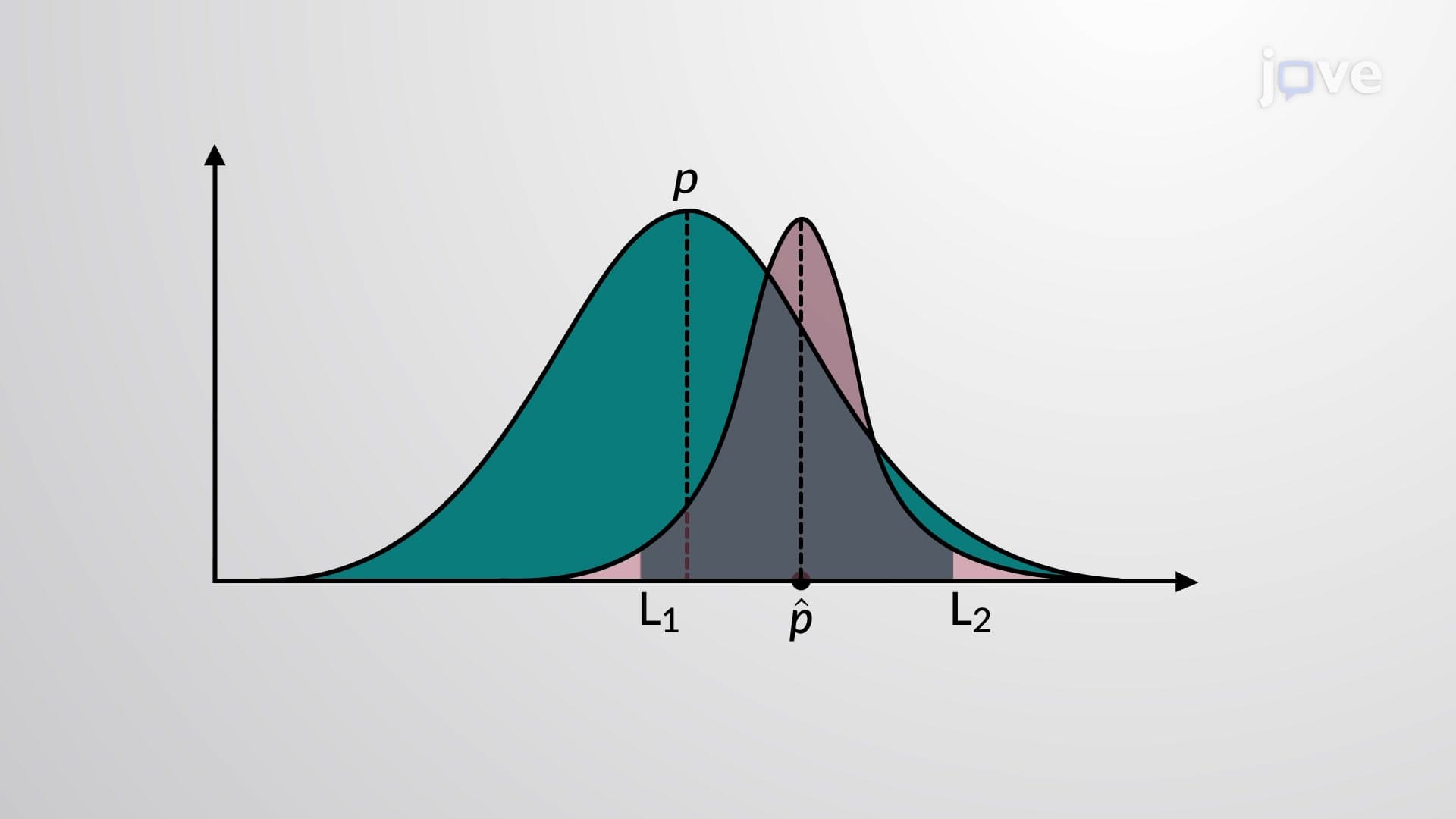
The confidence coefficient serves as the cornerstone of inferential statistics, quantifying our certainty about population parameters based on sample data. Unlike a simple percentage, the confidence coefficient represents a probability statement about the long-run behavior of confidence intervals. When we set a confidence coefficient of 0.95 (or 95%), we're stating that if we repeated our sampling process infinitely, 95% of the resulting confidence intervals would capture the true population parameter.
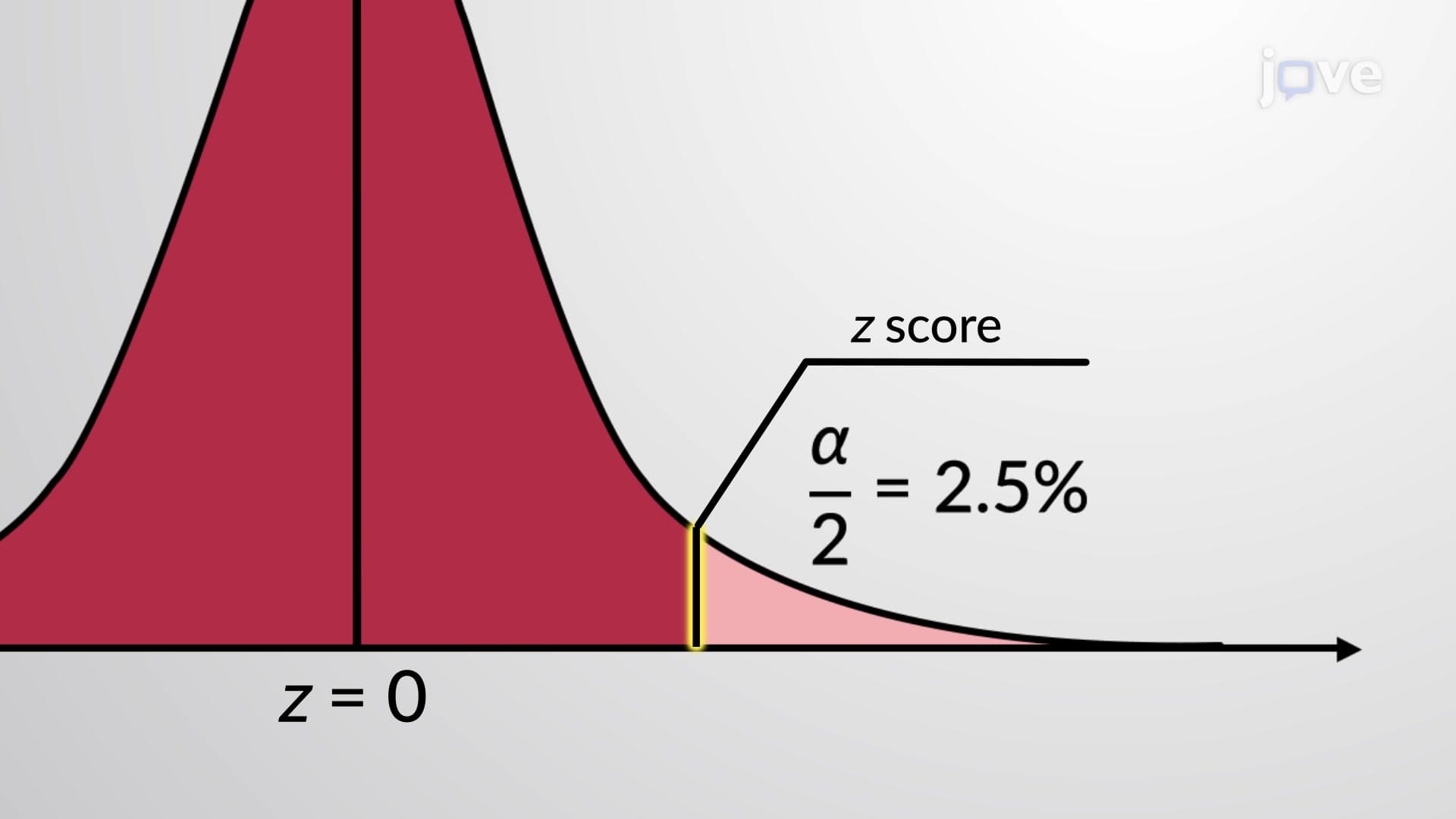
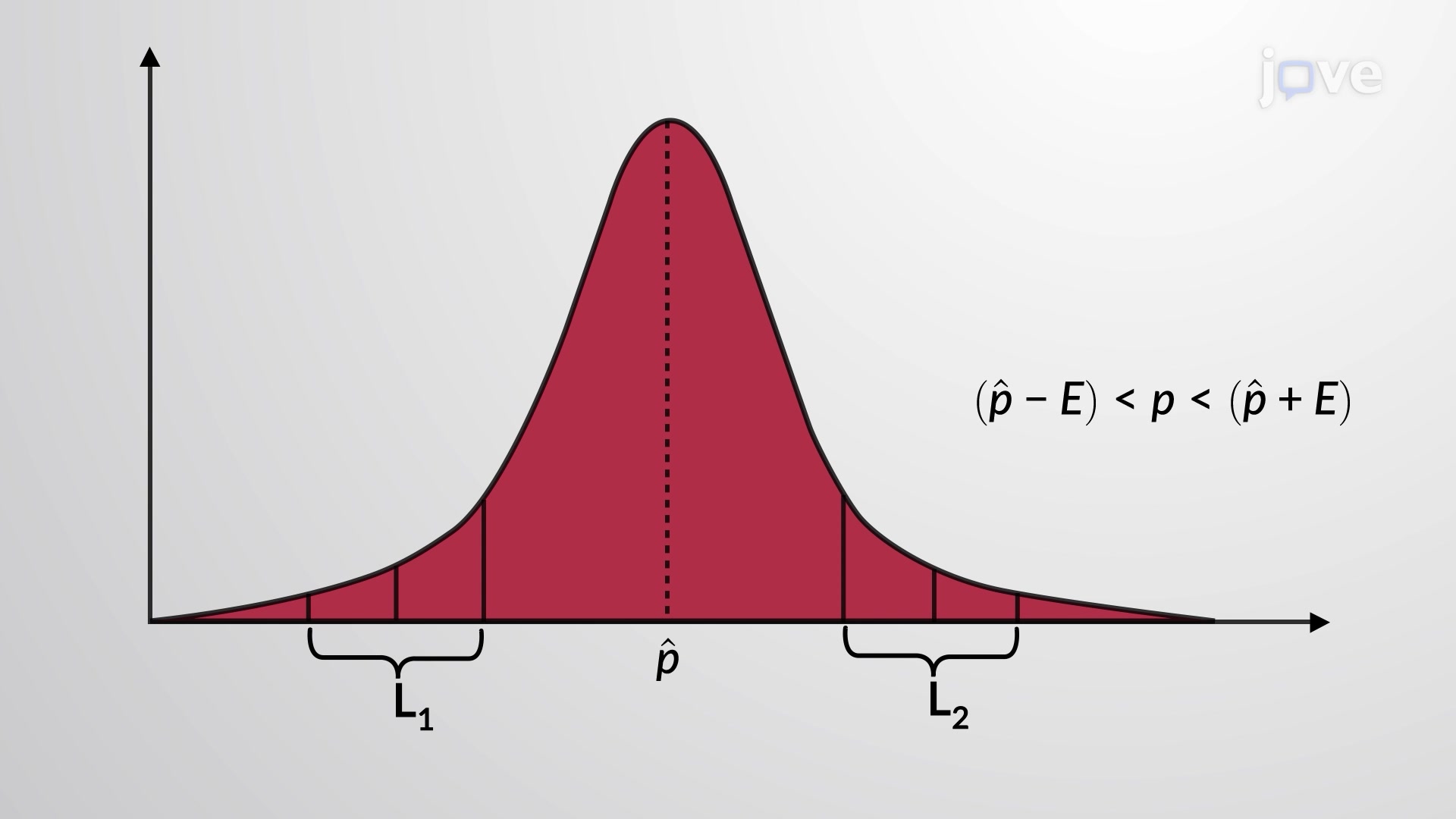
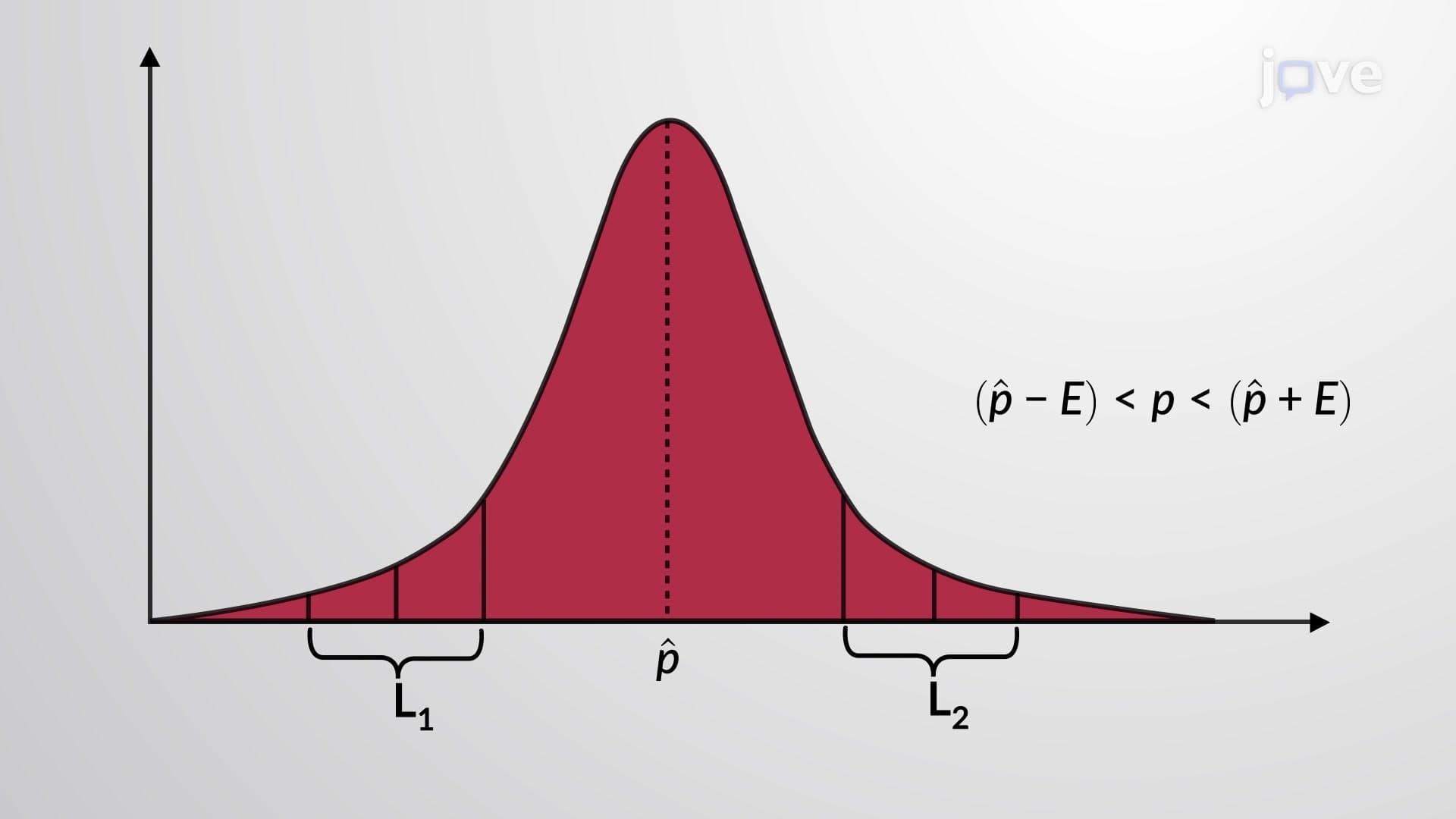
The confidence coefficient directly relates to the significance level (alpha) through the formula: Confidence Coefficient = 1 - α. This relationship reveals why a 95% confidence level corresponds to α = 0.05, distributing this 5% probability equally across both tails of the sampling distribution. This mathematical connection becomes crucial when students encounter AP Statistics problems or college-level hypothesis testing scenarios, where understanding this relationship helps interpret p-values and critical regions.
In real-world applications, confidence coefficient selection significantly impacts decision-making across industries. The FDA typically requires 95% or 99% confidence levels for drug efficacy trials, ensuring robust evidence before approving medications. Similarly, the U.S. Census Bureau employs various confidence coefficients when reporting population estimates, with higher coefficients used for critical demographic data. Market researchers conducting studies for Fortune 500 companies must balance confidence levels with cost constraints, often settling on 95% confidence as the industry standard.
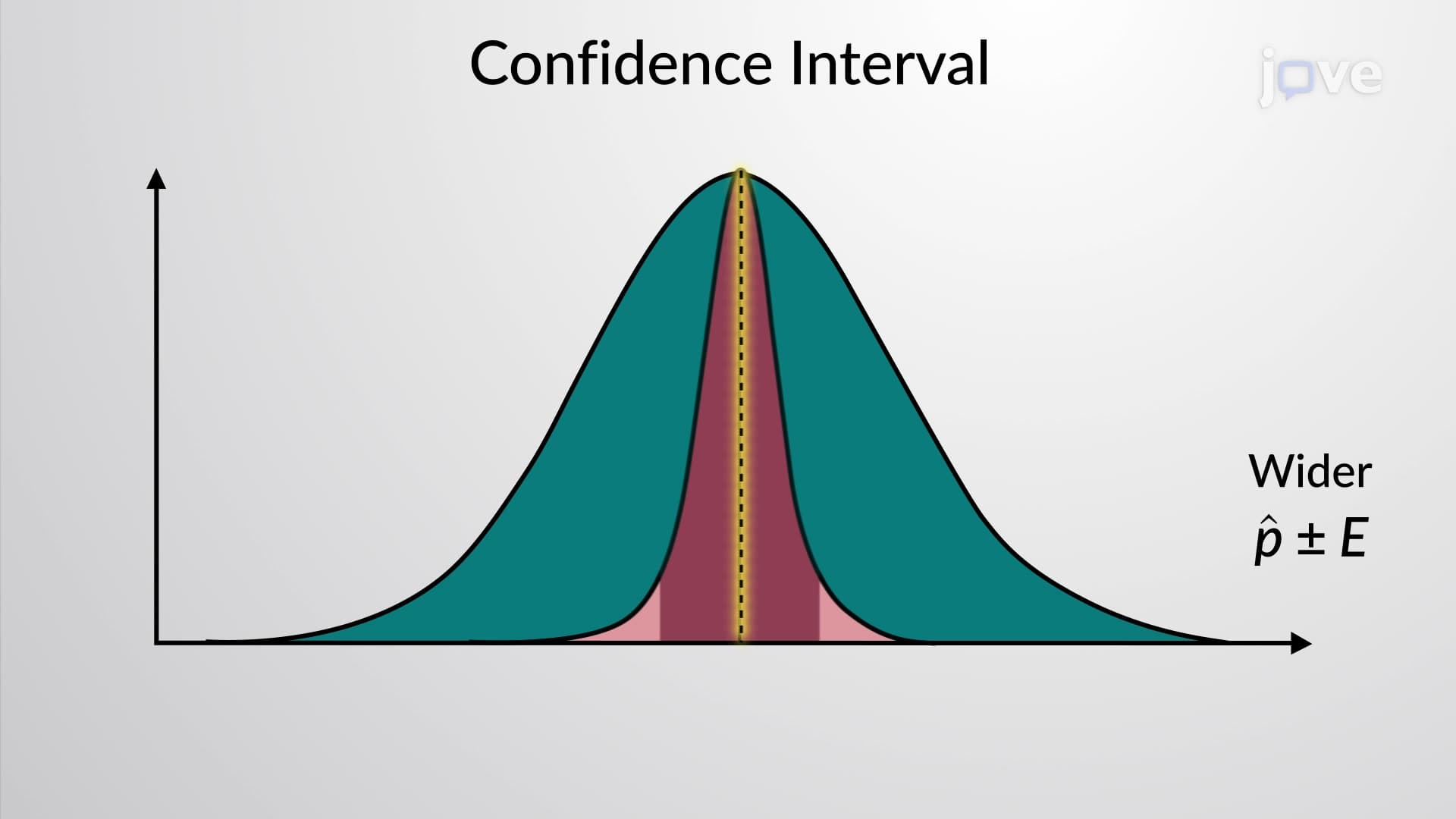
The selection of confidence coefficient involves strategic considerations beyond statistical requirements. Higher confidence coefficients (99% vs. 90%) produce wider confidence intervals, reducing precision while increasing certainty. This trade-off becomes particularly relevant in fields like quality control manufacturing, where companies must decide between tighter quality standards (requiring higher confidence) and operational efficiency. Students preparing for standardized tests like the MCAT or AP exams should recognize that context often dictates appropriate confidence coefficient selection, with medical applications typically demanding higher confidence than social science research.
Frequently Asked Questions
The confidence coefficient is the probability (like 95% or 0.95) that represents our level of certainty, while the confidence interval is the actual range of values calculated using that coefficient. Think of the coefficient as the "confidence level setting" and the interval as the resulting numerical range. They work together but serve different purposes in statistical analysis.
AP Statistics frequently tests confidence coefficient through interpretation questions and confidence interval construction problems. You'll need to explain what a 90% confidence level means, calculate appropriate coefficients for given scenarios, and connect confidence coefficients to margin of error calculations. Practice interpreting confidence coefficient statements in context of real data.
Most college-level projects use 95% confidence coefficient as the standard, providing good balance between precision and certainty. Use 99% for high-stakes decisions or when Type I errors are costly, and 90% when you need narrower intervals and can accept slightly more uncertainty. Always justify your choice based on the project's practical implications.
Medical research typically employs 95% or 99% confidence coefficients to ensure patient safety and regulatory compliance. For MCAT preparation, focus on interpreting confidence coefficient statements in research passages and understanding how they relate to statistical significance. Higher confidence coefficients indicate more rigorous evidence standards in clinical studies.
When Gallup reports presidential approval ratings with "95% confidence," they're using a 0.95 confidence coefficient, meaning if they conducted identical polls 100 times, about 95 would capture the true approval rating within their stated margin of error. The remaining 5% represents the chance their specific poll missed the true value due to sampling variability.
Not at all! Confidence coefficient builds naturally from basic probability concepts taught in Algebra 2 and Precalculus. Start with understanding percentages and probability, then connect these to the idea of "how sure we are" about our estimates. Many high school AP Statistics students successfully master this concept with proper foundation building.
Practice interpreting confidence coefficient statements in various contexts rather than just memorizing formulas. Create flashcards connecting confidence levels to alpha values, work through real data examples, and focus on explaining what different confidence coefficients mean in practical terms. Understanding the concept trumps memorization for exam success.
Progress to hypothesis testing, where confidence coefficient connects to significance levels and p-values. Then explore sample size determination and power analysis, which rely heavily on confidence coefficient understanding. These concepts form the foundation for advanced inferential statistics and research methods courses.
Related Micro-courses
Related Subjects
 Physics 33 micro-courses›
 Math Fundamentals 11 micro-courses›