Loading…
Loading video…
85,600 views
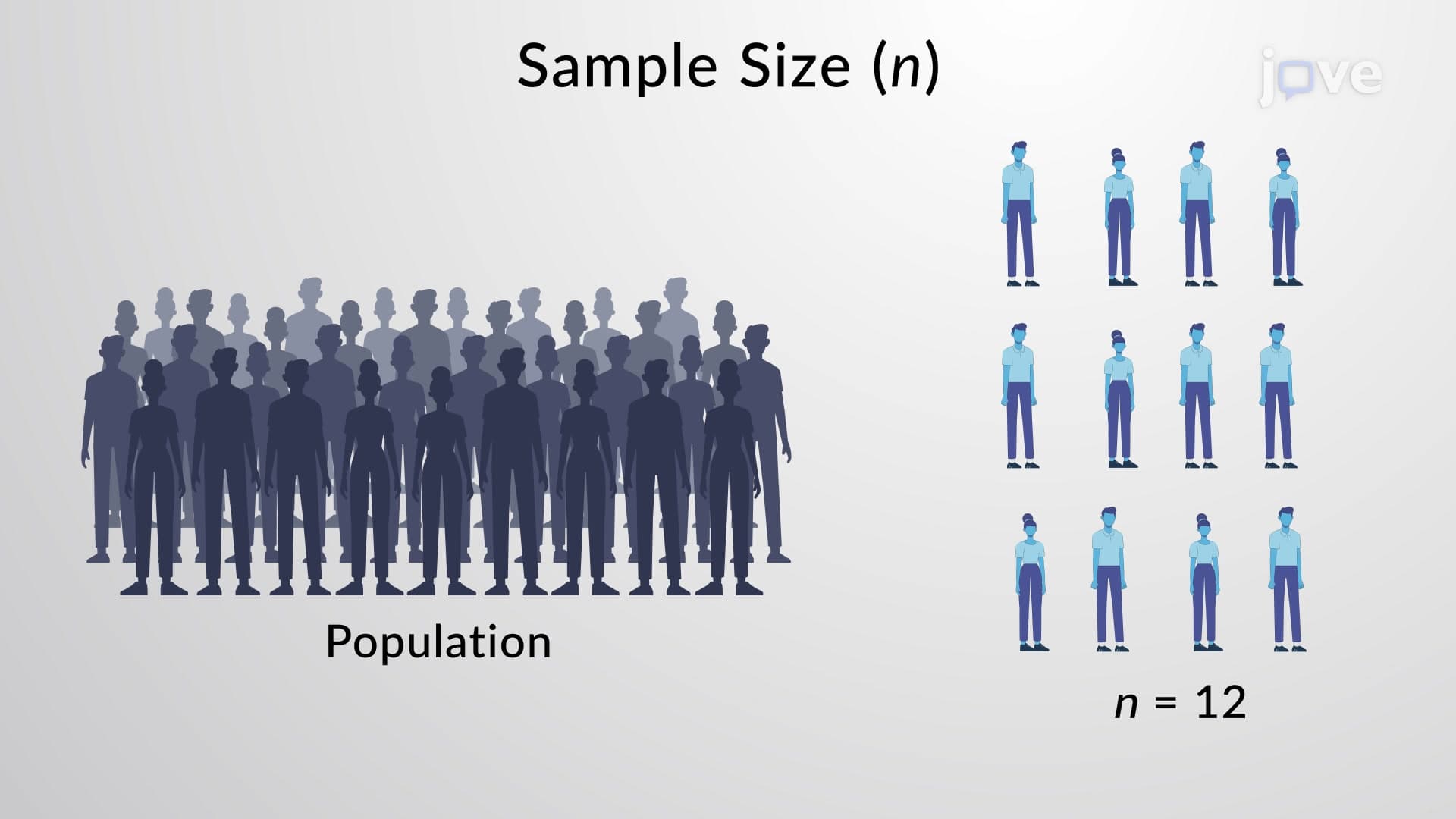
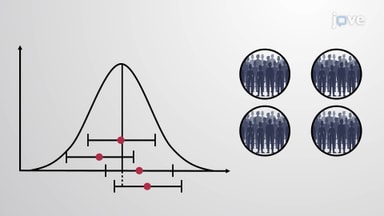
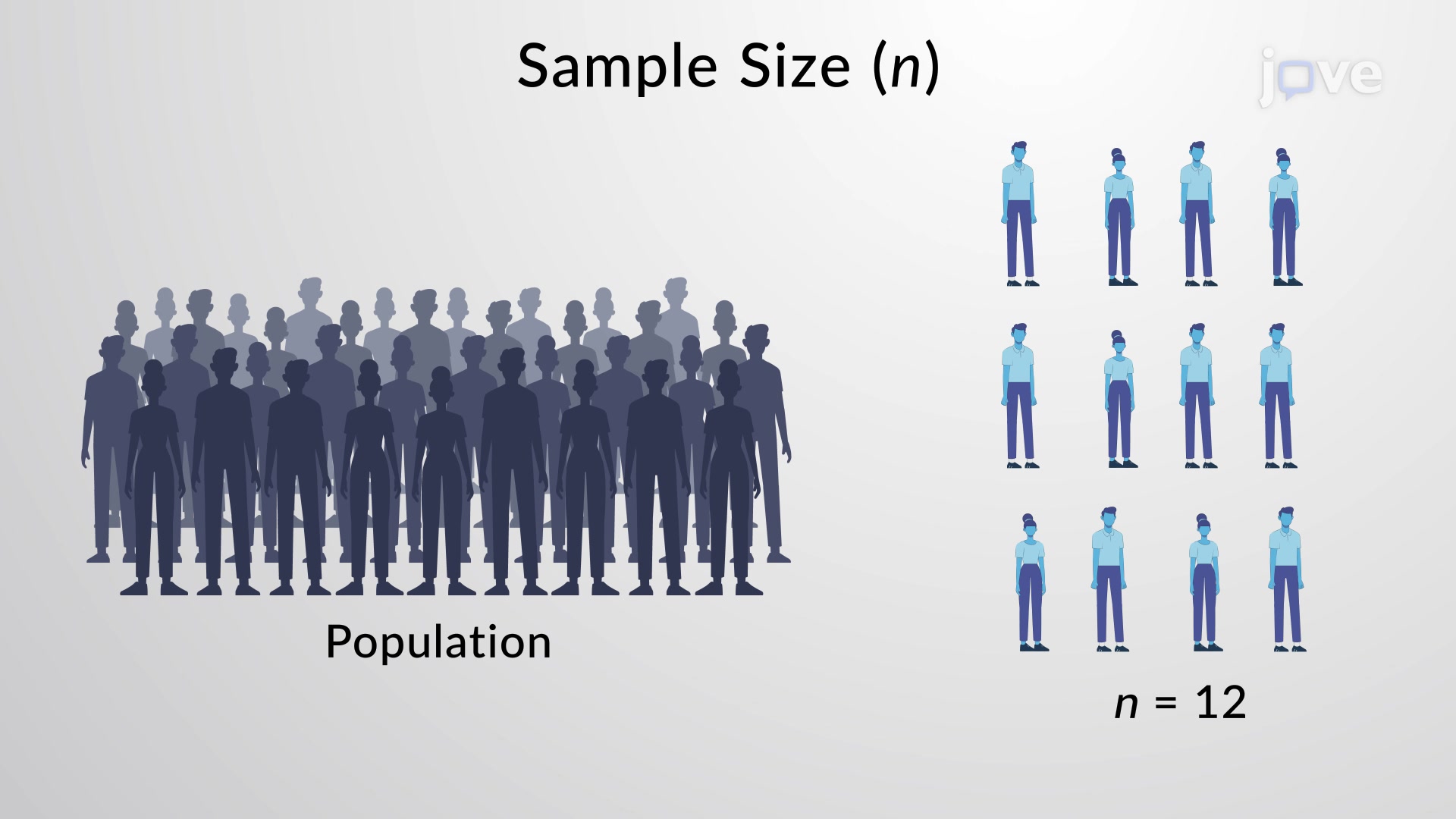
Did you know that Netflix uses sample size calculation to decide which shows to produce based on viewer surveys? Sample size calculation determines the minimum number of participants needed for reliable statistical results. For instance, when the FDA evaluates new medications through clinical trials, researchers must calculate precise sample sizes to ensure their findings are scientifically valid and can be trusted for public health decisions. Understanding what is sample size calculation helps researchers avoid both underpowered studies that waste resources and overpowered studies that unnecessarily expose participants to risk. Watch the full video on JoVE Coach to master this concept with expert-led visuals and step-by-step explanations.
Sample size calculation is the statistical process of determining the minimum number of observations needed to achieve reliable, scientifically valid results in research studies. This critical concept bridges theoretical statistics with practical research design, ensuring that studies have sufficient statistical power to detect meaningful effects while avoiding unnecessary resource expenditure.
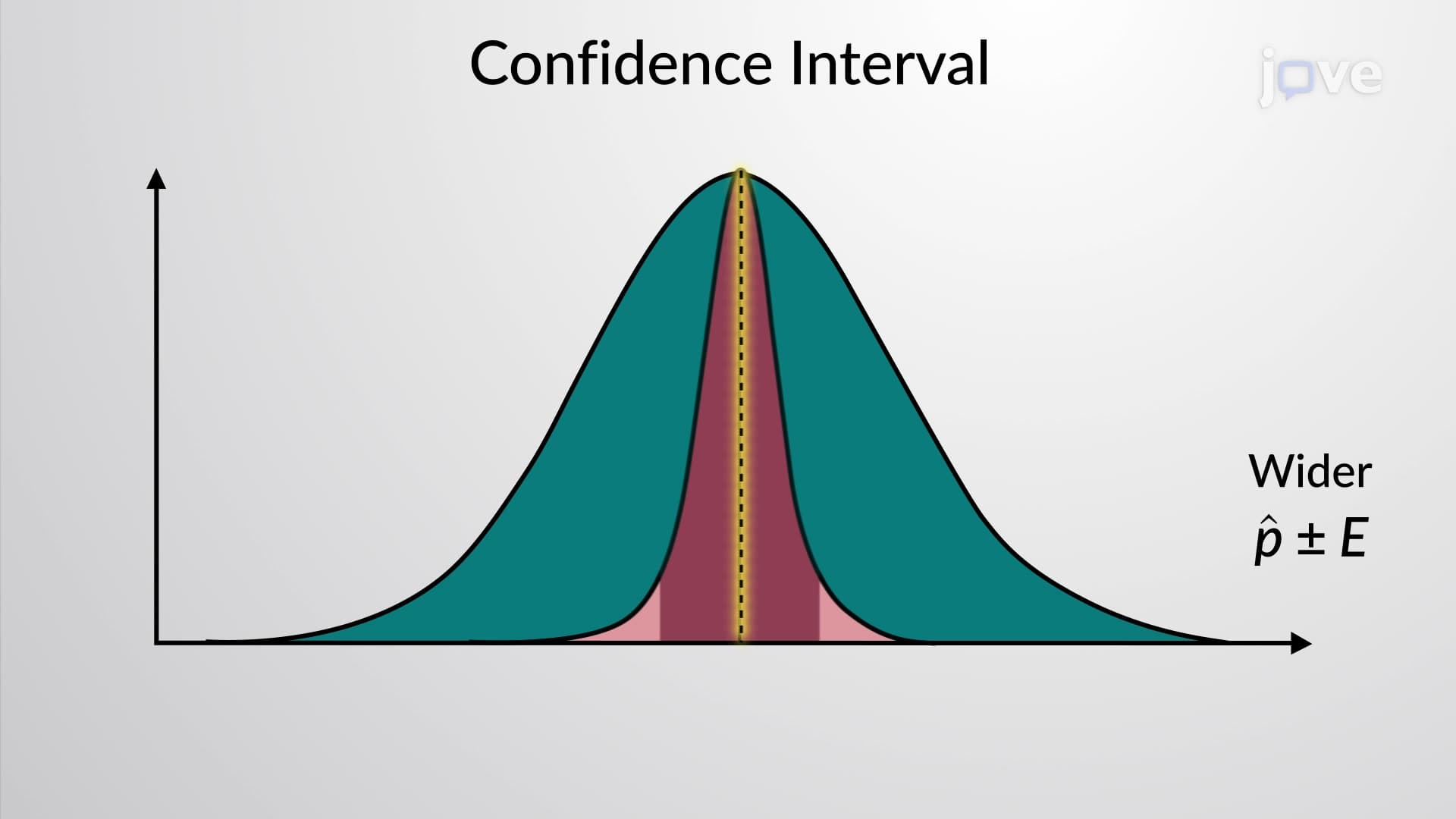
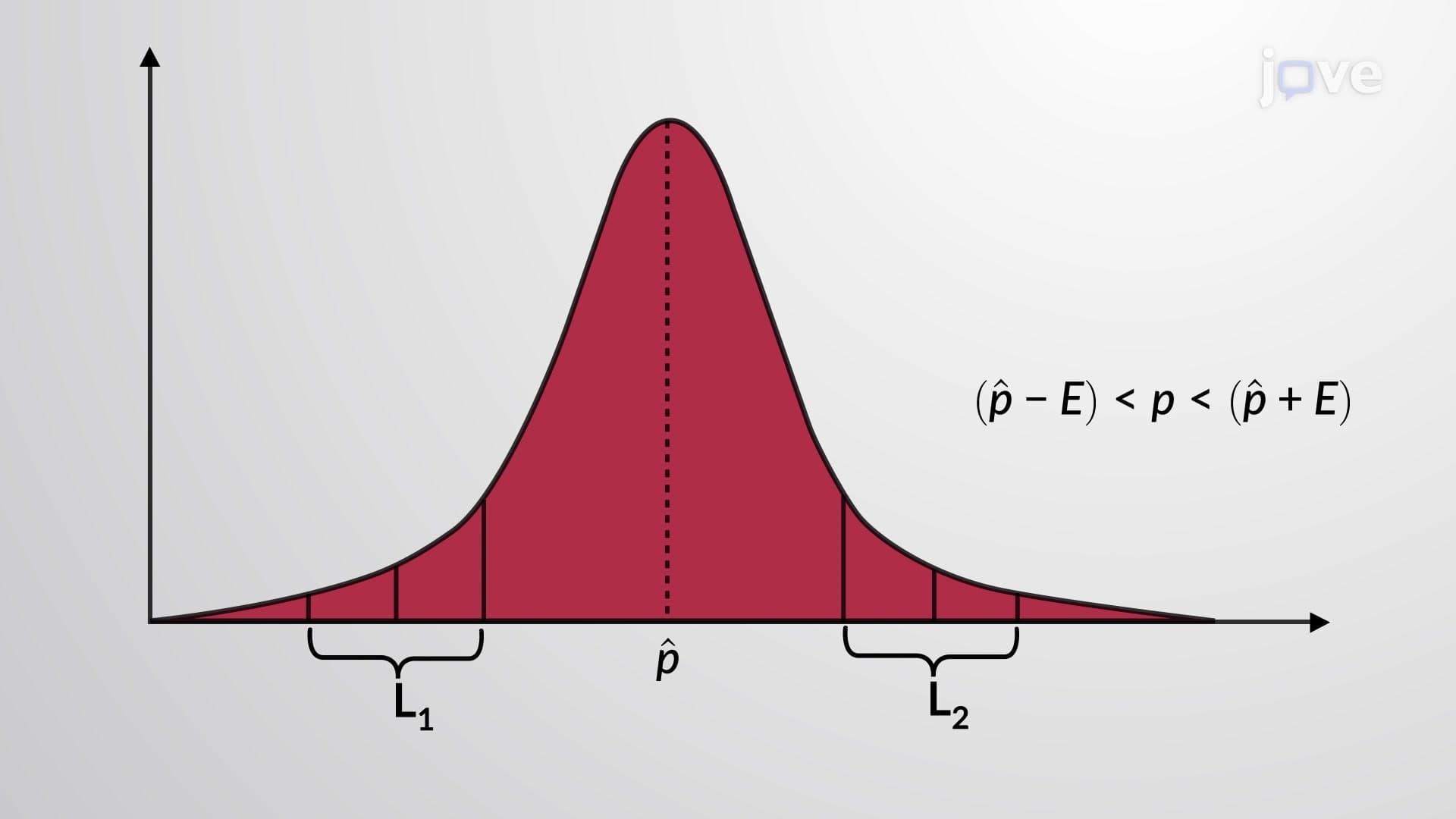
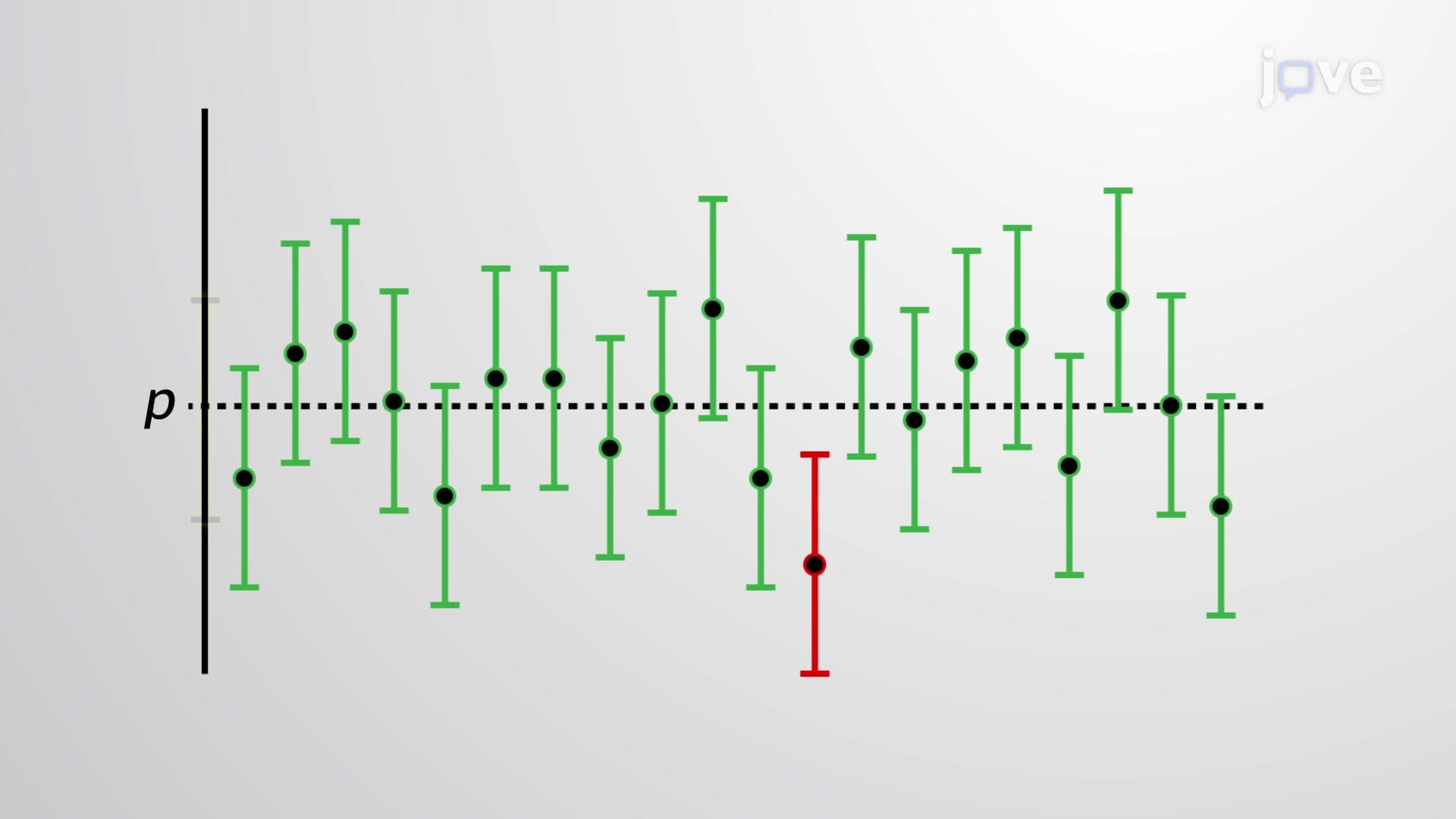
The foundation of sample size calculation rests on three key statistical parameters: the desired confidence level (typically 95%), the acceptable margin of error, and the expected variability in the population being studied. When the Centers for Disease Control and Prevention (CDC) conducts nationwide health surveys, they carefully calculate sample sizes to ensure their findings accurately represent the entire U.S. population while maintaining cost-effectiveness.
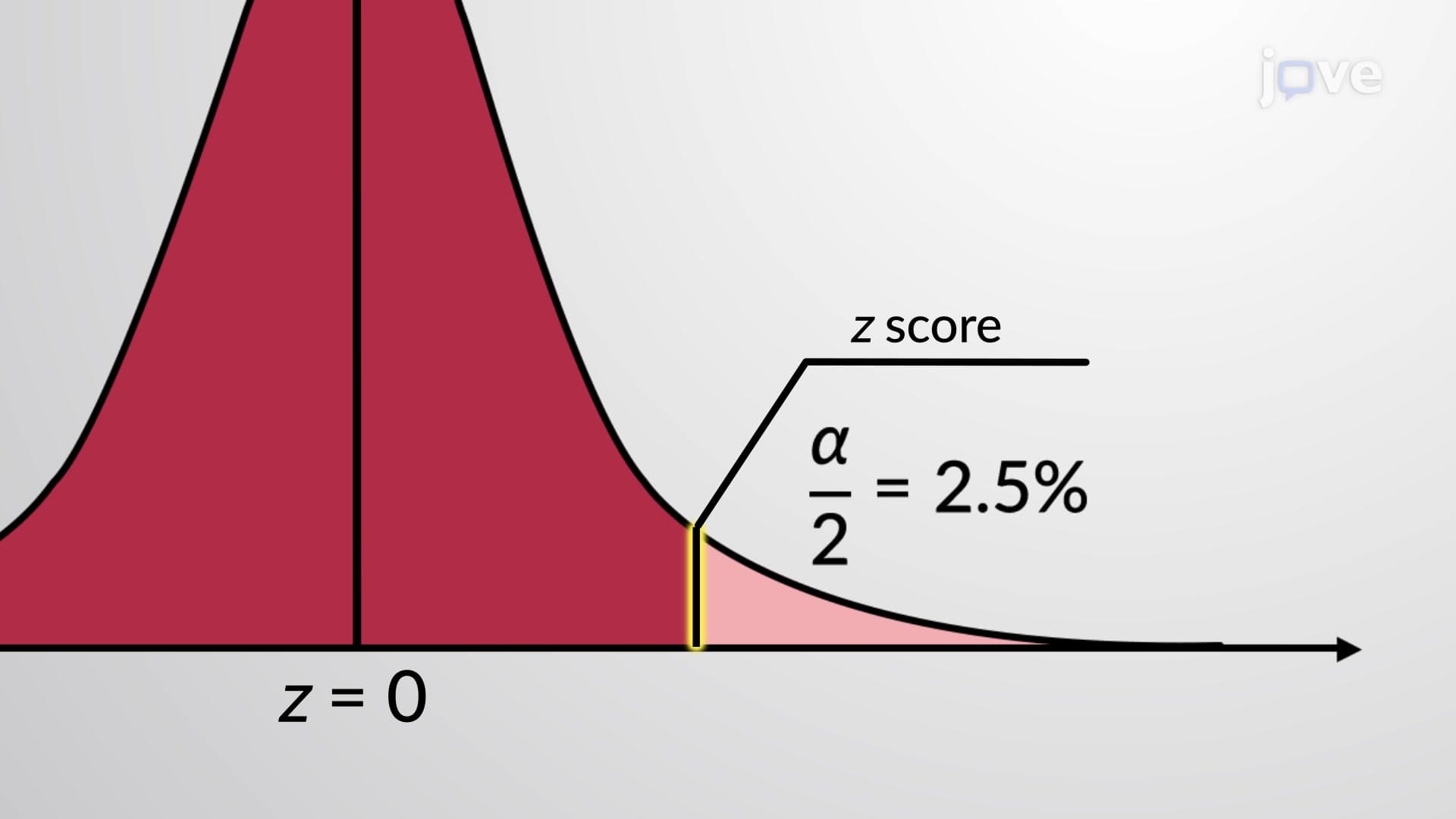
The basic sample size formula incorporates the critical value (z-score), margin of error (E), and population proportion (p). For a 95% confidence level, the critical value is 1.96. The margin of error typically ranges from 2% to 5% depending on the research requirements and available resources. When estimating population proportions without prior data, statisticians commonly use p = 0.5, which provides the most conservative (largest) sample size estimate.
This mathematical relationship reveals a crucial insight: sample size increases dramatically as the desired margin of error decreases. Reducing the margin of error from 5% to 3% can more than double the required sample size, illustrating why precision comes at a significant cost in terms of time and resources.
Sample size calculation proves essential across diverse fields. In pharmaceutical research, the FDA requires precise sample size calculations for clinical trials testing new drugs. These calculations must demonstrate adequate statistical power to detect clinically meaningful treatment effects while protecting patient safety through appropriate study duration and participant exposure.
Market research companies like Gallup use sample size calculations when conducting political polls, ensuring their surveys of 1,000-1,500 Americans can accurately predict national voting patterns within acceptable margins of error. Similarly, quality control departments in manufacturing use these principles to determine how many products to test for defects without inspecting every single item produced.
Students preparing for AP Statistics, college statistics courses, or standardized tests like the MCAT frequently encounter sample size calculation problems. A common misconception is that larger populations always require larger sample sizes. However, for populations exceeding 10,000 individuals, the population size has minimal impact on the required sample size—a counterintuitive concept that often appears on examinations.
Understanding these principles helps students tackle complex scenarios where they must balance statistical requirements with practical constraints, developing critical thinking skills valuable in both academic and professional contexts.
Frequently Asked Questions
Sample size calculation determines the minimum number of participants needed for statistically reliable research results. It's crucial because it ensures studies have enough statistical power to detect meaningful effects while avoiding waste of resources on unnecessarily large studies. Proper sample size calculation helps researchers make valid conclusions and supports evidence-based decision-making in fields like medicine and public policy.
AP Statistics and college exams frequently test sample size calculation through problems involving confidence intervals and hypothesis testing. Students must apply formulas to determine required sample sizes given specific confidence levels and margins of error. These questions often include real-world scenarios like polling data or clinical trials, requiring students to interpret results and explain the relationship between sample size and statistical precision.
The MCAT includes sample size calculation in its Psychological, Social, and Biological Foundations section, particularly in research design questions. Students must understand how sample size affects statistical power, Type I and Type II errors, and the validity of research conclusions. Questions often involve interpreting study designs and identifying whether sample sizes are appropriate for detecting clinically significant effects.
Pharmaceutical companies use sample size calculation to design clinical trials that can reliably detect whether new medications are safe and effective. For example, when testing a new diabetes medication, researchers calculate the minimum number of patients needed to demonstrate that the drug significantly lowers blood sugar compared to existing treatments. The FDA requires these calculations to ensure trials provide meaningful evidence for drug approval decisions.
Sample size calculation is accessible to high school students with basic algebra and statistics knowledge. The core concepts involve straightforward mathematical relationships between confidence levels, margins of error, and sample sizes. Students can start with simple scenarios and gradually work toward more complex applications, building confidence through practice problems and real-world examples.
Focus on understanding the underlying relationships rather than memorizing formulas. Practice identifying the three key components: confidence level, margin of error, and population proportion. Work through diverse problem types, from basic calculations to interpreting research scenarios. Create summary sheets connecting mathematical formulas to real-world applications, and practice explaining why sample sizes increase with higher confidence levels or smaller margins of error.
Build on sample size calculation by exploring statistical power analysis, which examines the probability of detecting true effects. Study hypothesis testing procedures, confidence interval construction, and experimental design principles. These concepts work together to form a comprehensive understanding of statistical inference and research methodology essential for advanced coursework in statistics, psychology, and health sciences.
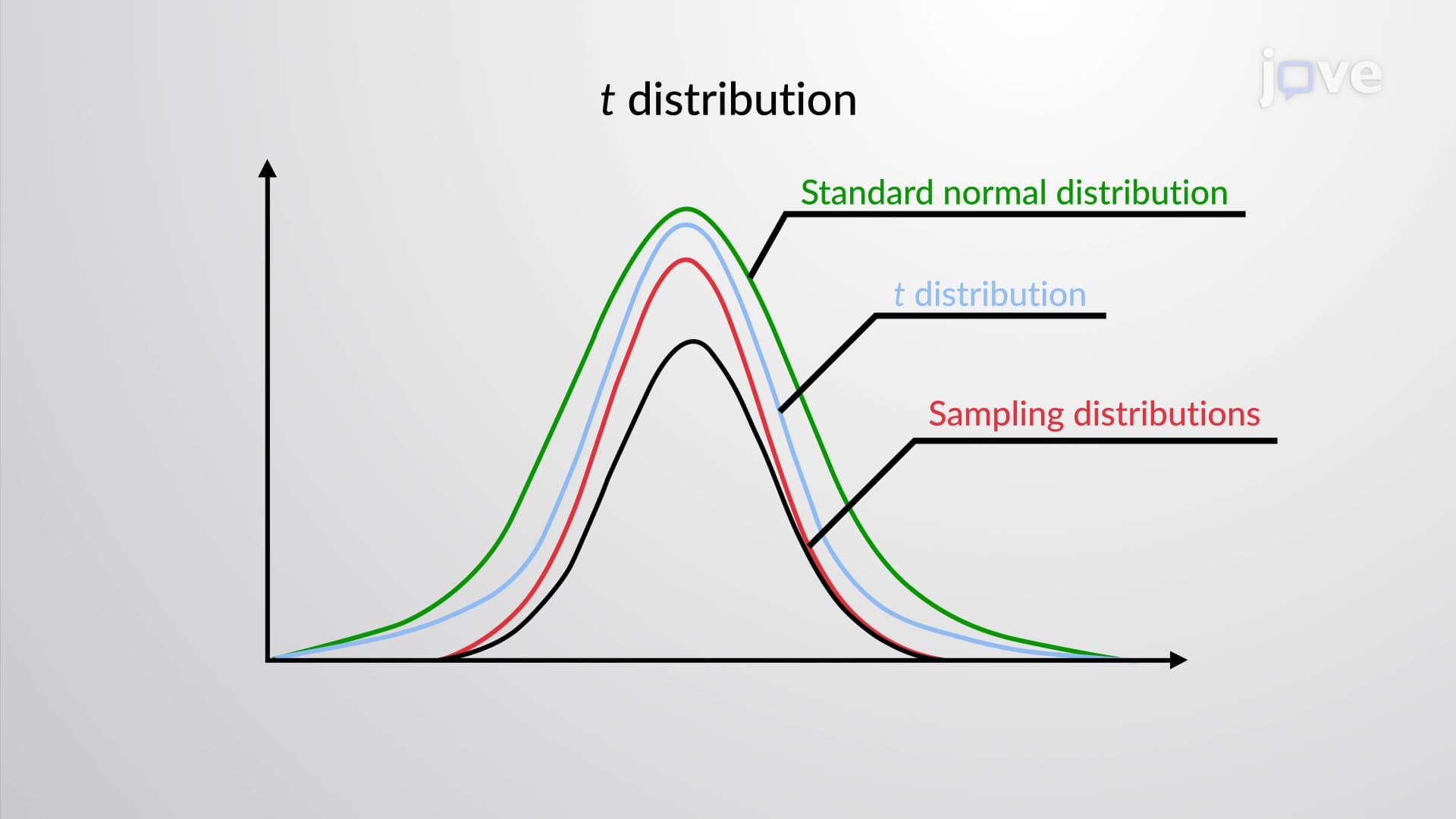
For populations larger than about 10,000, the population size becomes statistically irrelevant to sample size calculation because the sampling distribution approaches a normal distribution regardless of population size. This means a poll of 1,200 Americans can be just as accurate for the entire U.S. population (330 million) as for a state population of 5 million, assuming proper random sampling techniques.
Related Micro-courses
Related Subjects
 Physics 33 micro-courses›
 Math Fundamentals 11 micro-courses›