Loading…
Loading video…

100,000 views

Ever wonder why clinical trials for new medications take years to complete, or how researchers at Stanford University determine if a new study method actually improves test scores? An experiment definition encompasses the systematic process scientists use to test hypotheses and discover reliable knowledge through controlled conditions. For instance, when the CDC investigates whether a new public health intervention reduces disease transmission, they follow strict experimental protocols with control and treatment groups. This fundamental research method forms the backbone of evidence-based discoveries across medicine, psychology, and education. Watch the full video on JoVE Coach to master this concept with expert-led visuals and step-by-step explanations.
An experiment definition centers on systematic investigation designed to test specific hypotheses under controlled conditions. Unlike observational studies where researchers simply record what happens naturally, experiments involve deliberate manipulation of variables to establish cause-and-effect relationships. This controlled approach distinguishes experimental research from other forms of scientific inquiry and makes it the gold standard for proving causal relationships in fields ranging from medicine to educational psychology.
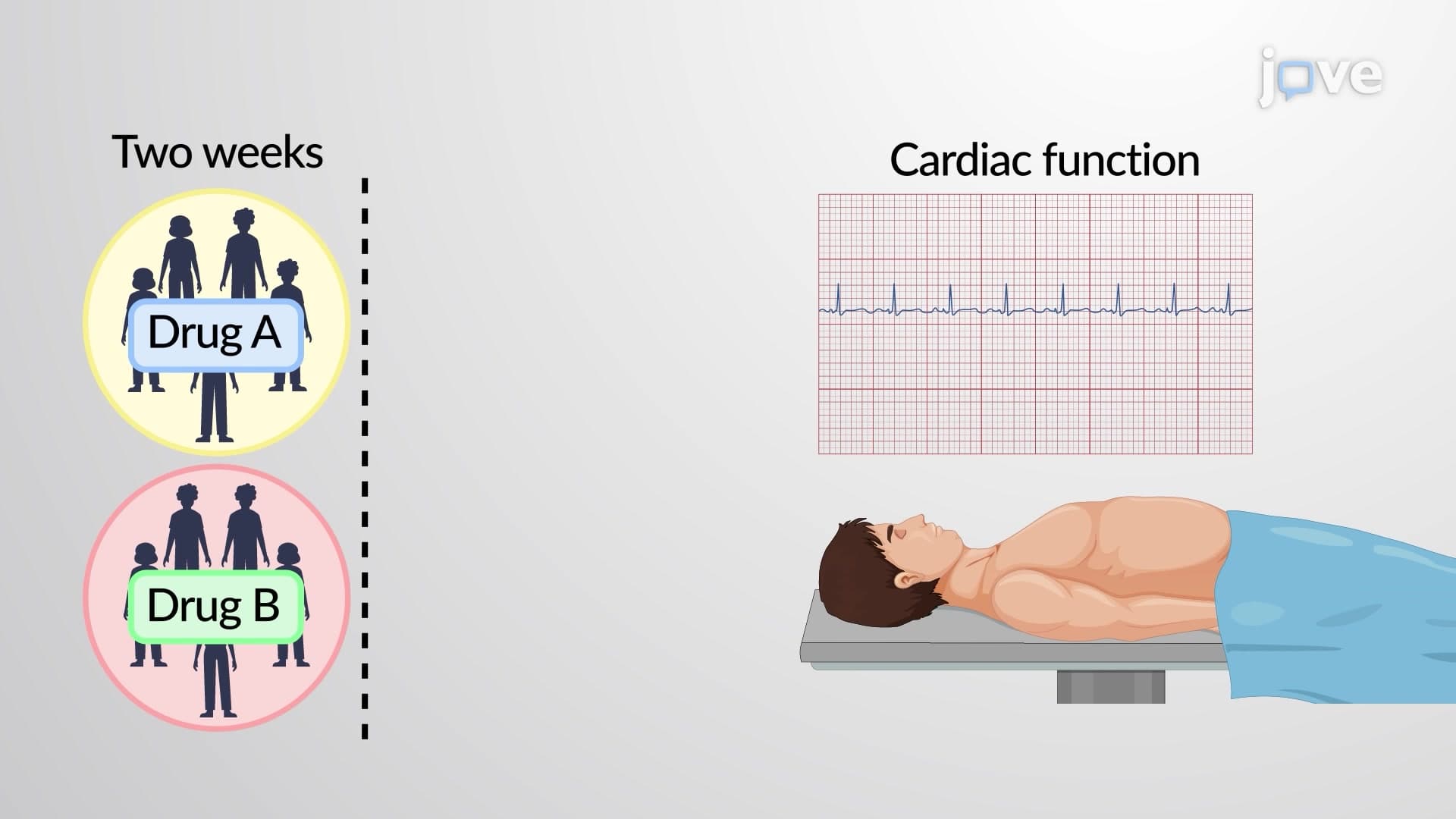
Every well-designed experiment contains several critical elements that ensure valid results. The experimental group receives the treatment or intervention being tested, while the control group serves as a baseline for comparison. Subjects—whether patients in a clinical trial at Johns Hopkins Hospital or students in an educational study at UCLA—are carefully selected and often randomly assigned to groups to minimize bias. This randomization helps ensure that any differences observed between groups result from the experimental treatment rather than pre-existing characteristics of the participants.
Understanding variables forms a crucial part of grasping an experiment definition. Independent variables represent factors that researchers deliberately manipulate or control. In pharmaceutical research, this might be different dosages of a new medication. Dependent variables are the outcomes researchers measure to assess the experiment's effects—such as blood pressure readings, test scores, or recovery times. Controlling for confounding variables (factors that might influence results but aren't part of the main hypothesis) ensures that observed changes can be attributed to the independent variable being tested.
Modern experimental design relies heavily on statistical analysis to determine whether observed differences between groups are meaningful or could have occurred by chance. When researchers at the National Institutes of Health test new treatments, they use hypothesis testing to calculate p-values and confidence intervals. This statistical rigor appears frequently on standardized tests like the AP Statistics exam and MCAT, where students must interpret experimental results and evaluate research conclusions. Understanding these concepts proves essential for pre-med students preparing for the MCAT's Psychological, Social, and Biological Foundations section, which heavily emphasizes research methodology and experimental design principles.
Frequently Asked Questions
An experiment definition describes a controlled scientific investigation where researchers deliberately change one factor to see how it affects something else. Think of it like testing whether a new study app actually helps students improve their SAT scores by comparing users with non-users. The key is having a control group for comparison and measuring specific outcomes systematically.
These AP exams frequently test experimental design concepts, including identifying variables, evaluating research methods, and interpreting statistical results. You'll encounter multiple-choice questions asking you to distinguish between experimental and correlational studies. The free-response sections often require analyzing experimental scenarios and explaining why certain design choices strengthen or weaken conclusions.
The MCAT emphasizes experimental design in its Psychological, Social, and Biological Foundations section, particularly hypothesis testing, variable identification, and research methodology evaluation. You'll need to analyze experimental scenarios, identify potential confounding variables, and determine whether conclusions are supported by the data presented.
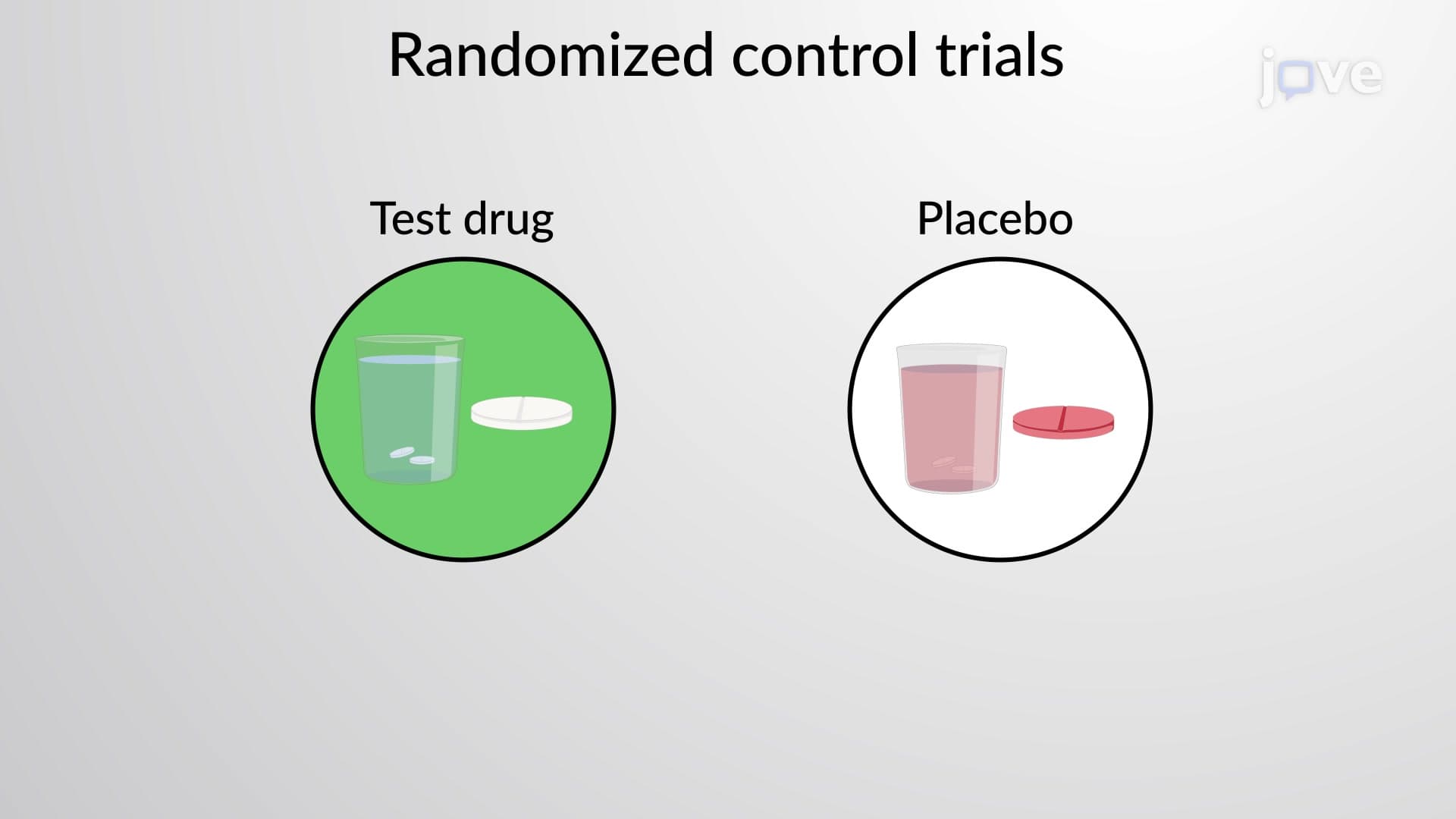
The FDA's drug approval process perfectly illustrates experimental principles. When testing COVID-19 vaccines, pharmaceutical companies conducted randomized controlled trials with thousands of participants at medical centers like Mayo Clinic and Cleveland Clinic. Half received the vaccine (experimental group) while half received a placebo (control group), with researchers measuring infection rates as the dependent variable.
Not at all! The basic concepts build on logical thinking you already use daily. If you can understand comparing two groups fairly—like testing whether a new workout routine works better than your current one—you grasp the fundamental idea. The terminology might seem complex initially, but the underlying logic is straightforward and intuitive.
Practice identifying variables in research scenarios and create your own experimental designs for everyday questions. Use flashcards for key terms like "control group," "independent variable," and "statistical significance." Work through past AP exam questions or practice MCAT passages that describe experiments, focusing on understanding rather than memorizing definitions.
Build on this foundation by exploring specific statistical tests used in experiments, like t-tests and ANOVA. Learn about different experimental designs such as factorial experiments and repeated measures. Understanding research ethics and bias prevention will also strengthen your grasp of quality experimental methodology.
Related Micro-courses
Related Subjects
 Physics 33 micro-courses›
 Math Fundamentals 11 micro-courses›