Loading…
Loading video…

100,000 views
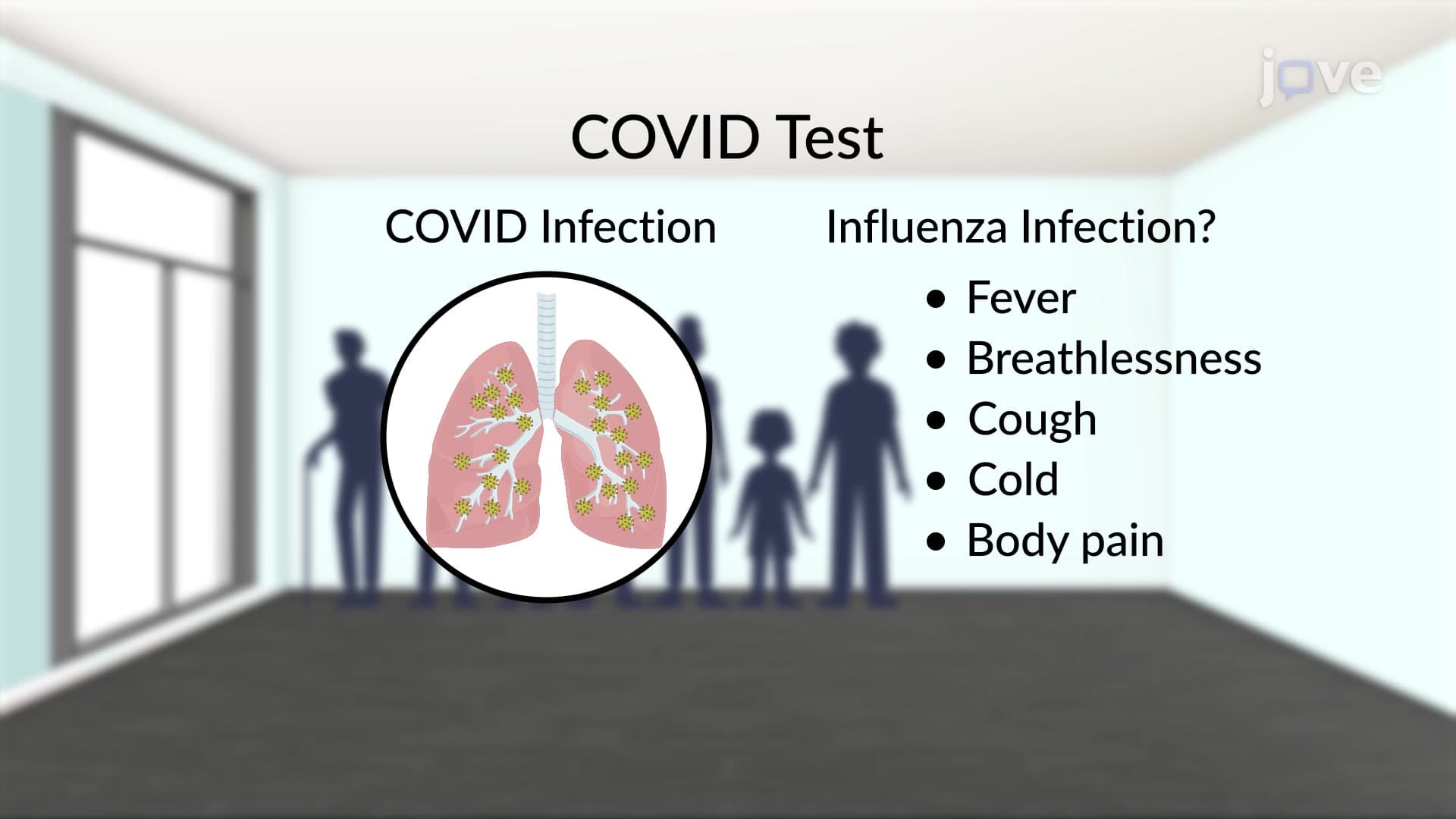
Ever wonder why COVID tests come with extra samples that doctors know are positive or negative? Controls in experiments are the unsung heroes that make scientific results trustworthy by remaining constant while researchers change other variables. In medical diagnostics across US hospitals, from COVID testing to cancer screenings, control samples validate that procedures work correctly and prevent false results that could endanger patient care. Watch the full video on JoVE Coach to master this concept with expert-led visuals and step-by-step explanations.
Controls in experiments serve as the scientific method's quality assurance system, providing reference points that allow researchers to draw valid conclusions. These carefully maintained constants act as baselines against which experimental changes can be measured, ensuring that observed effects result from the intended manipulation rather than unknown variables.
The two primary types of controls in experiments each serve distinct validation purposes. Negative controls contain no active treatment or expected response, helping researchers identify false positives that could mislead results. In US clinical laboratories performing COVID-19 PCR tests, negative controls use samples known to lack viral RNA, ensuring that positive results truly indicate infection rather than contamination or procedural errors.
Positive controls contain known active samples that should produce expected results, validating that experimental procedures function correctly. COVID testing facilities include positive controls with confirmed viral RNA to verify that their detection systems work properly. If a positive control fails to show expected results, technicians know the entire test batch may be unreliable.
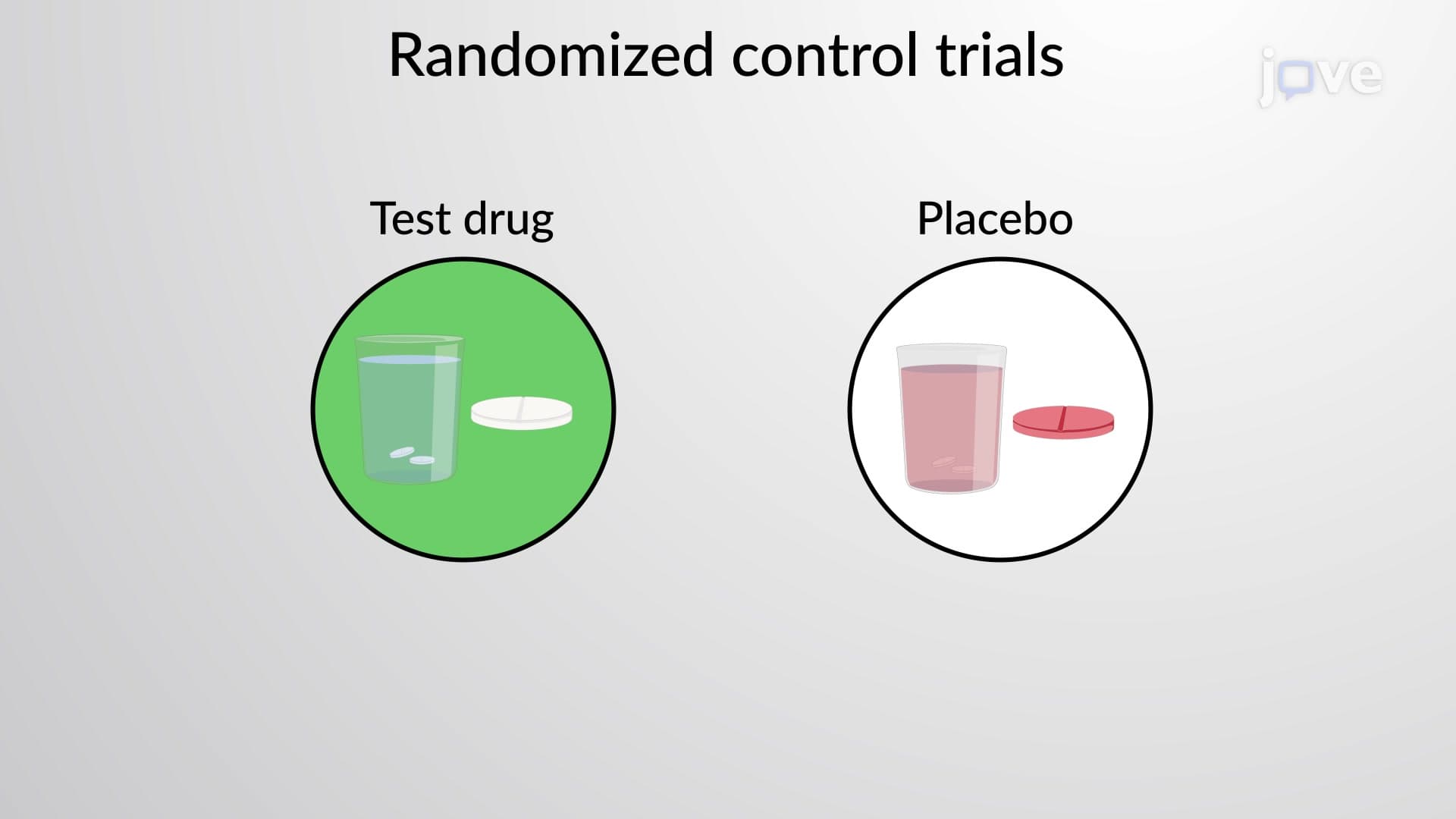
US medical research extensively relies on control groups to meet FDA approval standards for new treatments. Clinical trials comparing experimental drugs against placebos (negative controls) or established treatments (positive controls) generate the evidence needed for regulatory approval. The landmark Pfizer-BioNTech COVID-19 vaccine trials used saline injections as negative controls, allowing researchers to demonstrate vaccine efficacy compared to unvaccinated participants.
High school AP Biology students encounter controls in required laboratory investigations, such as enzyme activity experiments where buffer solutions serve as negative controls. College undergraduates designing research projects must incorporate appropriate controls to meet scientific publication standards. Understanding control implementation proves essential for MCAT preparation, where test-takers analyze experimental design scenarios requiring proper control identification.
Frequently Asked Questions
Controls in experiments are unchanging reference standards that help researchers determine whether observed results come from their intended treatment or other factors. They prevent false conclusions by providing comparison baselines, making them absolutely critical for reliable scientific research that can influence medical treatments, policy decisions, and technological advances.
Negative controls lack the active treatment and should show no response, helping detect false positives or contamination. Positive controls contain known active materials and should produce expected results, confirming that experimental procedures work correctly. Both types work together to validate experimental accuracy from different angles.
MCAT passages often present experimental scenarios where you must identify missing controls or explain why results are invalid without proper controls. AP Biology exam questions frequently ask students to design controlled experiments or critique existing studies for control adequacy. Both exams emphasize understanding how controls strengthen scientific conclusions.
US hospitals and diagnostic laboratories use controls daily in everything from blood glucose tests to cancer screenings. FDA regulations require clinical laboratories to run positive and negative controls with patient samples to ensure accurate results. Without these controls, misdiagnoses could lead to inappropriate treatments or missed diseases.
Not at all - controls operate on logical principles rather than complex chemistry. If you understand the basic idea that you need comparison standards to draw valid conclusions, you already grasp the fundamental concept. The specific techniques may vary, but the underlying logic remains consistent across all scientific fields.
Practice identifying controls in published experiments and explaining their purpose in your own words. Create flowcharts showing how positive and negative controls validate different aspects of experimental procedures. Focus on real examples from medical research, as these concrete applications help solidify abstract concepts.
US pharmaceutical companies must include control groups in FDA-required clinical trials, typically using placebo controls (inactive substances) or active controls (existing treatments). These controls help determine whether new drugs provide genuine benefits beyond psychological effects or existing therapies, ensuring only truly effective medications reach patients.
Consider studying randomized controlled trial design, statistical controls in data analysis, and historical controls used in longitudinal studies. Understanding control variables in observational research and learning about specialized controls like sham procedures in surgical studies will deepen your research methodology knowledge.
Related Micro-courses
Related Subjects
 Physics 33 micro-courses›
 Math Fundamentals 11 micro-courses›