Loading subject page…

- Statistics
- Statistics in Practice
- Clinical Trials
Micro-course: Statistics in Practice
100,000 views
Learn key concepts and earn your certificate.





Clinical Trials
00:00
01:16
- Understand what are clinical trials and their fundamental role in medical research and drug development
- Identify the four distinct phases of clinical trials and their specific purposes in the research process
- Analyze the differences between early-phase and late-phase clinical trials in terms of participant selection and study goals
- Compare Phase I safety studies with Phase III efficacy trials regarding sample size and duration
- Evaluate the importance of regulatory approval processes following Phase III trial completion
- Apply knowledge of clinical trial phases to understand how new treatments progress from laboratory to market
- Recognize the role of Phase IV post-market surveillance studies in ongoing drug safety monitoring
- Explore the ethical considerations and volunteer requirements across different types of clinical trials
Understanding What Are Clinical Trials: The Foundation of Modern Medicine
Clinical trials represent the gold standard for testing medical interventions in humans, serving as the critical bridge between laboratory discoveries and real-world treatments. These prospective research studies follow strict protocols to evaluate whether new drugs, medical devices, surgical procedures, or treatment strategies are both safe and effective for human use. Unlike observational studies that simply monitor existing conditions, clinical trials actively test interventions under controlled conditions to generate reliable evidence for medical decision-making.
The Four-Phase Journey: Types of Clinical Trials Explained
The clinical trial process unfolds through four carefully orchestrated phases, each with distinct objectives and participant requirements. Phase I trials mark the first human testing of experimental treatments, typically involving 20-100 healthy volunteers or patients with advanced disease. These studies primarily focus on determining safe dosage ranges and identifying side effects. For instance, when researchers at the National Institutes of Health first tested gene therapy for sickle cell disease, Phase I trials helped establish the optimal cell dose needed for treatment.
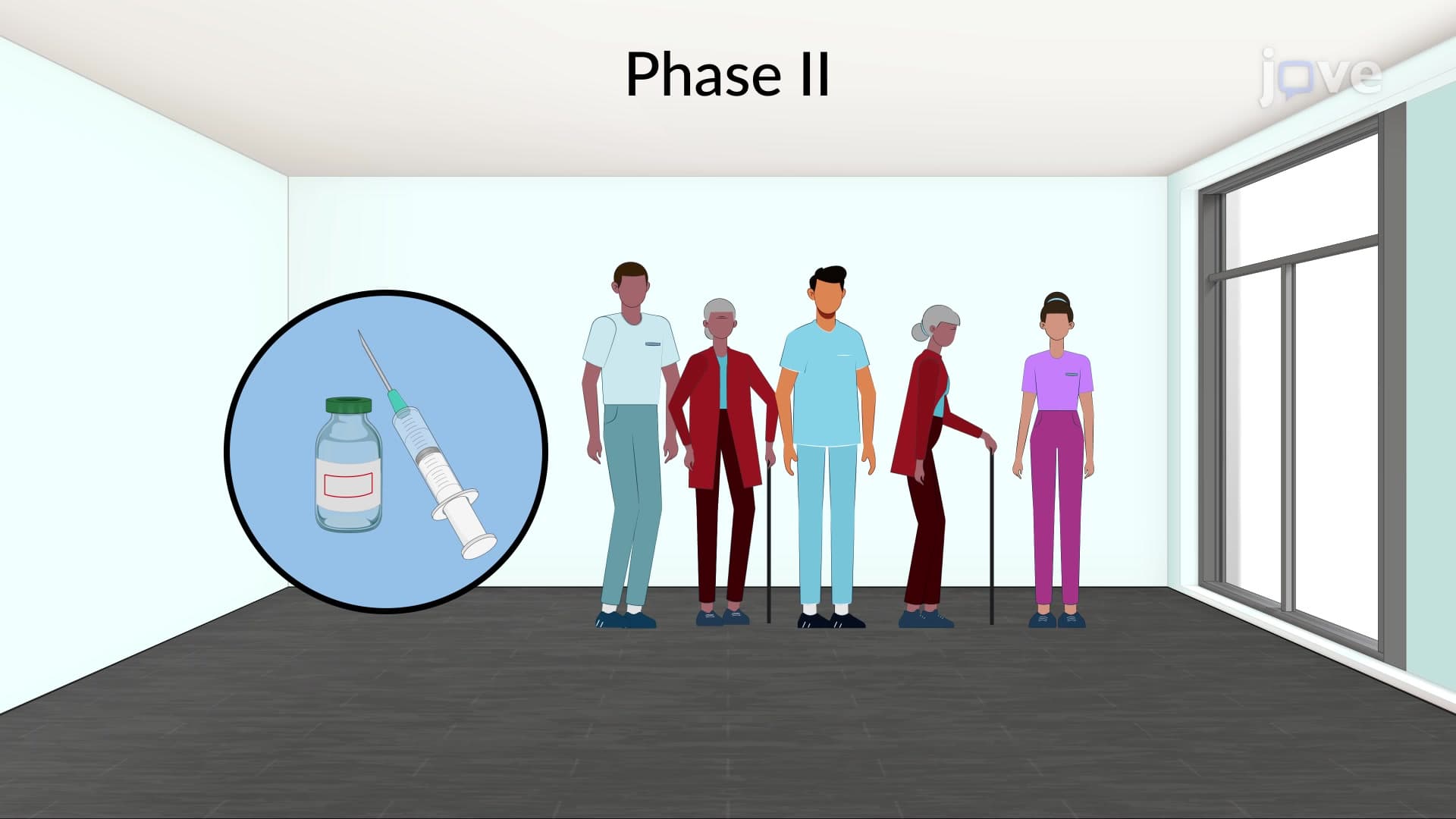
Phase II trials expand to 100-300 participants who have the specific condition being studied. These trials continue monitoring safety while beginning to evaluate treatment effectiveness. The recent breakthrough Alzheimer's drug aducanumab underwent extensive Phase II testing at major US medical centers before advancing to later stages.
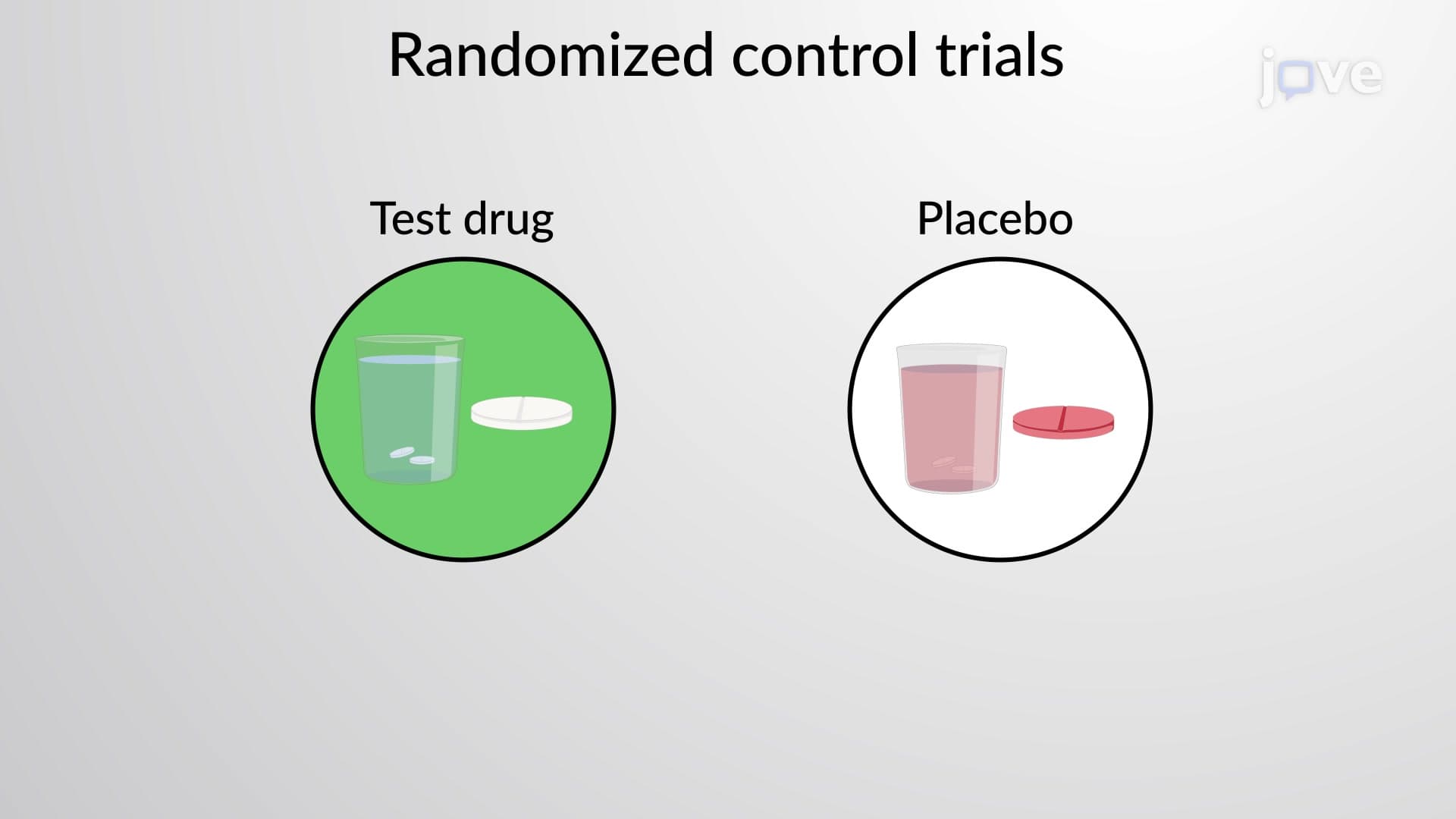
Phase III trials represent the most comprehensive testing phase, involving hundreds to thousands of participants across multiple research sites. These studies directly compare new treatments to current standard care or placebos. The landmark Women's Health Initiative, conducted across 40 US clinical centers, exemplified how Phase III trials can reshape medical practice by revealing both benefits and risks of hormone replacement therapy.
Regulatory Approval and Post-Market Surveillance
Following successful Phase III completion, researchers submit their findings to the Food and Drug Administration (FDA) for marketing approval. This rigorous review process examines all trial data to ensure the treatment's benefits outweigh its risks. Phase IV studies continue after FDA approval, monitoring long-term effects and effectiveness in broader, more diverse populations than those studied in earlier phases.
Students preparing for the MCAT or pursuing pre-health tracks should understand that clinical trials form the evidence base for evidence-based medicine—a core principle tested on medical school entrance exams. AP Biology students encounter clinical trials when studying biotechnology applications, while college-level biostatistics courses examine the statistical methods used to analyze trial results.
Frequently Asked Questions
Clinical trials are controlled research studies that test new medical treatments on human volunteers to determine safety and effectiveness before widespread use. They're essential because laboratory and animal studies can't fully predict how treatments will work in humans. The FDA requires clinical trial evidence before approving new medications, ensuring that treatments reaching patients have proven benefits that outweigh their risks.
The MCAT frequently tests clinical trial concepts in the Biological and Biochemical Foundations section, particularly regarding study design, statistical analysis, and research ethics. Questions often ask students to evaluate trial methodologies, interpret results, or identify potential biases. Understanding the four phases helps answer questions about drug development timelines and regulatory processes that appear on both the MCAT and pharmacy school entrance exams.
AP Biology exams include clinical trials in the context of biotechnology and scientific methodology. Students might encounter free-response questions asking them to design experiments, interpret data from drug trials, or explain how clinical research supports evidence-based medicine. The College Board often includes real examples from recent FDA approvals to test students' ability to apply scientific reasoning to medical research.
Major academic medical centers like Mayo Clinic and Johns Hopkins use clinical trial results to develop treatment protocols and clinical guidelines. For example, cancer treatment decisions at MD Anderson Cancer Center rely heavily on Phase III trial data comparing different chemotherapy regimens. Physicians also use ongoing clinical trials to offer patients access to experimental treatments when standard therapies aren't effective.
No advanced statistics background is required for basic understanding of clinical trials in high school or introductory college courses. Focus on learning the four phases, understanding the progression from safety to efficacy testing, and recognizing how sample sizes increase through the phases. More complex statistical concepts like p-values and confidence intervals are typically introduced in upper-level courses or pre-health programs.
Create a phase-by-phase comparison chart showing participant numbers, study duration, and primary objectives for each phase. Practice with real examples like recent FDA drug approvals, and focus on understanding the logical progression from Phase I safety studies to Phase III efficacy trials. Many professors include clinical trial interpretation questions that test your ability to analyze study design and conclusions rather than memorize facts.
Clinical trials integrate with biostatistics, research ethics, pharmacology, and evidence-based medicine—all core components of medical and nursing education. Understanding trial methodology prepares you for advanced courses in epidemiology and public health. The regulatory approval process connects to healthcare policy studies, while the ethical considerations relate to medical humanities and bioethics coursework required in most pre-health programs.
Related Micro-courses


Related Subjects

Physics33 micro-courses
›