Loading video…


 10 Concepts
 100K views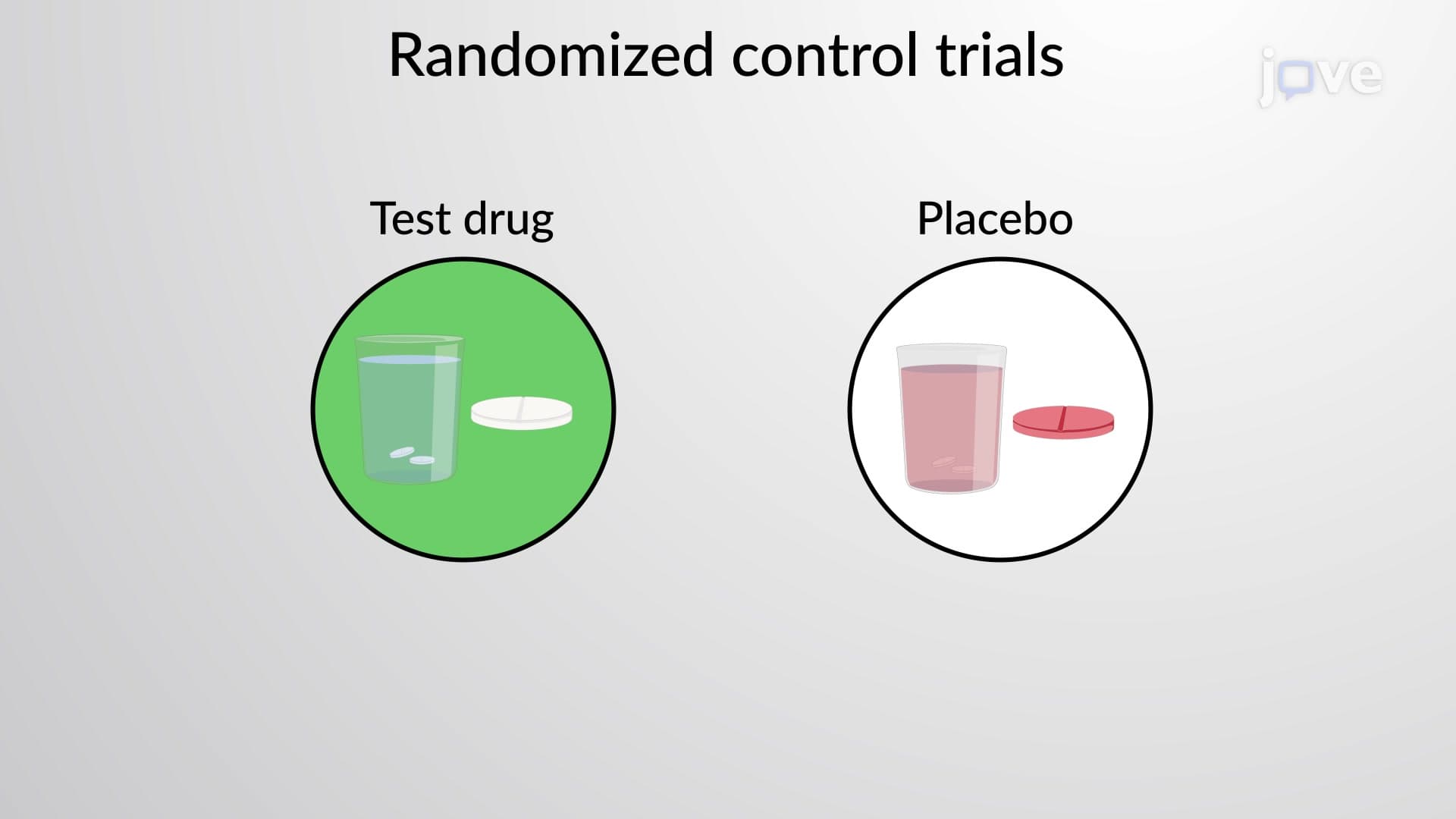

Video Summary: What Is Blinding
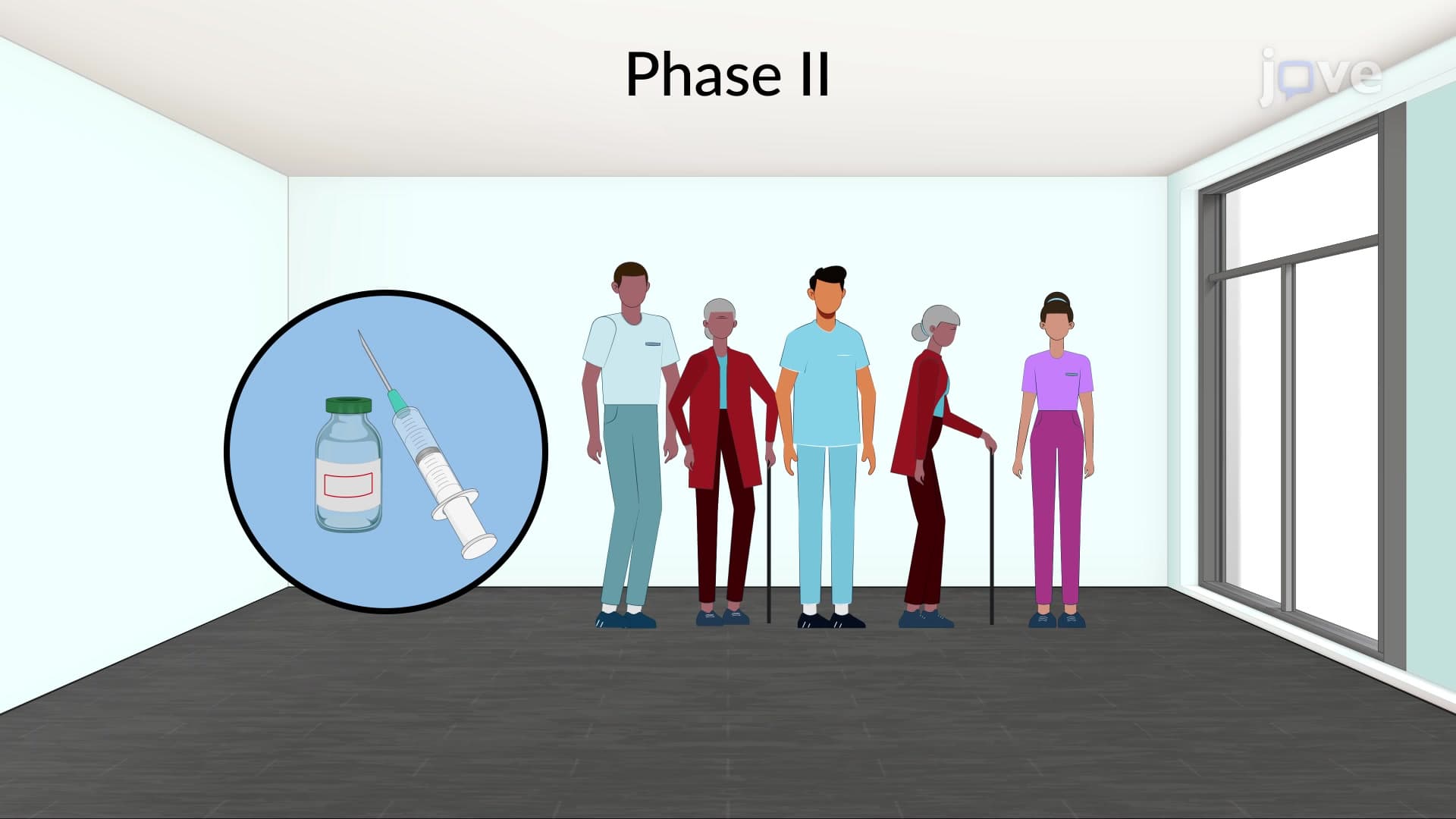
Did you know that blinding in medical research prevents unconscious bias that could skew life-saving treatment results? Blinding is a crucial methodology in clinical trials that conceals treatment information from participants, researchers, and analysts to ensure unbiased outcomes. Consider how the FDA requires blinding protocols for major drug approvals, like recent COVID-19 vaccine trials where neither patients nor doctors knew who received the actual vaccine versus placebo. This systematic approach eliminates the placebo effect and researcher bias that could compromise study validity. Watch the full video on JoVE Coach to master this concept with expert-led visuals and step-by-step explanations.
Blinding represents one of the most critical methodological safeguards in scientific research, particularly in clinical trials and experimental studies. This technique systematically conceals treatment allocation information from various stakeholders to eliminate conscious and unconscious bias that could compromise study results. The concept extends far beyond simply "hiding information"-it's a sophisticated approach to maintaining scientific objectivity and ensuring that psychological factors don't influence observed outcomes.
The placebo effect demonstrates the powerful connection between mind and body, where patients experience real physiological changes simply because they believe they're receiving treatment. In landmark studies, researchers have documented placebo responses in conditions ranging from depression to chronic pain. For instance, in antidepressant trials conducted by major pharmaceutical companies, approximately 30-40% of patients in placebo groups show measurable improvement. Blinding protocols prevent this psychological phenomenon from skewing results by ensuring participants cannot distinguish between active treatment and placebo based on appearance, taste, or administration method.
Single-blind studies conceal treatment information only from participants, commonly used in psychology experiments where researcher knowledge doesn't significantly impact outcomes. However, most FDA-regulated clinical trials employ double-blind protocols, hiding treatment allocation from both patients and healthcare providers. This approach prevents physicians from unconsciously providing different levels of care or interpreting symptoms differently based on treatment knowledge.
Triple-blind studies add another layer by concealing information from data analysts and statisticians. This comprehensive approach proves particularly valuable in studies where subjective outcome measures might be influenced by analyst expectations. The recent development of COVID-19 vaccines exemplified triple-blind methodology, where even the companies' statistical teams remained blinded until predetermined endpoints were reached.
Implementing effective blinding requires careful attention to detail. Pharmaceutical companies invest millions in creating identical-appearing placebos, matching active medications in color, size, texture, and even taste. The National Institutes of Health (NIH) has established strict guidelines for blinding protocols, including procedures for emergency unblinding when patient safety concerns arise.
Students preparing for the MCAT, AP Biology, or college-level research methods courses should understand that blinding questions frequently appear in exam scenarios involving experimental design critique. Practice identifying potential sources of bias and proposing appropriate blinding strategies for different research contexts.
Related Micro-courses