Loading video…


 10 Concepts
 100K views

Video Summary: What Is Study Design in Statistics
Did you know that the FDA's approval of COVID-19 vaccines relied on carefully planned study designs in statistics to ensure safety and efficacy? Study design in statistics serves as the blueprint for how researchers collect and analyze data to answer specific questions. Whether examining patient outcomes at Johns Hopkins Hospital or testing new teaching methods in California schools, proper study design determines the reliability of research findings. These frameworks fall into descriptive studies (describing characteristics) and analytical studies (establishing cause-and-effect relationships). Watch the full video on JoVE Coach to master this concept with expert-led visuals and step-by-step explanations.
Study design in statistics represents the systematic approach researchers use to collect, organize, and analyze data to answer specific questions. Think of it as an architect's blueprint-just as buildings need solid structural plans, research studies require carefully planned methodologies to produce reliable results. This concept forms the cornerstone of evidence-based decision-making in fields ranging from medicine to education policy.
The study design in statistics concept begins with understanding two fundamental categories. Descriptive studies focus on characterizing populations or phenomena without examining relationships between variables. For instance, the U.S. Census Bureau conducts descriptive research when documenting demographic characteristics across American households. These studies answer "what" questions: What percentage of students graduate high school? What are the average income levels in different states?
Analytical studies, conversely, investigate relationships between variables and test hypotheses about cause-and-effect connections. The landmark Framingham Heart Study, which began in 1948 and continues today, exemplifies analytical research by examining how lifestyle factors influence cardiovascular disease development over decades.
Within analytical designs, observational studies examine how variables naturally occur without researcher intervention. Epidemiologists at the Centers for Disease Control and Prevention (CDC) frequently employ observational designs when tracking disease patterns across populations. For example, researchers might compare cancer rates between communities with different environmental exposures, observing naturally occurring variations without manipulating any variables.
These studies prove invaluable when ethical considerations prevent experimental manipulation. Researchers cannot deliberately expose people to harmful substances, but they can observe outcomes in populations with existing exposures.
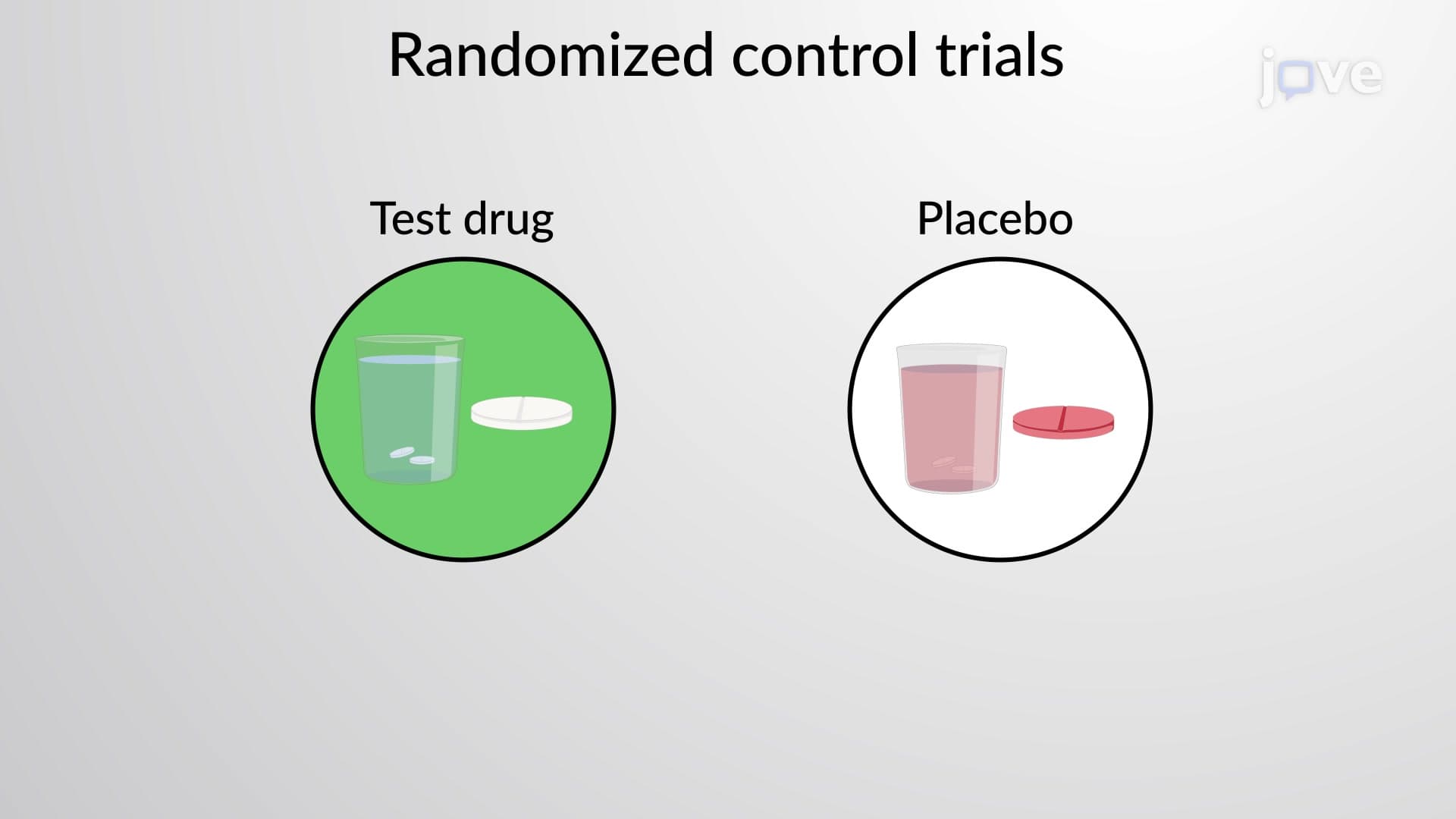
Experimental studies represent the gold standard for establishing causation by actively manipulating independent variables while controlling other factors. The National Institutes of Health (NIH) conducts numerous clinical trials using experimental designs to test new treatments. In educational research, experimental studies might randomly assign students to different teaching methods to determine which approach produces better learning outcomes.
Students preparing for AP Statistics, SAT Subject Tests, or college statistics courses should understand that experimental designs provide the strongest evidence for causal relationships, while observational studies excel at describing patterns and generating hypotheses for future experimental testing.
Related Micro-courses