Loading video…


 10 Concepts
 100K views

Video Summary: What Is Observational Studies
Did you know that the groundbreaking discovery linking smoking to lung cancer came from simply watching patients rather than conducting controlled experiments? Observational studies are research methods where scientists carefully monitor events without influencing outcomes, forming the backbone of medical breakthroughs like the famous Framingham Heart Study that identified cardiovascular risk factors in Massachusetts communities. These studies come in three distinct types: prospective (future-focused), retrospective (past-focused), and cross-sectional (snapshot in time). Watch the full video on JoVE Coach to master this concept with expert-led visuals and step-by-step explanations.
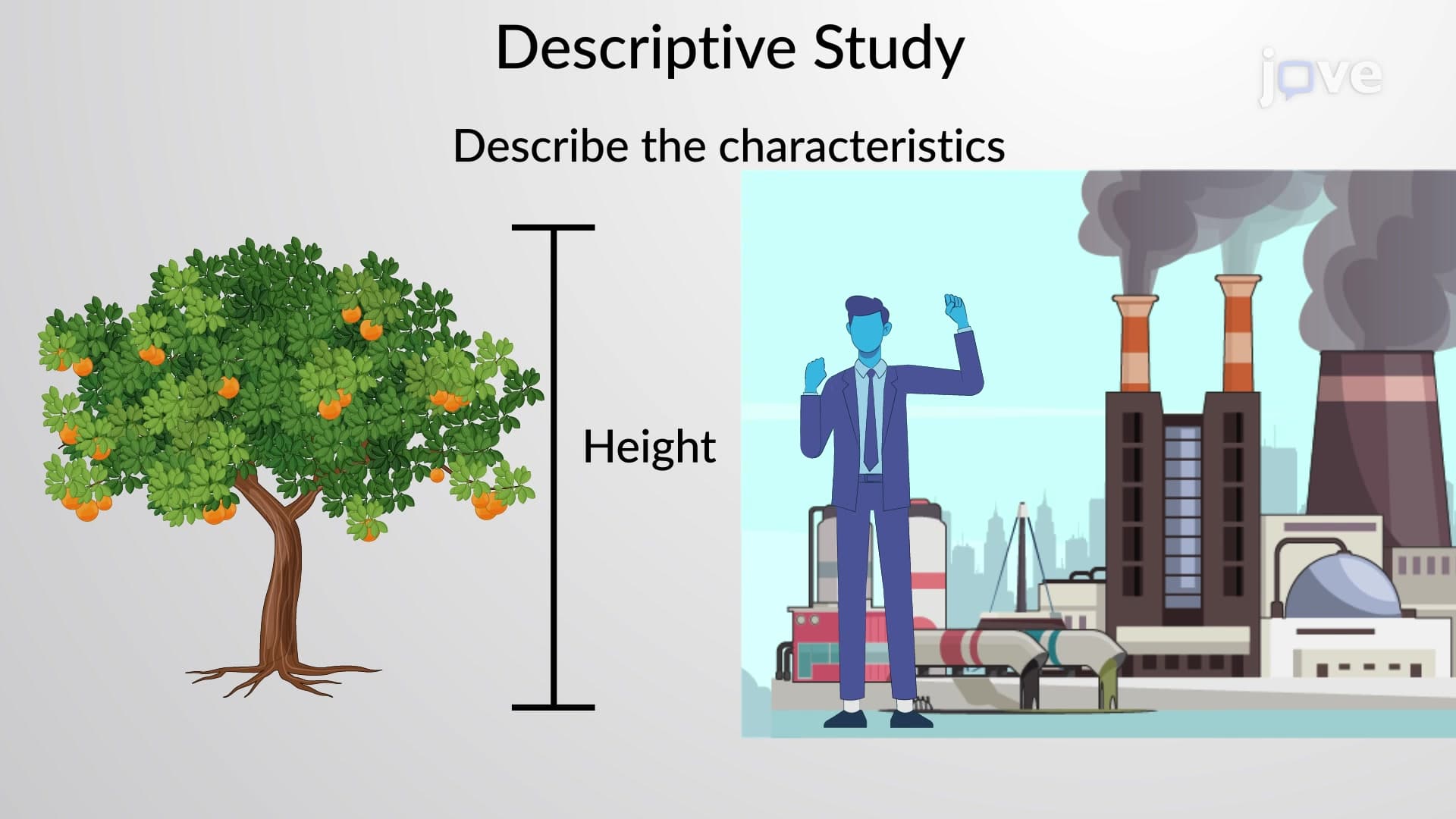
Observational studies represent a cornerstone of scientific research where investigators systematically watch, record, and analyze naturally occurring events without manipulating variables or influencing outcomes. Unlike controlled experiments, these studies allow researchers to examine real-world phenomena as they unfold, making them invaluable for studying situations where experimental manipulation would be unethical, impractical, or impossible.
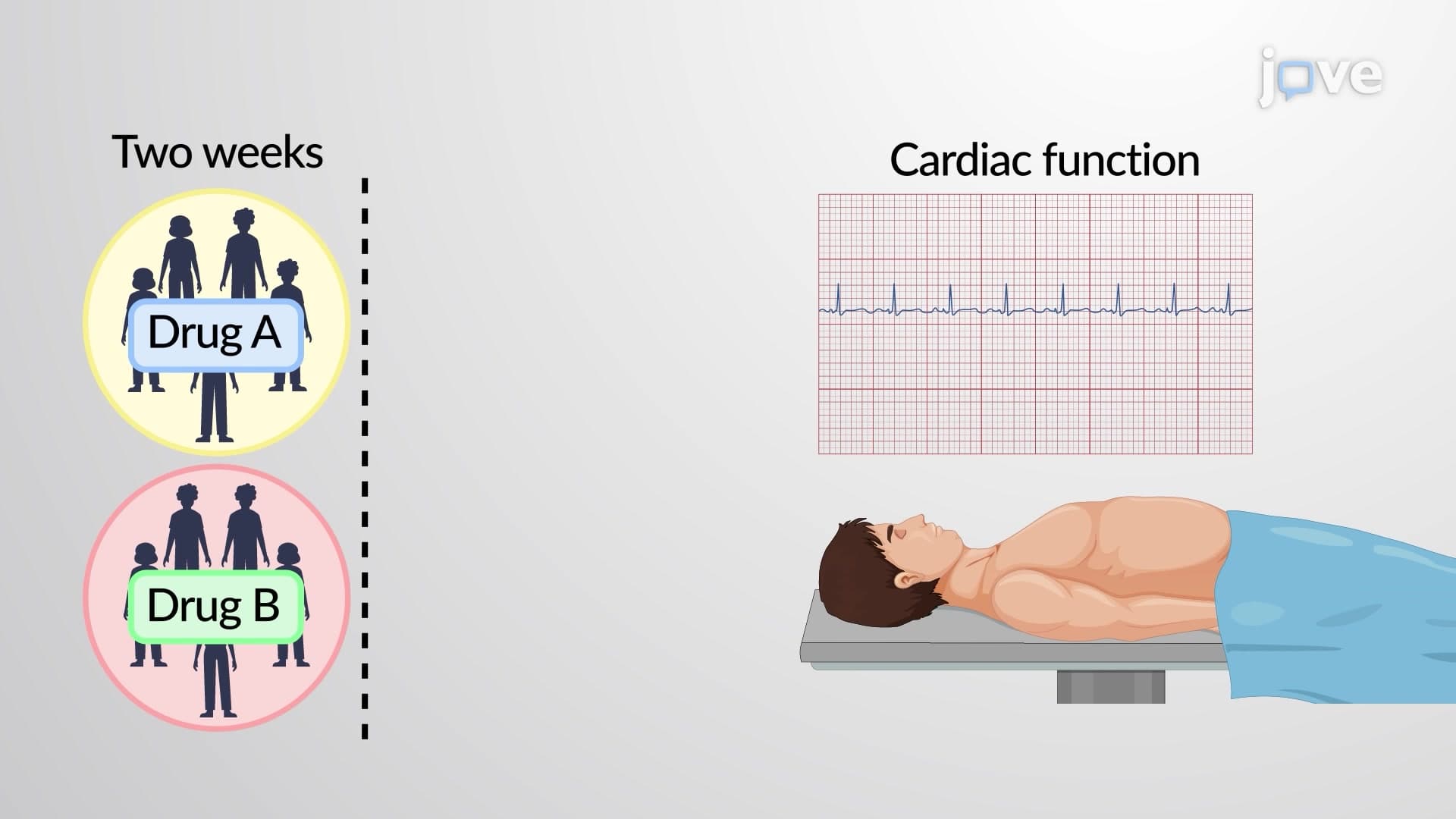
Prospective Studies look forward in time, following subjects into the future to observe outcomes. The renowned Nurses' Health Study, initiated by Harvard in 1976, exemplifies this approach by tracking over 120,000 female nurses to understand disease patterns. These studies are particularly powerful for establishing temporal relationships between exposures and outcomes, though they require significant time and resources.
Retrospective Studies examine past events by looking backward from a known outcome. The classic case-control study investigating the link between smoking and lung cancer used this approach, comparing the smoking histories of lung cancer patients with healthy controls. These studies are cost-effective and provide quick results, making them ideal for studying rare diseases or conditions with long latency periods.
Cross-sectional Studies capture a snapshot of a population at one specific point in time. The U.S. Census represents the largest cross-sectional study, measuring demographic characteristics across the nation simultaneously. These studies excel at determining prevalence rates and identifying patterns within populations, though they cannot establish causation.
Observational studies play crucial roles in AP Biology, AP Psychology, and college-level research methods courses. Students encounter these concepts in SAT Subject Tests and standardized assessments that emphasize scientific reasoning. In medical school preparation, understanding observational study design becomes essential for MCAT success, particularly in the Chemical and Physical Foundations section.
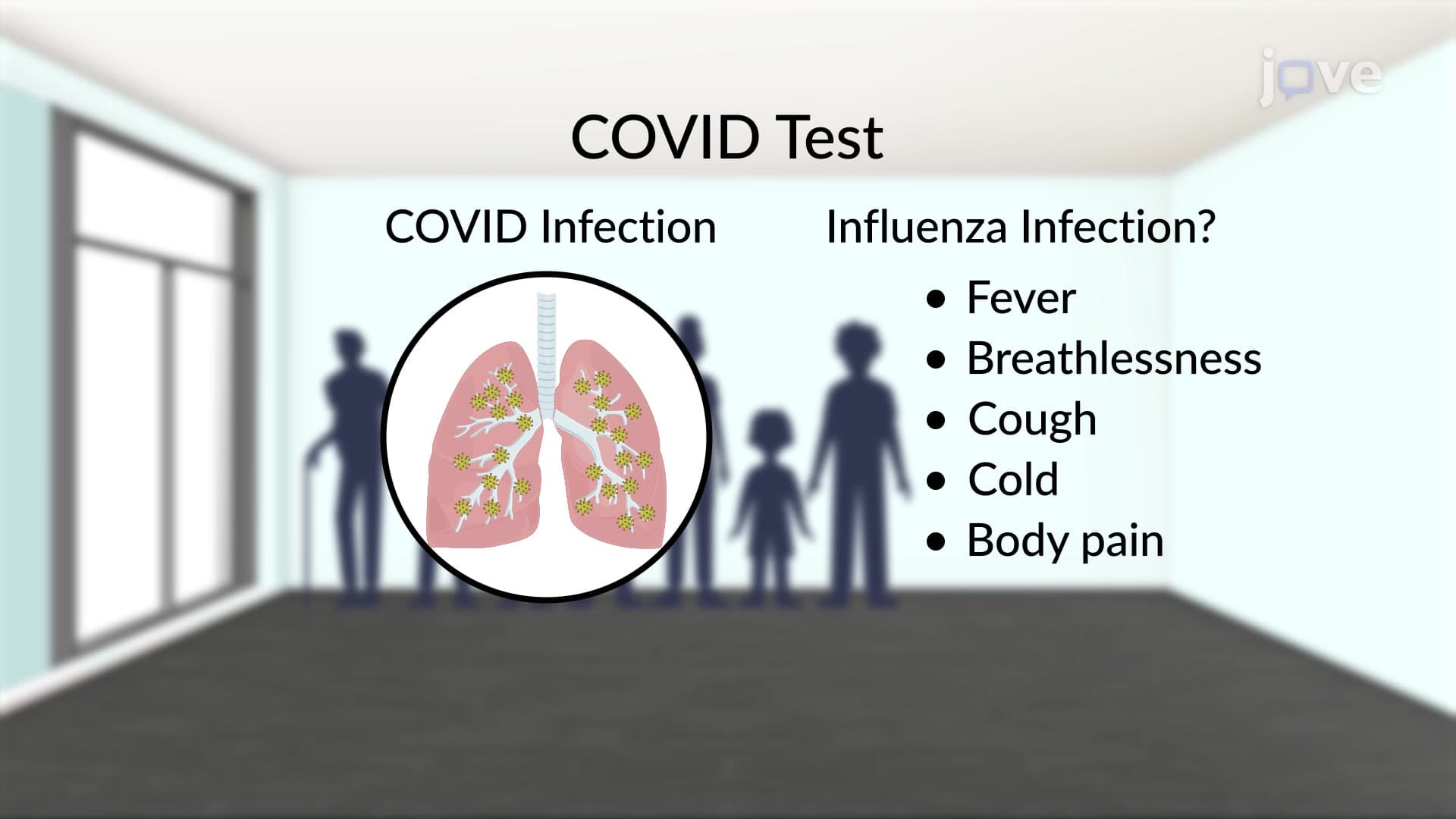
Healthcare professionals rely heavily on observational study findings. The COVID-19 pandemic highlighted their importance when researchers used retrospective studies to identify risk factors and cross-sectional studies to track infection rates across communities. These real-world applications demonstrate why mastering observational study concepts proves invaluable for students pursuing STEM careers.
Related Micro-courses