Loading video…


 10 Concepts
 100K views

Video Summary: What Is Bias
Did you know that a famous 1936 *Literary Digest* poll predicted Alf Landon would defeat Franklin D. Roosevelt by a landslide, yet FDR won by one of the largest margins in U.S. presidential history? This massive prediction failure illustrates how bias can derail even well-intentioned research. Bias definition encompasses systematic errors that skew research results away from truth, whether through flawed sampling, researcher expectations, or faulty measurements. Understanding what is bias is crucial for evaluating everything from medical studies to election polls. Watch the full video on JoVE Coach to master this concept with expert-led visuals and step-by-step explanations.
Bias represents one of the most critical threats to valid scientific research, affecting everything from pharmaceutical trials to social science studies. At its core, bias definition refers to systematic errors that consistently push research results in a particular direction, away from the true value or relationship being studied. Unlike random errors that cancel out over time, bias creates persistent distortions that can invalidate entire research programs.
Sampling bias occurs when researchers select participants who don't truly represent their target population. The 1936 *Literary Digest* poll exemplifies this perfectly-the magazine surveyed people from telephone directories and automobile registrations, inadvertently targeting wealthier Americans who were more likely to vote Republican. Modern examples include online surveys that exclude populations without internet access or medical studies that historically underrepresented women and minorities.
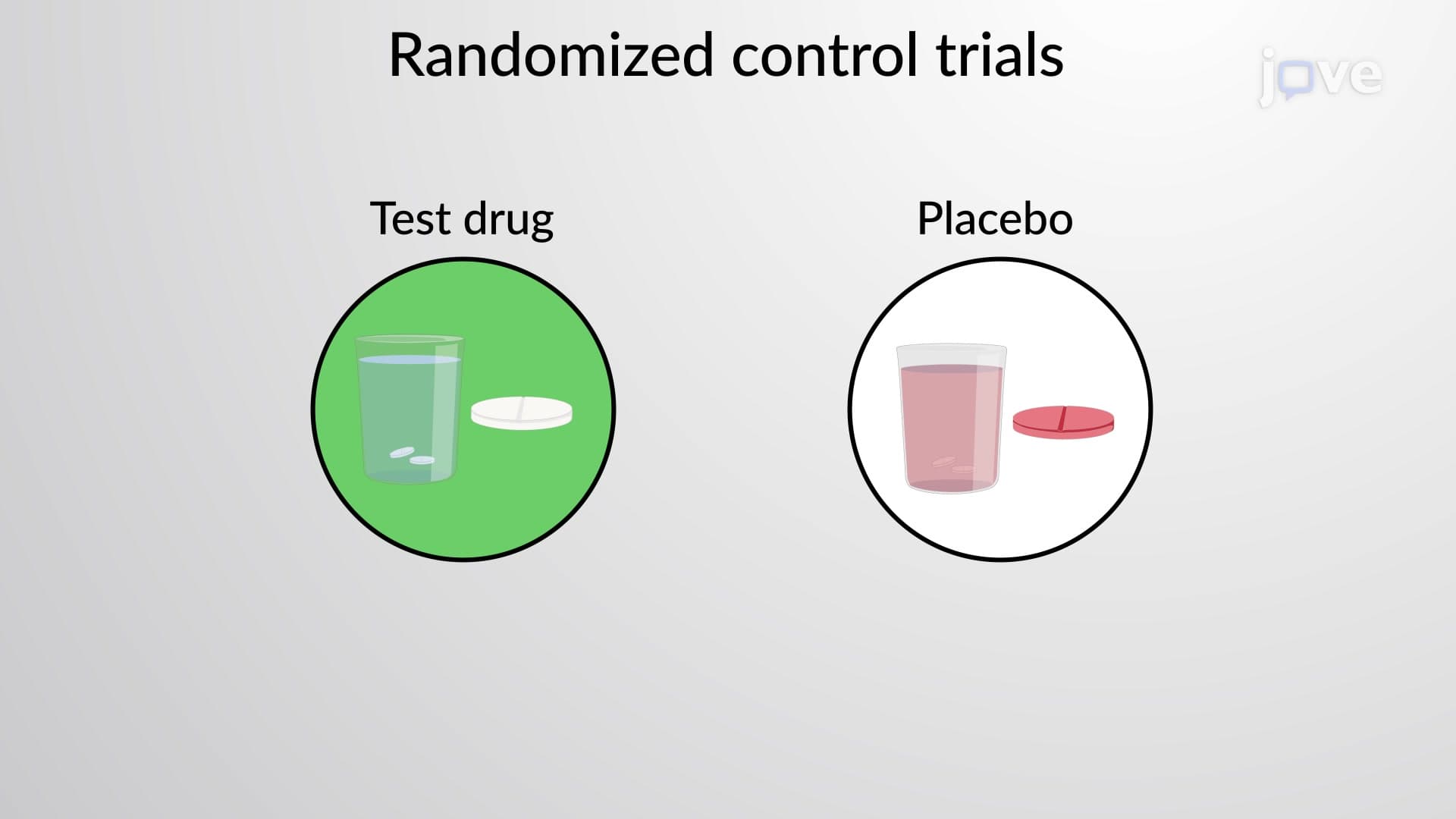
Observer bias emerges when researchers' expectations unconsciously influence their observations or interpretations. In clinical trials, this is why double-blind studies are essential-neither patients nor researchers know who receives the actual treatment. The placebo effect demonstrates how even patients' expectations can bias outcomes, which is why the FDA requires rigorous controlled trials for drug approval.
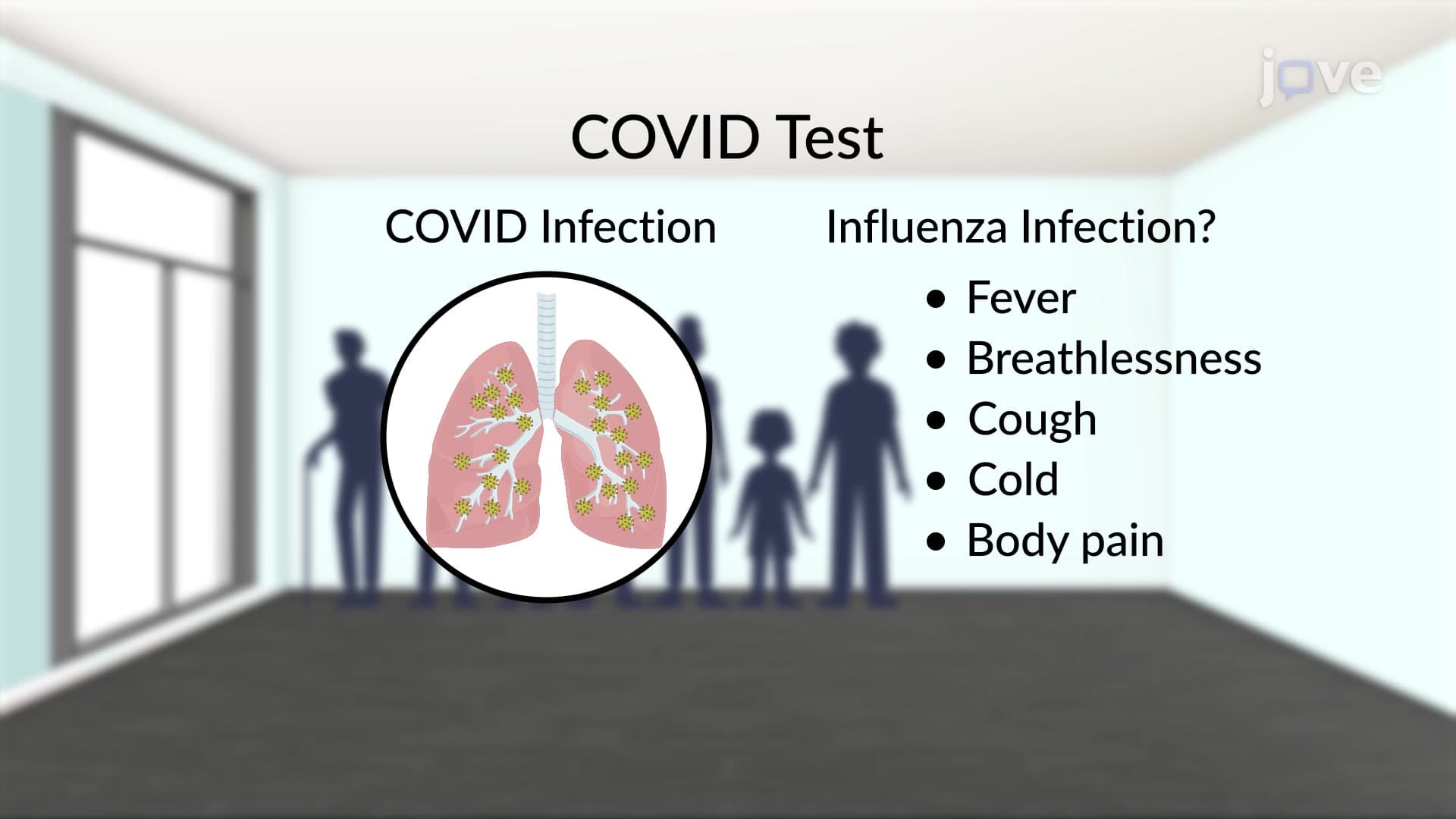
Measurement bias stems from faulty or poorly calibrated instruments. Consider how early COVID-19 antibody tests produced unreliable results due to cross-reactivity with other coronaviruses, leading to overestimates of infection rates in some communities. Similarly, if bathroom scales consistently read 5 pounds heavy, any weight-loss study using them would show artificially inflated results.
Publication bias creates a distorted scientific literature when journals preferentially publish studies with statistically significant, positive results. This "file drawer problem" means negative results-often equally important-remain unpublished. The FDA now requires clinical trial registration to combat this bias, ensuring that failed drug trials aren't hidden from public view.
Funding bias represents a particularly complex challenge where financial interests may influence research design, data interpretation, or result reporting. Studies funded by tobacco companies historically downplayed smoking risks, while some pharmaceutical-funded research has been criticized for favorable drug efficacy reporting.
For students preparing for AP Statistics, MCAT, or college research methods courses, understanding bias is essential for critically evaluating scientific claims and designing valid experiments. Recognition of these systematic errors helps distinguish reliable research from flawed studies that might otherwise appear credible.
Related Micro-courses