Loading…
Loading video…

100,000 views
Did you know that a famous 1936 *Literary Digest* poll predicted Alf Landon would defeat Franklin D. Roosevelt by a landslide, yet FDR won by one of the largest margins in U.S. presidential history? This massive prediction failure illustrates how bias can derail even well-intentioned research. Bias definition encompasses systematic errors that skew research results away from truth, whether through flawed sampling, researcher expectations, or faulty measurements. Understanding what is bias is crucial for evaluating everything from medical studies to election polls. Watch the full video on JoVE Coach to master this concept with expert-led visuals and step-by-step explanations.
Bias represents one of the most critical threats to valid scientific research, affecting everything from pharmaceutical trials to social science studies. At its core, bias definition refers to systematic errors that consistently push research results in a particular direction, away from the true value or relationship being studied. Unlike random errors that cancel out over time, bias creates persistent distortions that can invalidate entire research programs.
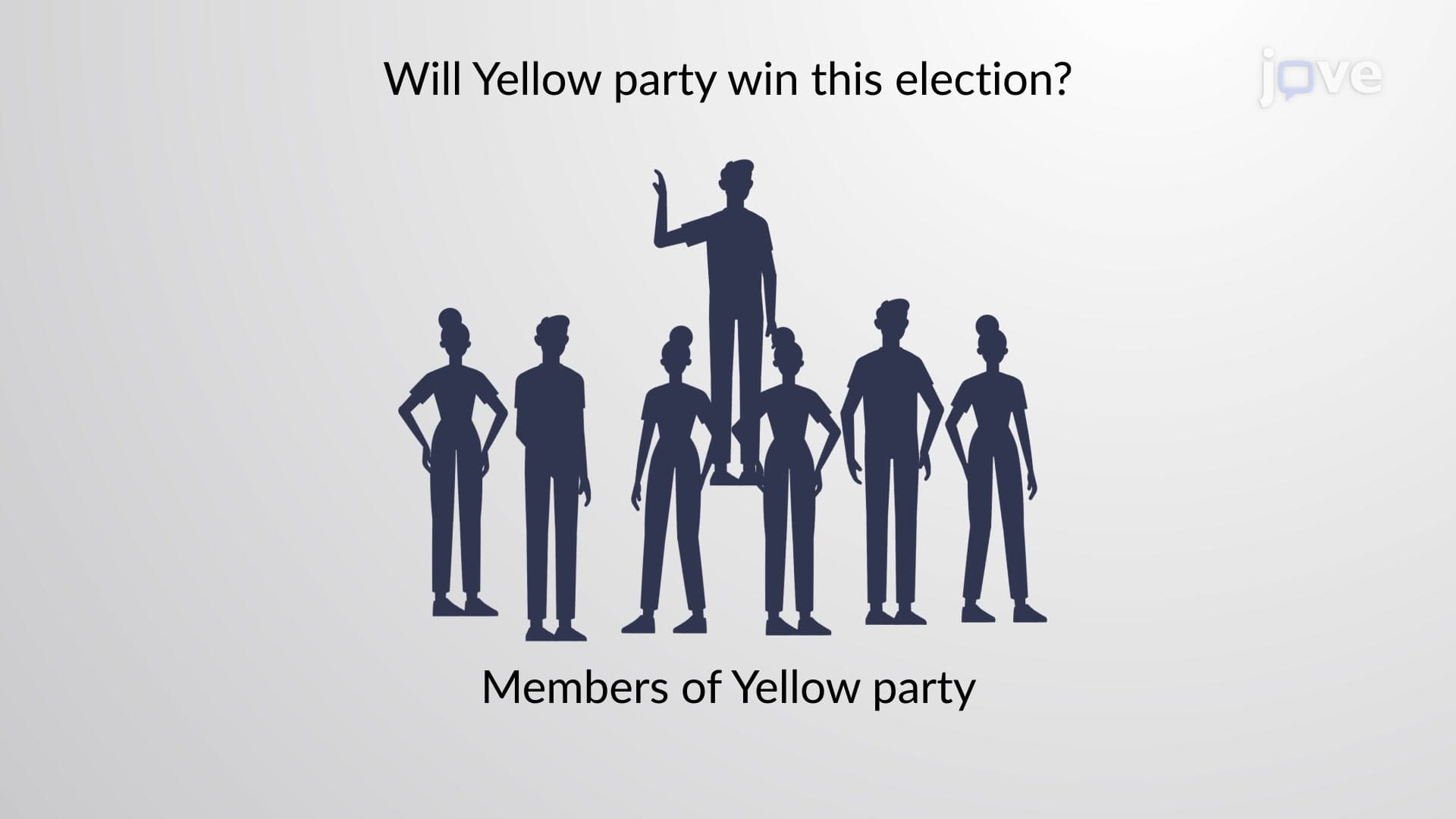
Sampling bias occurs when researchers select participants who don't truly represent their target population. The 1936 *Literary Digest* poll exemplifies this perfectly—the magazine surveyed people from telephone directories and automobile registrations, inadvertently targeting wealthier Americans who were more likely to vote Republican. Modern examples include online surveys that exclude populations without internet access or medical studies that historically underrepresented women and minorities.
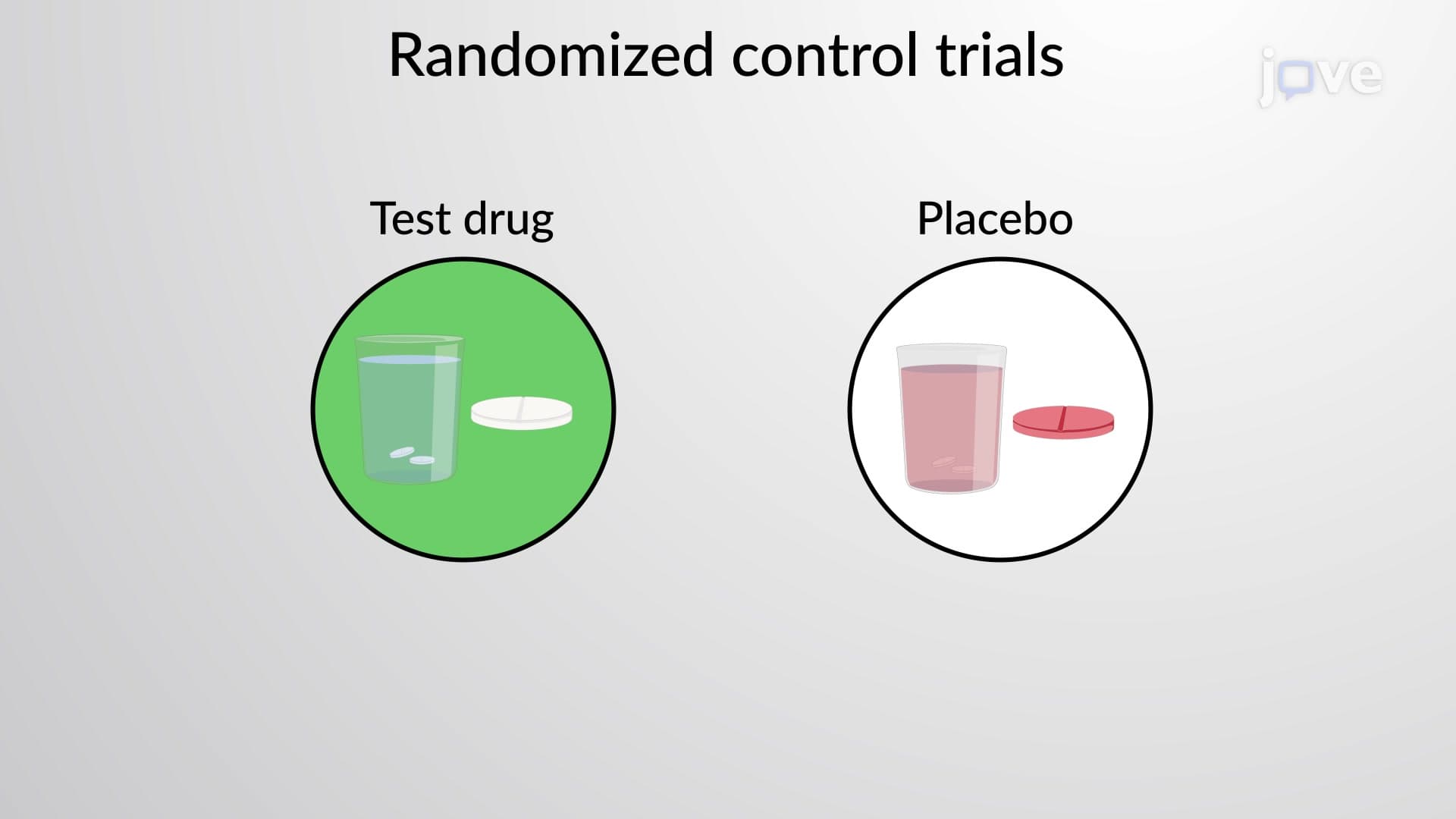
Observer bias emerges when researchers' expectations unconsciously influence their observations or interpretations. In clinical trials, this is why double-blind studies are essential—neither patients nor researchers know who receives the actual treatment. The placebo effect demonstrates how even patients' expectations can bias outcomes, which is why the FDA requires rigorous controlled trials for drug approval.
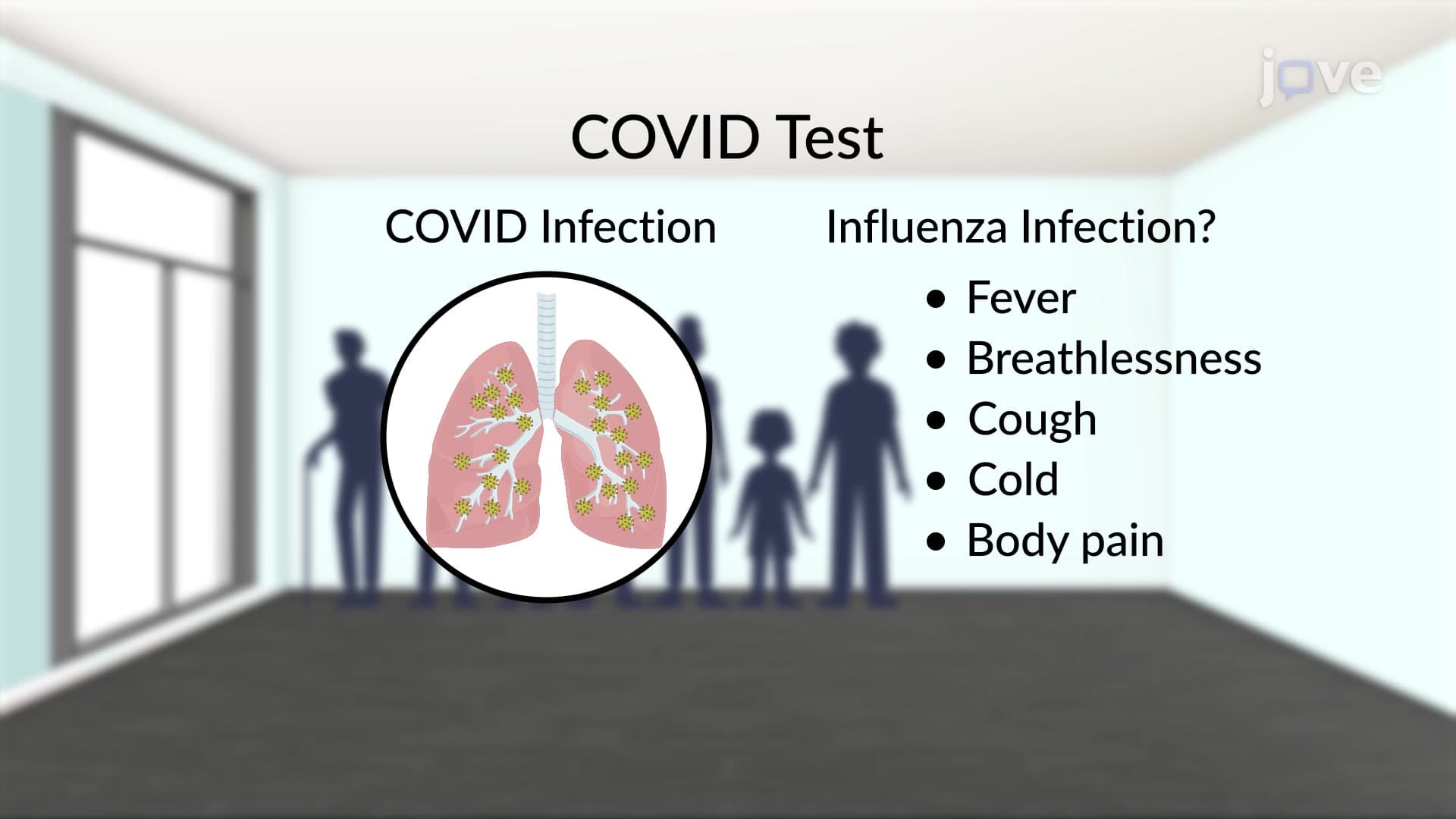
Measurement bias stems from faulty or poorly calibrated instruments. Consider how early COVID-19 antibody tests produced unreliable results due to cross-reactivity with other coronaviruses, leading to overestimates of infection rates in some communities. Similarly, if bathroom scales consistently read 5 pounds heavy, any weight-loss study using them would show artificially inflated results.
Publication bias creates a distorted scientific literature when journals preferentially publish studies with statistically significant, positive results. This "file drawer problem" means negative results—often equally important—remain unpublished. The FDA now requires clinical trial registration to combat this bias, ensuring that failed drug trials aren't hidden from public view.
Funding bias represents a particularly complex challenge where financial interests may influence research design, data interpretation, or result reporting. Studies funded by tobacco companies historically downplayed smoking risks, while some pharmaceutical-funded research has been criticized for favorable drug efficacy reporting.
For students preparing for AP Statistics, MCAT, or college research methods courses, understanding bias is essential for critically evaluating scientific claims and designing valid experiments. Recognition of these systematic errors helps distinguish reliable research from flawed studies that might otherwise appear credible.
Frequently Asked Questions
Bias is a systematic error that consistently pushes research results in one direction, away from the true answer. Think of it like a broken compass that always points 10 degrees east—every measurement will be wrong in the same way. Unlike random mistakes that balance out, bias creates persistent distortions that can invalidate entire studies and lead to false conclusions.
Bias in research represents systematic deviations from truth that occur during study design, data collection, analysis, or publication phases. It manifests through non-representative sampling, researcher expectations influencing observations, faulty measurement instruments, selective publication of positive results, and financial conflicts of interest. These systematic errors threaten the internal and external validity of research findings across all scientific disciplines.
MCAT questions frequently test bias recognition in experimental design and data interpretation sections. Students must identify sampling bias in population studies, observer bias in clinical trials, and publication bias in literature reviews. AP Statistics covers sampling bias extensively, requiring students to critique survey methodologies and identify when samples don't represent target populations adequately.
Absolutely—bias is a cornerstone concept in research methods courses and frequently appears on midterms and finals. Expect to analyze case studies identifying different bias types, critique research designs for potential bias sources, and propose solutions like randomization or blinding. Many professors use historical examples like the 1936 Literary Digest poll as exam questions.
Medical bias can have life-or-death consequences—for example, heart disease research historically focused on men, leading to delayed recognition of women's different symptom patterns. Confirmation bias causes doctors to anchor on initial diagnoses, potentially missing alternative conditions. Understanding bias helps healthcare professionals make more objective clinical decisions and interpret research evidence more critically.
Not at all—bias concepts are highly intuitive once you understand the basic principle of systematic errors. Most examples relate to everyday experiences like biased news reporting or skewed social media feeds. Start with obvious examples like polling only your friends about a controversial topic, then progress to more subtle research scenarios.
Practice identifying bias types in real research scenarios rather than just memorizing definitions. Create flashcards with concrete examples of each bias type, focusing on sampling methods, experimental design flaws, and publication patterns. Work through practice problems that require you to spot bias in study descriptions and suggest improvements to research methodology.
Build on bias understanding by exploring confounding variables, which can create false associations between variables. Study randomization techniques, control groups, and blinding methods that researchers use to minimize bias. Advanced topics include effect size, statistical power, and meta-analysis techniques that help overcome individual study limitations and publication bias.
Related Micro-courses
Related Subjects
 Physics 33 micro-courses›
 Math Fundamentals 11 micro-courses›