Loading…
Loading video…

100,000 views
Did you know that the FDA's approval of COVID-19 vaccines relied on carefully planned study designs in statistics to ensure safety and efficacy? Study design in statistics serves as the blueprint for how researchers collect and analyze data to answer specific questions. Whether examining patient outcomes at Johns Hopkins Hospital or testing new teaching methods in California schools, proper study design determines the reliability of research findings. These frameworks fall into descriptive studies (describing characteristics) and analytical studies (establishing cause-and-effect relationships). Watch the full video on JoVE Coach to master this concept with expert-led visuals and step-by-step explanations.
Study design in statistics represents the systematic approach researchers use to collect, organize, and analyze data to answer specific questions. Think of it as an architect's blueprint—just as buildings need solid structural plans, research studies require carefully planned methodologies to produce reliable results. This concept forms the cornerstone of evidence-based decision-making in fields ranging from medicine to education policy.
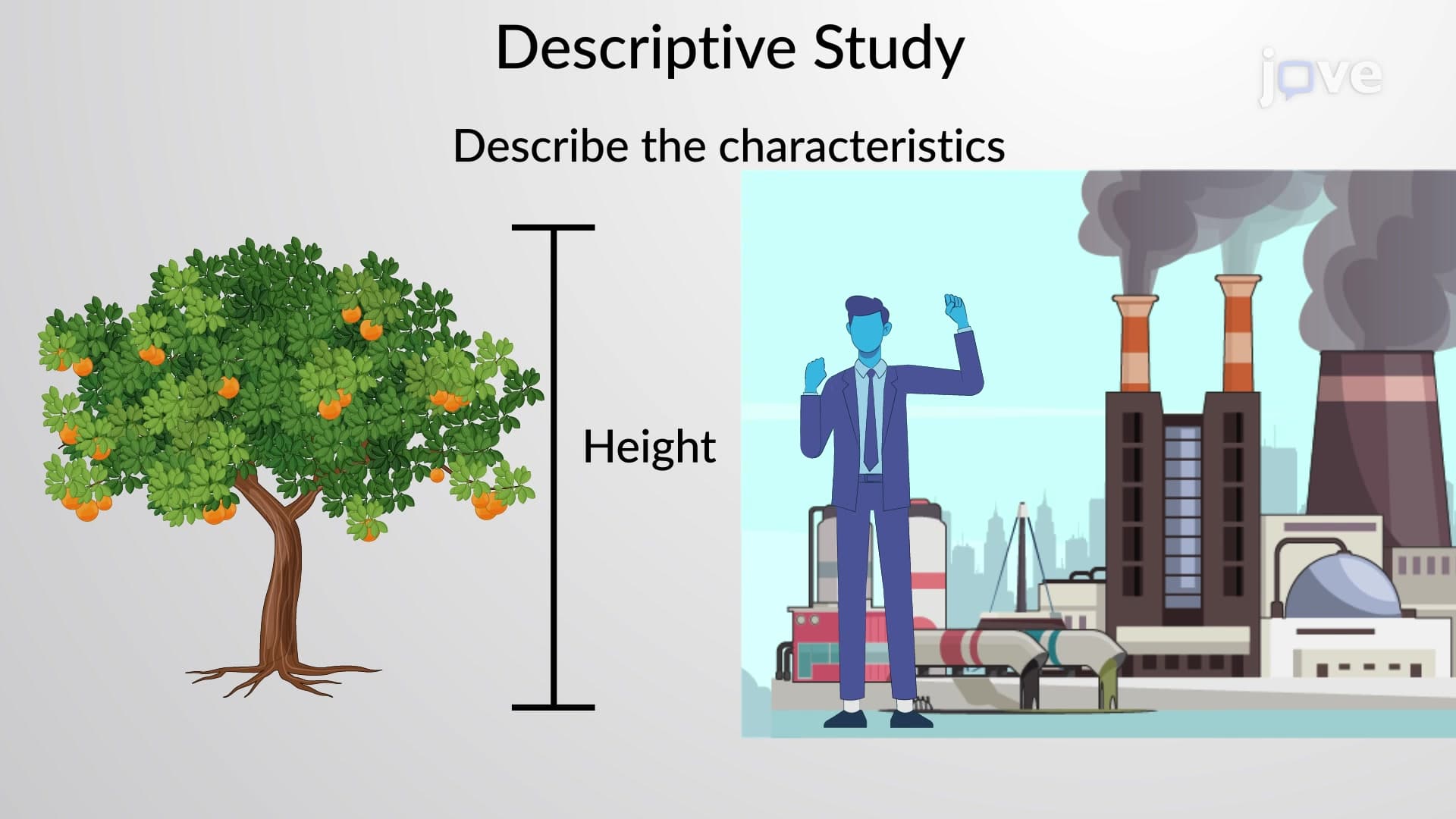
The study design in statistics concept begins with understanding two fundamental categories. Descriptive studies focus on characterizing populations or phenomena without examining relationships between variables. For instance, the U.S. Census Bureau conducts descriptive research when documenting demographic characteristics across American households. These studies answer "what" questions: What percentage of students graduate high school? What are the average income levels in different states?
Analytical studies, conversely, investigate relationships between variables and test hypotheses about cause-and-effect connections. The landmark Framingham Heart Study, which began in 1948 and continues today, exemplifies analytical research by examining how lifestyle factors influence cardiovascular disease development over decades.
Within analytical designs, observational studies examine how variables naturally occur without researcher intervention. Epidemiologists at the Centers for Disease Control and Prevention (CDC) frequently employ observational designs when tracking disease patterns across populations. For example, researchers might compare cancer rates between communities with different environmental exposures, observing naturally occurring variations without manipulating any variables.
These studies prove invaluable when ethical considerations prevent experimental manipulation. Researchers cannot deliberately expose people to harmful substances, but they can observe outcomes in populations with existing exposures.
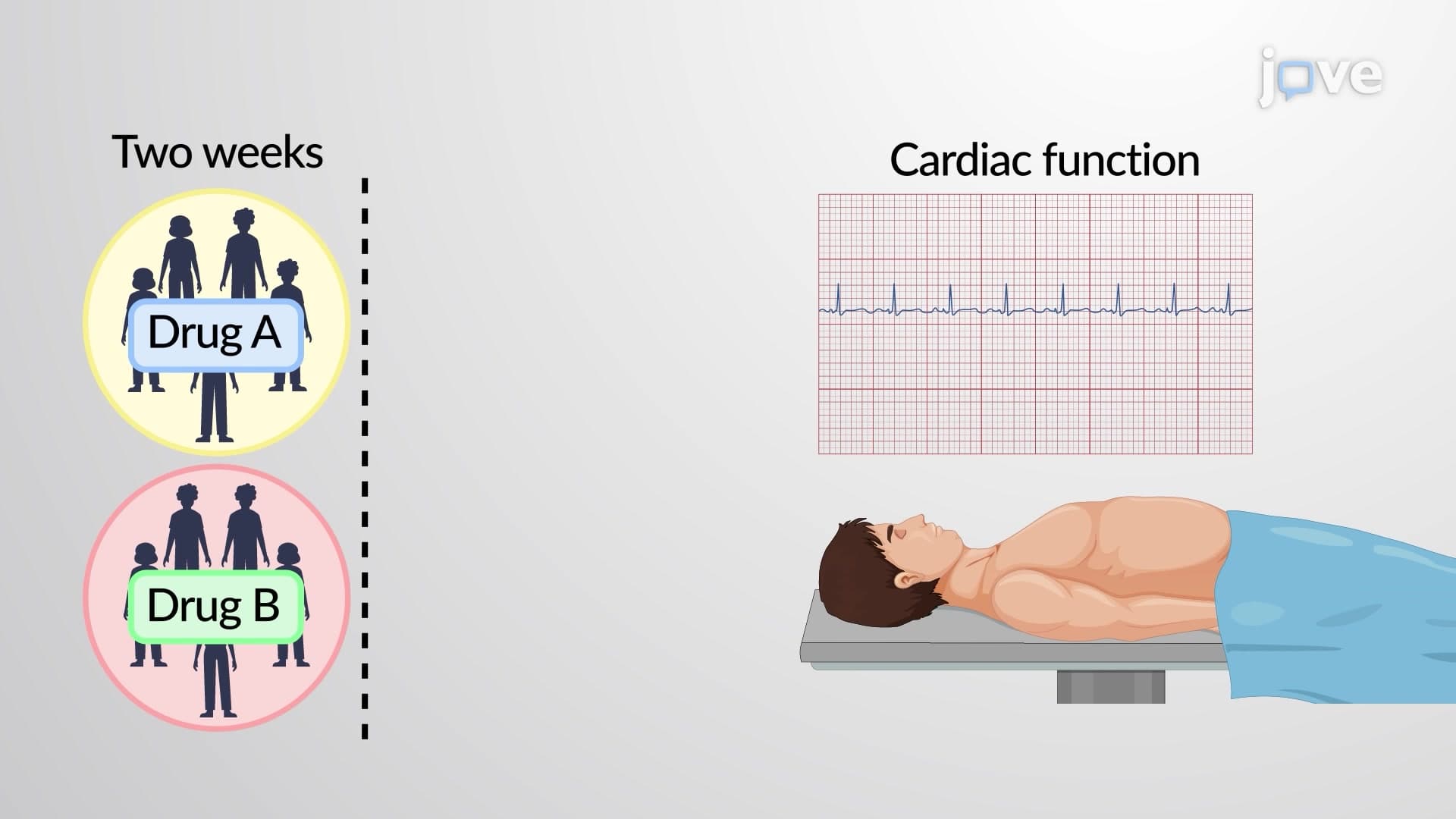
Experimental studies represent the gold standard for establishing causation by actively manipulating independent variables while controlling other factors. The National Institutes of Health (NIH) conducts numerous clinical trials using experimental designs to test new treatments. In educational research, experimental studies might randomly assign students to different teaching methods to determine which approach produces better learning outcomes.
Students preparing for AP Statistics, SAT Subject Tests, or college statistics courses should understand that experimental designs provide the strongest evidence for causal relationships, while observational studies excel at describing patterns and generating hypotheses for future experimental testing.
Frequently Asked Questions
Study design in statistics is the systematic framework researchers use to collect and analyze data to answer specific questions reliably. It matters because poor design leads to invalid conclusions, wasted resources, and potentially harmful decisions in medicine, policy, and business. Well-designed studies provide the foundation for evidence-based practices across all fields.
AP Statistics frequently tests your ability to identify study types, recognize potential biases, and evaluate whether conclusions are supported by the study design. You'll encounter multiple-choice questions asking you to distinguish between observational and experimental studies, plus free-response questions requiring you to critique study methodologies and suggest improvements.
For MCAT success, remember that observational studies can only establish correlation, while experimental studies can demonstrate causation through variable manipulation and control groups. The MCAT often presents research scenarios where you must identify the study type and evaluate the strength of conclusions, particularly in biological and behavioral sciences passages.
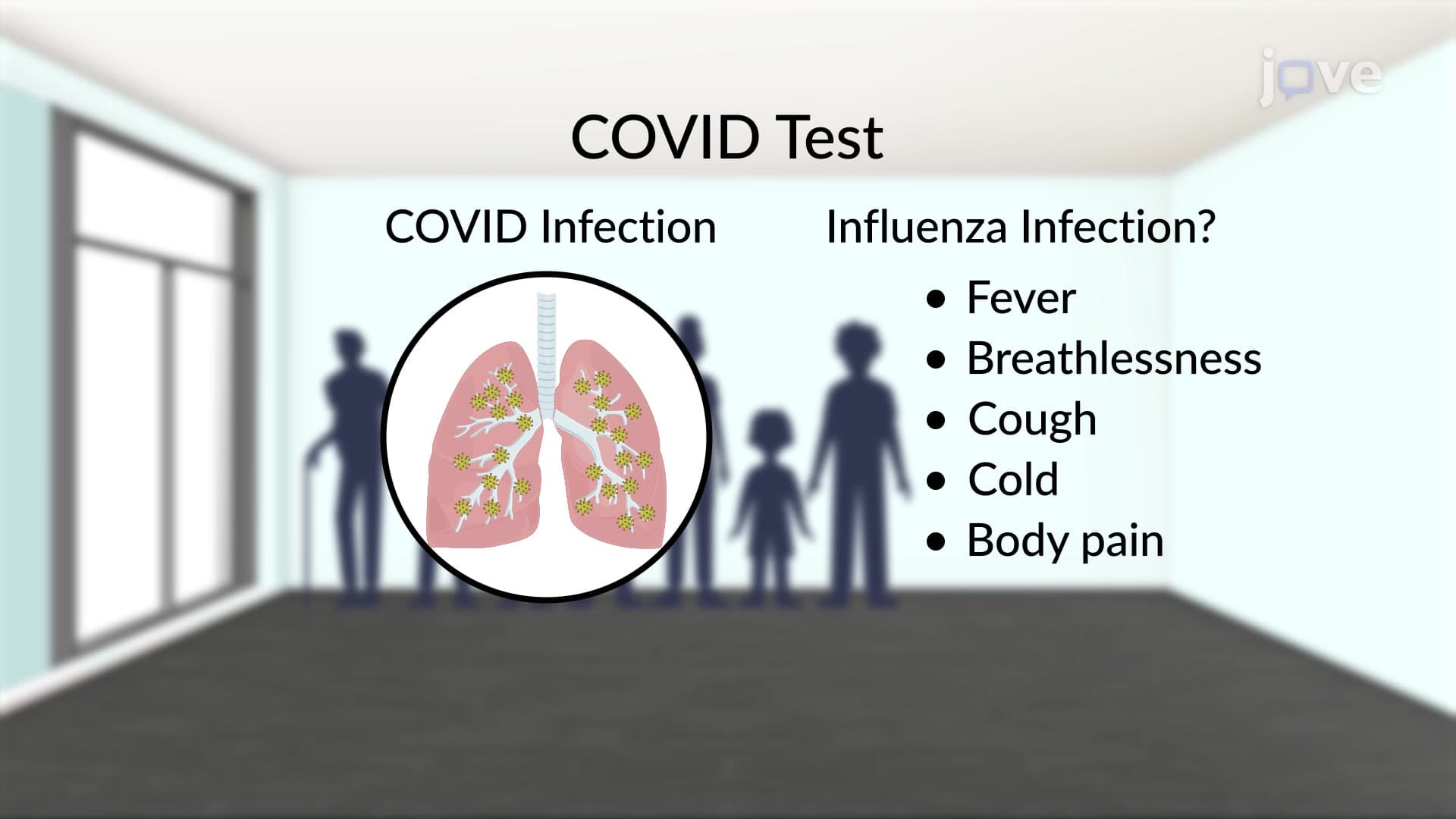
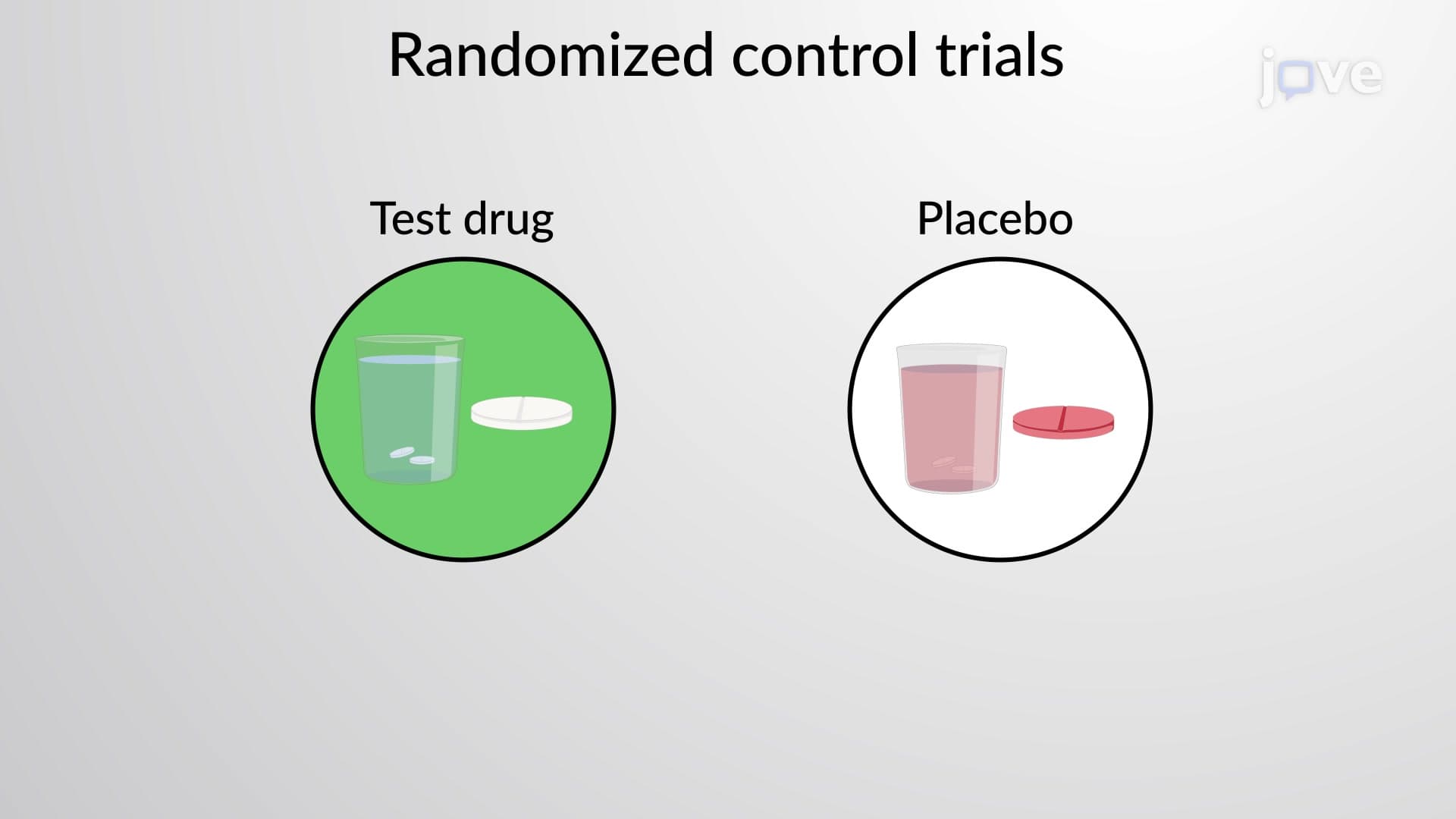
The FDA's drug approval process exemplifies study design importance—medications undergo Phase I, II, and III clinical trials using experimental designs with control groups and randomization. For instance, COVID-19 vaccine trials randomly assigned participants to receive either the vaccine or placebo, allowing researchers to establish that vaccines caused reduced infection rates rather than just observing correlations.
Study design concepts are accessible to any student with basic logical thinking skills. While statistical calculations can be complex, understanding study design principles relies more on critical thinking than advanced mathematics. Focus on learning to identify study types, recognize potential biases, and evaluate whether conclusions match the evidence—skills valuable beyond statistics courses.
Create comparison charts listing characteristics, advantages, and limitations of each study type, then practice with real research examples from reputable sources like the New England Journal of Medicine or educational research journals. Focus on identifying key features: Does the study manipulate variables? Are subjects randomly assigned? What type of conclusions can be drawn?
Descriptive studies document "what exists"—like the U.S. Bureau of Labor Statistics reporting unemployment rates—while analytical studies investigate "why things happen"—like economists studying factors that influence employment trends. Descriptive research provides snapshots of current conditions, while analytical research tests theories about relationships between variables.
Build on study design knowledge by exploring sampling methods, experimental design principles (randomization, blocking, factorial designs), and statistical inference concepts. Understanding how study design connects to hypothesis testing and confidence intervals will deepen your statistical reasoning skills and prepare you for advanced coursework in research methods.
Researchers select observational designs when experimental manipulation is unethical, impractical, or impossible. You cannot randomly assign people to smoke cigarettes to study lung cancer, but you can observe smoking patterns and health outcomes naturally. Observational studies also work well for studying rare conditions or long-term effects that would be difficult to reproduce experimentally.
Related Micro-courses
Related Subjects
 Physics 33 micro-courses›
 Math Fundamentals 11 micro-courses›