Loading…
Loading video…
100,000 views
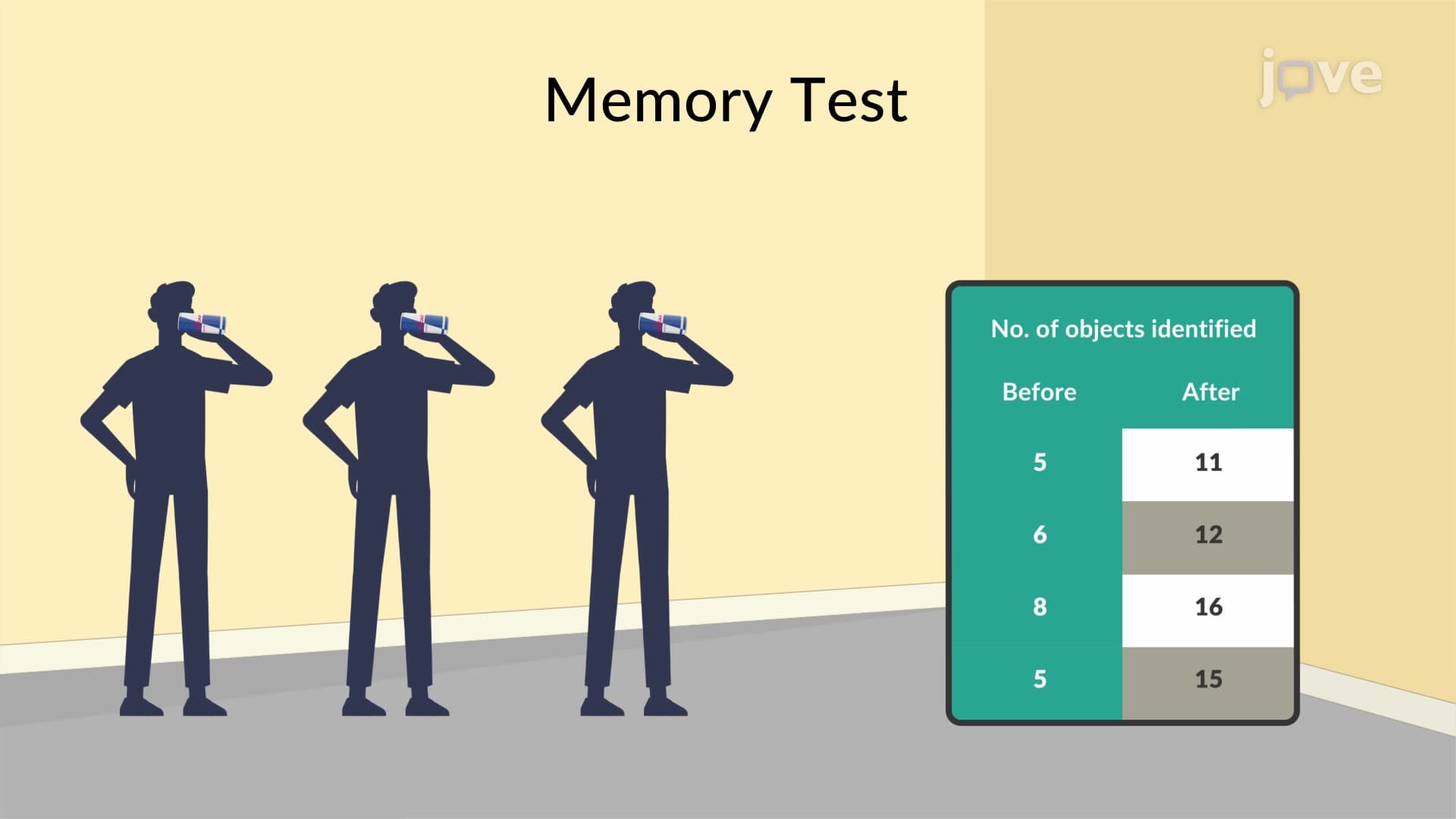
Ever wondered how researchers prove that energy drinks actually boost test performance? Experimental designs are the scientific methods researchers use to establish cause-and-effect relationships between variables. For instance, when the FDA evaluates new medications or when psychologists at Stanford University test learning strategies, they rely on carefully structured experimental approaches. What is experimental designs encompasses three main types: pre-experimental, true experimental, and quasi-experimental designs, each offering different levels of control and validity. Watch the full video on JoVE Coach to master this concept with expert-led visuals and step-by-step explanations.
Experimental designs form the backbone of scientific inquiry, providing systematic approaches to test hypotheses and establish causal relationships. Unlike observational studies that simply describe what happens, experimental designs allow researchers to manipulate variables and observe outcomes, making them essential tools in fields ranging from clinical medicine to educational psychology.
The fundamental principle underlying all experimental designs is the ability to control variables while testing specific hypotheses. This control enables researchers to draw stronger conclusions about cause-and-effect relationships, which is crucial for developing evidence-based practices in healthcare, education, and public policy.
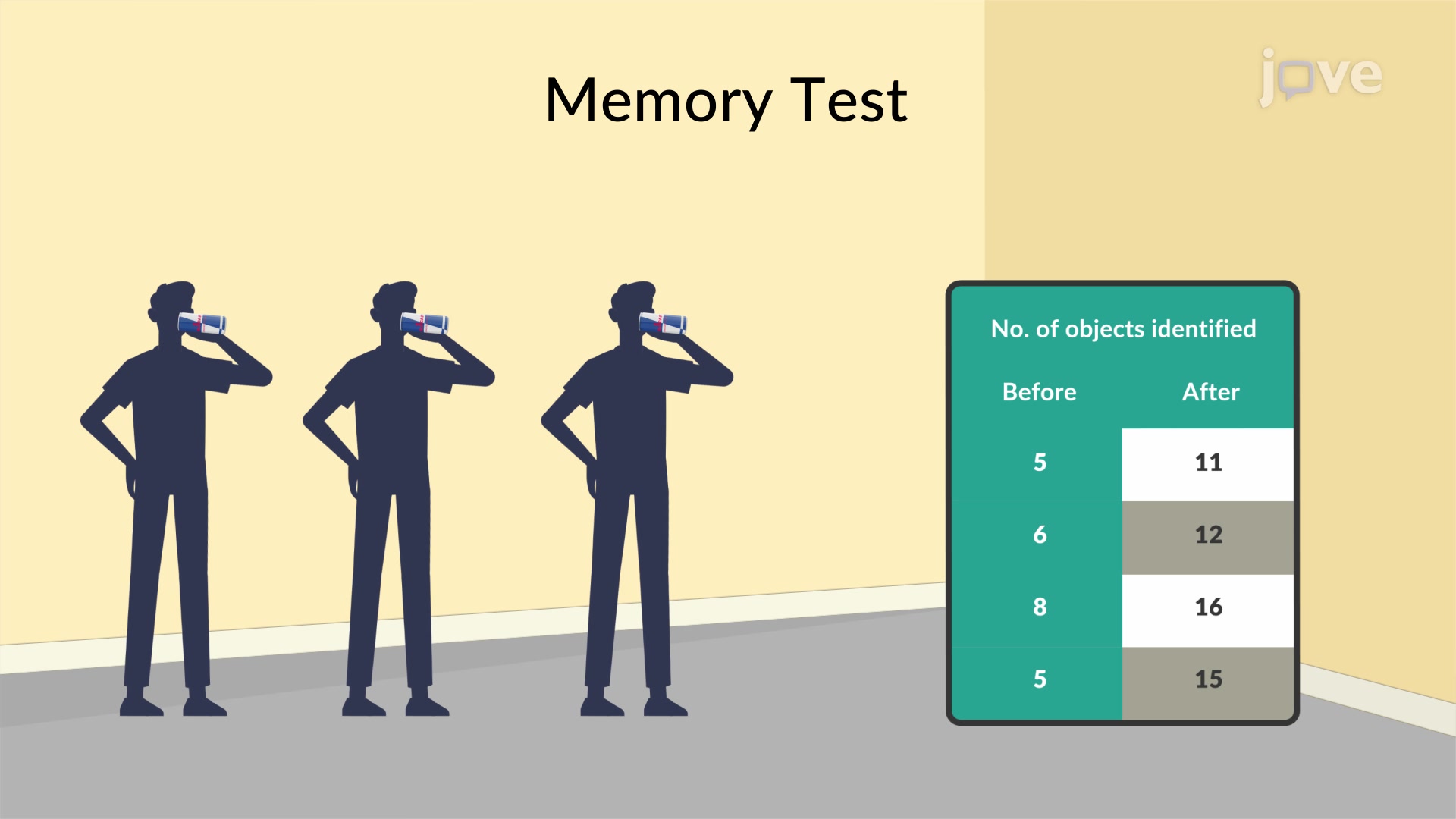
Pre-experimental designs represent the simplest form of experimental research, though they offer limited control over confounding variables. The most common type is the one-group pretest-posttest design, where researchers measure participants before and after an intervention.
For example, a high school psychology teacher might test students' memory recall before and after implementing a new study technique. While this approach can suggest relationships, it cannot definitively prove causation due to potential confounding factors like maturation, history effects, or testing effects. Despite these limitations, pre-experimental designs are valuable for preliminary investigations and situations where more rigorous designs are impractical.
True experimental designs incorporate two critical elements: random assignment and control groups. Random assignment ensures that participants have an equal chance of being placed in any experimental condition, helping to eliminate selection bias and distribute confounding variables equally across groups.
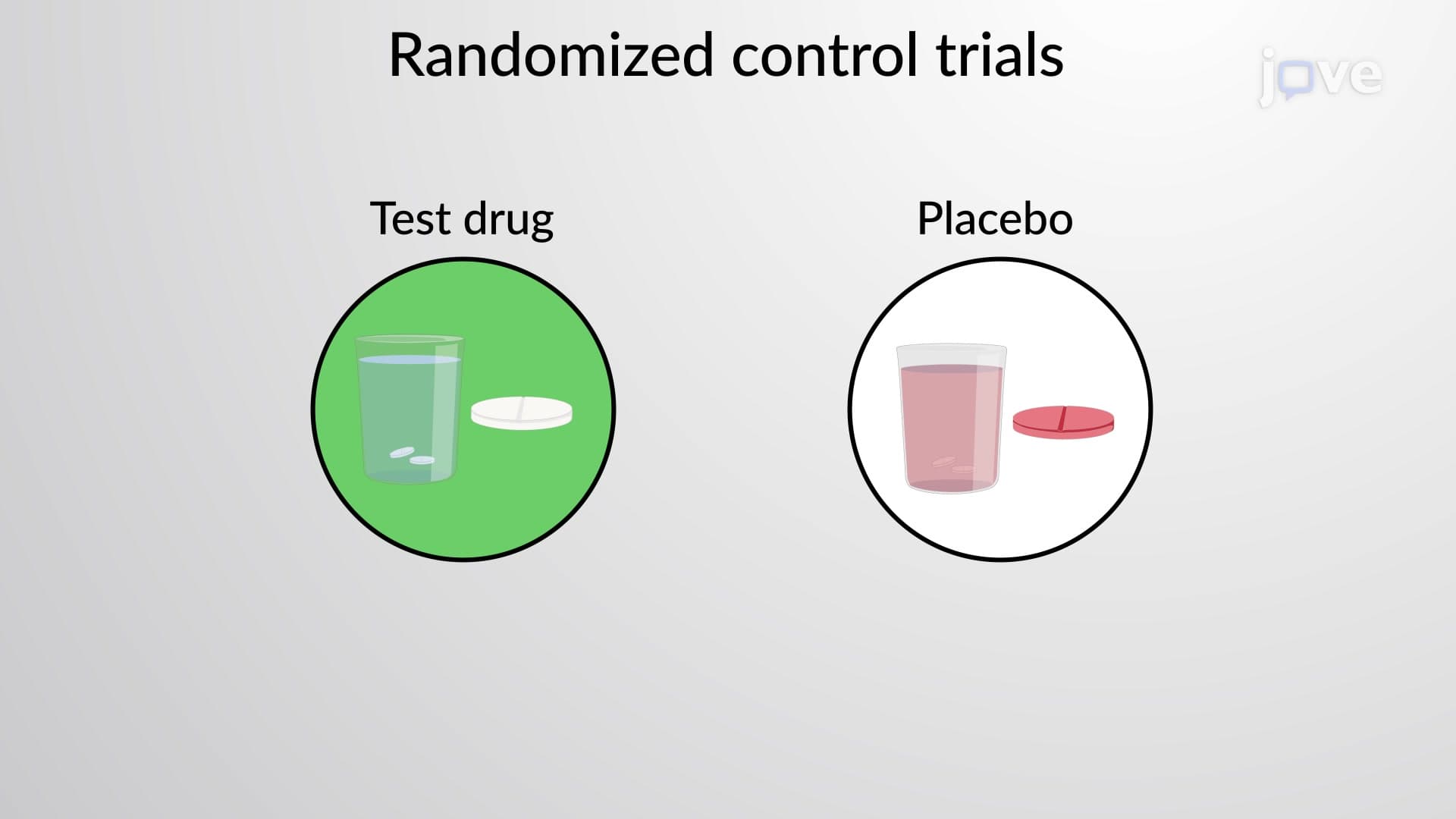
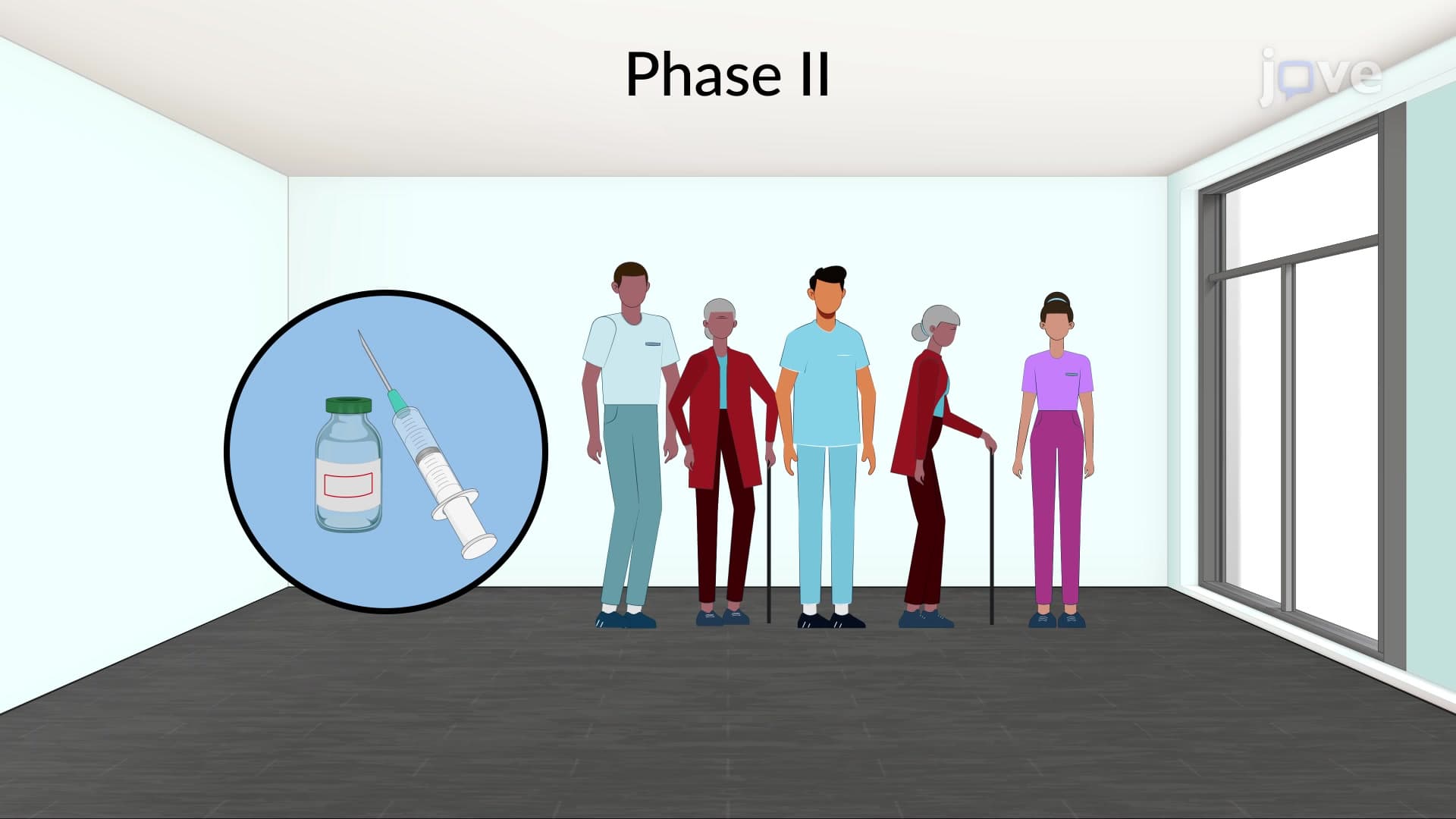
Consider a clinical trial testing a new ADHD medication conducted at Johns Hopkins University. Researchers would randomly assign participants to either receive the medication (experimental group) or a placebo (control group). This randomization, combined with proper control procedures, allows researchers to confidently attribute differences in outcomes to the treatment itself rather than other factors.
The strength of true experimental designs makes them the preferred method for research published in peer-reviewed journals and for studies that inform medical practice guidelines. Students preparing for the MCAT or AP Psychology exam should understand that these designs provide the strongest evidence for causal relationships.
Quasi-experimental designs maintain many features of true experiments but lack random assignment to groups. Instead, participants may self-select into groups or be assigned based on pre-existing characteristics. While this reduces internal validity compared to true experiments, quasi-experimental designs are often more feasible in real-world settings.
Educational researchers frequently use quasi-experimental designs when studying classroom interventions. For instance, comparing standardized test scores between schools that implemented a new math curriculum versus those that didn't. Though random assignment isn't possible, careful statistical analysis can still yield valuable insights about educational effectiveness.
Frequently Asked Questions
Experimental designs are research methods that manipulate independent variables to observe their effects on dependent variables, establishing cause-and-effect relationships. Unlike correlational studies that only show associations, experimental designs use controlled conditions and comparison groups to determine whether one variable actually causes changes in another. This makes them essential for testing hypotheses in psychology, medicine, and education.
True experimental designs with random assignment and control groups are emphasized most heavily on the AP Psychology exam and in introductory research methods courses. Students should master the concepts of independent/dependent variables, control groups, random assignment, and confounding variables. Pre-experimental and quasi-experimental designs are also covered but with less depth on standardized tests.
The MCAT Psychology/Sociology section frequently includes questions about experimental design validity, control groups, and research methodology. Students must identify design flaws, recognize appropriate statistical analyses, and understand how different designs affect the reliability of research conclusions. Practice identifying threats to internal and external validity in research scenarios.
Pharmaceutical companies primarily use randomized controlled trials (RCTs), a type of true experimental design, for clinical drug testing. These studies randomly assign participants to receive either the new drug or a placebo/existing treatment, often using double-blind procedures where neither participants nor researchers know who receives which treatment. The FDA requires this rigorous approach before approving new medications.
Basic experimental design concepts are accessible to high school students with fundamental math skills. While advanced statistical analysis requires more training, understanding the core principles of control groups, random assignment, and variable manipulation builds on logical thinking rather than complex mathematics. Focus first on identifying good versus poor experimental practices in research examples.
Practice identifying design types using real research examples from psychology and medicine journals. Create comparison charts highlighting the key features of each design type, then work through practice scenarios where you must choose the most appropriate design for different research questions. Many students find it helpful to critique flawed studies to understand what makes designs strong or weak.
Advanced topics include factorial designs, longitudinal studies, cross-sectional research, and mixed-methods approaches. Students interested in research careers should explore statistical concepts like effect size, power analysis, and different types of validity. Those pursuing health professions should focus on evidence-based practice and how to critically evaluate research literature.
Related Micro-courses
Related Subjects
 Physics 33 micro-courses›
 Math Fundamentals 11 micro-courses›