Loading subject page…

- Statistics
- Biostatistics
- Strategies for Assessing and Addressing Confounding
Micro-course: Biostatistics
15,481 views
Learn key concepts and earn your certificate.
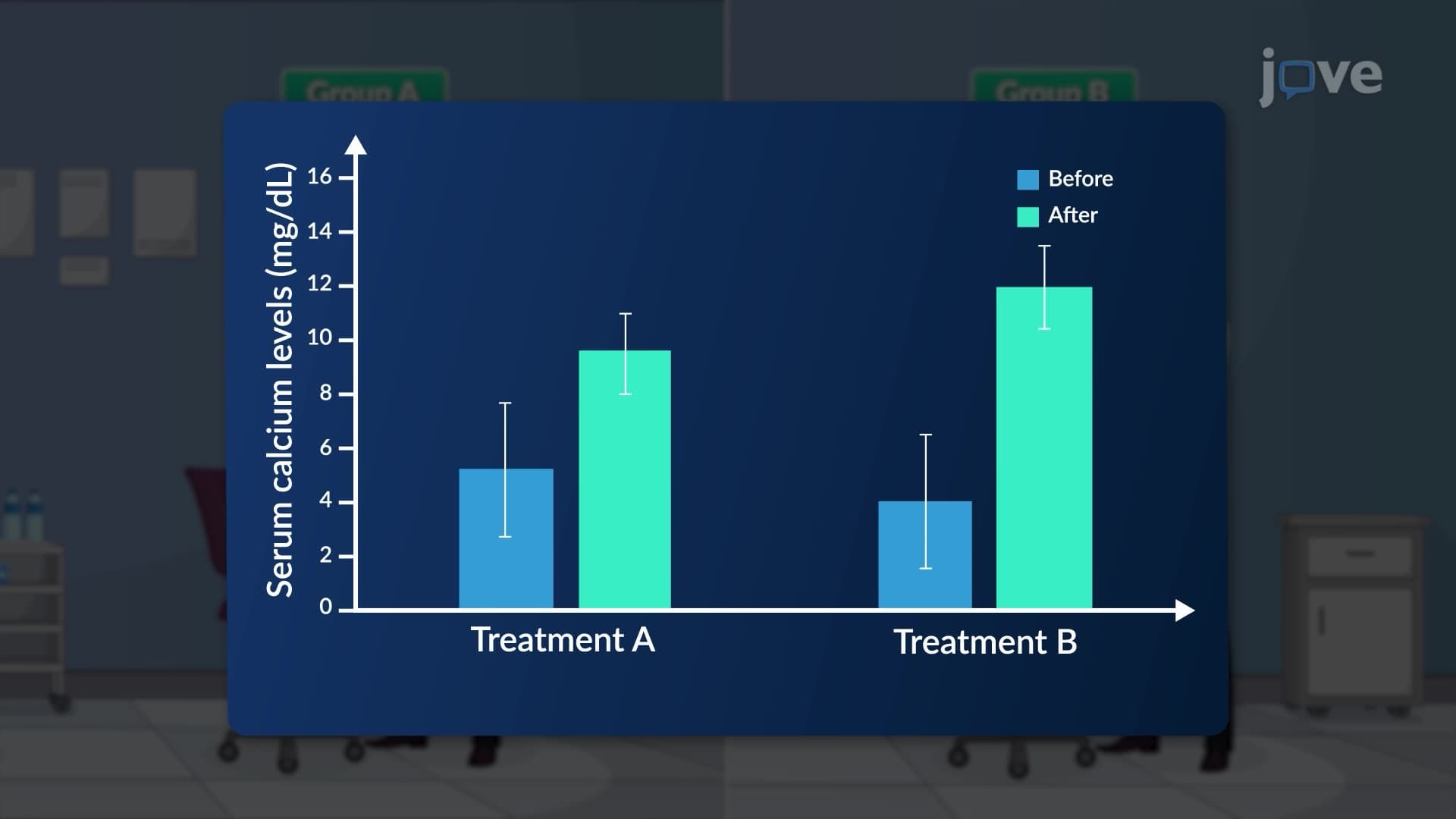




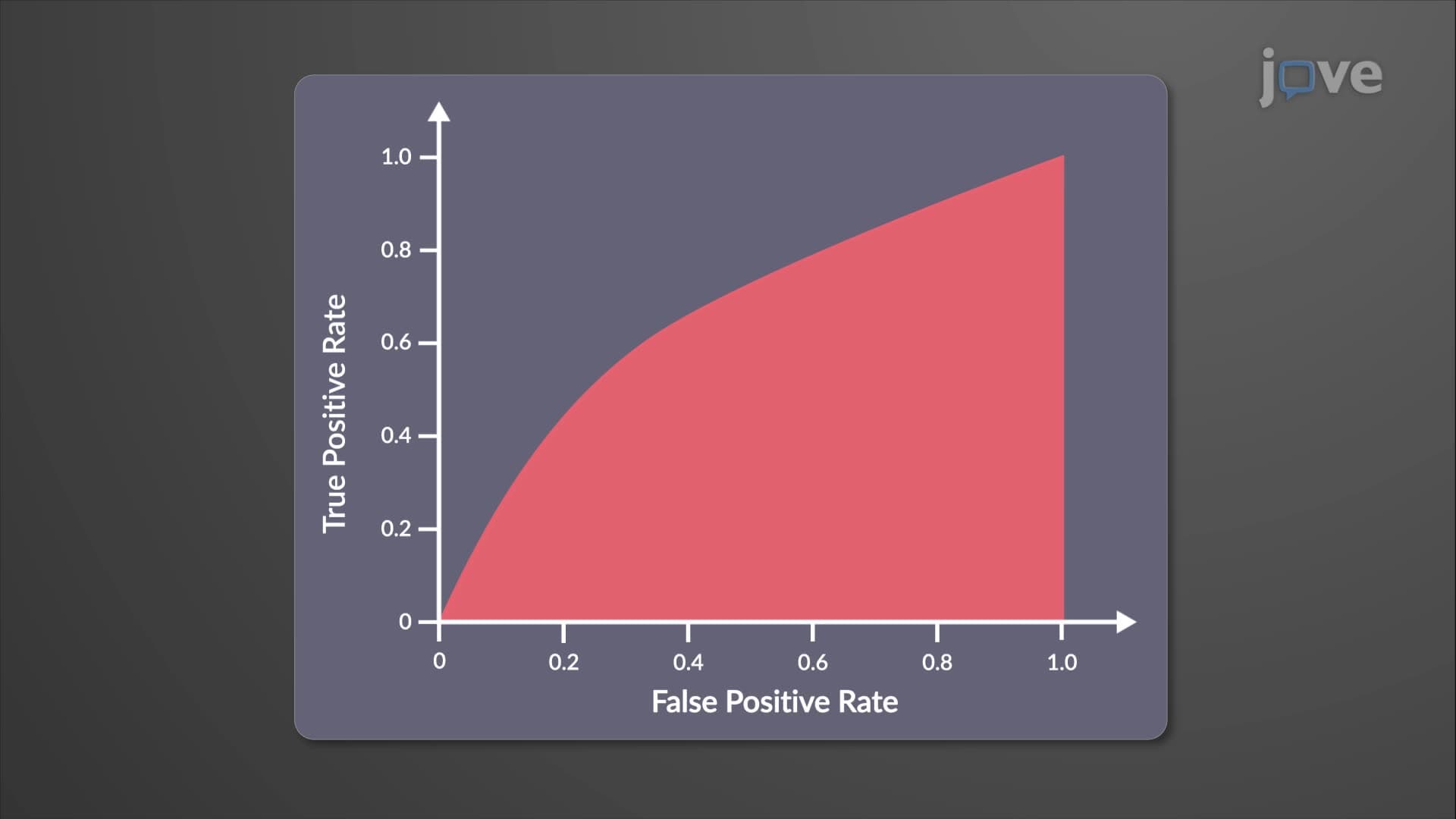



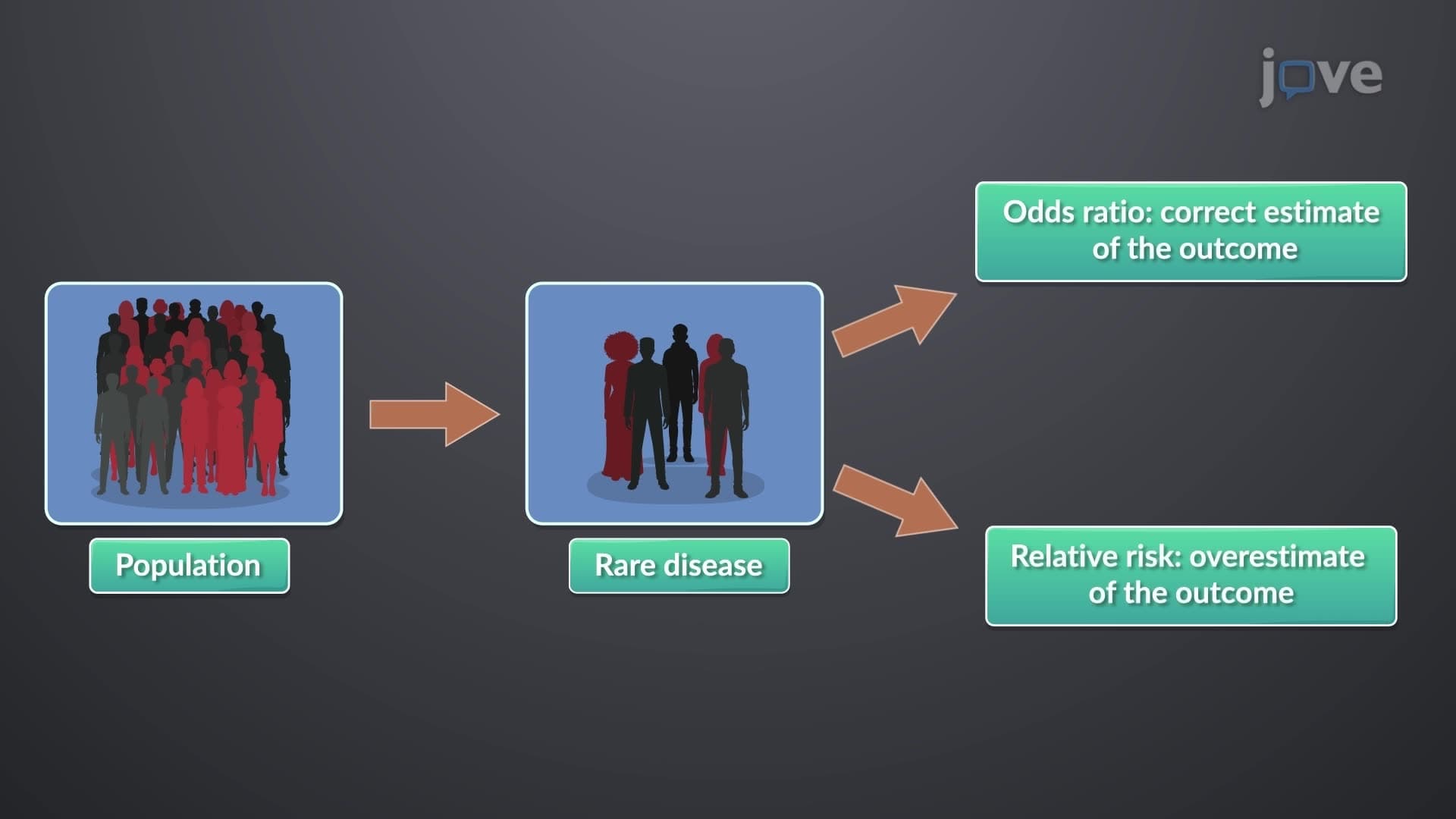
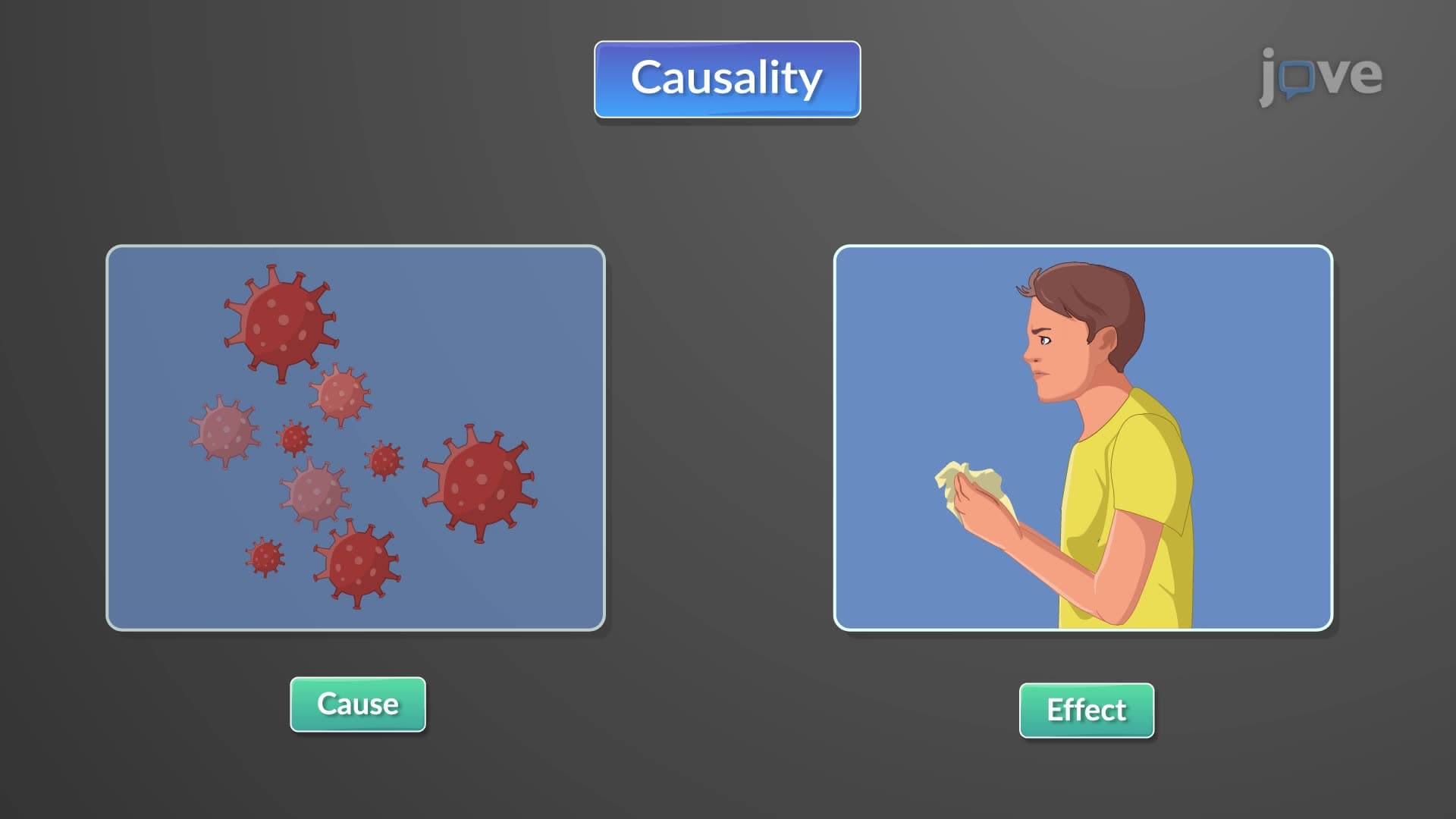








Strategies for Assessing and Addressing Confounding


00:00
01:25
Video Summary: Strategies for Assessing and Addressing Confounding Explained
Did you know that medication studies can show false positive results simply because researchers didn't account for age differences between groups? Strategies for assessing and addressing confounding are critical statistical methods that help researchers identify and control variables that could distort study conclusions. For instance, when the FDA evaluates whether a new blood pressure medication is effective, researchers must carefully control for confounding factors like diet, exercise habits, and genetic predispositions that could influence results. Understanding Strategies For Assessing And Addressing Confounding Explained ensures that scientific conclusions are valid and reliable. Watch the full video on JoVE Coach to master this concept with expert-led visuals and step-by-step explanations.
- Understand the fundamental principles behind Strategies For Assessing And Addressing Confounding Explained and why controlling confounding variables is essential for valid research conclusions
- Identify design-stage methods including randomization, restriction, and matching to prevent confounding from affecting study results before data collection begins
- Analyze analysis-stage techniques such as stratification, standardization, and multivariate modeling to address confounding after data collection is complete
- Compare the effectiveness of different confounding control methods and determine when each approach is most appropriate for specific research scenarios
- Evaluate real-world studies to recognize potential confounding variables and assess whether researchers adequately addressed these threats to validity
- Apply randomization principles to balance known and unknown confounders across treatment groups in experimental designs
- Recognize how restriction and matching techniques can eliminate variation in confounding factors during the study design phase
- Explore advanced statistical methods like multivariate analysis to simultaneously control for multiple confounding variables in complex research studies
Understanding Strategies For Assessing And Addressing Confounding
Confounding represents one of the most significant threats to valid scientific conclusions in research studies. When confounding variables are present but uncontrolled, they can create spurious associations or mask true relationships between exposures and outcomes. This challenge appears frequently in medical research, public health studies, and social science investigations across American universities and research institutions.
Design-Stage Prevention Methods
The most effective approach to handling confounding occurs during study design, before data collection begins. Randomization serves as the gold standard for experimental studies, randomly assigning participants to treatment groups to ensure that both known and unknown confounders are equally distributed. The landmark Framingham Heart Study, conducted by the National Heart, Lung, and Blood Institute, exemplifies how proper randomization techniques have generated decades of reliable cardiovascular research.
Restriction involves limiting study participation to individuals sharing specific characteristics, thereby eliminating variation in potential confounding factors. For example, a study examining the relationship between exercise and heart disease might restrict participants to non-smokers aged 40-50 to eliminate age and smoking as confounders. While this increases internal validity, it may limit generalizability to broader populations.
Matching pairs participants in exposed and unexposed groups based on confounder levels, ensuring similar distributions across groups. Case-control studies frequently employ this technique, such as matching cancer patients with healthy controls by age, gender, and socioeconomic status when investigating environmental risk factors.
Analysis-Stage Control Techniques
When design-stage prevention isn't feasible, researchers can address confounding during analysis. Stratification examines exposure-outcome relationships within homogeneous subgroups defined by confounder levels. This approach allows researchers to observe whether associations remain consistent across different strata, providing evidence for or against confounding effects.
Standardization mathematically adjusts for confounding by creating weighted averages that equalize confounder distributions between groups. The Centers for Disease Control and Prevention regularly uses age-standardized mortality rates when comparing death rates across states with different age demographics.
Multivariate analysis represents the most sophisticated approach, simultaneously controlling for multiple confounders through statistical modeling. Techniques like multiple regression, logistic regression, and Cox proportional hazards models are standard tools in epidemiological research and appear frequently on MCAT examinations and graduate-level biostatistics courses.
These concepts are fundamental for students preparing for advanced coursework in epidemiology, biostatistics, and research methods. Understanding confounding control strategies is essential for AP Statistics students, pre-med students taking the MCAT, and anyone pursuing careers in public health or clinical research.
Frequently Asked Questions
Strategies for assessing and addressing confounding are systematic methods researchers use to identify and control variables that could distort study results. These techniques are crucial because uncontrolled confounding can lead to false conclusions about cause-and-effect relationships. They ensure that observed associations between exposures and outcomes represent true relationships rather than artifacts of uncontrolled variables.
The MCAT frequently tests confounding concepts in the Psychological, Social, and Biological Foundations section, particularly regarding study design and interpretation. AP Statistics covers confounding in the context of experimental design and observational studies. Students should understand randomization, control groups, and how confounding variables can invalidate conclusions from statistical analyses.
Design-stage methods (randomization, restriction, matching) prevent confounding before data collection, while analysis-stage methods (stratification, standardization, multivariate analysis) address confounding after data is collected. Design-stage prevention is generally more effective because it eliminates confounding at its source, whereas analysis-stage methods attempt to statistically adjust for confounding after it has already occurred.
Consider studies examining whether hormone replacement therapy (HRT) prevents heart disease in postmenopausal women. Early observational studies suggested protective effects, but randomized controlled trials like the Women's Health Initiative revealed increased risks. The difference occurred because observational studies suffered from confounding-women choosing HRT were typically healthier, more educated, and had better healthcare access, creating false associations.
Basic understanding requires only high school algebra and introductory statistics concepts. You should be comfortable with concepts like correlation, causation, and basic probability. While advanced techniques like multivariate regression require more sophisticated mathematics, the fundamental principles of confounding control are accessible to students with strong algebra skills and logical reasoning abilities.
Focus on understanding when to apply each method rather than memorizing definitions. Practice identifying potential confounders in research scenarios, and work through examples showing how different control strategies would affect study conclusions. Create concept maps linking design methods (randomization, restriction, matching) with analysis methods (stratification, standardization, multivariate analysis) to understand their relationships and appropriate applications.
Consider studying effect modification, selection bias, information bias, and causal inference frameworks like directed acyclic graphs (DAGs). Advanced statistical methods including propensity score matching, instrumental variables, and mediation analysis build upon basic confounding concepts. These topics are essential for graduate-level epidemiology and biostatistics courses.
Related Micro-courses


