Loading video…


 19 Concepts
 15.5K views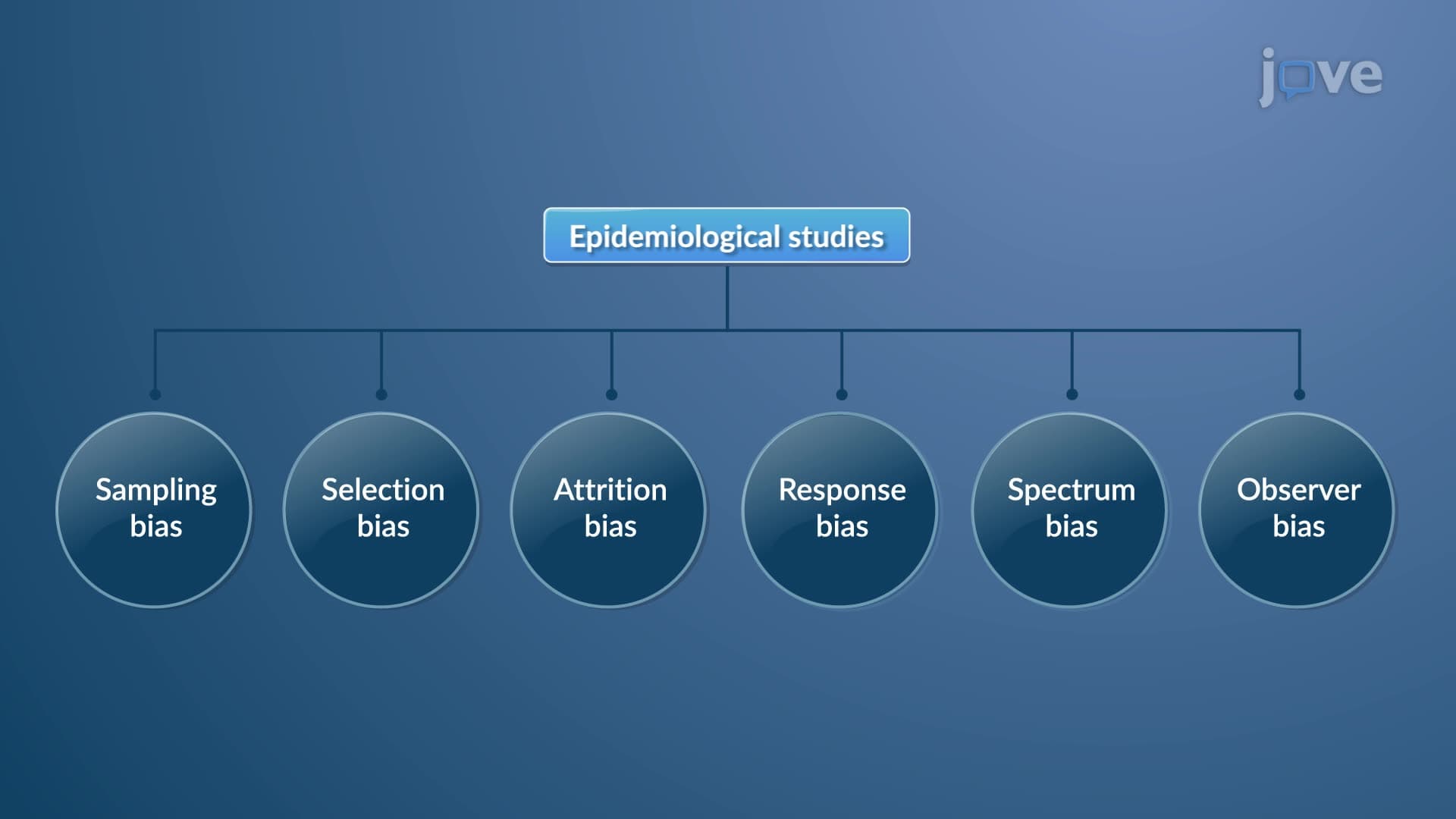

Video Summary: What Is Bias in Epidemiological Studies
Why do some COVID-19 studies report conflicting results about vaccine effectiveness? Bias in epidemiological studies represents systematic errors that skew research findings away from the truth, potentially misleading public health decisions. When the CDC analyzed hospitalization data during the pandemic, researchers had to carefully account for selection bias-since vaccinated individuals might be more health-conscious and less likely to seek testing unless severely ill. Understanding what is bias in epidemiological studies helps students critically evaluate medical research and recognize how study design flaws can impact conclusions. Watch the full video on JoVE Coach to master this concept with expert-led visuals and step-by-step explanations.
What is bias in epidemiological studies fundamentally concerns systematic deviations from truth that compromise research validity. Unlike random errors that cancel out over large samples, bias consistently pushes results in one direction, creating false associations or masking real relationships. For AP Biology and college epidemiology courses, recognizing bias types helps students evaluate study quality and interpret conflicting research findings.
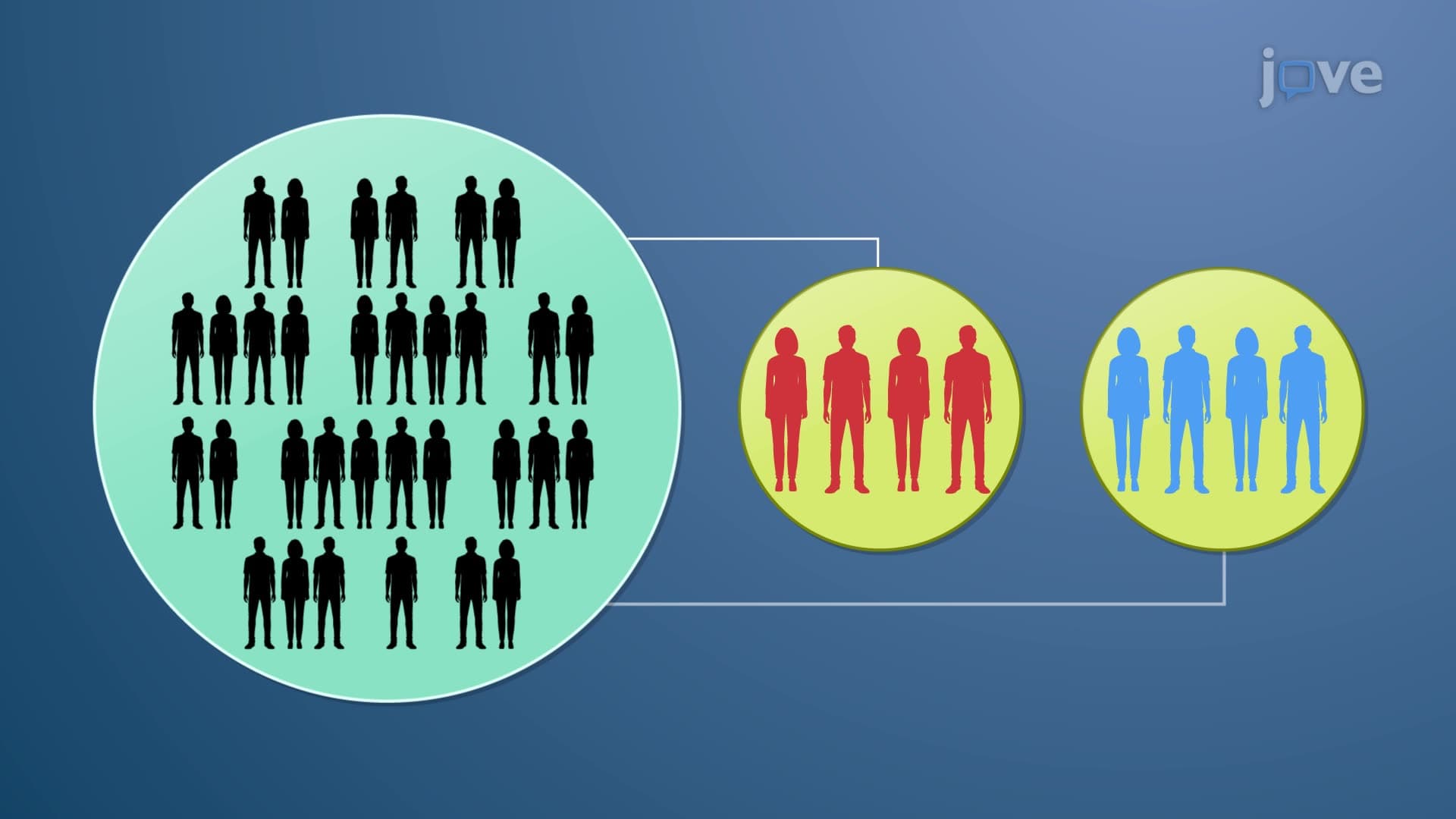
Sampling bias emerges when researchers inadvertently select non-representative study populations. The famous Literary Digest poll predicting Alf Landon's victory over Franklin D. Roosevelt in 1936 exemplifies this-surveying telephone and automobile owners during the Depression systematically excluded lower-income voters who supported Roosevelt. Modern examples include online health surveys that overrepresent tech-savvy, higher-education populations.
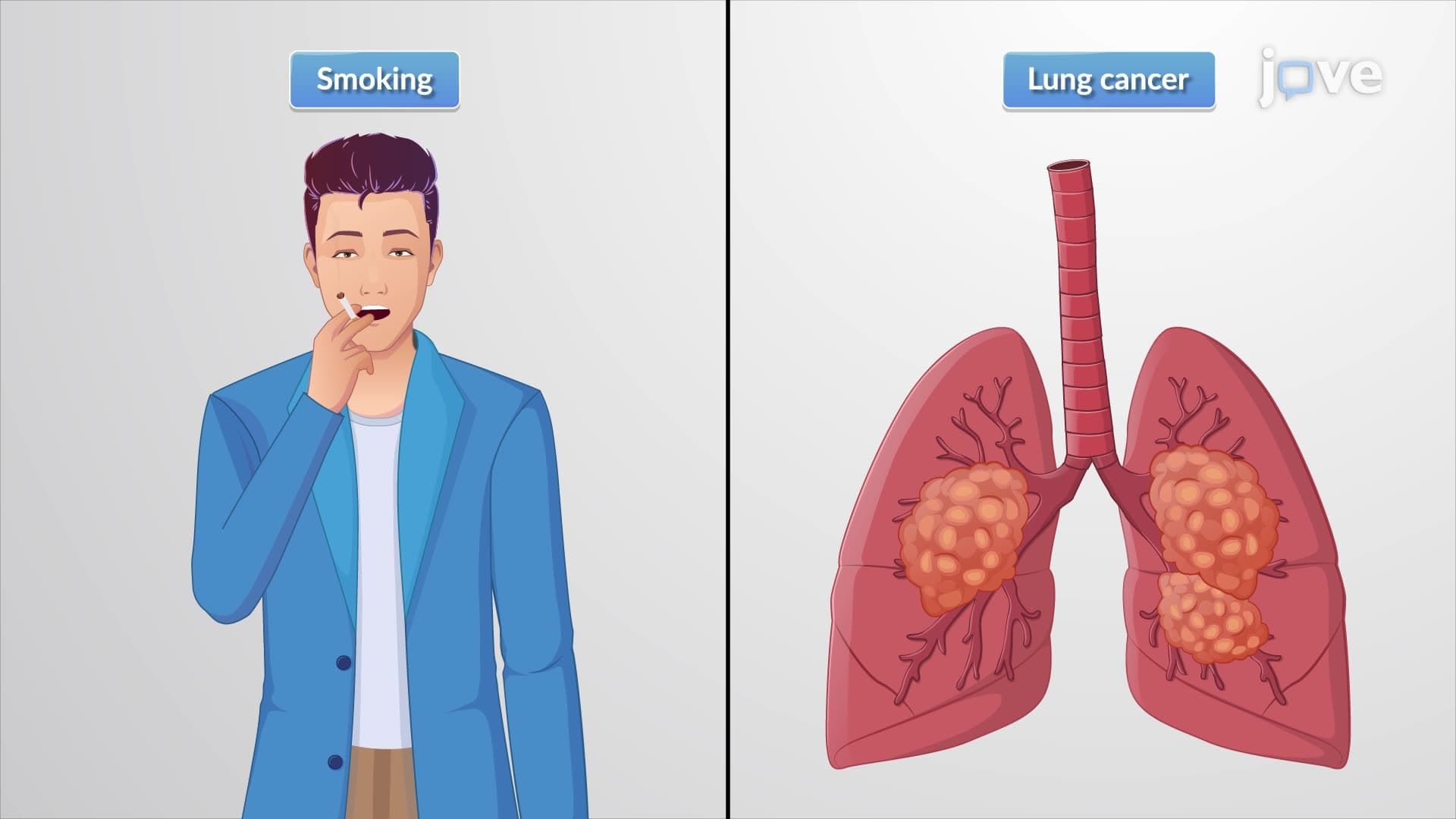
Selection bias specifically affects case-control studies when cases and controls are chosen differently. If researchers studying lung cancer select cases from specialized oncology centers but controls from general practice clinics, the case population may have more severe disease or different demographic characteristics, distorting risk factor associations.
Attrition bias occurs when study dropouts aren't random. In longitudinal studies tracking adolescent smoking habits, students who develop smoking problems might be more likely to skip follow-up surveys, artificially lowering reported smoking rates. The Framingham Heart Study, ongoing since 1948, constantly addresses attrition bias by analyzing differences between participants who continue versus those who drop out.
Response bias encompasses various ways participant answers don't reflect reality. Social desirability bias leads people to underreport embarrassing behaviors-American teenagers consistently underreport alcohol consumption and sexual activity in surveys. Non-response bias occurs when survey non-responders differ systematically from responders regarding key variables.
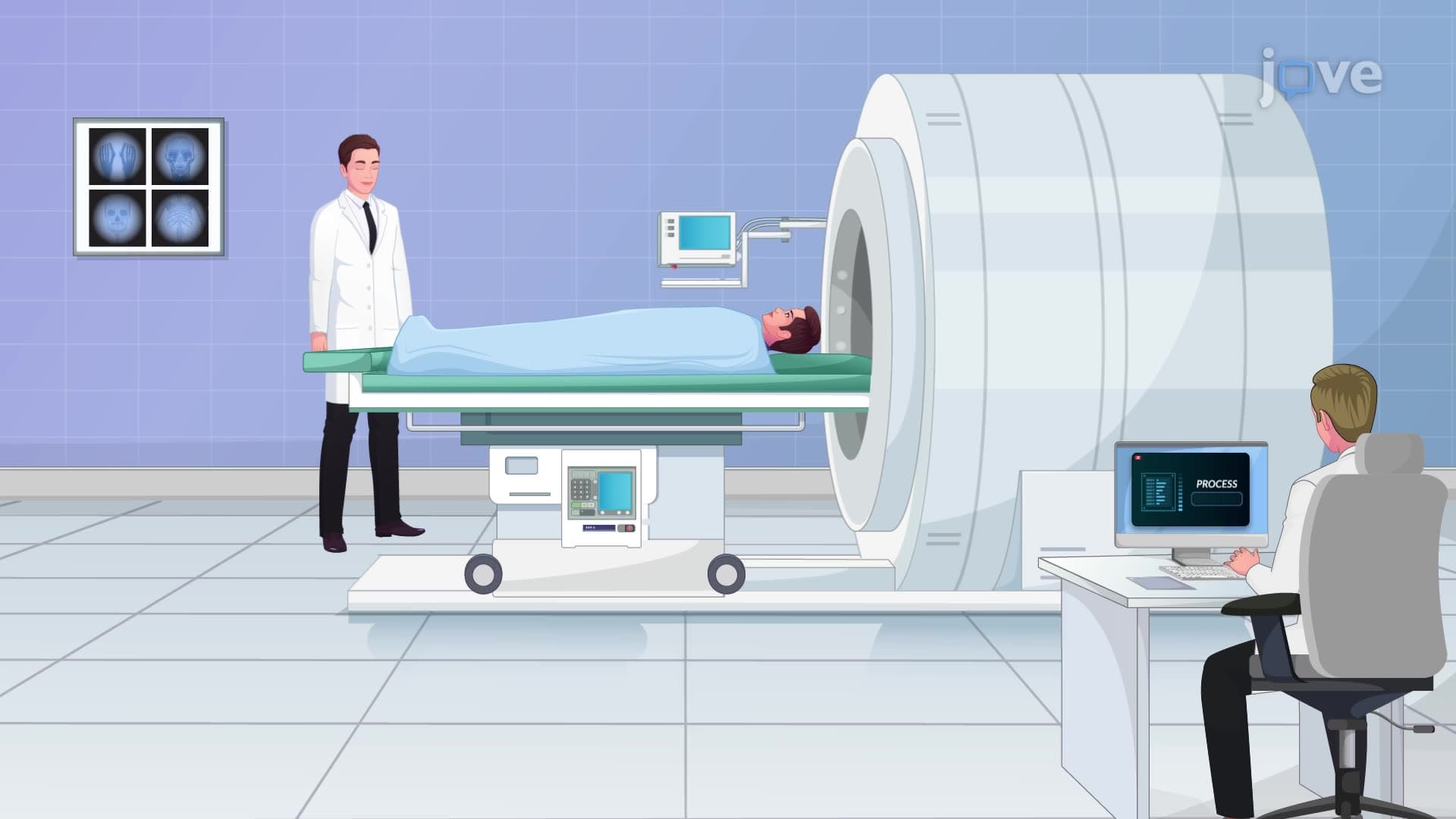
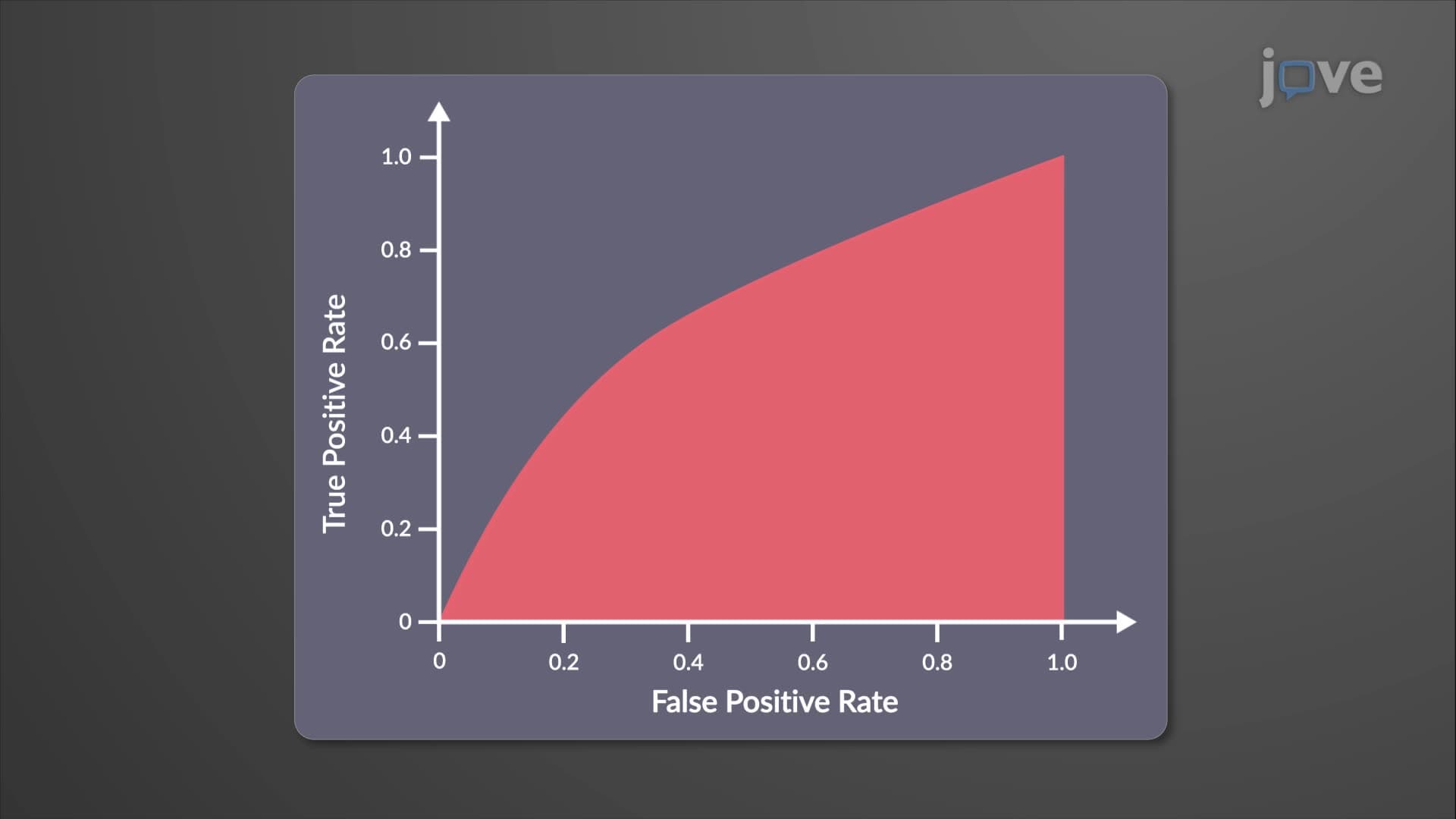
Spectrum bias affects diagnostic test accuracy studies. When researchers evaluate a new cancer screening test using only patients already suspected of having cancer (rather than general population screening), the test appears more accurate than in real-world applications. This explains why promising diagnostic tests sometimes disappoint in broader clinical implementation.
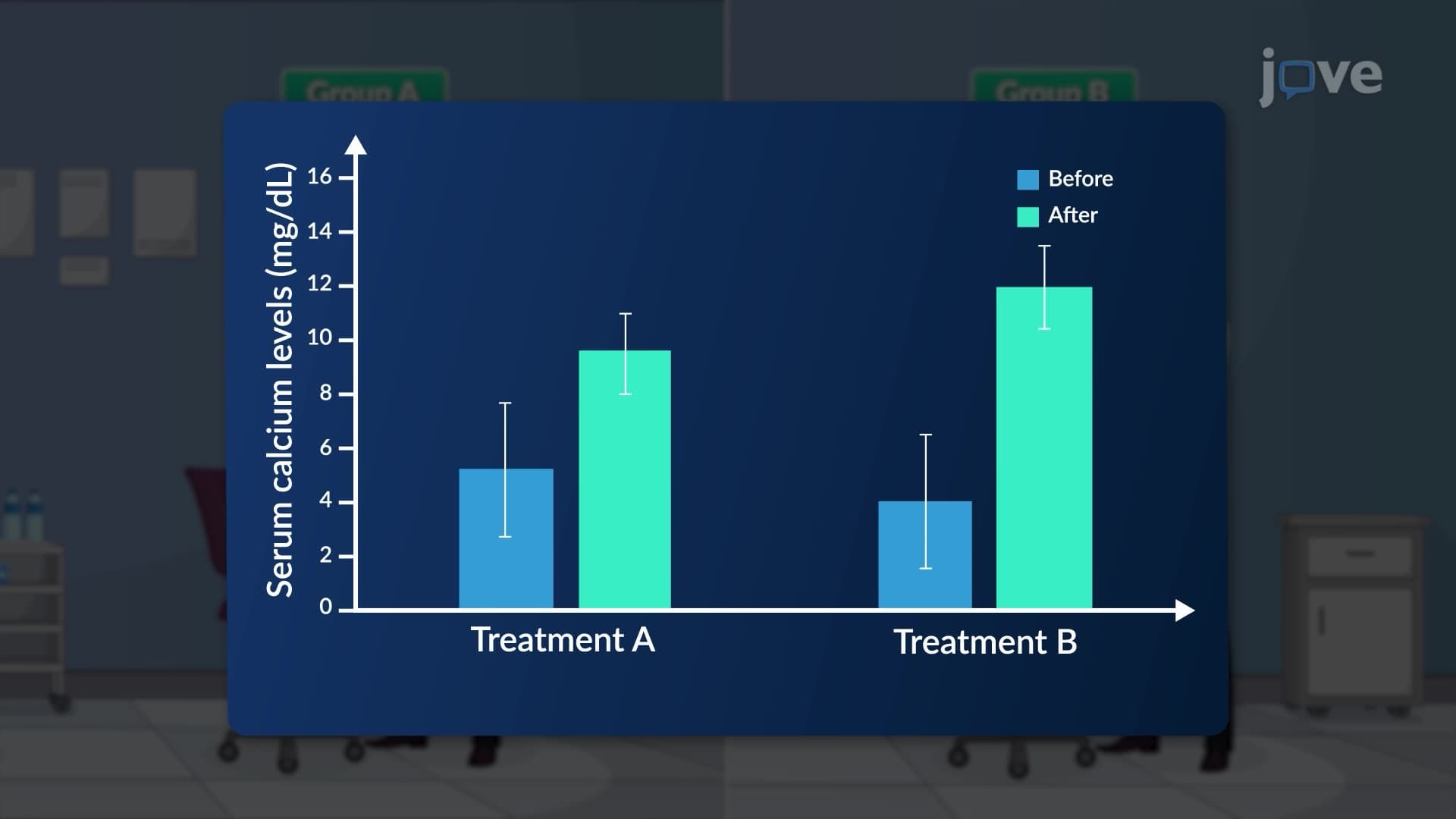
Observer bias reflects researcher expectations influencing data collection or interpretation. Double-blind study designs, where neither researchers nor participants know treatment assignments, specifically address this bias. The placebo effect itself demonstrates how observer and participant expectations can create apparent treatment effects.
For MCAT preparation and college coursework, understanding these bias types helps students critique research methodology and design better studies. Recognizing bias sources becomes essential for interpreting medical literature and making evidence-based clinical decisions.
Related Micro-courses