Loading video…


 19 Concepts
 15.5K views

Video Summary: What Is Longitudinal Studies
Did you know that researchers have been following the same group of Harvard students since 1938 to understand what makes people truly happy? Longitudinal studies track the same participants over extended periods, revealing patterns impossible to detect through one-time observations. What is longitudinal studies becomes clear when examining how the Framingham Heart Study has followed three generations of Massachusetts families since 1948, revolutionizing our understanding of cardiovascular disease. Watch the full video on JoVE Coach to master this concept with expert-led visuals and step-by-step explanations.
What is longitudinal studies represents one of the most powerful research methodologies in social science and medicine. These studies involve repeatedly observing and measuring the same group of participants over extended periods-sometimes spanning decades. Unlike cross-sectional studies that capture a snapshot in time, longitudinal research reveals how variables change, develop, and influence each other across the lifespan.
The fundamental strength of longitudinal methodology lies in its ability to establish temporal precedence, a critical component for inferring causality. When researchers observe that Variable A consistently precedes changes in Variable B across multiple time points, they can make stronger causal inferences than single-point observations allow.
Longitudinal studies appear frequently on standardized tests like the AP Psychology exam and MCAT, where students must distinguish between research designs and their appropriate applications. The most common types include prospective studies (following participants forward in time) and retrospective studies (examining past records).
In medical research, landmark studies like the Nurses' Health Study have followed over 120,000 nurses since 1976, generating crucial insights about women's health, cancer prevention, and cardiovascular disease. This research directly influences clinical practice guidelines and appears in USMLE questions testing students' understanding of evidence-based medicine.
Developmental psychology extensively uses longitudinal designs to study cognitive growth, personality development, and social changes. The Berkeley Growth Study, initiated in 1928, continues to provide data about human development from infancy through old age, informing theories taught in college developmental psychology courses.
Longitudinal studies excel at detecting genuine developmental changes versus cohort effects-differences between age groups that reflect historical rather than developmental factors. For example, if a cross-sectional study finds that 70-year-olds score lower on technology aptitude than 30-year-olds, this could reflect either age-related cognitive decline or simply different exposure to technology during their formative years.
By following the same individuals over time, longitudinal research eliminates these confounding variables, providing clearer insights into true developmental trajectories. This methodological advantage makes longitudinal findings particularly valuable for predicting future outcomes and understanding causal mechanisms.
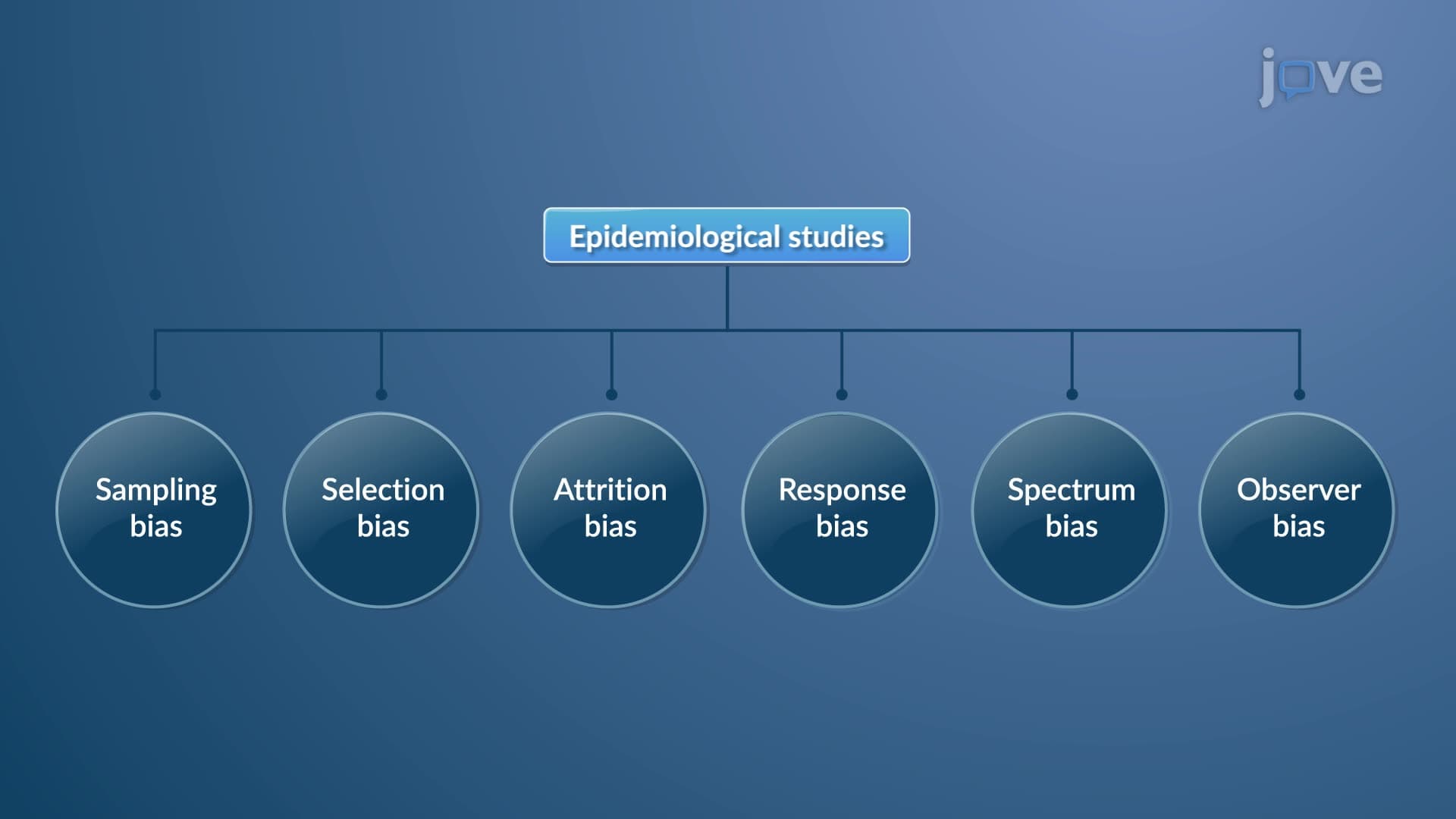
Despite their advantages, longitudinal studies face significant practical challenges. Participant attrition-the loss of subjects over time-threatens study validity and generalizability. The Baltimore Longitudinal Study of Aging has grappled with this issue since 1958, as participants relocate, become ill, or lose interest in continued participation.
Financial costs escalate dramatically compared to cross-sectional alternatives, as researchers must maintain contact with participants, update contact information, and conduct repeated assessments over years or decades. These resource demands explain why major longitudinal studies often require federal funding from agencies like the National Institutes of Health or National Science Foundation.
Related Micro-courses