Loading video…


 19 Concepts
 15.5K views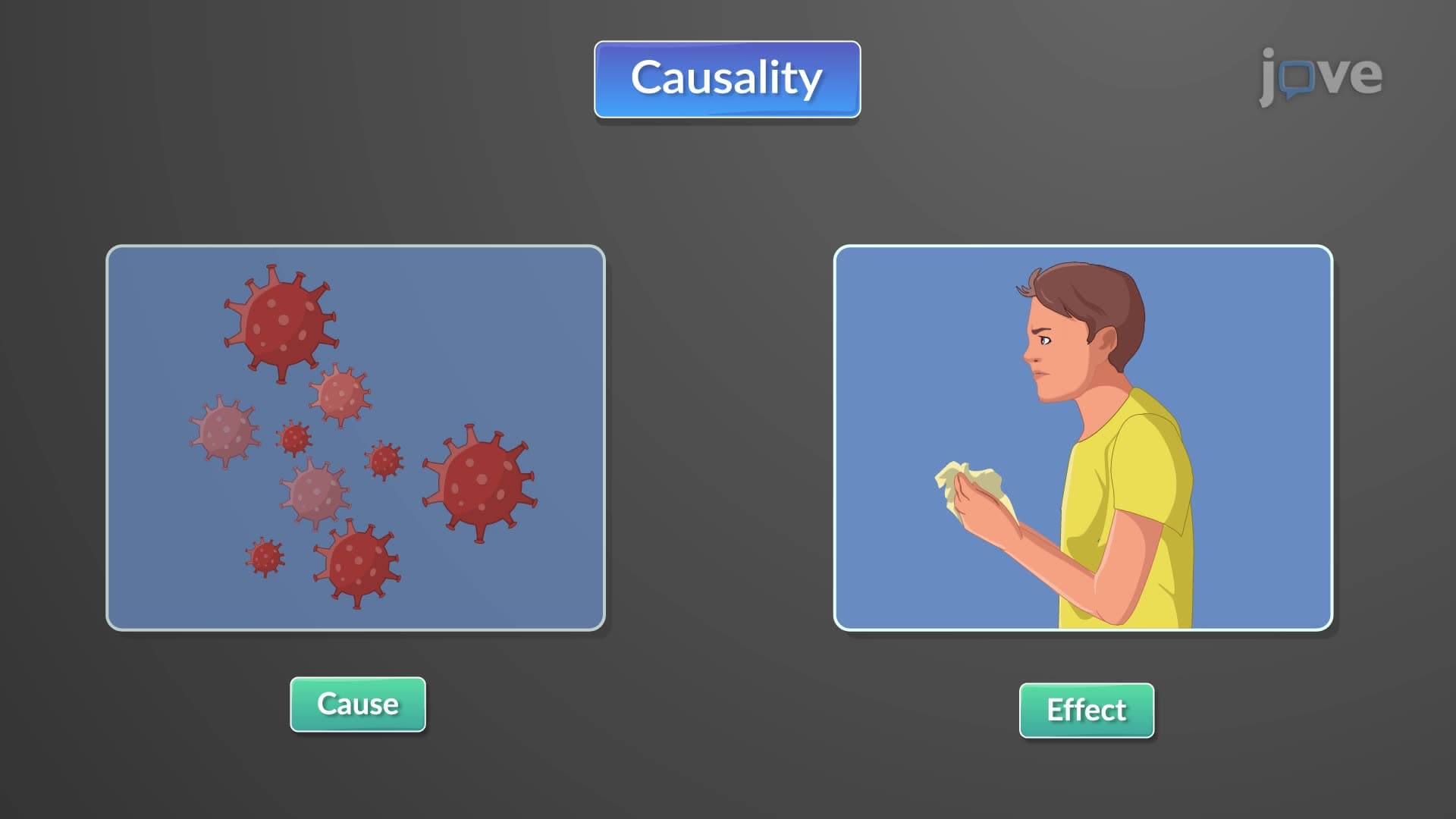

Video Summary: What Is Causality in Epidemiology
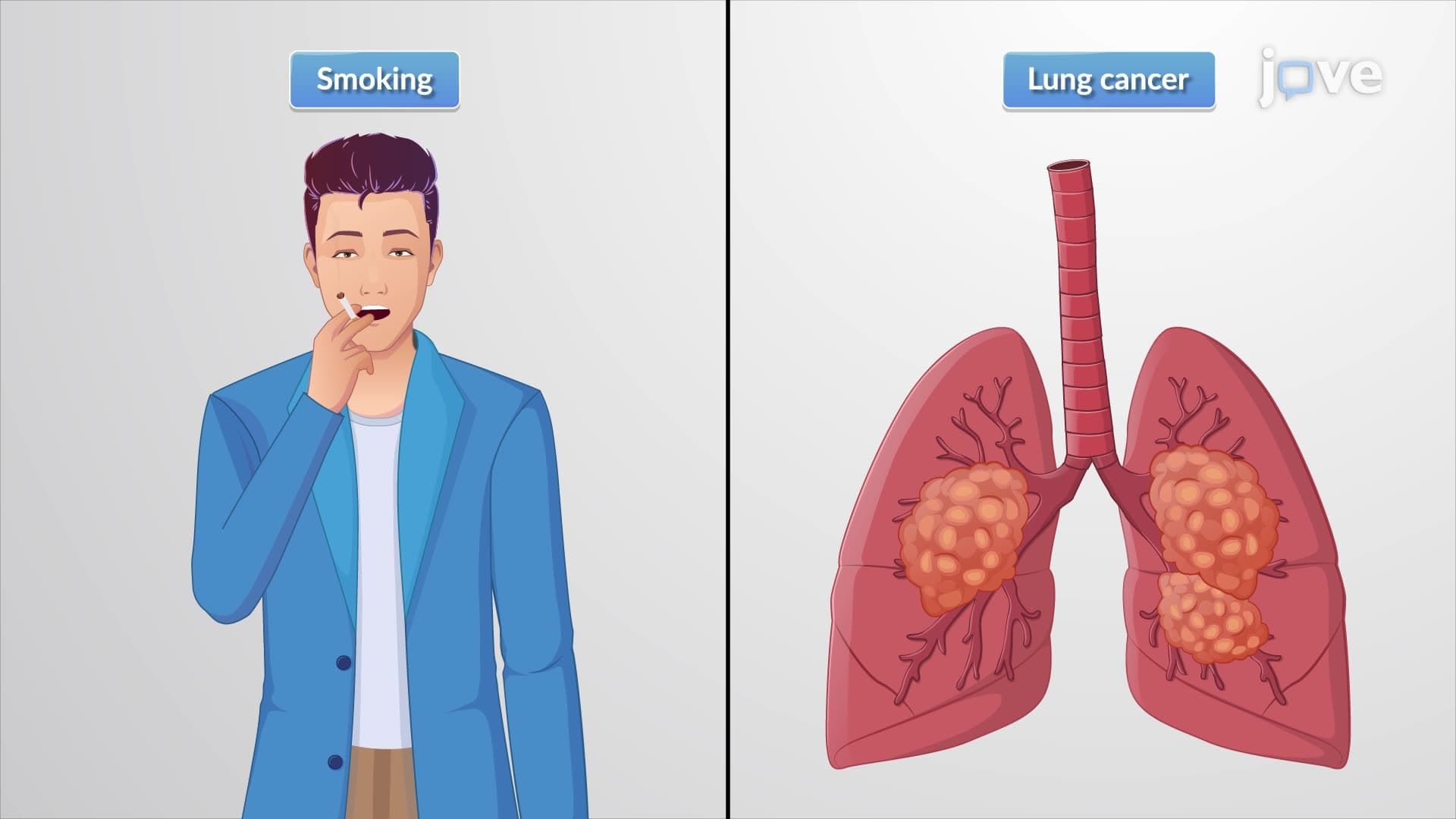
Did you know that cities with more hospitals often show higher disease rates, yet hospitals don't cause disease? Understanding causality in epidemiology helps distinguish true cause-and-effect relationships from misleading correlations. For instance, while smoking clearly causes lung cancer based on established criteria, simply observing that both occur together isn't enough evidence. What is causality in epidemiology reveals how epidemiologists determine whether factors like exposure to contaminated water actually cause illness outbreaks. Watch the full video on JoVE Coach to master this concept with expert-led visuals and step-by-step explanations.
Causality in epidemiology represents the gold standard for establishing whether an exposure, behavior, or environmental factor actually causes disease. Unlike simple statistical associations, causality requires meeting rigorous scientific criteria that prove a true cause-and-effect relationship exists. This distinction becomes critical when making public health decisions-incorrectly identifying a causal relationship could lead to ineffective interventions or wasted resources.
Epidemiologists rely on several key criteria to establish causality. Temporal precedence requires that the cause must occur before the effect-you cannot develop lung cancer from cigarettes you haven't smoked yet. Biological plausibility demands that the proposed mechanism makes scientific sense based on current medical knowledge. For example, the link between HIV infection and AIDS development follows a clear biological pathway where the virus systematically destroys immune cells.
The strength of association matters significantly-stronger relationships suggest causation more than weak correlations. When analyzing data from the Framingham Heart Study, researchers found that individuals with high cholesterol levels were substantially more likely to develop heart disease than those with normal levels, supporting a causal relationship.
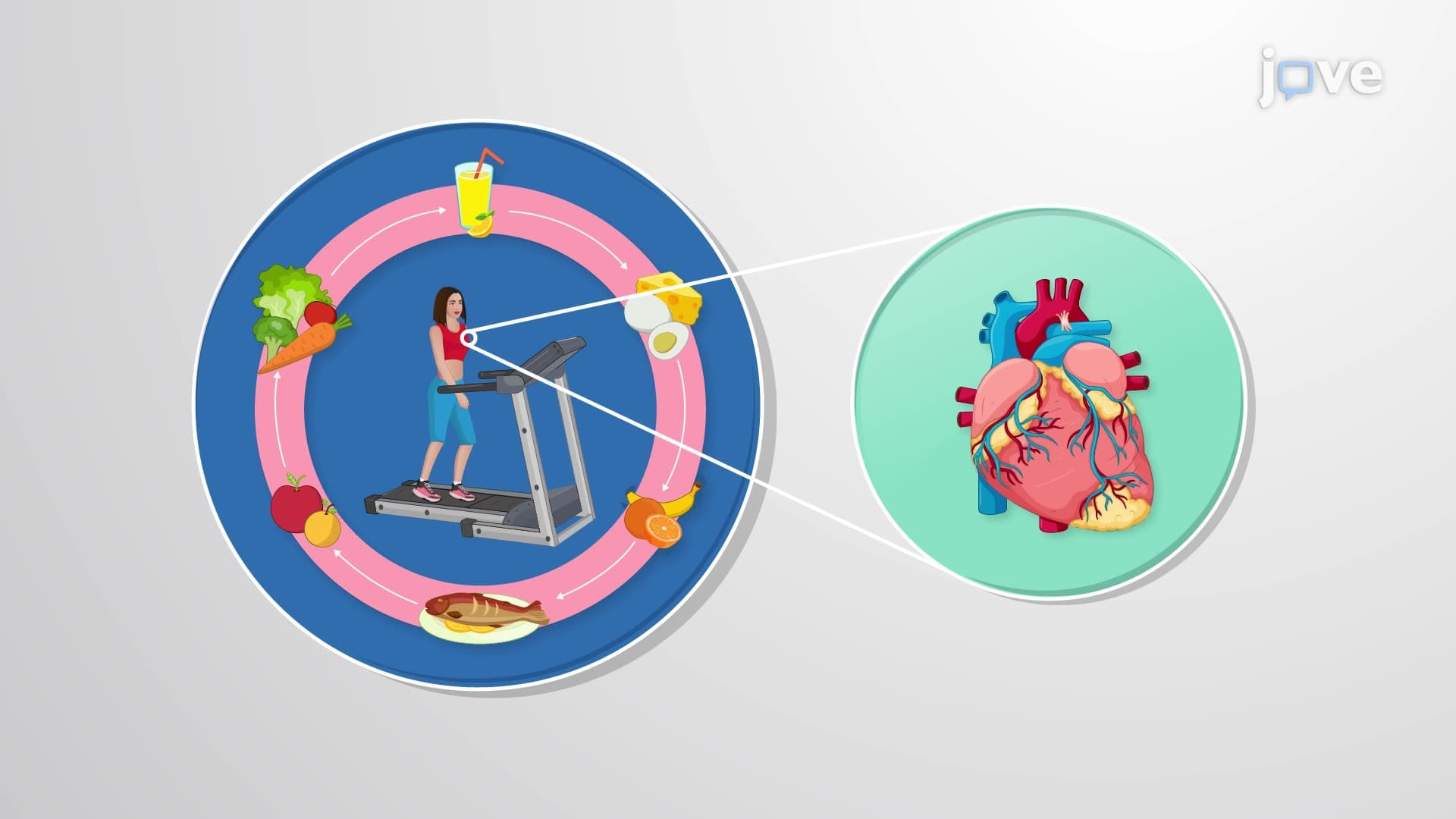
Real-world disease causation rarely involves single factors. Consider childhood asthma development-no single element causes this condition. Instead, multifactorial causation involves genetic predisposition, environmental allergens, air pollution exposure, and respiratory infections working together. Each factor alone might not trigger asthma, but their combination creates sufficient conditions for disease development.
This concept appears frequently on MCAT questions and AP Biology exams, where students must analyze complex disease scenarios and identify multiple contributing factors rather than searching for single causes.
Modern epidemiology recognizes that most causal relationships are probabilistic rather than deterministic. Smoking doesn't guarantee lung cancer-it dramatically increases probability. According to CDC data, smokers are 15-30 times more likely to develop lung cancer than non-smokers, but many smokers never develop the disease while some non-smokers do.
This probabilistic framework helps explain why public health interventions focus on reducing risk rather than eliminating disease entirely. Understanding this concept proves essential for college-level epidemiology courses and prepares students for advanced study in public health or medicine.
Related Micro-courses