Loading video…


 19 Concepts
 15.5K views

Video Summary: What Is Confounding in Epidemiological Studies
Did you know that a study linking coffee consumption to lung cancer was completely wrong because researchers forgot to account for smoking habits? Confounding in epidemiological studies occurs when hidden variables distort the true relationship between an exposure and health outcome. For instance, early studies suggested hormone replacement therapy increased heart disease risk, but confounding factors like age and lifestyle initially masked the therapy's actual protective effects in younger women. Watch the full video on JoVE Coach to master this concept with expert-led visuals and step-by-step explanations.
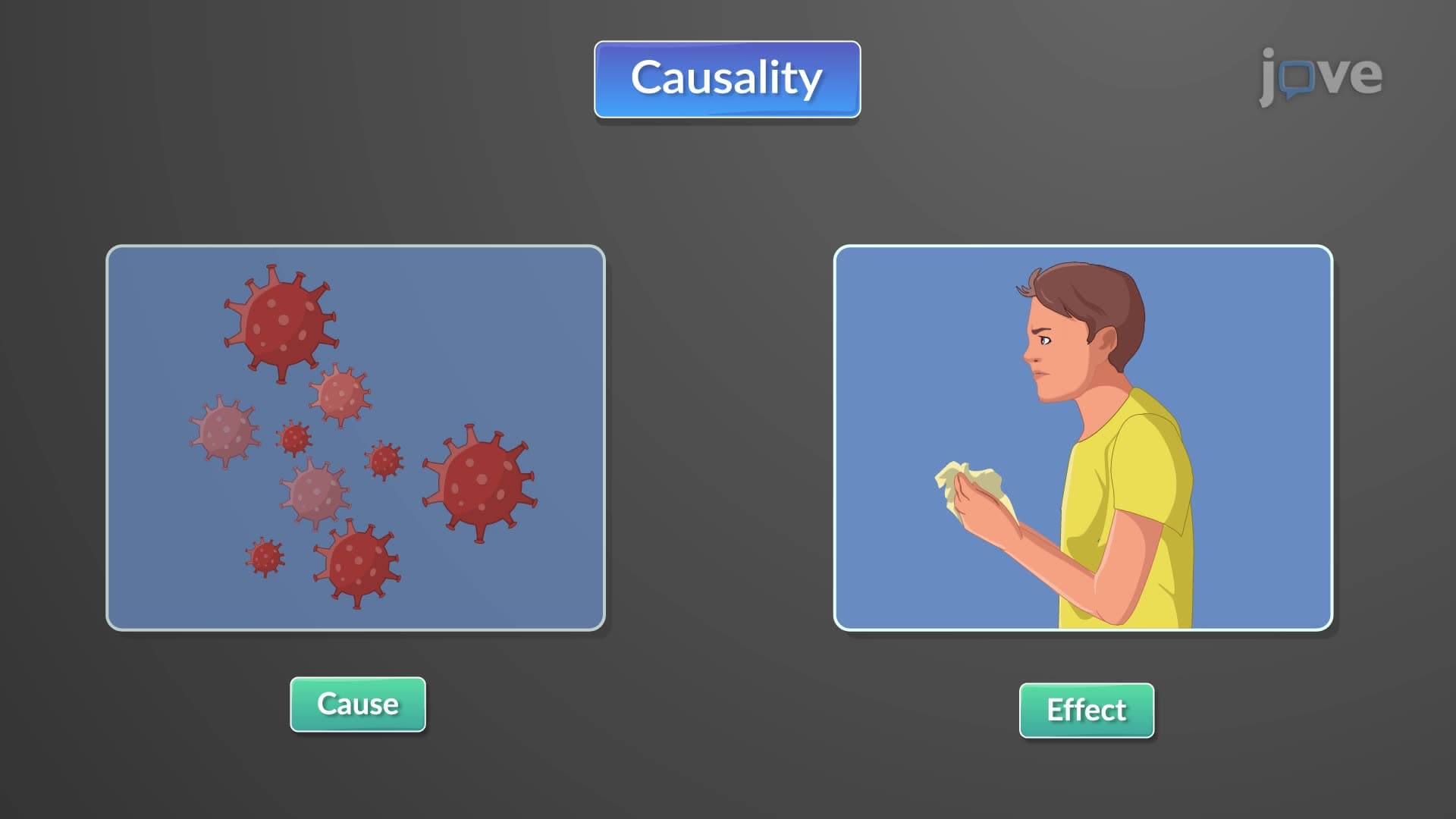
Confounding in epidemiological studies represents one of the most critical threats to valid research conclusions in public health. When epidemiologists investigate whether a particular exposure causes a health outcome, confounding variables can create false associations or hide true ones. This phenomenon occurs when a third variable influences both the exposure of interest and the health outcome, creating a spurious relationship that doesn't reflect reality.
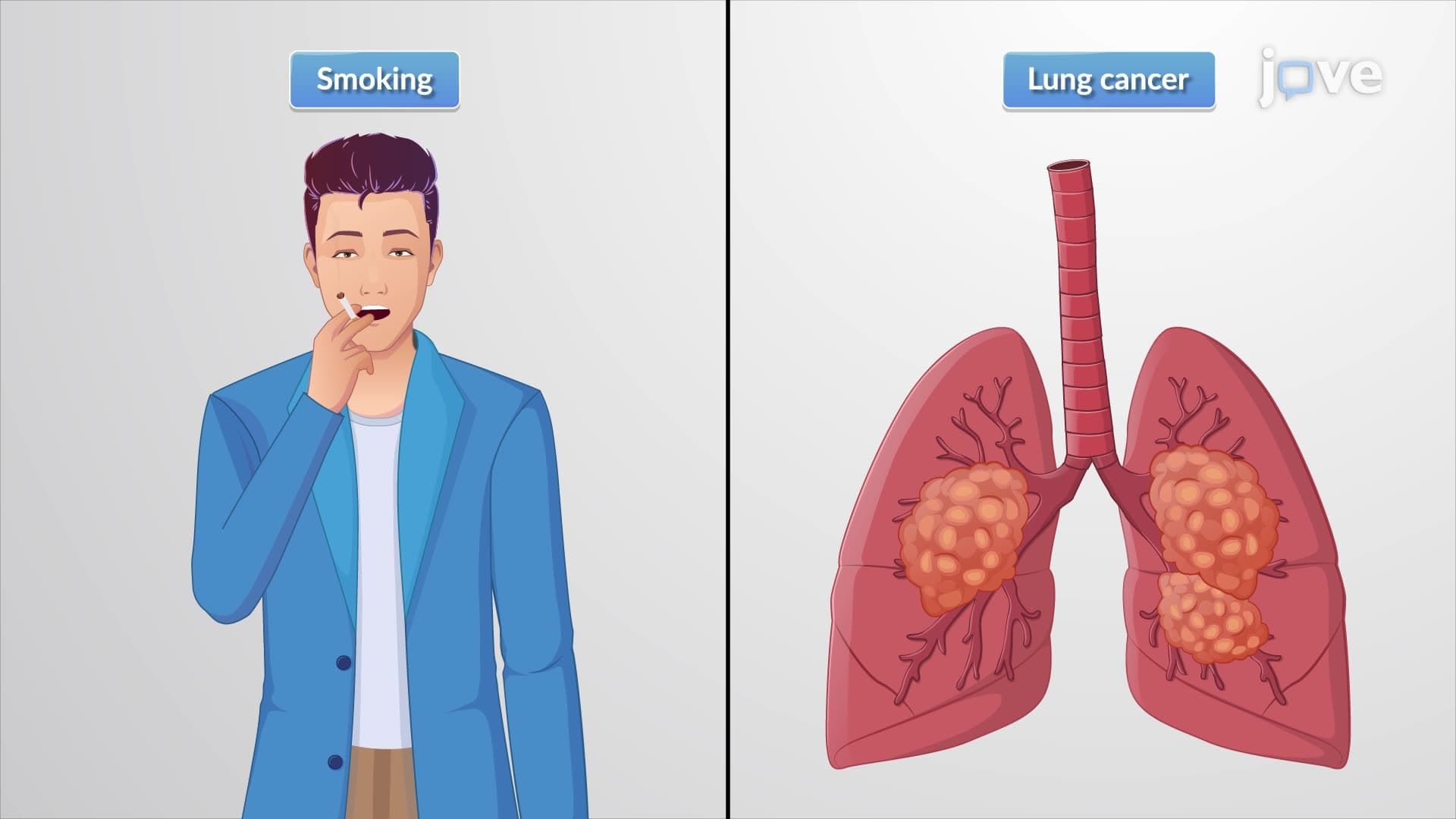
Simple confounding emerges when researchers fail to account for obvious third variables. The classic example involves studies examining the relationship between yellow teeth and lung cancer. Early researchers found a strong association until they realized smoking was the true culprit-causing both yellow teeth and cancer. Without controlling for smoking status, the studies incorrectly suggested dental discoloration directly caused cancer.
Complex confounding involves multiple interrelated variables simultaneously affecting study results. Consider research on socioeconomic status and cardiovascular disease. Income level, education, neighborhood safety, access to healthcare, stress levels, and dietary quality all interconnect, making it challenging to isolate which factors truly drive health disparities observed across different socioeconomic groups.
Confounding by indication specifically affects treatment studies, particularly in observational research. This occurs when the severity of illness determines treatment choice, potentially making effective treatments appear harmful. For example, patients receiving intensive chemotherapy regimens often have more advanced cancers and worse prognoses. Without accounting for disease severity, studies might incorrectly conclude that aggressive treatment causes poor outcomes.
Randomized controlled trials (RCTs) represent the gold standard for minimizing confounding because random assignment theoretically distributes confounding variables equally between treatment and control groups. However, RCTs aren't always feasible or ethical. The landmark Framingham Heart Study, ongoing since 1948, demonstrates how well-designed observational studies can control confounding through careful participant selection, standardized measurements, and sophisticated statistical techniques.
Students preparing for the MCAT or AP Biology exams should understand that confounding assessment requires identifying variables that: (1) associate with the exposure, (2) independently affect the outcome, and (3) aren't part of the causal pathway between exposure and outcome. Mastering these criteria helps distinguish true confounders from mediators or colliders in epidemiological research.
Related Micro-courses