Loading video…


 19 Concepts
 15.5K views

Video Summary: What Is Epidemiology
Did you know that epidemiology helped identify the link between contaminated water pumps and cholera outbreaks in 19th-century London? Epidemiology is the scientific study of disease patterns and health outcomes in populations, using specialized research methods to understand how diseases spread and affect communities. From tracking COVID-19 transmission patterns across US states to investigating foodborne illness outbreaks, epidemiologists use case studies, cohort studies, and statistical analysis to protect public health. Understanding what is epidemiology reveals how scientists turn health data into life-saving insights. Watch the full video on JoVE Coach to master this concept with expert-led visuals and step-by-step explanations.
Epidemiology serves as the cornerstone of modern public health, providing the scientific framework for understanding how diseases affect populations. Unlike clinical medicine, which focuses on individual patients, epidemiology examines health patterns across entire communities, states, or demographic groups. This epidemiology overview reveals why it's often called "the basic science of public health."
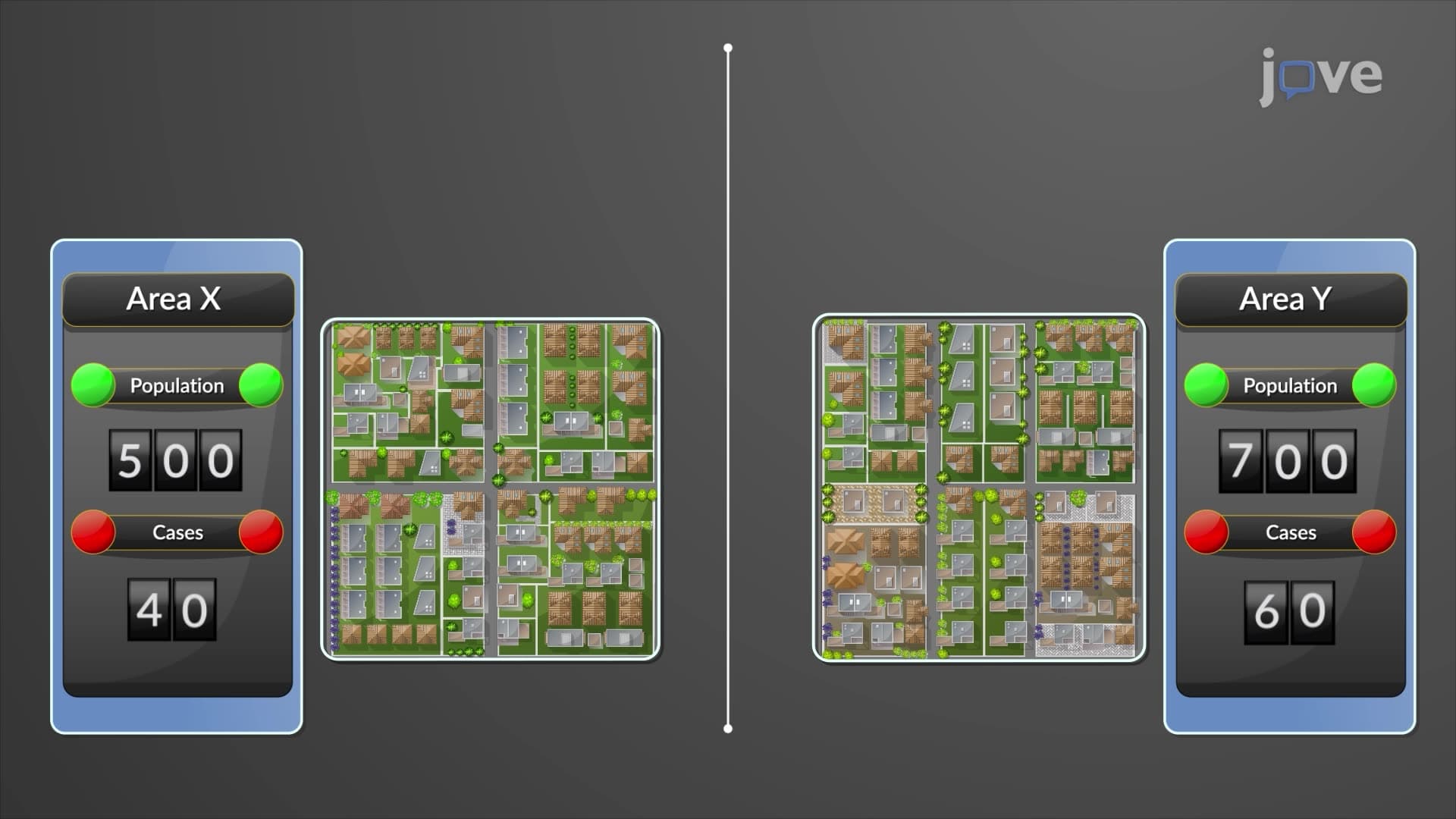
The epidemiology definition encompasses three core elements: studying the distribution of diseases (who gets sick), the determinants of health outcomes (why they get sick), and the application of findings to control health problems. This systematic approach has revolutionized our understanding of everything from heart disease risk factors to infectious disease transmission patterns.
Understanding epidemiology requires familiarity with its diverse research methods, each designed for specific investigative purposes. Case studies and case series provide detailed examinations of individual patients or small groups, offering valuable insights into rare diseases or unusual presentations. For instance, case studies of patients with unexplained respiratory illnesses in nursing homes might reveal new infectious agents.
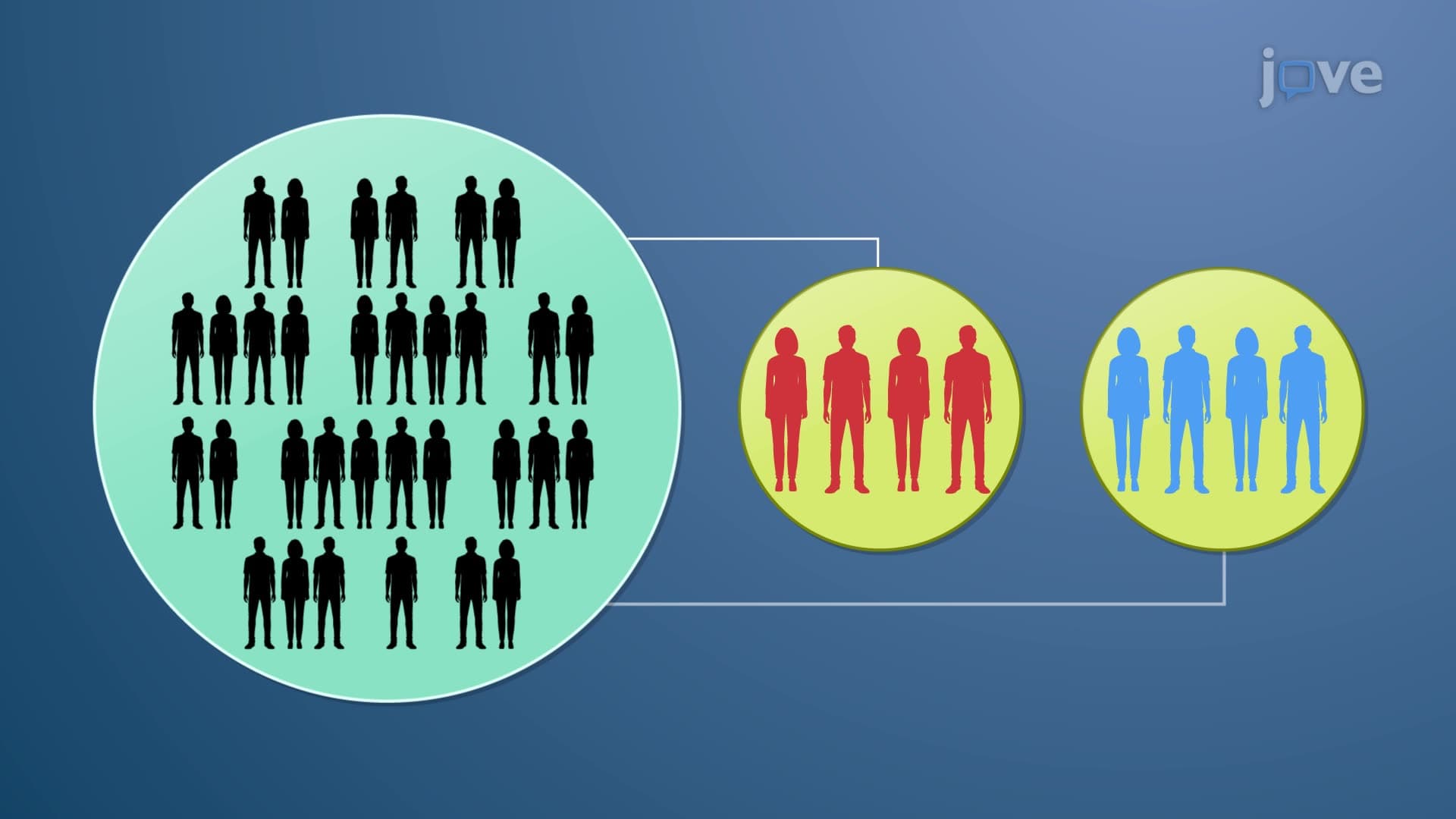
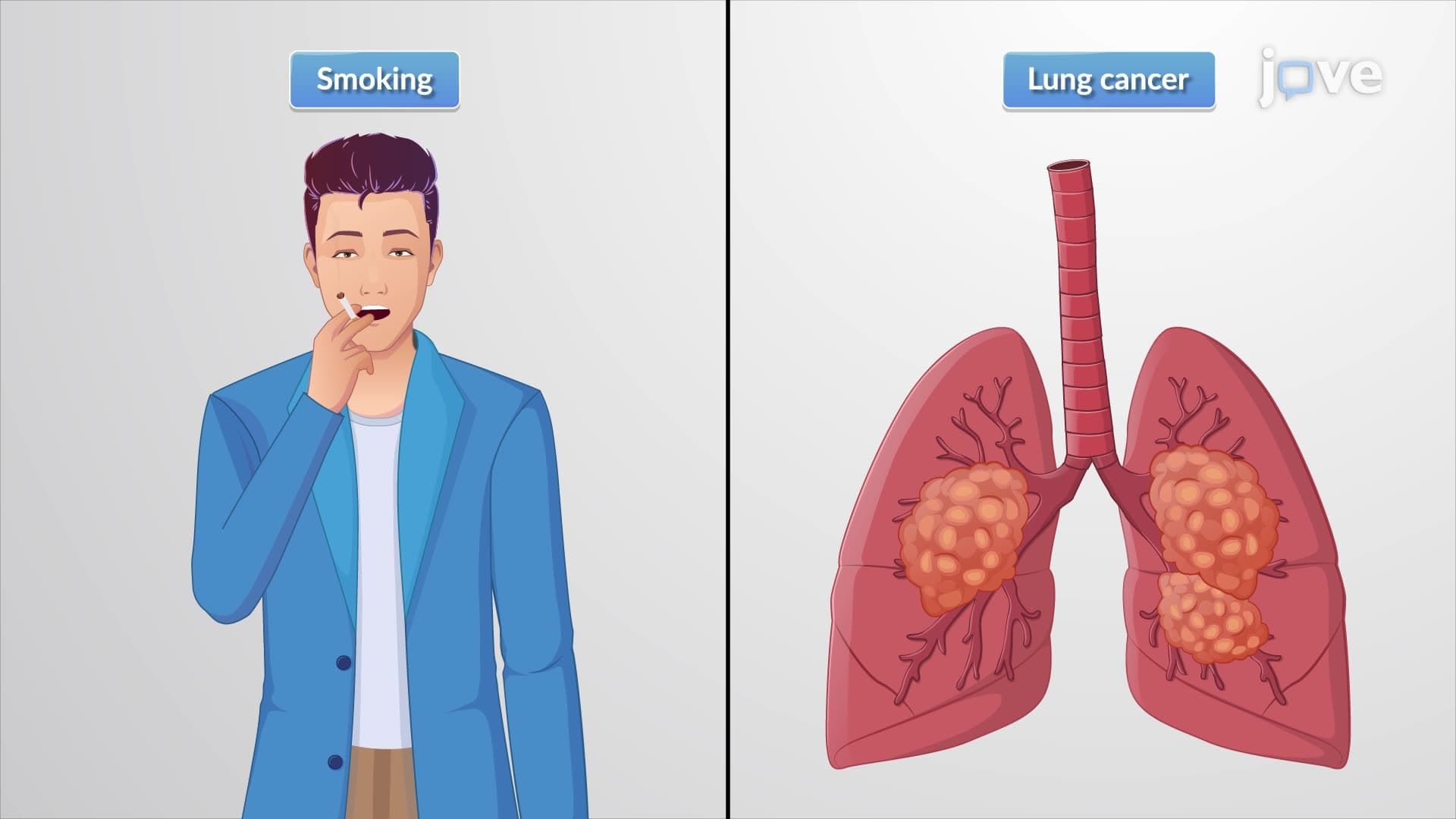
Case-control studies represent a more complex approach, comparing individuals with a specific condition (cases) to those without it (controls). The famous case-control study linking lung cancer to cigarette smoking exemplifies this method's power. Researchers compared smoking histories between lung cancer patients and healthy controls, revealing the strong association that transformed public health policy.
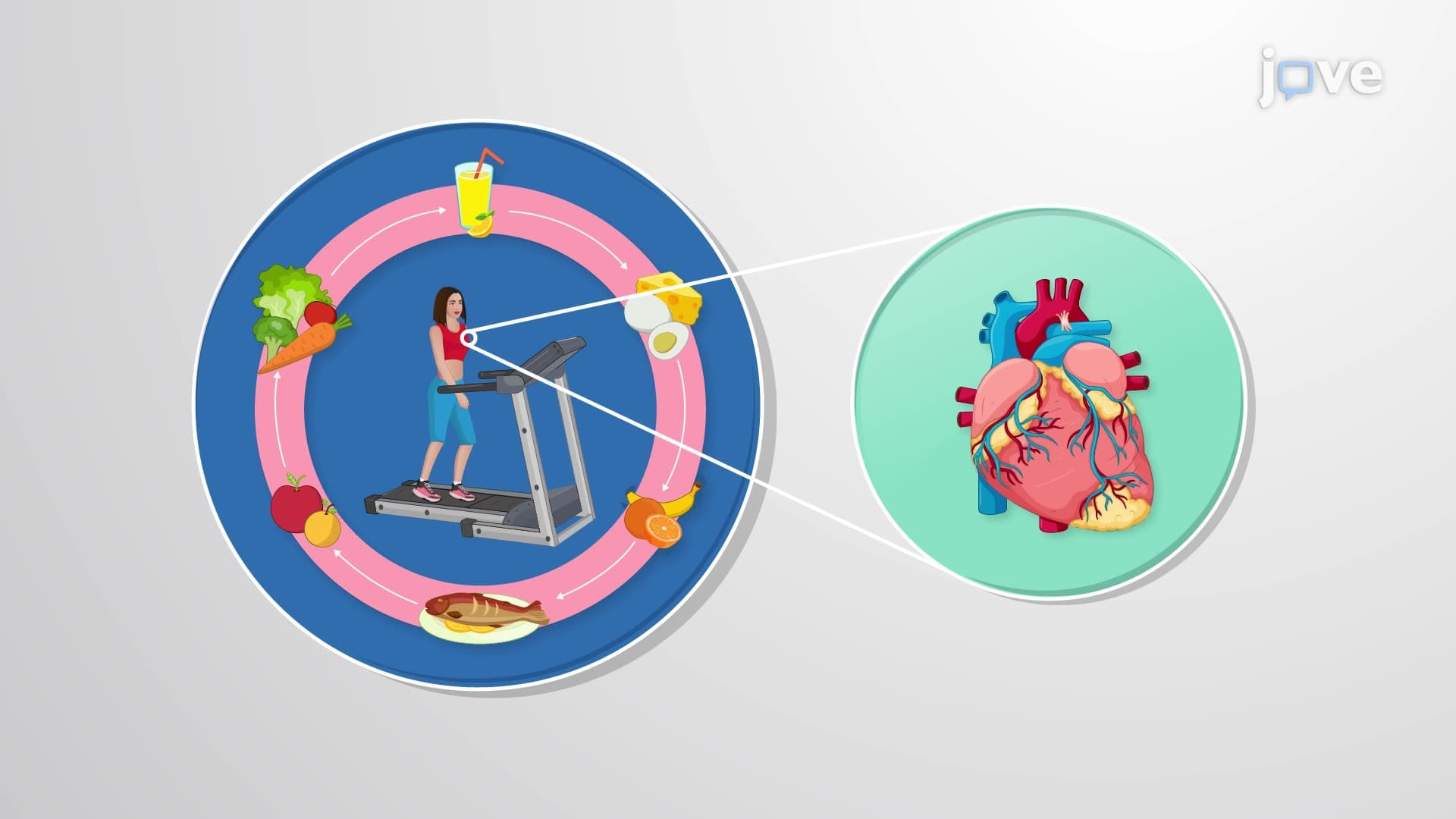
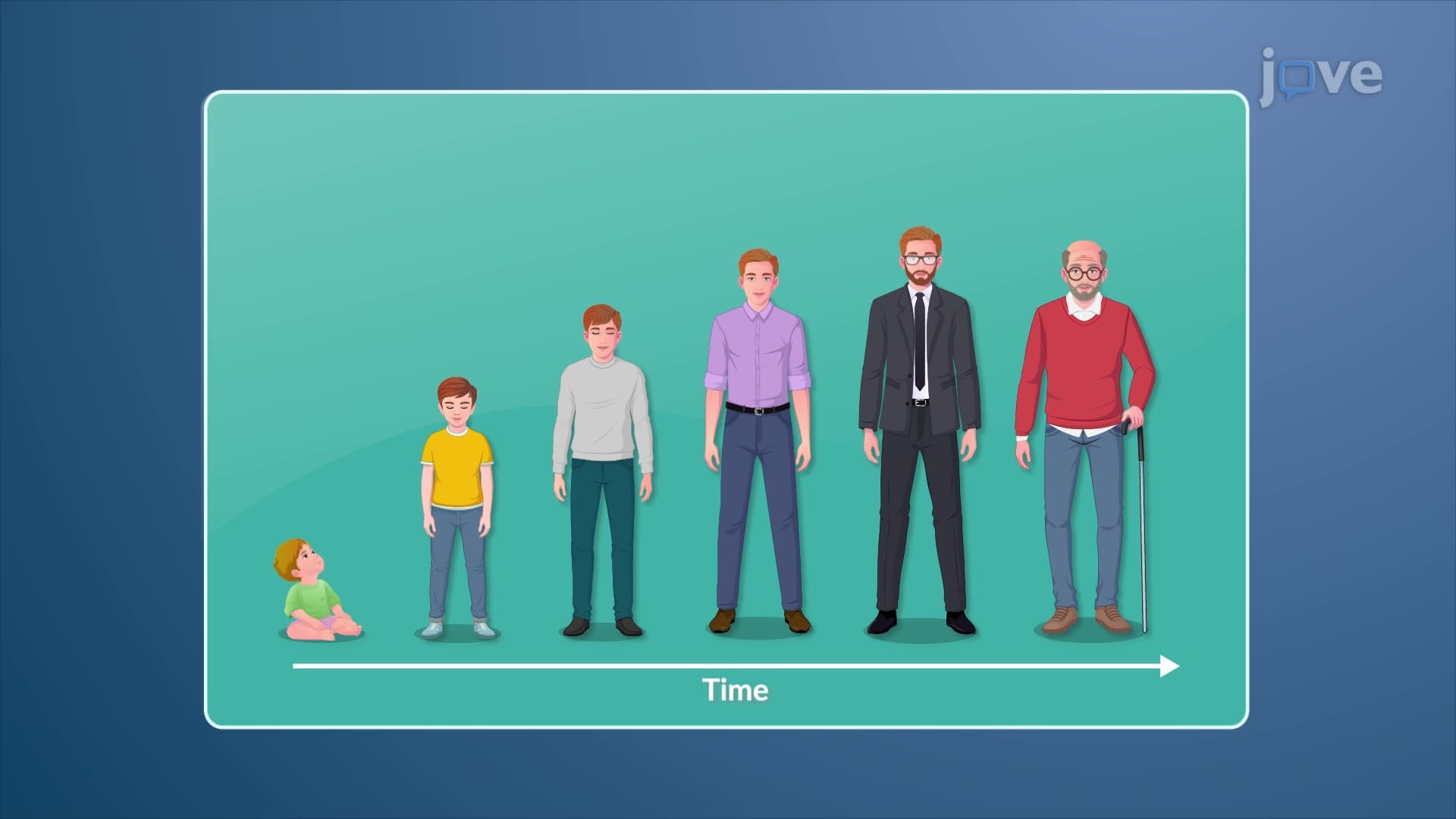
Cohort studies, considered the gold standard for establishing causation, follow groups of people over extended periods. The Framingham Heart Study, ongoing since 1948, has tracked cardiovascular health in Massachusetts residents for decades, identifying major risk factors like high cholesterol and hypertension that now guide clinical practice nationwide.
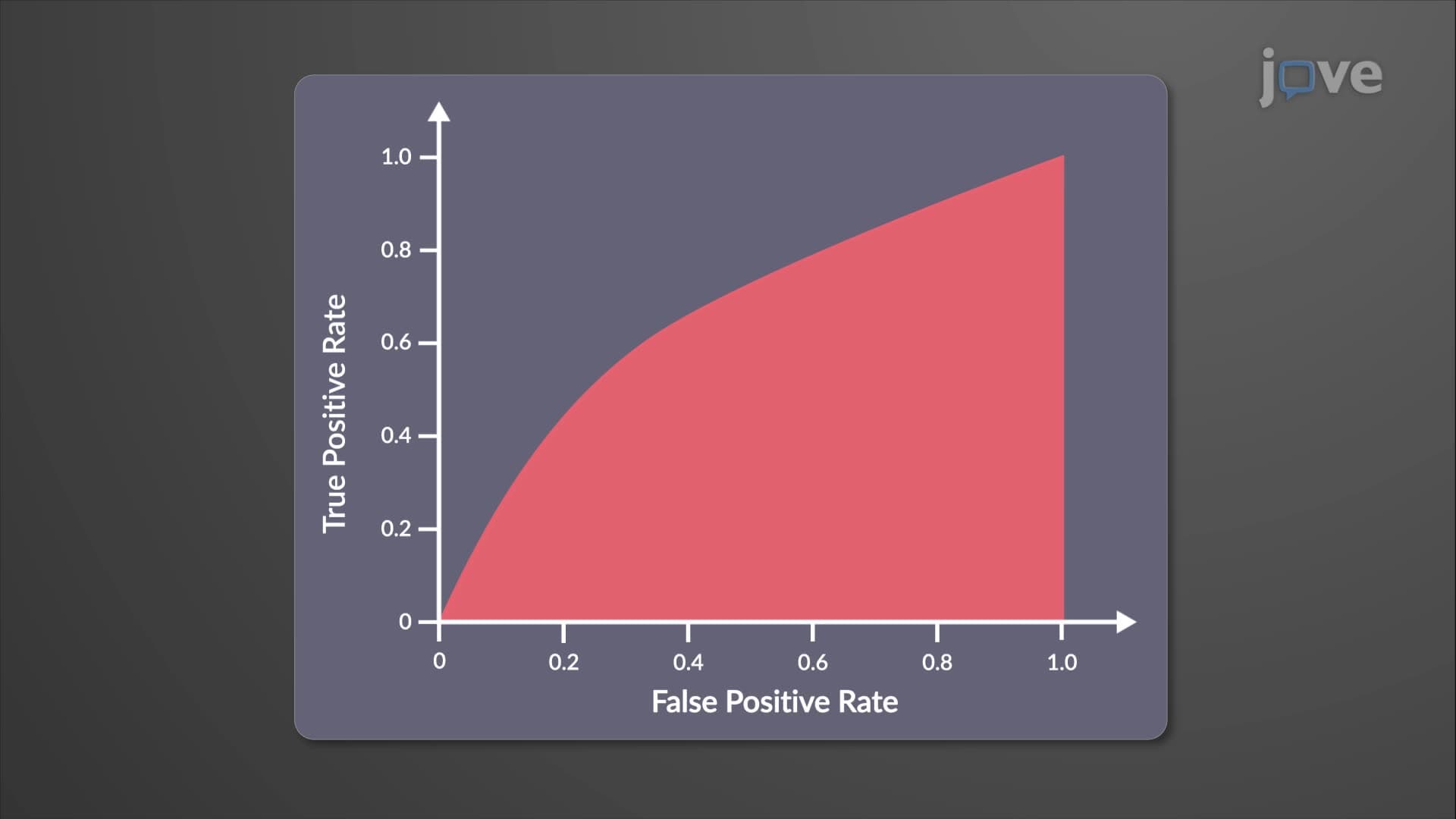
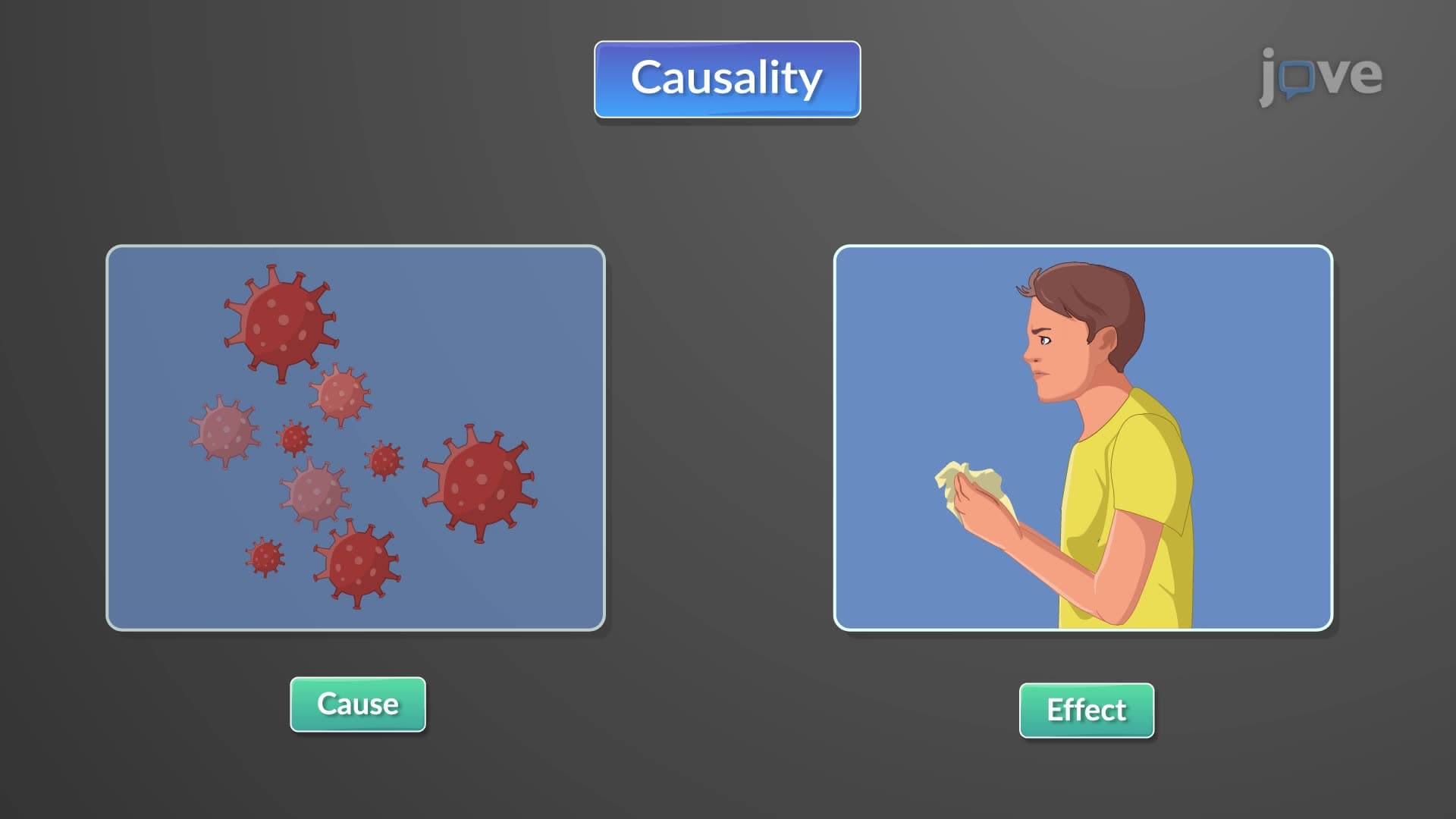
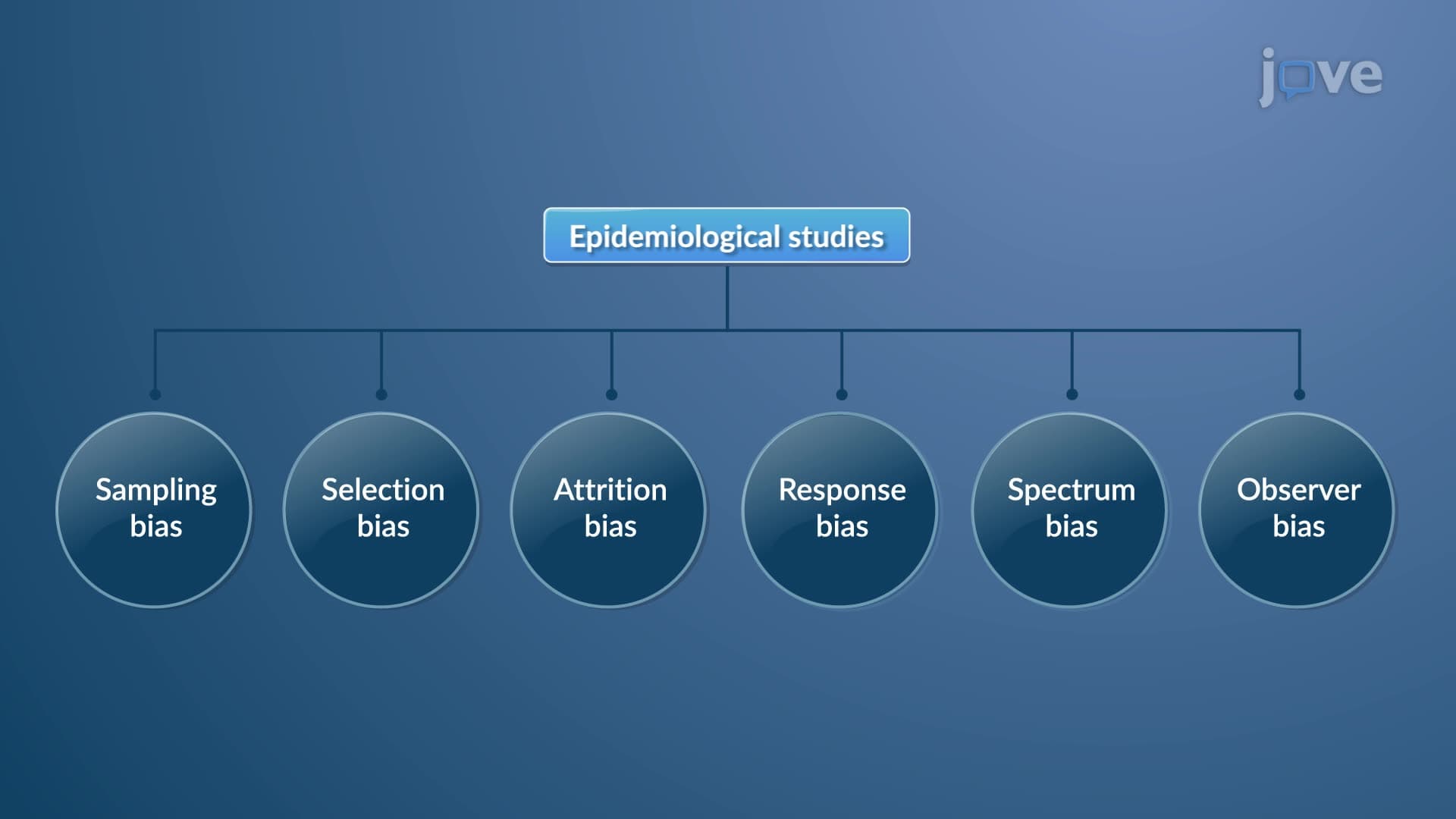
The epidemiology concept emphasizes rigorous statistical analysis to distinguish correlation from causation. Epidemiologists must account for confounding variables-factors that might falsely suggest relationships between exposure and disease. For example, when studying the relationship between coffee consumption and heart disease, researchers must control for smoking, since coffee drinkers historically smoked more frequently.
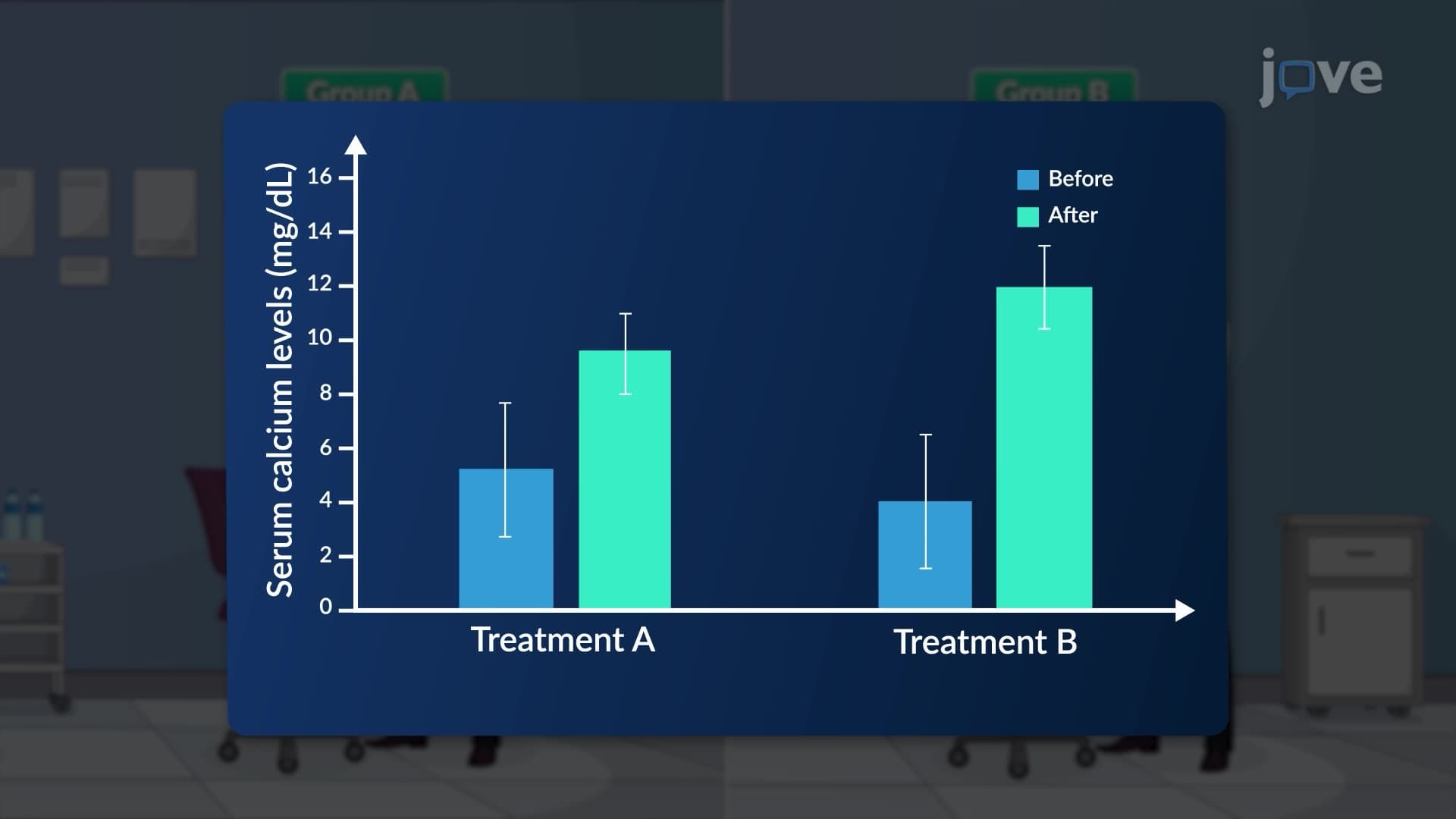
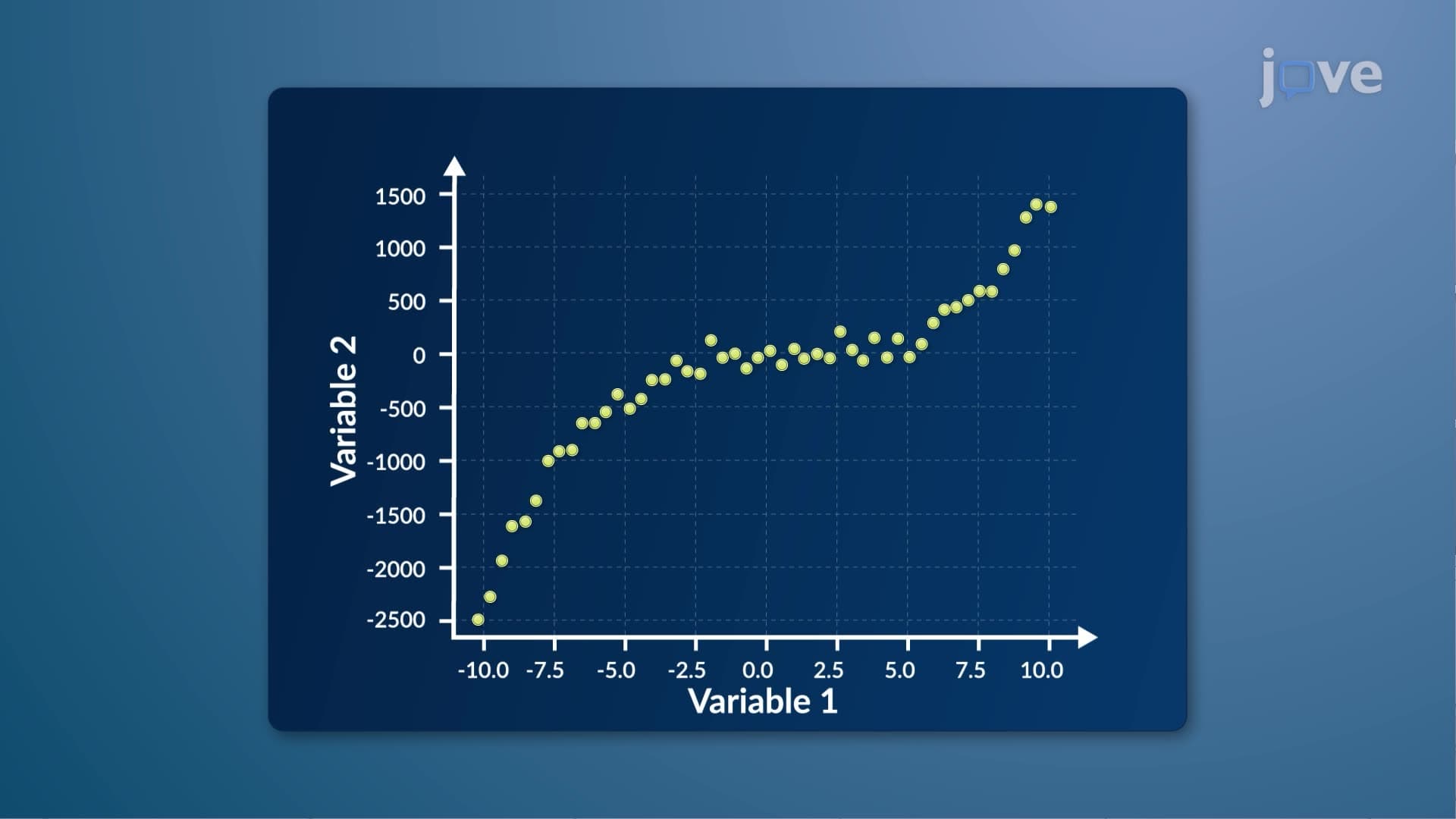
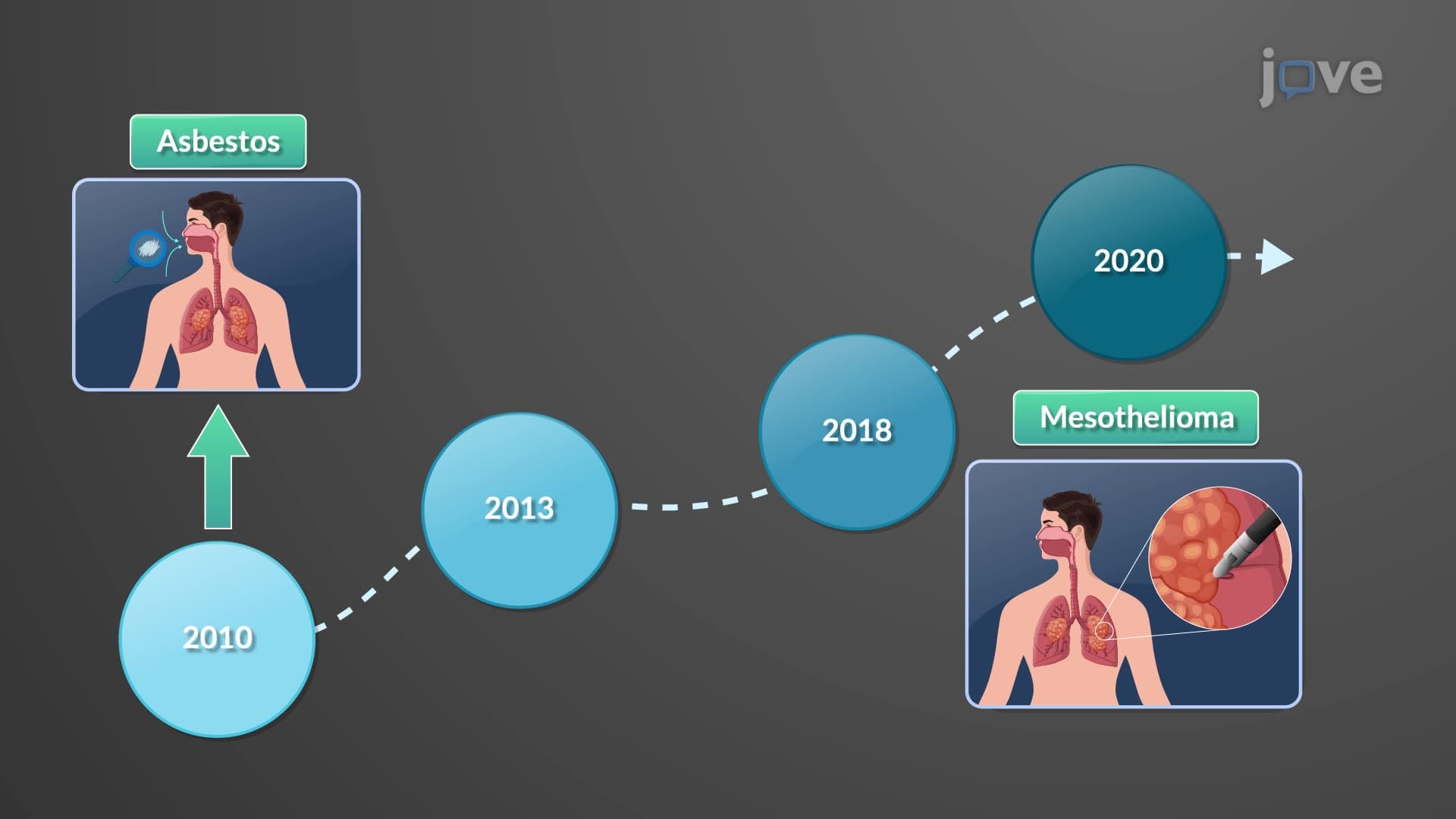
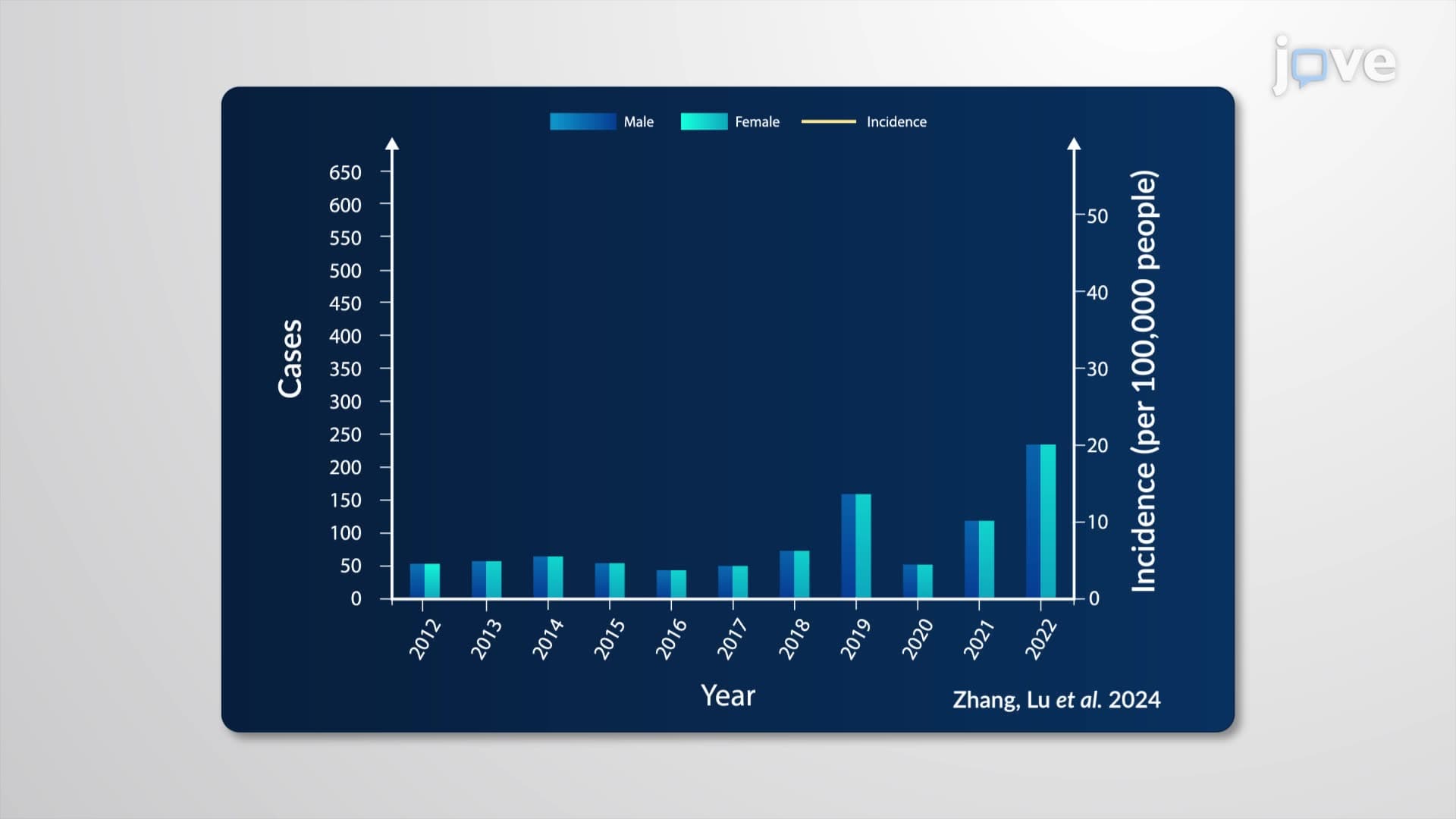
Longitudinal data analysis reveals how health outcomes change over time, providing crucial insights into disease progression and intervention effectiveness. This approach proved invaluable during the COVID-19 pandemic, as epidemiologists tracked infection rates, vaccine effectiveness, and variant emergence across different US populations.
This epidemiology study guide concept appears frequently in AP Biology courses, particularly in units covering population ecology and human impact on the environment. Pre-med students encounter epidemiology principles on the MCAT, especially in biological and biochemical foundations sections. Nursing students preparing for NCLEX examinations must understand epidemiological principles for community health questions, while public health graduate programs require comprehensive epidemiology coursework as a foundation for all other studies.
Related Micro-courses